
Rumšiškės from Vilnius: Lithuania's Open-Air Museum
How to visit Rumšiškės, Lithuania's vast open-air ethnographic museum, on a day trip from Vilnius: what to see, seasons and hours, family fit, transport and pairing it with Kaunas.
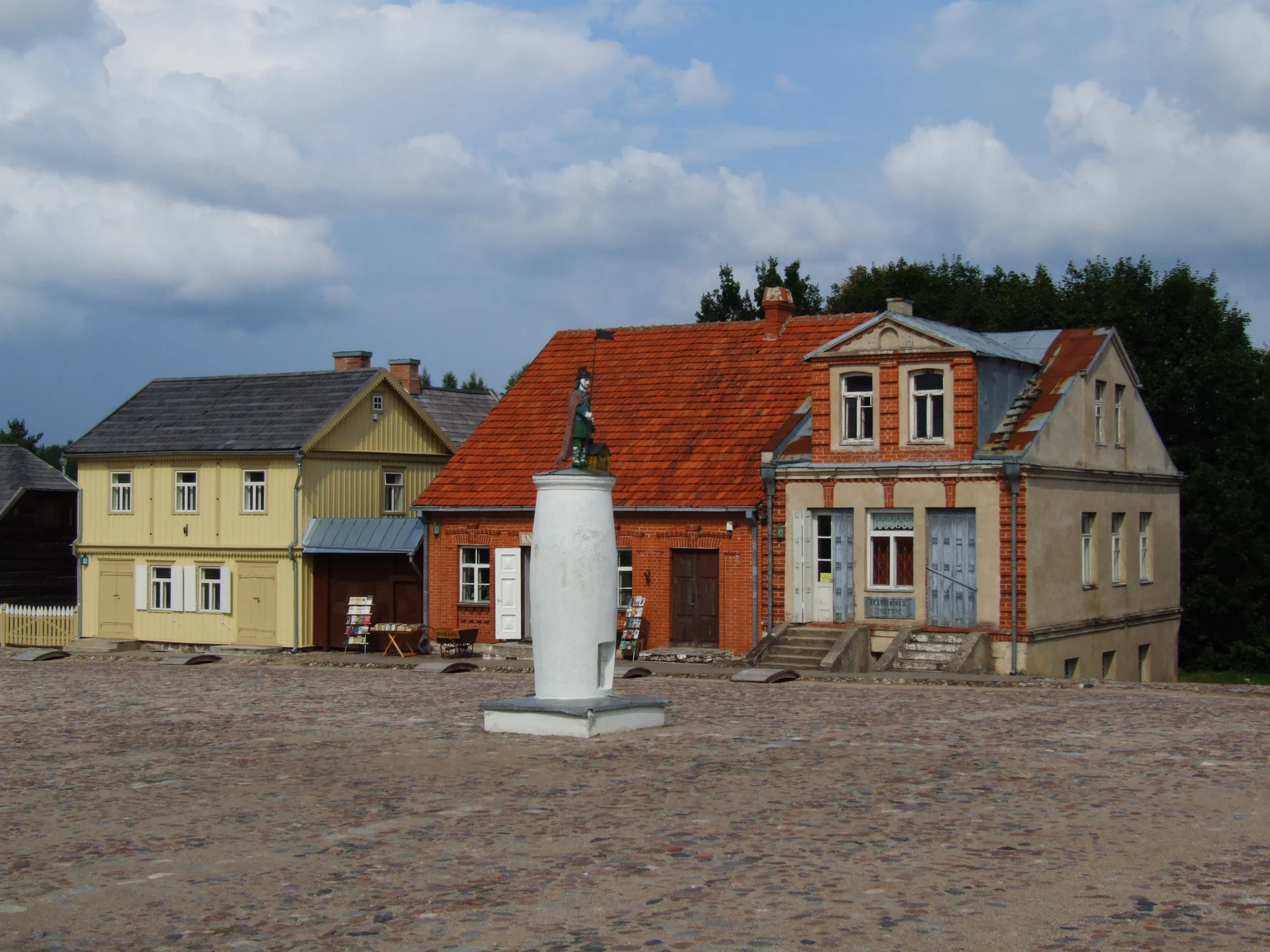
- ✓Rumšiškės is one of Europe's largest open-air museums — a whole reconstructed countryside of old Lithuanian farmsteads, villages and a small town, spread over a vast site by the Kaunas Lagoon.
- ✓It is an outdoor, walk-everywhere experience: plan to cover real distances on foot, and give it a half to full day.
- ✓The interiors of the buildings are open in the warm season (roughly May to September); off-season you can still walk the grounds at a lower ticket price.
- ✓It is genuinely good for families and for anyone interested in folk life, crafts and rural history.
- ✓There is no fast train; the practical way is a bus toward Kaunas or a car, which also makes pairing Rumšiškės with Kaunas easy.
What Rumšiškės actually is
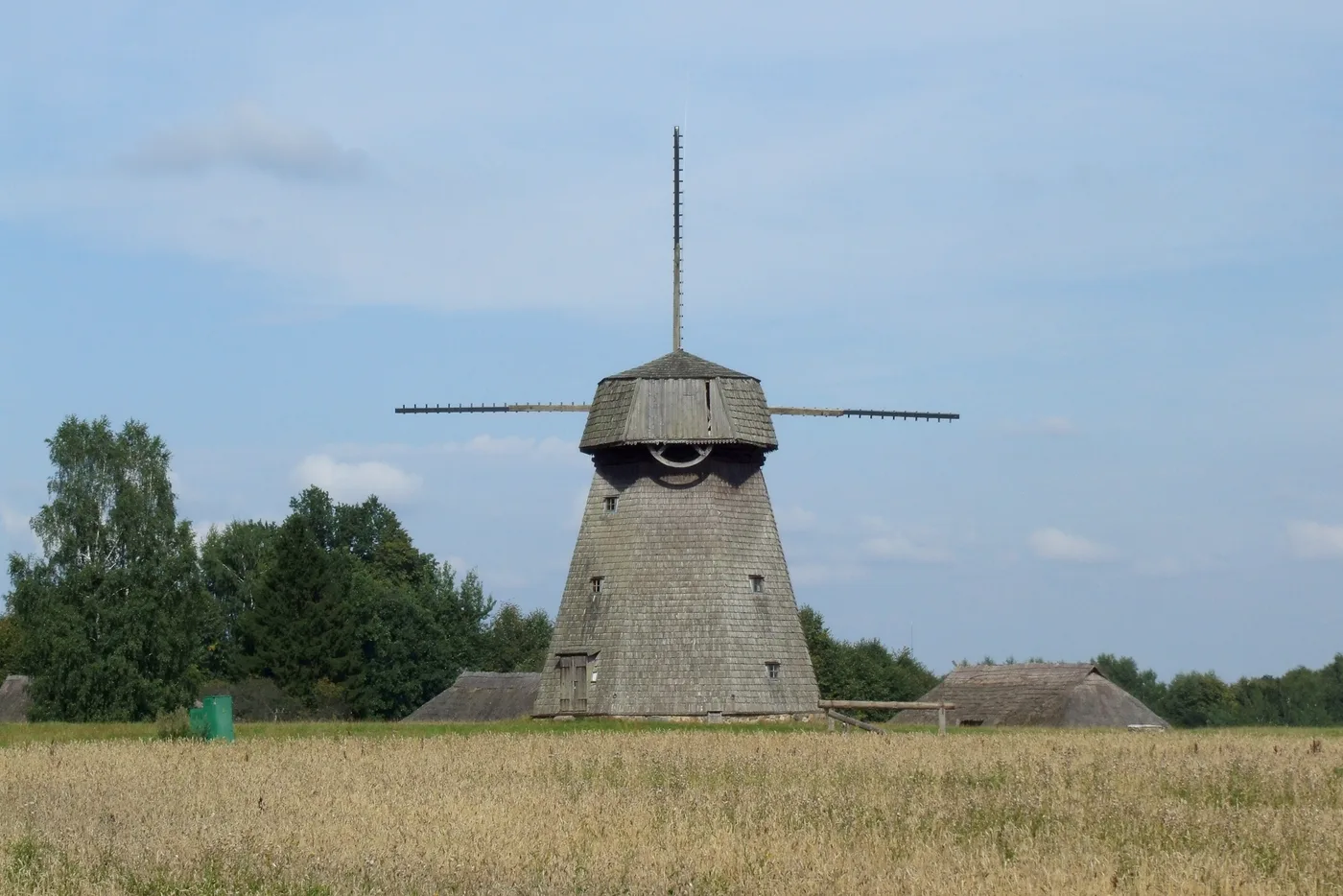
Rumšiškės is not a single building but an entire reconstructed country — the Open-Air Museum of Lithuania, one of the largest ethnographic museums in Europe. Across an enormous site on the shore of the Kaunas Lagoon, the museum gathers hundreds of original wooden farmsteads, cottages, chapels, windmills and workshops, dismantled from villages across the country and rebuilt here. They are grouped by Lithuania's historic ethnographic regions, so a walk through the grounds is effectively a walk across the whole nation's rural past.
Opened in 1966, the museum was conceived as a way to preserve a vanishing way of life, and it still feels like that: an open landscape of fields, lanes, gardens and timber buildings where you wander rather than file past exhibits. There is even a reconstructed old town quarter with a square, a church and townhouses. In the warm season the interiors are furnished and staffed, with craft demonstrations and costumed interpreters bringing the farmsteads to life.
What makes Rumšiškės special is the scale and the immersion. You are not looking at a model village; you are walking through a real, full-size countryside that happens to be a museum. That also means it asks something of you — comfortable shoes and a willingness to cover ground — but the reward is a vivid, unhurried sense of how Lithuanians actually lived.
It is the country's headline cultural day trip for travellers who want more than castles and churches, and it pairs especially well with a visit to nearby Kaunas.
- One of Europe's largest open-air museums, covering a vast site by the Kaunas Lagoon, open since 1966.
- Hundreds of original wooden buildings grouped by Lithuania's ethnographic regions.
- An outdoor, walk-everywhere site — wear good shoes and allow plenty of time.
What you'll actually see on the site
The museum is organised around Lithuania's historic ethnographic regions — Aukštaitija, Žemaitija (Samogitia), Dzūkija, Suvalkija and Lithuania Minor — and each has its own zone of farmsteads laid out as a small village or hamlet. The differences are real and surprising: the timber styles, roof shapes, fences and yard layouts shift from region to region, reflecting different soils, climates and traditions. Walking between them is the closest thing to a tour of the whole country's rural past that you can do in an afternoon.
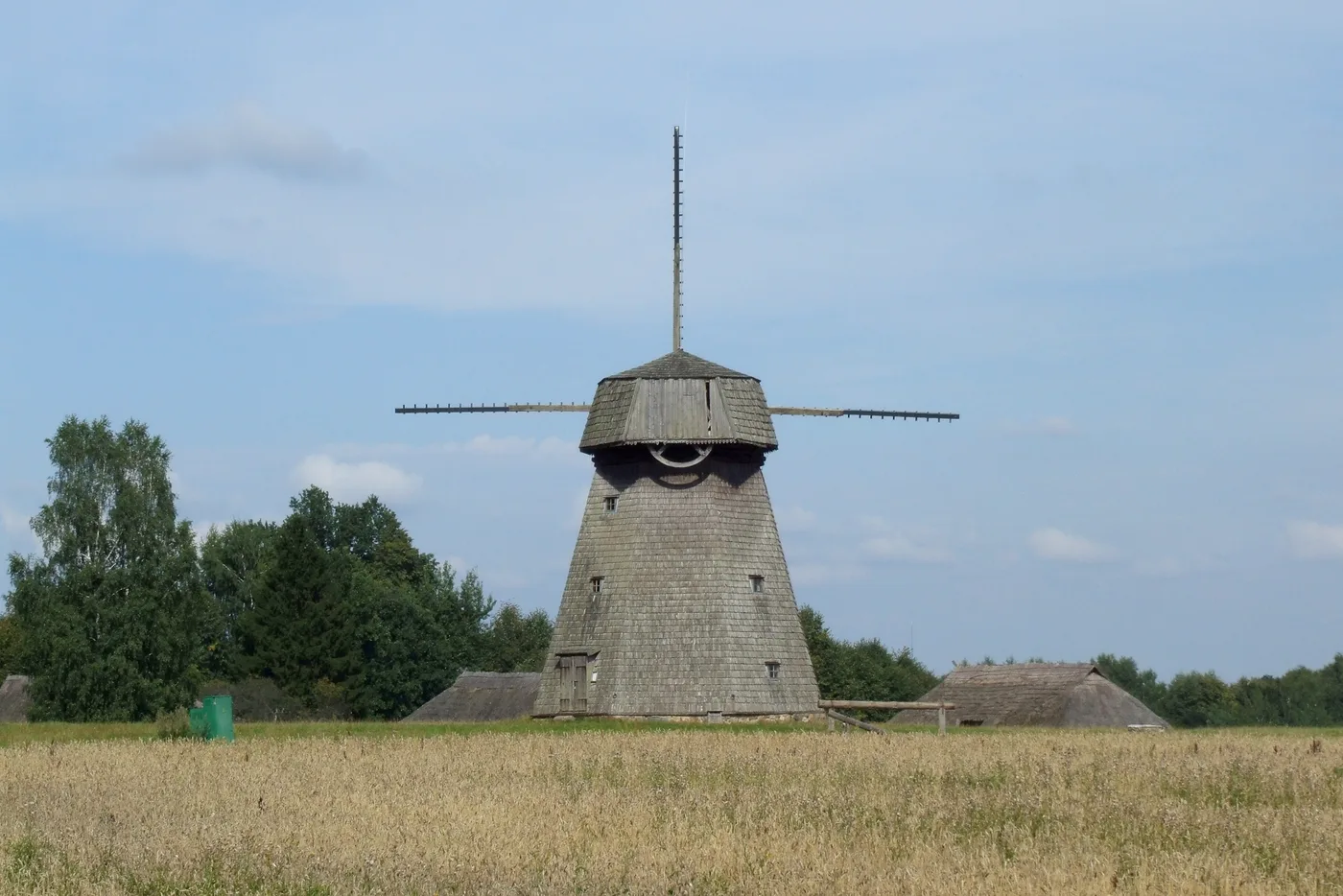
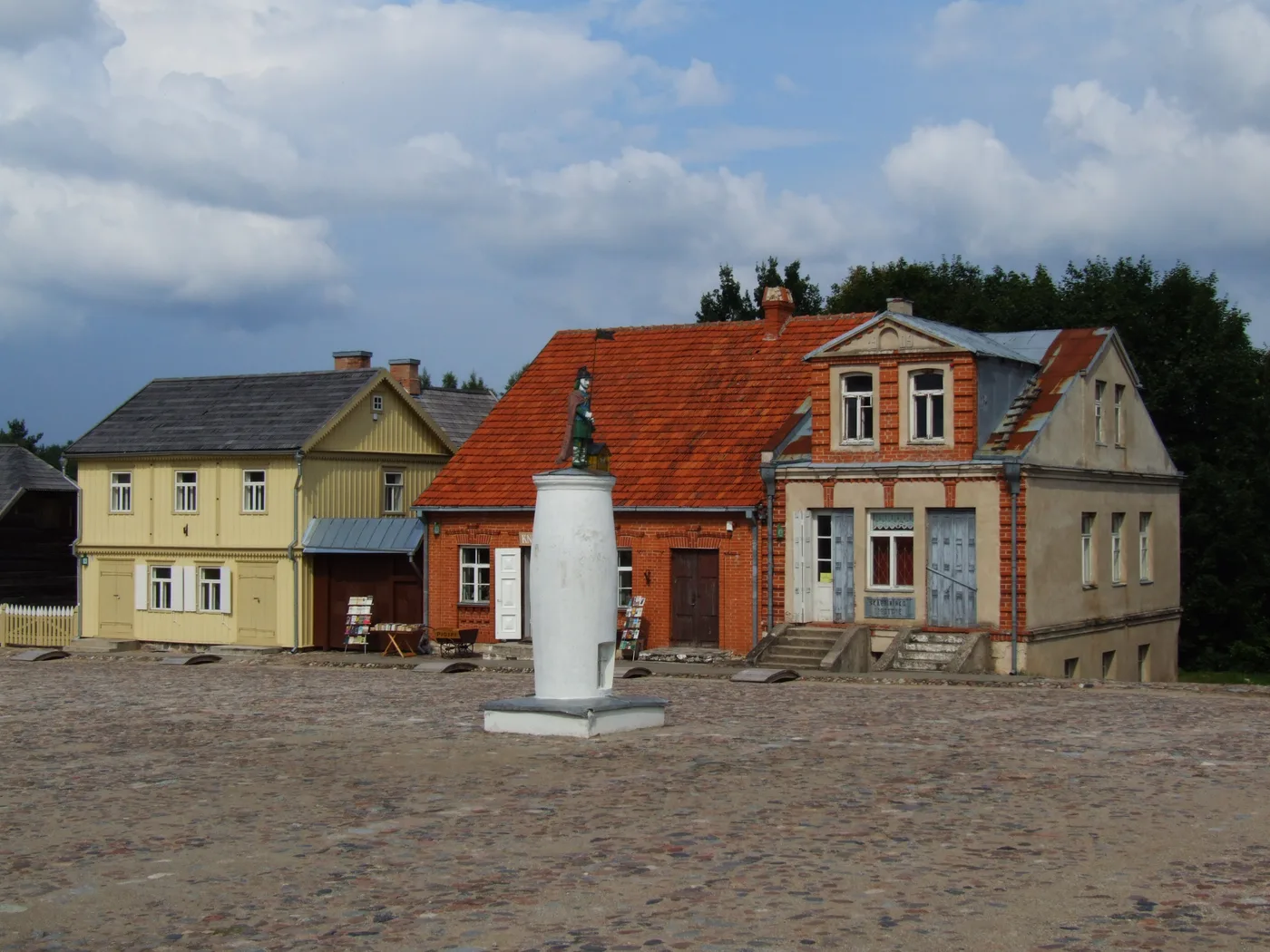
Beyond the farmsteads, the highlight for many is the reconstructed old-town quarter — a 19th-century country town with a market square, a wooden church, an inn, craftsmen's houses and shops, complete with cobbles and a town pump. It gives the museum a focal point and a sense of community life, not just isolated farms. Scattered across the grounds you will also find windmills, chapels, a watermill, beehives, kitchen gardens and farm animals, all adding to the lived-in feel.
In the open season, the buildings come alive. Costumed staff demonstrate weaving, pottery, blacksmithing, baking and other crafts; some of the houses have working hearths and laid tables; and there is often the chance to taste traditional food or buy handmade goods. This is what separates a summer visit from a winter one — in the warm months you experience the museum as a living place rather than an empty stage set.
- Farmsteads grouped by Lithuania's five ethnographic regions, each with its own distinct building style.
- A reconstructed 19th-century country town with a square, church, inn and craftsmen's houses.
- Windmills, chapels, watermill, gardens and farm animals across the grounds.
- In season: craft demonstrations, working hearths, food tastings and costumed interpreters.
Map pins
Map data © OpenStreetMap contributors · Tiles © OpenFreeMap
Seasons, hours and tickets
Rumšiškės is a year-round museum, but it is really two different experiences depending on the season. In the warm months — broadly May through September — the building interiors are open, furnished and brought to life with crafts, demonstrations and seasonal events, and this is unquestionably the best time to visit. The peak-season ticket is higher because you are getting the full, animated museum. In the colder months the interiors close and the site becomes a quieter park-style walk among the buildings, at a noticeably lower entry price.
Opening hours shift with the season too — longer in summer, shorter in winter — so always check the museum's official website for the current day's times and prices before you travel, especially off-season. As a guide, admission is modest, with the peak summer ticket (when the interiors are open) costing more than the off-season park-only rate, and reduced prices for students, seniors and children; the museum also offers free entry on the last Sunday of each month. Because prices and hours change, treat anything you read here as indicative and confirm the current details on the official site.
The takeaway: go in late spring, summer or early autumn if you possibly can, when the farmsteads are open and the events calendar is busiest. If you only have a winter date, it is still a pleasant walk, just a quieter and more static one.
- Warm season (≈ May–Sep): interiors open, crafts and events, longer hours, higher ticket.
- Cold season: interiors closed, park-style walk only, shorter hours, lower ticket.
- Free entry is offered on the last Sunday of the month per the official museum — verify before relying on it.
- Always confirm current hours and prices on the museum's official site before travelling.
Is it good for families?
Yes — Rumšiškės is one of the strongest family day trips from Vilnius, provided you visit in the open season. Children get space to roam, animals and gardens to look at, craft demonstrations to watch and sometimes join, and the simple novelty of stepping inside centuries-old wooden houses. The open-air format means there is no 'don't touch, keep quiet' museum tension; it is a place to explore.
The flip side is the distance involved. The site is genuinely large, so for younger children a full perimeter walk is too much — pick one or two ethnographic regions and the old-town quarter, and use the museum's internal transport if it is running. A picnic helps, and there are food options on site in season, but they can be limited, so bring snacks and water.
Seasonal festivals are a highlight worth planning around. Shrovetide (Užgavėnės) celebrations, Easter, midsummer and harvest events fill the museum with music, food and costume, and turn an interesting walk into a real day out. Check the events calendar when you pick your date.
- Best for kids in the open season, when interiors, animals and crafts are live.
- The site is big — choose a couple of regions plus the old-town quarter rather than trying to see everything.
- Time a visit with a seasonal festival (Shrovetide, midsummer, harvest) for the fullest experience.
- Bring snacks, water and a buggy-friendly attitude to distances.
Getting there and the Kaunas pairing
Rumšiškės lies between Vilnius and Kaunas, off the main highway, closer to Kaunas than to Vilnius. There is no convenient train, so the two realistic options are bus or car. By bus, you take an intercity service from Vilnius heading toward Kaunas and get off at Rumšiškės; the ride is broadly in the region of an hour to an hour and twenty, and from the stop it is a short hop or walk to the museum entrance. Always check current timetables and confirm that your bus actually stops at Rumšiškės rather than running straight through.
A car is the easiest way and gives you the most freedom, both to time your visit and to combine it with Kaunas. The drive from Vilnius is straightforward on the A1, with parking at the museum. If you are not driving, an organised tour is a stress-free alternative that handles the logistics.
The smartest plan for many travellers is to fold Rumšiškės into a Kaunas day: see the museum in the morning when it is freshest, then continue the short distance to Kaunas for the Old Town, the modernist architecture and lunch. With a car this is comfortable in a single day; by bus it is doable but tighter, so check connections carefully.
One thing to confirm when booking buses: not every Kaunas-bound coach pulls into the Rumšiškės stop, and even those that do may leave you a short walk from the entrance, so read the route details and allow a little time at each end. If you are relying on public transport both ways, check the return departures before you commit to the outbound journey — services thin out in the late afternoon and evening, and the last thing you want is to be stranded at a rural stop after a long day on your feet. For all these reasons, a car or an organised tour is the lower-stress choice for Rumšiškès, and the one most visitors end up happiest with.
- By bus: an intercity Kaunas-bound service stopping at Rumšiškės — roughly 1h–1h20; confirm it actually stops there.
- By car: easy on the A1 with parking on site; the most flexible option.
- By tour: an organised day trip removes the timetable guesswork.
- Pairing: combine with Kaunas in one day, museum first, city after — easiest with a car.
Practical tips for a good visit
The single most useful thing to know is that Rumšiškės is enormous, and underestimating the distances is the classic mistake. Wear comfortable walking shoes, accept that you cannot see every farmstead, and plan a loose route through the regions that interest you most plus the old-town quarter. If the museum is running its internal transport — a road train or horse-drawn carts in season — use it to cover ground and save your legs for the parts you actually want to explore on foot.
Weather shapes the day more than at an indoor museum. There is limited shelter across the open site, so bring sun protection and water in summer and proper rain gear if showers threaten; a sudden downpour with nowhere to duck into is no fun. Spring and autumn can be chilly and the ground damp, so layer up. The flip side is that good weather makes Rumšiškès magical, with the timber buildings, gardens and lake views at their best.
Food and facilities exist but are modest and concentrated near the entrance and the old-town area, so do not rely on finding a café deep in the grounds. Packing a picnic is a popular and sensible move — there are plenty of lovely spots to eat it. Finally, check the museum's events calendar when you choose your date: a visit timed to one of the big seasonal festivals is a different, livelier experience, while a quiet weekday lets you wander in near solitude. Both are good; just go in knowing which you are getting.
- Wear good shoes and accept you can't see it all — choose a few regions plus the old-town quarter.
- Use the in-season road train or carts to cover the big distances.
- Bring sun cover and water in summer, rain gear and layers in the shoulder seasons.
- Food is near the entrance only — a picnic is a smart, scenic option.
- Check the events calendar: festival days are lively, quiet weekdays are peaceful.
Rumšiškės: common questions
Quick answers to the things people ask before going.
- How long do I need? A half-day minimum; a full day if you want to see it properly or add Kaunas.
- When is it best? Late spring to early autumn, when interiors are open and events run.
- Is there a train? No — use a Kaunas-bound bus, a car or a tour.
- Is it good in winter? It is open and pleasant to walk, but interiors are closed and it is quieter.
- Can I combine it with Kaunas? Yes, and that is the recommended way to spend the day.
- Always confirm current hours and ticket prices on the museum's official website.
Related guides
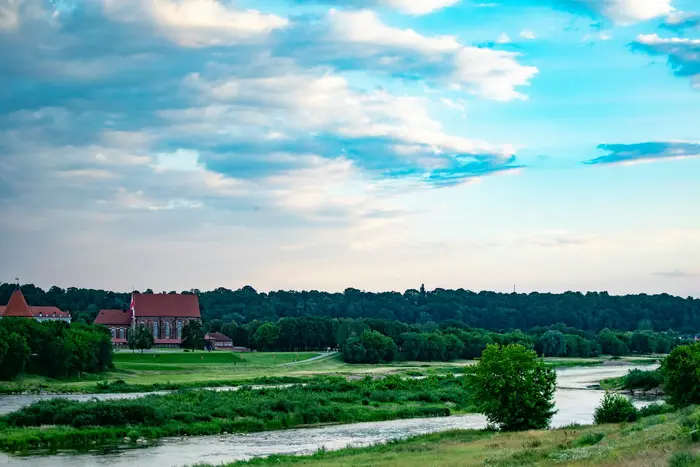
Kaunas Day Trip from Vilnius
A practical guide to a Kaunas day trip from Vilnius: train timing, the Old Town, UNESCO interwar modernism, museums, food, and whether Kaunas deserves an overnight.
Read guide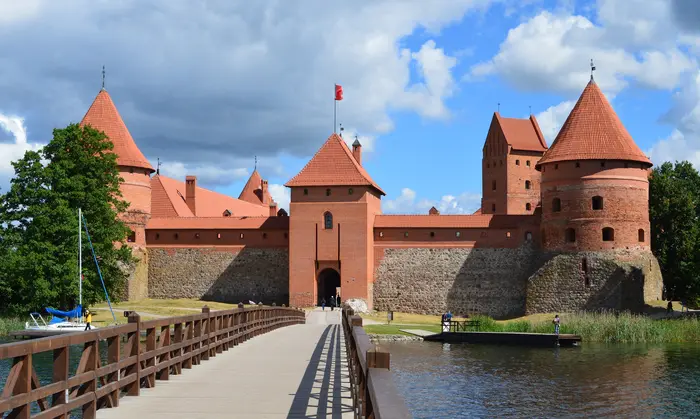
Day Trips from Vilnius
The best day trips from Vilnius compared: island-castle Trakai, ancient Kernavė, second-city Kaunas, the Paneriai memorial, Europos Parkas, the Green Lakes, Rumšiškės and the Hill of Crosses — with honest notes on transport, timing and what's worth a car or a tour.
Read guide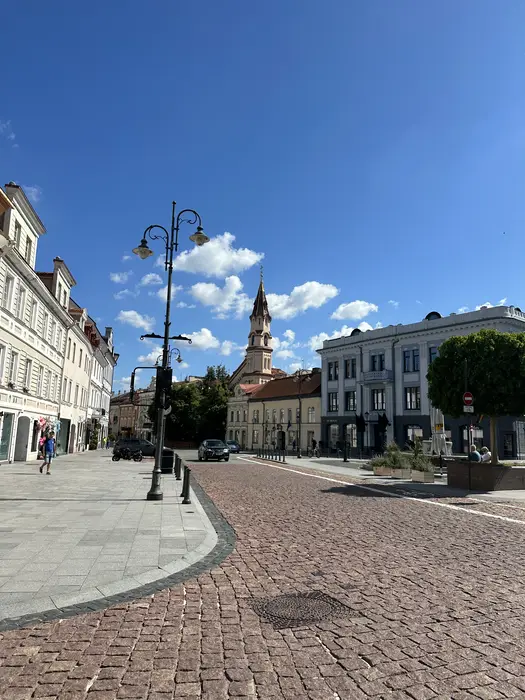
Vilnius with Kids
Family-friendly Vilnius: museums, parks, tower views, Trakai, food halls, rainy-day ideas and easy, stroller-aware routes for travelling with children.
Read guide