
Vilnius Itineraries
Ready-made Vilnius routes for every kind of trip — one day, a weekend, two or three days, plus themed plans for food, history, families, romance and Christmas. Pick a plan and go.
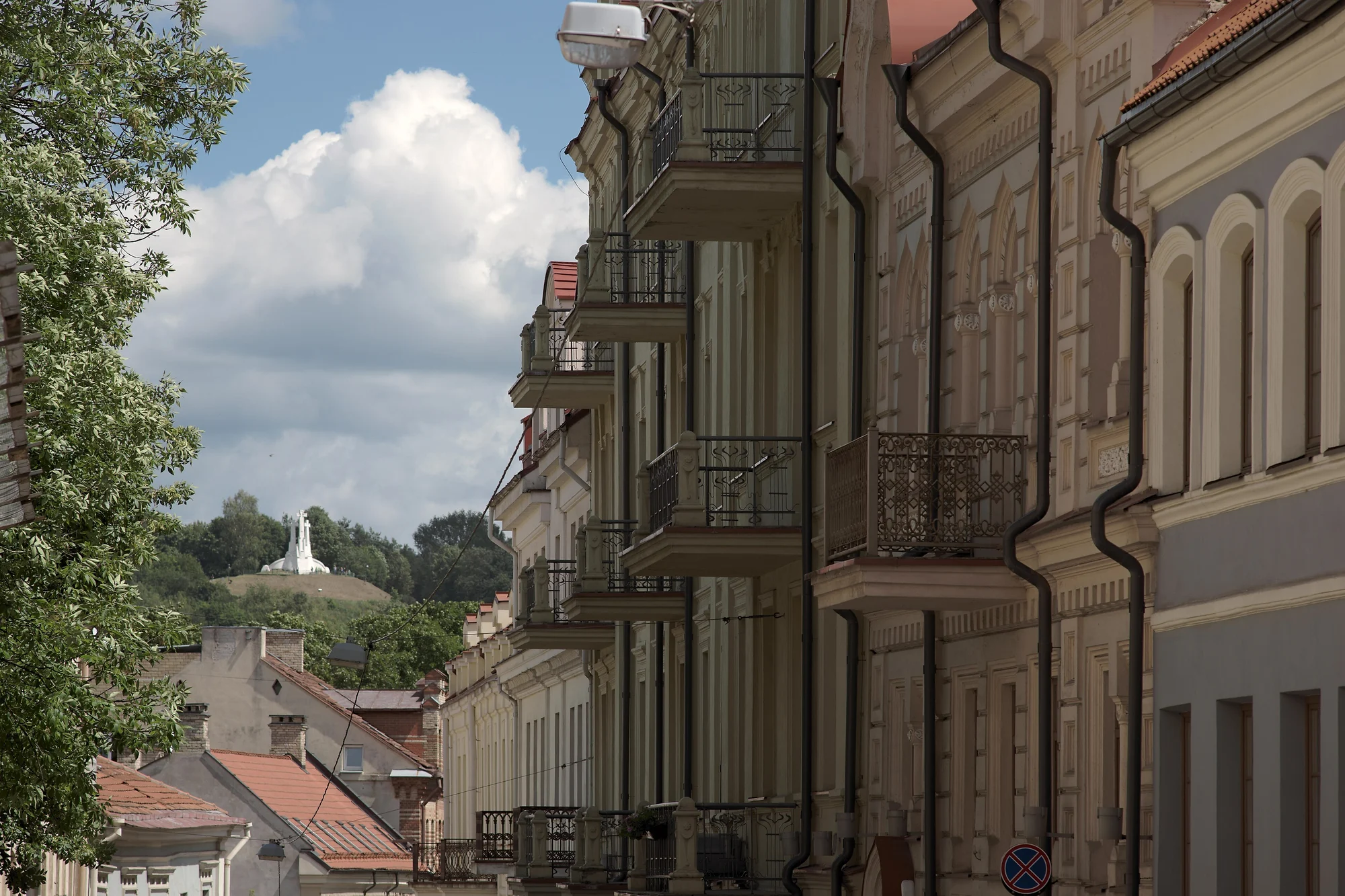
- ✓Vilnius is compact and walkable — even one well-planned day covers the Old Town, a viewpoint, Užupis and a proper dinner.
- ✓Two or three unhurried days is the sweet spot: the essentials, a museum or two, and room for a Trakai day trip.
- ✓Beyond the day counts, we have themed routes — food and craft beer, history, art and design, Jewish heritage, family, romance.
- ✓Every itinerary here is built for walking, with the order chosen so you're never backtracking across the city.
- ✓Pick your plan by time and mood; each one links to the sights, restaurants and neighbourhoods it passes through.
How long do you need in Vilnius?
Vilnius is one of Europe's most walkable capitals, and its Old Town packs an enormous amount of Baroque churches, courtyards and viewpoints into about a single square kilometre. That density is the key to planning a trip here: you can see a lot in a little time, because almost nothing is more than a short walk from anything else. The question isn't really how to fit it all in — it's how slowly you want to go.
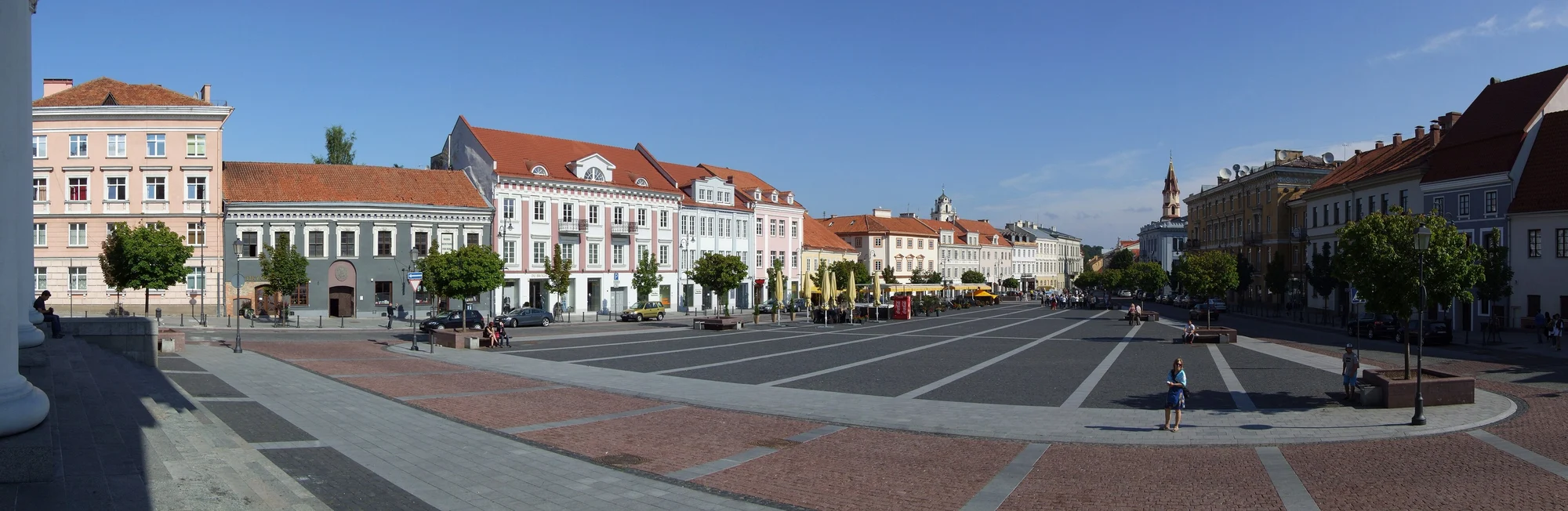
One day is enough to fall for the place: the Old Town, a climb to a viewpoint, a wander across the river to Užupis, and a good dinner. Two days lets you add museums, a slower pace and a creative neighbourhood or two. Three days opens up a day trip — most often the lakeside castle at Trakai — without feeling rushed. Four or more, and you can live a little: parks, food markets, Jewish heritage, and the corners of the city most visitors miss.
Below, the itineraries are organised first by how much time you have, then by theme. Start with the day count that matches your trip, and if you have a particular interest — food, history, art, family travel, romance — jump straight to the themed route built around it. Every plan is designed for walking and ordered so you move through the city in a logical loop rather than crossing it twice.
What sets Vilnius apart as an itinerary city is how little friction there is between the points on any route. There are no long metro rides between sights, no sprawling districts to cross, no need to choose between two neighbourhoods on opposite sides of town. Everything of interest sits within or just beyond a single, walkable historic core, which means a Vilnius itinerary spends its time on experiences rather than on transit. That changes how you should plan: instead of budgeting hours for getting around, you can budget them for lingering — a second coffee, a longer church visit, an unplanned detour down a courtyard that caught your eye.
A useful frame for first-timers: Vilnius is the kind of city where the headline sights take less time than you expect and the atmosphere takes more. You can 'see' the cathedral, the castle hill and the Old Town's main churches in a single morning, but the city only really lands when you slow down — when you sit out a rain shower in a café, follow a lane that isn't on your map, or watch the spires turn gold from a hillside at the end of the day. Our itineraries are deliberately light on box-ticking and heavy on those slower moments, because that's where the city wins people over.
It's also worth knowing how the days stack. Each itinerary is designed to layer onto the one before it: the two-day plan picks up where the one-day plan leaves off, the three-day plan adds a day trip on top of that, and the four-day plan opens up the neighbourhoods and heritage routes most visitors never reach. So if you're not sure how long to stay, start with the day count you've booked, and treat the longer plans as a preview of what a return trip could hold.
By how much time you have
The day-count itineraries are the backbone of this section, and most trips start with one of them. The one-day plan is a tight, sunrise-to-sunset route that hits the essentials without exhausting you. The two-day plan adds breathing room — museums, a longer lunch, time to get a little lost in the side streets. The three-day plan brings in a day trip and a deeper look at the neighbourhoods, and the four-day version slows everything down further.
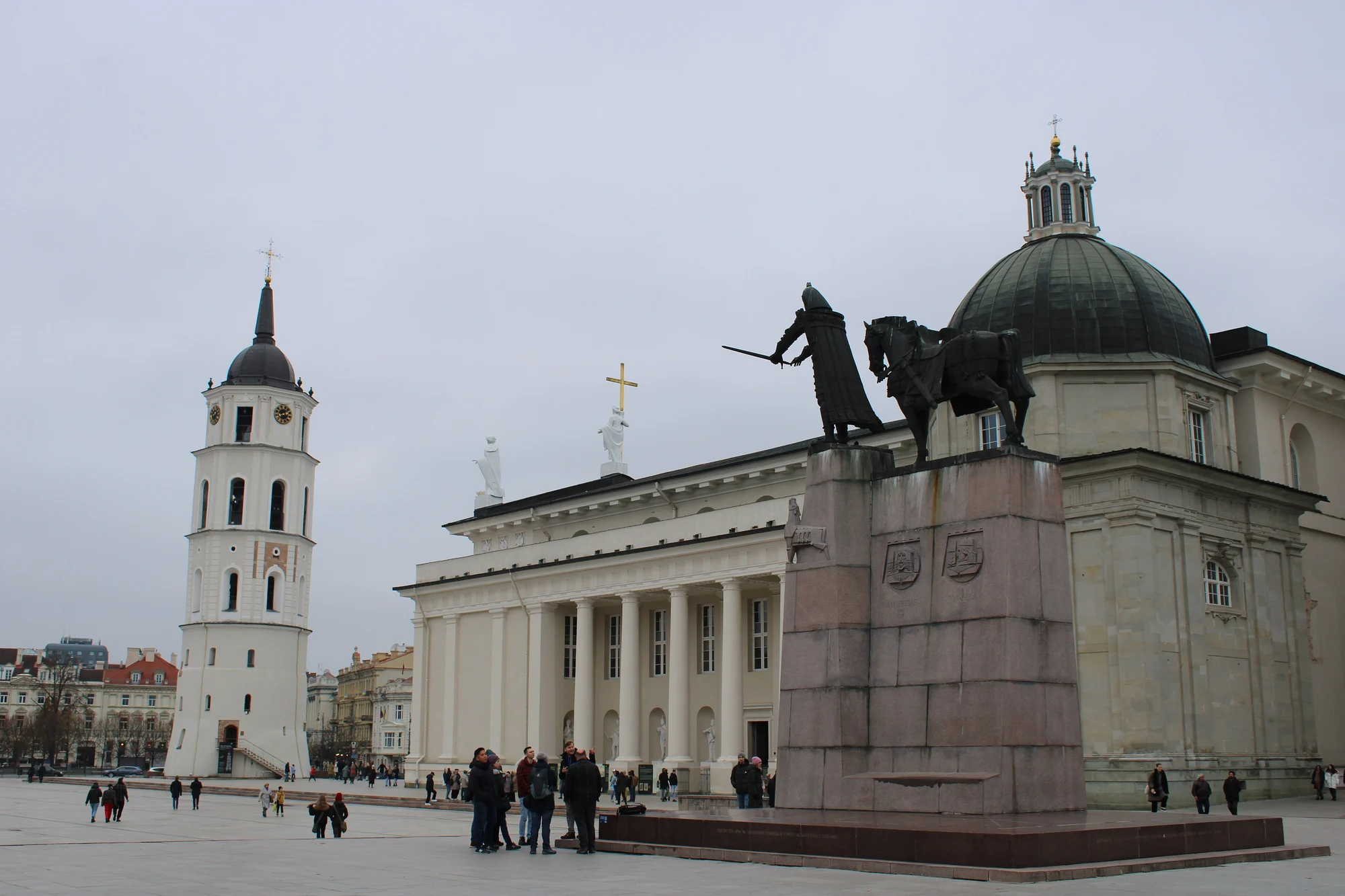
If your trip lands on a Friday-to-Sunday, the weekend itinerary is purpose-built for it: where to stay, what to book in advance, where to eat, which museums are worth your limited time, and where to end up for a drink. It's the most practical plan in the section and a good default for a first visit.
Whichever you choose, treat these as a frame rather than a fixed schedule. Vilnius rewards wandering, and the best moments here — an open church door, a courtyard you didn't expect, a café you didn't plan on — come from leaving gaps. Build the day around two or three anchors and let the rest be loose.
If you only have one day, accept that it's a taster and plan it tightly — the one-day route is built to give you the essentials without exhausting you. Two days is where most people feel the city properly opens up: you keep the highlights but add the breathing room that Vilnius is made for. Three days is, for many, the ideal length for a first visit — enough for the classics, the food, a neighbourhood or two and a day trip to Trakai, without ever feeling stretched. Four days and beyond is for travellers who want to live in the city's rhythm rather than tour it, and it's where the themed heritage and neighbourhood routes come into their own.
- One day — the essentials, walkable, sunrise to sunset.
- Two days — add museums, a slower pace, a creative neighbourhood.
- Three days — the classics plus an easy day trip to Trakai.
- Weekend — a Friday-to-Sunday plan with where to stay and what to book.
A balanced 48-hour plan with views, museums, Užupis and food.
Three Days in VilniusClassic sights, food and neighbourhoods plus one easy day trip.
Where to Stay in VilniusPair your itinerary with the right base, area by area.
Map pins
Map data © OpenStreetMap contributors · Tiles © OpenFreeMap
By theme and interest
Once you've picked a length, you can tilt the trip toward what you care about. Food-led travellers can follow a route through the markets, Lithuanian classics, cafés and craft-beer bars, with Paupys and late drinks built in. History buffs can trace the castles, the Cathedral, the Palace of the Grand Dukes and the harder twentieth-century chapters — Soviet occupation and the road to independence — in a single coherent walk.
Creative travellers have an art-and-design route through the MO Museum, Užupis, street art and design-led cafés. Those exploring the city's Jewish heritage can follow a respectful path through the former ghetto streets, memorials and museums, out to Paneriai. Families have a kid-friendly plan with tower views, parks, food halls and rainy-day backups, and couples have a romance-led route through sunset spots, candlelit dinners and the city's most atmospheric corners.
And because the seasons reshape the city so completely, there are time-of-year routes too — a festive Christmas plan around the markets and lights, and a winter itinerary that leans on museums, cafés, the Light Festival and spa time. Pick the theme that fits, and it slots neatly into whichever day count you've chosen.
The themed routes also work as a way to give a return visit a fresh shape. If you've already done the classic Old Town circuit on a first trip, the food-and-craft-beer, art-and-design or Jewish-heritage routes send you down streets and into corners you'd otherwise miss, and they each reframe the city around a different story — its kitchens, its creative scene, its layered and sometimes painful history. You don't need a special interest to enjoy them; you just need a little curiosity and a willingness to follow a thread for a day.
Budget-minded travellers have a route built for them too: a lower-cost plan that leans on the city's many free sights — the churches, the hilltop walks, the riverside paths — plus public transport, markets and well-chosen, well-priced meals. Vilnius is already one of Europe's better-value capitals, and this itinerary makes the most of that, proving you don't need to spend much to have a rich few days here.
A food-led route through markets, Lithuanian classics and craft-beer bars.
History ItineraryCastles, the Cathedral, the palace and the road to independence.
Christmas ItineraryA festive route around Cathedral Square, the markets and winter viewpoints.
Vilnius on a BudgetA lower-cost plan built on free sights, public transport and markets.
Seasonal itineraries: the city changes with the calendar
Vilnius is genuinely a different city across the year, and the season you visit in should shape the plan as much as the number of days. In summer, the long northern evenings stretch dinner past 10pm, café tables spill onto the squares, and the river and parks come into their own — the warm-weather itineraries lean outdoors, with viewpoints, riverside walks and a relaxed, late-running pace. This is the easiest time to visit and the most forgiving for a loose plan.
Winter is colder and darker but, for many, more atmospheric. Snow settles on the red roofs, the Christmas markets fill Cathedral Square, and the city's museums, cafés and spa hotels become the structure of the day rather than the backup. The Christmas and winter itineraries are built for this — short outdoor bursts between warm indoor anchors, the Light Festival in January, and the festive markets through December. They're slower by necessity and all the more romantic for it.
Spring and autumn are the quiet sweet spots: softer light, thinner crowds, mild days and better hotel rates. Almost any of the day-count or themed routes works beautifully in these shoulder seasons, and they're our favourite windows for a first visit. Whatever the season, the itineraries here flag what's best at that time of year, so you can match the plan to the weather and the light rather than fighting them.
What to book in advance
Vilnius is a forgiving city to visit on a loose plan — most of its best experiences are free and spontaneous, from the churches and hilltop walks to simply wandering the Old Town. But a handful of things reward booking ahead, and getting them sorted before you arrive lets the rest of the trip stay relaxed. Top of the list is where you stay: the best-located and most characterful hotels and apartments, especially the small heritage ones, fill first, and they fill furthest ahead around the Christmas markets and over warm summer weekends.
After accommodation, think about the set-pieces. A table at the city's best restaurants — particularly the chef-led tasting menus and the popular weekend spots — is worth reserving, as is any couples' spa treatment if a spa hotel is part of the plan. For the themed routes, a few experiences benefit from advance booking too: a hot-air balloon flight over the city at dawn or dusk, a guided food or history tour, and timed-entry tickets for the busier museums in peak season. Day trips to Trakai or Kaunas don't usually need booking, but checking the train and bus times before you go saves a wasted morning.
Everything else — the walks, the viewpoints, the churches, the café afternoons — you can leave entirely open. That's the right balance for Vilnius: lock down the bed, the big dinners and any once-in-a-trip experiences, and let the days themselves stay improvised. The itineraries here flag where advance booking genuinely helps, so you'll know when to plan ahead and when simply to turn up and wander.
How to use these itineraries
Each itinerary here is a tested, walkable route with the stops ordered so you move through the city in a sensible loop — no doubling back, no long transfers, no wasted hours. We've built them the way we'd plan our own days: a couple of fixed anchors, a logical path between them, and honest notes on timing, food stops and what to skip if you're short on time. Follow one to the letter, or lift the bits that suit you and improvise the rest.
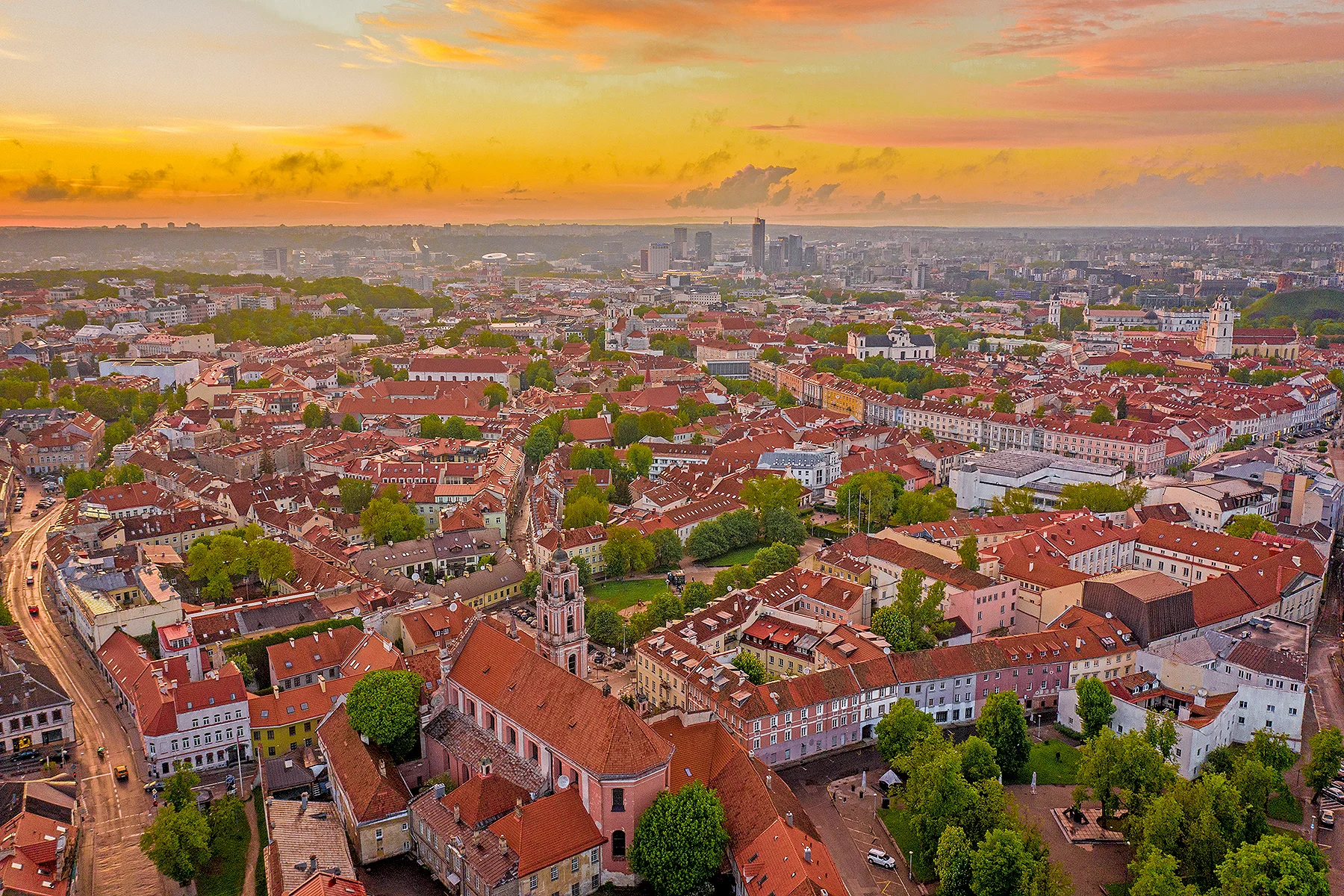
The plans assume you're mostly on foot, because that's how Vilnius works best — the Old Town is barely a square kilometre, and almost everything worth seeing is a short walk from everything else. Where a route ventures further (a day trip, a neighbourhood beyond the centre, a viewpoint across the river), we say how to get there. You'll rarely need a taxi within the centre, and you'll never need a car for a normal city trip.
Above all, leave gaps. The best of Vilnius — an open church door, a courtyard you stumble into, a café you didn't plan on — comes from not scheduling every minute. Use these itineraries as a confident frame, pick the one that matches your time and mood, and let the city fill in the spaces. Then pair it with a place to stay and somewhere to eat, and your trip is essentially planned.
The neighbourhoods your itinerary will pass through
Most of these routes move through the same handful of areas, and a quick mental map makes any plan easier to follow. Senamiestis, the Old Town, is the historic heart and the backbone of almost every itinerary — the UNESCO-listed square kilometre of churches, courtyards and cobbled lanes where you'll spend most of your time. Cathedral Square and Gediminas Hill sit at its northern end, the Gate of Dawn at its southern one, and the main street runs between them like a spine.
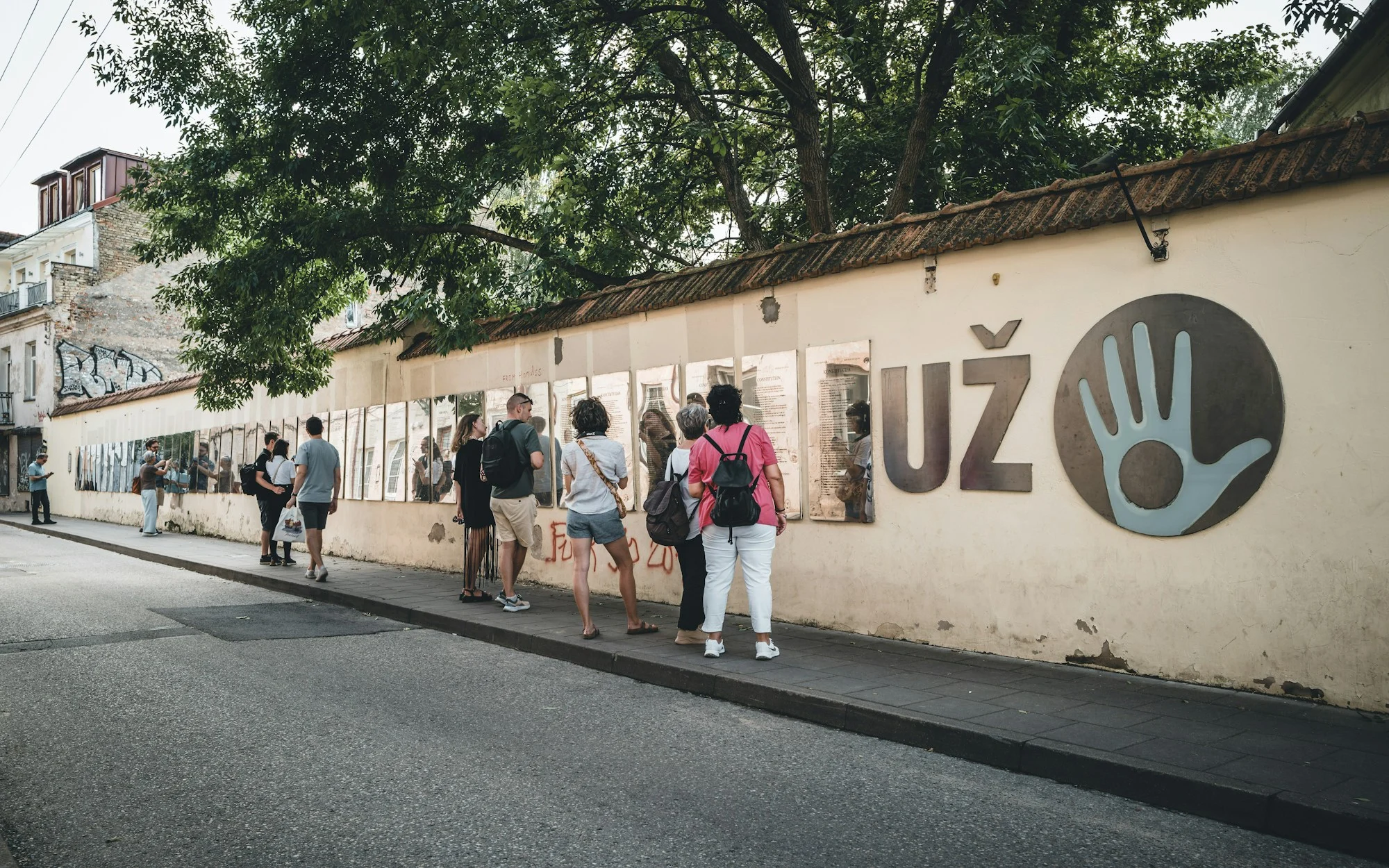
Across the Vilnia to the east is Užupis, the bohemian artists' quarter, a few minutes' walk from the centre and a fixture of the one-day, two-day, art and romance routes. To the west and south-west, Naujamiestis (the New Town) holds the city's modern energy — the MO Museum, street art, design shops and a strong café and bar scene — and anchors the art-and-design and food itineraries. Just south of the Old Town, the redeveloped Paupys district by the river has become a magnet for food and design, and the leafy residential Žvėrynas across the Neris is where families and longer-stay visitors often base themselves.
You don't need to memorise any of this — the itineraries tell you where to go and how — but knowing the rough geography helps you improvise. When a route leaves a gap, you'll have a sense of what's nearby, and when you want to swap a stop, you'll know which neighbourhood to look in. It also makes choosing where to stay easier, since the best base depends as much on which neighbourhoods your chosen routes favour as on price or style.
Day trips and adding a region
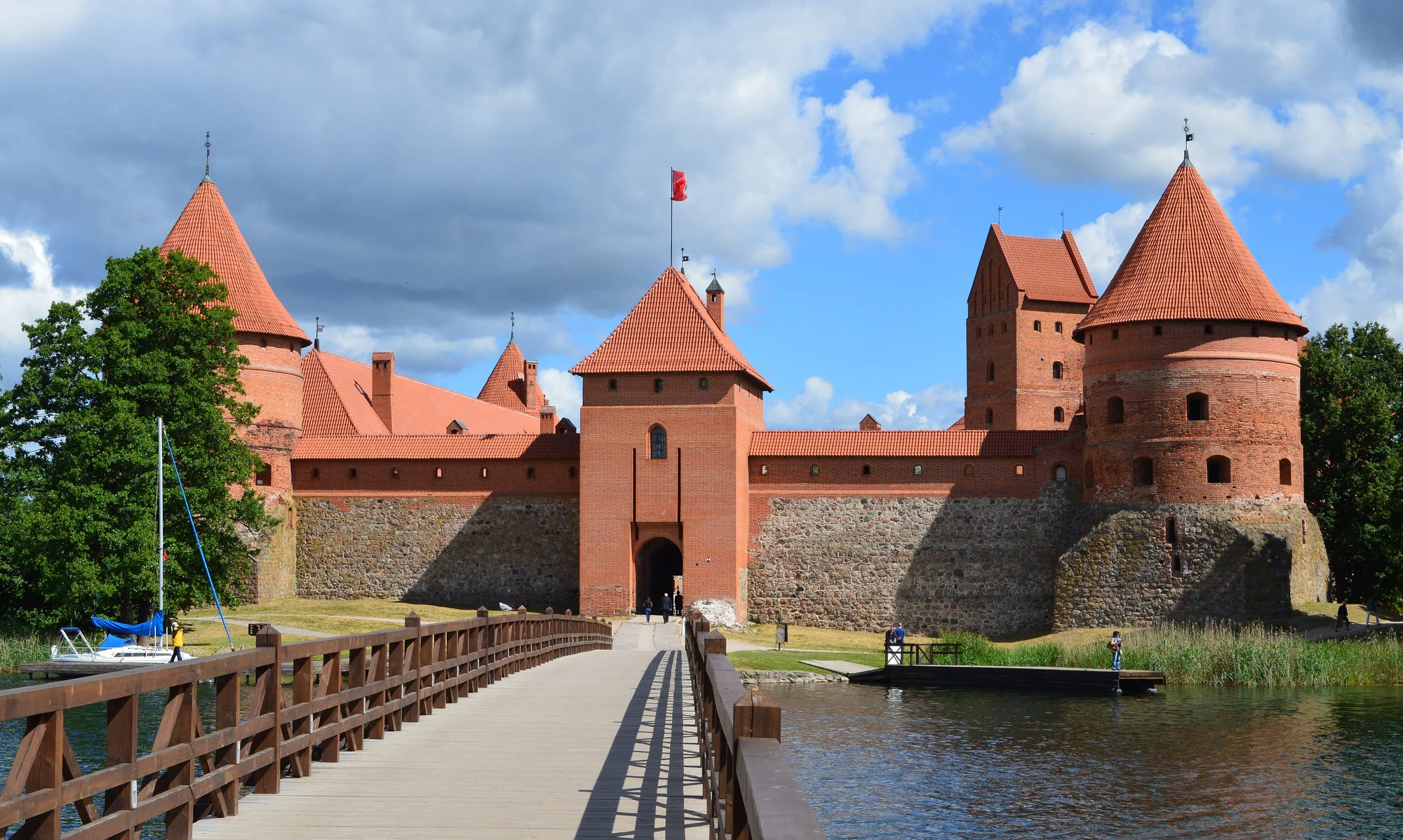
If you have three days or more, build in a day trip — it changes the character of the visit and shows you a different side of Lithuania. The classic and easiest is Trakai, where a storybook red-brick castle sits on an island in a chain of lakes, about half an hour from the city. It's the day trip we recommend to almost everyone, and it pairs naturally with a three- or four-day Vilnius base. Reachable by train or bus, it makes a relaxed half- or full-day, and the Karaim community's kibinai pastries are reason enough to go on their own.
Beyond Trakai, Kaunas — Lithuania's interwar second city, with a striking run of UNESCO-listed modernist architecture — makes a fuller day out by train, and there are quieter green escapes on the city's edge for walkers, from the Green Lakes to Pavilniai Regional Park. The themed and day-count itineraries link through to these where they fit, so you can extend a city break into something with a bit more range without ever feeling like you're rushing.
Whatever shape your trip takes, start with the plan that matches your time, lean it toward your interests, and keep some of the day unscheduled. Vilnius is small, generous and easy to love, and the itineraries here are designed to get you to the good parts quickly and then leave you room to find your own. Pick a plan and go — and if one day turns into a reason to come back for three, that's exactly how this city tends to work.
A few questions come up again and again, so here are the short answers. How many days do you need? Two is the practical minimum for a satisfying first visit, three is ideal, and one is plenty if that's all you have. Do you need to rent a car? No — the city is walkable, public transport is good and cheap, and even the best day trips run by train or bus. Is it worth visiting in winter? Yes, if you embrace it: it's cold and dark but genuinely magical around Christmas and the Light Festival, and our winter and festive itineraries are built for exactly that. And which itinerary should you start with? The one that matches the number of nights you've booked — then let your interests and the season tilt it from there.
However you use these plans, the underlying message is the same one locals will give you: Vilnius doesn't need to be rushed or over-planned. Pick a route as your backbone, hold a couple of bookings in advance, and leave the rest open to the city. The best memories here are rarely the ones on the itinerary — they're the courtyard, the café, the conversation and the light you found in the gaps. Build the gaps in on purpose, and Vilnius will do the rest.
Everything in Itineraries
All guides
17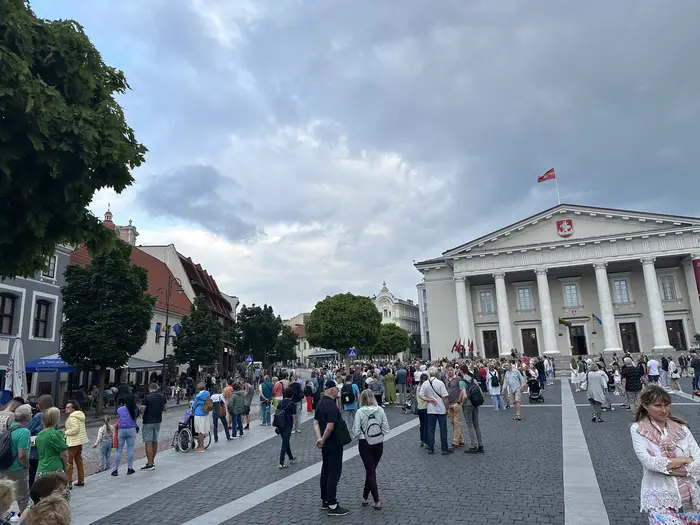
A Weekend in Vilnius: Friday-to-Sunday City Break
A Friday-to-Sunday weekend in Vilnius: where to stay, what to book ahead, the Old Town and a sunset on Saturday, Užupis and the riverside on Sunday, plus the best brunch, cocktail bars and a relaxed pace built for two.
Read guide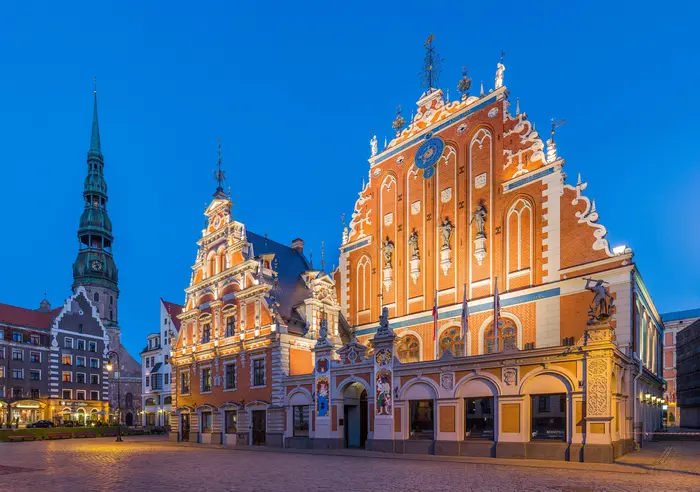
Baltic Capitals Itinerary from Vilnius
How Vilnius fits a Baltic capitals route with Kaunas, Riga and Tallinn — realistic train, bus and flight timing, how long to spend in each, and why this trio of cities makes one of Europe's best-value rail-and-bus trips.
Read guide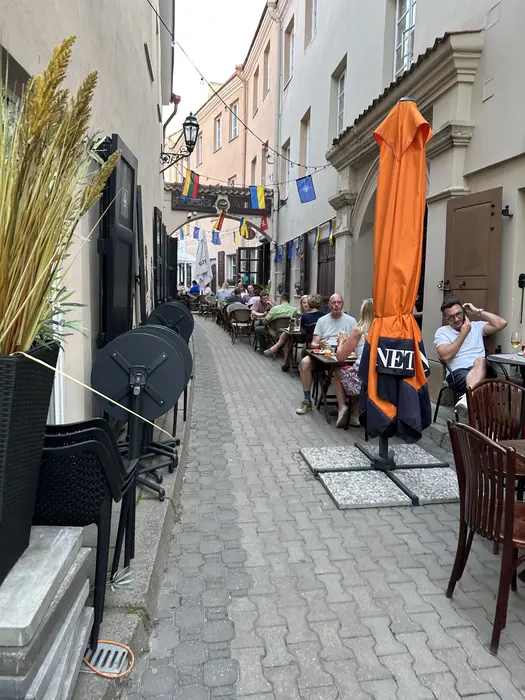
Four Days in Vilnius: A Slower, Deeper Itinerary
A four-day Vilnius itinerary that goes beyond the Old Town: the historic core and viewpoints, Užupis and the riverside, a day of neighbourhoods and Jewish heritage, and a full day trip to Trakai or Kaunas — for travellers who would rather know a city well.
Read guide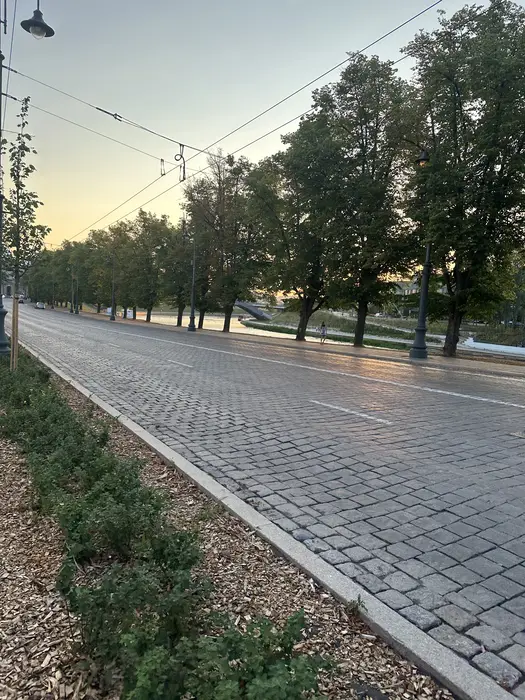
Luxury Vilnius: A Refined Itinerary
A refined Vilnius itinerary for travellers who want the best of the city: grand and design-led hotels, private guiding, fine dining and modern Lithuanian tasting menus, spa afternoons, a dawn hot-air balloon, and an unhurried day at Trakai.
Read guide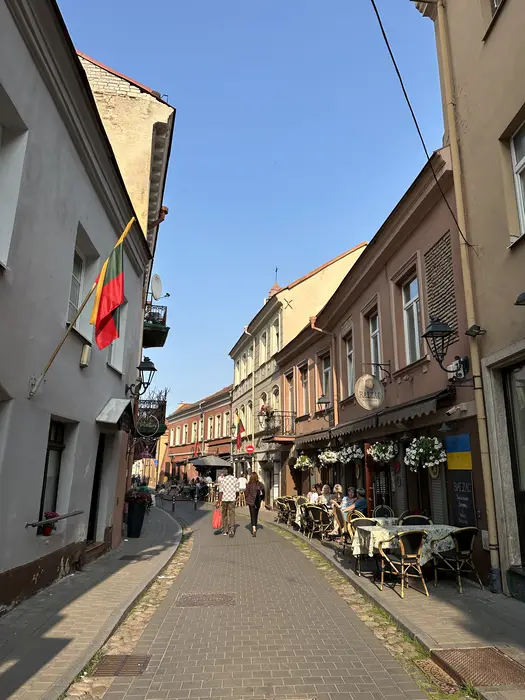
One Day in Vilnius: The Perfect Itinerary
A focused one-day Vilnius route — the Old Town, Gediminas Tower, Cathedral Square, Užupis, a proper Lithuanian lunch and sunset from Three Crosses. Walkable, well-ordered, no backtracking.
Read guide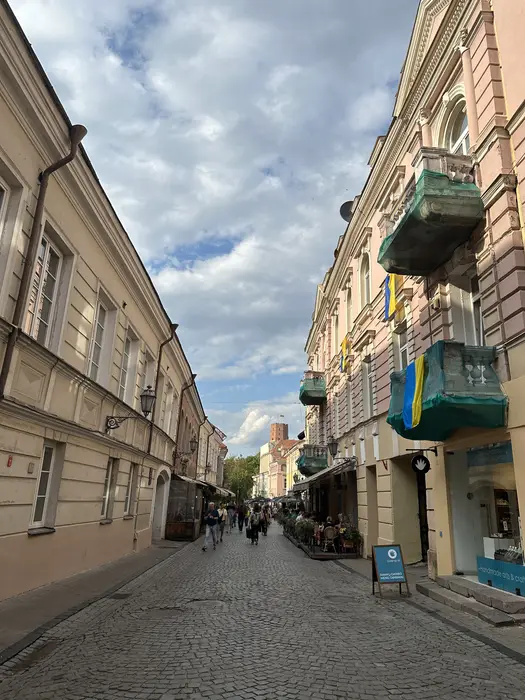
Three Days in Vilnius: The Ideal Itinerary
A three-day Vilnius itinerary that pairs the Old Town, viewpoints, Užupis and the MO Museum with proper food and one easy half-day trip to lakeside Trakai Castle — paced for couples who would rather know one city well.
Read guide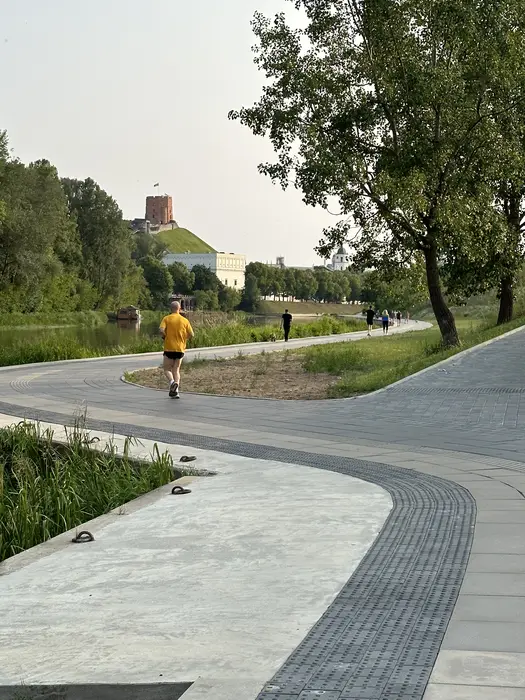
Two Days in Vilnius: The Perfect 48-Hour Itinerary
A balanced two-day Vilnius itinerary: the Baroque Old Town and Gediminas Hill on day one, the MO Museum, bohemian Užupis and the Paupys riverside on day two, paced for couples with time for slow coffee and a sunset.
Read guide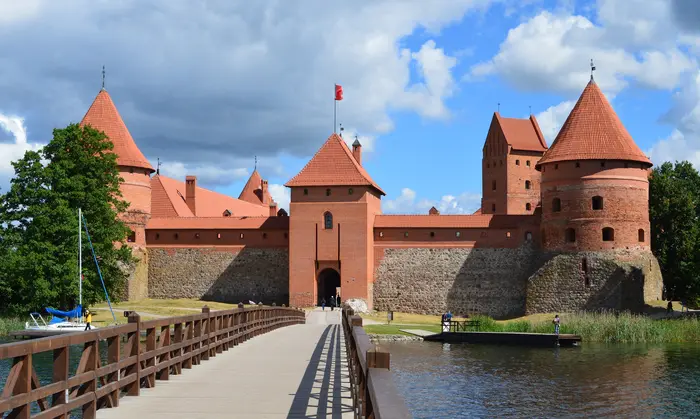
Vilnius & Trakai Itinerary
How to combine Vilnius and Trakai's island castle in two or three days — the Old Town highlights without rushing, plus a relaxed lakeside day at the storybook castle, reachable by train or bus without a car.
Read guide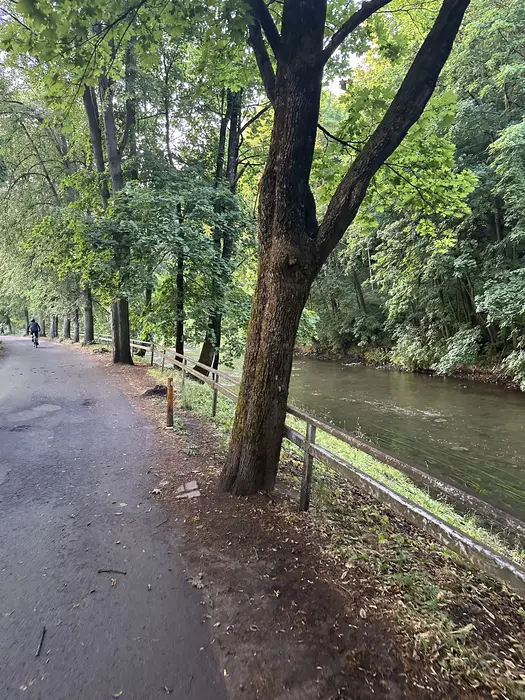
Vilnius Art & Design Itinerary
A creative route through Vilnius — the MO Museum, bohemian Užupis, the Open Gallery street art, design boutiques and concept stores, the regenerated Paupys, and the cafés and studios where the city's makers gather.
Read guide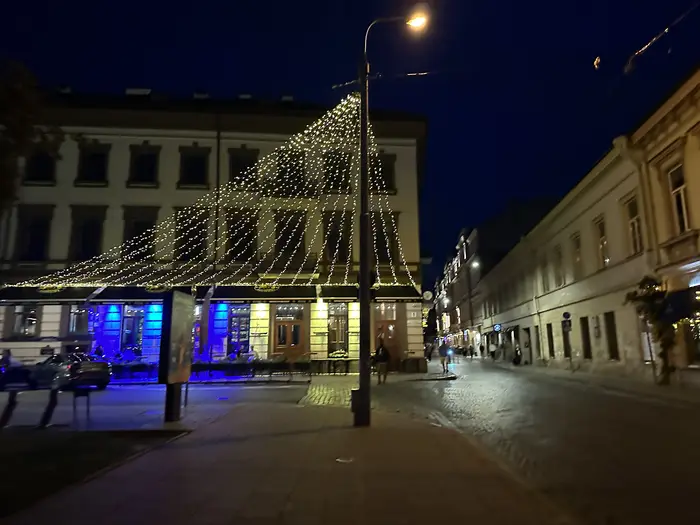
Vilnius Christmas Itinerary
A festive Vilnius itinerary — the celebrated Cathedral Square tree and Christmas market, the Town Hall market, twinkling Old Town lights, warming cafés, winter museums and a cosy, romantic evening route through the snow.
Read guide
Vilnius Family Itinerary
A kid-friendly Vilnius itinerary with tower views, riverside parks, hands-on museums, food halls, an easy day trip to Trakai and rainy-day backups — built for short legs, snack stops and real-world pacing.
Read guide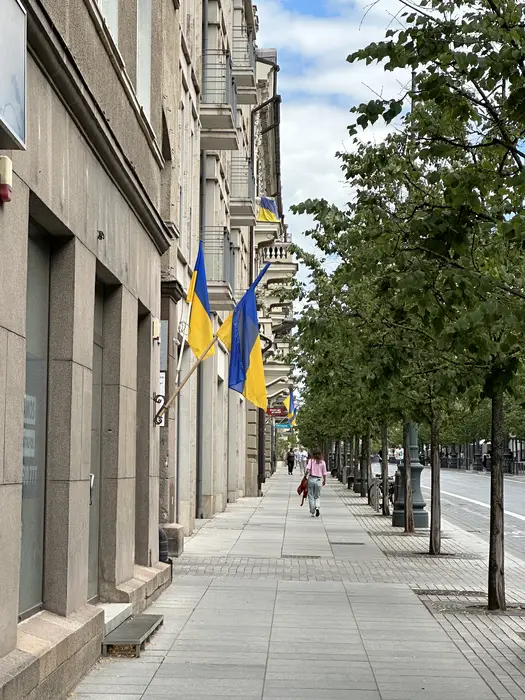
Vilnius Food & Craft Beer Itinerary
A food-led route through Vilnius — market halls and Lithuanian classics, third-wave coffee, Paupys, craft-beer taprooms and late cocktails — paced as a delicious two or three days for hungry travellers.
Read guide
Vilnius History Itinerary
A history route through Vilnius — from Gediminas' castle and the Cathedral to the Palace of the Grand Dukes, the difficult 20th century at the former KGB headquarters, and the sites of hard-won independence.
Read guide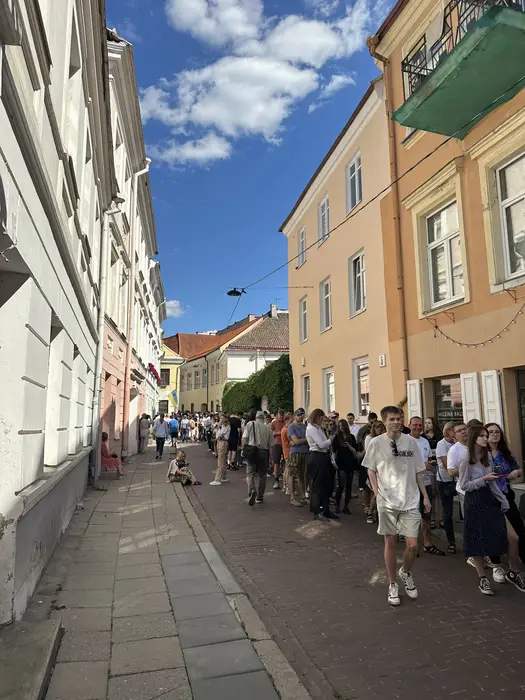
Vilnius Jewish Heritage Itinerary
A respectful route through Jewish Vilna — the 'Jerusalem of the North': the former ghetto streets, the Vilna Gaon legacy, surviving synagogues and memorials, the city's Jewish museums, and the Paneriai Memorial.
Read guide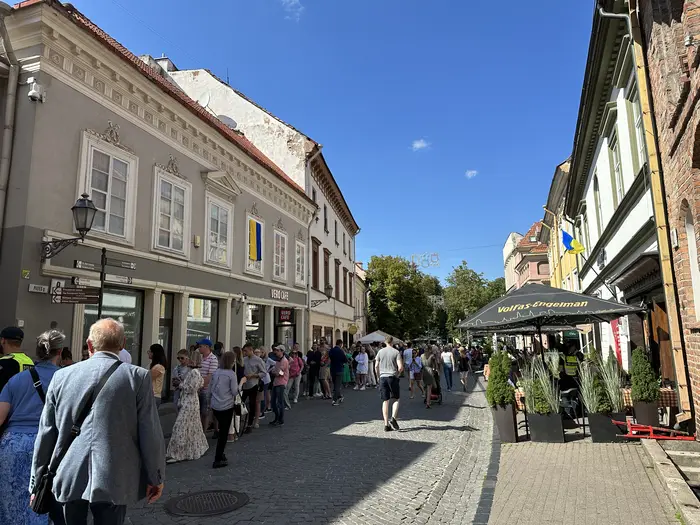
Vilnius Layover Guide
What to do with a few hours in Vilnius on a layover — realistic timing from the airport, luggage storage, and a safe, efficient Old Town loop that fits whatever window you've got between flights.
Read guide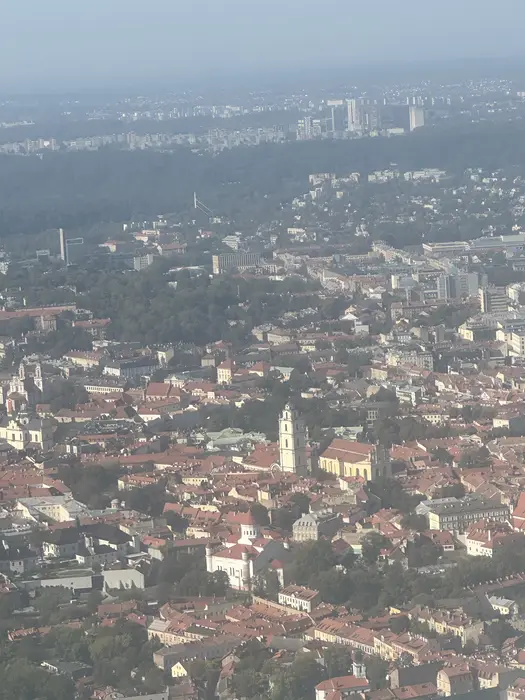
Vilnius on a Budget: A Low-Cost Itinerary
A lower-cost Vilnius itinerary built on free sights, cheap public transport, market and bakery meals and one or two well-chosen tickets — proof that one of Europe's prettiest capitals is also one of its best value.
Read guideWinter Vilnius Itinerary
A cold-weather Vilnius itinerary — warm museums and cafés, the January Light Festival, a Baltic sauna and spa time, market-hall lunches, cosy cellar dinners and short, beautiful outdoor walks through the snow.
Read guide