
Day Trips from Vilnius
The best day trips from Vilnius compared: island-castle Trakai, ancient Kernavė, second-city Kaunas, the Paneriai memorial, Europos Parkas, the Green Lakes, Rumšiškės and the Hill of Crosses — with honest notes on transport, timing and what's worth a car or a tour.
- ✓Vilnius sits in a sweet spot for escapes — lakes, forests, castles and whole other cities are all within easy reach, most of them car-free.
- ✓Trakai is the classic: a fairy-tale red-brick island castle on a lake, plus Karaim kibinai, about 30 minutes away by train.
- ✓Kaunas, the lively second city, is roughly an hour by train; Kernavė offers UNESCO hill-fort mounds and the mythic first capital.
- ✓Trips here range from gentle (Green Lakes, Verkiai) to sombre (Paneriai) to surreal (Europos Parkas, Grūtas), so pick by mood and time.
- ✓Most of the best trips need no car — the LTG Link trains and the bus network do the job — but a few far-flung ones reward a car or a guided tour.
How to think about day trips from Vilnius
Vilnius is an unusually good base for day trips. The city sits among lakes, rivers and forests, with castles, ancient sites, a second city and a string of nature escapes all within an hour or two — and, crucially, the public-transport network reaches most of them, so you rarely need to rent a car. The intercity trains, run by LTG Link, are clean, cheap and reliable; the bus network fills in the gaps; and the main railway station and the bus station sit side by side a short walk south of the Old Town, which keeps mornings simple. For a single trip, Trakai is the obvious first choice. With more days, the surrounding region rewards a second or third outing.
It helps to be honest about how many day trips actually make sense. Vilnius itself is the main event, and most visitors are best served by one excursion on a three- or four-day trip, or two on a longer stay — more than that and you spend your holiday on platforms and in car parks rather than in the places you came to see. So the spirit of this guide is selective: figure out which one or two of these best match your interests, your time and the season, and do them well rather than racing through a list. The destinations below run roughly from the easiest and most popular to the most niche and far-flung, so you can start at the top and stop wherever your days run out.
The right way to choose is by appetite and by time. Some of these are gentle half-days (the Green Lakes, Verkiai's palace grounds, the Bernardine-quiet of Pavilniai); some are full days that justify an early start (Kaunas, Rumšiškės, Druskininkai); and a couple are long hauls better suited to a tour or an overnight (the Hill of Crosses, Riga). Below is the shortlist, roughly grouped, with plain notes on getting there. As always with timetables, prices and opening hours, treat the specifics as a starting point and verify the current details before you set out — schedules shift with the season.
A note on how the transport actually works, because it shapes everything. LTG Link runs the intercity trains, and tickets are inexpensive — bought online, from machines, or at the counter, with cards accepted throughout. The trains are modern, punctual and quiet, and for the popular routes (Trakai, Kaunas) they run several times a day. Regional buses, run by a mix of operators and bookable online or at the bus station, cover the places the railway doesn't reach, though frequency drops sharply for rural destinations. The key practical fact is that the train station and the long-distance bus station sit directly opposite each other, a ten-minute walk south of the Old Town through the lively Station District — so switching between train and bus, or comparing options on the day, is genuinely easy. For the scattered or sparsely served sites, a rental car or a guided tour removes the connection-juggling entirely; for everything else, public transport is the better, cheaper and greener choice.
The two easy classics: Trakai and Kernavė
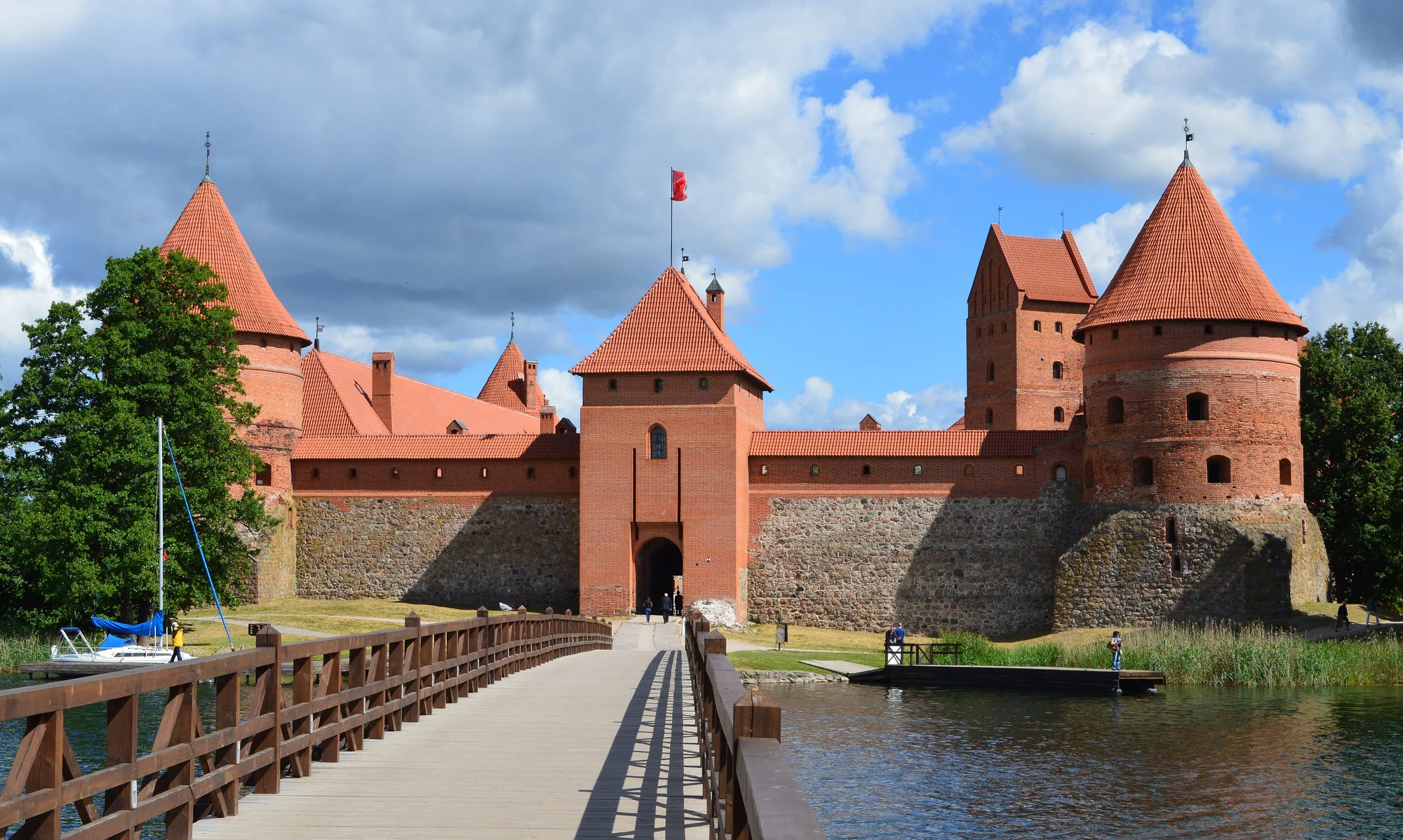
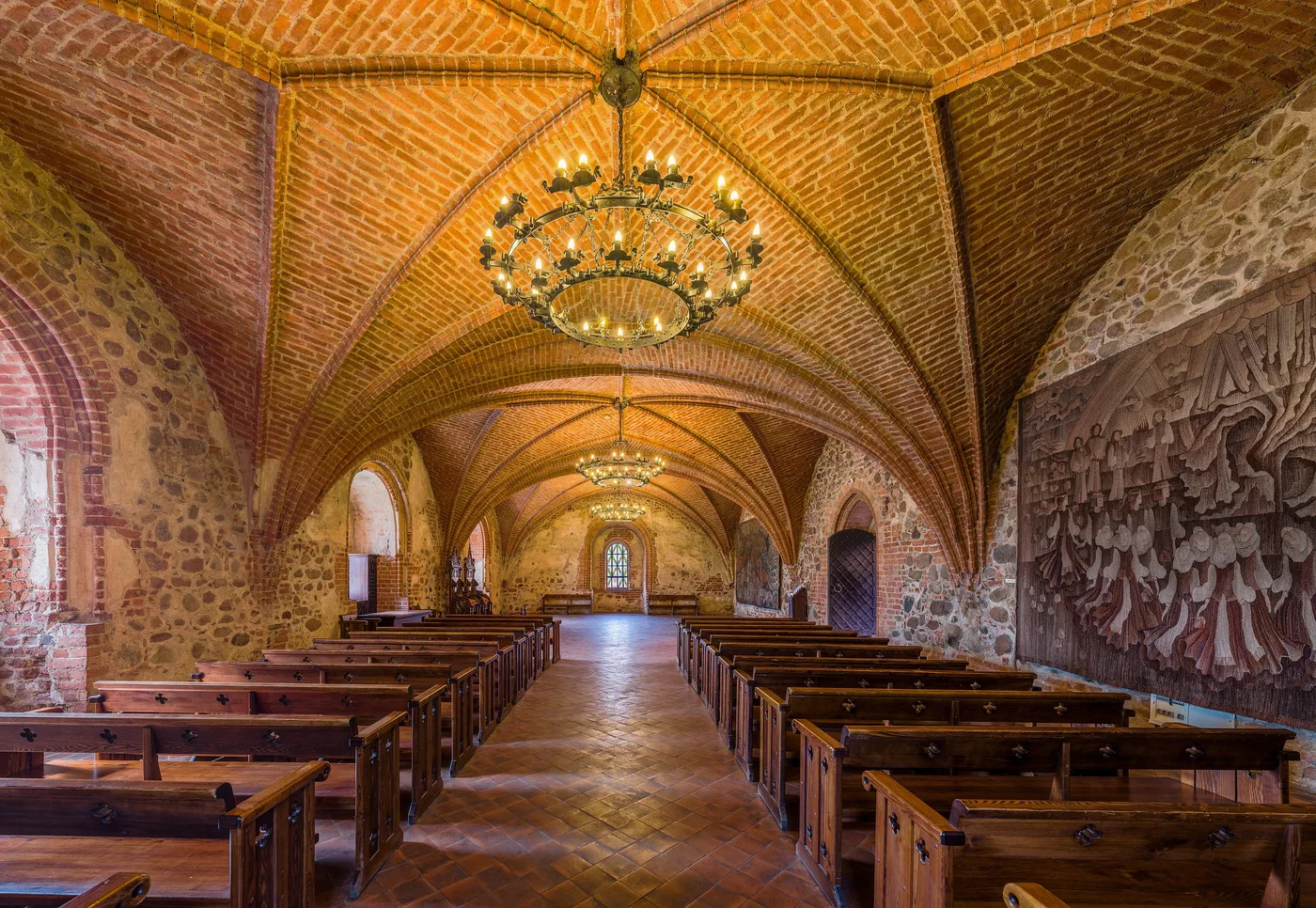
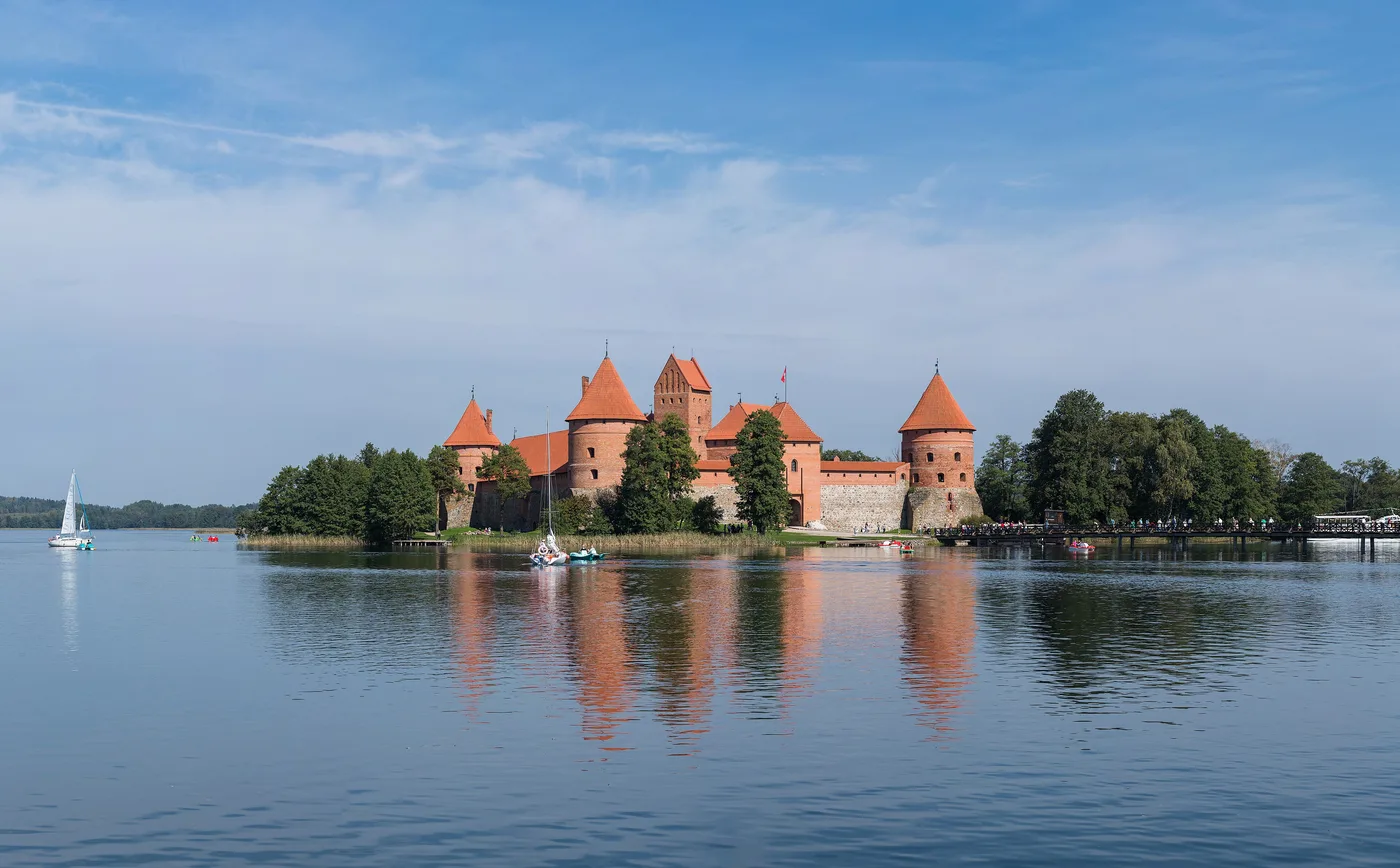
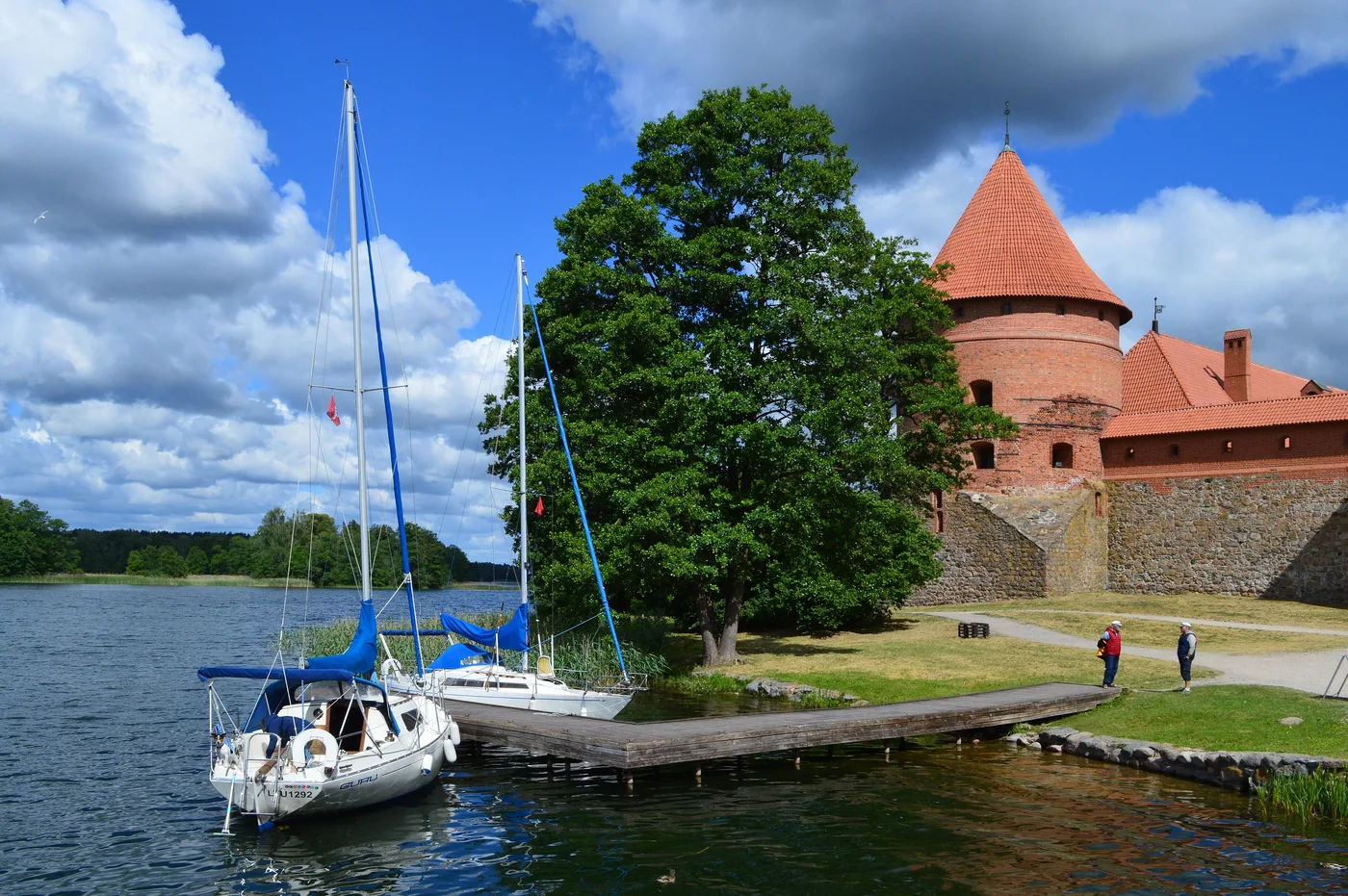
Trakai is the day trip almost everyone takes, and rightly so. A restored red-brick Gothic castle stands on its own island in Lake Galvė, reached by a wooden footbridge, ringed by water and forest — the picture-postcard of Lithuania. The castle now houses a history museum, with displays on the medieval Grand Duchy and Lithuanian heritage spread through its towers and courtyards, and the surrounding lake invites a rowboat, a paddleboat, a small cruise or simply a stroll along the shore. Add a plate of kibinai — the savoury Karaim pastries the town is famous for, a legacy of the small Turkic Karaim community brought here in the fourteenth century — and a half-day fills itself comfortably. It's about half an hour from Vilnius by train (LTG Link), with regional buses as a backup; from Trakai station it's a 20–25 minute walk or a short local bus to the castle along the lakeshore. No car needed, and it works year-round, though summer is busiest, the lake activities are seasonal, and a frozen, snow-dusted Trakai in winter is a quieter kind of magic. Entry to the castle museum is modestly priced, with reduced rates for students and seniors — check the current ticket and opening details before you go, as they shift between the summer and winter seasons.
Kernavė is the quieter, deeper cut. A cluster of green hill-fort mounds on a UNESCO-listed site, it was a medieval capital of the Grand Duchy of Lithuania and is steeped in pagan myth — calm, atmospheric, and crowned by an archaeology museum that makes sense of the landscape. It's loveliest in summer, and the midsummer Rasos (Joninės) festival there, with its bonfires and folk rituals on the longest night of the year, is one of the most evocative things you can witness in Lithuania. The catch is transport: there's no train, and the buses from Vilnius run only a handful of times a day, so the timetable, not your mood, sets your hours. A car makes Kernavė far easier and lets you pair it with a riverside picnic by the Neris; without one, plan the return bus before you go, and don't be caught out by the long midday gaps in the schedule.
Both classics reward an early-ish start. Trakai's castle and the lakeside cafés fill with day-trippers and tour groups from late morning, so arriving when the castle opens buys you the bridge and the ramparts in relative calm — and the soft morning light on the water is the best for photographs. Kernavė is never crowded, but its sparse buses mean a late start can leave you rushing the return; treat the timetable as the plan and build the day around it.
- Trakai: ~30 min by train, then a short walk/bus to the island castle; year-round, busiest in summer.
- Kernavė: no train, sparse buses — check the return time first, or drive.
- Both reward an early-ish start to beat the day-tripper peak at the castle.
The full guide to the island castle, kibinai and the lakes.
Trakai Island CastleTickets, hours, the bridge and how to pace the castle itself.
Kernavė Day TripUNESCO hill-fort mounds and the mythic first capital.
Map pins
Map data © OpenStreetMap contributors · Tiles © OpenFreeMap
A second city and a deeper history: Kaunas and Paneriai
For a change of city, Kaunas — Lithuania's lively second city, packed with interwar modernist architecture, a handsome old town and a buzzing café and street-art scene — is a fast, frequent train ride away and easily a full day. Regular LTG Link trains take a little over an hour, and a faster express service has cut the quickest journeys to under an hour; both leave from Vilnius's central station, and tickets are cheap. Kaunas earns its day handsomely: walk the cobbled old town to the castle and the confluence of the Nemunas and Neris rivers, stroll the long pedestrian boulevard of Laisvės alėja, ride one of the historic funiculars up to a viewpoint, hunt down the city's celebrated large-scale street-art murals, and take in the modernist architecture of the interwar 'temporary capital' that earned UNESCO recognition. For something heavier, the Ninth Fort museum on the edge of town documents the city's wartime history. Kaunas has a different, younger, more industrial-creative energy than Vilnius, and it eats well too — some travellers make the case for an overnight, though it's perfectly doable as a long day return if you start early.
For history that matters, Paneriai is the sombre Holocaust memorial site in a forest just south-west of the city, where tens of thousands of people — most of them Jews from Vilnius, then one of the great centres of Jewish life in Europe — were murdered during the Nazi occupation. It's reachable by a short suburban train and a walk, and it asks for respect rather than speed: a quiet hour or two among the memorials, the pits and the small museum, ideally read in the context of the city's Jewish history. This is not a sight to tack onto a busy day or treat as a photo stop; it pairs thoughtfully with the Jewish-Vilnius sites in the centre — the former ghetto streets, the Vilna Gaon museum — rather than with a light outing. Go in the right frame of mind, dress and behave as you would at any memorial, and leave time afterward to sit with what you've seen rather than rushing back to the next thing.
A practical note on doing both in a day: it's possible but heavy. If you want to combine the second city with the memorial, do Paneriai first thing — it's on the Vilnius–Kaunas rail line — and let the lightness of Kaunas afternoon balance the morning. More often, though, each deserves its own day and its own headspace; Kaunas is a celebratory, energetic place, and Paneriai is the opposite, and stitching them together can feel jarring. Trust your own appetite, and don't over-program.
- Kaunas: ~1 hour by train (faster express available); a full, rewarding day or an optional overnight.
- Paneriai: short suburban train plus a walk; a respectful half-day, best paired with Jewish-Vilnius context.
- Both are car-free and run year-round.
Nature escapes and the surreal: Green Lakes, Europos Parkas and more
When you want greenery rather than sightseeing, several trips barely leave greater Vilnius. The Green Lakes (Žalieji ežerai), named for the startling jade colour their mineral-rich water can take on, sit in forest on the city's northern edge — good for a summer swim, a walk and a picnic, reachable by bus in the warmer months, and easily paired with Verkiai Regional Park's baroque palace grounds and high river views nearby. Pavilniai Regional Park, on the eastern side, offers wooded trails, the looping bends of the Vilnia, and the striking Pūčkoriai exposure — a tall sand cliff above the river — for a satisfying nature half-day, with the Belmontas waterfalls and restaurants close by. These are gentle, low-cost, family-friendly outings, best in fair weather, and a fine antidote to a few days on the cobbles. The beauty of them is proximity: you can be among pines and water within half an hour of the Old Town, then back in time for dinner, which makes them ideal for a slow morning or a warm afternoon rather than a whole committed day.
Then there's the strange and wonderful. Europos Parkas, an open-air sculpture park marking a claimed geographic centre of Europe, scatters large-scale contemporary art through forest and meadow a short drive north of the city — quirky, photogenic and a good half-day, easiest with a car or a tour since public transport out there is awkward. Rumšiškės, towards Kaunas, is one of Europe's largest open-air ethnographic museums, where reconstructed farmsteads and whole villages from each region of Lithuania bring the country's rural past to life across a huge wooded site; it's a full, walkable, family-friendly day, and it comes alive during seasonal festivals like Shrove Tuesday (Užgavėnės) and Easter. Further south, the leafy spa town of Druskininkai — about two hours by bus — makes a restful long day or an easy overnight, with mineral baths, a big indoor water park, the year-round Snow Arena for skiing, and forest trails; nearby, the eerie Grūtas Park gathers toppled Soviet-era statues into an oddly moving open-air collection that's become a destination in its own right.
What ties these together is that none of them is a conventional sight, and that's the appeal: after a few days of Baroque churches and cobbled lanes, an afternoon among giant sculptures, in a reconstructed 19th-century village, or soaking in a spa is a genuine change of register. They suit travellers on a second or third visit, families who need space to roam, and anyone who likes their trips with a streak of the unexpected. Just match the logistics to the place — the nature and offbeat sites are where a car or a tour pays off most — and check seasonal opening before you commit, since several scale back sharply outside summer.
Druskininkai deserves a word of its own as the one trip on this list built around doing nothing. It's a green, low-key spa resort on the Nemunas river near the Belarusian border, with a long tradition of mineral-water cures, a sprawling modern aqua park, the climate-controlled Snow Arena for skiing in any season, and miles of pine forest threaded with cycling and walking paths. It makes an unusually relaxing day — or a better overnight, since the two-hour bus each way eats into a single day — and it's an easy sell for couples or anyone craving rest. Combine it with Grūtas Park, a short hop away, and you get the country's strangest pairing: a soak in the spa and a wander among the deposed statues of the Soviet era, all in one trip.
- Green Lakes & Verkiai: summer swimming, forest walks and palace grounds on the city's edge.
- Pavilniai Park & Pūčkoriai: trails and river views for an easy nature half-day.
- Europos Parkas: open-air sculpture in forest — best with a car or tour.
- Rumšiškės: open-air folk museum, a full family day towards Kaunas.
- Druskininkai: southern spa town, ~2 hours by bus, with Grūtas Park nearby.
The long hauls, and getting there
A few destinations are worth knowing about but are genuinely long days. The Hill of Crosses, a haunting field of more than a hundred thousand crosses near Šiauliai, lies about 210 km north-west of Vilnius — roughly two to two and a half hours each way by train to Šiauliai, then a local bus or taxi to the hill — so it's best as an early-start full day, a guided tour, or an overnight, and it pairs naturally with onward travel toward Riga. Riga itself is a direct LTG Link train away, but at four-plus hours each way it really wants an overnight rather than a day return; treat the Latvian capital as a mini-break, not a day trip.
On logistics overall: Vilnius's combined rail and bus hub sits a short walk south of the Old Town, making most of these trips a matter of buying a ticket and turning up. The car-free classics (Trakai, Kaunas, Paneriai) need no planning beyond a timetable check; the sparse-bus ones (Kernavė) and the far-flung or scattered ones (Europos Parkas, Rumšiškės, the Hill of Crosses) are where a rental car or a guided tour earns its keep, saving you from awkward connections. Decide which camp your chosen trip falls into, check the day's schedule, and you'll find Vilnius opens up a remarkable amount of country for very little effort.
- Hill of Crosses: ~210 km north-west; a full day, tour, or overnight — pairs with Riga.
- Riga: a direct train, but 4+ hours each way — make it an overnight, not a day trip.
- Rail and bus stations sit together south of the Old Town; trains are cheap and reliable.
- Use a car or tour for sparse-bus or scattered sites; trains cover the rest.
Which day trip is right for your trip?
If you only have time for one, take Trakai — it's the most rewarding-per-hour escape in the country, it's easy, and it works in every season. With two outings, pair Trakai's castle and lake with a contrasting full day in Kaunas, which gives you a completely different city and a strong dose of modernist architecture and café culture. Travelling with children? Rumšiškės, with its reconstructed villages and space to roam, and the Green Lakes for a summer swim are the easy family wins, while Trakai's boats keep everyone happy. After nature and quiet? String together the Green Lakes, Verkiai's palace grounds and Pavilniai's trails — all close, all gentle, all green.
If your interest runs to history and memory, Paneriai is essential and sobering, best understood alongside the Jewish-Vilnius sites in the centre; the Hill of Crosses is the more demanding but unforgettable pilgrimage further north. For the offbeat, Europos Parkas and Grūtas Park trade in open-air sculpture and Soviet-era statuary respectively, both quirky half-days with real character. And for pure rest, Druskininkai's spas and forests make a restorative long day or overnight. There's no need to do more than one or two; the joy of basing yourself in Vilnius is that the city itself is the main event, and these escapes are the seasoning — chosen to match your mood, your time and the weather on the day.
Finally, weather and season tilt the choice more than you'd expect. The nature trips and the lakeside activities at Trakai are summer pleasures; in winter, lean toward the city day trips (Kaunas), the indoor-friendly museums (Rumšiškės can be cold and quiet), and the spa comforts of Druskininkai, while accepting that boats, swimming and balloons are off the table. Whatever you pick, check the current timetable and any opening hours the day before — and keep one wet-weather alternative in your back pocket, because a flexible plan is the difference between a day trip that delights and one that frustrates.
- One trip: Trakai, every time. Two trips: add Kaunas for contrast.
- Families: Rumšiškės, the Green Lakes and Trakai's boats.
- Nature: Green Lakes + Verkiai + Pavilniai, all close and gentle.
- History: Paneriai (with Jewish-Vilnius context) and the Hill of Crosses.
- Rest or offbeat: Druskininkai's spas, Europos Parkas, Grūtas Park.
- Match the trip to the season — and keep a wet-weather backup ready.
Everything in Day Trips
All guides
14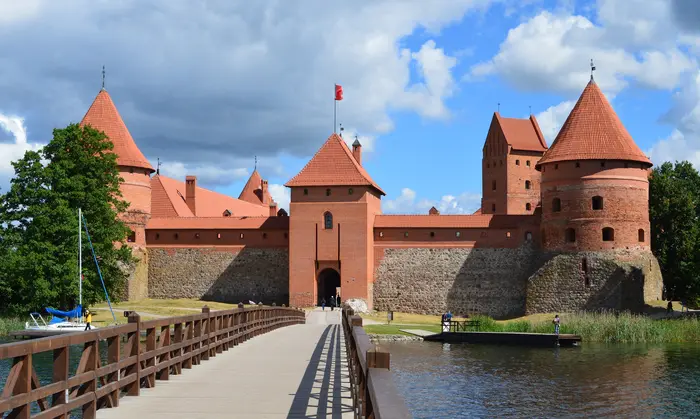
Best Day-Trip Tours from Vilnius
When to book a guided day-trip tour from Vilnius and when to go solo: Trakai, Kaunas, Kernavė, Paneriai, the Hill of Crosses and nature escapes, with the trade-offs that actually matter.
Read guide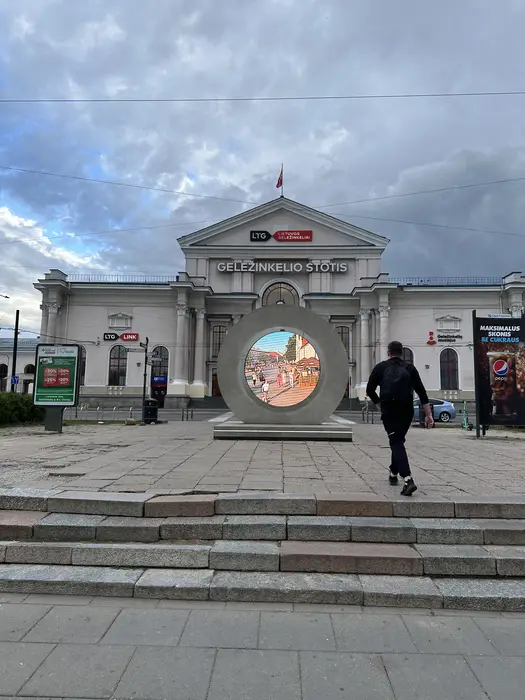
Best Vilnius Day Trips by Train
The easiest rail day trips from Vilnius: Trakai, Kaunas, Paneriai and beyond on LTG Link trains, with station strategy, fares, timing and when a car or tour is the better call.
Read guide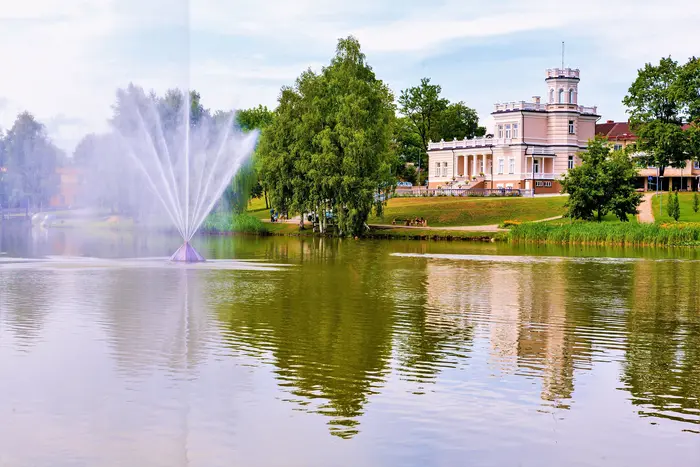
Druskininkai from Vilnius: Spa Town, Water Park & Snow Arena
A guide to Druskininkai, Lithuania's leading spa town, from Vilnius: the Aqua Park, the year-round Snow Arena, forest walks, the Grūtas Park add-on, bus and car timing and whether to stay overnight.
Read guide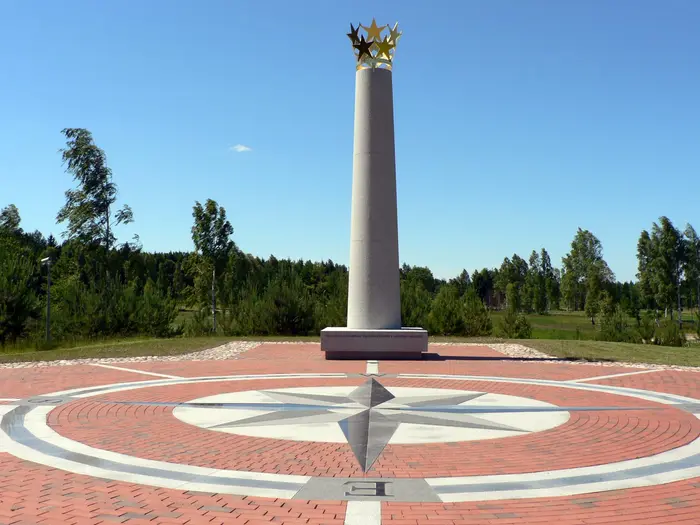
Europos Parkas: Sculpture Park near Vilnius
Visiting Europos Parkas open-air sculpture museum from Vilnius: the art and forest setting, transport by bus or car, tickets, time needed, and whether it fits your trip.
Read guide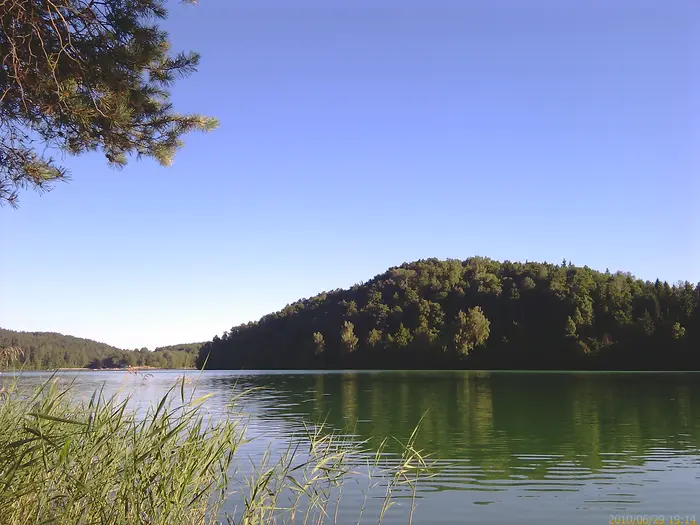
Green Lakes near Vilnius: Swimming & Forest Walks
A guide to the Green Lakes (Žalieji ežerai) near Vilnius: swimming and beaches, forest walks, summer buses, picnic timing, winter caution, and pairing them with Verkiai.
Read guide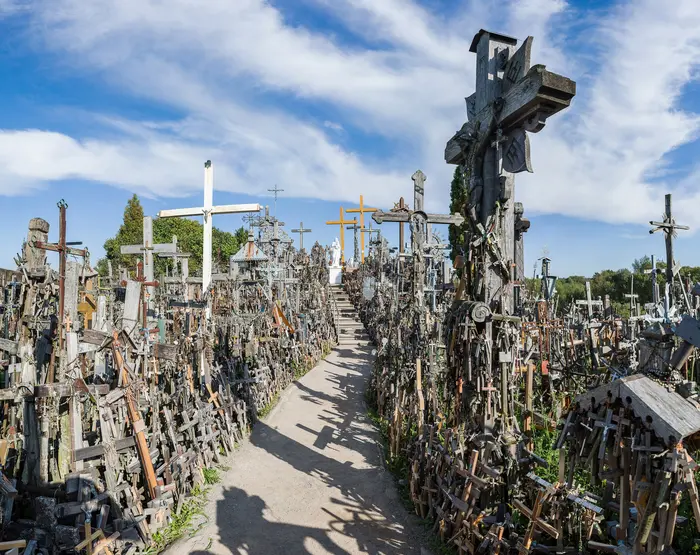
Hill of Crosses from Vilnius: How to Visit Kryžių Kalnas
How to visit the Hill of Crosses from Vilnius: why it is a long day, train, car and tour options via Šiauliai, what to expect at the site, and the overnight and Baltic-route alternatives.
Read guide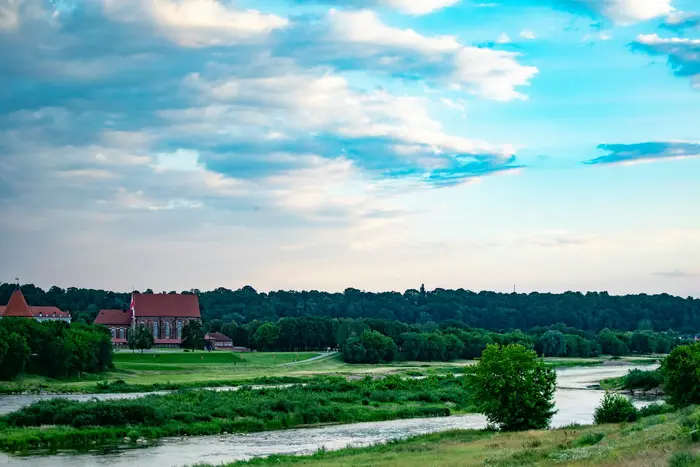
Kaunas Day Trip from Vilnius
A practical guide to a Kaunas day trip from Vilnius: train timing, the Old Town, UNESCO interwar modernism, museums, food, and whether Kaunas deserves an overnight.
Read guide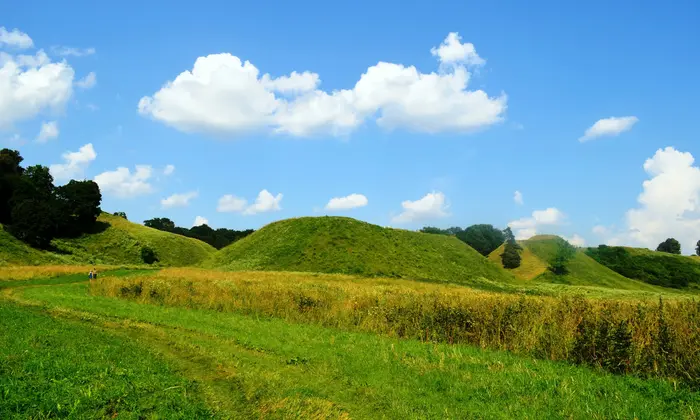
Kernavė Day Trip from Vilnius
How to visit Kernavė from Vilnius: the UNESCO hillforts, the archaeology museum, summer festivals, car and bus logistics, and whether this 'Lithuanian Troy' is worth the trip.
Read guide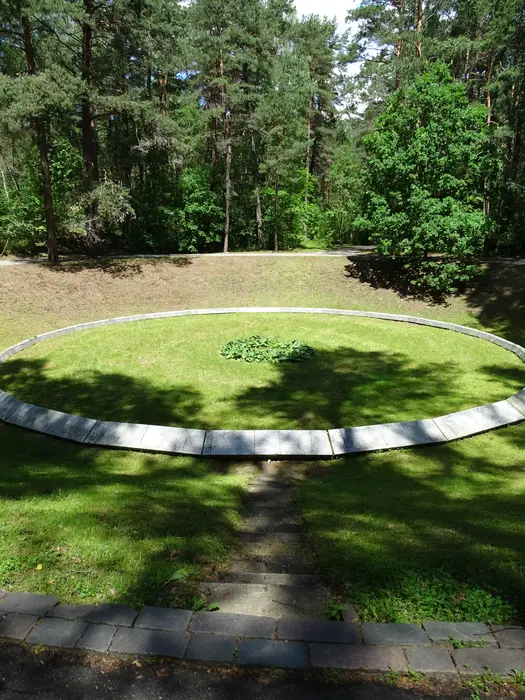
Paneriai Memorial: Visiting from Vilnius
A respectful guide to visiting the Paneriai (Ponary) Holocaust Memorial from Vilnius: how to get there by train, taxi, or tour, the history, time needed, and how to visit with care.
Read guide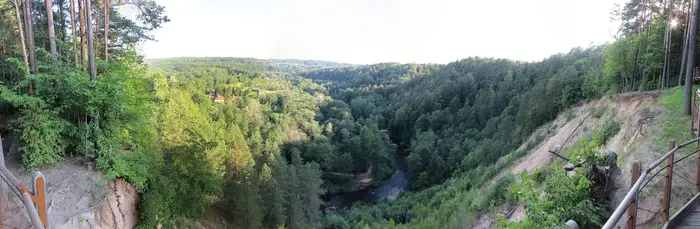
Pavilniai Regional Park & Pūčkoriai: Wild Vilnius Within the City
A guide to Pavilniai Regional Park in eastern Vilnius: the Vilnia river valley, the 65-metre Pūčkoriai exposure, the Belmontas waterfalls and a half-day of trails without leaving greater Vilnius.
Read guide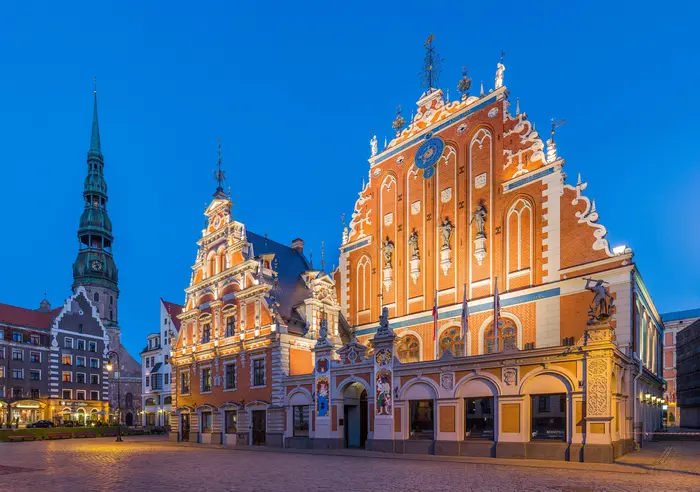
Riga from Vilnius: Day Trip or Overnight?
A guide to visiting Riga from Vilnius: bus and train timing across the 4-hour journey, whether Riga works as a day trip, and why most travelers should make it an overnight or a Baltic-route stop.
Read guide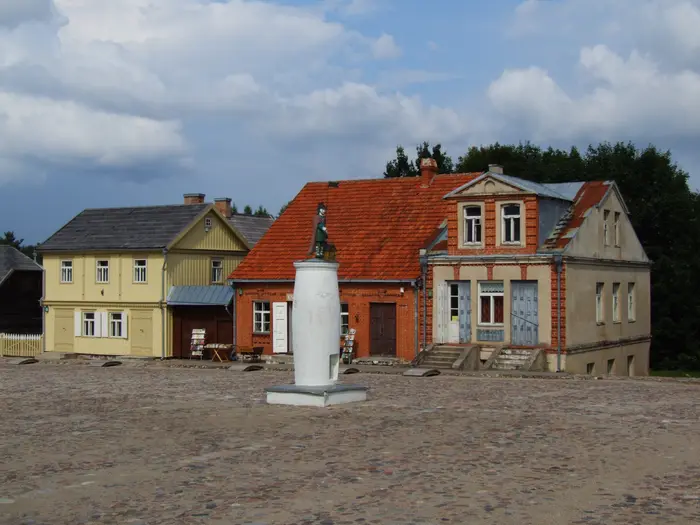
Rumšiškės from Vilnius: Lithuania's Open-Air Museum
How to visit Rumšiškės, Lithuania's vast open-air ethnographic museum, on a day trip from Vilnius: what to see, seasons and hours, family fit, transport and pairing it with Kaunas.
Read guideTrakai Island Castle: A Day Trip from Vilnius
How to visit Trakai Island Castle from Vilnius: tickets, opening hours, the bridge approach, the museum route, lake views, kibinai, and how to pace the whole island day.
Read guide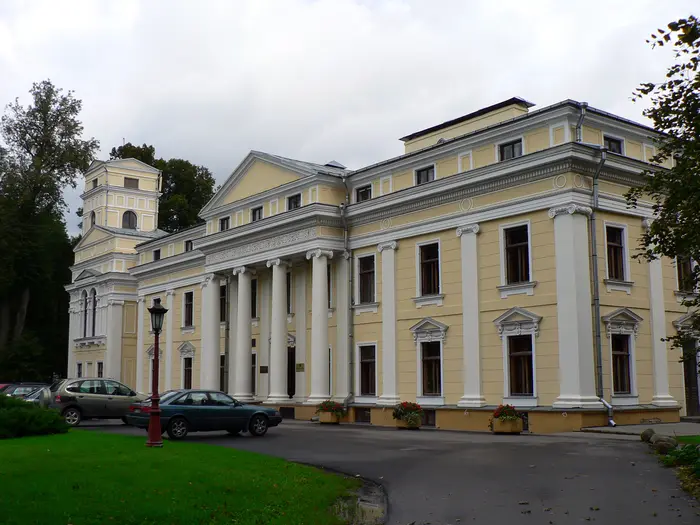
Verkiai Regional Park: Vilnius's Green Northern Edge
A guide to Verkiai Regional Park on Vilnius's northern edge: the neoclassical palace terrace over the Neris, forest and lake trails, easy cycling, bus access and how to pair it with the Green Lakes.
Read guide