
Food & Drink in Vilnius
Where and what to eat and drink in Vilnius: Lithuanian classics, modern Baltic cooking, food halls, cafés, craft beer, cocktail bars and wine — curated guides to the whole scene.
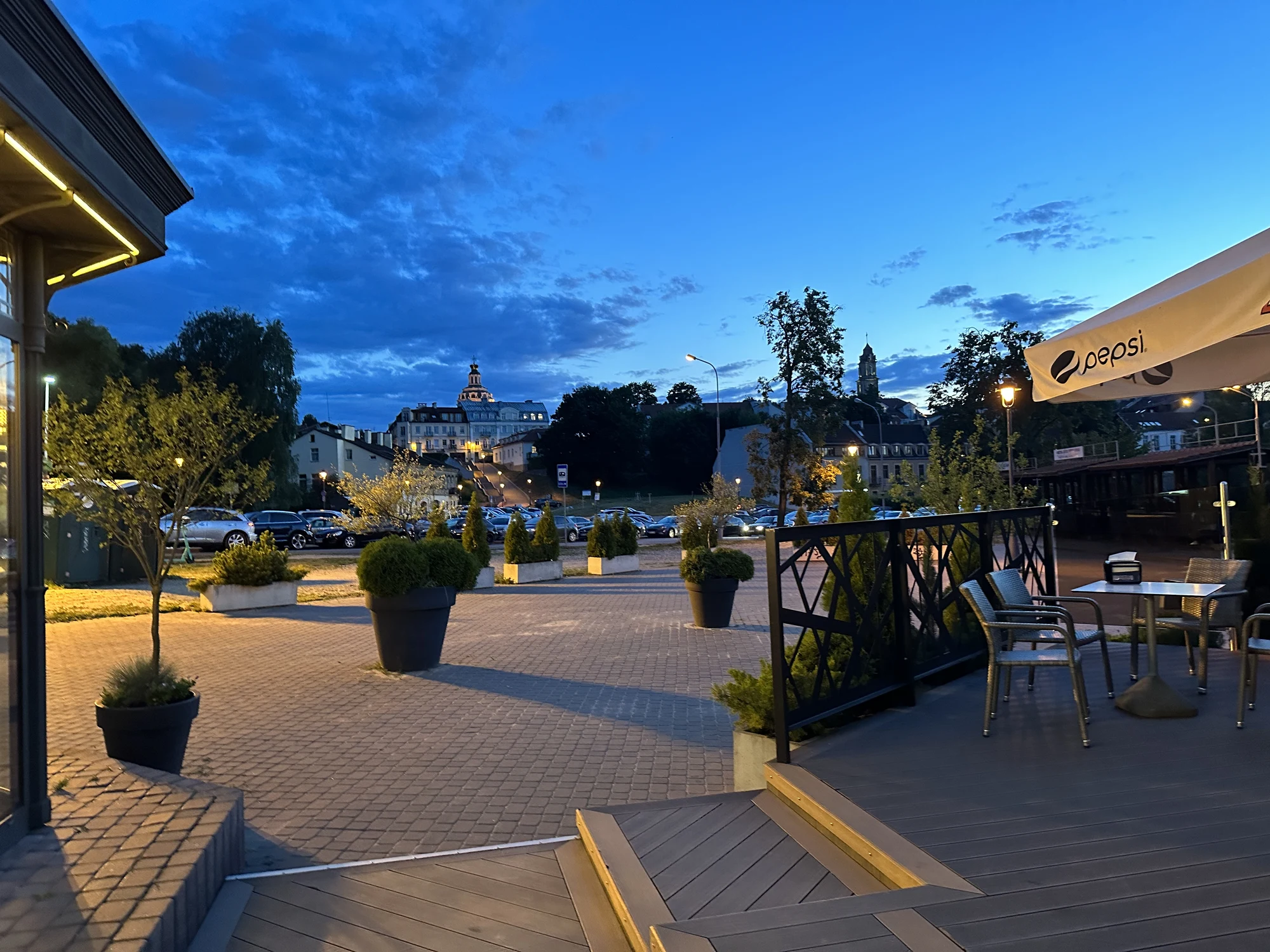
- ✓Vilnius punches well above its size for food — Lithuanian comfort cooking, a serious modern-Baltic scene, and Europe's best-value coffee culture.
- ✓Start with the classics: cepelinai, šaltibarščiai, kugelis and kibinai, then trade up to the city's modern tasting menus.
- ✓Food halls like Halės and Paupys are the easiest, most fun way to eat — a row of stalls and one shared table.
- ✓The café scene is genuinely excellent and cheap; the craft-beer and cocktail bars hold their own with any capital.
- ✓Pick your lane: sunrise rituals, Baltic comfort, globetrotting bites, or a nightcap crawl — the guides below sort it by mood.
Plates, pours and places to bookmark
Vilnius is one of Europe's quietly great eating cities, and it surprises almost everyone who arrives expecting only heavy potato dishes. Yes, the Lithuanian classics are here in full — and they are wonderful — but so is a confident wave of modern-Baltic cooking that reinterprets local ingredients (rye, beetroot, foraged herbs, lake fish, smoked everything) with real ambition, including restaurants that have earned international recognition. Wrapped around all of it is a café and bakery culture that is among the best-value in Europe, and a drinks scene — craft beer, natural wine, inventive cocktails — that has grown up fast.
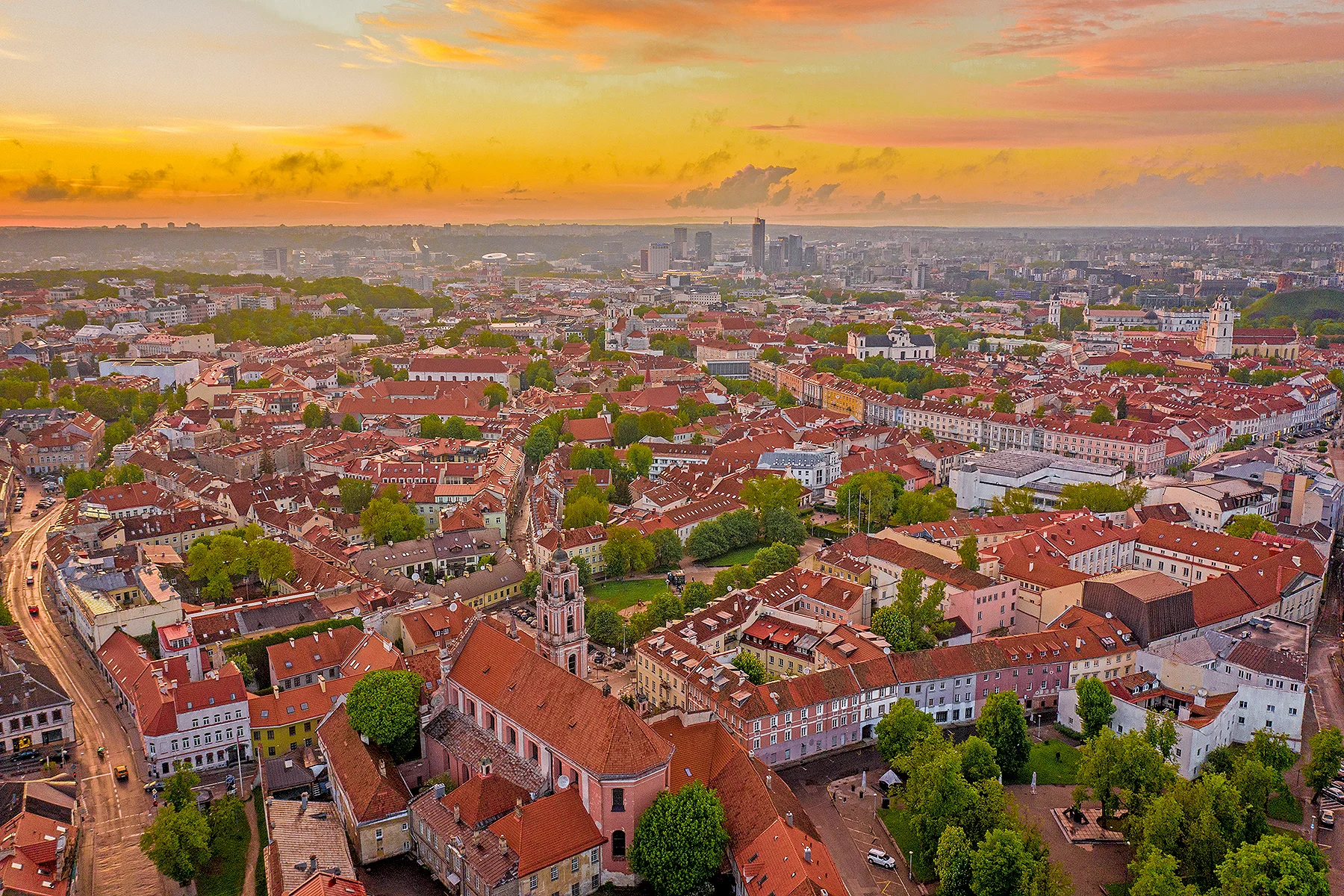
Part of what makes eating here so enjoyable is the value. Compared with Western European capitals, Vilnius lets you eat and drink well for noticeably less: a tasting menu that would cost a small fortune in Paris or Copenhagen is within reach here, a great flat white is pocket change, and a market lunch barely dents the budget. That generosity runs through the whole scene, from the heaped portions of traditional canteens to the unfussy confidence of the new-wave kitchens. It means you can afford to be adventurous — to try the blow-out dinner and the cellar beer bar and the third café of the day.
Geography helps too. Almost everything is walkable: the Old Town, the bar streets, the food halls and the buzzier districts of Naujamiestis and Paupys all sit within a compact, strollable core, so a day of eating naturally strings itself together on foot. You can have a market breakfast, wander to a museum, settle into a café when it rains, and end the night at a cocktail bar without ever needing a taxi. The seasons shape the menu, as well: cold pink soup and lake fish in summer, heavy dumplings and game in winter, foraged mushrooms in autumn, and the year-round constant of excellent bread and coffee.
This hub is your way into the whole scene. Below, the city's food and drink is split into the lanes people actually plan around: morning and daytime (coffee, brunch, bakeries), Lithuanian and Baltic (the classics, modern Baltic, fine dining), plant-based, global and casual (food halls, street food, international, pizza), and drinks and night (cocktail bars, wine bars, craft beer, late-night). Each links through to a focused guide. Whether you want a sunrise ritual, a bowl of cold pink soup, a tasting menu or a nightcap crawl, start by picking your lane.
Lithuanian classics: what to eat first
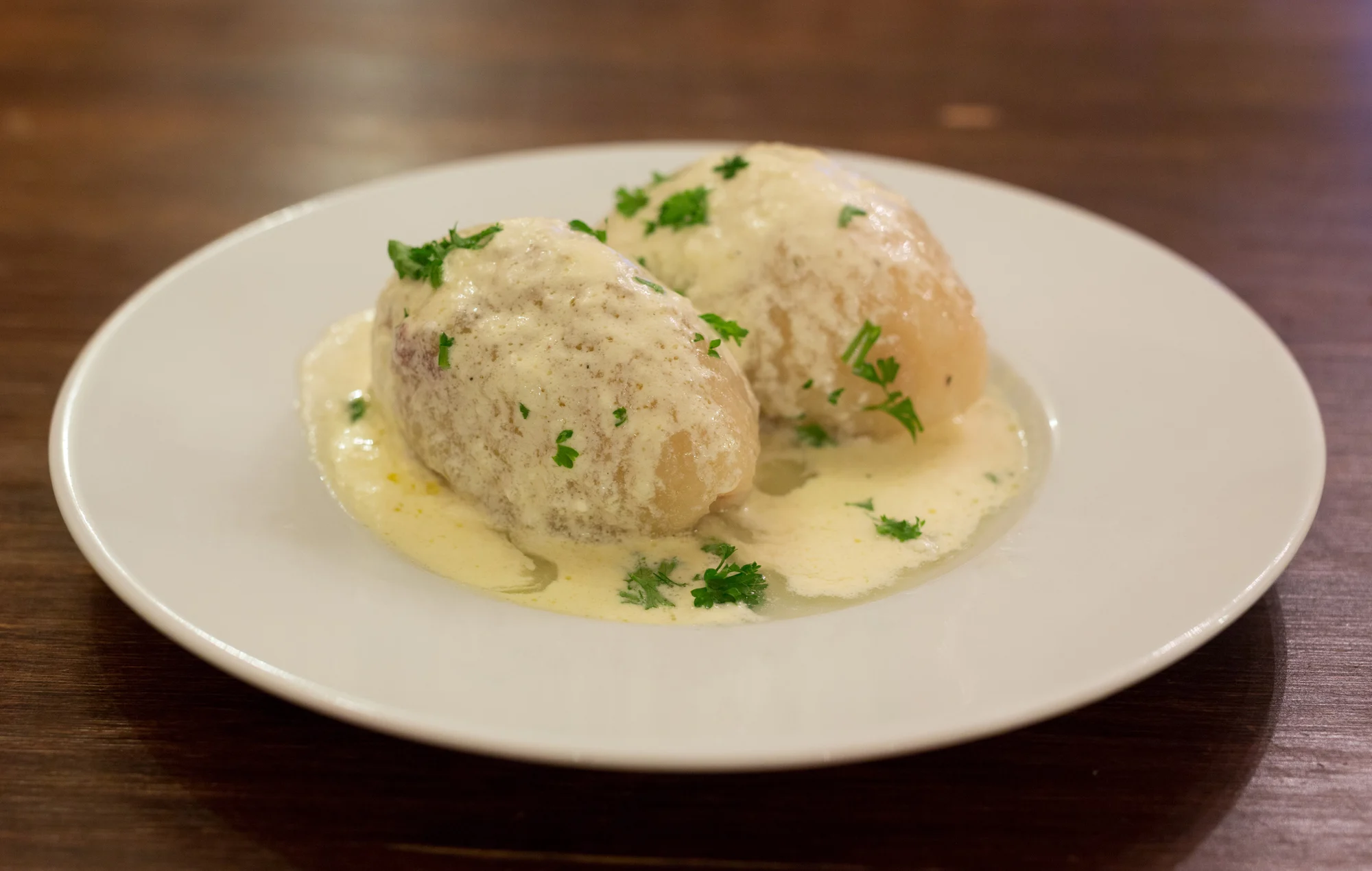
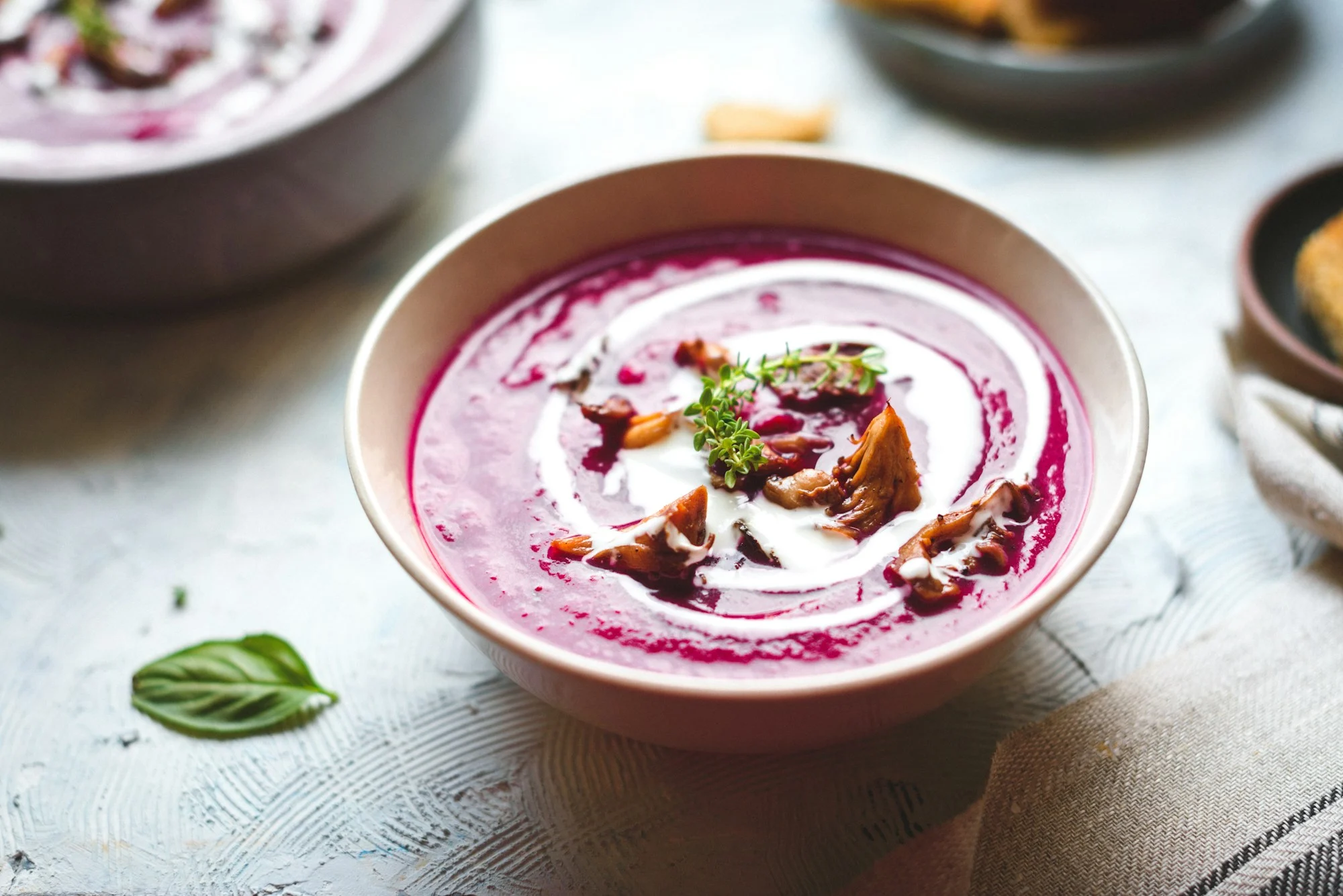
Start where the locals start. Cepelinai — fat, zeppelin-shaped potato dumplings stuffed with meat (or curd, or mushrooms) and topped with bacon and sour cream — are the national dish, heavy and hugely satisfying; eat them at lunch and plan a slow afternoon. In summer the must-try flips to šaltibarščiai, the electric-pink cold soup of beetroot, kefir and dill served with hot boiled potatoes on the side — a dish so beloved it has its own festival. Add kugelis (a baked potato pudding), blynai (pancakes, sweet or savoury), and rye bread that anchors every table.
There is more comfort food where that came from. Look for vėdarai (potato sausages), balandėliai (cabbage rolls), bulvių plokštainis and the smoked meats and cheeses that fill the markets — Lithuanians smoke almost everything, and the results are superb with beer. Soups run deep beyond the famous pink one: hearty mushroom and barley broths, sauerkraut soup, and rich game stews in the colder months. Freshwater fish from the lakes — pike, perch, smoked eel — turns up across menus, a reminder that this is a country of forests and water as much as potatoes.
Don't leave without kibinai, the warm filled pastries of the Karaim community most associated with nearby Trakai but easy to find in Vilnius too. For dessert, look for šakotis (the spit-baked 'tree cake'), curd-cheese sūrelis, and honey cake; and for a drink, the honey-spiced spirits, krupnikas liqueur, kvass-like gira, and the resurgent farmhouse beers. Lithuanian food is comfort food at heart — generous, seasonal and rooted in the forest and the dacha garden — and trying the classics first gives you the context for the modern restaurants that riff on them. A good rule for a short stay: one big traditional lunch, then let the rest of your meals range wider.
- Cepelinai — the national potato dumpling; rich and filling.
- Šaltibarščiai — the bright-pink cold beet soup, a summer essential.
- Kibinai — Karaim filled pastries, the snack of Trakai and Vilnius.
- Kugelis, blynai, rye bread, šakotis and honey cake round out the table.
The full primer on what to eat, from cepelinai to honey cake.
Best restaurants in VilniusWhere to eat the classics — and the modern kitchens reinventing them.
Map pins
Map data © OpenStreetMap contributors · Tiles © OpenFreeMap
Modern Baltic and fine dining
Vilnius's most exciting cooking is happening at its modern-Baltic restaurants, where chefs treat humble Lithuanian ingredients — rye, beetroot, lake fish, game, foraged mushrooms and herbs, fermented everything — with the seriousness of a tasting-menu kitchen. The result is food that is unmistakably local but contemporary in technique and presentation, and the city has restaurants recognised on the international stage to show for it. This is the side of Vilnius dining that converts sceptics: ambitious, seasonal, and still rooted in a sense of place.
The hallmark of the new wave is hyper-seasonality and respect for tradition turned forward. Menus change with what the forests and farms are giving — wild garlic and birch sap in spring, berries and chanterelles in late summer, root vegetables and game as the year cools — and techniques like fermentation, curing and smoking, long part of the Lithuanian larder out of necessity, are now wielded with finesse. Plates arrive looking nothing like grandmother's cooking yet taste rooted in it, which is exactly the trick these kitchens have pulled off.
For a special evening, the fine-dining and modern-Baltic rooms cluster in and around the Old Town, with multi-course tasting menus and thoughtful wine pairings at prices that remain gentle compared with Western European capitals — which is part of what makes Vilnius such good value for a blow-out. Book ahead for the headline restaurants, especially at weekends and for the few internationally recognised tables, where seats are limited. If you want the cooking without the full tasting-menu commitment, many of the same kitchens offer shorter, well-priced lunch menus — a smart way to sample the city's best at a fraction of the dinner cost.
Cafés, brunch and bakeries
Mornings in Vilnius are a pleasure. The city's café culture is deep and design-forward, with a strong specialty-coffee scene spread across the Old Town, Užupis and Naujamiestis, and prices that make a daily ritual easy on the wallet. Whether you want a serious flat white in a minimalist roastery, a slow weekend brunch, or a classic European café for cake and people-watching, you are well served — and these same cafés double as the city's best rainy-day refuges. The coffee here is taken seriously: a wave of small roasters and barista-led cafés has pushed quality up to capital-city standards while keeping the bill refreshingly low.
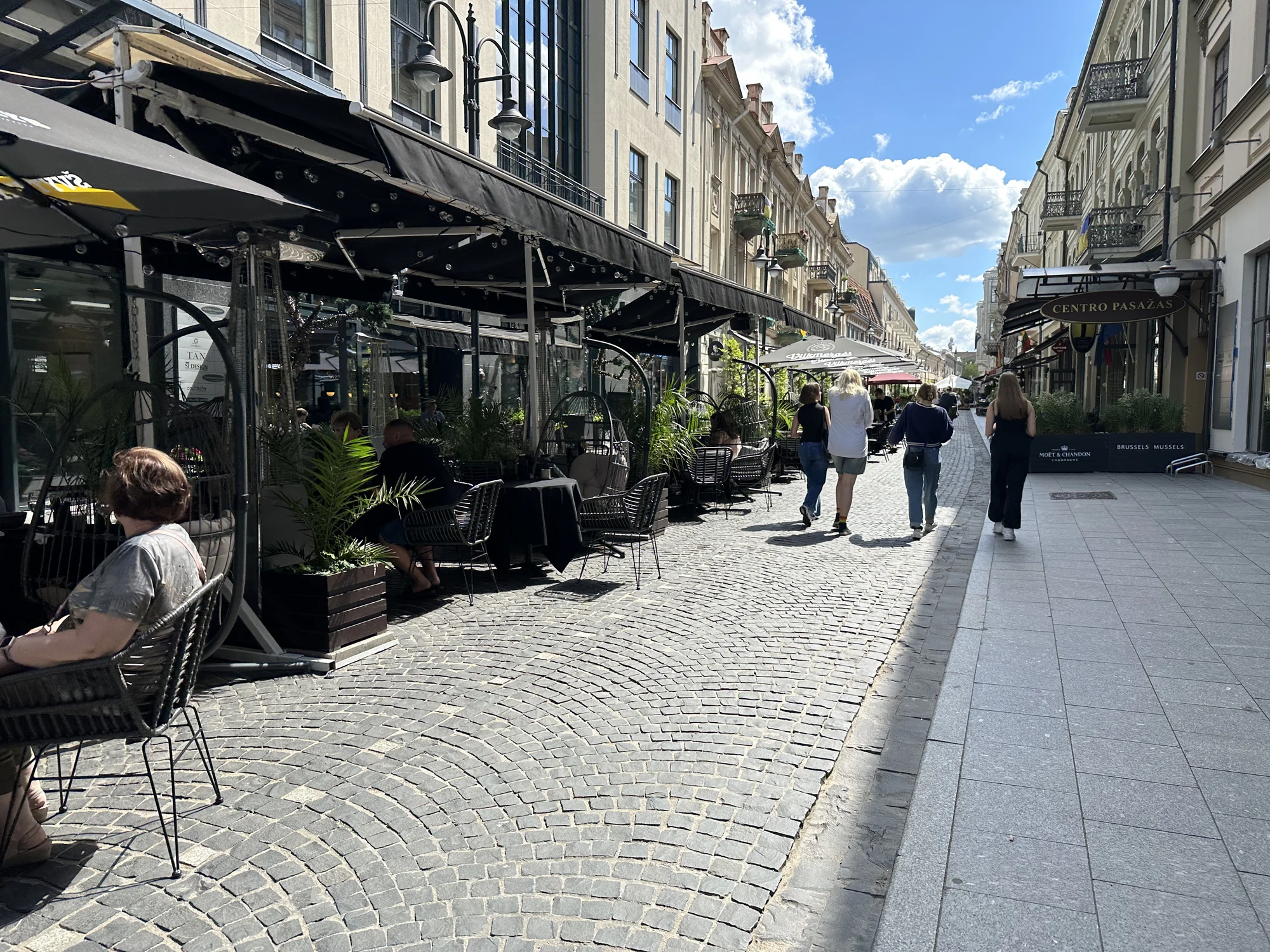
Brunch has become its own institution, particularly at weekends, when the better spots fill up and a reservation pays off. Expect everything from eggs and sourdough to inventive plates that nod to Baltic ingredients, alongside the global brunch staples. Many cafés are also genuinely work-friendly — fast wifi, good tables, no rush — which makes them easy places to regroup between sights.
Pair the coffee with the bakeries. Lithuanian baking runs from dense, sour rye loaves to flaky pastries, curd-cheese buns, poppy-seed rolls and the showpiece šakotis, and the markets are full of breakfast options — the kind of bakery counter that makes a hotel breakfast feel pointless. Build a slow start into your days: a long brunch before the Old Town walks, or a mid-morning coffee-and-cake stop, fits the unhurried rhythm the city rewards. And don't overlook the simplest pleasure of all — a warm pastry and a coffee eaten standing at a market stall as Vilnius wakes up around you.
Food halls, markets and casual eats
The most fun, lowest-pressure way to eat in Vilnius is at a food hall. Halės Market — the city's historic covered market by the station, open since 1906 — has reinvented itself with stalls, bars and a buzzing food court alongside the traditional butchers, fishmongers and produce sellers, and it is the place to graze on everything from dumplings to global street food at fair prices. Across the river, Paupys Market does a sleeker, more contemporary version in the up-and-coming Paupys district, with a curated line-up of vendors and a more design-led room. Both are ideal for groups and mixed appetites: everyone orders what they want and meets at a shared table, no single kitchen to wait on.
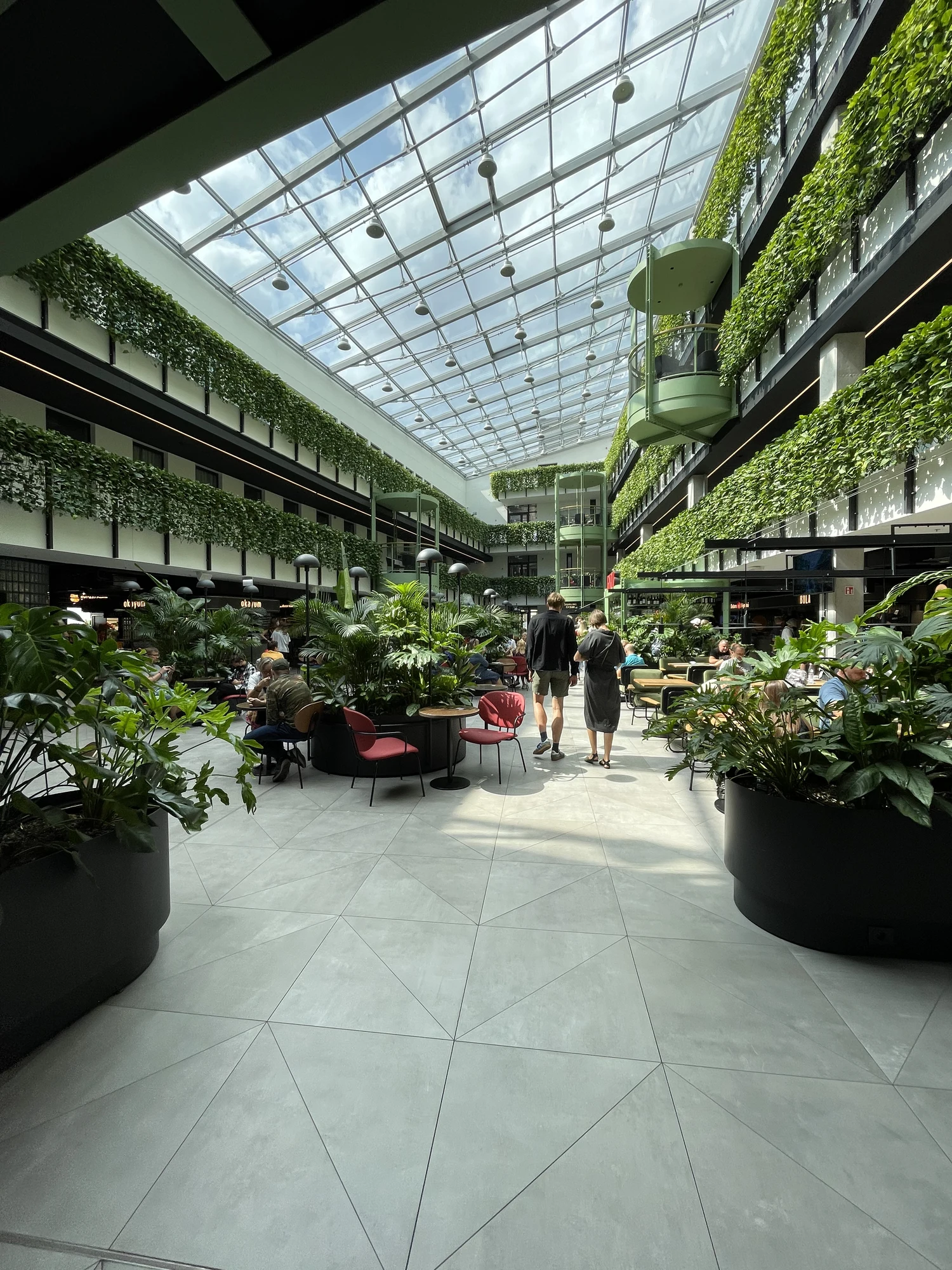
Markets are also where you taste the city's pantry: stalls of smoked meats, lake fish, forest honey, dark rye, curd cheese and seasonal berries and mushrooms, plus producers happy to let you try before you buy. Even if you're not cooking, an hour wandering the aisles tells you more about how Lithuanians eat than any restaurant. The food halls have become genuine social hubs, busy from breakfast through to evening drinks.
Beyond the halls, casual Vilnius is well covered — street food, burgers, pizza (the city has a real soft spot for Italian), and a growing run of international kitchens, from Georgian khinkali houses to ramen, reflecting the city's increasingly diverse population. For budget eating, the markets, bakeries and old-school Lithuanian canteens deliver big portions for little money — student-area lunchrooms in particular are a bargain. This is the layer of the food scene you'll actually eat most meals from, and it's reliably good, fast and friendly.
- Halės Market: the historic covered market, now part traditional market, part food court.
- Paupys Market: a sleek modern food hall across the river in the Paupys district.
- Street food, pizza and international eats fill out the casual, everyday layer.
Drinks: craft beer, cocktails and wine
Lithuania has one of Europe's most distinctive and least-known beer cultures, with a living farmhouse tradition — including unusual styles like the baked 'keptinis' beers and raw, unboiled ales descended from old village brewing — alongside a thoroughly modern craft scene. This is a genuine point of difference: while much of the world's craft beer converges on the same hop-forward template, Lithuania kept brewing methods that all but vanished elsewhere. A craft-beer crawl through Vilnius's taprooms and bars is one of the more rewarding ways to spend an evening, and the beer snacks (smoked pig ears, fried garlic bread, cheese sticks) are half the appeal.
The cocktail and wine scenes have caught up fast, too. The city now has serious cocktail bars mixing with local ingredients and house infusions, rooftop spots for a sundowner over the Old Town, hidden speakeasy-style rooms you need to know about, and a growing clutch of natural- and low-intervention-wine bars. Hotel lounges and the bars at the better restaurants round out the options for a more refined drink. It's a scene that rewards the curious without demanding a big spend.
Nightlife in Vilnius is compact and walkable, concentrated in the Old Town and the bar streets around Vokiečių, plus the buzzier nights at venues like Lukiškės Prison 2.0 and the clubs and gig spaces of Naujamiestis. It rarely feels overwhelming — this is a city for a relaxed bar crawl and a good nightcap rather than mega-clubs, and you can walk between most of it. Whatever your drink, the value is exceptional by Western European standards, so it's a fine place to drink well without spending a fortune. Last note: pace yourself, because the honey-spiced spirits and farmhouse beers are stronger and more moreish than they look.
- Craft beer: a rare living farmhouse tradition plus a modern taproom scene.
- Cocktail and rooftop bars, hidden speakeasies and natural-wine bars across the centre.
- Compact, walkable nightlife around the Old Town, Vokiečių Street and Naujamiestis.
Where to eat by neighbourhood
Vilnius's food clusters by district, which makes it easy to plan around wherever you find yourself. The Old Town (Senamiestis) holds the densest concentration — traditional restaurants, the headline fine-dining rooms, classic cafés and the tourist-facing terraces along Pilies and Vokiečių streets — so it's where most visitors eat most meals, with the caveat that the very central spots trade on location as much as cooking. Step a street or two off the main drag and quality climbs while prices fall.
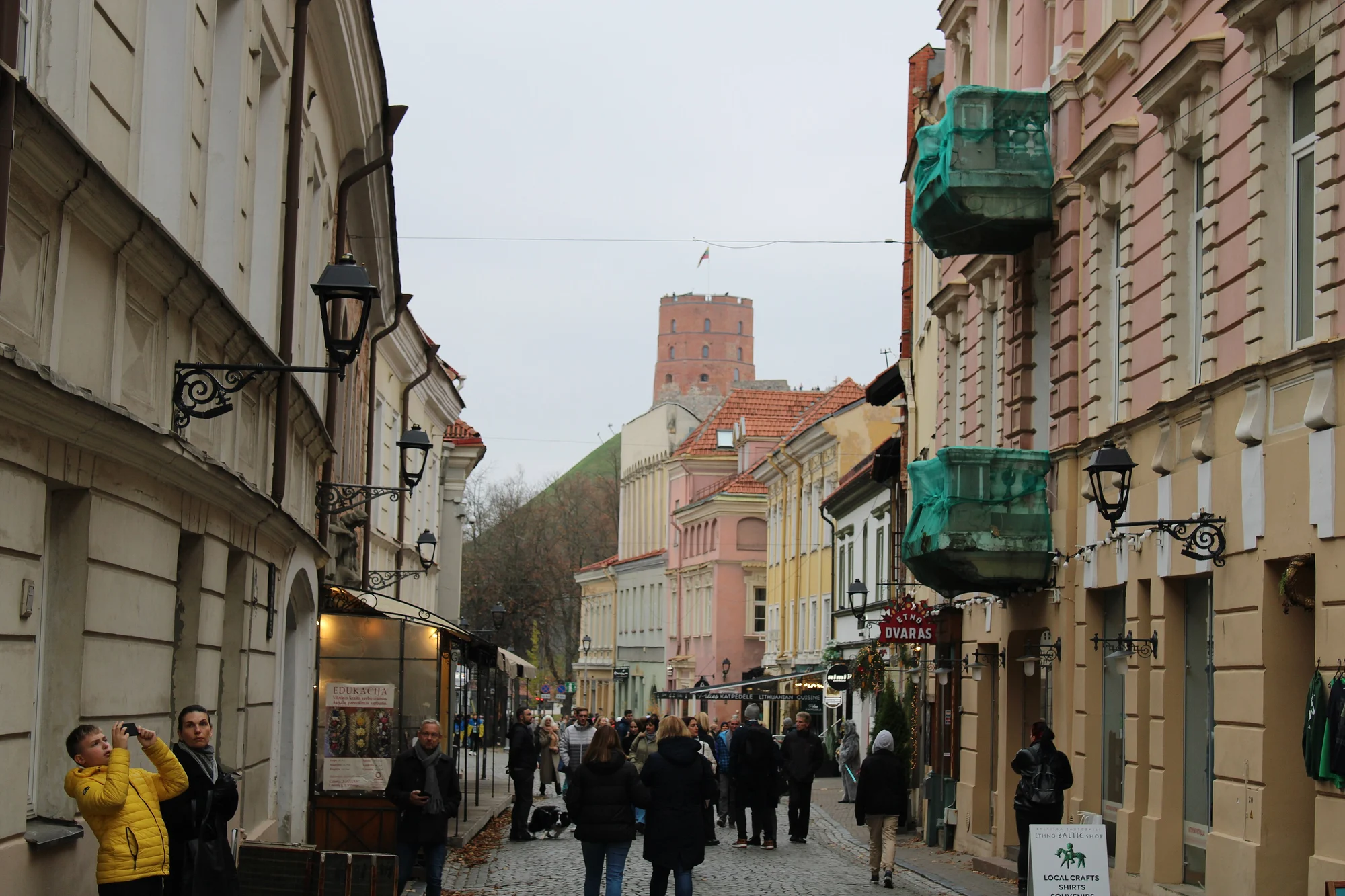
Across the Vilnia, Užupis is all bohemian charm: arty cafés, wine bars, riverside terraces and a couple of beloved restaurants, ideal for a long, unhurried lunch. Naujamiestis (the New Town), running west from the centre, is where the city's contemporary energy lives — third-wave coffee, craft-beer bars, modern bistros and the post-industrial venues hosting pop-ups and gigs. The Station District (Stoties rajonas) around Halės Market has become a scrappy, exciting eating quarter, and the Paupys district by its market is the polished new kid. Match the neighbourhood to the mood: Old Town for tradition and occasion, Užupis for romance, Naujamiestis and the station area for the cutting edge.
If you're choosing a base for a food-focused trip, staying near the Old Town keeps you within walking distance of nearly everything, while a room in or near Užupis or Naujamiestis puts you among the more local spots. Either way, distances are short enough that no part of the scene is really out of reach.
- Old Town: traditional restaurants, fine dining and classic cafés — step off the main streets for value.
- Užupis: arty cafés, wine bars and riverside terraces for a slow lunch.
- Naujamiestis: specialty coffee, craft beer and modern bistros — the contemporary scene.
- Station District & Paupys: Halės Market energy and the city's newest food hall.
Food tours and how to eat your way through Vilnius
If you'd like the scene unlocked for you — especially early in a trip — a food or beer tour is excellent value here, precisely because Lithuanian cuisine isn't always self-explanatory. A guided crawl through the markets and a few restaurants gets you tastings of the classics with the context for why they matter, and leaves you with a map of where to return. Combine that with this hub's guides and you can build a genuinely food-led trip: a market breakfast, a classics lunch, a café break, a modern-Baltic dinner and a craft-beer nightcap, all on foot.
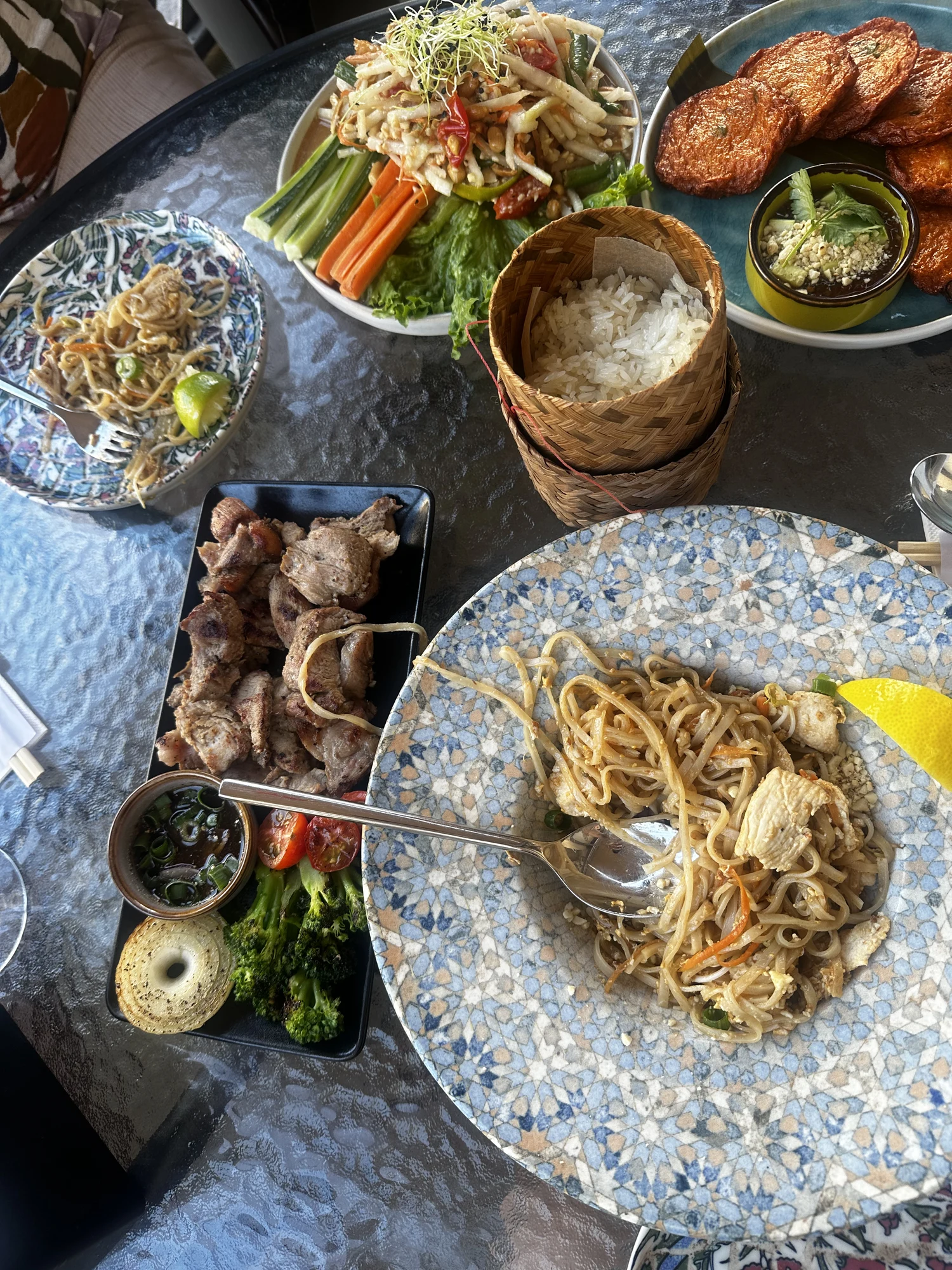
For the food-obsessed, Vilnius also rewards a themed approach — a dedicated cepelinai-and-comfort day, a cold-soup-in-summer pilgrimage, a coffee-shop tour, or a Trakai trip built around kibinai. Reservations are worth making for the headline restaurants and weekend brunches, but most of the city's eating is happily spontaneous. Use the linked guides below to plan by appetite, and don't over-schedule: like the rest of Vilnius, the food is best enjoyed slowly, with room for a second coffee, an unplanned bakery stop, and the kind of long lunch that quietly becomes the highlight of the day.
Sources
Everything in Eat & Drink
Start here
6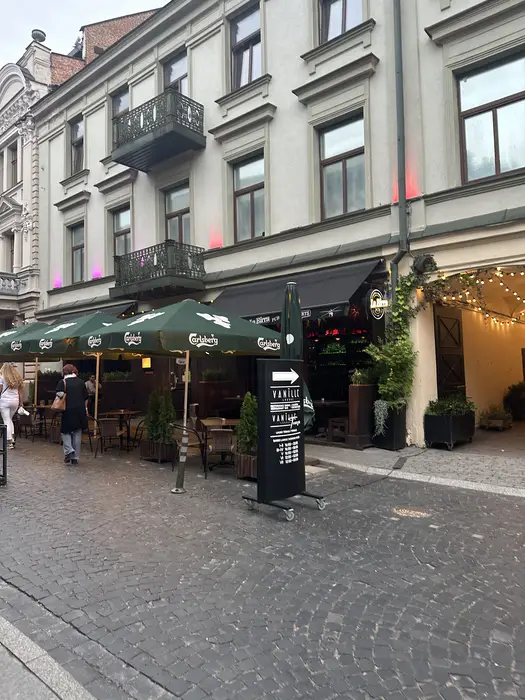
Best Restaurants in Vilnius
A practical shortlist of the best restaurants in Vilnius — by neighbourhood, by budget, and by occasion. Lithuanian classics, modern Baltic cooking, date-night rooms, tasting menus, and where to find genuine value.
Read guide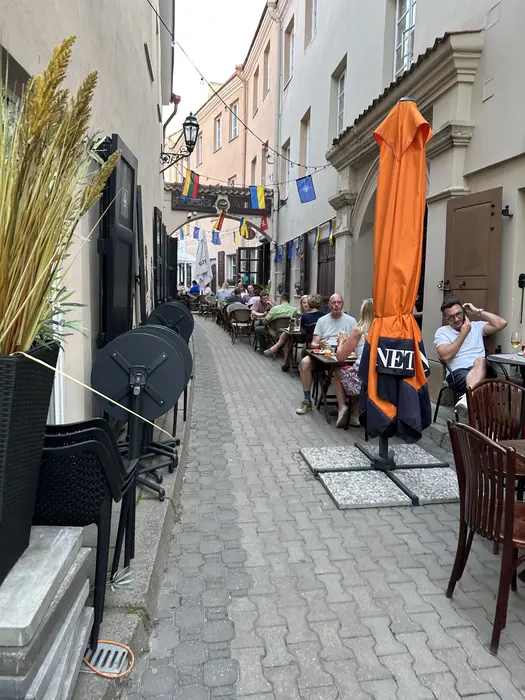
Fine Dining in Vilnius: MICHELIN Stars & Tasting Menus
A guide to fine dining in Vilnius — MICHELIN-starred restaurants, modern Lithuanian tasting menus, wine pairings and how to book — for a special-occasion dinner in the Lithuanian capital.
Read guide
Budget Eats in Vilnius: Cheap, Filling & Local
How to eat well in Vilnius without spending much — markets, food halls, bakeries, cheap Lithuanian taverns, lunch deals and student-area food — with realistic prices and money-saving tips.
Read guide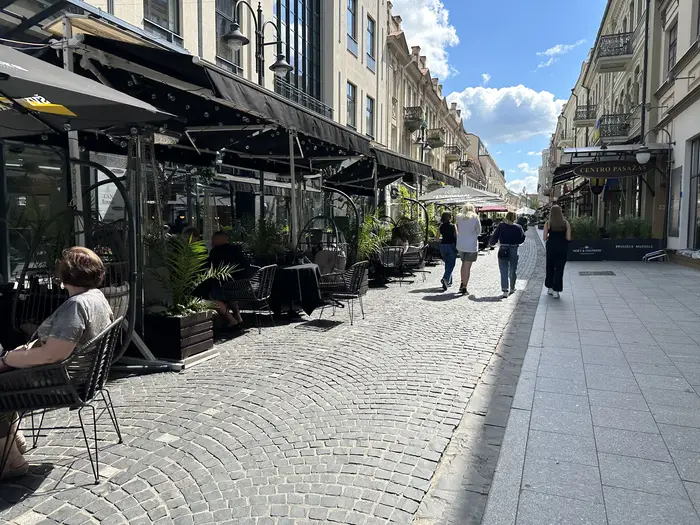
Best Cafés in Vilnius
The best cafés in Vilnius — specialty-coffee roasters, classic all-day cafés, work-friendly spots, design-forward rooms, rainy-day breaks and café routes by neighbourhood.
Read guide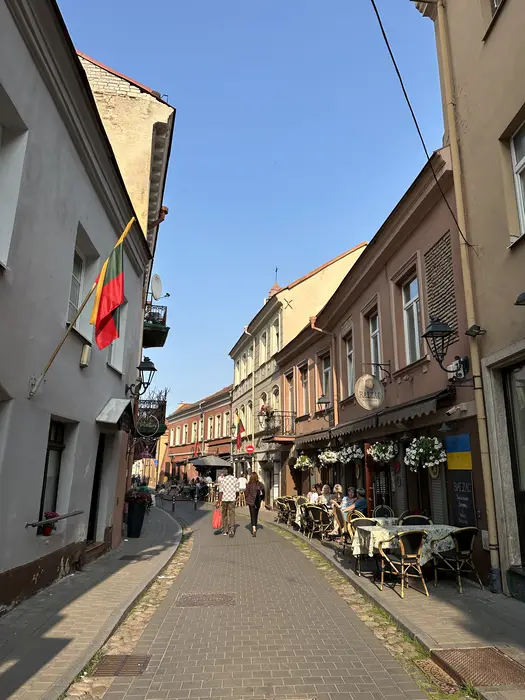
Best Breakfast & Brunch in Vilnius
Where to find the best breakfast and brunch in Vilnius — brunch spots by neighbourhood, weekend reservations, bakeries, market mornings and easy starts before an Old Town walk.
Read guide
The Best Date-Night Restaurants in Vilnius
Where to take someone special in Vilnius — romantic Old Town dining rooms, candlelit cellars, tasting menus, wine bars and cosy corners — with tips on booking and setting up the perfect evening.
Read guideLithuanian food
6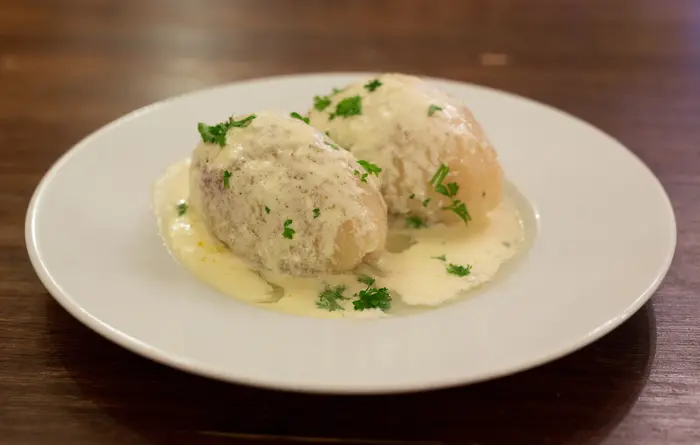
Traditional Lithuanian Food in Vilnius
What to eat in Vilnius, from cepelinai and šaltibarščiai to kibinai, dark rye bread, smoked fish, honey cake and beer snacks — and the best places to try each.
Read guide
Lithuanian Classics in Vilnius
Rustic dining rooms and homestyle canteens in Vilnius serving cepelinai, šaltibarščiai, kugelis, čeburekai and celebratory desserts — where to eat the traditional dishes and how to do it on any budget.
Read guide
Modern Baltic Cuisine in Vilnius
Season-driven Vilnius kitchens spotlighting foraged herbs, Baltic grains and fermented flavours — tasting menus, MICHELIN-recognised rooms and the new wave of modern Lithuanian cooking, with how to book and what to expect.
Read guideCepelinai in Vilnius: Lithuania's Potato Dumplings
Where to try Lithuania's national potato dumplings in Vilnius — what cepelinai are, portion sizes, vegetarian options, and where heavy comfort food fits into your day.
Read guide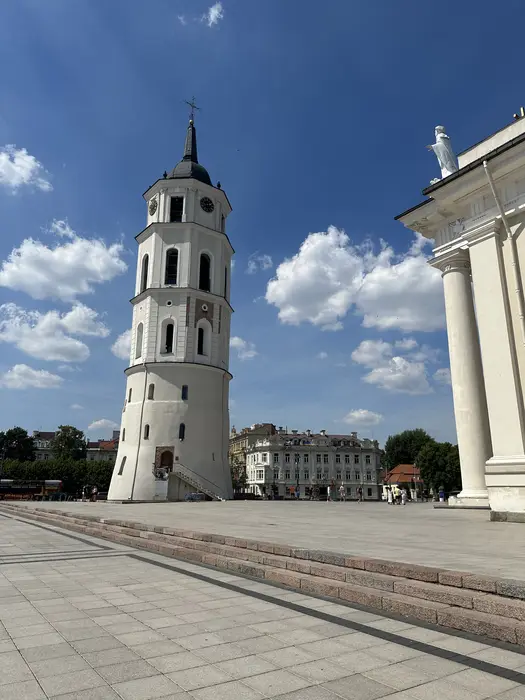
Šaltibarščiai in Vilnius: The Cold Pink Soup
Where and when to try Lithuania's vivid cold pink beetroot soup in Vilnius — summer timing, what it tastes like, how it's served, and the Pink Soup Fest context.
Read guide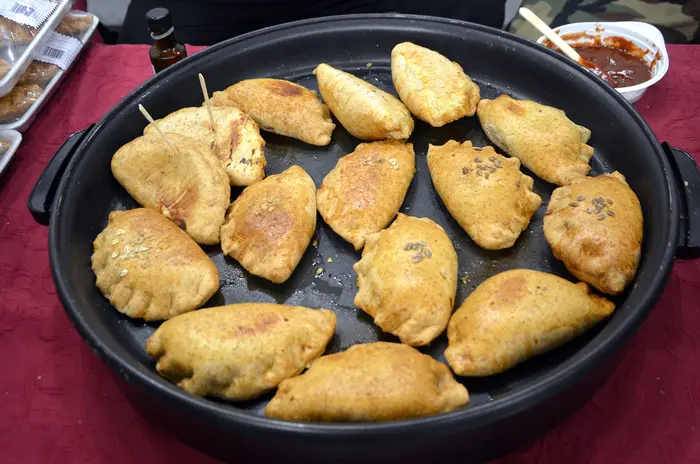
Kibinai in Vilnius & Trakai: The Karaim Pastries
What kibinai are, why Trakai matters, and where to eat the Karaim meat pastries — in Vilnius or as part of a Trakai castle-and-lakes day trip.
Read guideCafés & bakeries
3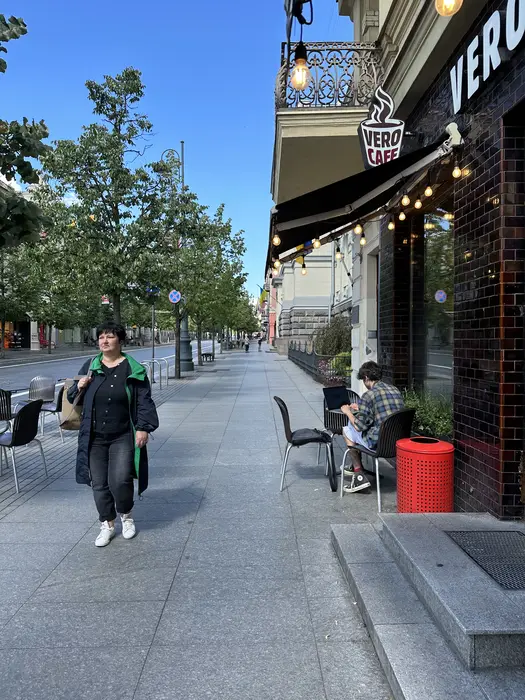
Coffee & Cafés in Vilnius
Where to drink good coffee in Vilnius — manual brew bars, single-origin espresso labs, third-wave roasters and cosy corners with power outlets and reliable Wi-Fi, across the Old Town and beyond.
Read guide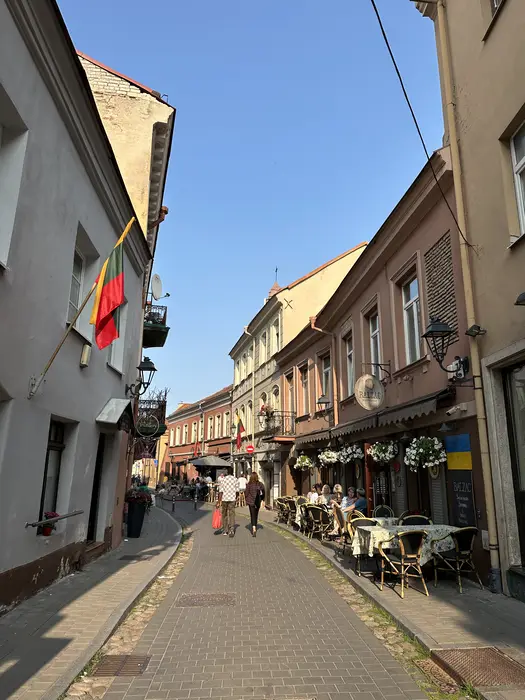
Breakfast & Brunch in Vilnius
Where to find the best breakfast and brunch in Vilnius — pancake stacks, shakshuka skillets, Baltic porridges, bakery mornings and weekend brunch spots across the Old Town and New Town.
Read guide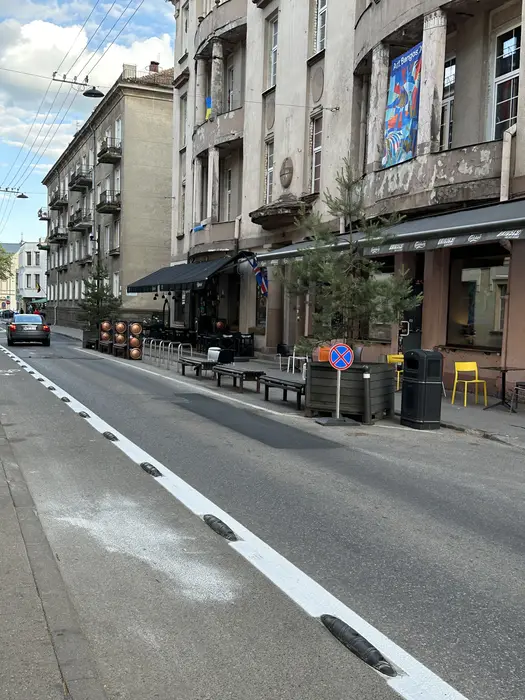
Bakeries & Pastries in Vilnius
Where to find the best bakeries and pastries in Vilnius — heritage rye loaves, flaky viennoiserie, butter-packed pastries, and celebratory cakes boxed for later, across the Old Town and beyond.
Read guideBars & nightlife
6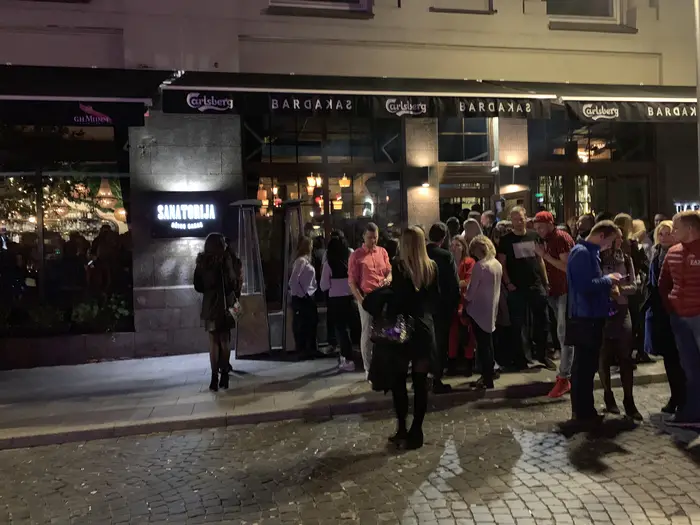
Best Cocktail & Rooftop Bars in Vilnius
Vilnius cocktail bars worth dressing up for: rooftop drinks with Old Town views, hotel lounges, hidden speakeasy-style rooms, and where the late-night scene moves around Lukiškės and the New Town.
Read guide
Cocktail Bars in Vilnius
Where to drink well in Vilnius — mixology bars, speakeasy hideaways, hotel lounges and zero-proof programmes shaking signature serves till late, across the Old Town, New Town and Lukiškės.
Read guideWine Bars in Vilnius
Vilnius wine bars and wine-focused bistros: natural and orange pours, by-the-glass flights, sommelier-run shops and Old Town rooms built around the bottle.
Read guide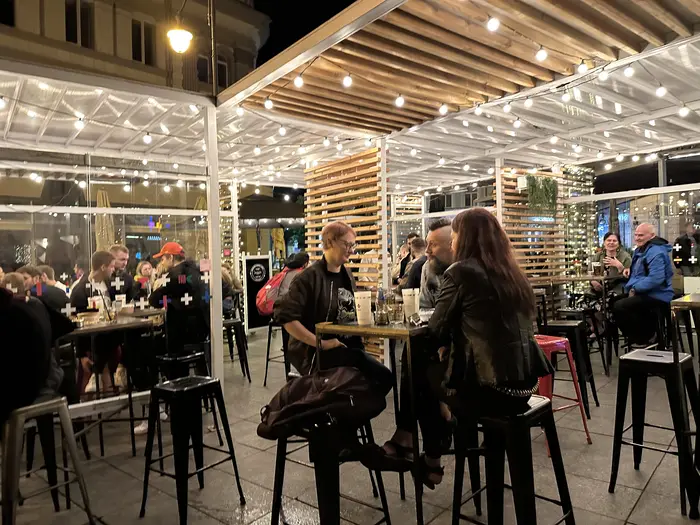
Best Craft Beer in Vilnius
Where to drink craft beer in Vilnius: the city's best taprooms and beer bars, a primer on Lithuania's farmhouse brewing tradition, what to order with it, and a relaxed evening route through the bars.
Read guide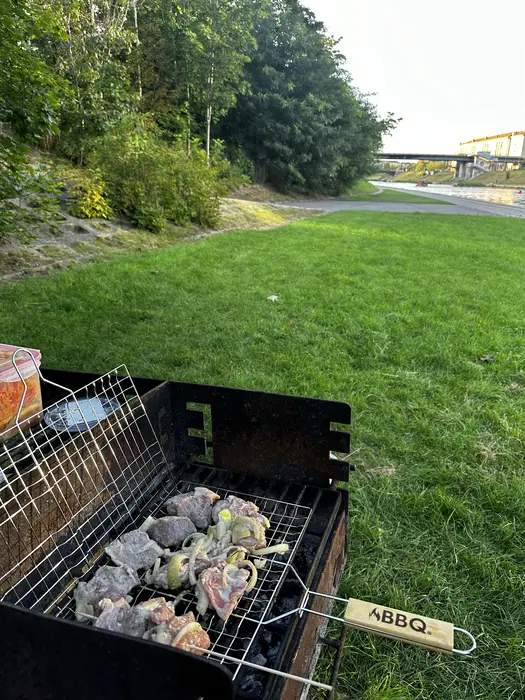
Craft Beer & Breweries in Vilnius
Where to drink craft beer in Vilnius — taprooms, microbreweries and beer bars pouring Baltic porters, IPAs, stouts and tasting paddles, plus the country's distinctive farmhouse-ale tradition.
Read guide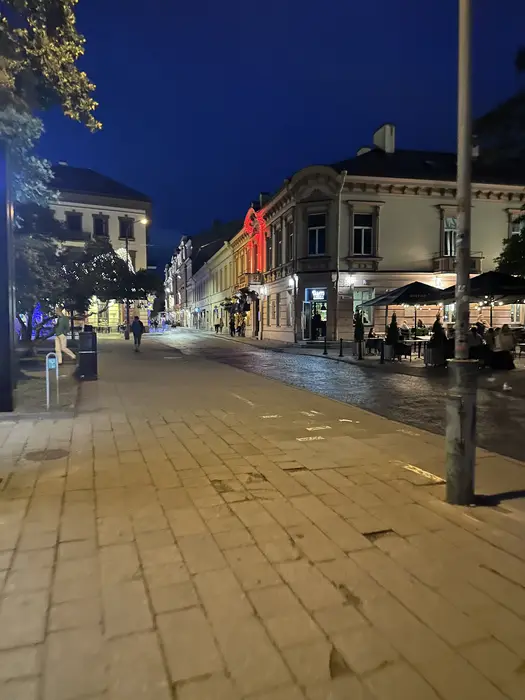
Nightlife & Late-Night Vilnius
After-dark Vilnius: clubs, DJ sets, live-music venues, late-night bars and gastropubs open past midnight. Where to go in Naujamiestis and the station district, plus what stays open late.
Read guideMarkets & street food
4
Markets & Food Halls in Vilnius
Multi-vendor markets, casual counters and food halls in Vilnius — from the modern Paupio turgus to the historic Halės turgus — mixing global bites with weekend energy. Where to graze, what to eat and when to go.
Read guide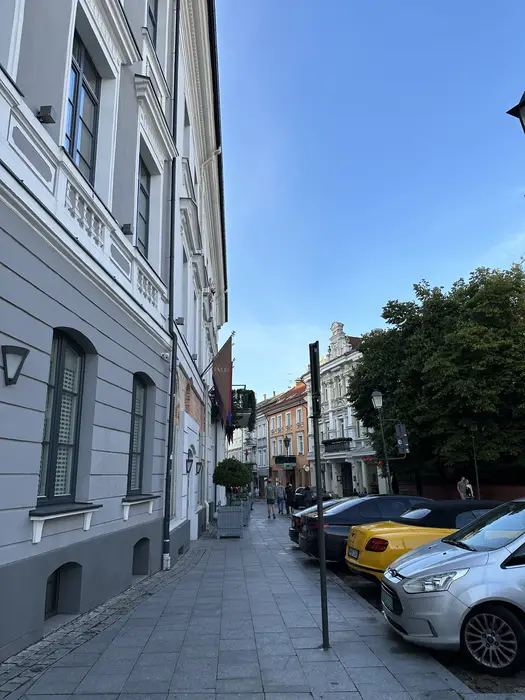
The Best Food Halls & Markets in Vilnius
A guide to Vilnius's food halls and markets — Halės, Paupys, Kalvarijų and the station-area stalls — with what to eat at each, which suits groups and families, and how to plan a market meal.
Read guide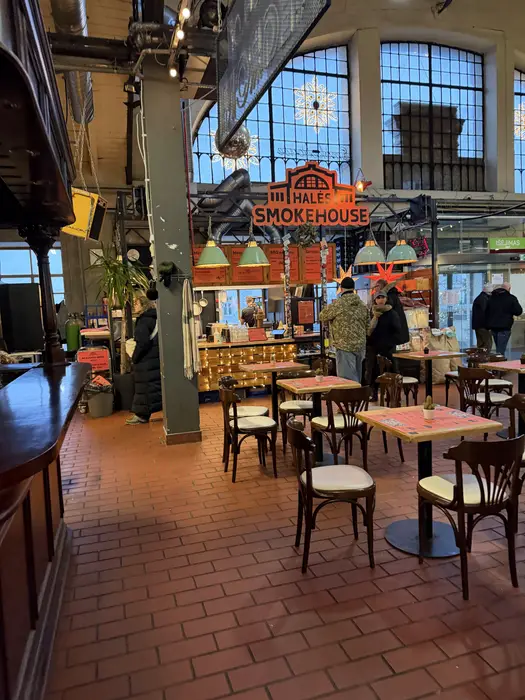
Halės Market: A Guide to Vilnius's Oldest Market Hall
How to visit Halės Market, the oldest covered market in Vilnius — produce, cheese and meat counters, street-food stalls, cafés and bars, plus when to go and what to eat near the station.
Read guide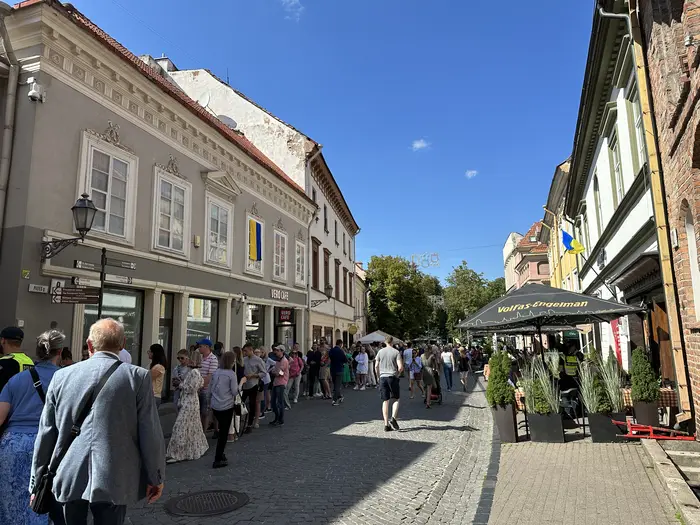
Street Food & Fast-Casual in Vilnius
Vilnius street food and fast-casual: kebabs, smash burgers, bao, onigiri, falafel, empanadas and market-hall counters — quick, cheap and genuinely good.
Read guideBy cuisine & diet
4
Pizza & Italian in Vilnius
Wood-fired Neapolitan pies, Roman al taglio slices, trattoria pasta and aperitivo in Vilnius — where to find proper pizza and Italian cooking across the city, from Old Town rooms to neighbourhood favourites.
Read guide
International Eats in Vilnius
Global kitchens in Vilnius: Georgian khachapuri, Japanese ramen and sushi, Middle Eastern kebabs, Spanish and Italian rooms, Ukrainian comfort food and Latin plates — where to find each and what to order.
Read guide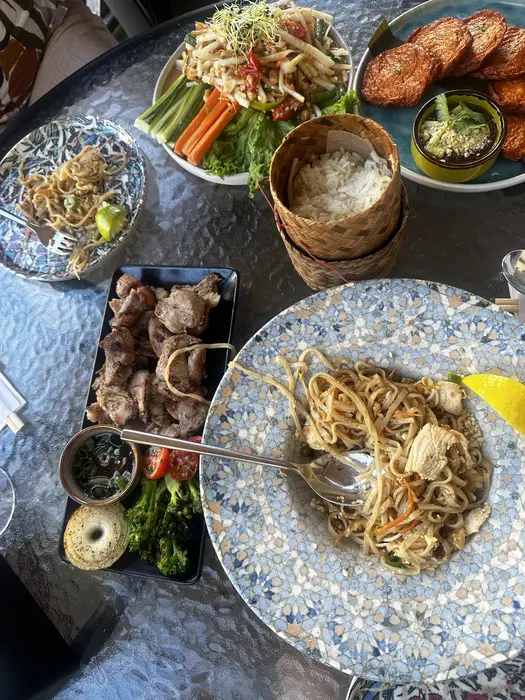
Vegetarian & Vegan Vilnius: Where to Eat Plant-Based
A guide to eating vegetarian and vegan in Vilnius — dedicated plant-based restaurants, vegan Lithuanian classics, cafés, markets and food halls — with what to order and how to navigate menus.
Read guide
Plant-Based & Vegan Restaurants in Vilnius
Where to eat plant-based in Vilnius: dedicated vegan kitchens, vegetarian bistros, Old Town hideaways and Asian and Middle Eastern spots that happen to do plants brilliantly.
Read guideExperiences & shopping
3Best Vilnius Food Tours
How to choose a Vilnius food tour: compare market tastings, Lithuanian-classics walks, craft-beer crawls and Jewish-heritage food tours by neighborhood, budget and group size, and decide whether a tour is worth it at all.
Read guide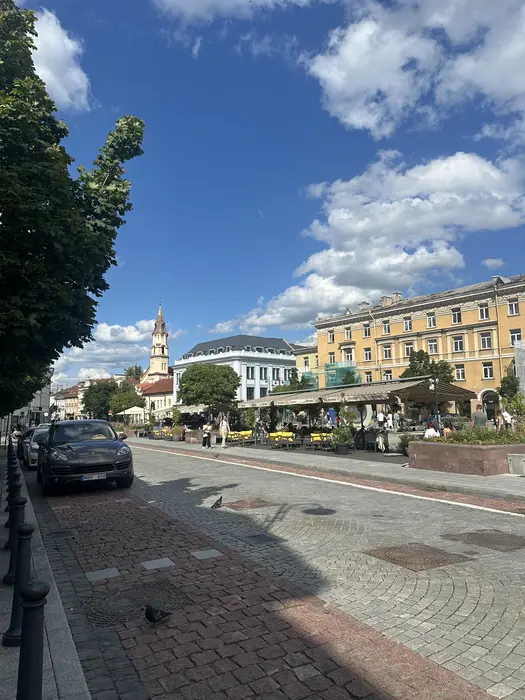
Fine Dining in Vilnius
Where to book a special meal in Vilnius — chef's tasting rooms, sommelier-led wine pairings, MICHELIN-recognised kitchens and celebratory tables built for milestone evenings.
Read guide
Shopping & What to Buy in Vilnius
Where to shop in Vilnius and what to bring home: Baltic amber, Lithuanian linen, ceramics, books, chocolate and craft goods — plus the Old Town streets, Gediminas Avenue, markets, malls and the Kaziukas Fair.
Read guideAll venues (A–Z)
212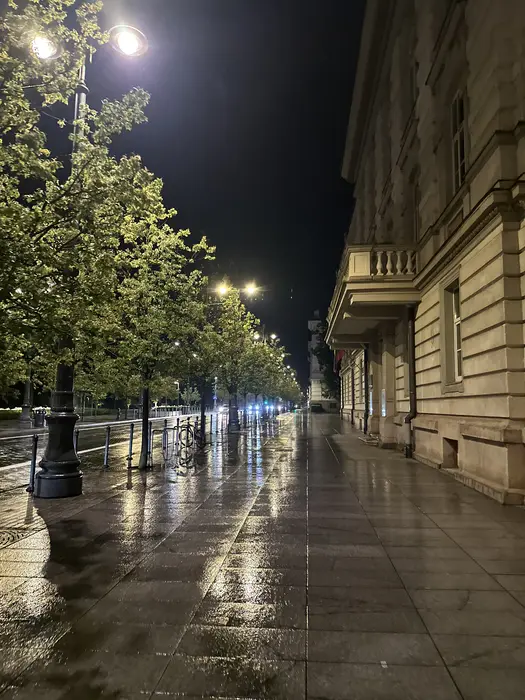
"Liu" dessert (Patty Liu)
A whimsical Užupis dessert shop set in a former pharmacy, known for beautiful handmade cakes, vegan and gluten-free options, and a photogenic pink latte.
Read guide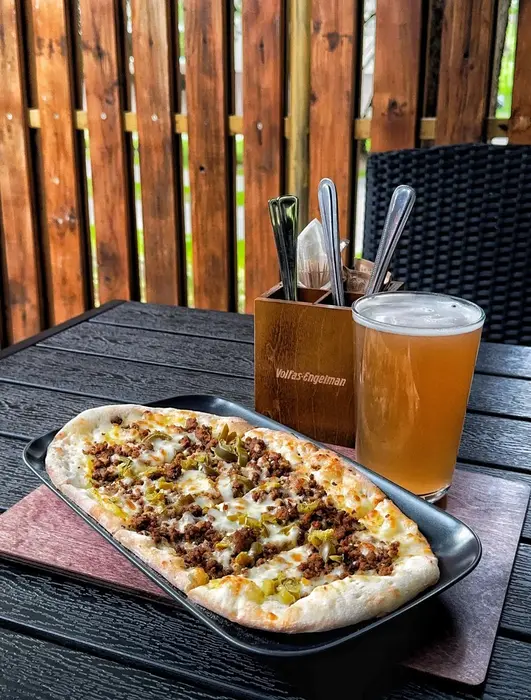
106 Gastro Bar
A neighbourhood gastro bar in Žirmūnai known for wood-fired pizza, a cosy courtyard and unbeatable value — a local favourite that saves the trip to the centre.
Read guide
11.21 Undici Ventuno
A cosy, owner-run Italian dining room on J. Basanavičiaus street serving authentic regional cuisine, house pinsa and an on-site shop of Italian pantry goods.
Read guide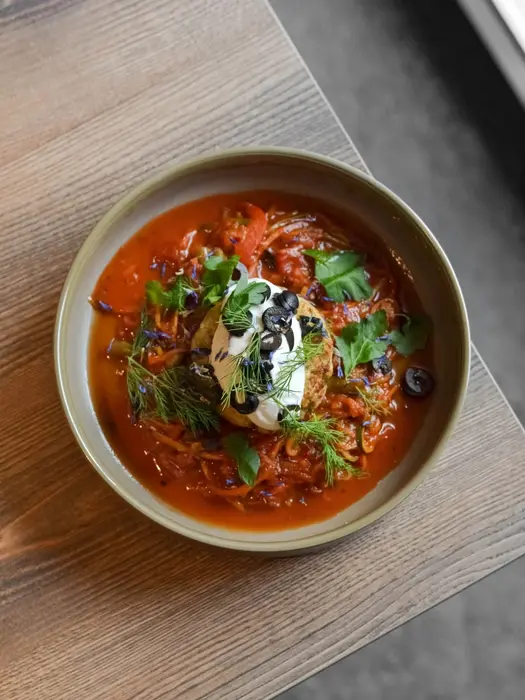
2 virėjai
A tiny chef-run culinary studio and restaurant on Aludarių street, where Agnė and Martynas cook creative daily lunches and weekend brunch for a single communal table.
Read guide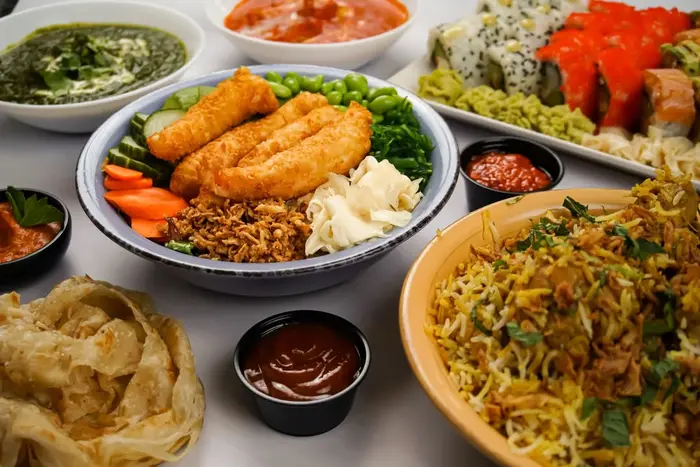
3 Spoons – Wok Sushi & Indian
A three-cuisine fusion spot on Kalvarijų gatvė serving fresh-to-order Indian, Thai wok and Japanese sushi, with the Indian curries the clear standout.
Read guide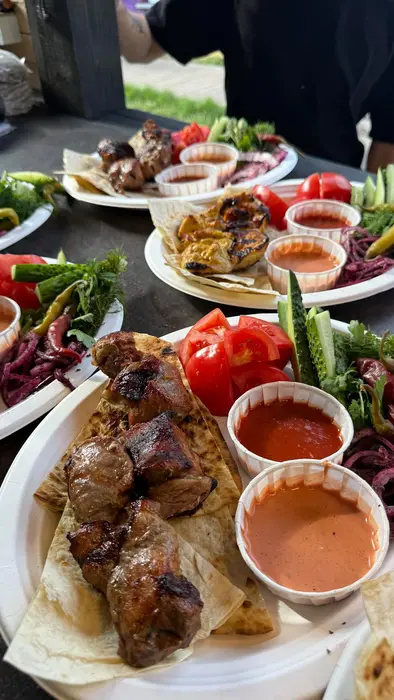
Adžika Grill House
A charcoal-grill stall in the Bernardinų kiemas food court near Bernardine Garden, serving šašlykas and grilled meats with homemade adžika sauce.
Read guide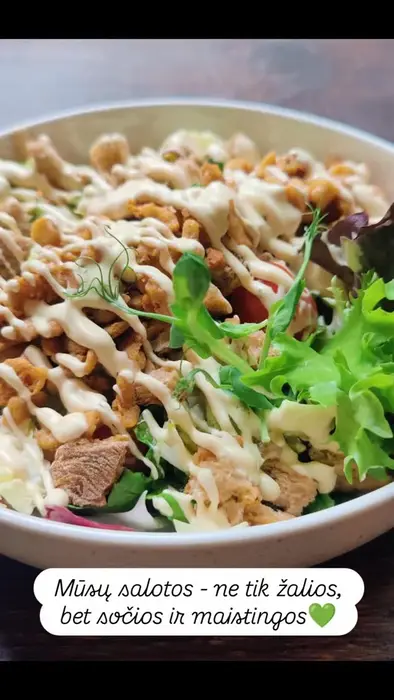
AgniFood
A calm, India-inspired vegetarian and vegan restaurant on Augustinų gatvė in the Old Town, with a cosy courtyard and a daily lunch special.
Read guide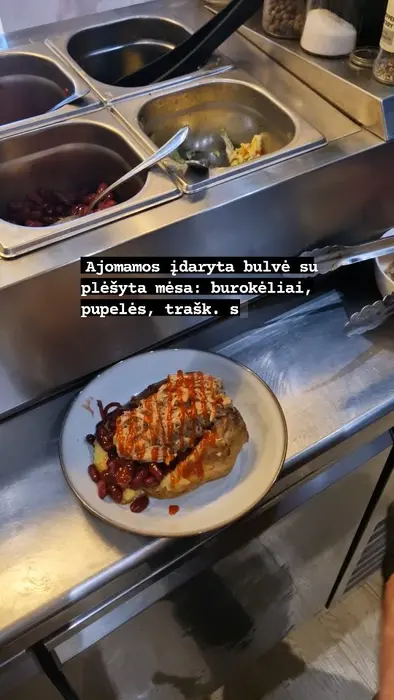
Ajomama
A warm, family-run spot in Žirmūnai built around hearty stuffed baked potatoes, with vegan, vegetarian and meat toppings and a Raclette-cheese option.
Read guide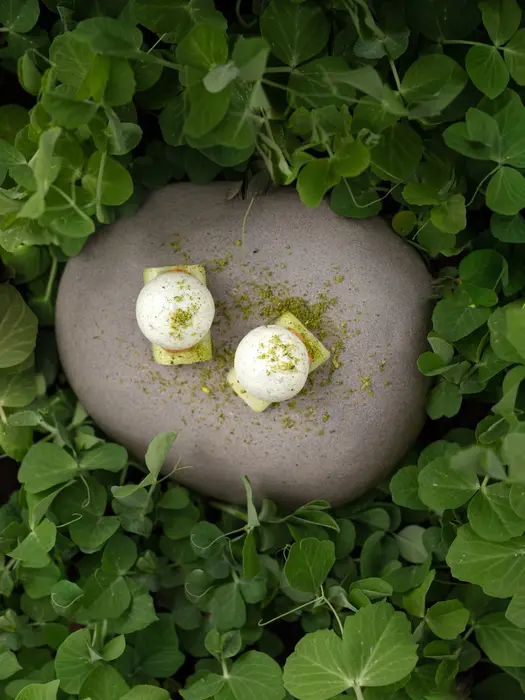
Amandus
Chef Deivydas Praspaliauskas's theatrical fine-dining restaurant in Užupis, serving a story-driven, monthly-changing tasting menu in an intimate basement room.
Read guide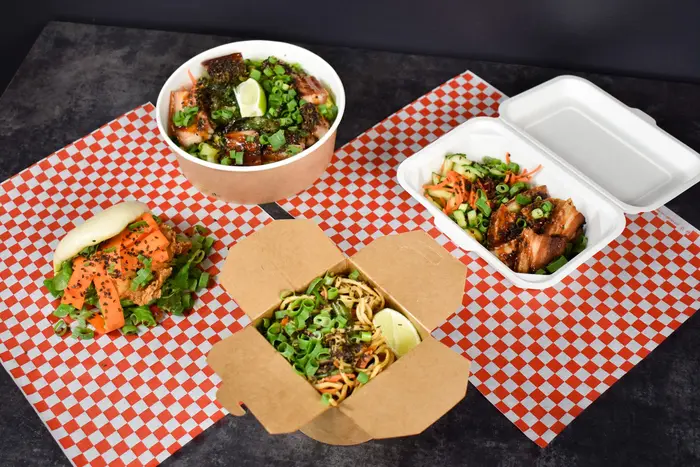
Asian St
A friendly, owner-run Asian street-food spot at Didlaukio g. 27 in northern Vilnius, with big portions of wok dishes, bao, Korean fried chicken and tom yum.
Read guide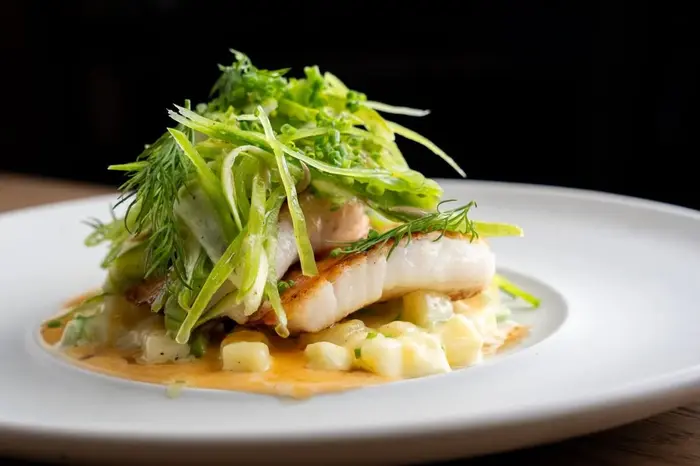
Augustin
Augustin is a Michelin Bib Gourmand restaurant in Vilnius Old Town, built around a sharing menu of seasonal, vegetable-forward small plates in an elegant, minimalist room with a courtyard terrace.
Read guide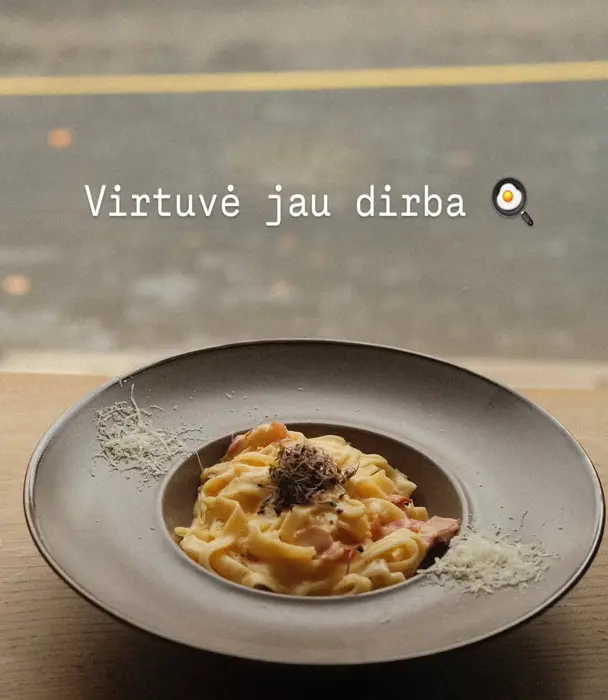
Baltic Brew
Baltic Brew is a specialty-coffee and brunch café in the Karoliniškės district of Vilnius, loved for its friendly service, pet-friendly terrace, and well-made coffee away from the tourist centre.
Read guide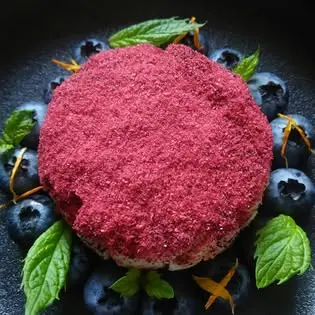
Baltoji Katė Pizza Wine
Baltoji Katė Pizza Wine is a cosy, owner-run pizzeria near Vilnius city centre serving authentic Italian-style pizza made to order, with a curated list of Italian wines, craft beer and classic desserts.
Read guide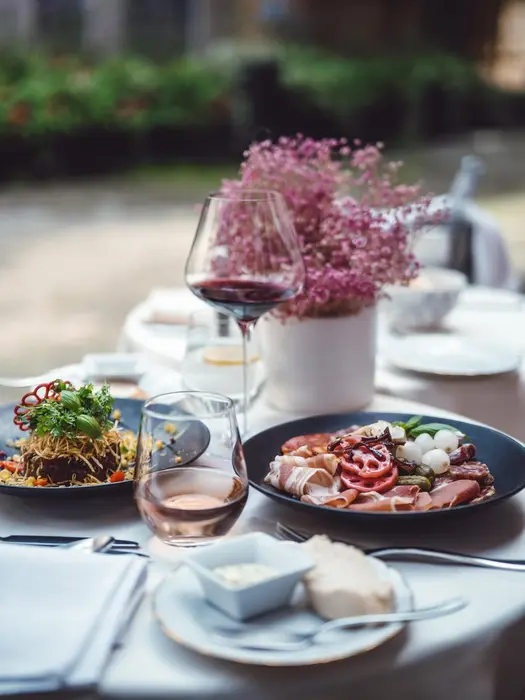
Balzac
Balzac is a cosy, romantic French restaurant in Vilnius Old Town serving classic French cuisine — duck, mussels, snails and steak — in a charming room with a quiet back courtyard.
Read guide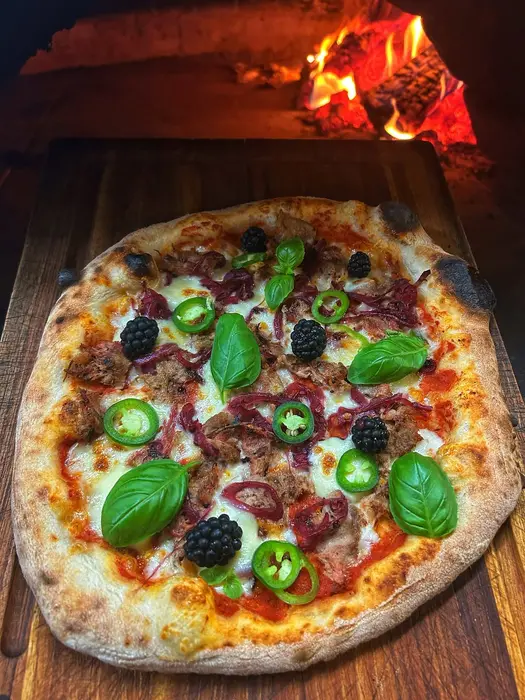
Barbekystai BBQ
Barbekystai BBQ is a Vilnius food truck and mobile caterer serving authentic, slow-smoked American barbecue — ribs, tacos and burgers — under a low-and-slow philosophy, often cooked by the owner.
Read guide
Barbeque Burgers
Barbeque Burgers is a no-frills Vilnius spot many locals rate for the best burgers and tender, fall-off-the-bone ribs in town, with fast, friendly service and a focus on takeaway.
Read guide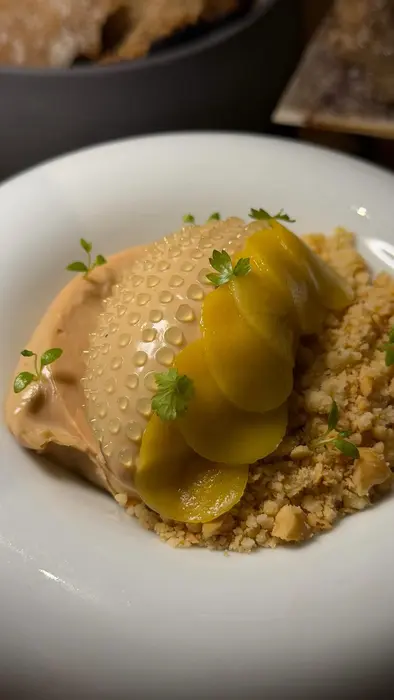
BARN bistro (B'ARN)
Chef Arnas Petronis's tiny Old Town bistro turns out punchy, colourful sharing plates with global influences — an intimate, reservation-only Vilnius gem with a Michelin Bib Gourmand.
Read guide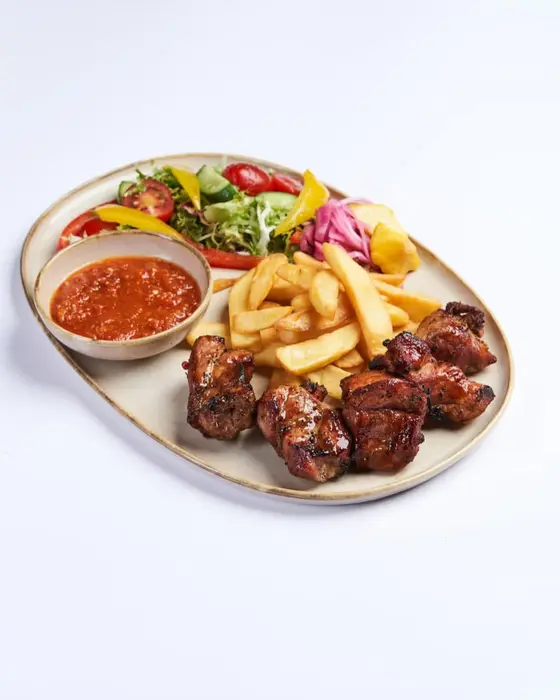
Bazilijonai
A cosy Old Town cellar restaurant near the Gate of Dawn serving grilled specialities and Lithuanian classics, known for generous portions and strong value for money.
Read guide
Begėdžiai
A street-food spot in Vilnius's train station district blending premium ingredients like Wagyu and Iberico pork with an urban, alternative-bar vibe and famously friendly staff.
Read guide
Beigelistai
A cosy Old Town bagel shop on Literatų Street, widely called the best bagels in Vilnius, with a 'living room' feel, friendly staff and a second stall at Halės Market.
Read guide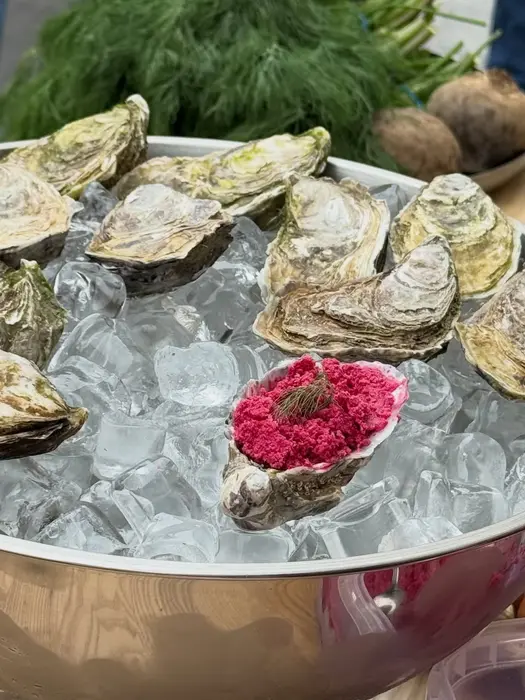
Bistro n.2
A cosy, minimalist Old Town bistro fusing Nordic restraint with British-pub heart, built on local Lithuanian produce, natural wines and a popular weekend brunch.
Read guide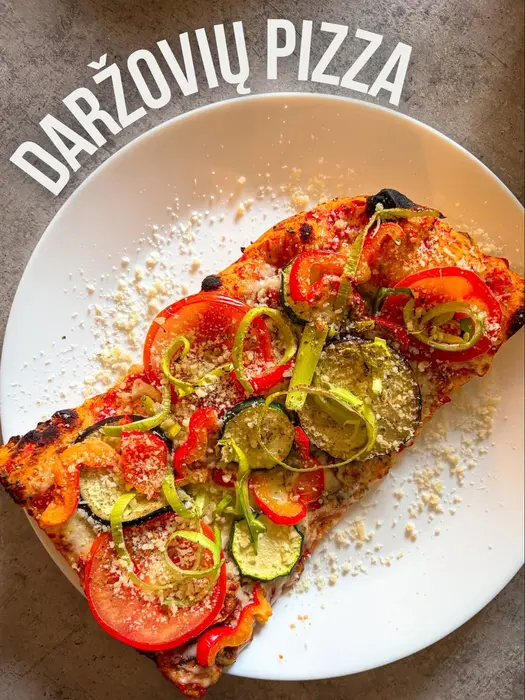
Bistro PAN
A beloved vegetarian hidden gem in Vilnius serving homemade, affordable plant-based plates — creative pizzas, comforting soups and warm, owner-led hospitality.
Read guide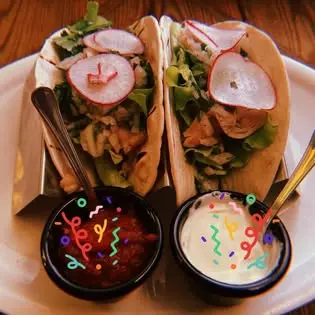
Blusynė
A cosy, much-loved Old Town tapas bar on Vilniaus gatvė serving creative Mexican- and Spanish-inspired small plates at fair prices, with a popular covered backyard terrace.
Read guide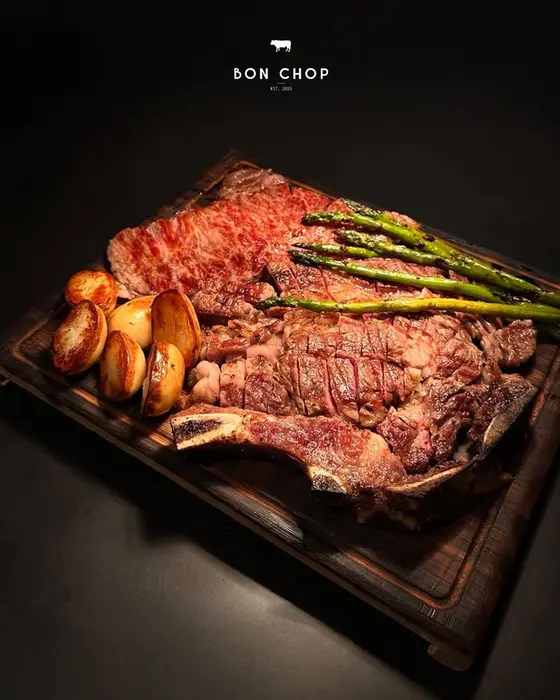
Bon Chop
A premium Old Town steakhouse and butcher on Vokiečių gatvė where there's no menu — you choose your own cut of ethically sourced beef from the display and have it grilled to order.
Read guide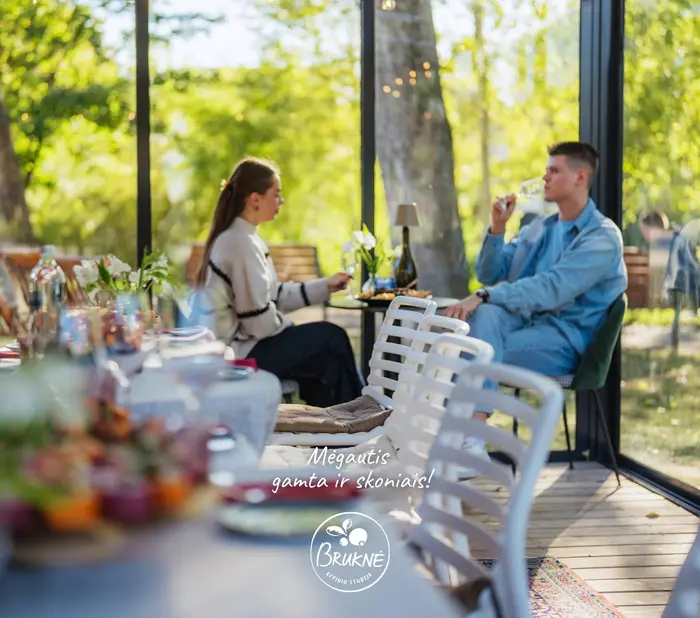
Bruknė
A cosy park bistro and baking studio in Neries senvagės park, blending home-kitchen warmth with beautifully presented desserts, custom cakes and light savoury dishes.
Read guide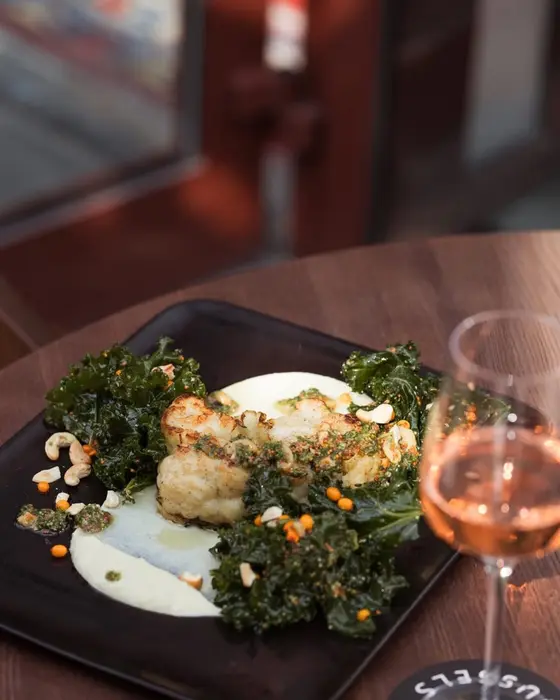
Brussels Mussels
The original Belgian pub on Rinktinės gatvė (the 'Stadium' location) with one of Lithuania's largest Belgian beer selections, signature mussels, octopus, slow-cooked ribs and weekend DJs.
Read guide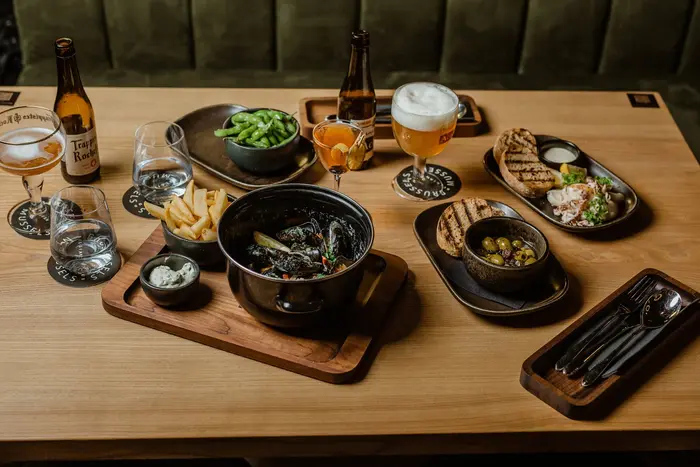
Brussels Mussels Centrum
The Old Town outpost of Vilnius's Belgian pub, on Vilniaus gatvė — elegant and buzzy, with Belgian classics, fresh mussels and a vast beer list, popular for celebrations and date nights.
Read guide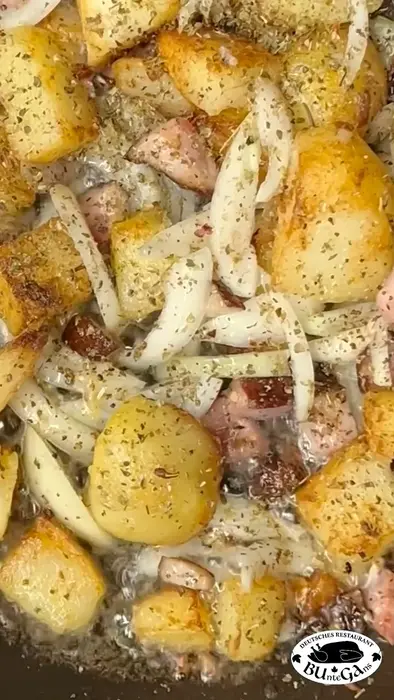
Bunte Gans
A traditional German restaurant in the Old Town on Aušros Vartų gatvė, serving hearty, authentic dishes in famously generous portions, with a good beer list and litre mugs.
Read guide
Café Vilnius
Café Vilnius is a tiny, much-loved coffee shop on T. Ševčenkos in Naujamiestis, celebrated for genuinely good coffee, friendly baristas and a cosy, intimate atmosphere.
Read guide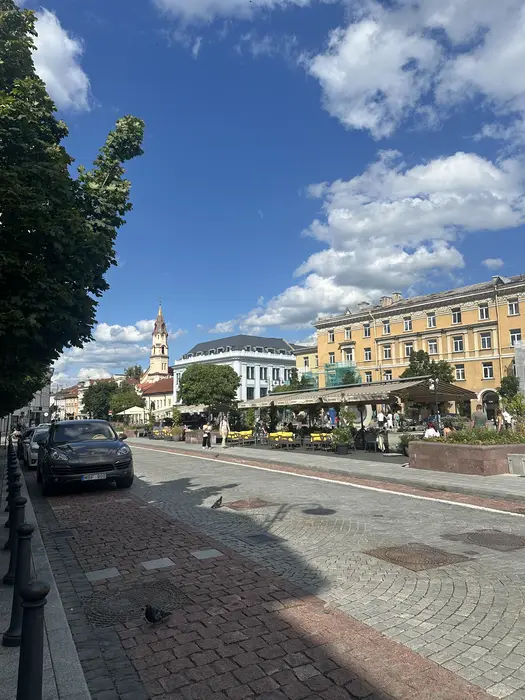
Canteen
Canteen is a simple, well-loved lunch spot near A. Goštauto, serving quick, affordable homemade-style Lithuanian food with exceptionally warm service.
Read guide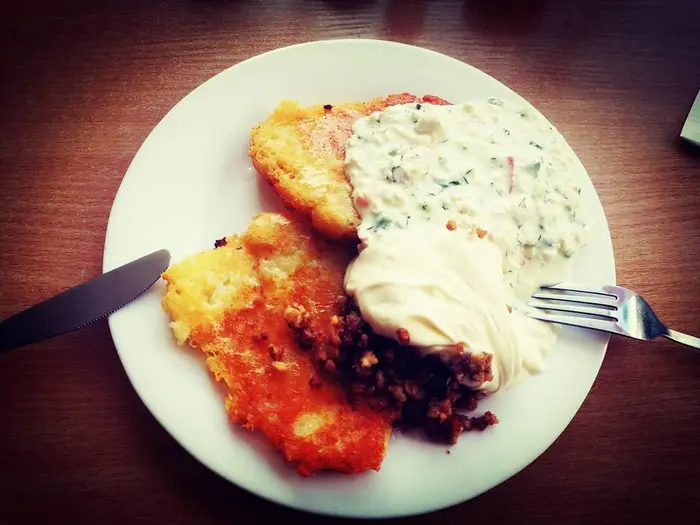
Canteen Albina
Canteen Albina is a beloved local gem serving generous portions of homemade Lithuanian comfort food at unbeatable prices, on the second floor on Slucko g. in Žirmūnai.
Read guide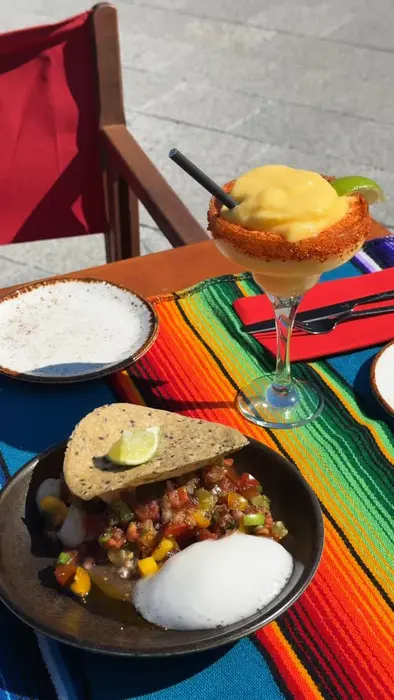
Casa Peligrosa
Casa Peligrosa serves authentic Mexican food and celebrated margaritas in the vaulted, candlelit cellars of a centuries-old building in Vilnius Old Town. Small and very popular — book ahead.
Read guide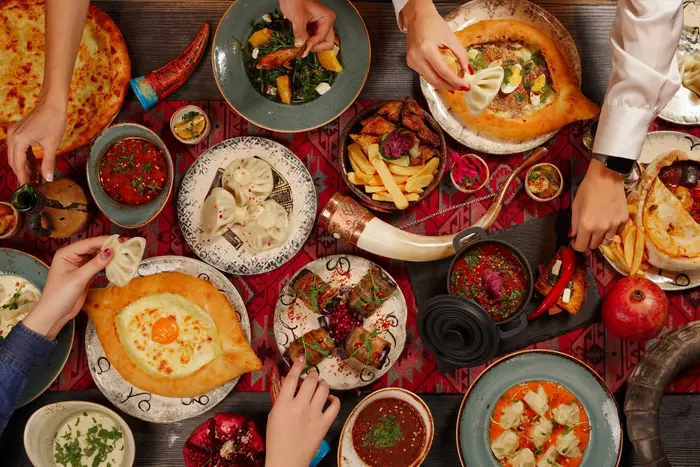
Chačapuri (Europa)
Chačapuri at Konstitucijos pr. 7A is a food-court Georgian spot in Šnipiškės serving authentic, homemade-style khachapuri and khinkali with exceptionally warm service and great value.
Read guide
Chačapuri (Sodų g.)
Chačapuri at Sodų g. 9, near the station, is a small bistro serving authentic Georgian khachapuri and khinkali in generous portions at affordable prices — popular and often busy.
Read guide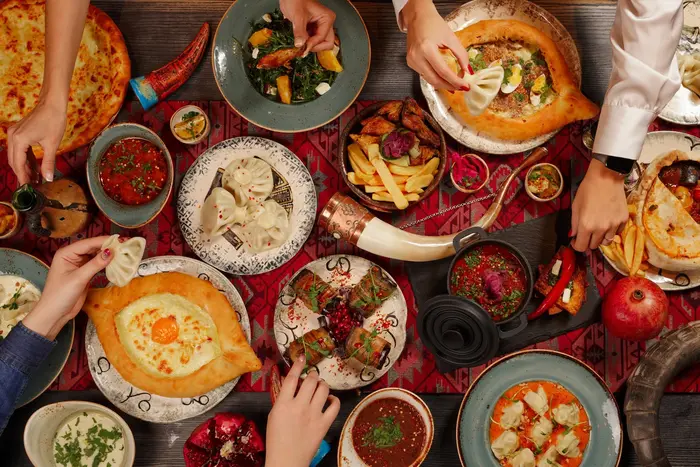
Chačapuri Bistro
A beloved Georgian bistro inside the Ozas shopping centre on Ozo gatvė, serving authentic khinkali, khachapuri and hearty stews with famously friendly service and generous portions.
Read guide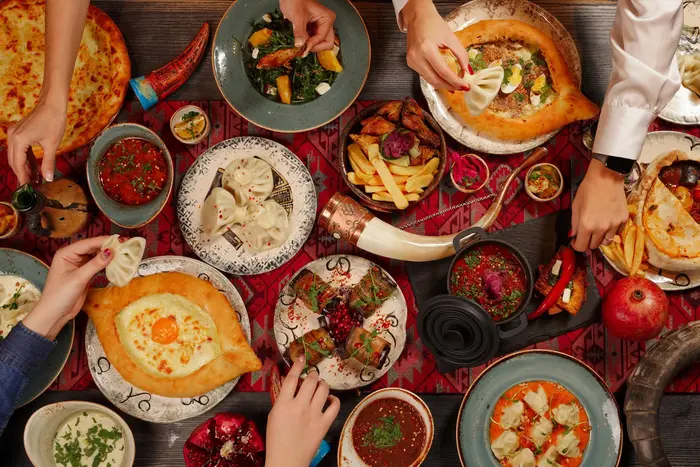
Chačapuri Bistro @ Paupio turgus
The Paupys Market outpost of Vilnius's favourite Georgian kitchen — authentic khinkali and khachapuri in a buzzing riverside food hall just east of the Old Town.
Read guide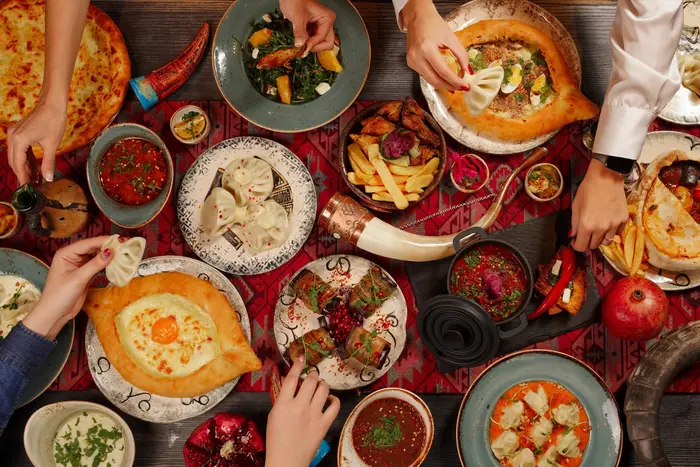
Chačapuri Bistro @ PC BIG
The PC BIG mall branch of Vilnius's go-to Georgian bistro — authentic khinkali and khachapuri, a children's play area, and famously warm service in the city's west.
Read guide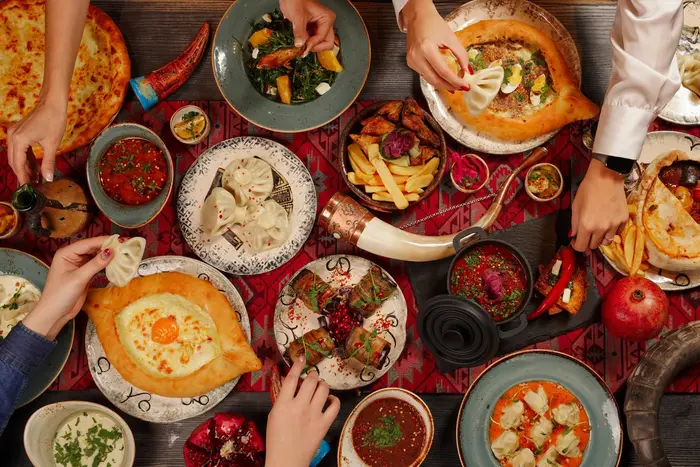
Chačapuri Bistro PC Panorama
The Panorama mall branch of Vilnius's favourite Georgian kitchen — fresh khinkali and khachapuri made with love, with Georgian chefs and exceptionally warm service.
Read guide
Chaosai
A tiny, chef-driven stall inside Hales Market serving fresh, Japanese-inspired bowls and house-made kimchi — a chill, halal-friendly corner of the city's historic market hall.
Read guide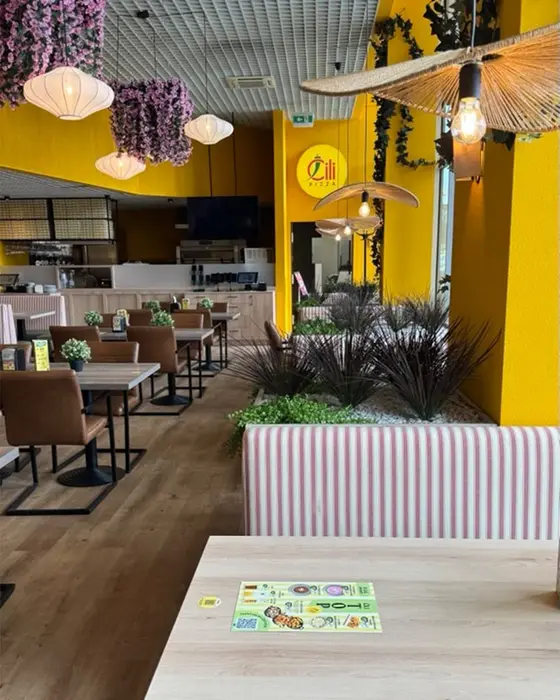
Čili Pizza
A branch of Lithuania's home-grown Čili Pizza chain on Šiltnamių gatvė — over 20 pizzas, fast and friendly service, dog-friendly seating and easy parking in southern Vilnius.
Read guide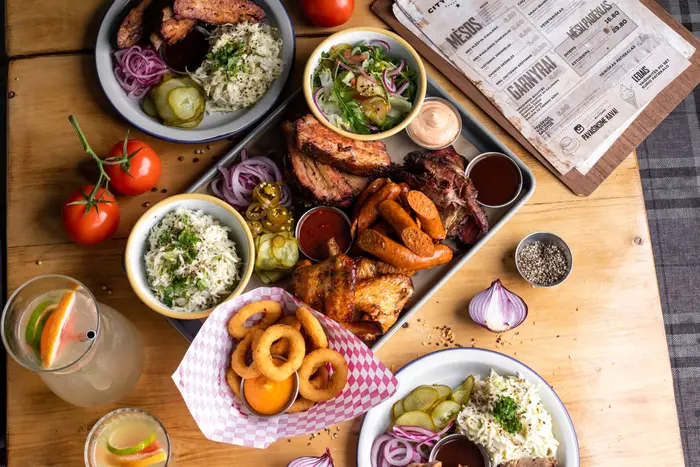
City Chef Barbecue
A pioneering Texas-style BBQ joint on J. Basanavičiaus gatvė near the New Town, slow-smoking brisket, ribs and pork over oak wood in a relaxed US-bar setting.
Read guide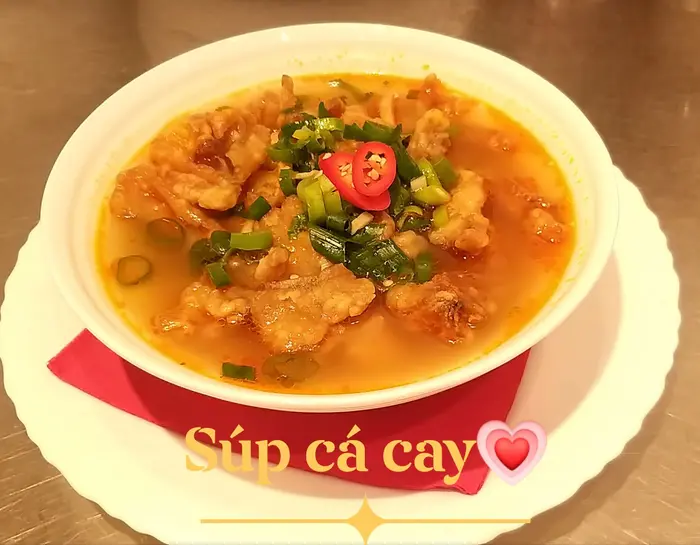
Com Viet
A no-frills Vietnamese kitchen on Ukmergės gatvė in northern Vilnius, run by native chefs and loved for authentic pho and crispy duck at remarkably low prices.
Read guide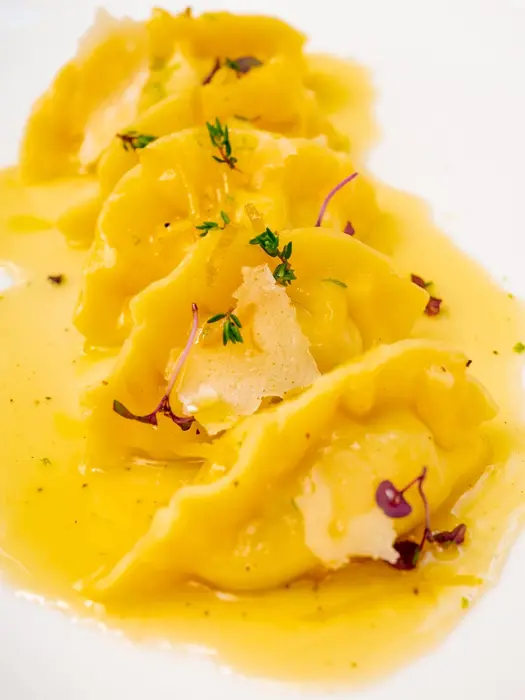
Da Antonio
A long-running, MICHELIN-selected Italian restaurant on Vilniaus gatvė in the Old Town, evolved from a 1996 family pizzeria into an elegant fine-dining room.
Read guide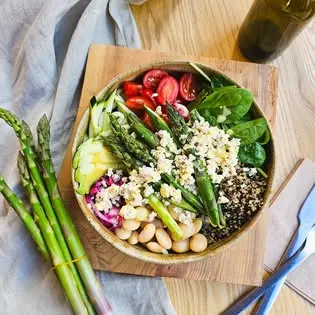
Daržo dubuo
A tiny, home-feeling vegan café on Tuskulėnų gatvė in Žirmūnai, built around a rotating seasonal vegetable bowl, plant-based desserts and specialty coffee.
Read guide
Dhaba & Delights
A family-run, certified-Halal Pakistani and Desi restaurant on T. Ševčenkos gatvė, serving home-style biryani, karahi and chai with exceptionally warm hospitality.
Read guide
Dienos pietų kavinė
A traditional Lithuanian lunch café on Eigulių gatvė serving homemade-style daily specials at some of the best value in Vilnius, with day-of-the-week dishes.
Read guide
Dine
A chef-driven modern European restaurant on Gedimino Avenue, known for from-scratch cooking, in-house smoked meats and standout wine pairings — though reports indicate it has closed; confirm before planning a visit.
Read guide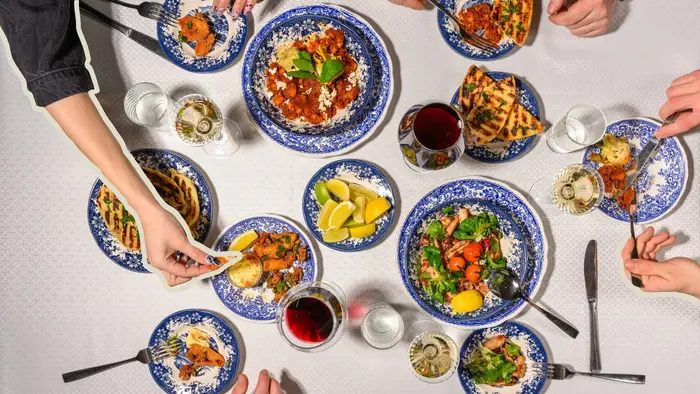
Dionysos
A cosy Greek restaurant in the Old Town near the university, loved for warm, attentive service, shareable mezedes and good value just steps from Pilies Street.
Read guide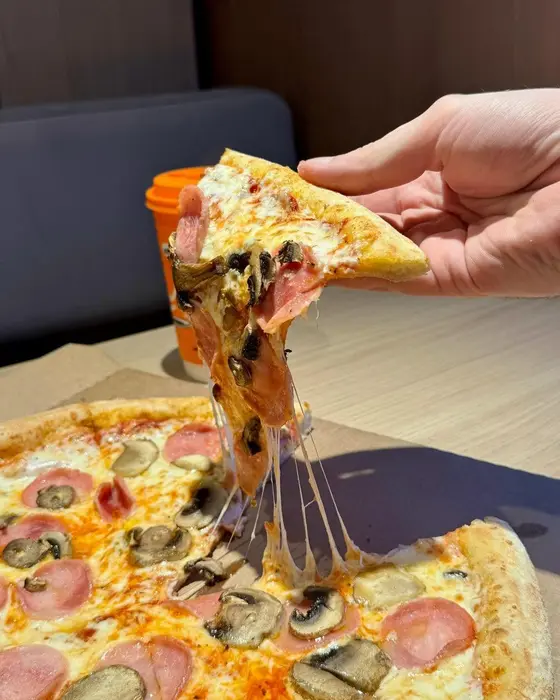
Dodo Pizza
A family-friendly pizzeria chain serving American-style pizzas with inventive recipes, a popular kids' play corner and frequent midweek deals — best enjoyed dine-in or picked up hot.
Read guide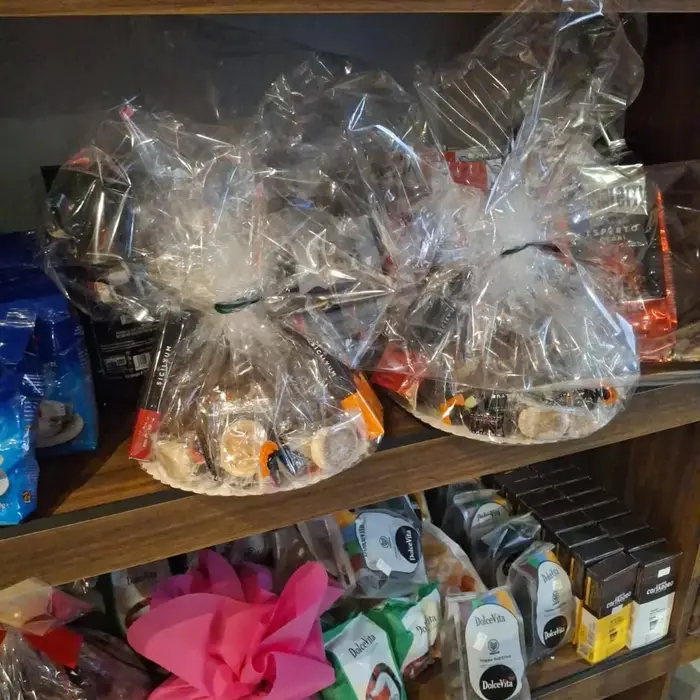
Dolce Vita (Ristos Shop)
A tiny, polarising Italian shop-and-eatery in the Old Town with warm Sicilian hospitality, fresh pasta and late hours — a high-risk, high-reward hidden gem.
Read guide
Donde
A vibrant Texan-owned Tex-Mex spot in Naujamiestis hailed for some of the best tacos in Vilnius, homemade tortillas and killer margaritas — order at the bar and book ahead.
Read guide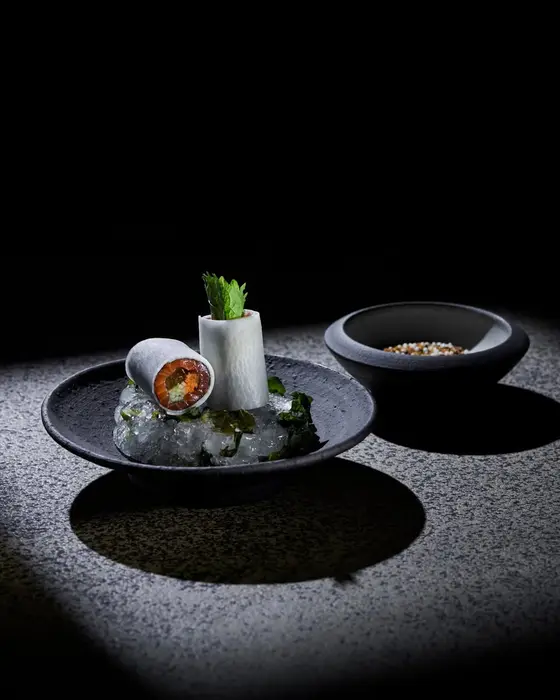
Džiaugsmas
A Michelin-starred Old Town restaurant whose name means 'joy', elevating local Lithuanian ingredients into beautifully presented dishes via a tasting menu or à la carte — book ahead.
Read guide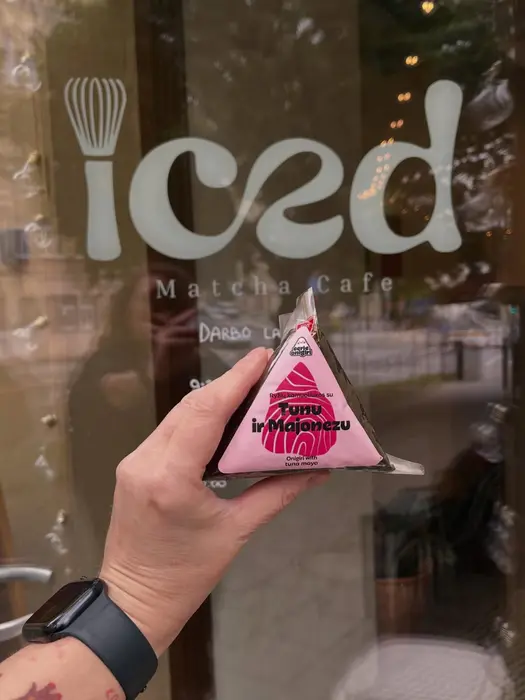
Eerie Onigiri
A beloved family-run Japanese stall inside Halės market serving authentic, made-to-fresh onigiri (rice balls) — a tiny, takeaway-first spot loved by locals and Japanese visitors alike.
Read guide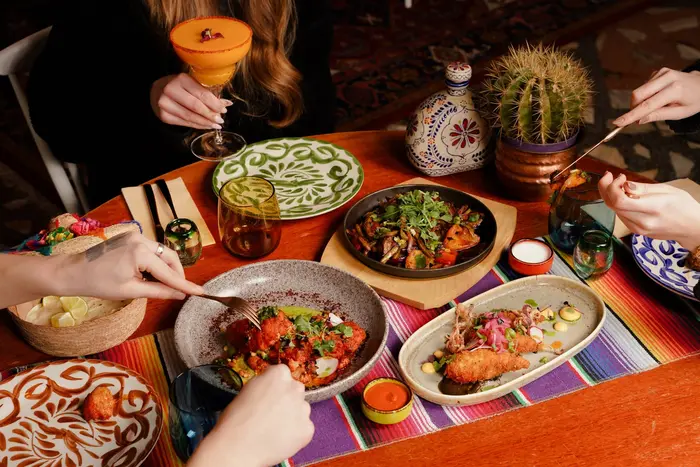
El Gato Negro
A vibrant, cozy Mexican restaurant near the Old Town hailed for some of the best margaritas in Vilnius, warm service and well-balanced, generous plates — a lively spot worth booking ahead.
Read guide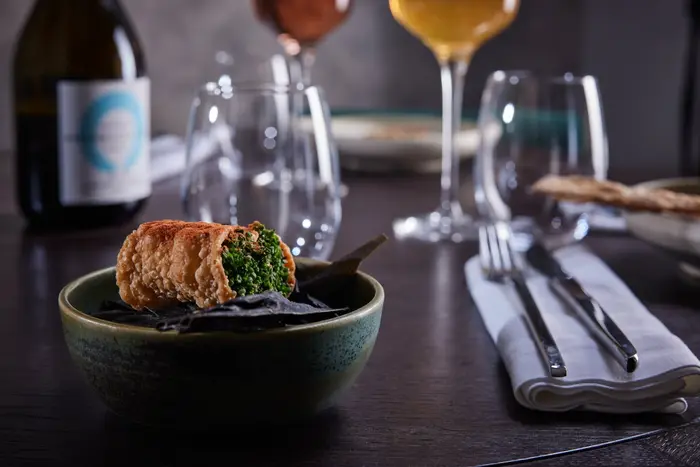
Elven
A stylish, chef-driven restaurant near Cathedral Square where Adomas Jegnoras serves refined, seafood-focused, Nordic-leaning cooking — à la carte or a six-course tasting menu. Book ahead.
Read guide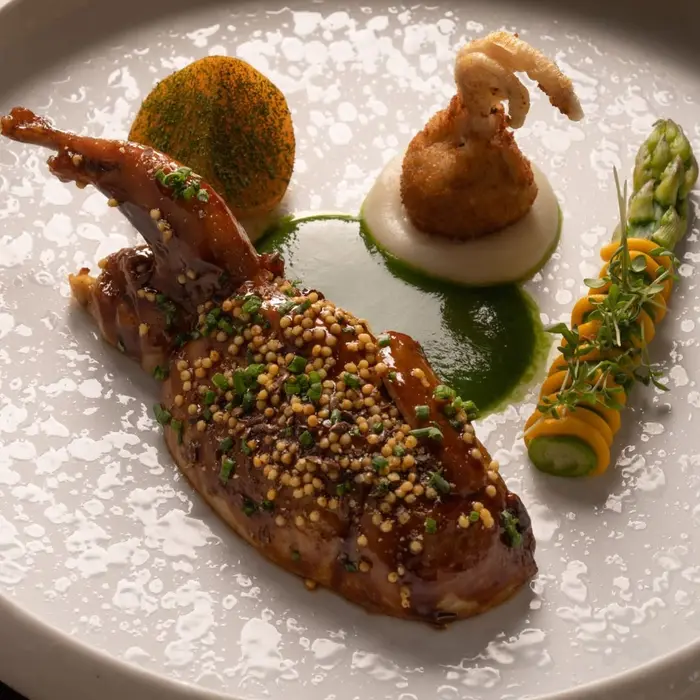
Ertlio Namas
A storytelling fine-dining restaurant in a historic Old Town house where Chef Tomas Rimydis revives Lithuanian recipes from the 16th–19th centuries as modern tasting menus. Book ahead.
Read guide
Estradà
A stylish Old Town bar billing itself as 'the voice of city culture' — a cozy hub for live jazz and blues, Monday jam sessions, weekend brunch and expertly made cocktails.
Read guide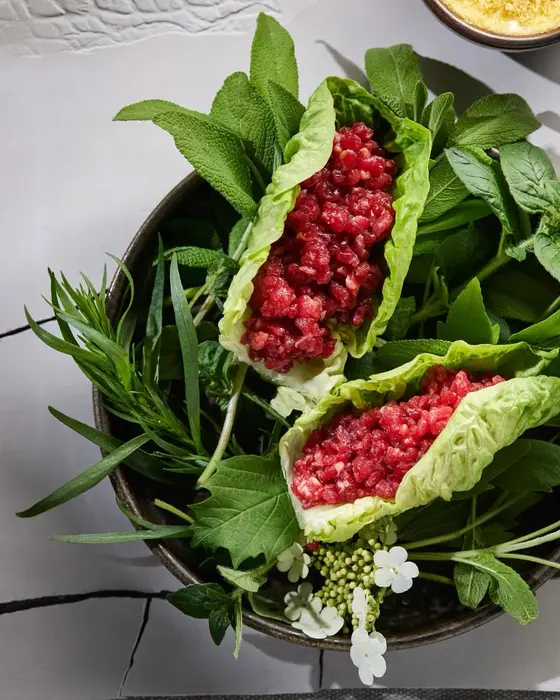
Fabrikėlis
An informal fine-dining restaurant set in a Valakampiai pine forest just north of Vilnius, where Chef Ovidijus Orenta builds a quarterly-changing menu from local and foraged ingredients. Book ahead.
Read guide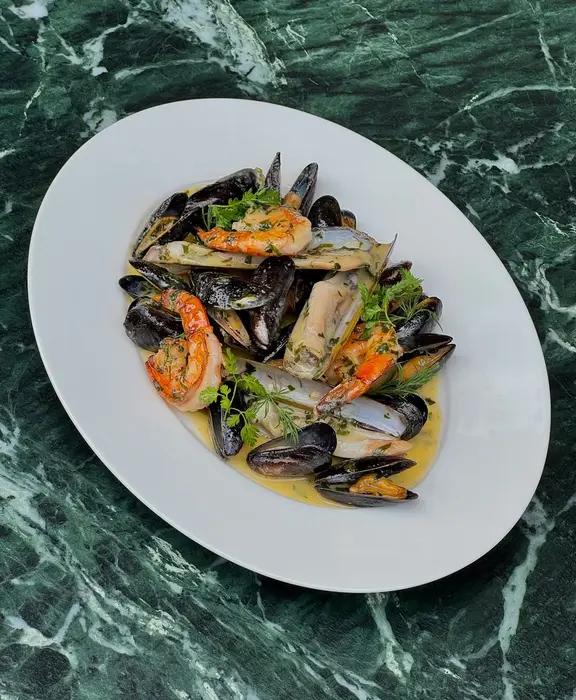
Farmer & the Ocean
A seasonal Old Town restaurant where Lithuanian farm produce meets exotic seafood from the Mediterranean and Atlantic — a MICHELIN Guide listing on Vilniaus gatvė.
Read guide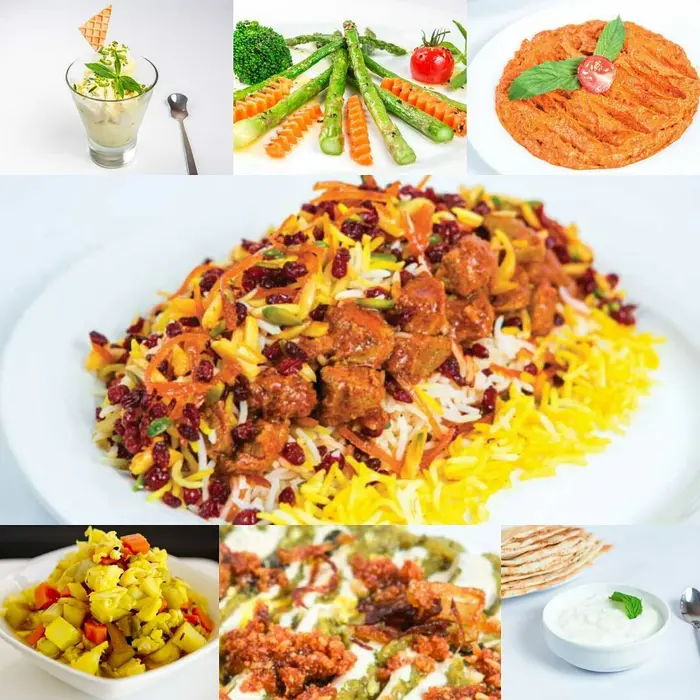
Farsi
A simple, takeaway-focused Persian grill on Kalvarijų gatvė, north of the centre, known for charcoal-grilled kebabs that regulars rate among the best in Vilnius.
Read guide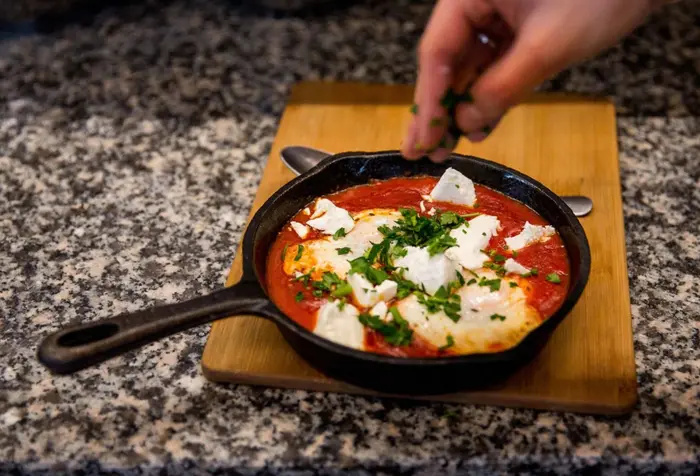
Fire Place
A tiny, cozy corner spot near the new city centre cooking pitas, pizzas and a celebrated shakshuka in a real wood-fired oven — an early-opening local favourite for breakfast and brunch.
Read guide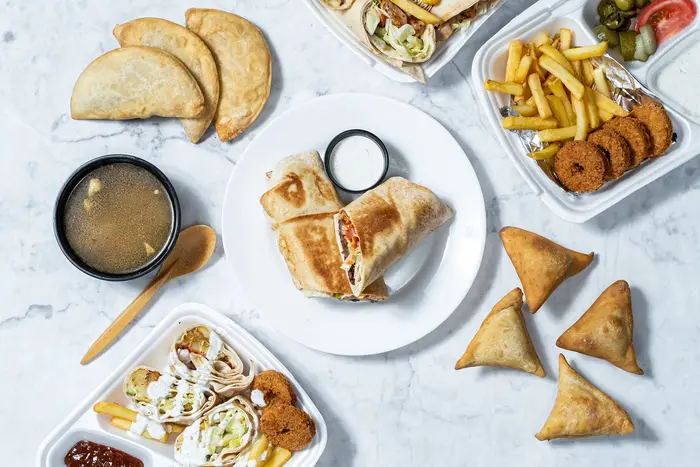
Five Food Halal Kebab
A small, well-loved halal kebab and shawarma shop near the bus and train station, serving generous, budget-friendly Middle Eastern food till late.
Read guide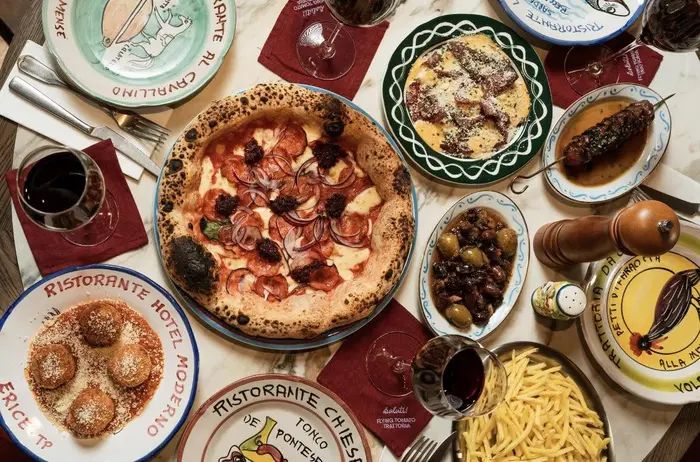
Flying Tomato Pizza
Authentic Neapolitan pizza from a food truck in the Bernardinų courtyard, off Pilies gatvė in the Old Town — wood-fired, pet-friendly and a local favourite.
Read guide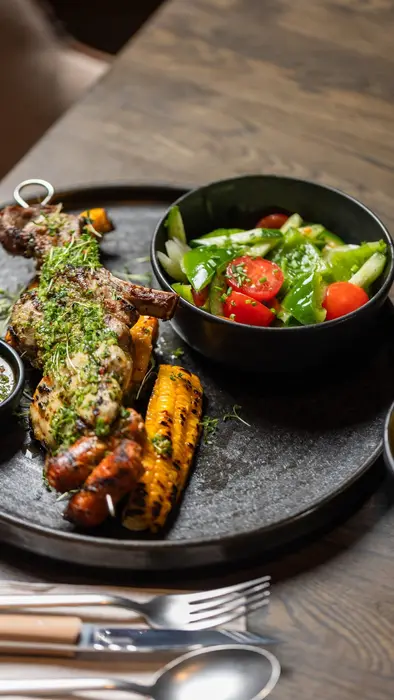
FORTAS Akropolis
A cozy, reliable outpost of the long-running Lithuanian FORTAS chain inside the Akropolis mall, serving 'classical world dishes,' weekday business lunches and draft Peroni.
Read guide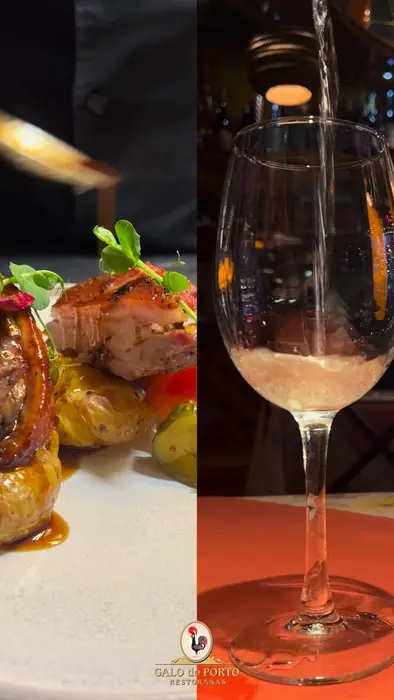
Galo do Porto
A cozy Portuguese restaurant in Vilnius Old Town on Aušros Vartų Street, celebrated for authentic seafood, Portuguese wines and port, and a charming summer patio.
Read guide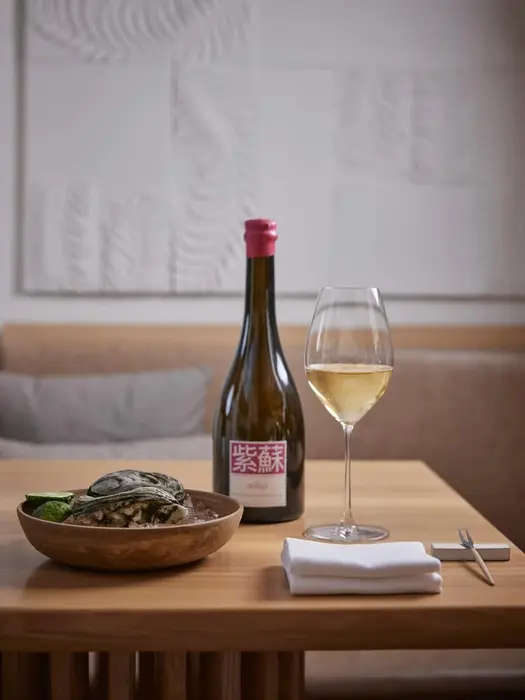
Gaspar's
A Michelin Guide-recognized restaurant on the edge of Vilnius Old Town, where Le Cordon Bleu-trained chef Gaspar Fernandes serves creative Goan-Portuguese cooking in an intimate room.
Read guide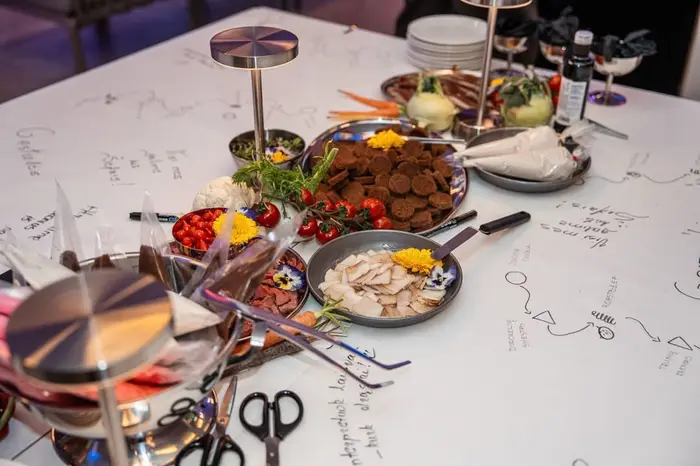
Gastrolės
A cozy modern resto-bar and full-service caterer north of the river on Manufaktūrų Street, praised for creative, beautifully presented food and a standout brunch — and for running polished private events.
Read guide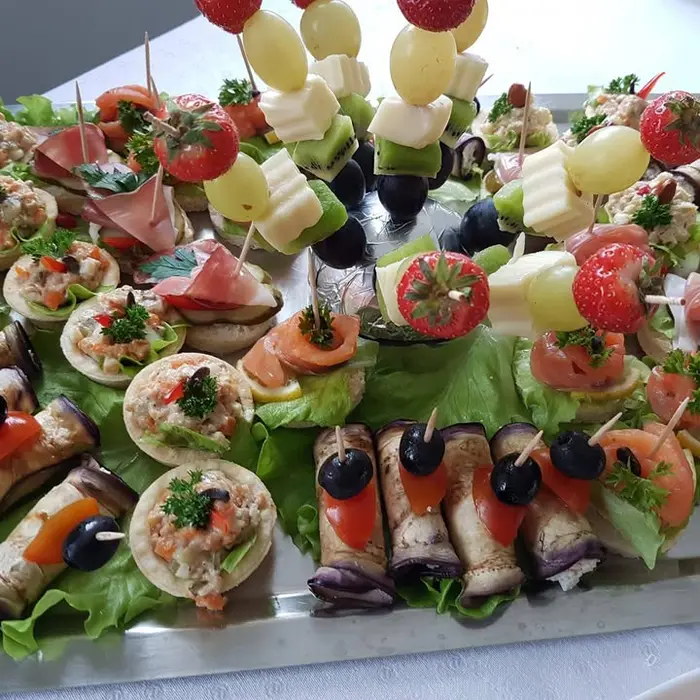
Gedimino smuklė
A beloved local canteen in the Žirmūnai district serving homemade Lithuanian classics in huge, hearty portions at low prices — the kind of unfussy daily-lunch spot locals swear by.
Read guide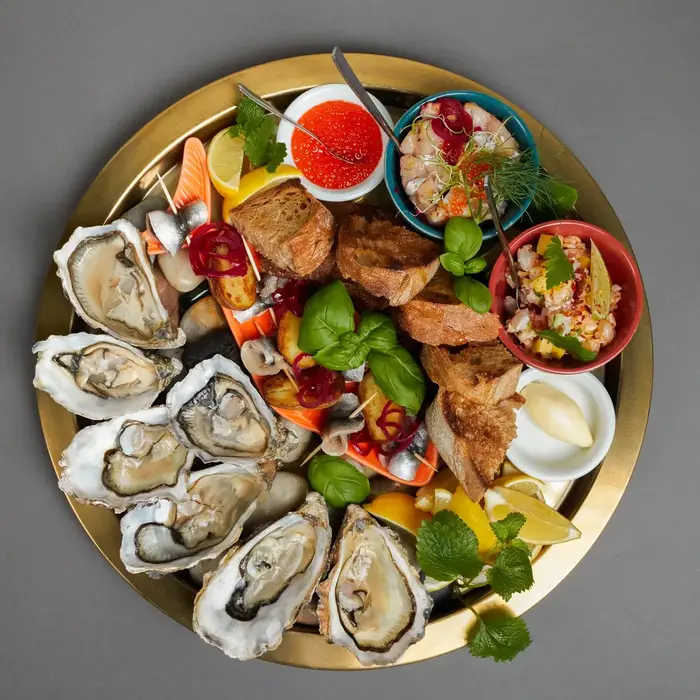
GentleShrimp
An intimate Old Town oyster bar near Castle Hill where a passionate owner runs an informal seafood 'master class' — celebrated for the freshest oysters in the city. Reservations recommended.
Read guide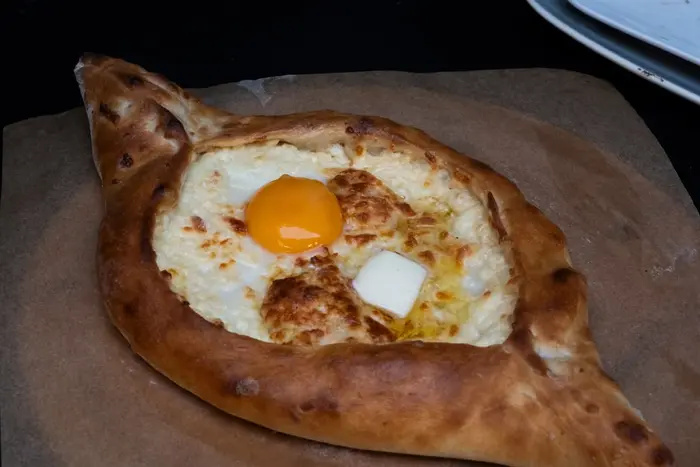
Georgian House
An authentic, family-friendly Georgian restaurant in Vilnius Old Town on Mėsinių Street, where a native Kartvelian chef serves khachapuri, khinkali and shashlik in a warm, rustic room with a back terrace.
Read guide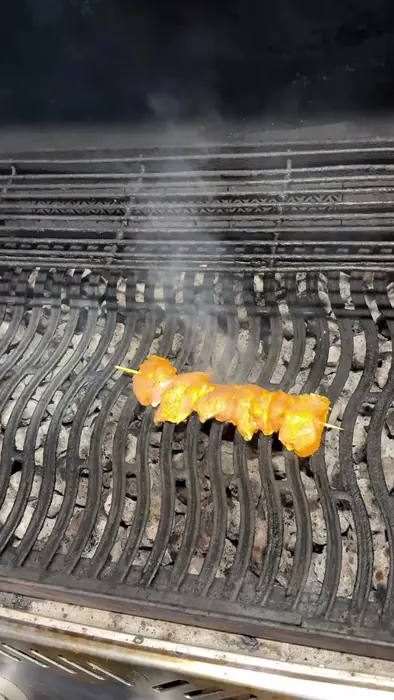
Gio's Kebab
A quirky, meme-decorated shawarma joint on Savanorių pr. known for generous, well-priced doner and shawarma with homemade sauces and friendly service.
Read guide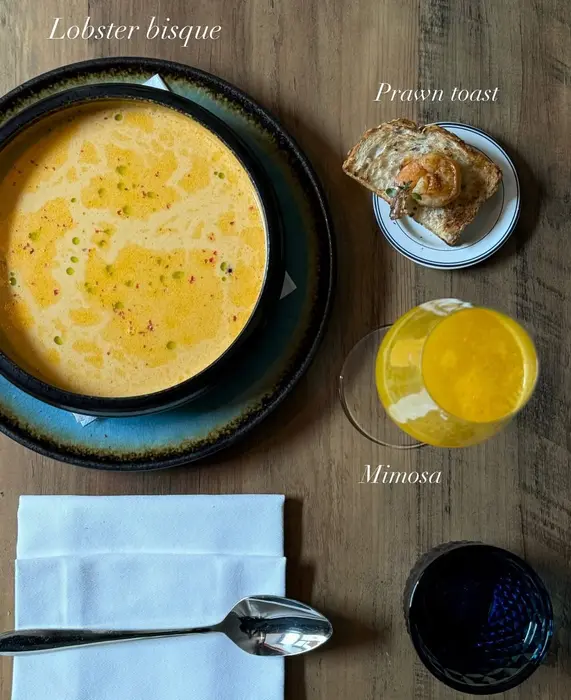
Gloria
An intimate Old Town restaurant and wine bar serving French-influenced bistronomy on a quiet side street, with a seasonal menu that changes through the year.
Read guide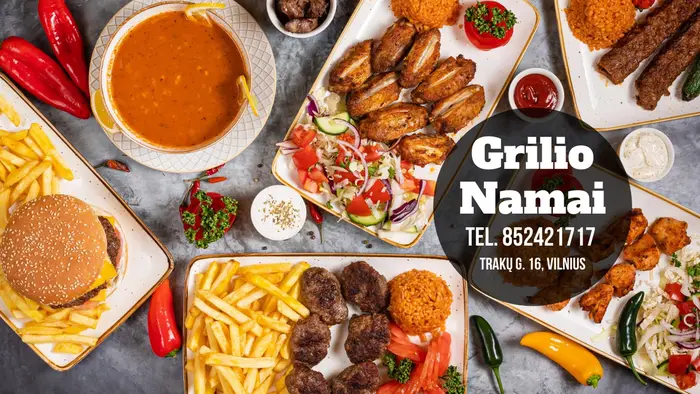
Grilio namai
A charcoal-grilled Turkish kebab house near the Old Town edge on Trakų g., known for skewer-grilled meat, generous portions and late hours.
Read guide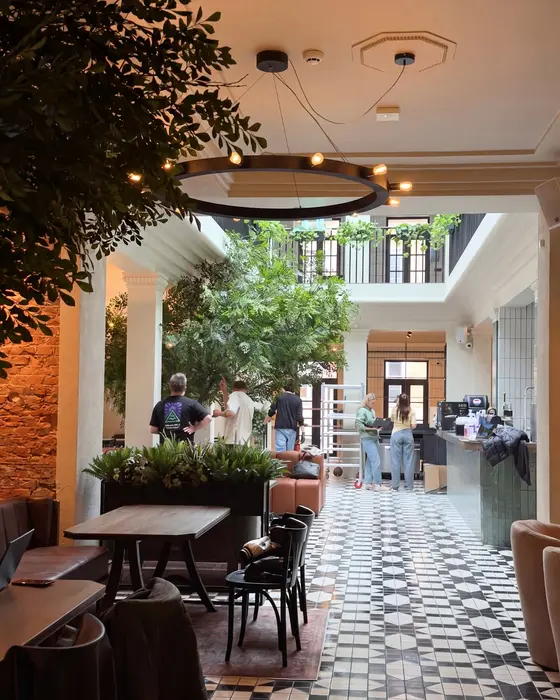
Grill London
A popular Lithuanian grill chain with a London-train-station interior on Upės g., serving Josper-charcoal grilled meat and burgers with a terrace city view.
Read guide
Gurmanai
A warm, chef-driven restaurant in Užupis where chef Dainius Špakauskas cooks globally inspired dishes, with a summer terrace and a private wine cellar.
Read guide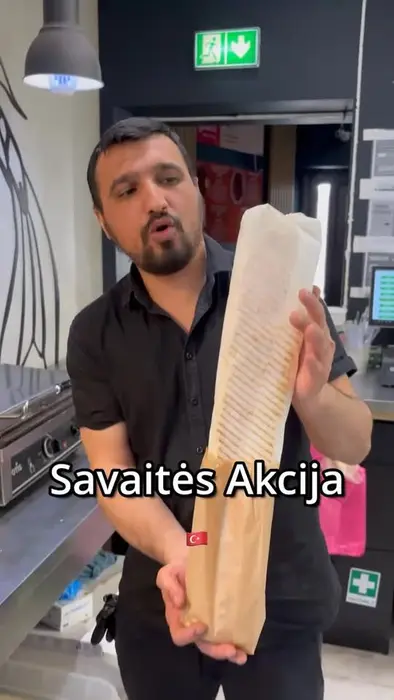
Güzel by Sinan
A no-frills kebab counter with a devoted local following, run by owner Sinan and praised for authentic flavour, generous portions and warm, personal service.
Read guide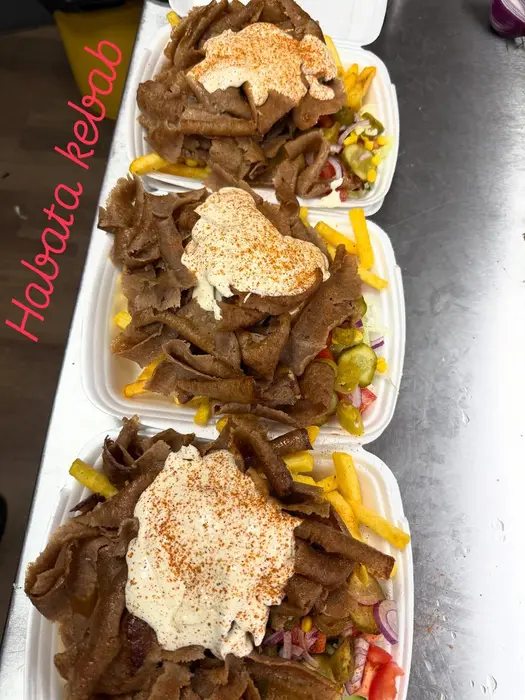
Habata Kebabai
A neighbourhood kebab spot on Laisvės prospektas with a cult following for huge, fresh portions and famously friendly, owner-run service.
Read guide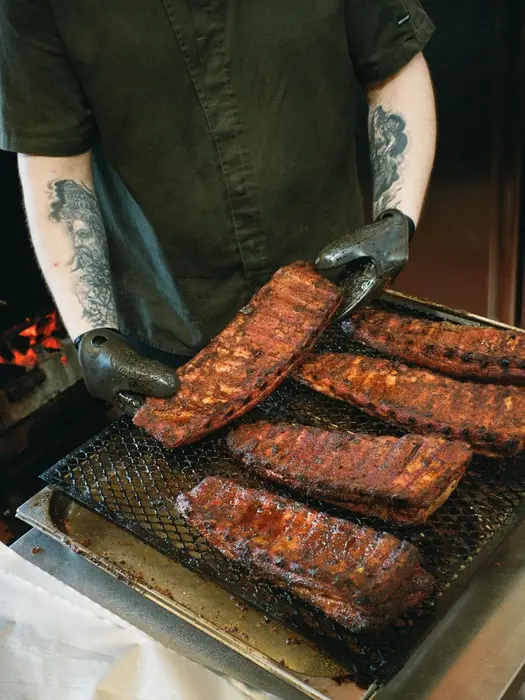
Halės Smokehouse
A Texas-style barbecue stall inside Vilnius's historic Halės Market, slow-smoking brisket, ribs and pastrami over oak for hours on end.
Read guide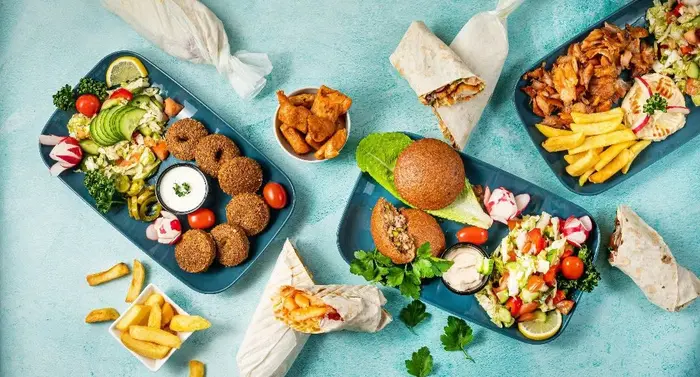
Helen
A warm, family-run restaurant near Vilnius station serving authentic, homemade Lebanese and Syrian food, with plenty of vegetarian and halal options.
Read guide
Holigans
A cozy, fully plant-based restaurant in Vilnius known for organic home-style cooking and a celebrated range of vegan, gluten-free and sugar-free cakes.
Read guide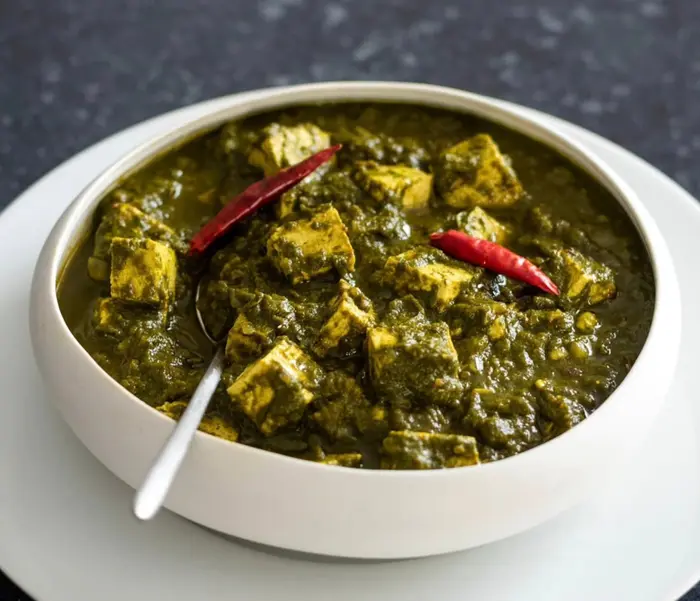
Holy Moly
A tiny, owner-run Indian street-food spot on Kalvarijų gatvė serving freshly made parathas, samosas, momos and chai at unbeatable prices.
Read guide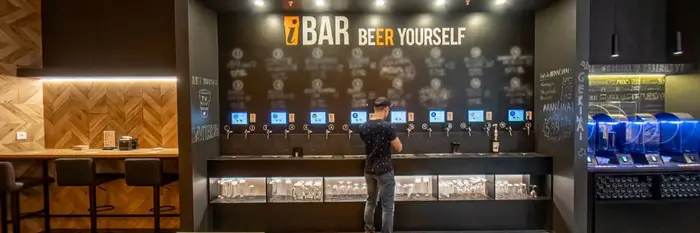
iBar
A self-serve tap bar in Vilnius's Žirmūnai district where you pour your own beer, cider and prosecco and pay for exactly what you drink.
Read guide
ilunch VC LINK
A modern, near-automated cafeteria on Saltoniškių gatvė built for a fast, affordable lunch — home-style Lithuanian and international dishes served self-service in as little as 15 minutes.
Read guide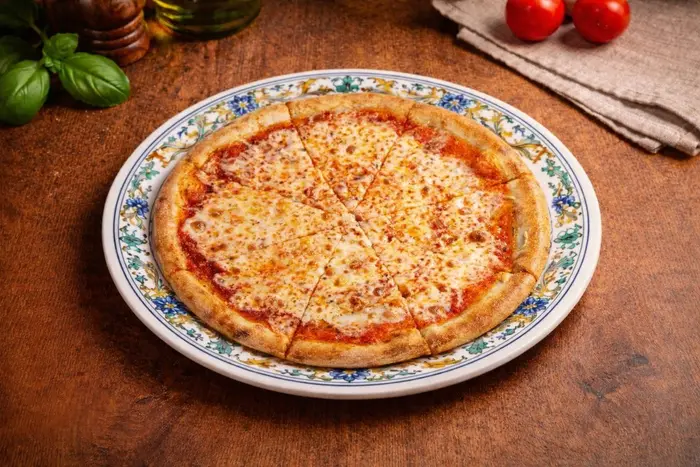
ITALIAN PIZZA KEBAB & GRILL
A friendly, family-run spot on Subačiaus gatvė near the Old Town serving affordable kebabs in fresh, made-to-order lavash, alongside pizza and Indian dishes — open late until midnight.
Read guide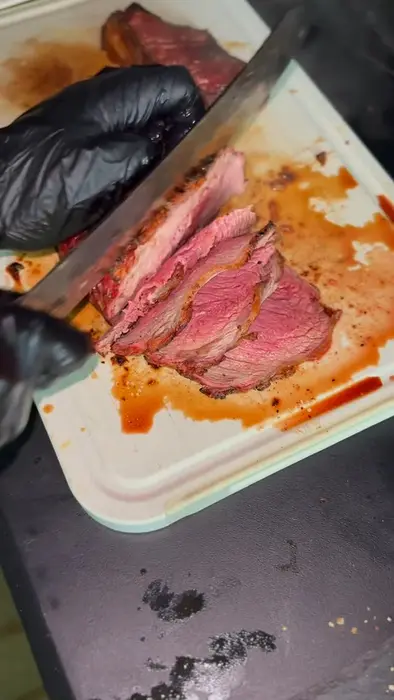
Jokūbo BBQ Kiosk
A small Vilnius kiosk turning out authentic, slow-smoked American BBQ — famously juicy pulled-pork burgers, ribs and meat platters — with exceptionally friendly service and generous portions.
Read guide
Kamikadzė Japonų virtuvė
A family-run spot on Klaipėdos gatvė widely rated among Vilnius's most authentic Japanese restaurants — exceptionally fresh fish, simple donburi bowls and a warm, no-frills welcome.
Read guide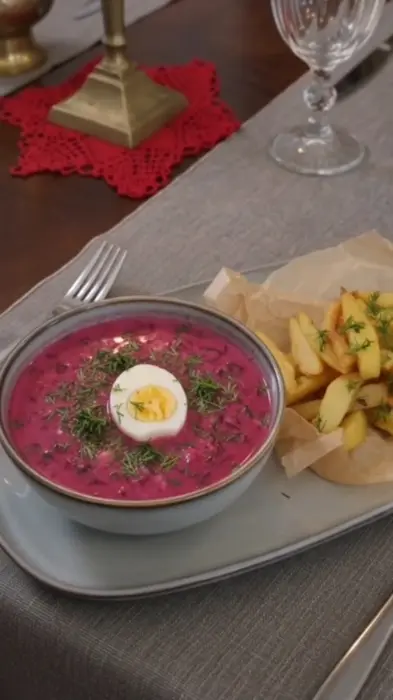
Karčma 1863
A cosy, family-run restaurant on Bokšto gatvė in the Old Town serving modern Belarusian, Lithuanian, Polish and Ukrainian cooking — and doubling as a cultural hub themed around the 1863 Uprising.
Read guideKavinė Pas Tatjaną
A beloved, family-run café on Kauno gatvė serving delicious, homemade-style food and great-value daily lunch specials, with exceptionally warm, attentive service.
Read guide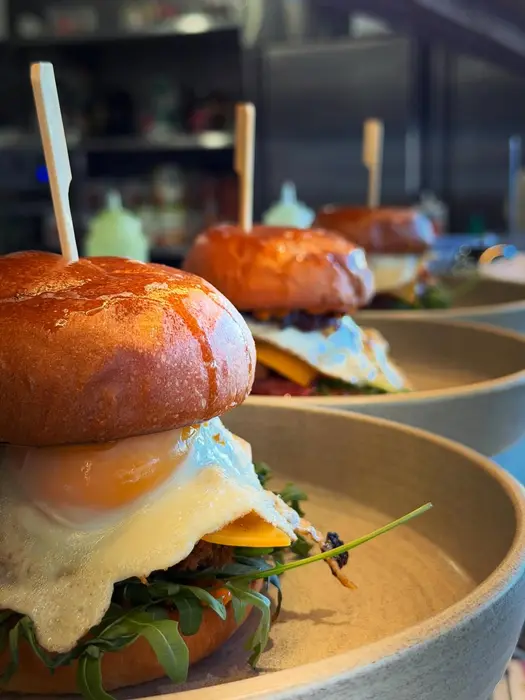
Kavos ERA
A bustling, family-run Vilnius café serving its famous all-day breakfast and brunch alongside specialty coffee from local roaster Taste Map — best known for Eggs Benedict many locals call the city's finest.
Read guide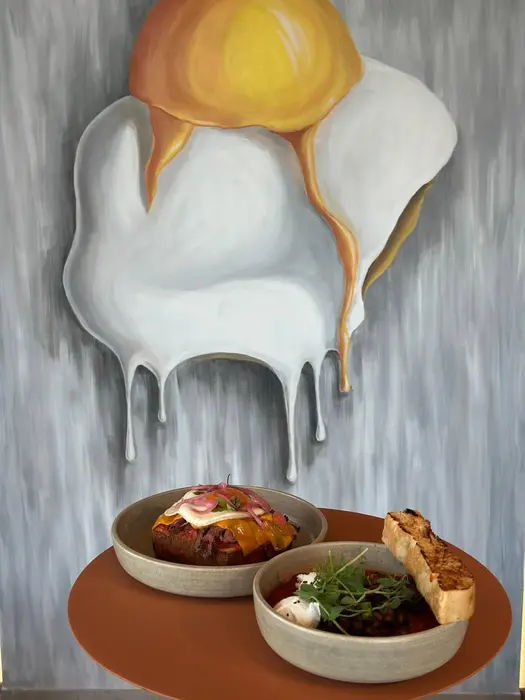
Kavos Era — Pusryčiai visą dieną
The J. Jasinskio location of beloved Vilnius café Kavos Era — beautifully presented all-day brunch and Taste Map specialty coffee at strong value, famed for its 'best in Vilnius' Eggs Benedict.
Read guide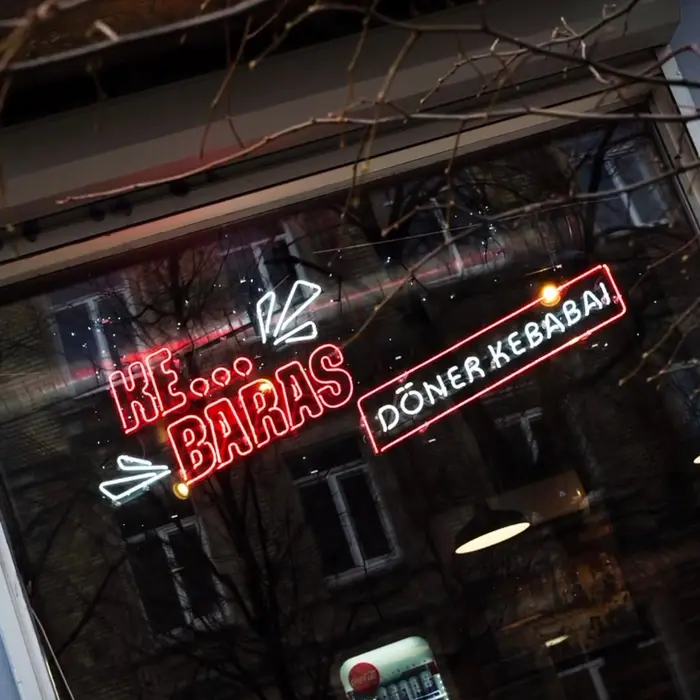
Ke Baras
A warmly run Vilnius kebab spot serving authentic Turkish döner with house-made lavash, fresh pomegranate-strewn salads and famously generous hospitality — often called the best kebab in the country.
Read guide
Kebabinė Nr1
A long-running neighbourhood kebab joint near Pašilaičiai with a famously friendly owner, rock-bottom prices and portions so generous a 'small' kebab is a full meal.
Read guide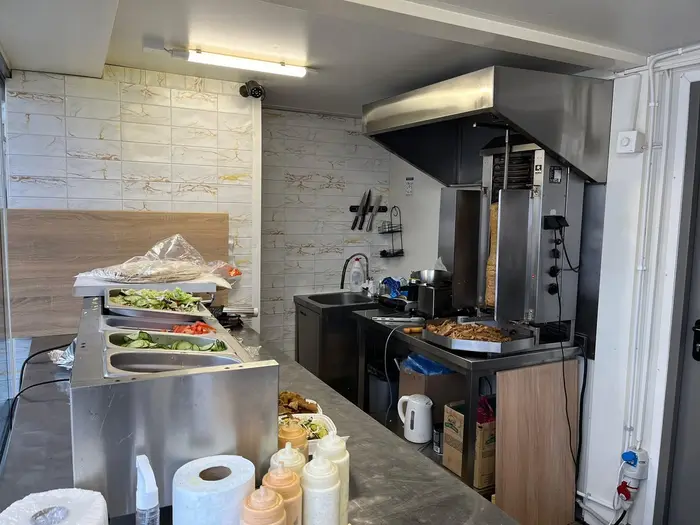
Kebabų ir šašlykų NAMAI
A Šeškinė kebab-and-shashlik house famous for a gigantic-portion, low-price formula, well-seasoned meat and an exceptionally generous owner — praised by many as the best kebab in Vilnius.
Read guide
Kitchen Coffee Vilnius
A cozy Old Town café on quiet Šv. Mykolo street serving creative all-day brunch and high-quality specialty coffee, with a charming terrace and a dog-friendly, work-friendly room.
Read guideKlaipėda Old Town (Klaipėdos Senamiestis)
A budget-friendly Vilnius institution near the Old Town, famous for enormous cheese fingers and an unpretentious basement-pub atmosphere — come hungry and bring cash.
Read guide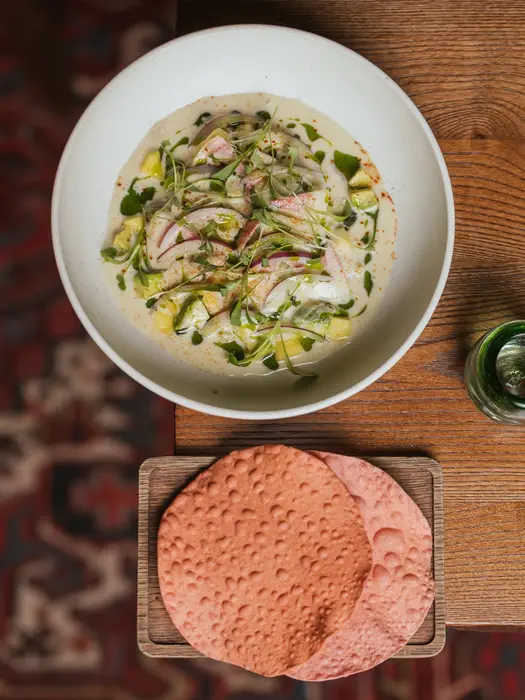
La Capital Mexican Cuisine
An elegant Mexican restaurant in Vilnius from Chef Alexis Hernández Maldonado, pairing handmade-tortilla cooking with a bar of 100-plus tequilas and mezcals guided by a sommelier.
Read guide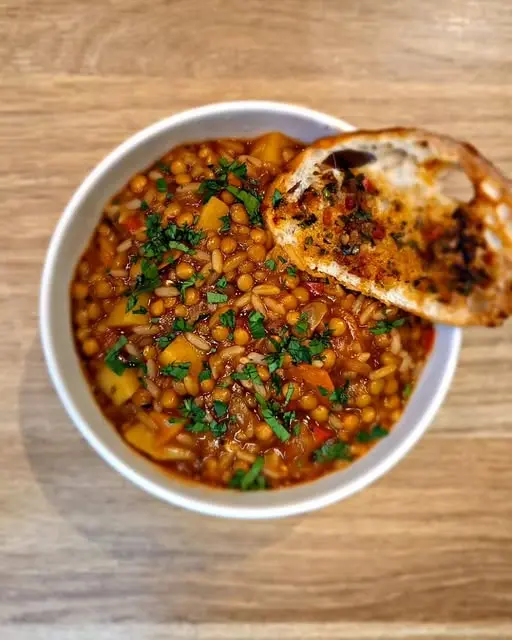
La Empanada
An authentic, family-run Argentinian counter inside the G9 food hall on Gedimino Avenue, serving generous empanadas, huge milanesas and homemade dulce de leche.
Read guide
La Madeleine Bakery
A beloved French bakery-café in Užupis, celebrated for some of the best croissants in Vilnius, a cosy atmosphere and a light French menu of quiches, soups and salads.
Read guide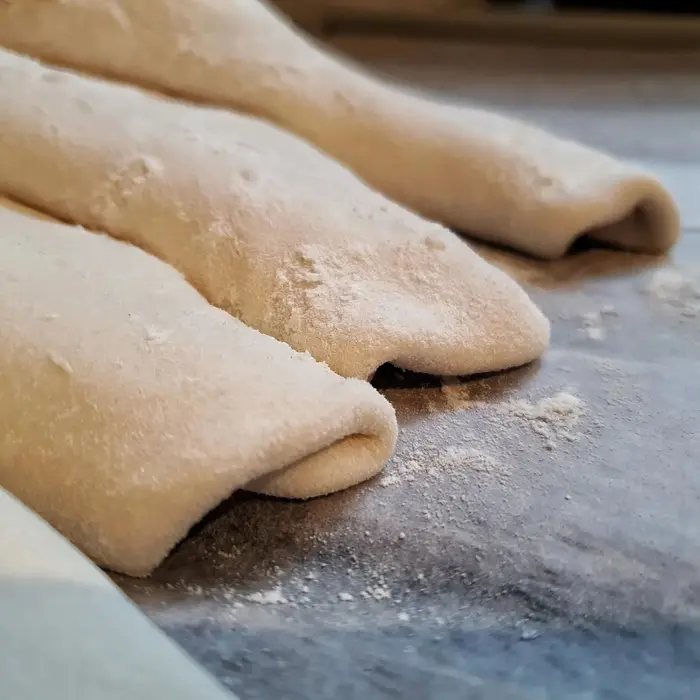
La Pepa
An intimate, chef-run Spanish bistro in Vilnius where owner-chef Pedro cooks, serves and plates every dish himself — a slow, home-style meal that rewards booking ahead.
Read guide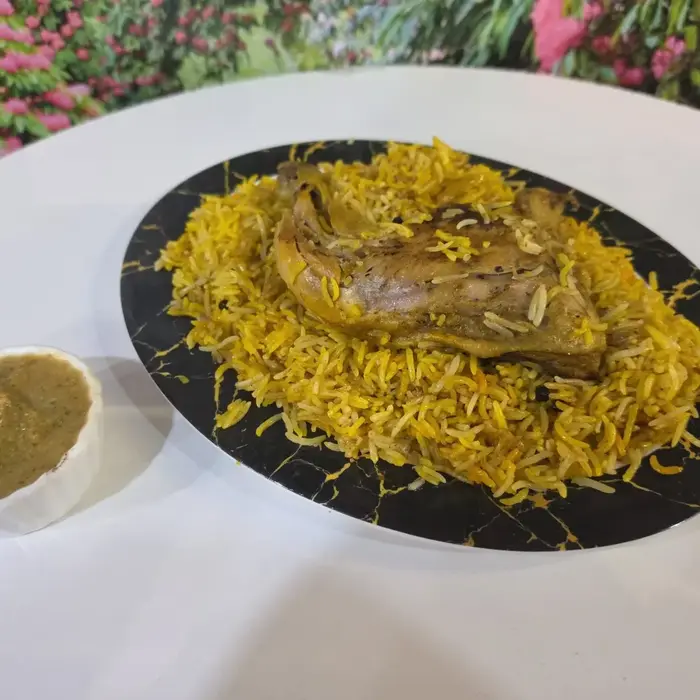
LABA Kitchen & Grill
A cosy, owner-run Old Town spot for authentic Turkish and Pakistani cooking — kebabs, a generous Turkish breakfast and warm hospitality at fair prices, near Trakų gatvė.
Read guide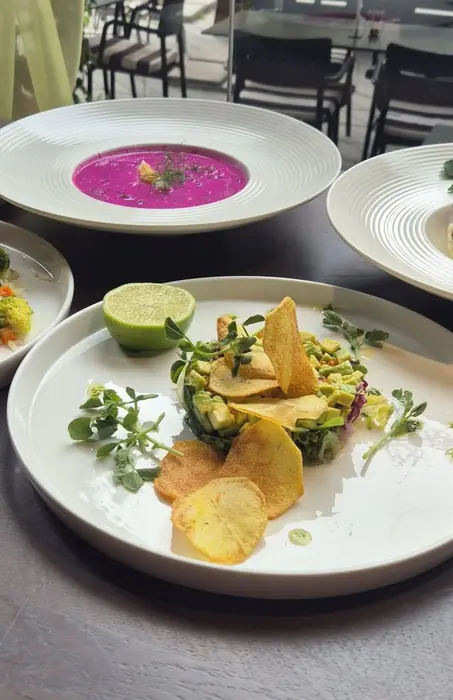
Laisvė terasa
A serene riverside terrace in the Paupys quarter near Užupis, beloved for inventive cocktails and a laid-back brunch on a sunny afternoon.
Read guide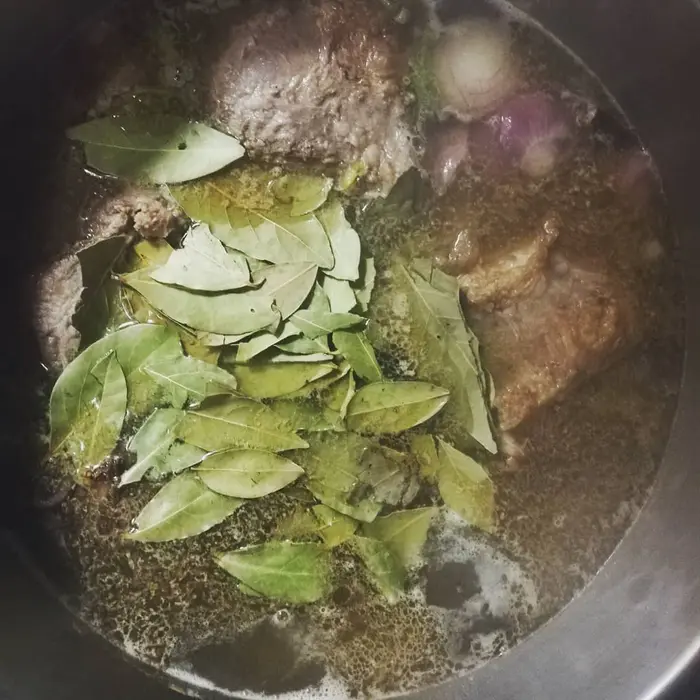
Lauro lapas
A long-running Vilnius favourite for a high-quality, fixed daily lunch built on fresh, seasonal ingredients, served in a cosy, welcoming room.
Read guide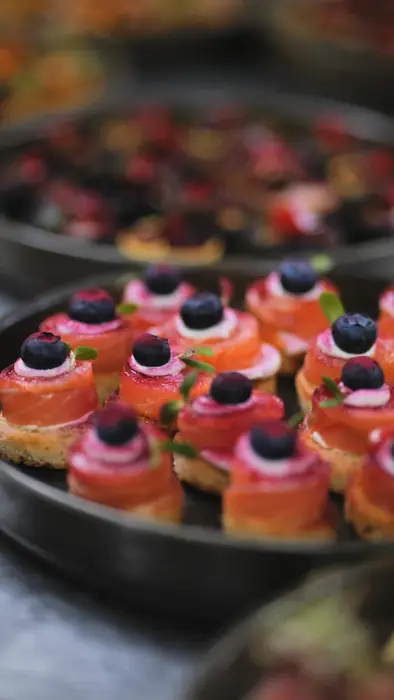
Le Mans
A cosy French restaurant in Užupis with a leafy garden terrace, born from a love of French cuisine and classic cars, with warm, professional service.
Read guide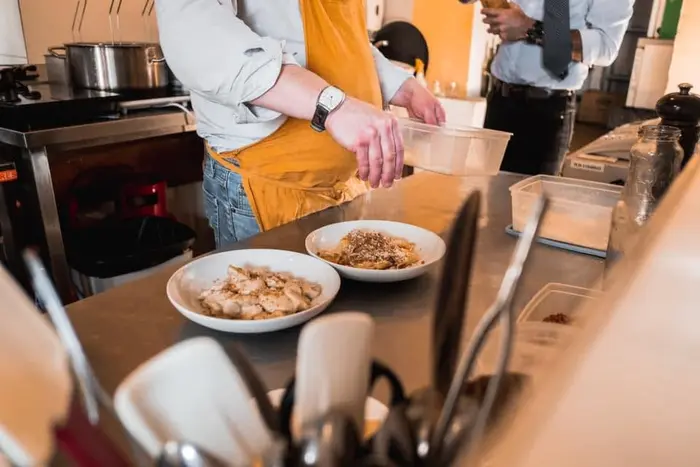
Le Travi
A beloved Užupis trattoria serving authentic, homestyle Italian cooking and fresh handmade pasta, with a strong natural-wine list and an open kitchen.
Read guide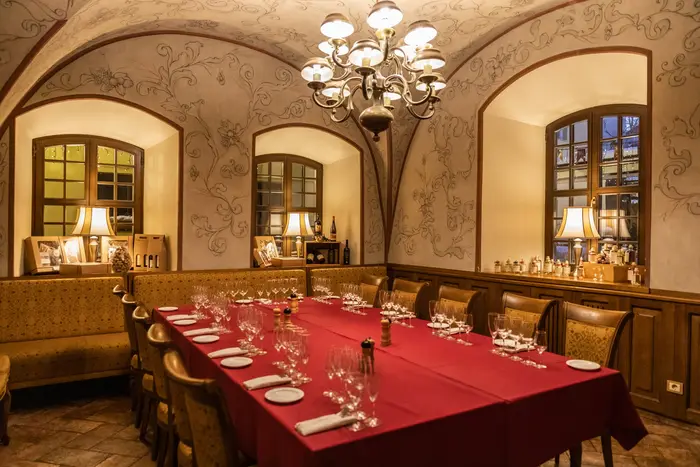
Lokys
A historic Old Town restaurant in medieval cellars serving the game-rich cuisine of Lithuanian noblemen — venison, wild boar and even beaver stew.
Read guide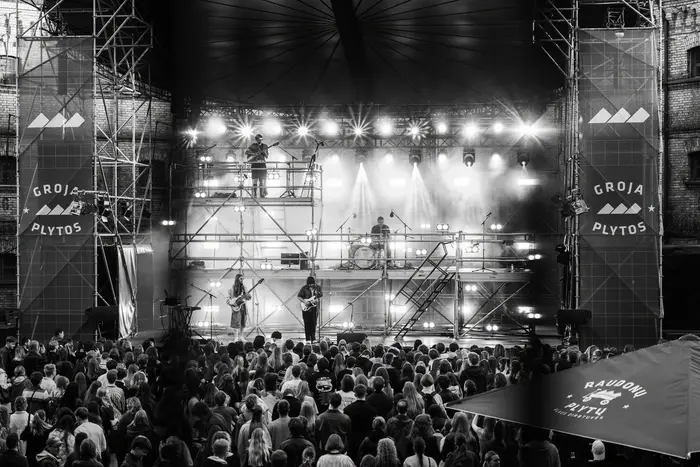
Lukiškių kalėjimas 2.0
A century-old Vilnius prison reborn as Lukiškės 2.0 — a cultural complex of bars, food, concerts and guided tours, and a 'Stranger Things' filming location.
Read guide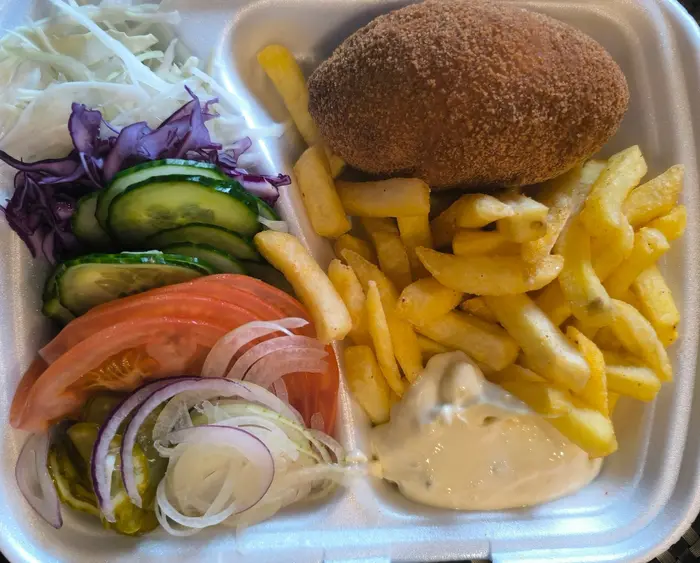
Mag grill kebabai
A no-frills Vilnius kebab spot with a cult local following for juicy, generously portioned chicken and beef kebabs at excellent value, served fast and friendly.
Read guide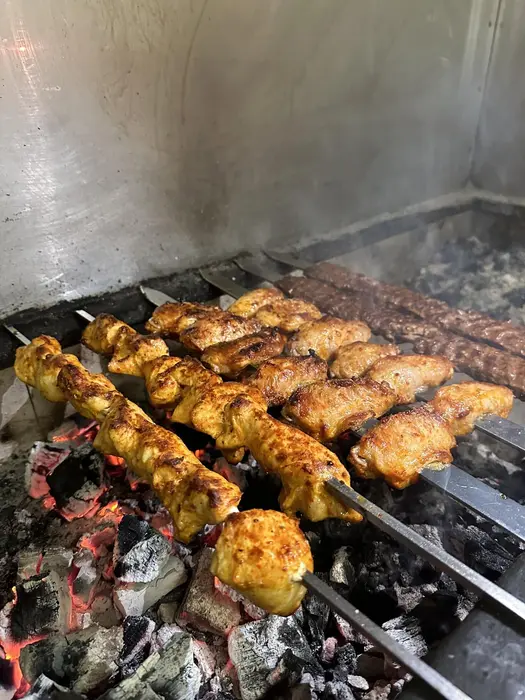
Mangal Men
A cosy Turkish kebab house near the Old Town serving authentic charcoal-grilled meat, fresh handmade baklava and famously free self-serve Turkish tea.
Read guide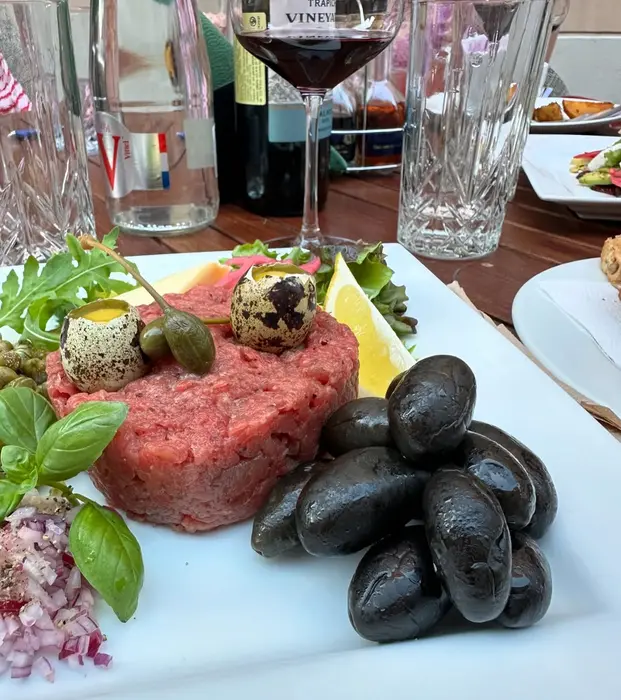
Markus ir Ko
Vilnius's oldest steakhouse — a classic Old Town pub near Town Hall Square serving top-tier steaks in a cosy, candlelit room with live jazz and piano.
Read guideMaxDorc Afrofood
Widely called the best African restaurant in Vilnius — authentic, made-to-order West African cooking served with exceptionally warm, owner-led hospitality.
Read guide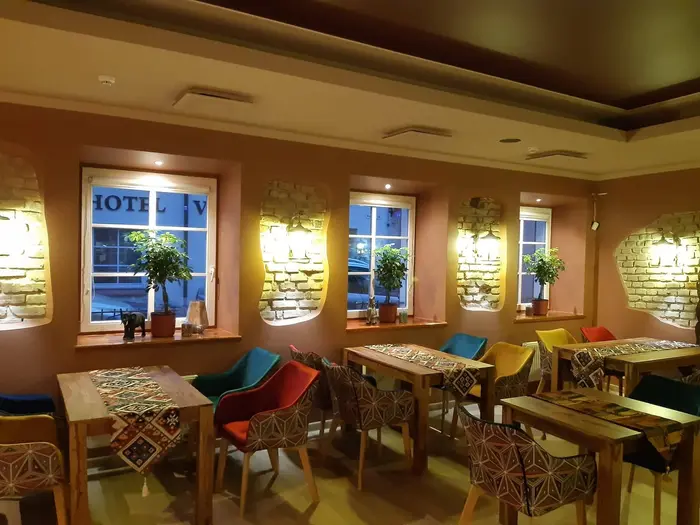
Mažoji Himalaja
Lithuania's first Nepalese restaurant — authentic, well-priced Nepalese and Indian cooking, from momos and tandoori to curries, in a cosy New Town room.
Read guide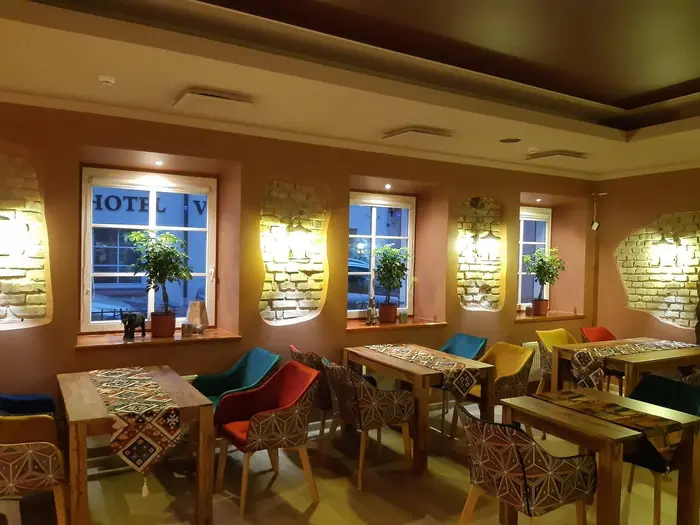
Mažoji Himalaja Momo & Tandoori
A warm, much-loved spot on Pylimo gatvė near the Old Town serving authentic, flavourful Nepali and Indian food — celebrated momos, rich tandoori dishes and freshly baked naan, with generous portions and friendly service.
Read guide
Meat Lovers Vilnius
A cosy, pet-friendly steakhouse on Liejyklos gatvė in the Old Town that champions honest, unpretentious cooking — high-quality steaks and hearty burgers built on ingredients from local farmers and craft producers.
Read guide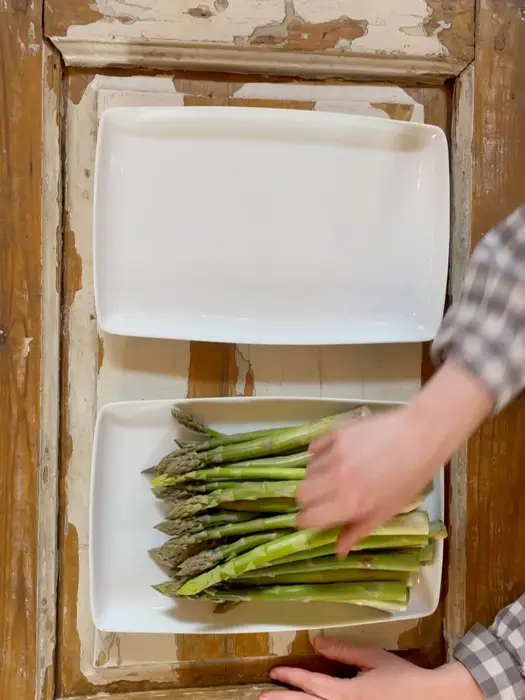
Miesto Laboratorija
A sustainable community café and education hub in Sapiegos Park, Antakalnis — part neighbourhood café, part urban garden, gallery and kids' playground, with a small, fresh menu and a much-loved weekend brunch.
Read guideMililitrai
A stylish bar-restaurant on Vilniaus gatvė that pairs an inventive, hundred-strong cocktail list with modern Japanese-leaning seafood — sushi many rate among the best in the city — in a cosy, classy room open very late at weekends.
Read guide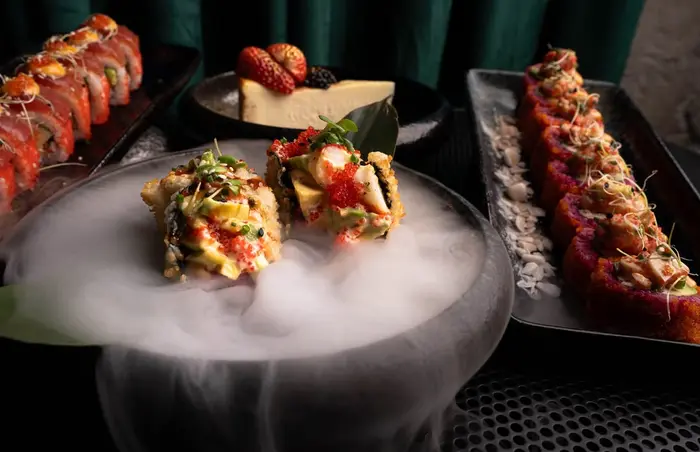
Mimi Sushi Gourmet
A cosy, stylish sushi spot on Pylimo gatvė in Naujamiestis where Japanese tradition meets a 'European spice' — exceptionally fresh fish and artful, gallery-like presentation, with vegetarian and vegan rolls on the menu.
Read guide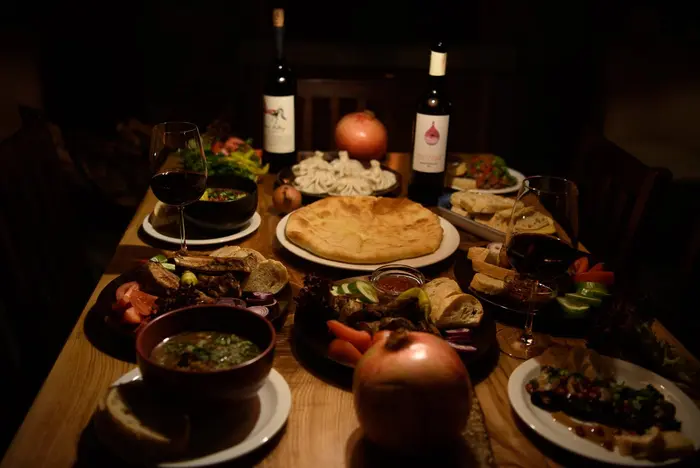
Mimino Vilnius
A beloved hidden-gem Georgian restaurant south-west of the centre, serving authentic, generous mountain cooking — khachapuri, khinkali and shashlik — in a cosy, home-like room warmed by a fireplace and exceptionally friendly service.
Read guide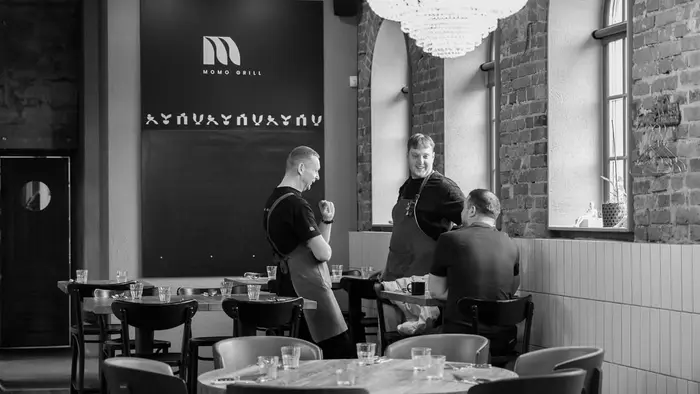
Momo Grill Vilnius
A Michelin Guide-listed grill on the edge of the Old Town, Momo Grill is Vilnius's go-to for serious steak and grilled meats in a cosy industrial room.
Read guide
Nagomi
Nagomi is Lithuania's only kaiten (conveyor-belt) sushi restaurant — a playful, interactive Japanese spot in Vilnius with a standout cocktail bar.
Read guide
nArauti
A long-running underground rock-and-metal music club in Vilnius, nArauti is legendary among fans for live concerts and what many call the city's best Buffalo wings.
Read guide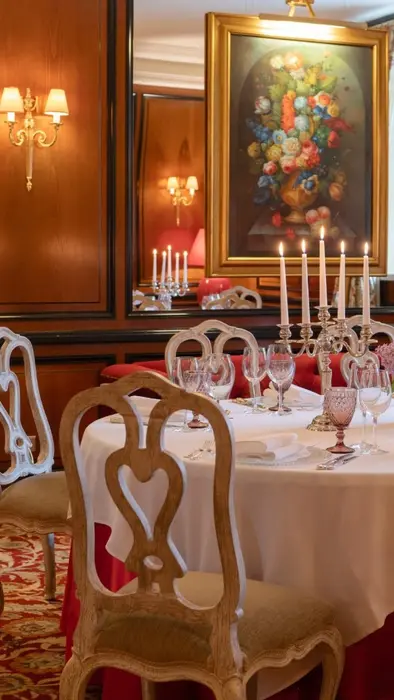
NARUTIS Restaurant
An elegant fine-dining room inside a 16th-century Old Town building, NARUTIS Restaurant serves European and Lithuanian cuisine beneath 18th-century frescoes.
Read guide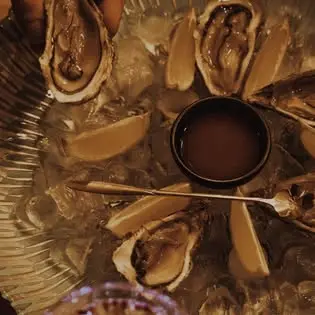
Nepatinka NEIK — Spanish Pub
An unpretentious, cosy Spanish tavern in Vilnius with a bold name, friendly prices, fresh oysters and Cava — a lively local favourite for evenings with friends.
Read guide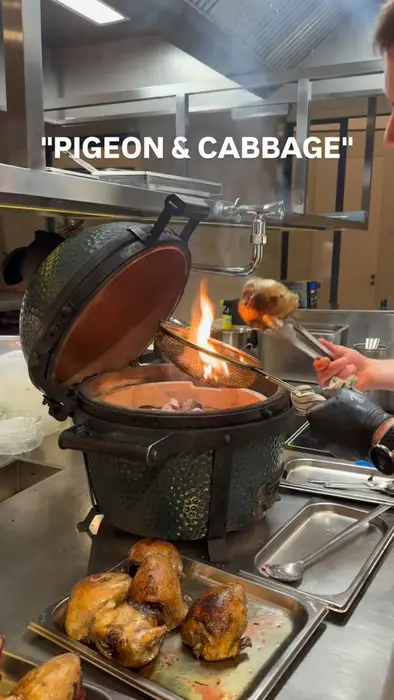
Nineteen18
A Michelin-starred fine-dining destination in the historic Senatorių pasažas, Nineteen18 serves a creative tasting menu that reimagines Lithuanian produce.
Read guide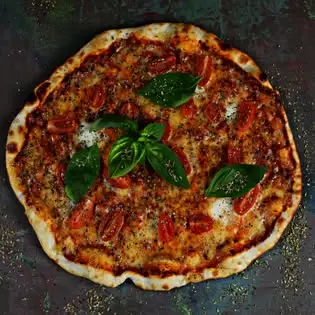
No.1 Bokšto
A tiny, family-run Old Town spot on Bokšto street, loved for feather-light thin-crust pizza, well-made tartars and an intimate, jazz-soundtracked room.
Read guide
OlyBar Sporto Baras
Vilnius's big sports bar at Konstitucijos pr. 20, with wall-to-wall screens for live games, a lively group-friendly room and generous plates of burgers, wings and ribs.
Read guide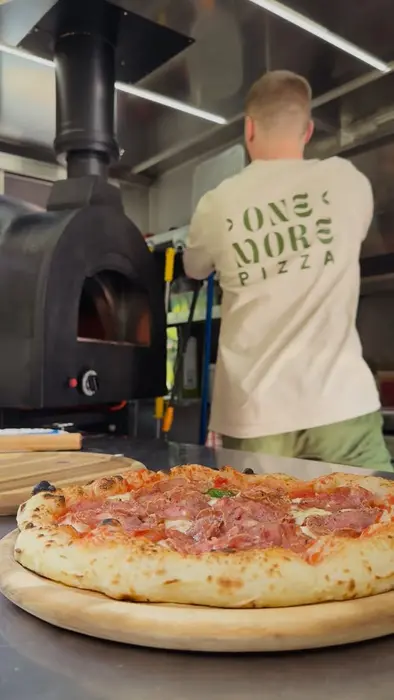
One More Pizza
A small, fiercely loved takeaway pizzeria on Manufaktūrų street, where an exceptional dough recipe and fresh ingredients earn near-unanimous five-star reviews.
Read guideOrlekulam Culture Point
A cosy, café-style culture point near Cathedral Square serving warm, affordable Indian-leaning home cooking — with plenty of vegetarian and vegan choices and genuinely personal service.
Read guide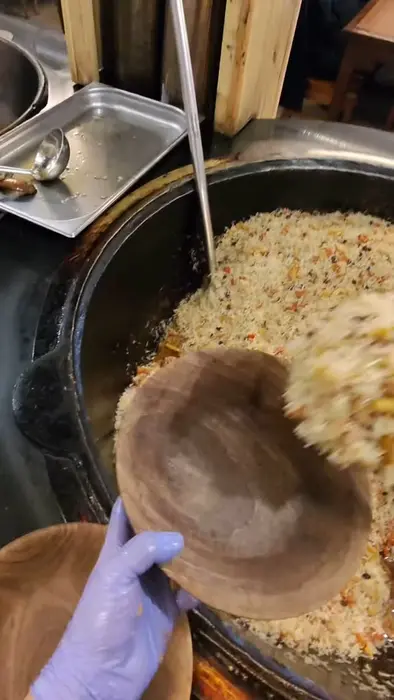
OSH halal
A no-frills halal Uzbek kitchen on Kalvarijų street, widely praised for serving some of the most authentic plov in Vilnius alongside soup and fermented sides.
Read guide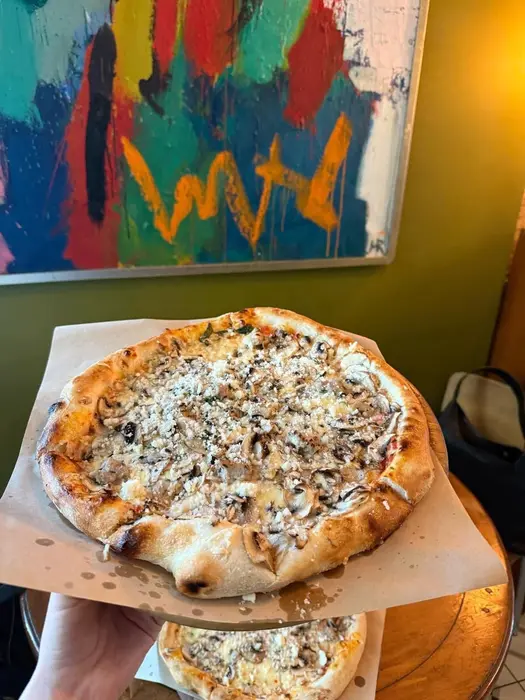
Osteria da Luca
A cosy, pet-friendly Italian pizzeria on Basanavičiaus street, loved for authentic wood-fired pizza, classic pasta and a genuinely warm Italian welcome.
Read guide
PACAI Restaurant & Bar
Elegant restaurant inside the historic Hotel PACAI in Vilnius Old Town: seasonal, globally-inspired cooking from local Lithuanian farms, a tasting menu, creative cocktails and a celebrated Sunday brunch.
Read guide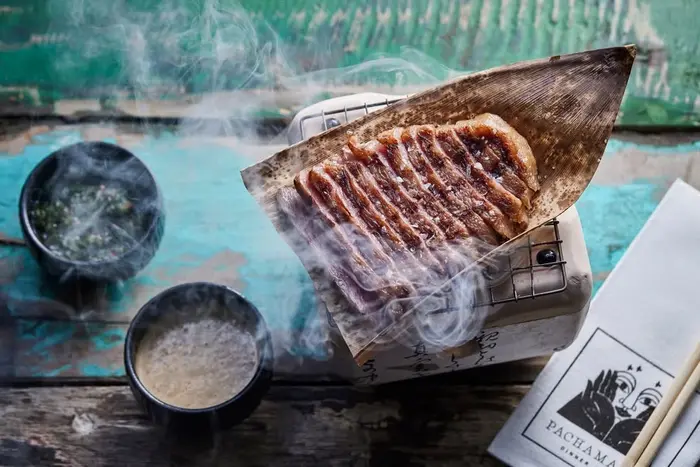
Pachamama Dinner Club
High-energy dinner club on Gedimino Avenue in Vilnius: creative Peruvian-Nikkei cooking with Japanese, Chinese and Spanish accents, inventive cocktails and weekend DJ sets.
Read guide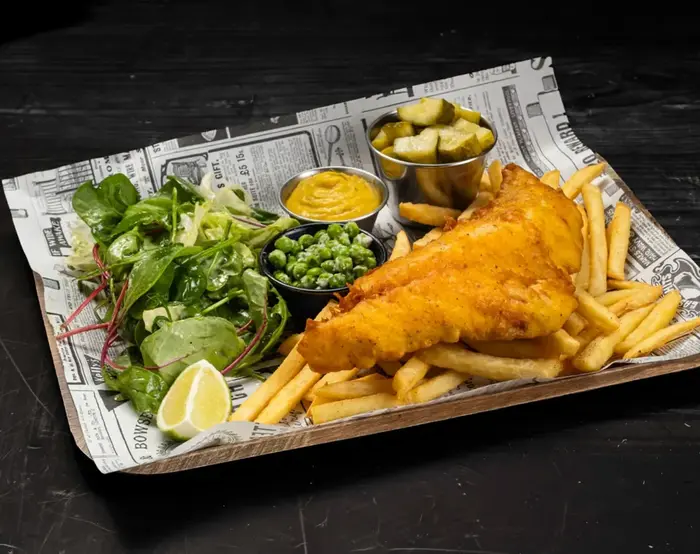
Paikis
Specialist fish-and-chips counter in a Vilnius food hall near the train and bus stations: fresh cod, crisp non-greasy batter, generous portions and famously warm service.
Read guide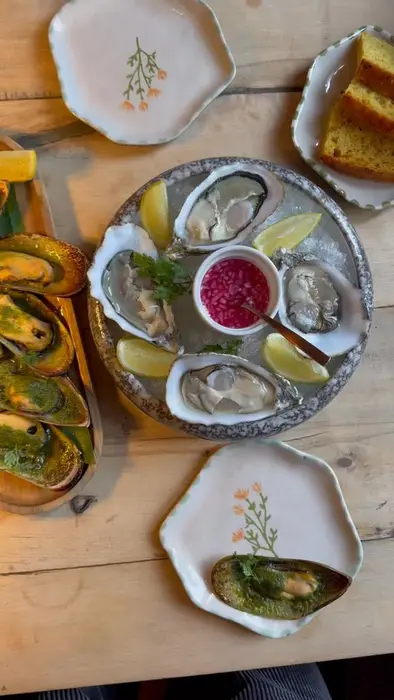
Panama Food Garden
Romantic garden restaurant in the Žvėrynas district of Vilnius: an enchanting greenhouse and lantern-lit garden, European cooking with seafood and steaks, and produce from its own garden.
Read guide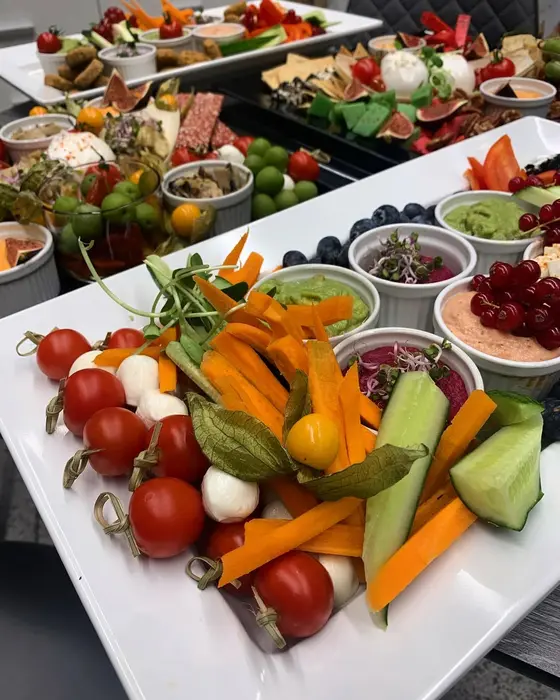
PANK'olis Quadrum
Pay-by-weight self-service canteen in the Quadrum business district of Vilnius: a broad spread of salads, soups and hot dishes for a quick, customizable breakfast or lunch.
Read guide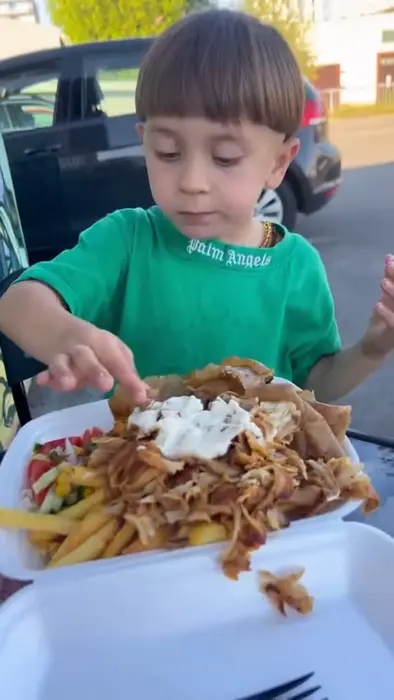
Pas Talha Kebabinė
Tiny Turkish-owned kebab kiosk in Vilnius praised as the city's best kebab: authentic, fresh, hugely generous portions and a famously warm welcome from owner Talha.
Read guide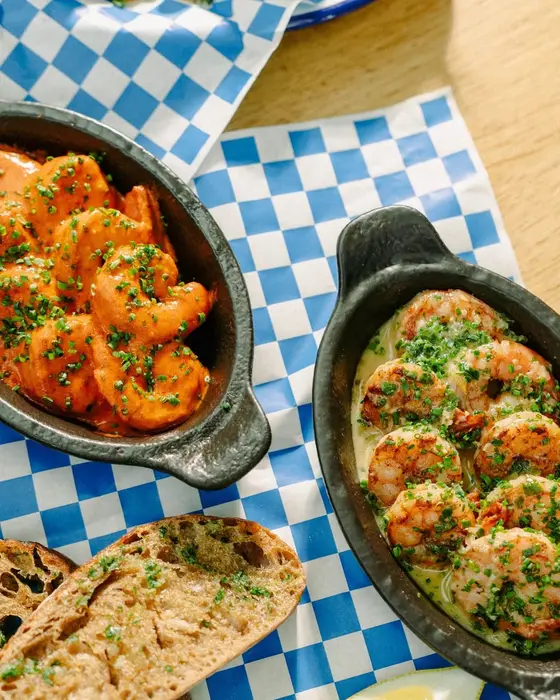
Paupio Turgus (Paupys Market)
Paupys Market is Vilnius's most stylish modern food hall — a greenery-filled space in the Paupys district where independent vendors serve Georgian, Japanese, Italian and Middle Eastern dishes around a central bar.
Read guide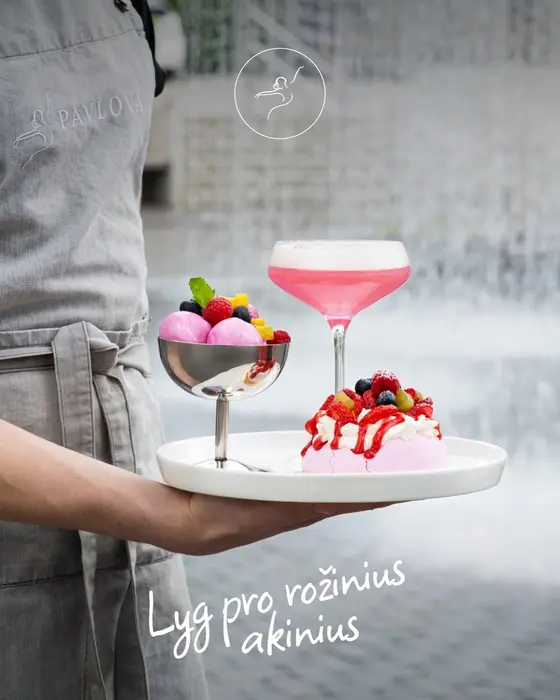
Pavlova
A mono-concept dessert café in Vilnius devoted to the pavlova — light, fresh meringues baked on-site, plus a weekend afternoon-tea service and dessert-making workshops.
Read guide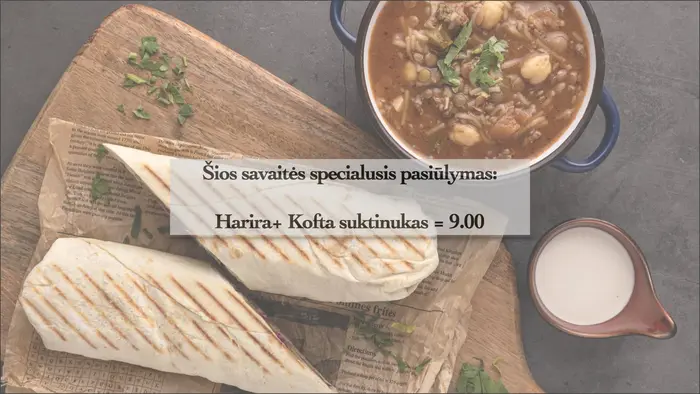
Petra Bakery & Falafel
A small, friendly Jordanian spot near Kalvarijų Market serving fresh falafel, hummus, shawarma and homemade pastries — 100% Halal, with extensive vegan and vegetarian options.
Read guide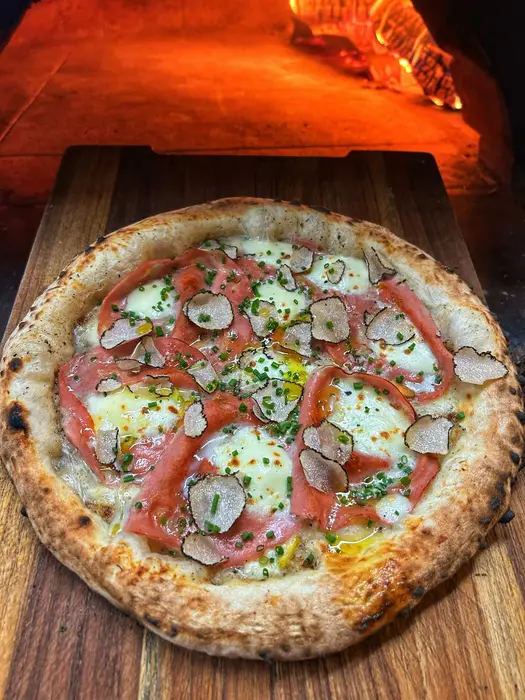
Pi77a
A tiny, much-loved Neapolitan pizzeria in Antakalnis serving authentic wood-fired pies, homemade dipping sauces and an ever-changing 'pizza of the week' — book or call ahead, as seating is limited.
Read guide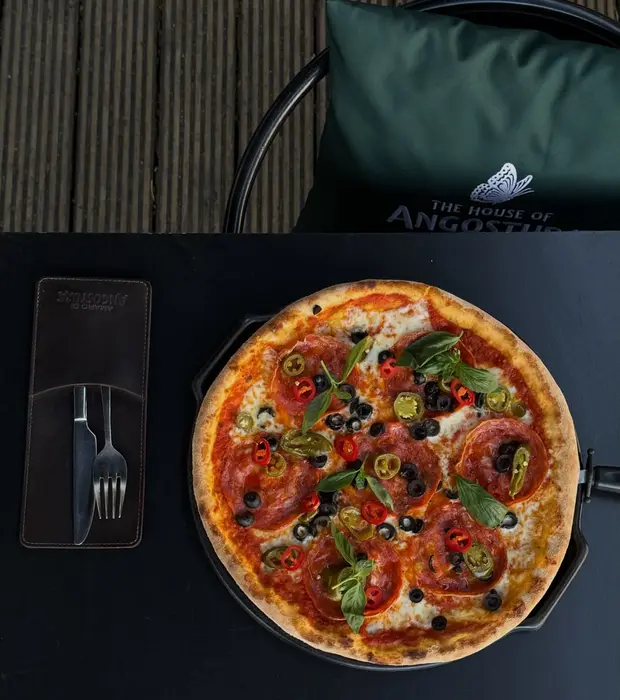
Piano Piano Paupys
A stylish Italian restaurant in the modern Paupys district of Vilnius, known for pizza, pasta, lasagna and signature cocktails — cozy, social and consistently praised for friendly, attentive service.
Read guide
Picų Rojus
A wood-fired pizza food truck in Vilnius with a cult following — fresh ingredients, light, crispy dough and a charismatic chef. Hours can change, so call ahead or check social media before going.
Read guide
Pietų padavėjai
A no-frills, canteen-style 'milk bar' near Vilnius's main station serving authentic, homemade-style Lithuanian dishes at unbeatable prices.
Read guide
Pinavija Café & Bakery
A charming, Parisian-style café and bakery on Vilniaus gatvė, beloved for over 15 years for its cakes sold by weight, traditional kibinai and Napoleon cake.
Read guide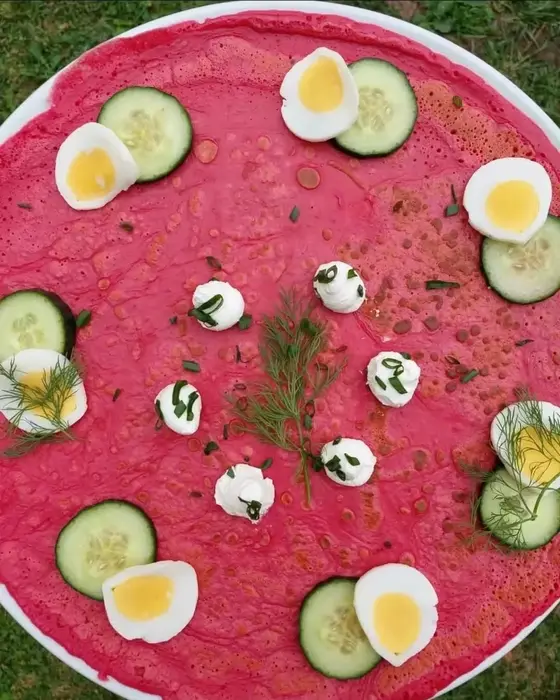
Pirmas Blynas
A social-enterprise pancake restaurant in a repurposed Old Town church, Pirmas Blynas serves huge crepes while employing and empowering people with disabilities.
Read guide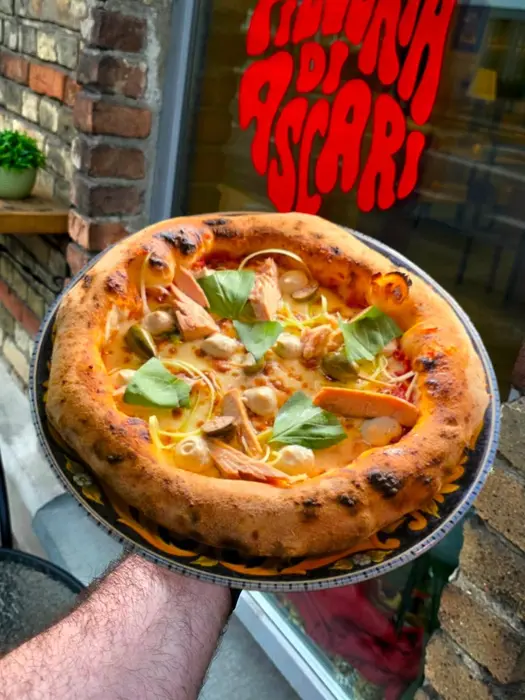
Pizza Di Ascari
A small, cosy pizzeria often hailed as serving the best pizza in Vilnius, with a perfect crust, fast friendly service and great value — ideal for takeaway.
Read guide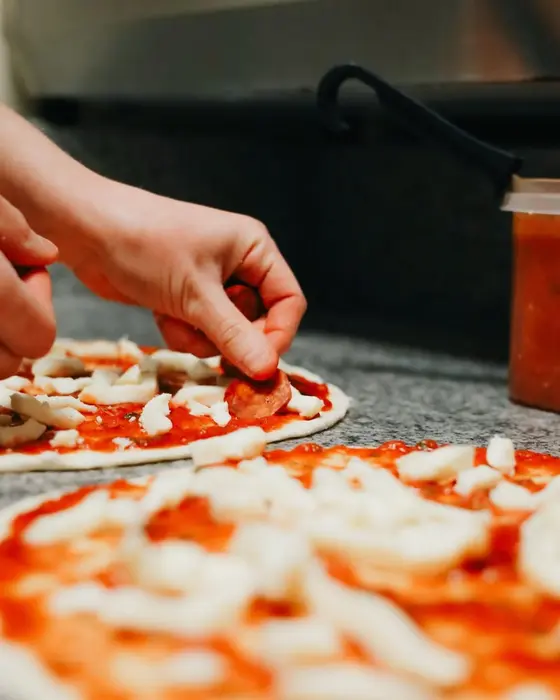
Pizza Marinara
A tiny, intimate Old Town pizzeria serving authentic thin-crust Italian pizza often hailed as the best in Vilnius, in a cosy room set to Italian music.
Read guide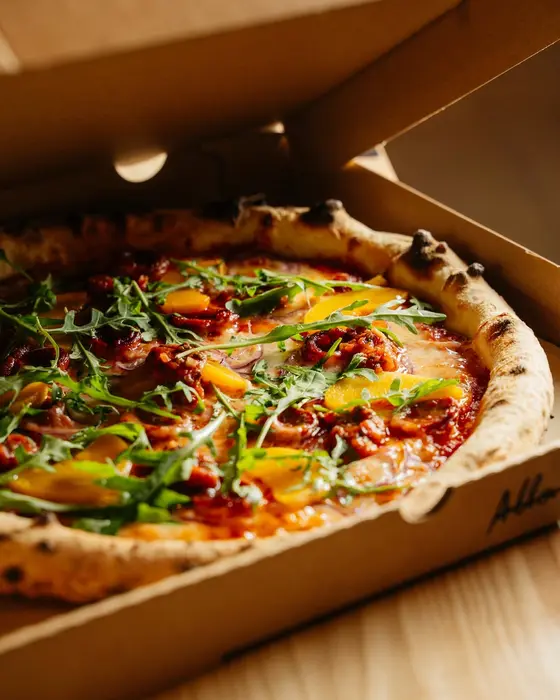
Pizza Siracusa picerija (Kauno g.)
A local favourite for Neapolitan-style pizza flash-baked in 500°C Swedish ovens, with a crispy crust, friendly fast service and a pet-friendly terrace.
Read guide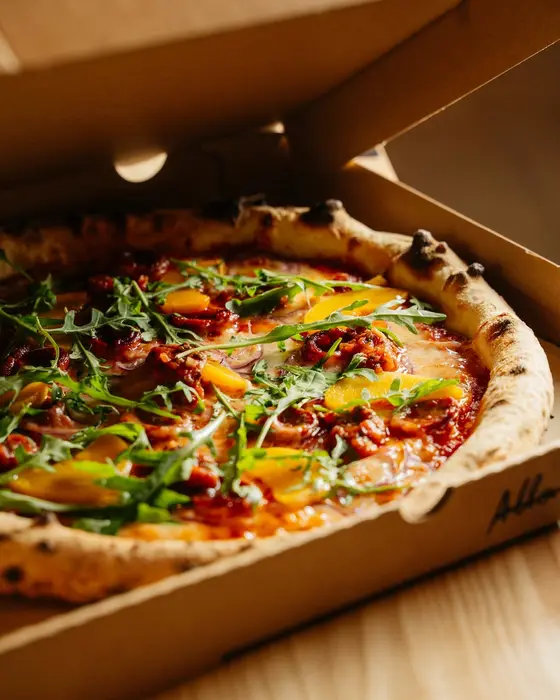
Pizza Siracusa picerija (Paribio g.)
The original Žvėrynas branch of Pizza Siracusa, the Neapolitan pizzeria that built a loyal Vilnius following for its airy, leopard-spotted crust and lightning-fast service.
Read guide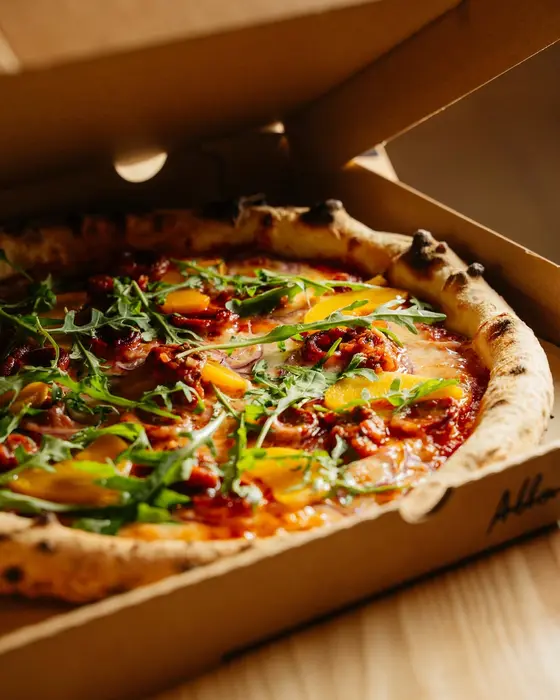
Pizza Siracusa picerija (Žirmūnų g.)
The Žirmūnai branch of Pizza Siracusa, serving authentic Neapolitan pizza from 500°C Swedish ovens with an excellent price-to-quality ratio and famously fast, friendly service.
Read guide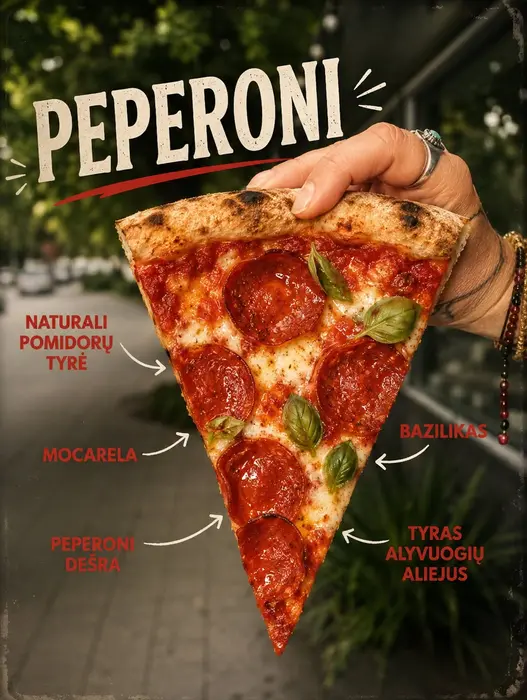
Pizzeria SORRENTINO
A tiny, takeaway-focused Antakalnis pizzeria where a passionate Italian chef turns out authentic Neapolitan pizza with Italian ingredients — a genuine taste of Italy in a simple spot.
Read guide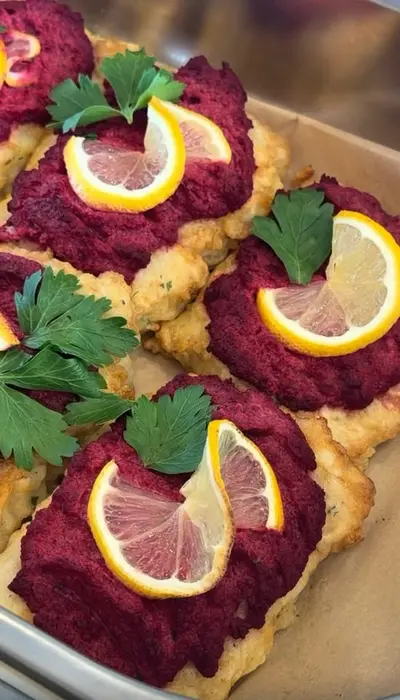
Plate Station
A hidden-gem canteen on the second floor of Vilnius bus station, serving homemade-style Lithuanian and Polish food in generous portions at wonderfully low prices.
Read guide
Plus Plus Plus (Vokiečių g.)
A lively, budget-friendly gastrobar in the Old Town: cheap drinks, live sports on the screens, DJ nights and beer pong, run on a self-service model with a buzzing crowd.
Read guide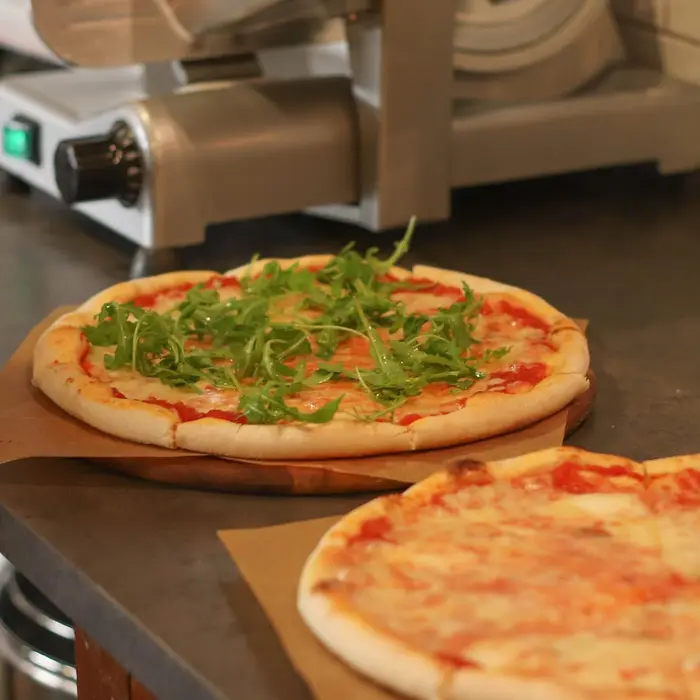
Pronto Pizza
A cosy Užupis gem turning out authentic Italian-style pizza on thin, chewy dough, with a unique line-up of craft lemonades — beloved by locals and best for small parties or takeaway.
Read guide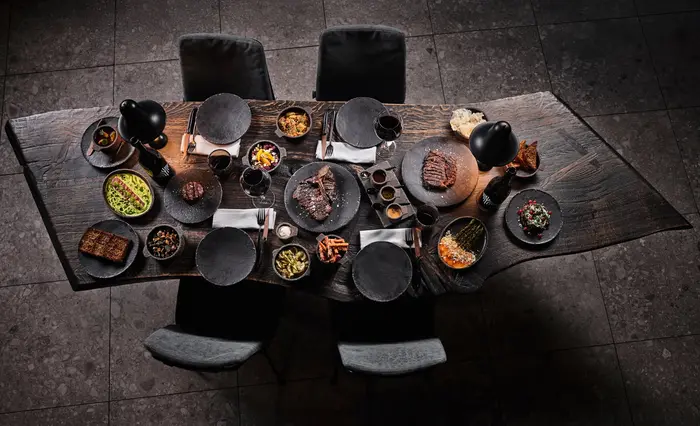
Protėviai
An Old Town steakhouse near Cathedral Square where meat lovers come for tender, perfectly cooked steaks and generous shareable sides in a cosy, stylish room.
Read guide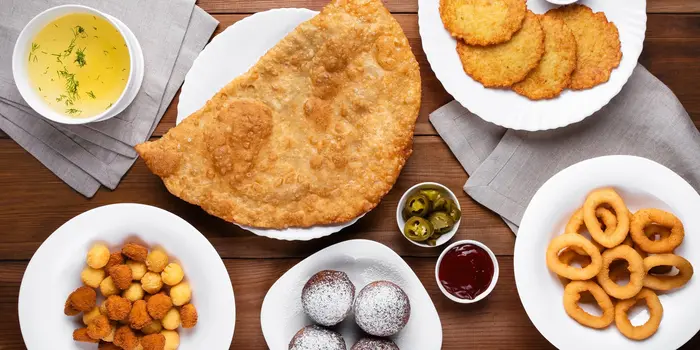
Prusakovų Užkandinė
A no-frills snack bar in Lazdynai serving what many call the best čeburekai in Vilnius — massive, crispy and great value, with free tea and a kids' play corner.
Read guide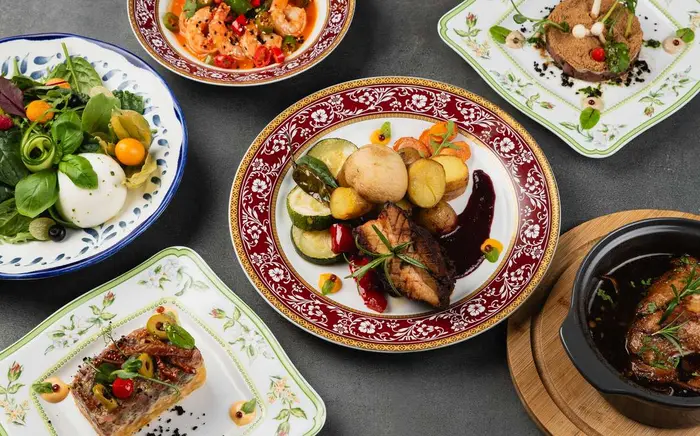
Puaro
A cosy Old Town restaurant and beer house with an Agatha Christie / Poirot theme, famous for generous pots of Belgian-style mussels and exceptionally warm service.
Read guide
RB Bistro
An intimate bistro on Gediminas Avenue with some of the city's best pizzas and pinsas, all-day dining, and a unique self-imported wine list you can also buy to take home.
Read guide
Restoranas Kristoforas
A Bib Gourmand restaurant inside the historic Vilnius Town Hall, serving elegant French-Italian cooking — the 'essence of Vilnius flavours' — plus creative cocktails and a curated wine list.
Read guide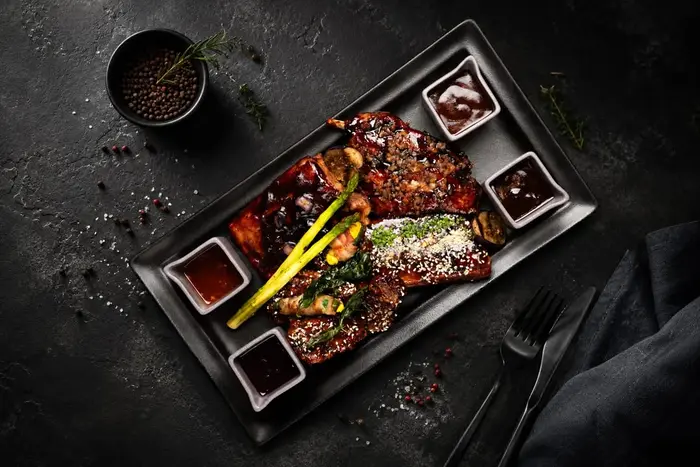
Rib Room
A modern restaurant in the Holiday Inn serving what many call the best ribs in Vilnius — eight signature recipes — in a quiet setting suited to business lunches and relaxed dinners.
Read guide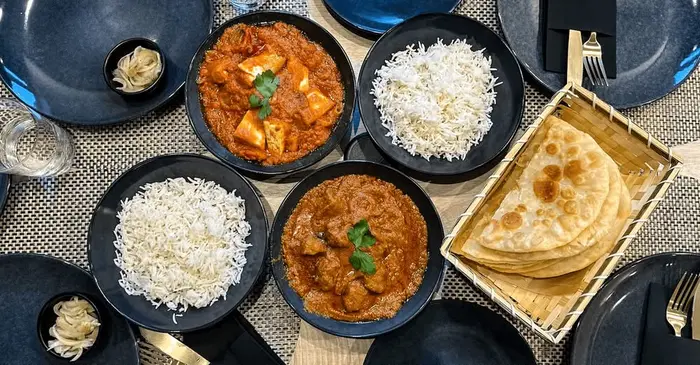
Rice and Spice India
An owner-run Indian restaurant near Vilnius station, often called the city's most authentic — house-made paneer, imported spices and spice levels you set yourself.
Read guide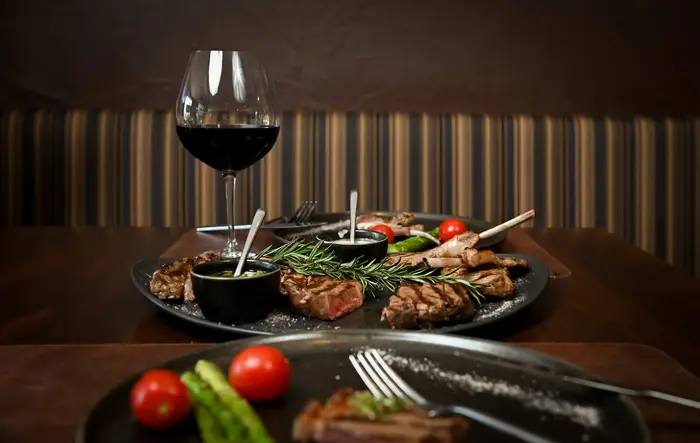
River Town
A riverside steak-and-seafood restaurant north of the centre, with a terrace looking back to Gediminas Castle — a top pick for a special occasion.
Read guide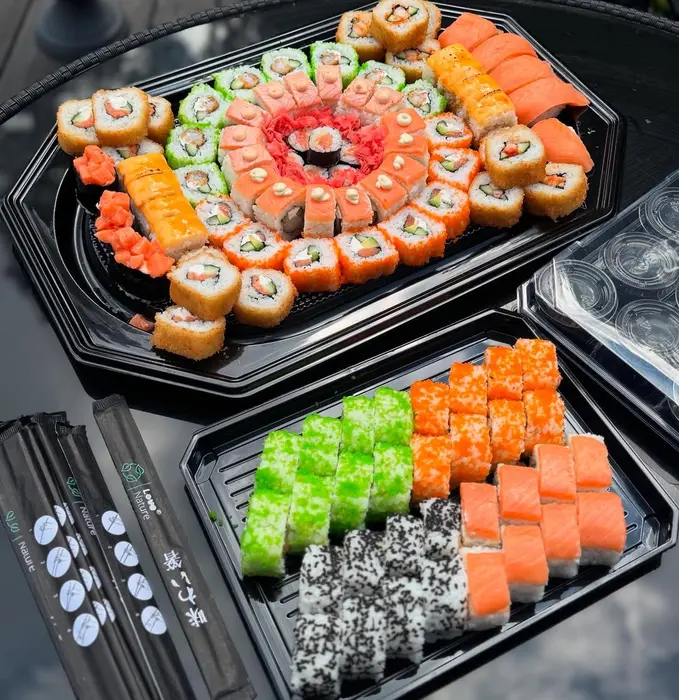
Ronino Sushi
A small, well-priced sushi spot on Rygos street, rated by locals as one of the best in Vilnius — fresh, generous and built for takeaway.
Read guide
RoseHip Vegan Bistro
A stylish, fully plant-based bistro that wins over meat-eaters too — creative vegan burgers, bowls and a vegan take on cold beetroot soup, in a pink, hip room.
Read guide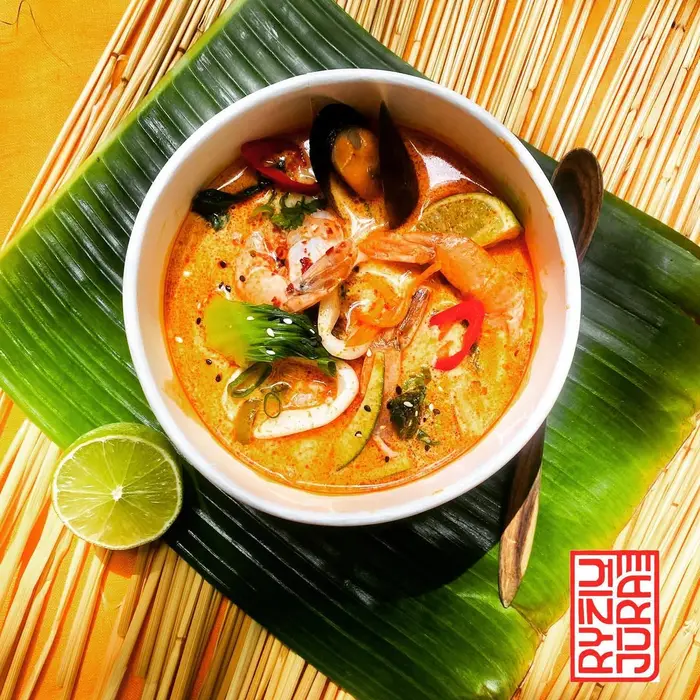
Ryžių Jūra
A cosy Old Town spot for Asian fusion — Japanese, Korean and Thai street food, creative cocktails and generous, share-friendly plates.
Read guide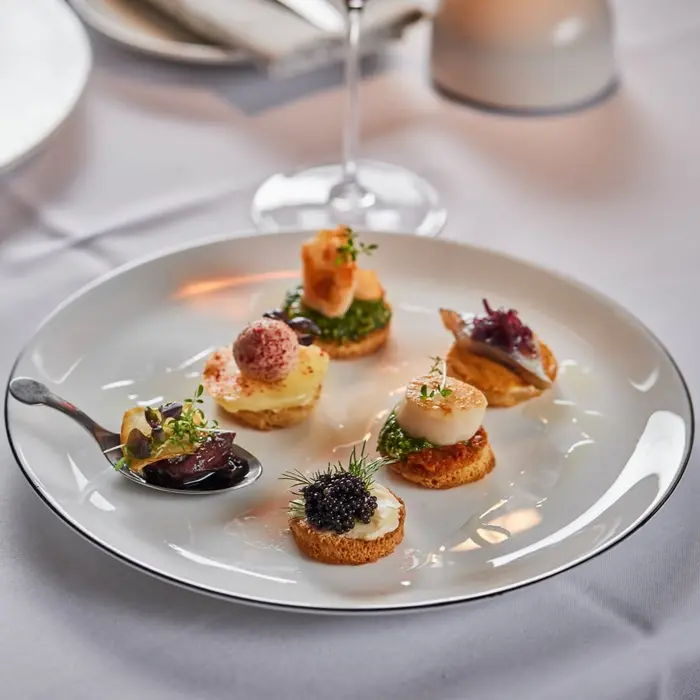
Saint Germain
A romantic French wine restaurant tucked onto Old Town's Literatų street — classic cuisine, a serious wine list and one of the loveliest summer terraces in the city.
Read guide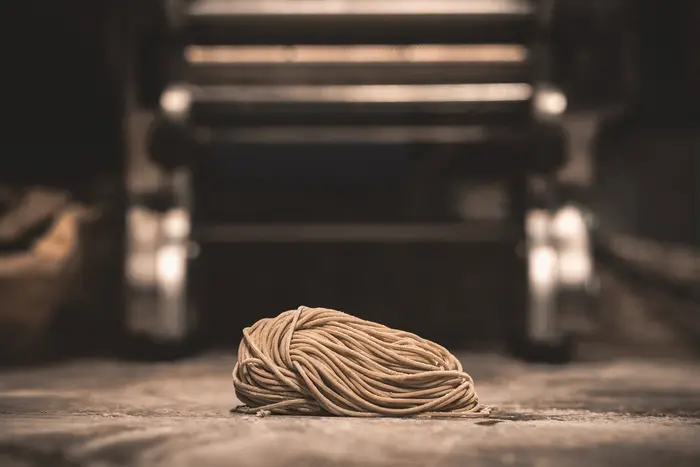
Sakai Ramen
Widely called the best and most authentic ramen in Vilnius — a tiny, focused spot with rich house broth, homemade noodles and an open kitchen. Book ahead.
Read guide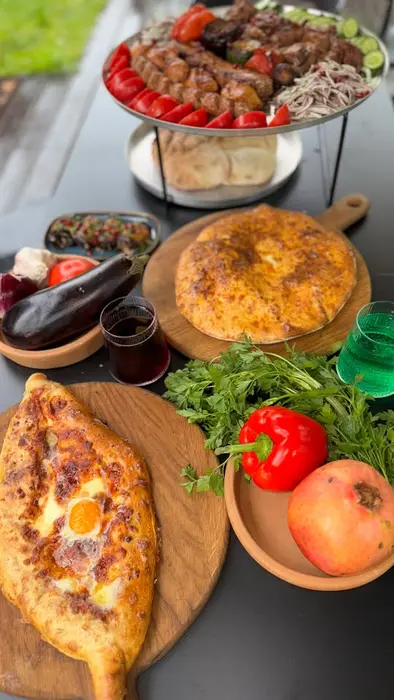
Sakartvelo duona
A beloved hidden gem for authentic Georgian comfort food in Vilnius — fresh khachapuri, kharcho and breads baked in a traditional tandoor, run by exceptionally welcoming owners.
Read guide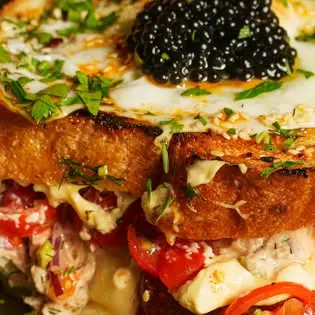
SandWitch
A tiny Old Town sandwich shop with a near-perfect rating — huge, creative sandwiches on homemade bread, generous portions and a cosy, dog-friendly room. It often sells out.
Read guide
Savičiaus Špunka
A cosy, rustic Old Town beer pub famous for Lithuanian craft beer — especially Dundulis — plus traditional bar snacks and a lively street-side scene in warm weather.
Read guide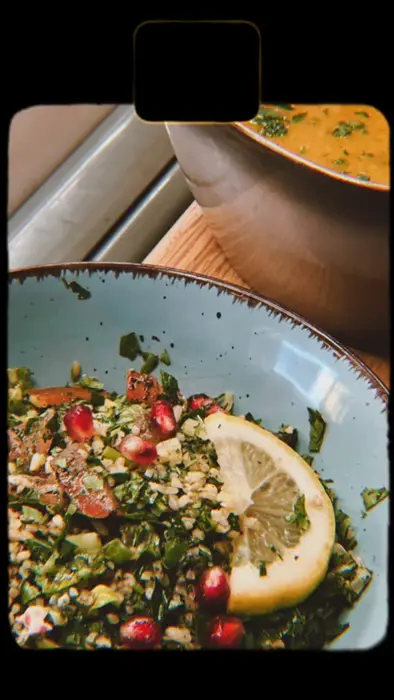
Shawarma by Petra
A top Vilnius spot for authentic, well-seasoned Middle Eastern food — flavourful shawarma, Harira soup and famously warm, hospitable, multilingual staff. Clean and dog-friendly.
Read guide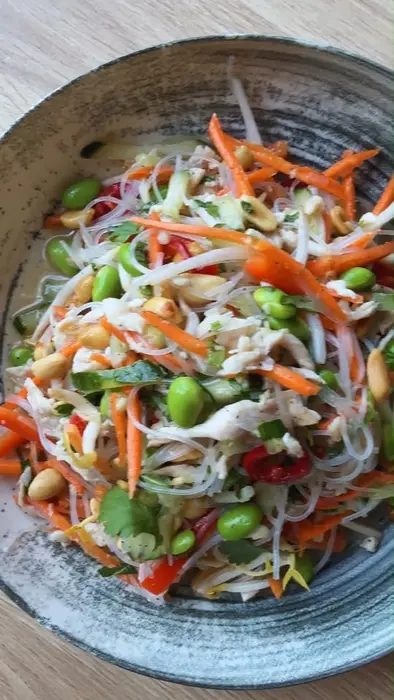
Shimai sushi & wok
A local favourite for fresh, affordable Asian food in Vilnius — praised sushi, wok dishes and combos at a great price-to-quality ratio, ordered online for pickup or delivery.
Read guide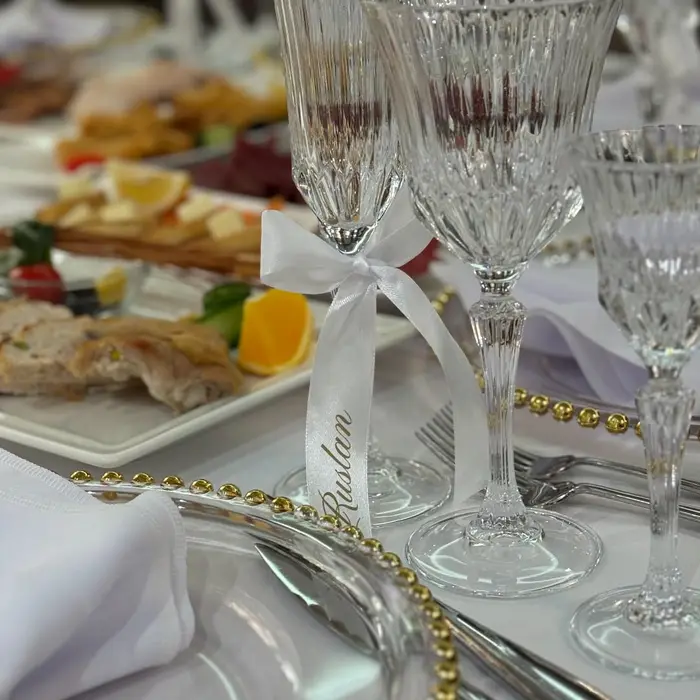
Sigmutė
An unassuming exterior hides Sigmutė's lavish, 'royal' banquet halls — a Vilnius restaurant chain built for weddings and big celebrations, with daily lunch and weekend live music.
Read guide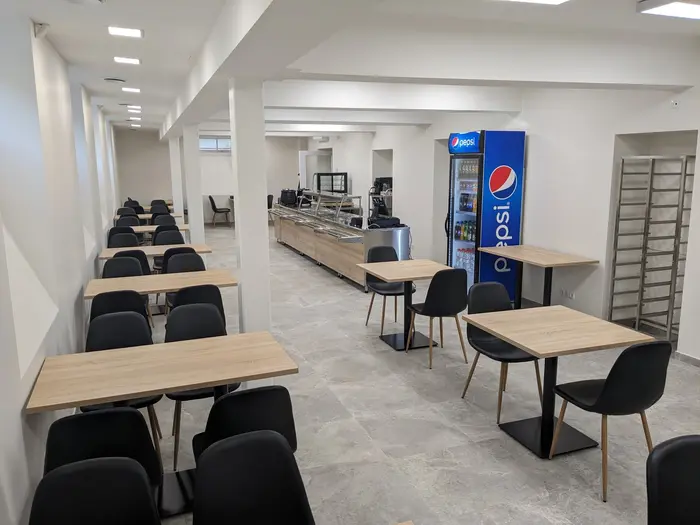
Simonos Virtuvė
A beloved canteen-style basement lunch spot near Vilnius station, Simonos Virtuvė serves fast, affordable home-style Lithuanian 'dienos pietūs' with friendly service and big portions.
Read guide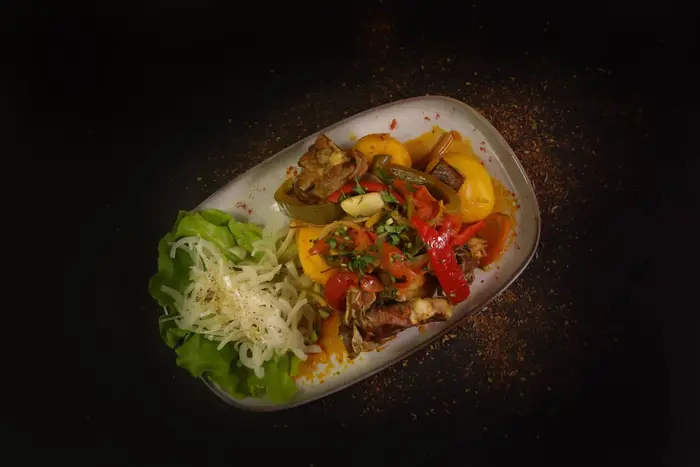
Skonių Karavanas
Authentic Halal Uzbek cooking in Vilnius — Skonių Karavanas is run by Uzbek chefs and widely praised for some of the best plov in the city, plus hand-made manti, lagman and samsa.
Read guide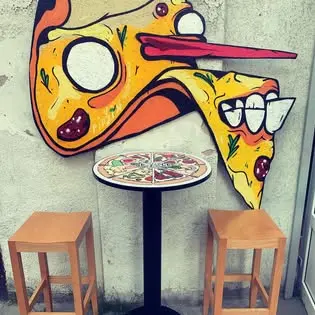
SLICE pizza
A small, cosy Vilnius pizzeria many call the best in town — SLICE serves high-quality pizzas on a distinctive semolina crust, with exceptionally friendly service and a bar next door.
Read guide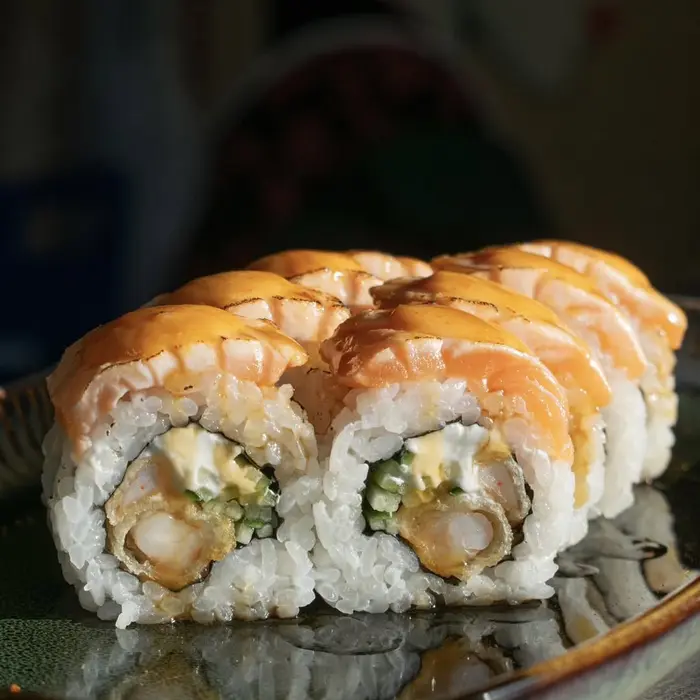
Slice Sushi
A takeout-focused Vilnius sushi favourite, Slice Sushi is praised for consistently fresh ingredients, friendly multilingual staff and an extensive visual menu of maki, nigiri, bowls and sets.
Read guide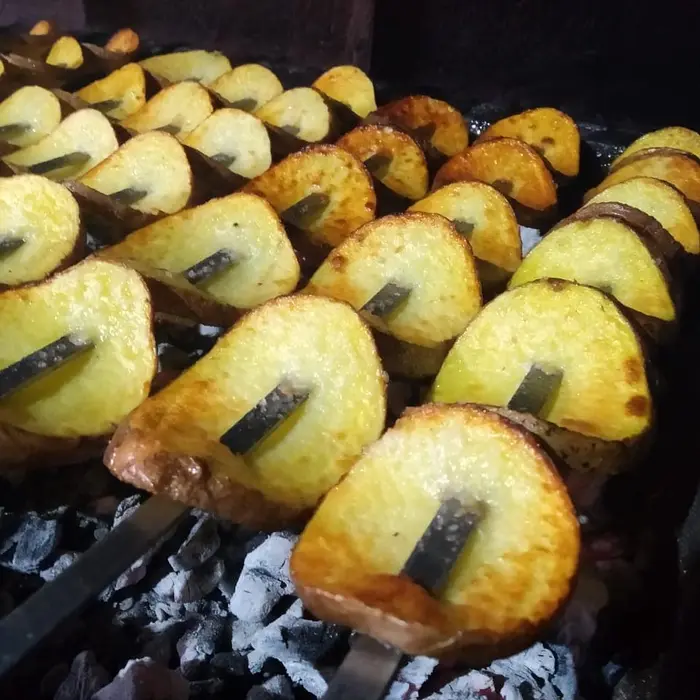
Smachna Hatyna
Authentic homemade Ukrainian cooking in central Vilnius — Smachna Hatyna serves borscht, varenyky and chicken Kyiv with generous portions, fair prices and a grandmother's-kitchen warmth.
Read guide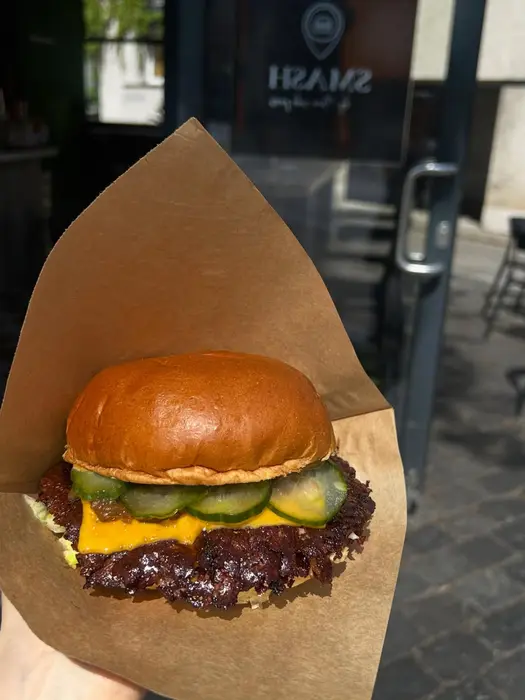
Smash by Mama sakė paeis
A tiny Old Town kiosk on Pilies Street serving what many call the best smash burgers in Vilnius — juicy patties, crispy fries and house sauces at honest prices.
Read guide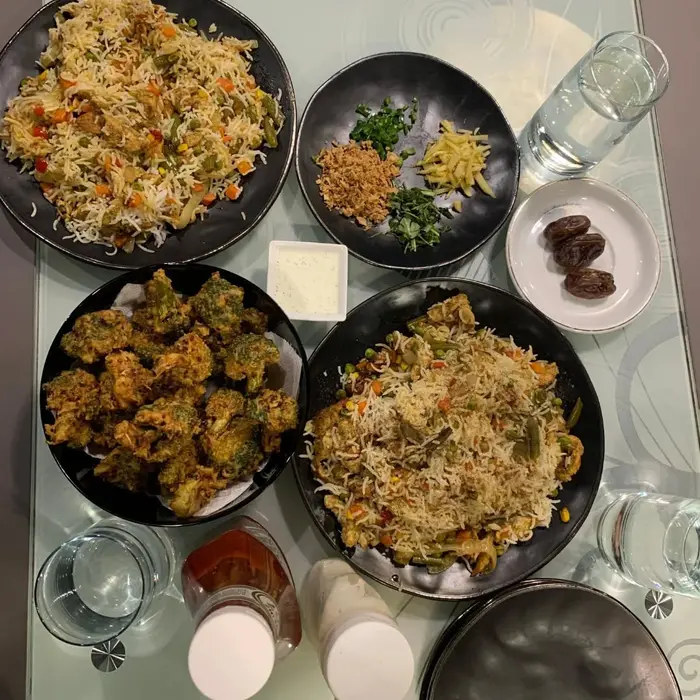
Spicamour Restoranas
A warm, family-run restaurant near Vilnius's main station serving generous, authentic Pakistani and Indian dishes with Halal options and adjustable spice levels.
Read guide
Špricas Brunch
A cosy, much-loved brunch spot beside Vilnius's main station serving creative toasts, fluffy pancakes and Lithuanian touches like šaltibarščiai, with famously friendly service.
Read guide
Subačiaus Observation Deck
A free hilltop viewpoint on the edge of the Old Town with sweeping panoramas over Vilnius, Užupis and Paupys — a favourite for sunsets, with a café and armchairs alongside.
Read guide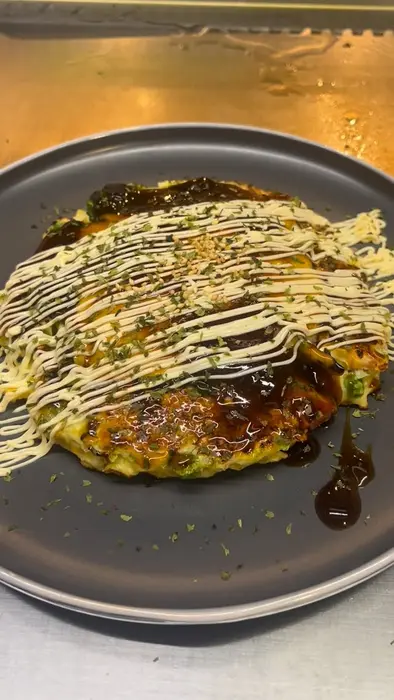
Tachi Machi
An intimate, family-run Japanese eatery on J. Basanavičiaus Street serving authentic Osaka-style okonomiyaki and comfort food from an open teppan grill.
Read guide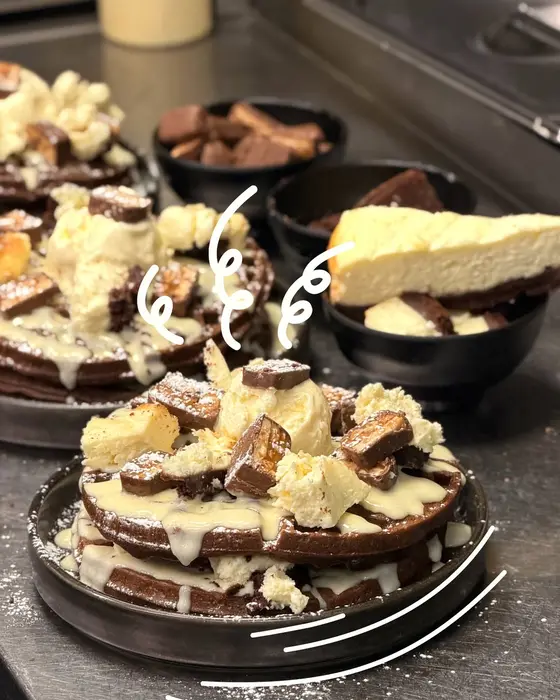
Talutti Bakes and Shakes
A family-friendly Talutti restaurant in a stylish loft north of the river, serving generous American-style fare with a kids' play area, cocktails and pet-friendly seating.
Read guide
Tamsta Club
A beloved live-music club on the edge of the Old Town, Tamsta books jazz, rock, improv theatre and burlesque in a small, warm, vibey room — one of the best spots in Vilnius to catch a gig.
Read guide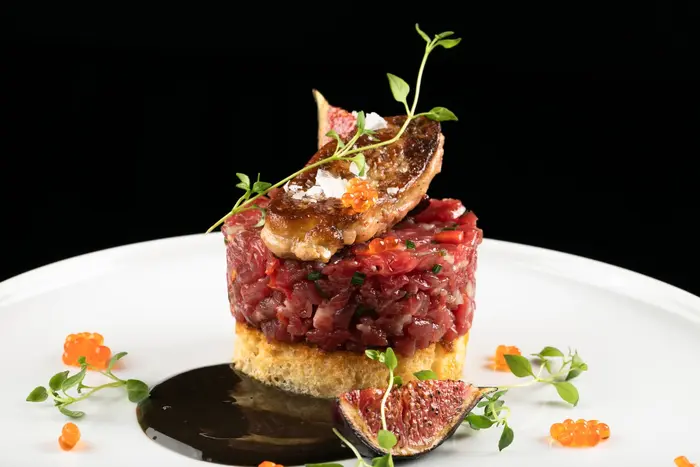
Taste Boutique
A tiny, fine-dining hidden gem away from the tourist trail, Taste Boutique is celebrated for creative tartars many call the best in Vilnius, with warm, knowledgeable service from the owners.
Read guide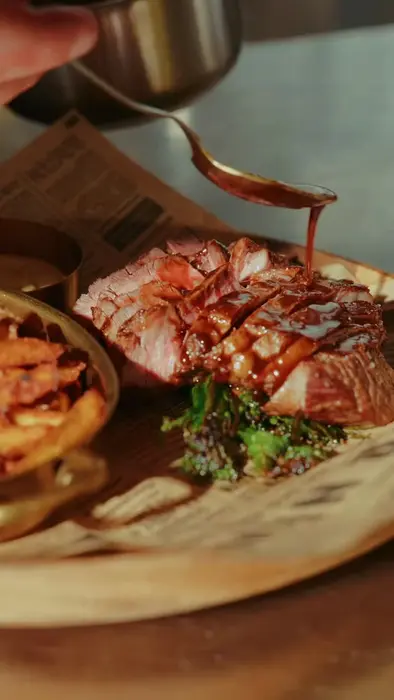
Telegrafas
An elegant, Michelin Guide-listed restaurant inside the Grand Hotel Vilnius, overlooking Cathedral Square — known for a chef-driven kitchen and a much-loved weekend brunch.
Read guide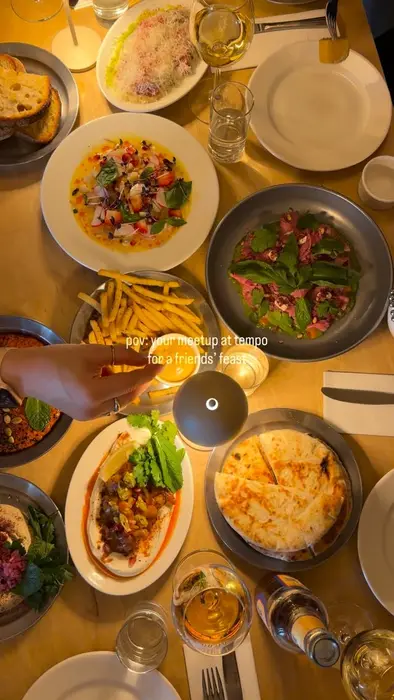
Tempo V39
A stylish 'food & music' spot on a New Town side street that turns into a late-night, vinyl-spinning bar — Mediterranean small plates, natural wines and cocktails, cool and social.
Read guide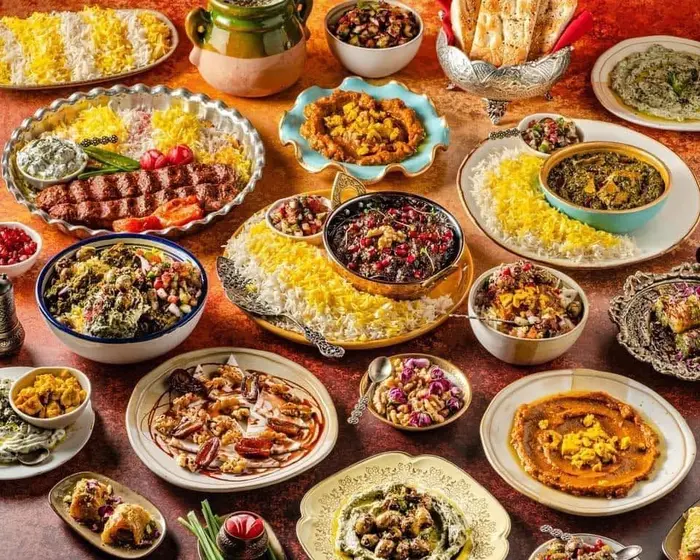
Termeh Persian Restaurant
A warm, family-run Persian restaurant near the city centre, Termeh is a local favourite for authentic, generous plates at fair prices — especially a well-loved daily lunch.
Read guide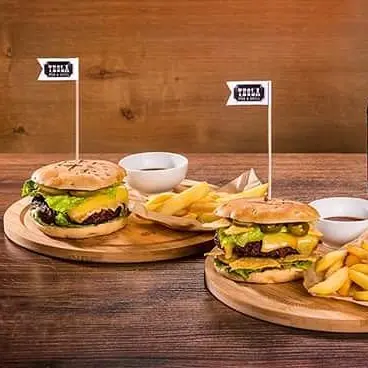
Tesla PUB
A cosy, hidden-gem pub in the Old Town with quirky Nikola Tesla-themed decor, known for excellent, well-priced burgers, a good local and craft beer list, and a relaxed, conversational vibe.
Read guide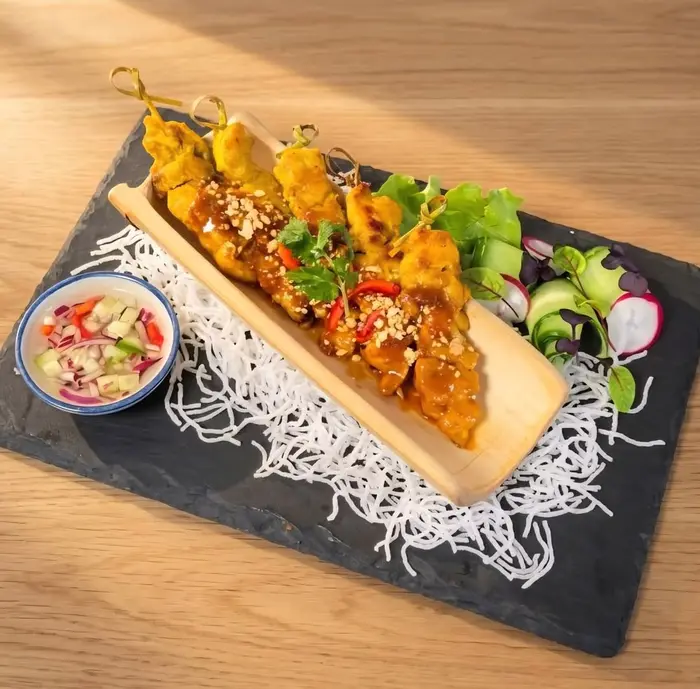
Thai House Vilnius
A long-loved Thai restaurant on Naugarduko in central Vilnius, praised by Thai diners for genuine flavours, with a small on-site market selling hard-to-find Thai groceries.
Read guide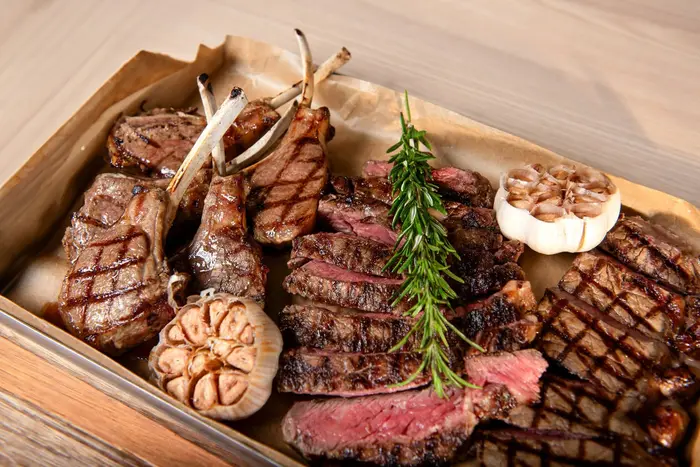
The Town Steakhouse
A long-running steakhouse on Gediminas Avenue in central Vilnius, known for grill-to-plate steaks, personalised service from veteran staff, and a popular weekend brunch.
Read guide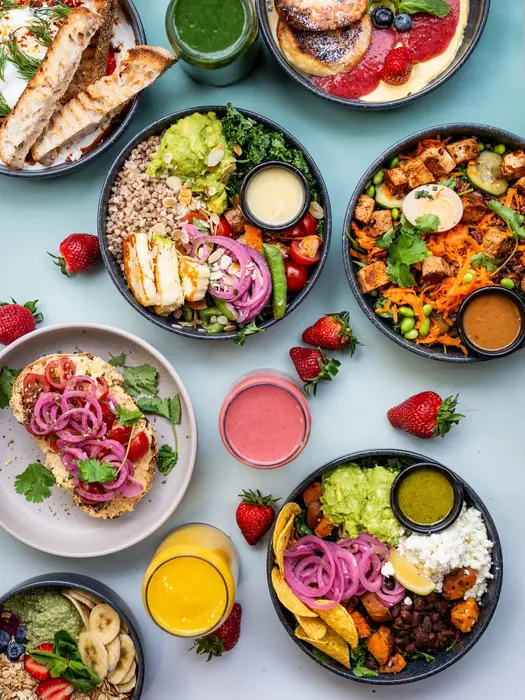
The Urban Garden
A cosy, plant-based brunch cafe near the heart of Vilnius, loved for healthy vegetarian and vegan plates, generous portions and a 'Bali-vibe' room with a kids' play corner.
Read guideTio Bigotes Ispaniškos Empanados
A tiny Old Town takeaway on Rūdninkų street serving some of Vilnius's best empanadas — crispy, artisan-quality dough around a wide range of fillings, with warm owner-led service.
Read guide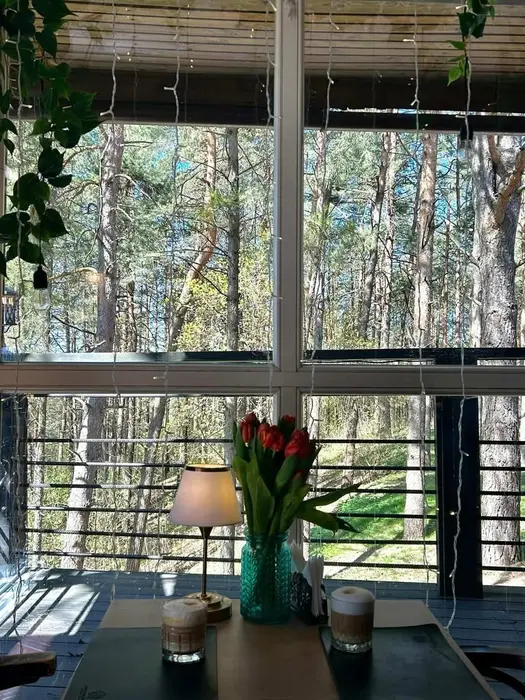
Tores Bravoras
A cosy brewpub-restaurant on the forested edge of Pavilniai Regional Park, serving its own house-brewed beer and hearty European plates, with terraces over the trees and an event-hosting reputation.
Read guide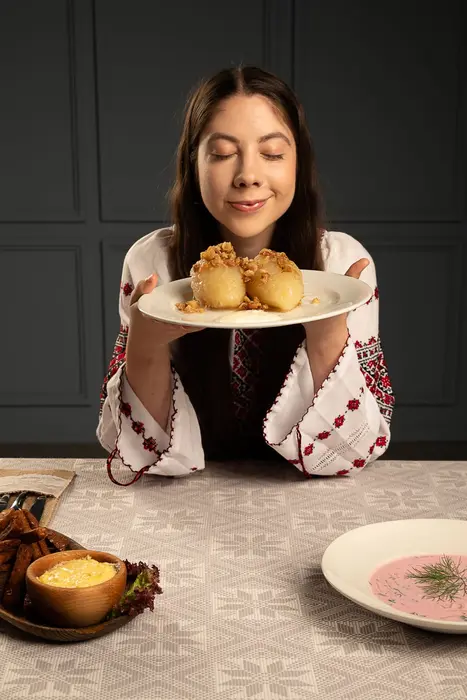
Trobelė
A tiny, much-loved cafeteria-style spot for home-style Lithuanian cooking at remarkably low prices, with exceptionally warm, fast service — cash only, so come prepared.
Read guide
Turkish Kebab
A well-loved kebab shop by the VGTU / Saulėtekio campus in Vilnius, famous for enormous, fresh-tasting portions, halal meat and a warm welcome that often comes from the owner himself.
Read guide
UMI Sushi
A local-favourite sushi spot in Vilnius with an excellent price-to-quality ratio, fresh fish, generous portions and a standout line of hot and baked sushi rolls.
Read guide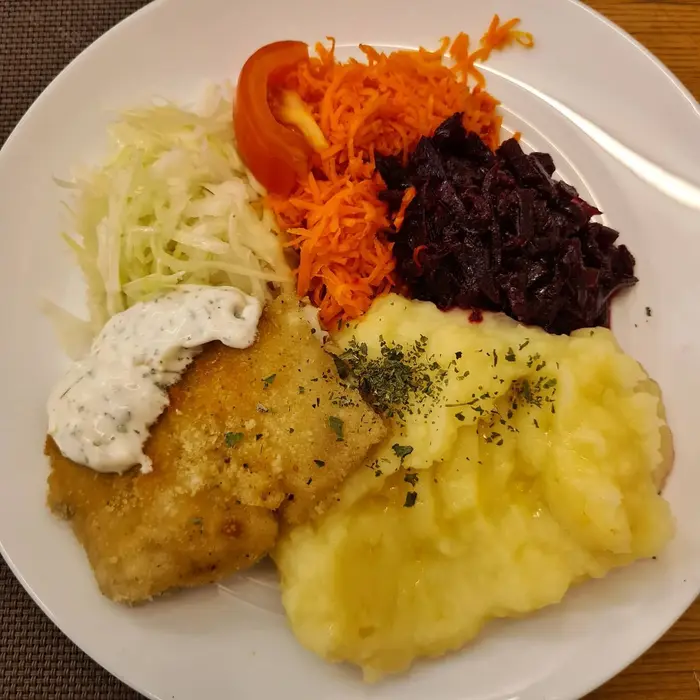
Valgykla Montuotojas
A no-frills, Soviet-era-style canteen on Naugarduko in Vilnius serving huge portions of homemade Lithuanian comfort food at remarkably low prices, with lightning-fast service.
Read guide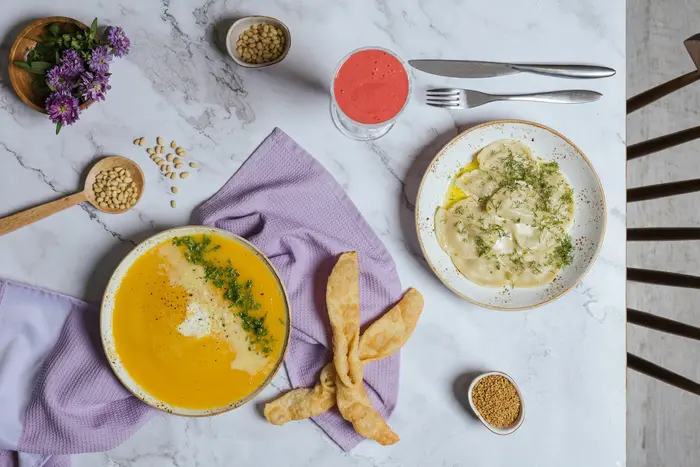
VEGAFE, Jogos mityba
A tranquil vegetarian café attached to a yoga ashram in Vilnius's Old Town, with a shoes-off policy, floor-cushion seating and high-quality Ayurvedic-leaning food.
Read guide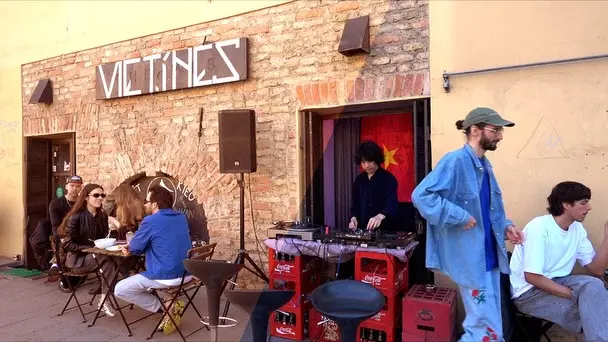
Viet.inės
A tiny, much-loved Vietnamese restaurant near the Old Town in Vilnius, praised for authentic flavours, huge portions, strong vegan options and a cosy, dog-friendly room.
Read guide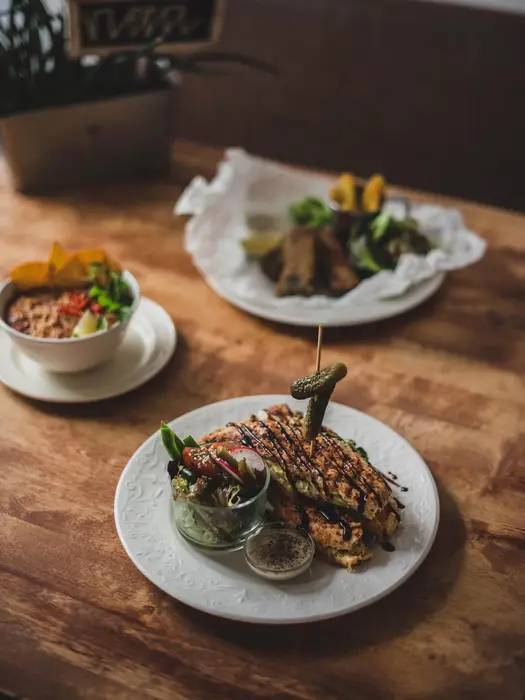
Vieta
A beloved little vegan café in the heart of Vilnius's Old Town that doubles as a gallery for emerging artists — homemade-style food, vinyl on the turntable and exceptionally friendly service.
Read guide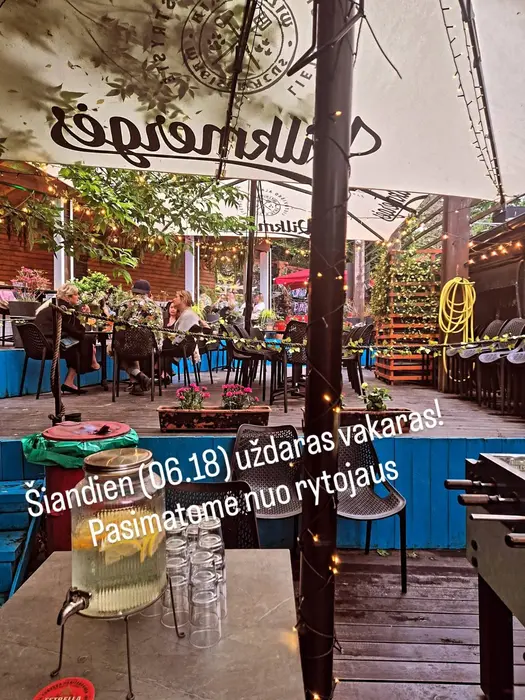
Vijokliai Beer Garden
A leafy, fairy-lit hidden beer garden near the train and bus stations — greenery, rooftop terraces, friendly staff and tasty comfort food, ordered at the bar.
Read guide
Vilnius St. Virgin Maria's Church
An atmospheric Old Town church where original baroque architecture meets stark Soviet-era modifications, now a community and cultural hub that also houses the social-enterprise pancake restaurant Pirmas blynas.
Read guide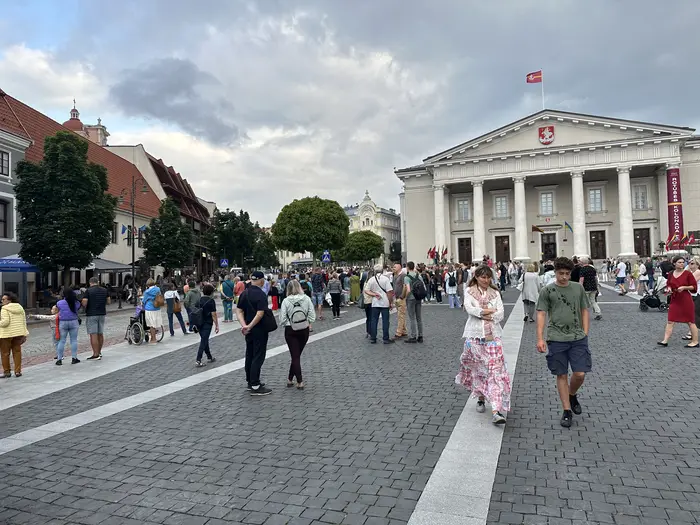
VIRTUVĖ
A cosy, soulful café near Vilnius's main station, loved for warm staff, affordable all-day breakfasts and fresh pastries — a welcoming stop before a train or bus.
Read guide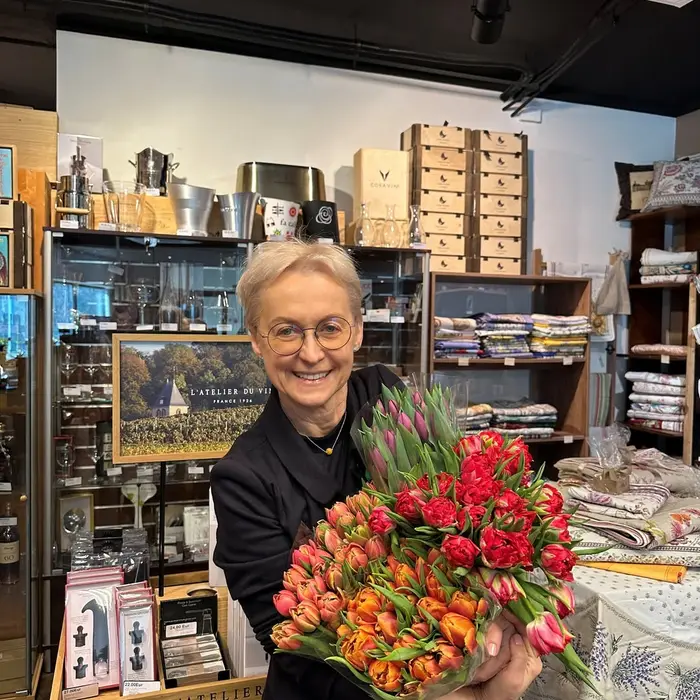
Vyno klubas
A specialist wine shop and tasting club in Vilnius, beloved for knowledgeable staff, a deep European wine selection, wine-and-cheese tastings and a sommelier school.
Read guide
WOLF'S Garage — Bar and Grill Rental
Vilnius's first bar that rents out grills — a bring-your-own-food, DIY barbecue spot in a green city-centre setting, with the staff handling prep, charcoal and cleanup.
Read guide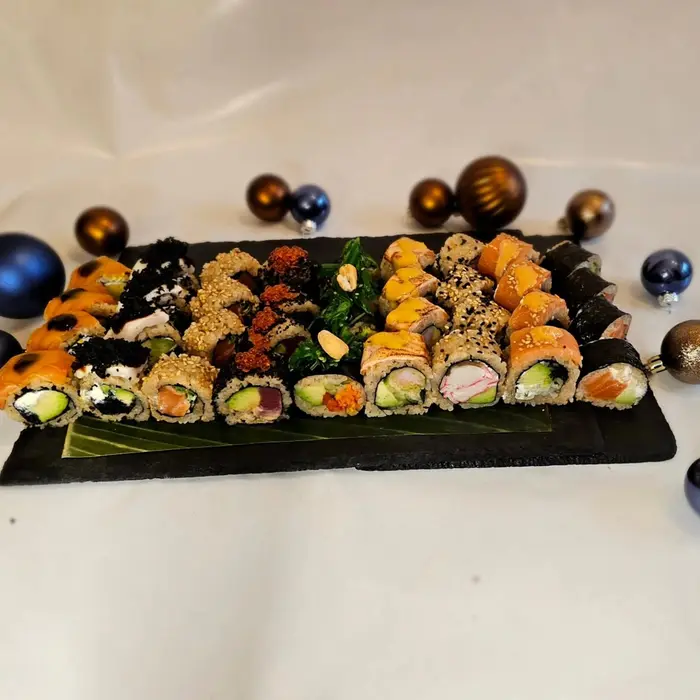
Yama Sushi, Vilnius
A tiny Vilnius sushi gem many locals call the best in the city — exceptionally fresh, creative rolls, ramen and bowls, built for takeaway and delivery as much as dining in.
Read guide
Žapony
Žapony is a tiny, much-loved Asian takeout spot in Antakalnis, famous for generous, freshly made woks, poke bowls and pho — and remarkably friendly service from the owner himself.
Read guide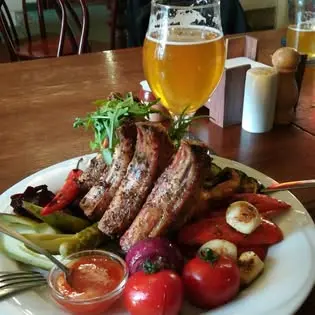
Žemaičių ąsotis
Žemaičių ąsotis is a cosy, tavern-style restaurant near the New Town serving hearty Lithuanian-Samogitian home cooking in famously enormous, wallet-friendly portions.
Read guide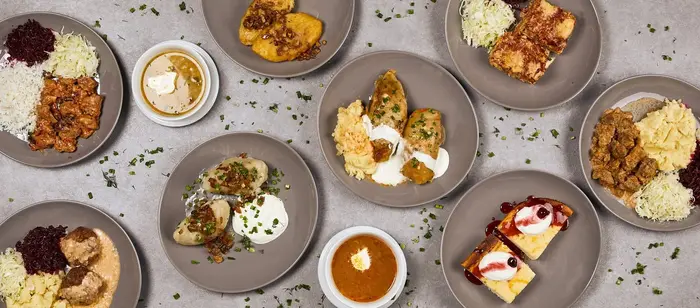
Žilvino Restoranas
Žilvino Restoranas is a no-frills canteen near the New Town serving huge portions of traditional Lithuanian home cooking at very low prices, with memorable service from owner Žilvinas.
Read guide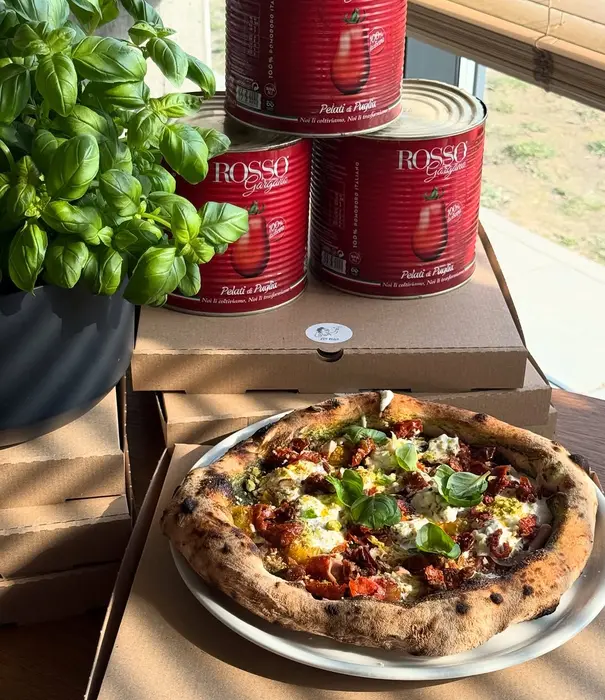
Zio Rigo
Zio Rigo is a cosy Žirmūnai pizzeria serving what many regulars call the best Neapolitan pizza in Vilnius — quality ingredients, a great crust and genuine Italian hospitality.
Read guide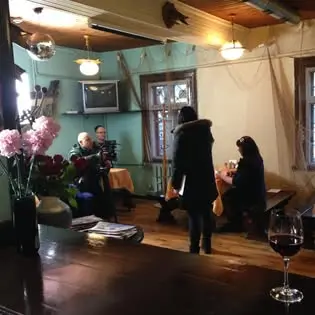
Žvejų smuklė
Žvejų smuklė is a no-frills local favourite north of the centre, serving authentic, inexpensive homemade Lithuanian food — "like at home" — with warm service and outstanding value.
Read guide