
Vilnius Practical Travel Tips
Everything practical for a smooth Vilnius trip: getting in from the airport, buses and trolleybuses, money and tipping, safety, weather, the best time to visit, and day-trip logistics.
- ✓Vilnius is one of the easiest European capitals to navigate — the airport sits 6 km from the Old Town and a €0.70 train reaches the centre in seven minutes.
- ✓The historic core is small and walkable; most visitors barely use public transport, but a contactless tap on any bus or trolleybus costs little when you do.
- ✓Lithuania uses the euro, cards are accepted almost everywhere, and tipping is modest — round up or leave about 10% for good table service.
- ✓It is a genuinely safe city for solo and late-night walking; the usual common sense around the station area and nightlife is all you need.
- ✓Pack for changeable weather year-round: layers, a waterproof, and proper shoes for cobbles and winter ice.
Start here: the short version of Vilnius logistics
Vilnius is refreshingly low-stress to visit. The capital is compact, the centre of gravity is the UNESCO-listed Old Town, and you can cross the historic core on foot in twenty minutes. That single fact shapes almost every practical decision you'll make here — where to stay, how much transport you'll use, and how to plan your days. Most travellers find they walk almost everywhere and only reach for a bus, a taxi app, or a train when they're heading out to the airport or on a day trip.
This hub pulls together the practical side of a Vilnius trip in one place: how to get from the airport into town, how the bus and trolleybus network works, money and tipping norms, safety, the weather you should plan around, and the logistics of the rail and tour day trips that make Vilnius such a good base. Each topic links through to a fuller guide, but the essentials are summarised below so you can plan a confident trip without opening twenty tabs.
If you read nothing else: take the airport train or an airport bus rather than overpaying for a pre-booked transfer; base yourself in or beside the Old Town so you can walk; carry a card (cash is rarely needed); and pack a waterproof layer whatever the season. Do that and the rest of the city falls into place easily.
Think of this page as the index to your planning. Rather than repeating every detail, it gives you the confident overview and points you to the deeper guide whenever you want specifics — the exact airport fares, the full ticket breakdown, the season-by-season weather, the day-trip logistics. Skim the section that matches your question, follow the link, and you'll have a precise answer without wading through everything else. The goal is a smooth, well-prepared trip with the minimum of fuss.
It's also worth setting expectations on cost and scale. Vilnius is a small capital — around half a million people — and noticeably cheaper than the big Western European cities, which means your money stretches further on food, museums, transport and hotels. That affordability, combined with the short distances, is exactly why the city works so well as a relaxed long weekend or a slower week. You don't need to optimise every hour or budget for taxis everywhere; the city is forgiving of a loose, wander-led plan, and some of its best moments come from simply following a side street to see where it goes.
Getting in and getting around
Vilnius Airport (VNO) is barely 6 km from the centre, and the cheapest way in is the dedicated airport train: a seven-minute hop to the central railway station for €0.70, running roughly sixteen times a day. From the station it's a short walk or a one-stop bus into the Old Town. If your timing misses a train, airport buses (routes 3G, 1, 2 and 88) cover the same ground in about twenty minutes for a €1 single ticket bought from the driver, and a taxi or a Bolt ride to the Old Town runs around €10–15 and takes about fifteen minutes.
Once you're in town, walking does most of the work. When you do need the network, Vilnius runs an integrated system of buses and trolleybuses under the JUDU brand. You don't need to buy a physical card for a short visit — you can tap a contactless bank card or phone on the validator as you board, or buy time-based tickets in the Trafi or JUDU mobile apps. Tickets are time-based rather than per-journey, so a single fare covers transfers within its window.
For longer hops, the national rail operator LTG Link runs comfortable, cheap trains from the central station to Trakai, Kaunas and beyond — the backbone of the easiest day trips. We cover the rail day-trip strategy and the guided-tour alternative in detail in the day-trips section.
One reassurance for first-timers: you will not spend your trip wrestling with transport logistics. Because walking covers the historic centre and the airport link is so simple, many visitors use a bus or train only a handful of times across an entire stay. The network exists for when you need it — a rainy day, tired legs, a trip out to the TV Tower or a station — rather than as the default way to move around. Keep that in mind and you'll avoid over-buying passes or over-planning routes for a city you can mostly cross on foot.
- Airport train: ~7 min to Central Station, €0.70, ~16 departures a day.
- Airport bus (3G/1/2/88): ~20 min, €1 single ticket from the driver.
- City buses/trolleybuses: tap a contactless card or use the Trafi/JUDU app.
- Day trips: LTG Link trains from the central station to Trakai, Kaunas and more.
Tickets, apps, contactless payment and the routes visitors actually use.
Day Trips by TrainRail day trips from Vilnius and when the train beats a tour.
Best Day-Trip ToursWhen a guided tour is the smarter way to see the region.
Map pins
Map data © OpenStreetMap contributors · Tiles © OpenFreeMap
Money, cards and tipping
Lithuania is in the eurozone, so there's no currency to change and no conversion maths to do if you're coming from elsewhere in the EU. Vilnius is also close to cashless: contactless cards and phones are accepted in restaurants, cafés, shops, museums, taxis and on public transport, and many smaller places quietly prefer card. You can travel for days without touching cash, though it's worth carrying a few euros for a market stall, a church donation box, or a tip left on the table.
Tipping is low-key and never aggressive. In restaurants with table service, rounding up or leaving around 10% for a good meal is generous and appreciated; there's no expectation of the 18–20% norms you'll find in North America. Cafés, bars and taxis don't expect a tip beyond rounding up. Service charges are not usually added automatically, so check the bill — if one is included, you don't need to add more.
Prices in Vilnius remain gentle by Western European standards: a coffee, a hearty bowl of soup, a museum ticket, or a single transport fare all feel like good value, which is part of why the city is such a rewarding short break.
For budgeting, the headline is that Vilnius is hard to overspend in without trying. Mid-range restaurants, comfortable hotels, museum entries and taxis all come in below what the same would cost in Western Europe, and many of the city's highlights — its churches, courtyards, viewpoints and riverside walks — are free. ATMs are plentiful if you do want cash, card surcharges are essentially unheard of, and there's no tipping culture to inflate your bills. The net effect is a capital-city break that feels noticeably kinder on the wallet than its quality would suggest.
- Currency: euro (€). No exchange needed within the eurozone.
- Cards and contactless are accepted almost everywhere, including transport.
- Tipping: round up or ~10% for good table service; not expected elsewhere.
- Carry a little cash for markets, church donation boxes and small tips.
Is Vilnius safe, and what to watch for
Vilnius is one of the safer capitals in Europe and feels relaxed for solo travellers, couples and late-evening wanderers alike. Violent crime is rare, the Old Town is well-used into the night, and walking back from dinner is generally a non-event. The ordinary advice applies rather than anything city-specific: keep an eye on your belongings in crowded spots, use a reputable ride-hailing app rather than flagging unmarked cars, and treat the streets immediately around the train and bus stations with the same low-grade awareness you'd give any station district after dark.
The most likely hazard isn't crime at all — it's the surface under your feet. Old Town cobbles are uneven, and in winter, packed snow and black ice turn the prettiest lanes slippery. Shoes with grip do more for your safety here than anything else. In the colder months, give yourself extra time and watch your footing on the hills around Gediminas Castle and the Three Crosses viewpoint.
Tap water is safe to drink straight from the tap throughout the city, so there's no need to buy bottled water on a normal trip.
- Low crime; comfortable for solo and late-night walking, with normal care.
- Use a ride-hailing app (Bolt) rather than unmarked cars.
- Winter ice and uneven cobbles are the real risk — wear shoes with grip.
- Tap water is safe to drink everywhere in Vilnius.
Weather, when to come, and what to pack
Vilnius has four distinct seasons and weather that can shift within a day, so layering beats committing to a single look. Summers (June–August) are warm, long and green, with late sunsets, river beaches and the city's outdoor café culture in full swing — the peak season for good reason. Spring and autumn are quieter and atmospheric, with shoulder-season hotel value and changeable skies that reward a packed waterproof. Winter is cold and often snowy, but it's also when the Old Town is at its most magical, especially around the Christmas market on Cathedral Square.
The best time to visit depends entirely on what you want: long daylight and warmth, festival season, autumn colour and value, or the snow-and-lights romance of December. Our season-by-season guide weighs each one up, and the month-by-month pages get specific about festivals, daylight hours and what to book.
Whatever the month, pack for changeability: a waterproof layer, comfortable shoes that handle cobbles, something warmer than you think you'll need for the evenings, and — in winter — proper grip and a hat. Churches expect modest dress (covered shoulders and knees), which is worth bearing in mind in high summer.
- Summer: warm, long days, busiest and most expensive.
- Spring/autumn: quieter, changeable, good value — pack a waterproof.
- Winter: cold, often snowy, magical for the Christmas market.
- Always: layers, grippy shoes, and modest cover for churches.
Eating, drinking and opening hours
You'll eat well and affordably in Vilnius, and a little local knowledge helps you do it smoothly. Lithuanian cooking is hearty and seasonal — cepelinai (potato dumplings), cold pink beetroot soup in summer, dark rye bread, smoked fish and forest mushrooms — alongside a fast-growing scene of modern bistros, third-wave coffee and international kitchens. Lunch is often the best-value meal, with many restaurants offering a weekday set menu (dienos pietūs) at a fraction of dinner prices. Booking ahead is wise for popular dinner spots at weekends, but most casual places are walk-in.
Opening hours are generally relaxed and visitor-friendly. Cafés open early; restaurants typically serve lunch and dinner with the kitchen running into the evening; bars and the Užupis wine spots go later, especially in summer when terraces stay busy with the long daylight. Shops and supermarkets keep long hours, including weekends, and convenience stores cover the gaps. A handful of museums close on Mondays, so check ahead if a specific collection is on your list, and note that some smaller sights keep shorter winter hours.
Tap water is safe and free, churches are free to enter (donations welcome), and many of the city's best experiences — courtyards, viewpoints, riverside walks — cost nothing at all. Budget travellers do very well here, and even a comfortable trip rarely feels expensive by Western European standards.
- Try cepelinai, cold beetroot soup, rye bread and the modern bistro scene.
- Weekday lunch set menus (dienos pietūs) are the best value going.
- Cafés open early; bars and Užupis spots run late, especially in summer.
- Some museums close Mondays and keep shorter winter hours — check ahead.
Language, connectivity and the small stuff
Lithuanian is the national language, and it's a famously old and intricate one — but you don't need a word of it to have a smooth trip. English is widely spoken in Vilnius, especially by younger people and anyone working in hospitality, transport or tourism, and signage in the centre and at transport hubs is bilingual. A polite 'labas' (hello) and 'ačiū' (thank you) are always appreciated, but you'll never be stuck. Many older residents also speak Russian or Polish, a reflection of the city's layered history.
Staying connected is easy. Lithuania has fast, cheap and near-universal mobile data; if you're on an EU plan, roaming rules mean your home allowance usually just works. Travellers from outside the EU can pick up a local SIM or an eSIM cheaply for plenty of data. Free Wi-Fi is common in cafés, hotels and many public spaces, so navigation apps, transport apps and translation tools are always at hand. Download an offline map and the Trafi app before you set out and you're set.
A few small practicalities round things out: plugs are the European two-round-pin type (Type C/F) at 230V, so most European devices need no adapter; public toilets in cafés and museums are usually free for customers, while some standalone facilities charge a small coin; and pharmacies (vaistinė) are easy to find for minor needs. None of it is complicated — Vilnius is a forgiving, low-friction city to travel in.
- English is widely spoken; signage in the centre is bilingual.
- Fast, cheap mobile data; EU roaming usually just works, or grab an eSIM.
- European Type C/F plugs at 230V — most European chargers need no adapter.
- Free Wi-Fi is common; download offline maps and the Trafi app in advance.
How long to stay, and accessibility
Most visitors get the timing slightly wrong, and almost always by giving themselves too few days rather than too many. The Old Town is compact, but it rewards a slow pace: two unhurried days cover the historic core, the hilltop viewpoints, Užupis and a couple of museums; a third day adds breathing room and a relaxed neighbourhood wander; and a fourth opens up a proper day trip without feeling rushed. If your time is tight, our shorter itineraries pace the essentials so you see the best of the city without sprinting between sights.
On accessibility, be realistic about the terrain. The Old Town's beauty comes partly from its uneven cobblestones, and the city's signature viewpoints — Gediminas Castle, the Three Crosses — involve hills and steps (though the castle has a funicular). Modern buses are low-floor and many museums are step-free, but historic buildings vary. Travellers with mobility needs can absolutely enjoy Vilnius with a little planning: choose a central, step-light base, lean on taxis and low-floor buses for longer hops, and check individual venues ahead. In winter, ice adds a further layer to plan around.
Whatever your pace and needs, the linked guides below break down each piece — transport, seasons, day trips — so you can build the trip around the time you actually have and the way you like to travel.
- Two days for the essentials; three to four to relax and add a day trip.
- Cobbles and hills are the main accessibility consideration.
- Low-floor buses, a funicular at the castle, and taxis ease the terrain.
- Pick a central, step-light base and check venues ahead if needed.
Planning your days and day trips
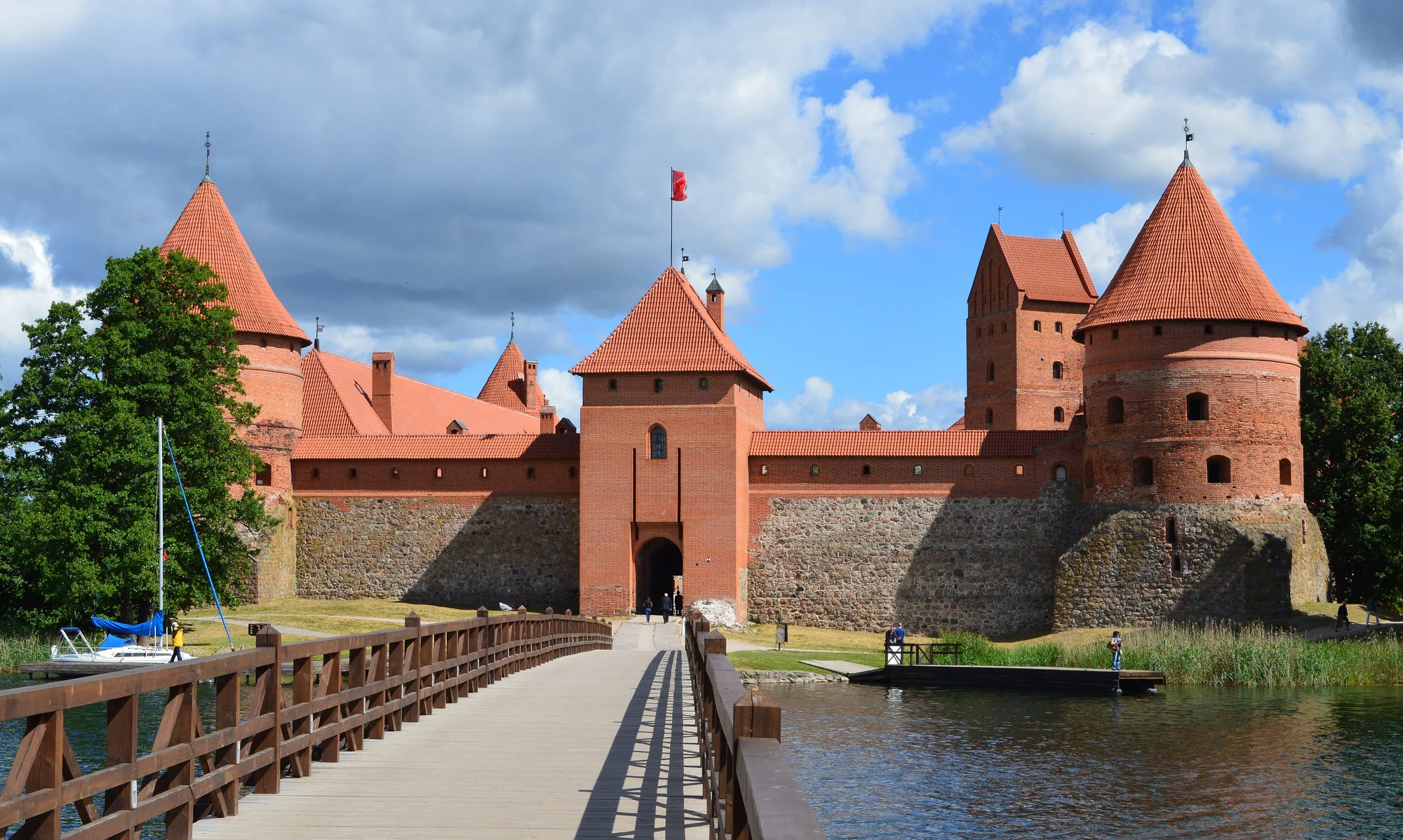
The day trips are a big part of Vilnius's appeal, and they're one of the things that turns a good city break into a great one. Trakai's lakeside castle is the headline, reachable by a short, cheap train; Kaunas, Kernavė, Paneriai and the nature parks all sit within easy reach by rail, bus or tour. The decision is usually train versus tour: trains are cheaper and more flexible for the well-connected spots, while a guided tour earns its keep for sights that are awkward to reach by public transport or where context matters most.
A sensible plan for a four-day-or-more trip mixes the two: a couple of self-guided days in the city, an easy independent rail trip to Trakai, and perhaps one guided tour for a far-flung or context-heavy site. That gives you the freedom of doing things your own way where it's easy, and the convenience of someone else handling the logistics where it isn't. Our day-trip guides lay out exactly which destinations fall into which camp.
Use this hub as your jumping-off point. The linked guides go deeper on each topic, the season pages help you choose your dates, and the itinerary pages slot it all into the time you actually have. With the practical side handled here, the rest of your planning is just the fun part: deciding what to see, eat and do.
Everything in Tips
All guides
17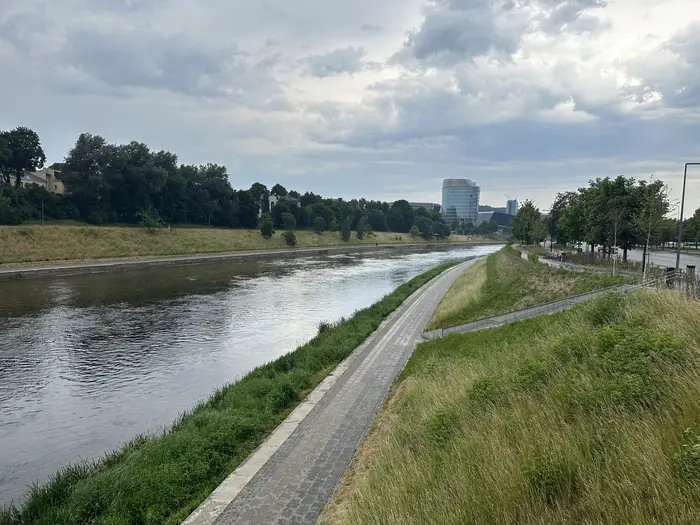
Accessible Vilnius Guide
A practical accessibility guide to Vilnius: cobblestones and hills, low-floor buses and trolleybuses, accessible taxis, museums, hotel questions to ask, winter surfaces and realistic step-free routing.
Read guide
Best Time to Visit Vilnius
When to visit Vilnius, season by season: weather and daylight, festivals and Christmas markets, food, day trips, crowds and hotel value — so you can pick the trip that suits you.
Read guide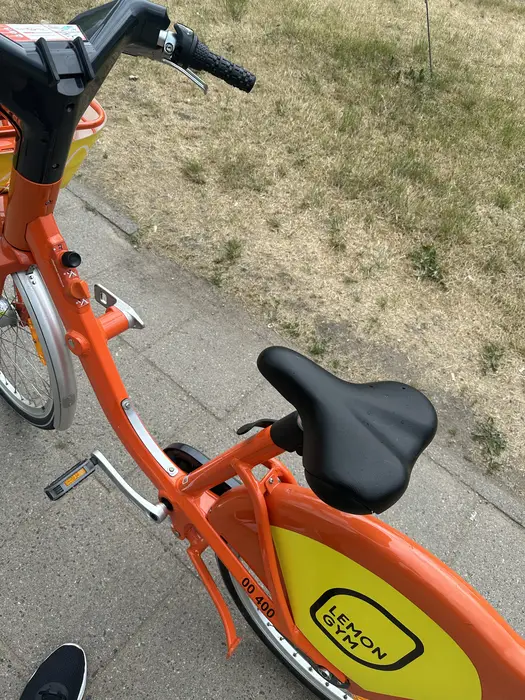
Bike Rental & Cycling in Vilnius
How to rent a bike and where to ride in Vilnius: the city bike-share, rental shops, the riverside and park routes worth pedalling, where the bike lanes go, e-scooter cautions and when riding beats walking.
Read guide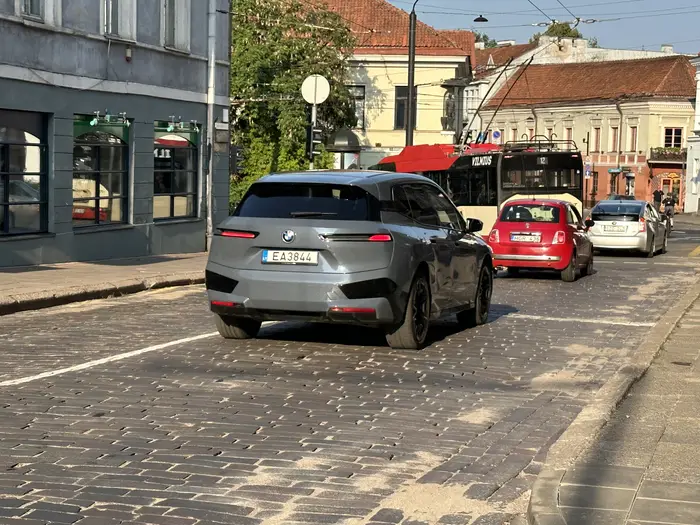
Driving & Parking in Vilnius
When a car actually helps in Vilnius and when it gets in the way: Old Town parking zones and prices, where to leave the car, day-trip driving, rental strategy and winter cautions.
Read guide
Getting Around Vilnius
How to get around Vilnius: walking the compact Old Town, JUDU buses and trolleybuses, taxis and Bolt, bikes and e-scooters, parking, and when not to bother renting a car.
Read guide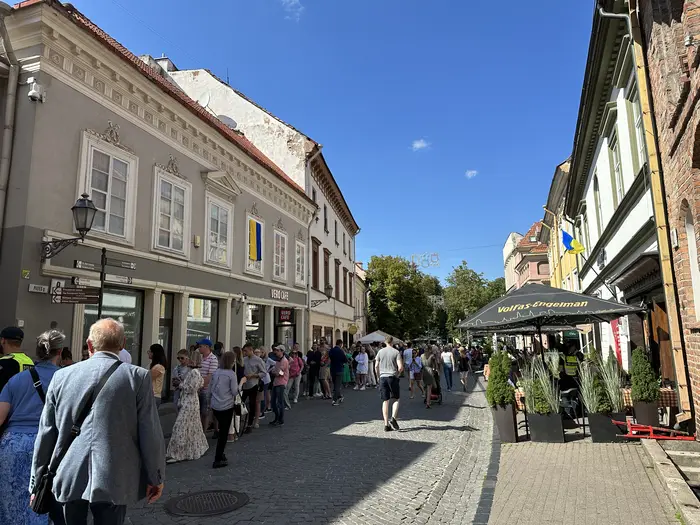
Is Vilnius Safe?
Honest, practical safety advice for Vilnius: the Old Town, the station area, nightlife, taxis, solo and female travel, winter pavements and the handful of scams to sidestep.
Read guide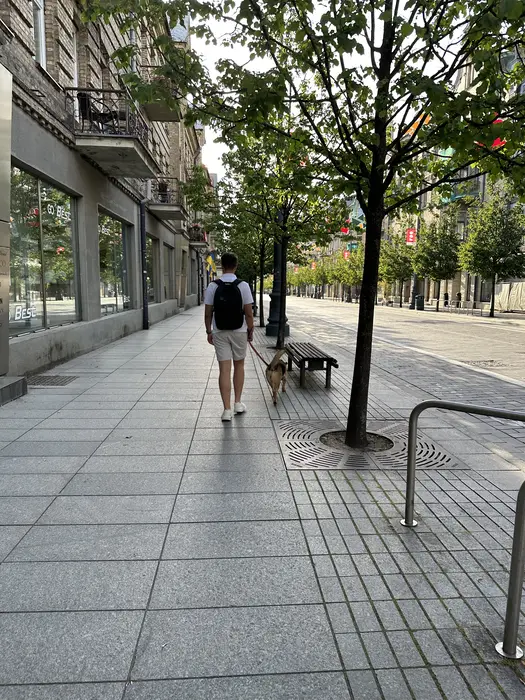
Luggage Storage in Vilnius
Where to store your bags in Vilnius: lockers at the central train station, app-based bag-storage shops near the Old Town, hotel left-luggage, and what to do on an airport or day-trip stopover.
Read guide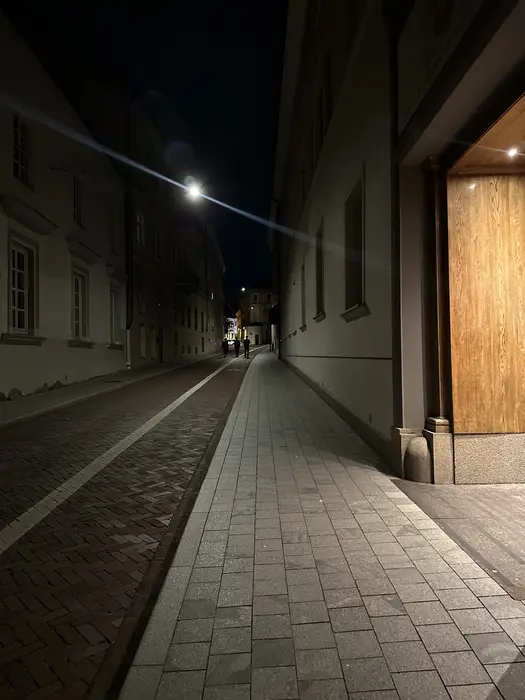
Money & Tipping in Vilnius
Money in Vilnius made simple: the euro, cards almost everywhere, tipping norms, ATMs, splitting restaurant bills, markets, public-toilet coins and what things realistically cost.
Read guide
SIM Cards & Wi-Fi in Vilnius
Staying connected in Vilnius and Lithuania: free EU roaming, eSIMs, local prepaid SIMs from Telia, Tele2/Pildyk and Bitė, where to buy at the airport, public Wi-Fi, and the maps and transport apps to download.
Read guide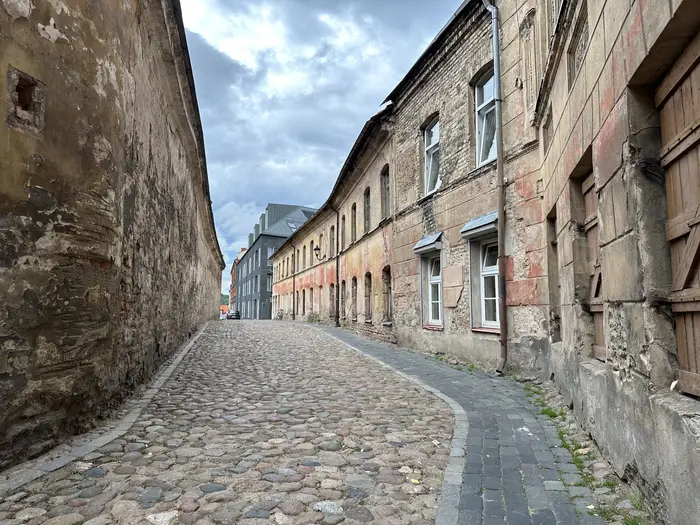
Solo Travel in Vilnius
How to enjoy Vilnius confidently on your own: where to stay, where to eat solo, walkable routes, joining tours, using public transport, and why this compact, safe capital suits independent travellers.
Read guide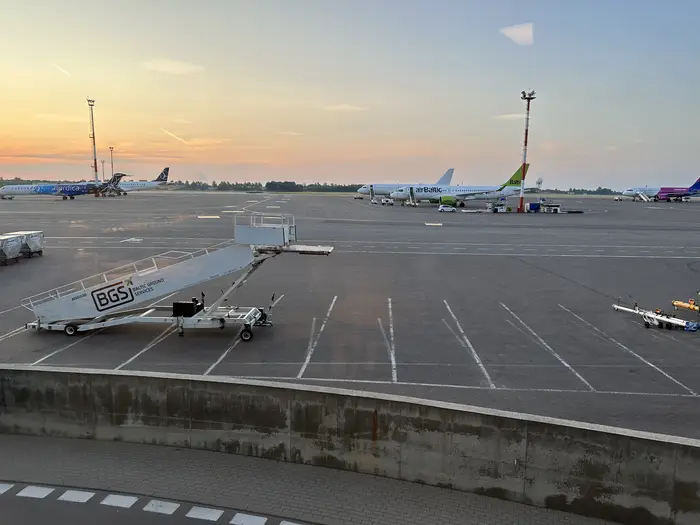
Vilnius Airport to City Center
How to get from Vilnius Airport (VNO) into the city and Old Town: the €0.70 airport train, airport buses, taxis and Bolt, with prices, times and which option suits you.
Read guide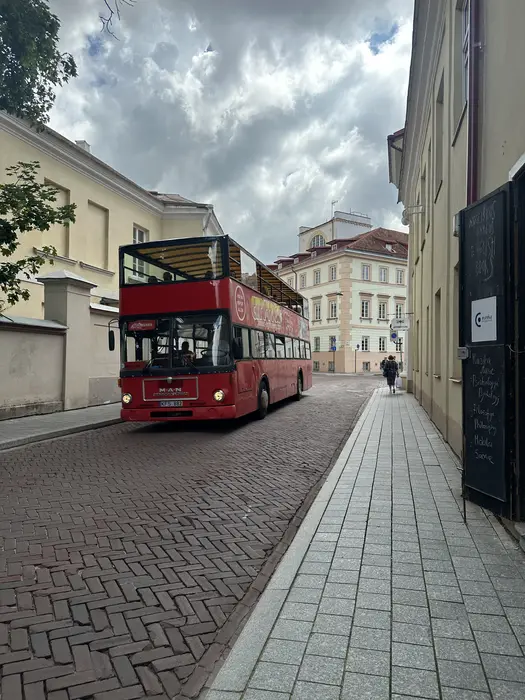
Vilnius Bus Station Guide
Vilnius bus station basics: where it is, airport buses, departures to Trakai, Kaunas and Riga, ticketing, luggage, safety and the station-area food and walk into the Old Town.
Read guide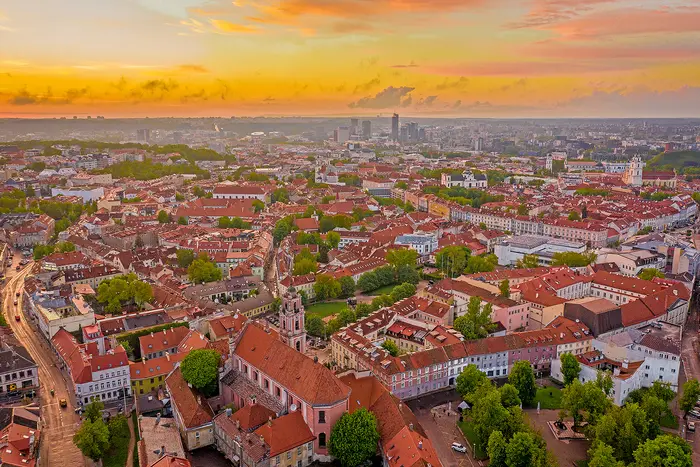
Vilnius for First-Timers
A first-time visitor's guide to Vilnius: how long to stay, where to base yourself, what to book, the mistakes to avoid, and how this compact Baroque capital differs from Europe's bigger cities.
Read guide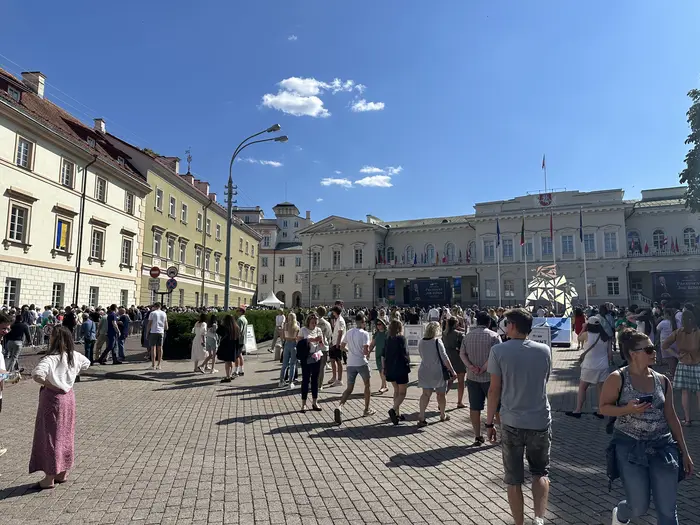
Vilnius Pass Guide
When the Vilnius Pass is worth it, what it includes, the transport caveat, 24/48/72-hour options and sample days — an honest look at whether the city card pays off for your trip.
Read guide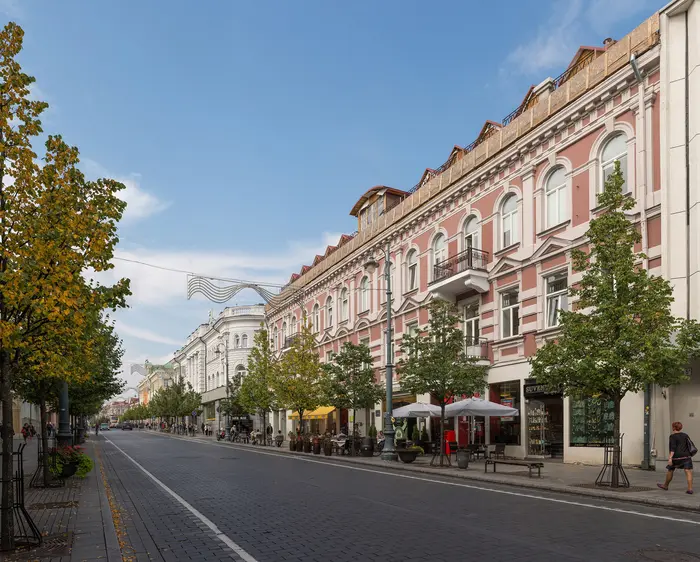
Vilnius Public Transport Guide
How Vilnius public transport works: JUDU buses and trolleybuses, time-based tickets, contactless bank-card payment, the Trafi and JUDU apps, airport routes and the mistakes visitors make.
Read guide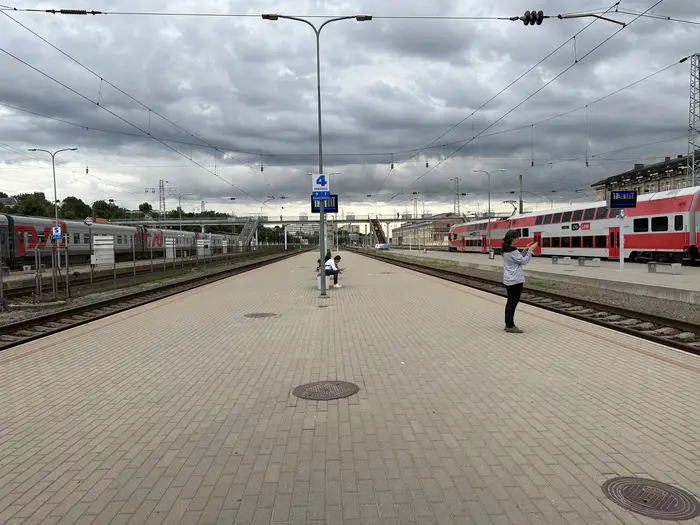
Vilnius Train Station Guide
Vilnius railway station explained: orientation, the airport train, Trakai/Kaunas/Riga departures, luggage storage, food, nearby hotels and how the station district feels.
Read guide
Vilnius Weather & Packing
What the weather is really like in Vilnius season by season, and exactly what to pack — from winter ice and layers to warm long-daylight summers, rain gear, church-friendly clothes and day-trip kit.
Read guide