
Kaziukas Fair Guide
Vilnius's huge spring craft fair: when Kaziukas runs, what to buy, the famous palm bouquets, the food, the crowds, the weather and how to plan around the Old Town's oldest tradition.
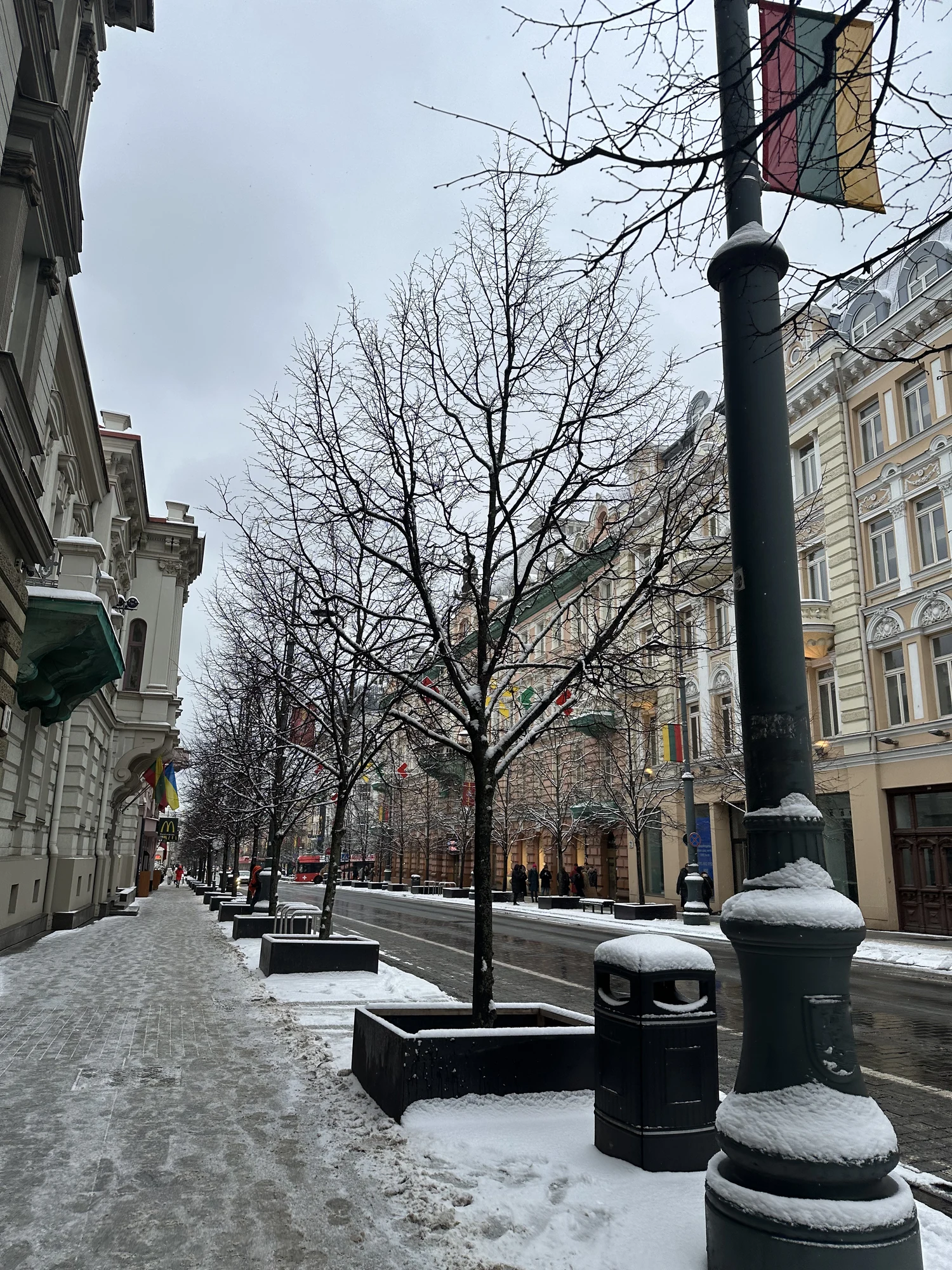
- ✓Kaziukas (Kaziuko mugė) is Vilnius's centuries-old craft fair, held over the weekend around St Casimir's Day in early March — 6–8 March in 2026.
- ✓Hundreds of stalls fill the Old Town and Gediminas Avenue: blacksmiths, weavers, woodcarvers, potters, honey and bread sellers.
- ✓Its signature souvenir is the verba — a colourful Lithuanian dried-flower palm bouquet found nowhere else.
- ✓It's free to wander, deeply traditional, and the brightest sign that spring is coming to Vilnius.
- ✓It's busy and the weather is unpredictable — dress for changeable early spring and book your hotel ahead.
What Kaziukas Fair is — and why it matters
Kaziukas Fair — Kaziuko mugė in Lithuanian — is the oldest and most beloved event in the Vilnius calendar, a vast traditional craft and produce fair that takes over the Old Town for a spring weekend each year. Its roots reach back to the early 17th century: it grew out of processions and markets honouring Saint Casimir (Kazimieras, 1458–1484), Lithuania's patron saint, and over the centuries the religious observance evolved into a sprawling celebration of folk craft and rural artistry. Held over the weekend nearest St Casimir's Day on 4 March — 6–8 March in 2026 — it is, for Lithuanians, the unmistakable signal that winter is ending (kaziukomuge.lt; govilnius.lt).
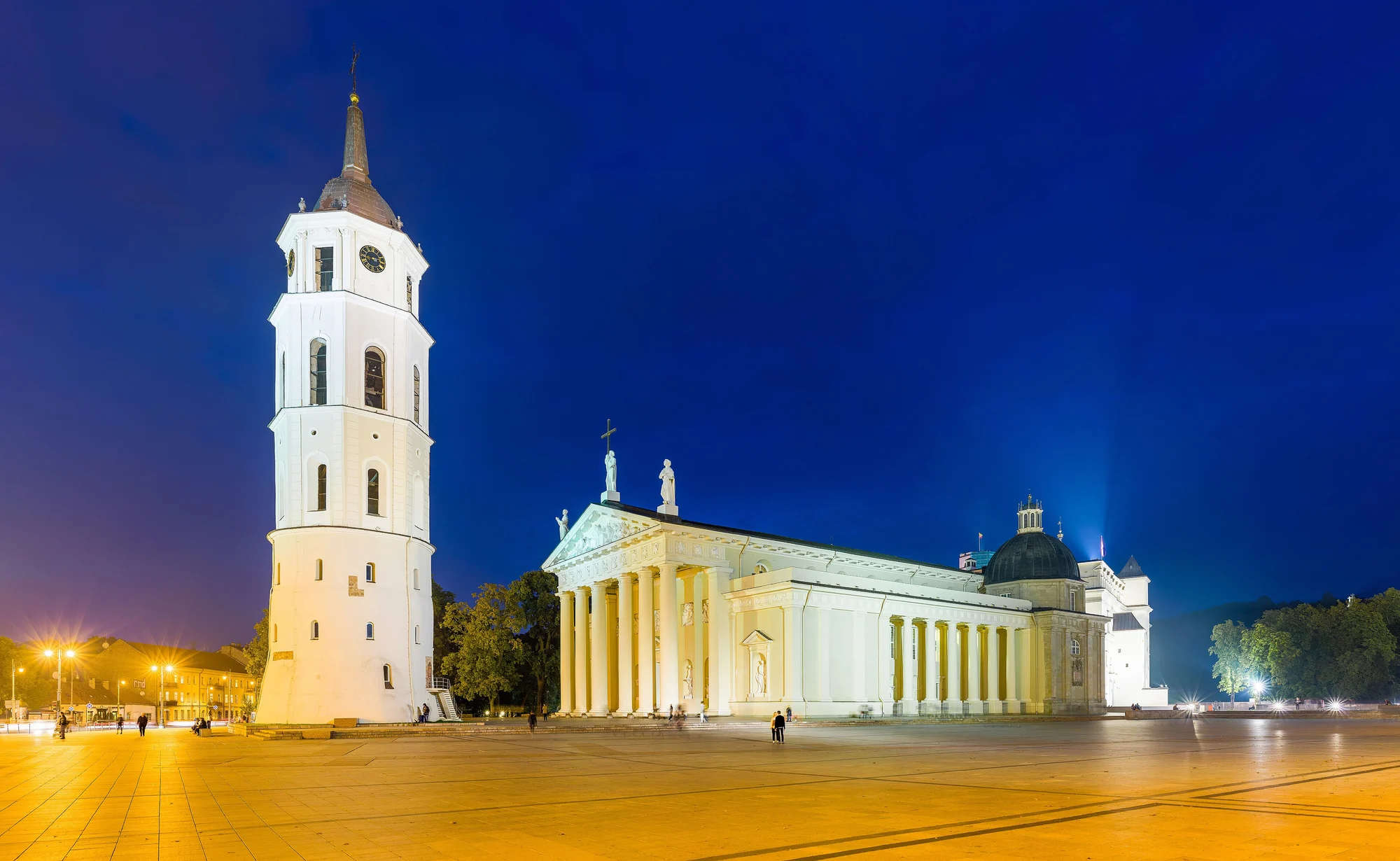
What makes Kaziukas special is its scale and its authenticity. Hundreds upon hundreds of craftspeople and producers line Gediminas Avenue, the Old Town squares and the lanes around the Cathedral: blacksmiths hammering ironwork, weavers and potters at their wares, woodcarvers, leatherworkers, beekeepers with jars of honey, bakers with dark rye and gingerbread, and sellers of linen, amber and ceramics. It is a working showcase of Lithuanian and regional folk craft rather than a generic Christmas-style market, and that depth of tradition is exactly why locals turn out in their tens of thousands.
The fair's single most iconic emblem is the verba — a colourful, intricately bound bouquet of dried flowers, grasses and plants, a Lithuanian Palm Sunday tradition that exists in this form nowhere else in the world. The verbos, in their vivid spirals of colour, are the souvenir no visitor leaves without, and they have become the visual shorthand for the whole fair. Between the crafts, the food and the palms, Kaziukas is the most concentrated dose of Lithuanian folk culture you can find in a single weekend.
It's worth appreciating just how central Kaziukas is to local life. For many Lithuanians this isn't a tourist attraction but an annual ritual — a date in the calendar they've kept since childhood, when families come into the city, meet friends, buy their verba and a few crafts, and mark the turn of the seasons together. The fair has spread well beyond Vilnius over the centuries, with versions held in Lithuanian communities across the country and even abroad, but the original in the capital remains the biggest and most atmospheric. Arriving as a visitor, you're not watching a staged spectacle; you're joining a living tradition that has run, in one form or another, for some four hundred years.
- Held over the weekend around St Casimir's Day (4 March) — 6–8 March in 2026.
- Origins in the early 17th century, honouring Lithuania's patron St Casimir.
- Hundreds of stalls across the Old Town and Gediminas Avenue.
- The verba palm bouquet is its unique signature souvenir.
What to buy and eat at the fair
Kaziukas is, at heart, a shopping fair — and a very good one for taking home something genuinely Lithuanian. The crafts are the draw: hand-forged ironwork and knives, woven linen and woollens, ceramics and pottery, carved wood, leather goods, amber jewellery and, of course, the verbos. Prices are reasonable, much of it is made by the seller in front of you, and it's one of the best single opportunities in the year to buy real folk craft rather than mass-produced souvenirs. If you're after edible gifts, the fair overflows with jarred honey, herbal teas, dark rye bread, smoked goods and the spiced gingerbread (meduoliai) that's a Lithuanian staple.
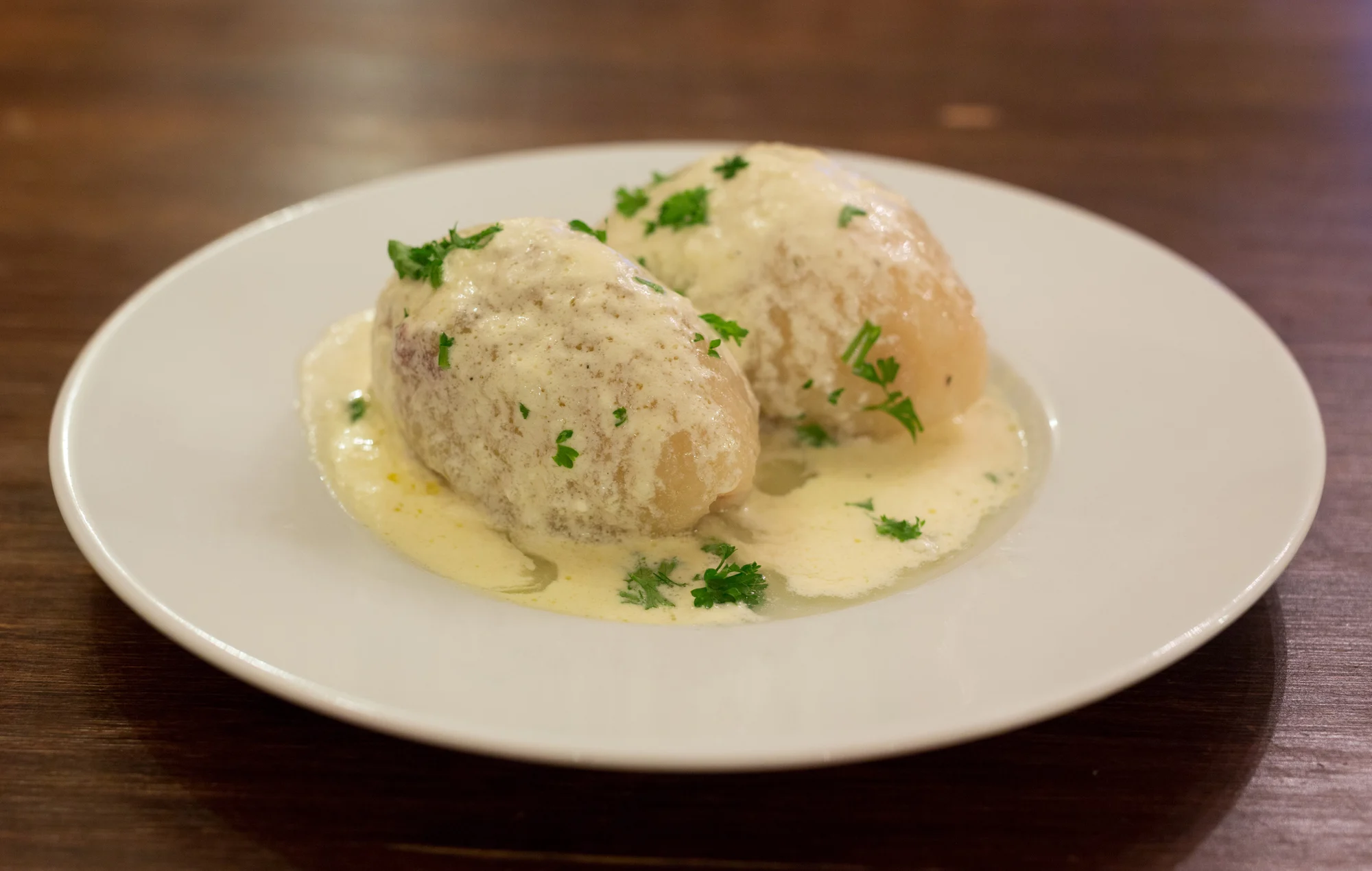
The food is half the experience. Stalls grill and fry their way through the weekend — sausages, smoked meats, kibinai (the Karaim meat pastries from nearby Trakai), pancakes, dumplings, and the spit-roasted šakotis 'tree cake' with its spiky golden branches — and warm drinks keep the cold at bay. Grazing your way along the rows, snacking as you shop, is exactly how locals do the fair; come hungry and plan to eat on your feet.
If you want to go deeper on the buying side, Kaziukas is the natural anchor for a wider look at Vilnius shopping and Lithuanian souvenirs — linen, amber, ceramics and food gifts are available year-round, but never in one place like this. And the food on offer is a live introduction to the national dishes covered in the city's traditional-food guide, so the fair doubles as a tasting tour of Lithuanian cooking.
- Buy: ironwork, linen, ceramics, amber, carved wood and the famous verbos.
- Edible gifts: honey, herbal tea, dark rye, gingerbread and smoked goods.
- Eat on the move: grilled sausages, kibinai, pancakes and šakotis tree cake.
- Bring cash; many craft stalls prefer it, though cards are increasingly common.
Linen, amber, ceramics and food gifts — Kaziukas is the peak place to find them.
Traditional Lithuanian FoodThe dishes you'll be eating along the stalls, explained.
Map pins
Map data © OpenStreetMap contributors · Tiles © OpenFreeMap
Planning your visit — crowds, weather and where to stay
Kaziukas is one of the biggest crowds Vilnius draws all year, and the Old Town gets genuinely packed across the weekend, especially on the Saturday. That's part of the atmosphere, but it pays to plan around it: go early in the day for an easier wander and the best pick of the stalls, expect slow going through the busiest squares, and keep an eye on your belongings in the press of people. The fair stretches along Gediminas Avenue and through the Old Town squares, so you can keep moving to find quieter stretches if the centre feels overwhelming.
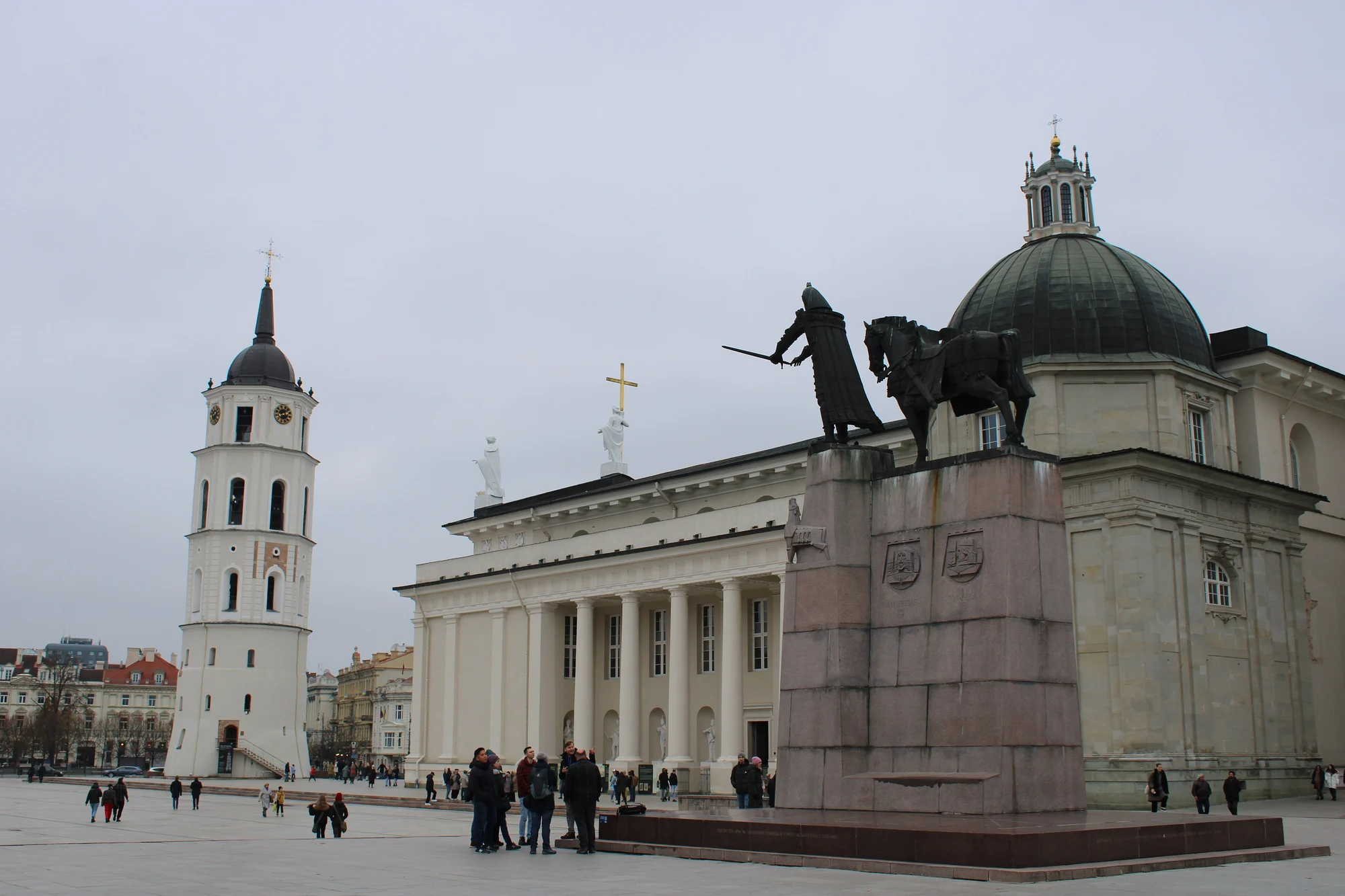
The weather is the other variable. Early March in Vilnius is true shoulder season and can serve up anything from bright, cold sunshine to grey drizzle, sleet or lingering snow — highs are typically just a few degrees above freezing. Dress in warm, waterproof layers and comfortable, grippy footwear for cold, possibly slushy cobbles, and the changeable conditions won't spoil the day. The fair runs whatever the weather, and locals turn out regardless.
Because Kaziukas is a marquee weekend, accommodation tightens and prices firm up around the dates — book your hotel ahead, ideally a central base so the fair is on your doorstep and you can drop off purchases and warm up between rounds. Pair the visit with the March month guide for the wider shoulder-season picture, and you'll catch one of Vilnius's most authentic, atmospheric events at its best.
- Expect big crowds, busiest on Saturday — go early for the easiest wander.
- Early-March weather is unpredictable; dress in warm, waterproof layers.
- Book a central hotel ahead — the fair weekend pushes up demand.
- The fair runs rain, shine or snow, so plan to be outdoors regardless.
Kaziukas Fair questions, answered
When exactly is it? Kaziukas falls on the weekend nearest St Casimir's Day (4 March), so the dates move slightly each year but always land in early March — 6–8 March in 2026. The Friday-to-Sunday weekend is the heart of it, with Saturday the busiest day. Confirm the year's dates on the official fair site before you book, but an early-March weekend is the reliable window.
Is it free, and where does it happen? Yes, it's free to wander — there's no entry charge, you just pay for what you buy and eat. The stalls spread across the Old Town and along Gediminas Avenue, filling the central squares and the lanes around the Cathedral, so the whole historic centre effectively becomes the fairground. There's no single gate; you simply walk in and follow the stalls.
What's the one thing to buy? If you take home a single souvenir, make it a verba — the colourful bound bouquet of dried flowers and grasses that is unique to Lithuania and is the fair's emblem. Beyond that, Kaziukas is the best place all year for hand-forged ironwork, linen, ceramics, amber, carved wood and edible gifts like honey and gingerbread. Bring some cash, as a few craft sellers still prefer it, though cards are increasingly accepted.
Is it good for families, and how do I handle the crowds? It's very family-friendly — crafts to watch being made, plenty of food, and a festive, welcoming mood — but it gets extremely busy, so go early in the day with children for an easier wander, keep close together in the crowded squares, and dress everyone for cold, possibly wet March weather. The fair runs whatever the conditions, so waterproofs and warm, grippy footwear are the key to a good day.
- Dates: the early-March weekend around St Casimir's Day — 6–8 March in 2026.
- Free to wander; spread across the Old Town and Gediminas Avenue.
- Top buy: a verba palm bouquet; also ironwork, linen, amber and edible gifts.
- Family-friendly but very busy — go early, dress for cold, wet weather, bring some cash.
Related guides
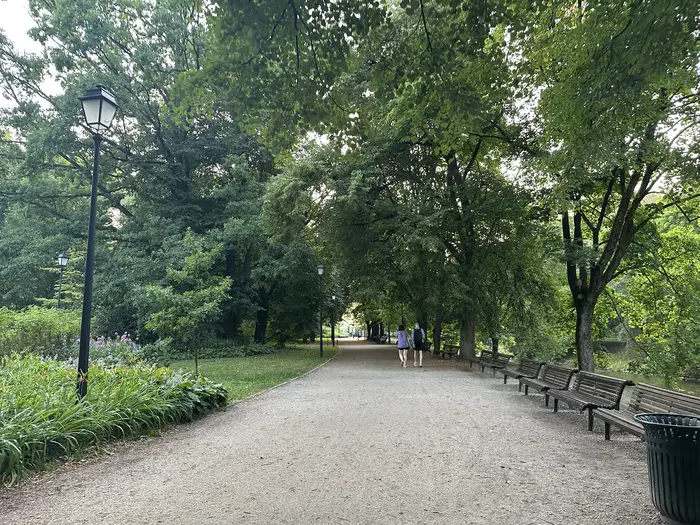
Vilnius in March
Visiting Vilnius in March: the changeable shoulder between winter and spring, the huge Kaziukas folk-craft fair, lengthening days, crafts and museums, and how to play the value-friendly low-season tactics.
Read guide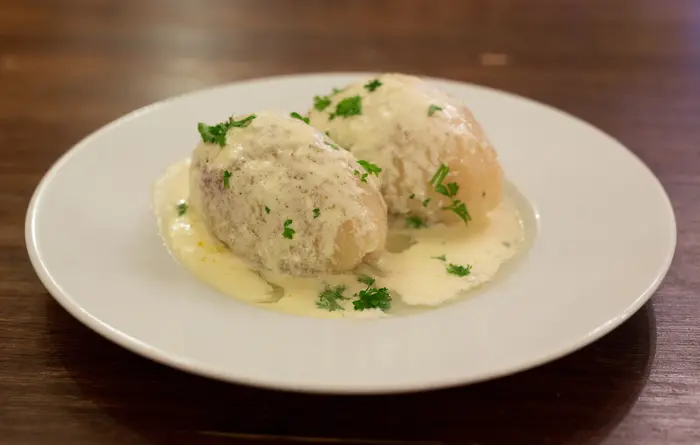
Traditional Lithuanian Food in Vilnius
What to eat in Vilnius, from cepelinai and šaltibarščiai to kibinai, dark rye bread, smoked fish, honey cake and beer snacks — and the best places to try each.
Read guide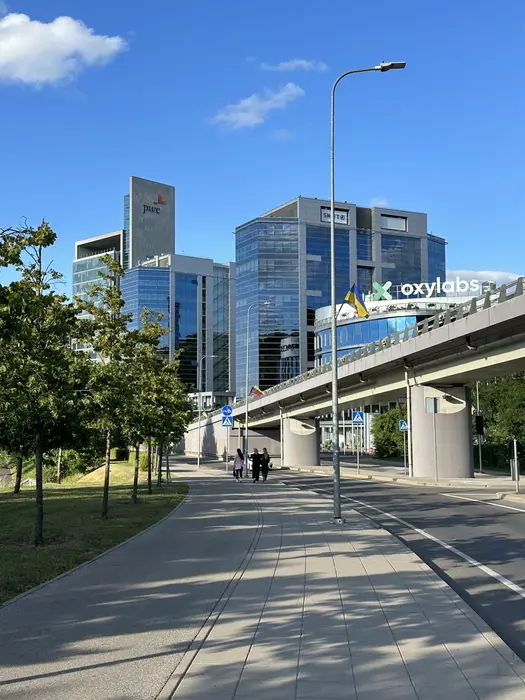
Shopping & What to Buy in Vilnius
Where to shop in Vilnius and what to bring home: Baltic amber, Lithuanian linen, ceramics, books, chocolate and craft goods — plus the Old Town streets, Gediminas Avenue, markets, malls and the Kaziukas Fair.
Read guide