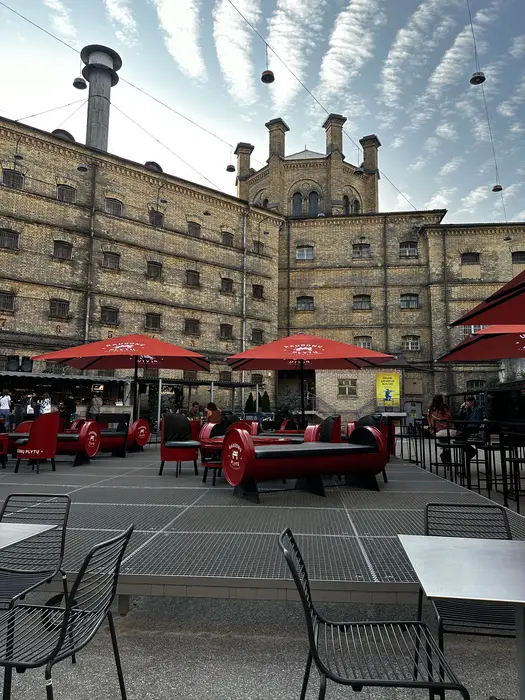
Live in Vilnius
High-level, practical guidance for people moving to or living in Vilnius: visas and residence, banking, healthcare, phones and eSIM, coworking, schools, cost of living and finding your community.
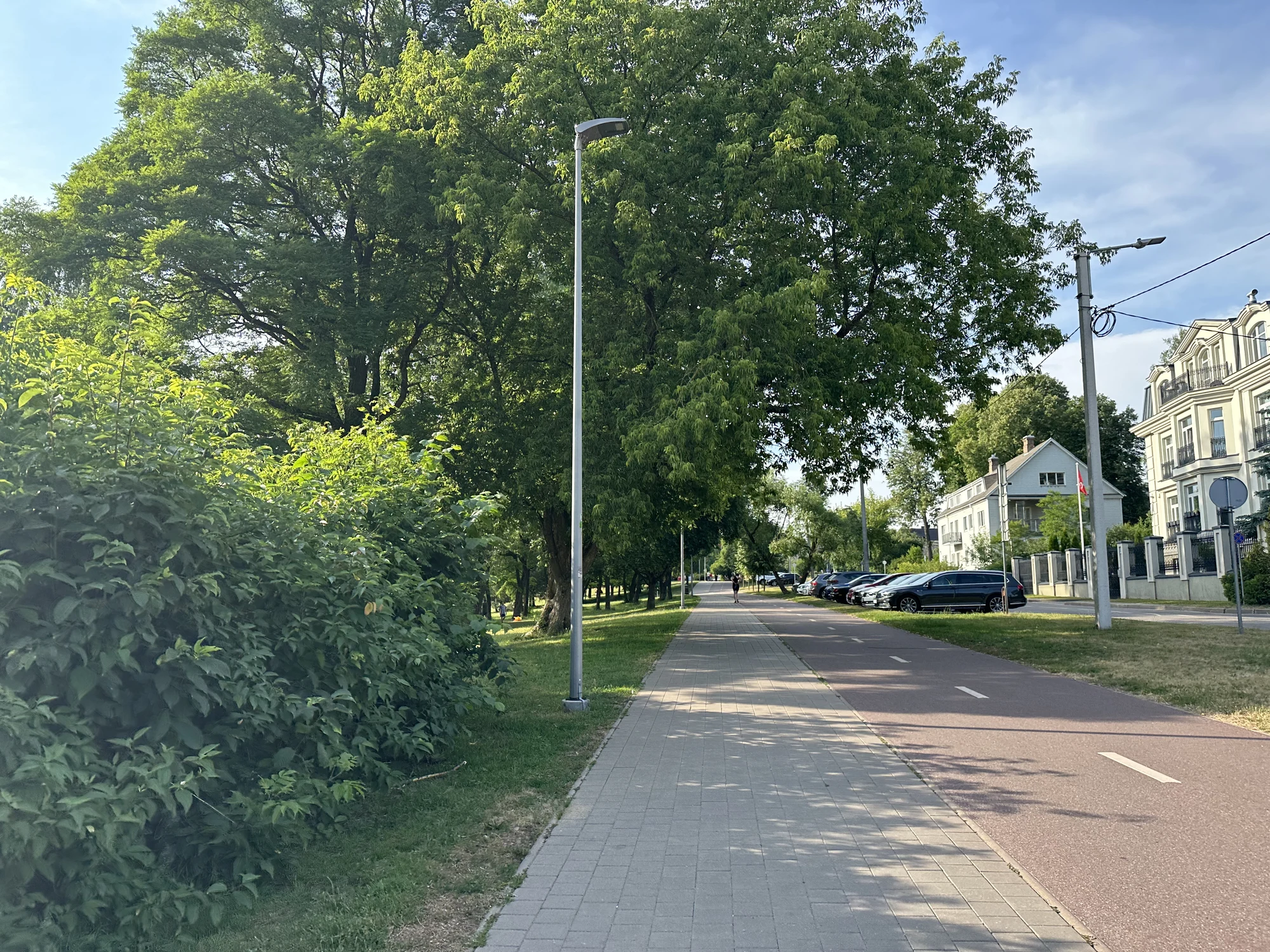
- ✓An orientation page for expats and longer-stay residents — the practical scaffolding of settling into Vilnius.
- ✓Covers visas and residence, banking, healthcare, SIMs, gyms, coworking, schools, cost of living and communities.
- ✓Vilnius pairs EU-standard infrastructure with costs that are generally lower than Western Europe.
- ✓English is widely used in central areas, but a few words of Lithuanian go a long way.
- ✓Always confirm visa and tax rules against official Lithuanian sources — requirements vary by nationality and purpose.
Setting up: visas, banking and healthcare
Living in Vilnius starts with the paperwork. This is a high-level overview with links to official resources rather than legal advice — requirements vary by nationality and purpose, so always check the official Lithuanian migration service before you commit to a plan. Broadly, EU and EEA citizens register their residence after arriving, while non-EU nationals typically need a national (D) visa and then a temporary residence permit, granted for reasons such as work, study or family reunification.
Banking is straightforward. Traditional Lithuanian banks and EU-wide fintechs co-exist, so you can tap to pay almost everywhere from day one. Opening a full local account usually means an in-branch appointment and proof of address, so plan ahead rather than expecting it to happen on arrival.
Healthcare runs on a public system funded through compulsory insurance (administered via Sodra) alongside a strong network of private clinics. Many doctors and specialists speak English, and private appointments are quick and affordable by Western European standards — useful while your public coverage is being set up.
- EU/EEA citizens: register residence after moving; non-EU: D visa, then a residence permit.
- Banking: instant tap payments everywhere; book ahead for in-branch account opening.
- Healthcare: public cover via compulsory insurance or private clinics; English widely spoken.
- Verify visa, tax and residence rules against the official migration site — they change.
Daily life: connectivity, work and family
Getting connected is easy. Local carriers offer prepaid plans and eSIMs, and short-term visitors can lean on travel eSIMs until they settle. For work, central coworking spaces cluster near the Old Town and the business district, most selling day passes alongside monthly memberships — handy while you find your feet. Citywide gym chains and boutique studios round out the routine, and many offer day passes too.
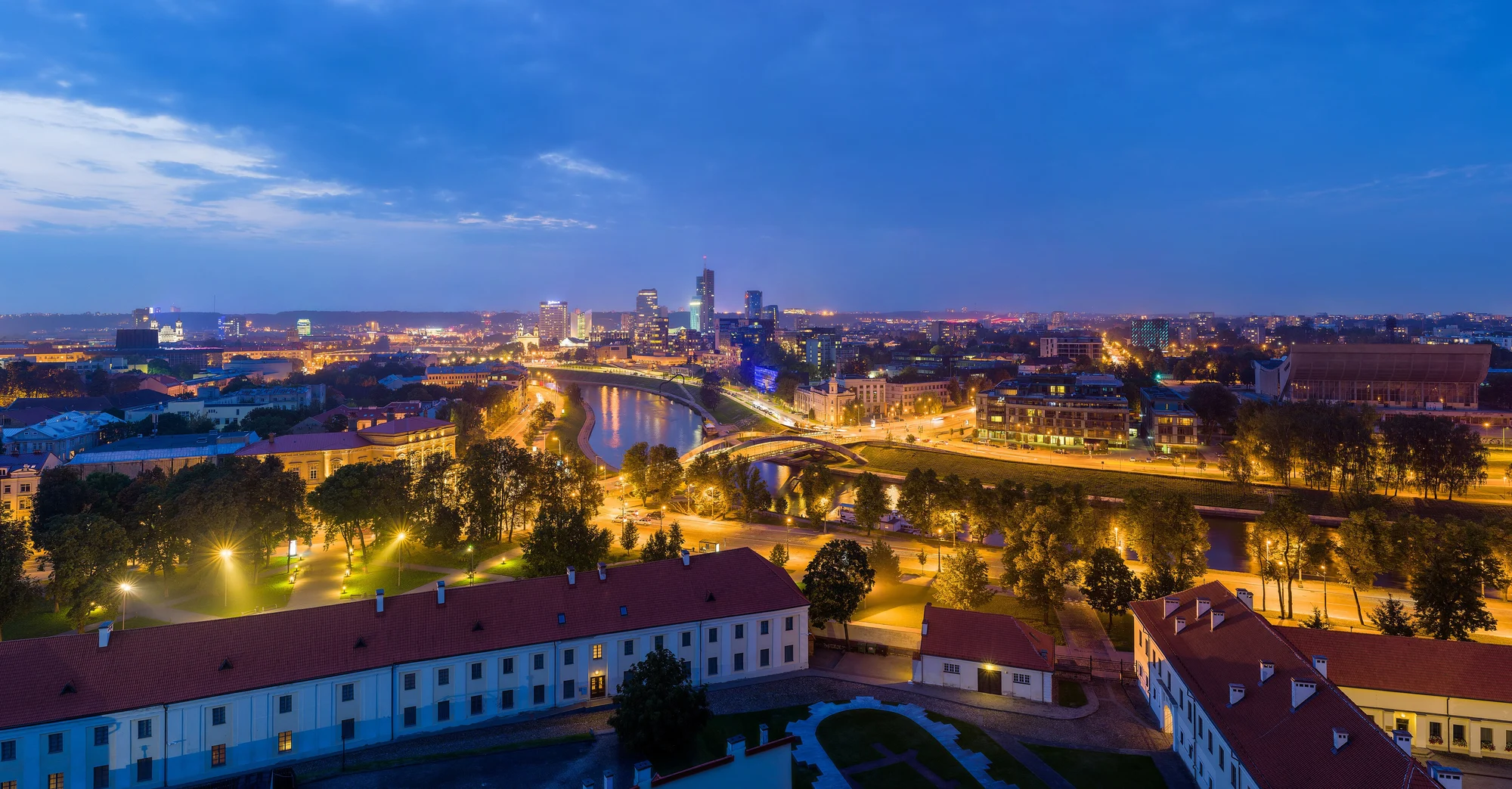
Families have international and local schooling options, though popular schools keep waitlists, so it pays to plan early. For everyday shopping, Vilnius mixes markets, full-size supermarkets and specialty stores; just note that some shops keep limited hours on Sundays. On cost of living, the headline is reassuring: rents, groceries and transport are generally lower than in Western Europe, even if prices are rising in the most sought-after central areas.
- Phones: local prepaid and eSIM plans; travel eSIMs for the first weeks.
- Work: central coworking spaces with day passes; boutique and chain gyms citywide.
- Schools: international and local options — apply early, waitlists apply.
- Cost of living: lower than Western Europe overall, rising in popular districts.
Finding your community
Vilnius is a small capital, which makes it easy to plug in. Meetups, clubs and cultural centres run regular events, and language exchanges and hobby groups are an easy first step into the city's social life. Learning a few Lithuanian greetings goes a long way — English is widely understood in central areas, but the effort is noticed and appreciated.
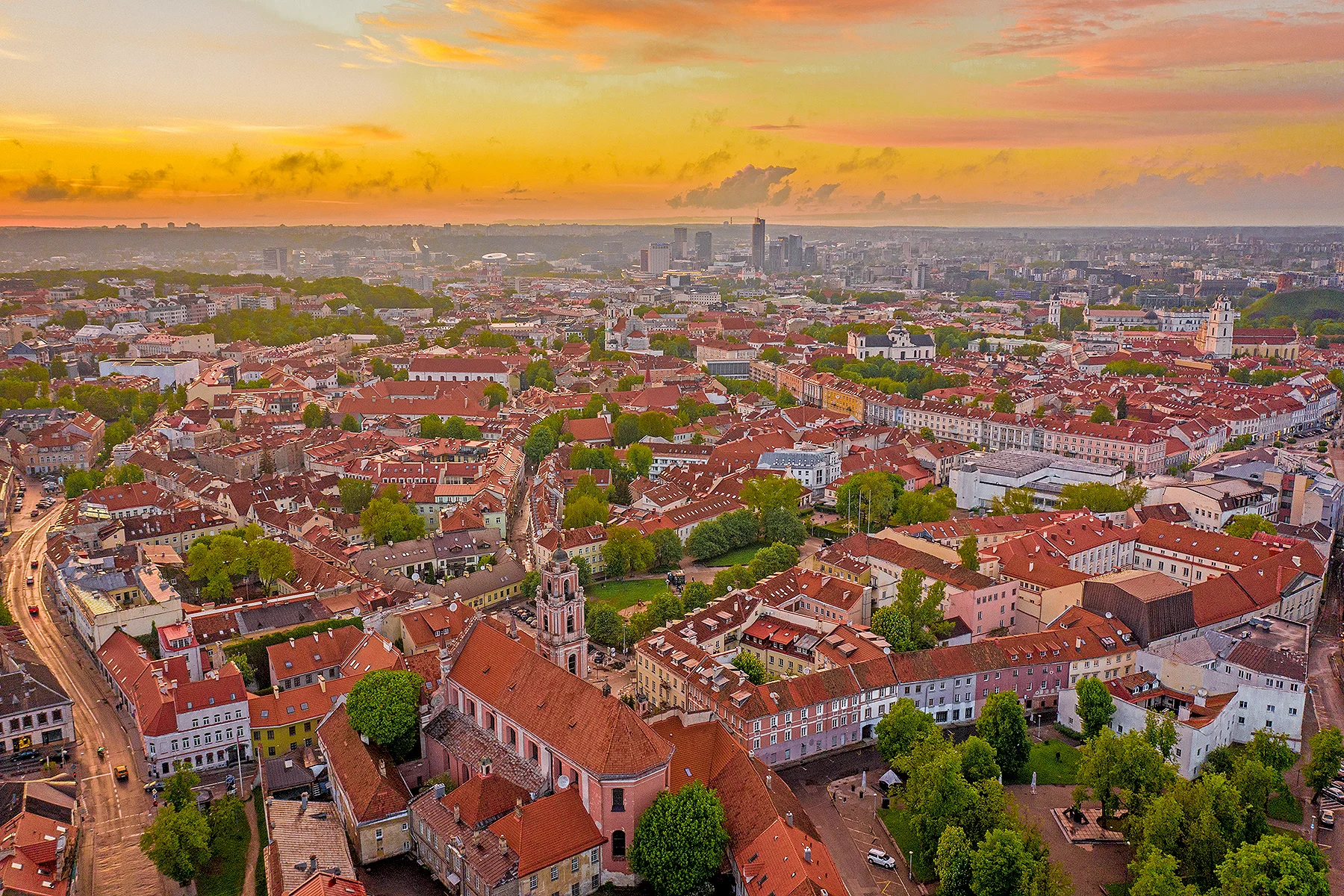
Beyond the practicalities, the best way to feel at home is simply to use the city: eat where locals eat, walk the neighborhoods, and follow the seasonal calendar from the winter Light Festival to summer's long evenings. Our See & Do and Eat & Drink hubs are a good place to start turning a new address into a home.