
Europos Parkas: Sculpture Park near Vilnius
Visiting Europos Parkas open-air sculpture museum from Vilnius: the art and forest setting, transport by bus or car, tickets, time needed, and whether it fits your trip.
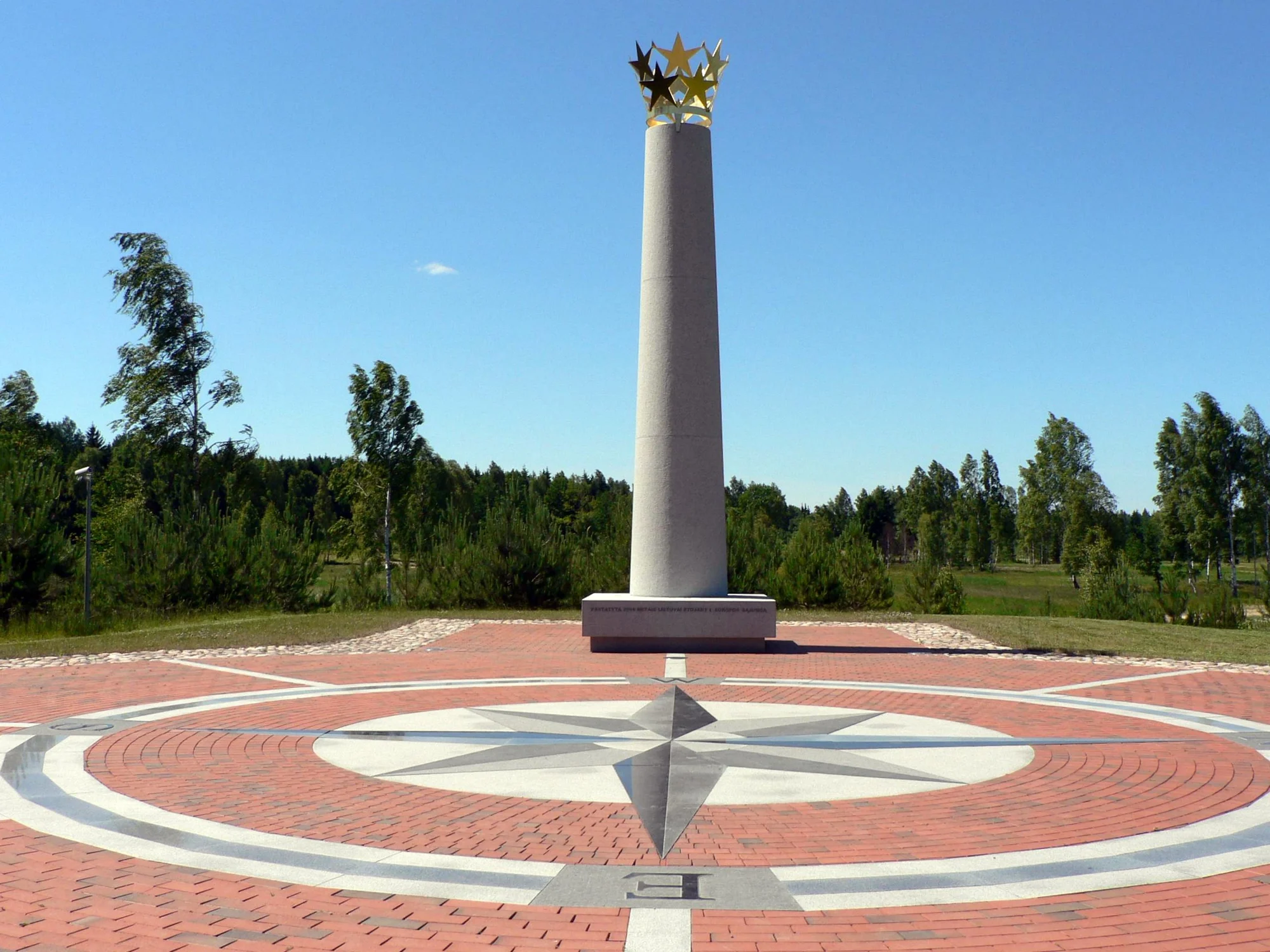
- ✓Europos Parkas is an open-air museum of contemporary sculpture set in forest and meadow about 19 km north of central Vilnius.
- ✓It was founded to mark the geographic centre of Europe, which a French calculation placed just north of Vilnius — the park is the cultural expression of that idea.
- ✓Over 100 large-scale sculptures by international artists are spread along trails through woods and clearings, including the landmark TV-set maze and other monumental works.
- ✓In the warmer months a direct city bus runs to the gates; otherwise it's a short drive or taxi, with free parking on site.
- ✓Allow 2–3 hours to walk the loop; it's an easy, family-friendly half-day that pairs well with the Green Lakes nearby.
What Europos Parkas is
Europos Parkas is one of the more unusual day trips near Vilnius: a large open-air museum where contemporary sculpture meets Lithuanian forest. Spread across roughly 55 hectares of woodland, meadow, and clearing, it holds more than a hundred large-scale works by artists from around the world, arranged so that you discover them one by one along looping woodland trails. The effect is part art gallery, part nature walk — you're never quite sure whether the next clearing will hold a monumental steel form, a stone circle, or something playful.
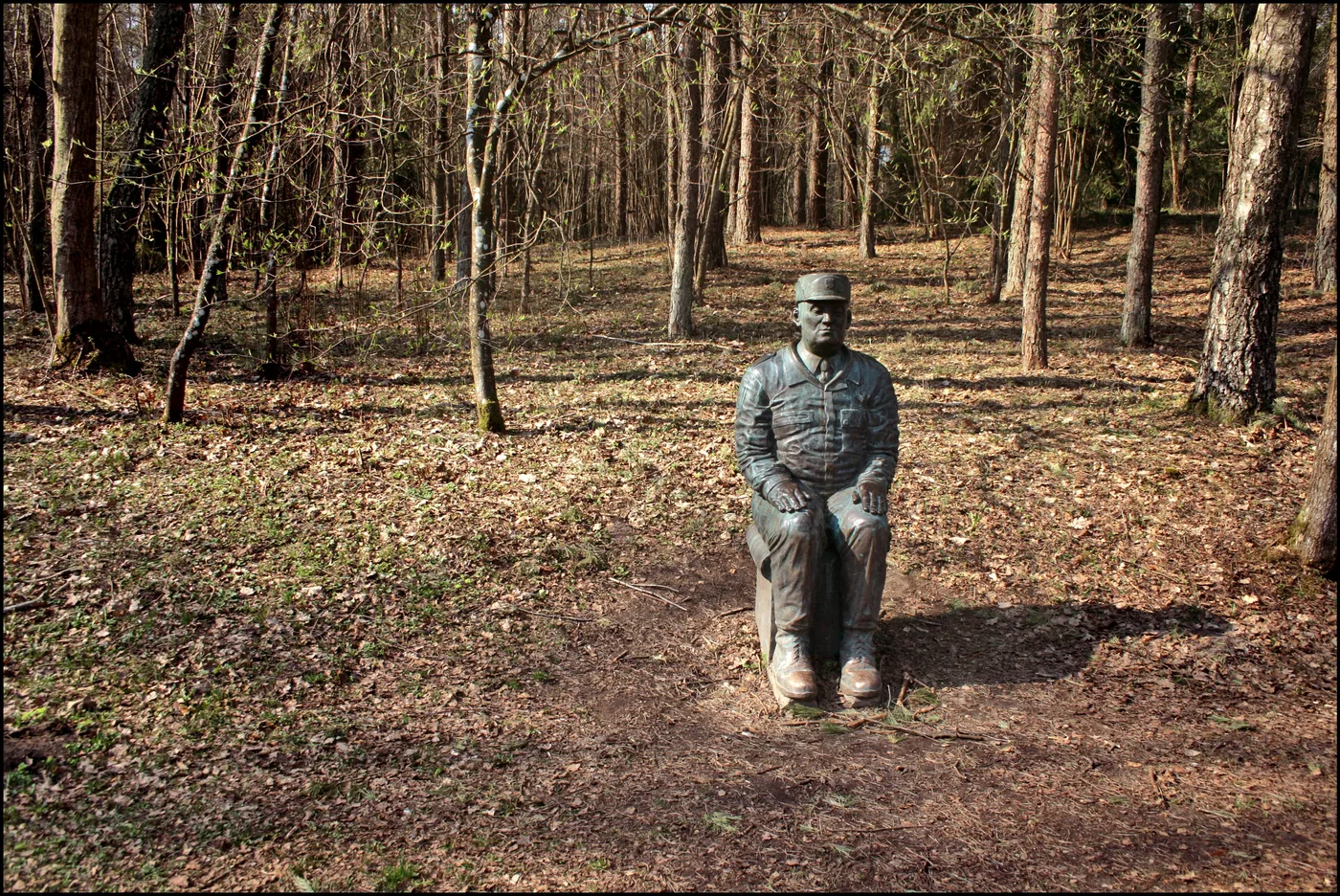
The park exists because of a quirk of geography. In 1989 the French National Geographic Institute calculated the geographic centre of the European continent and placed it just north of Vilnius. A young Lithuanian sculptor, Gintaras Karosas, founded Europos Parkas in 1991 to give that idea cultural meaning — a place symbolising Europe at its very centre. It has grown ever since into an internationally known sculpture park, and one of its signature pieces, a vast maze built from old television sets, is among the largest artworks of its kind and a favourite photo stop.
It's a relaxed, browse-at-your-own-pace kind of visit rather than a ticked-off monument. Art lovers get serious work to engage with; everyone else gets a beautiful, calm walk in the woods with surprises along the way. That dual appeal is what makes it such an easy half-day for couples, families, and solo wanderers alike.
Getting there and visiting
Europos Parkas sits about 19 km north of central Vilnius, in the countryside near the Green Lakes and Verkiai areas. The simplest way to reach it depends on the season. In the warmer half of the year a direct city bus runs from Vilnius out to the park gates — a cheap, straightforward option that stops right at the entrance — but this service is seasonal, so confirm that it's running and check the timetable before you rely on it. Outside the season, or for full flexibility, a taxi or ride-hail from the centre takes around 25–30 minutes, and there is free parking on site if you're driving.
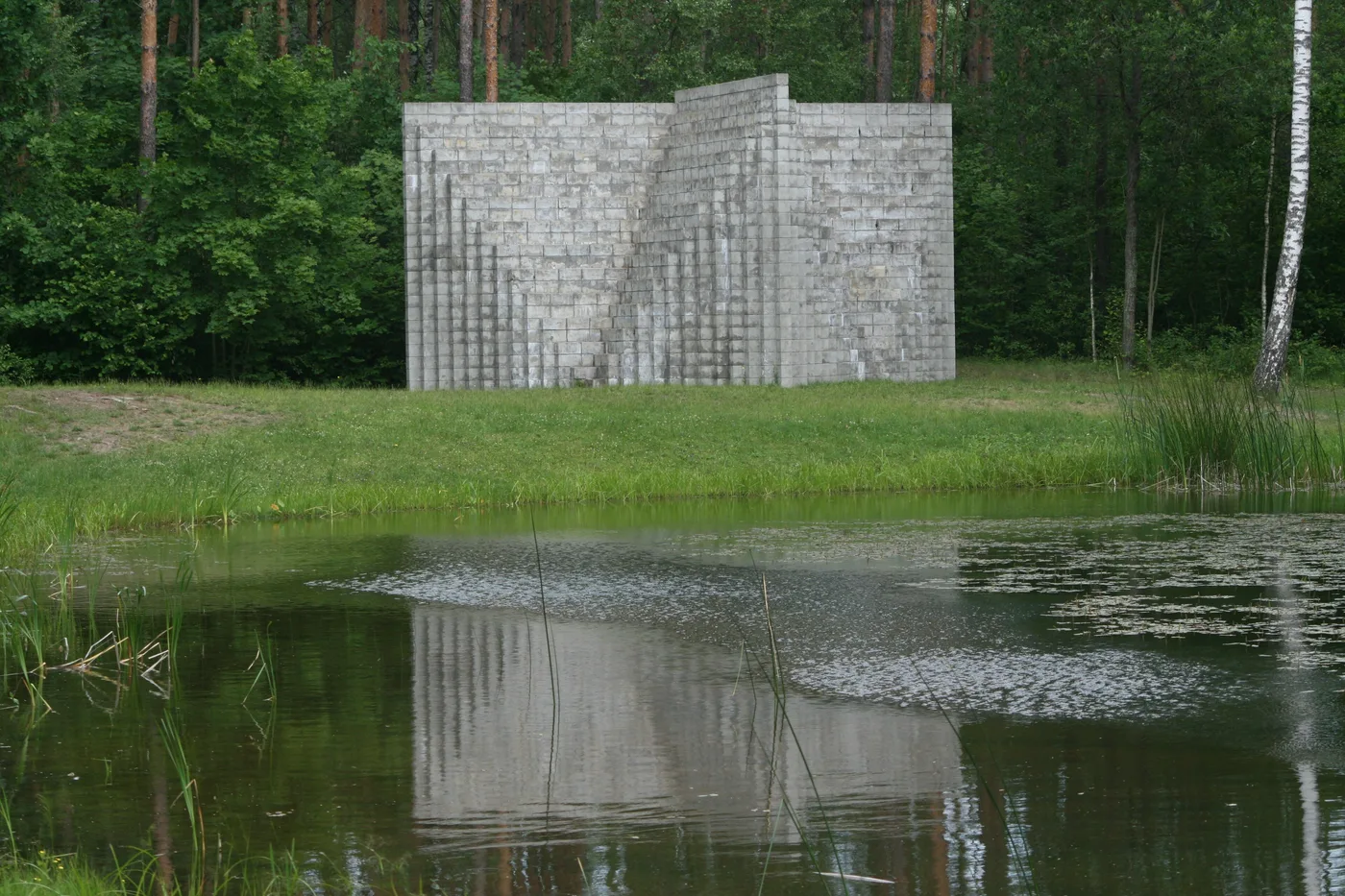
Because the seasonal bus is the only direct public-transport link, many visitors without a car simply take a taxi out and arrange one back, or build the trip into a half-day that also takes in the nearby Green Lakes by car. Driving yourself is the most flexible approach and lets you combine the park with other northern-Vilnius nature stops in one loop.
One thing to plan around: this is genuinely out in the countryside, so don't expect to flag down a passing taxi for the return. If you've come by ride-hail, either book the return in advance, ask at the entrance, or be prepared to wait a little while a car is dispatched from the city — the on-site café is a pleasant place to do so. Cyclists, meanwhile, can reach the park on the signed routes that run north through Verkiai from the river path, which is a lovely way to arrive if you've hired a bike and the weather is good.
On arrival you pay admission at the entrance — ticket prices and opening hours are seasonal, with reduced rates for students, children, and seniors, so check the official site for current details rather than a figure you saw months ago. The park is open daily in season; allow roughly 2 to 3 hours to walk the main trails and see the headline works at a comfortable pace, longer if you want to read about each piece or linger. The terrain is mostly gentle gravel and grass paths, generally manageable with a stroller, and there's a café on site.
- About 19 km north of central Vilnius; a seasonal direct bus runs to the gates in warmer months.
- Off-season or for flexibility: taxi/ride-hail (~25–30 min) or drive, with free on-site parking.
- Tickets and hours are seasonal — check the official site; reduced rates for students/children/seniors.
- Allow 2–3 hours for the trail loop; gentle paths, stroller-friendly, with a café on site.
Compare Europos Parkas with the region's other escapes.
Vilnius in AugustLate summer is prime time for the park — what else August offers.
Map pins
Map data © OpenStreetMap contributors · Tiles © OpenFreeMap
Is it worth it, and what to pair it with
Europos Parkas is worth it if the idea of a sculpture walk in the woods appeals — and it appeals to more people than expect it to. It's not a blockbuster sight on the level of Trakai Castle, and if you have zero interest in contemporary art it may feel like a long way to go for a walk. But for couples wanting a peaceful, slightly offbeat afternoon, families with kids who like space to roam (the TV maze is a hit), and anyone with a soft spot for art and nature together, it's a genuinely lovely half-day.
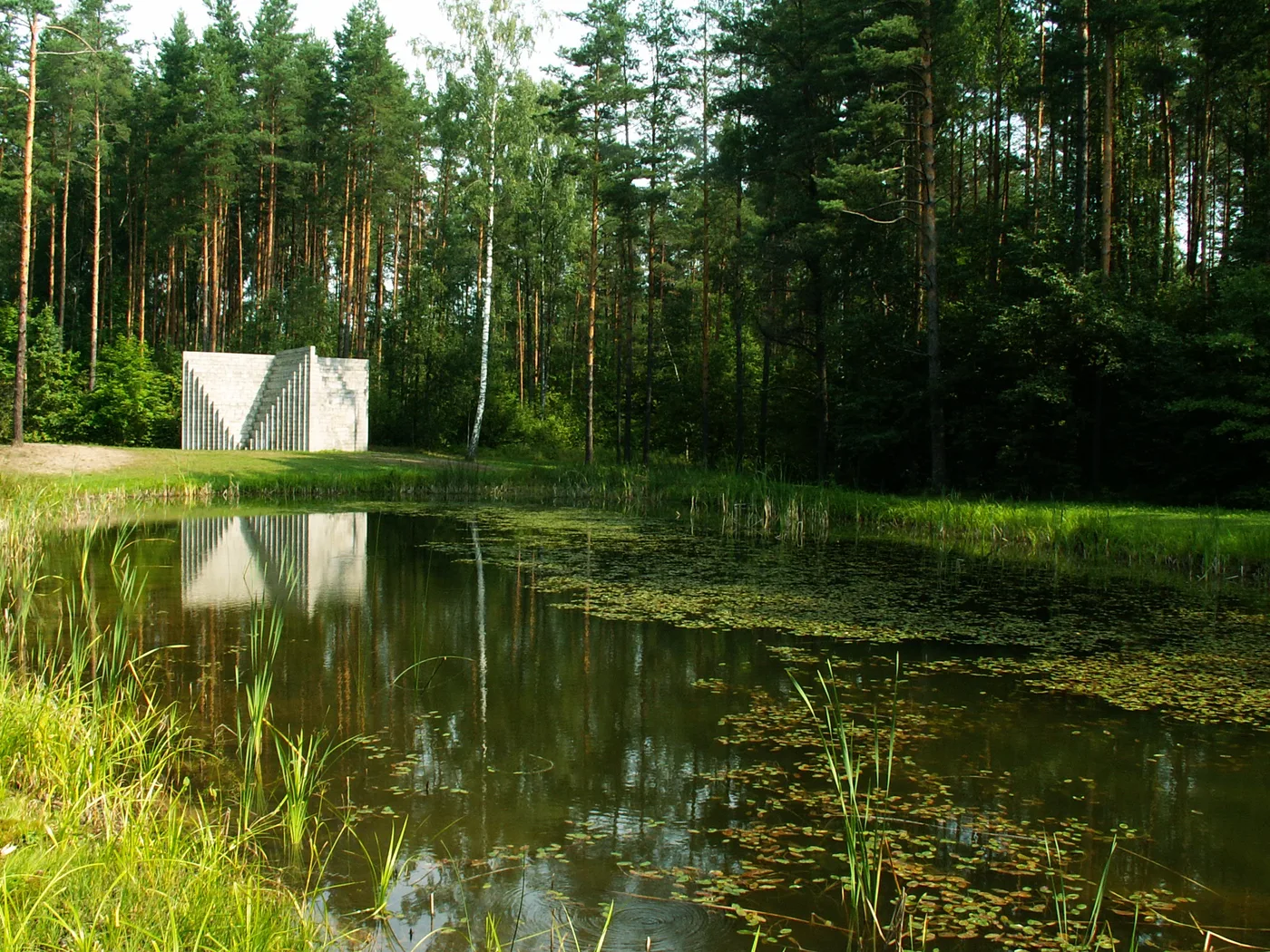
It pairs naturally with the surrounding countryside. The Green Lakes, popular swimming and forest-walk spots, lie nearby in the same northern belt, so with a car you can combine the sculpture park and a lake swim or picnic into one easy day out of the city. The Verkiai area, with its palace grounds and river views, is also close. That clustering is the smart way to use a car day: art in the morning, water and forest in the afternoon.
Best season is late spring through early autumn, when the trees are green, the seasonal bus runs, and the café and full grounds are open. Summer weekends are the liveliest; a weekday visit is quieter. In poor weather the forest setting still works but bring proper footwear and a layer — almost the whole visit is outdoors.
- Best for art-and-nature lovers, couples, and families with kids who like room to roam.
- Pair with the nearby Green Lakes for a swim or picnic — both are in the same northern belt.
- Late spring to early autumn is prime: green trees, seasonal bus, full grounds open.
- Almost entirely outdoors — bring footwear and a layer, and prefer weekdays for quiet.
The artworks and what makes the park tick
The pleasure of Europos Parkas is in the encounters along the trail rather than in any single masterpiece, but a few works anchor a visit. The most famous is 'LNK Infotree', a sprawling labyrinth built from hundreds of decommissioned television sets arranged in a spiral around a fallen statue of Lenin's head — a witty, slightly eerie comment on media and the end of the Soviet era, and one of the largest artworks of its type in the world. Elsewhere you'll find monumental stone and steel pieces, mirrored and granite forms tucked among the trees, and works that play with the geography-of-Europe theme the park was founded on. International artists have contributed over the decades, so the collection has real range, from the conceptual to the simply beautiful.
Part of what makes the place work is the curation of the landscape itself. The founder, sculptor Gintaras Karosas, shaped the grounds so that woodland, water, and open meadow each frame different pieces, and the trails are designed to reveal works gradually rather than all at once. The result feels less like a sculpture garden bolted onto a field and more like a single large artwork you walk through — which is exactly the experience the park is going for. Pick up a map at the entrance so you don't miss the signature pieces, but also allow yourself to wander off the obvious loop; some of the quieter works in the trees are the most rewarding.
Because it's an active museum, the collection and any temporary installations evolve, and the park hosts events and educational programmes through the season. If contemporary sculpture is genuinely your thing, budget extra time and read the labels; if you're here mainly for the walk, the art still does its job as a series of surprises along a beautiful forest route.
- Signature work: the 'LNK Infotree' TV maze, among the largest artworks of its kind in the world.
- Founded and shaped by sculptor Gintaras Karosas around the idea of Europe's geographic centre.
- Landscape is curated so woods, water, and meadow each frame different pieces along the trail.
- Grab a map for the highlights, but wander off-loop — the quieter forest works often reward most.
Planning notes and a sample half-day
A few planning notes pull the visit together. First, distinguish Europos Parkas from the geographic 'centre of Europe' marker itself — they are related but separate. The official survey point lies in the countryside a little further out, with its own modest monument; the sculpture park is the cultural project built around that idea and is what almost everyone means when they say 'Europos Parkas'. If you specifically want the survey marker too, it's a short additional drive, but the park is the main event.
Second, think about timing and transport together. The seasonal direct bus is the budget-friendly option but runs to a limited timetable, so if you rely on it, confirm the departures both ways and don't get caught short for the return. Driving or taxiing gives you freedom to arrive when the light is good and leave when you're done, and it's what makes pairing the park with the nearby Green Lakes or Verkiai realistic. With your own wheels, the whole northern belt — sculpture, lakes, palace grounds, forest — becomes one flexible day rather than three separate errands.
A sample half-day might look like this: drive or bus out mid-morning, spend two to three hours walking the sculpture trails and finding the headline works, grab something at the on-site café, then in the afternoon head a few minutes on to the Green Lakes for a swim or a forest walk to finish. That gives you art, nature, and water in one easy loop out of the city — a genuinely lovely, low-stress day that feels a world away from the Old Town crowds while staying close enough to be back for dinner.
- The sculpture park and the geographic 'centre of Europe' marker are related but separate spots.
- Seasonal bus is cheap but limited — confirm both directions; driving/taxi gives full flexibility.
- A car turns the whole northern belt (park, lakes, Verkiai) into one easy looping day.
- Sample half-day: sculpture trails and café in the morning, Green Lakes swim or walk after.
Sources
Related guides
Vilnius Art & Design Itinerary
A creative route through Vilnius — the MO Museum, bohemian Užupis, the Open Gallery street art, design boutiques and concept stores, the regenerated Paupys, and the cafés and studios where the city's makers gather.
Read guide
Green Vilnius: Parks & Nature
Vilnius's parks, river paths, hill walks and nature escapes: Bernardine Garden, Vingis Park, the manor parks, the Sapieginė forest trail, and the Verkiai, Pavilniai and Green Lakes nature just outside the city.
Read guide
Day Trips from Vilnius
The best day trips from Vilnius compared: island-castle Trakai, ancient Kernavė, second-city Kaunas, the Paneriai memorial, Europos Parkas, the Green Lakes, Rumšiškės and the Hill of Crosses — with honest notes on transport, timing and what's worth a car or a tour.
Read guide