
Vilnius Art & Design Itinerary
A creative route through Vilnius — the MO Museum, bohemian Užupis, the Open Gallery street art, design boutiques and concept stores, the regenerated Paupys, and the cafés and studios where the city's makers gather.
- ✓Vilnius has a fast-moving creative scene that punches above its size — a flagship modern-art museum, a self-declared artists' republic, and an open-air street-art gallery.
- ✓Anchor day one on the MO Museum and Užupis; day two on street art, design shopping and the regenerated Paupys district.
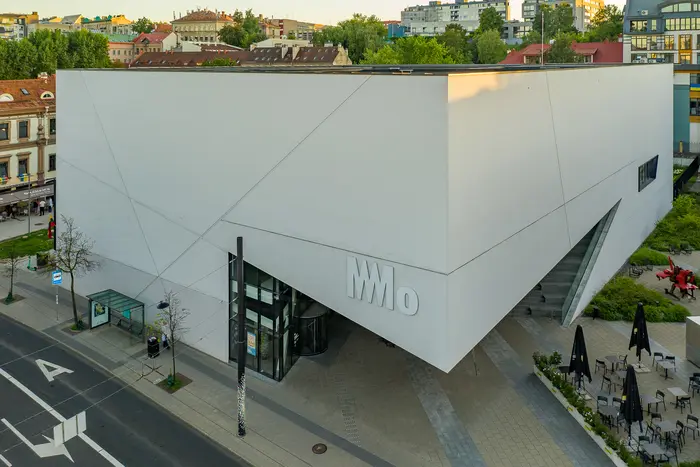
- ✓The MO Museum, in a striking Daniel Libeskind-designed building, is the best single window onto modern and contemporary Lithuanian art.
- ✓Užupis is the city's Montmartre — its own tongue-in-cheek constitution, the bronze Angel, galleries, studios and a long creative tradition.
- ✓The Open Gallery street-art project around the station district turns blank walls into a changing outdoor museum of large-scale murals.
Vilnius for the creatively curious
Vilnius has always had a creative streak, and in the last decade it has become impossible to miss. The city wears its history in its courtyards and its creativity in plain sight: a flagship contemporary-art museum in a landmark building, a self-declared artists' republic across the river, an open-air street-art gallery that keeps growing, and a generation of designers, ceramicists, printmakers and concept-store owners reworking Lithuanian craft into something contemporary. For a creatively minded visitor, it's a genuinely exciting place — and, being compact, an easy one to explore on foot.
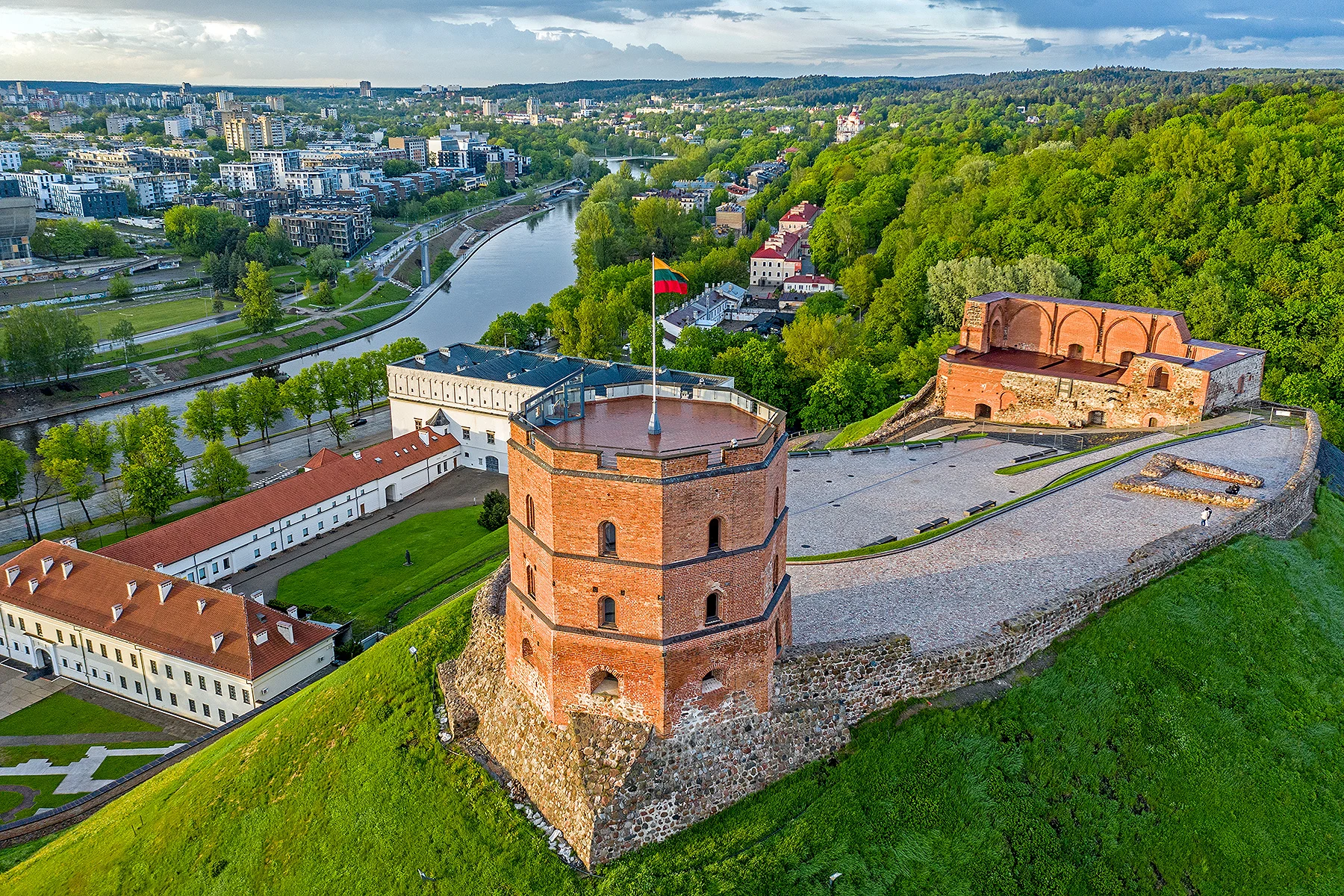
What makes it distinctive is how the layers coexist. A contemporary gallery occupies a courtyard older than most countries; a street-art mural answers a centuries-old fresco a few blocks away; a design boutique sells modern ceramics beside a Baroque church. You don't have to choose between old and new here — the creative interest comes precisely from how they rub up against each other, and a single afternoon's wander can take you through Gothic, Soviet-modernist and cutting-edge contemporary work.
This itinerary runs as a loose, walkable two days, anchored on a major institution and a creative neighborhood each day, with cafés, studios and shops filling the gaps. Day one centres on the MO Museum and bohemian Užupis; day two on the street-art trail, design shopping and the regenerated Paupys district by the river. Treat it as a menu — galleries change their shows, studios keep their own hours, and the best discoveries are often the ones you stumble into.
A practical note: exhibitions rotate, some galleries and studios open only on certain days, and pop-up and project spaces come and go. Check current shows and opening hours before you go, and leave room for serendipity — a workshop you pass, an open studio, a concept store you didn't know existed. The creative scene here rewards a wandering, unscripted approach more than a rigid plan.
Day 1 — the MO Museum and Užupis
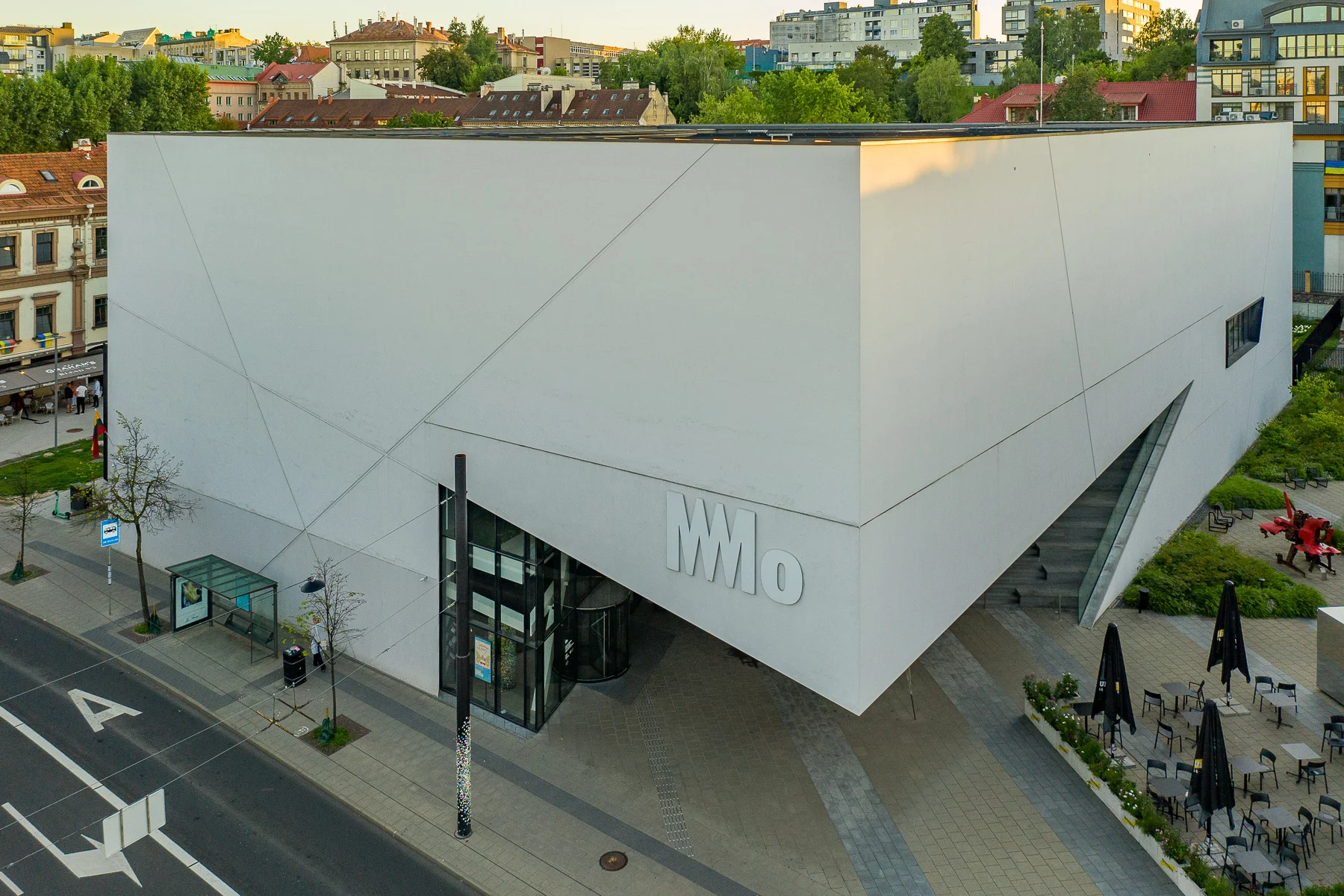
Start with the MO Museum, the city's privately founded museum of modern and contemporary Lithuanian art. Housed in a sharp, white, angular building designed by the renowned architect Daniel Libeskind — itself worth seeing — MO holds a collection spanning the 1950s to today, shown in rotating thematic exhibitions rather than a fixed hang. It's the best single introduction to how Lithuanian artists worked through the Soviet decades and into independence, and the building, bistro and shop make it an easy, enjoyable couple of hours. Check the current exhibition before you go, since the displays change.
Walk from there back toward the Old Town and cross the little bridge into Užupis, the self-declared artists' republic on the far bank of the Vilnia. Often compared to Montmartre, Užupis declared its tongue-in-cheek independence in 1997, complete with its own constitution, president, anthem and an annual 'national day' on 1 April. The famous constitution is mounted on a wall in dozens of languages — playful, poetic articles like 'everyone has the right to be happy' and 'a dog has the right to be a dog' — and the bronze Angel of Užupis presides over the main square as the district's symbol.
Spend the afternoon wandering Užupis's lanes, which are dense with galleries, artists' studios, craft workshops and small independent spaces. The Užupis Art Incubator and various open studios let you see work being made; small galleries show local painters, printmakers and ceramicists; and the riverside, with its swing over the Vilnia and its scattered installations, is full of the offbeat, handmade details the district is known for. It's a place to drift rather than tick off, so let the afternoon unspool.
Settle in for the evening somewhere in or near Užupis — the district and the adjacent Old Town are full of characterful cafés, wine bars and small restaurants. A creative day deserves a relaxed, atmospheric evening, and the bohemian end of the city does that better than anywhere. If a gallery opening or a studio event is on while you're there, follow it; this is a neighborhood where the art and the nightlife blur pleasantly together.
- MO Museum — modern and contemporary Lithuanian art in a Libeskind building.
- Užupis — the artists' republic: the constitution wall and the bronze Angel.
- Galleries, studios and the Art Incubator — see work being made and shown.
- An atmospheric evening in Užupis or the adjacent Old Town.
Tickets, exhibitions, the Libeskind architecture and how to plan a visit.
UžupisThe constitution, the Angel, the galleries and the April 1 spirit.
Užupis ConstitutionThe wall of plaques — what it says and how to find it.
Map pins
Map data © OpenStreetMap contributors · Tiles © OpenFreeMap
Day 2 — street art, design shopping and Paupys
Begin day two with the city's street art. Vilnius has a lively mural and graffiti scene, much of it concentrated around the station district and Naujamiestis (the new town), where the Open Gallery project has turned blank industrial walls into a changing outdoor museum of large-scale works. Some pieces have become local landmarks — the famous 'Trump and Putin' kissing mural caught the world's attention a few years ago — and new murals appear regularly, so the trail is never quite the same twice. A self-guided walk, map in hand, is the best way to see it; allow a morning to wander between the bigger works.
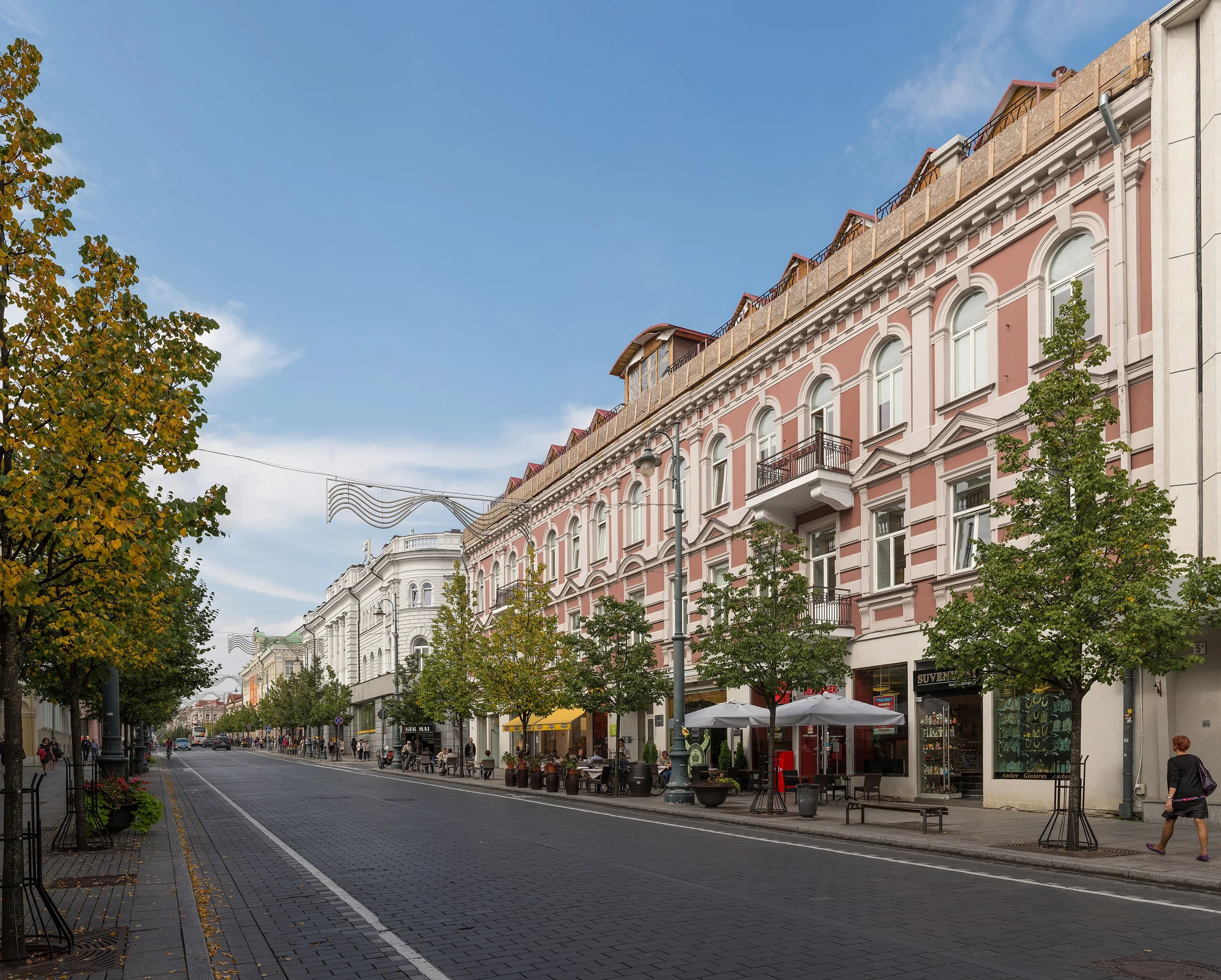
From the murals, move into the design-shopping side of the creative city. Vilnius has a growing crop of concept stores, design boutiques and craft shops selling contemporary Lithuanian work — minimalist ceramics, linen (a Lithuanian speciality), amber reimagined by modern jewellers, prints, homewares and small-label fashion. The Old Town and Naujamiestis hold most of them, often tucked into courtyards and side streets, so combine the shopping with a slow walk and a café stop or two. These are the places to find a design-led souvenir that isn't a fridge magnet.
In the afternoon, cross the river to Paupys, the regenerated industrial district that has become a hub of contemporary design and food. Once a run-down riverside quarter, it's been redeveloped with modern architecture, public art, design studios and the buzzy Paupio Turgus market hall. It's a good example of the city's creative regeneration in action, and a pleasant place to walk, eat and see how new Vilnius is reinventing its old industrial bones. The riverside setting makes it an easy, scenic end to the day.
Round off the trip with whatever creative thread most appeals — a hands-on workshop (ceramics, printmaking, traditional crafts), a final gallery, or simply a long evening in one of the city's design-conscious cafés or wine bars. The art-and-design Vilnius is a scene to dip in and out of rather than exhaust, and the best version of this itinerary leaves you with a few discoveries to come back for. As ever, confirm gallery shows, shop hours and workshop bookings before you go, since the small spaces keep their own schedules.
- Street art & the Open Gallery — large-scale murals around the station and new town.
- Design shopping — concept stores and craft boutiques: ceramics, linen, amber, prints.
- Paupys — the regenerated riverside district, design studios and the market hall.
- Finish with a workshop, a final gallery or a design-led café or wine bar.
Going deeper — workshops, design districts and a creative day three
If two days leave you wanting more, the creative side of Vilnius has plenty of depth to reward a third. The most rewarding way to spend it is hands-on: the city runs a growing roster of workshops and experiences where you make rather than just look. Ceramics studios offer throwing and glazing sessions; printmakers and letterpress workshops let you pull your own prints; and traditional-craft experiences — from straw-garden 'sodai' weaving to amber and leatherwork — connect the contemporary scene to its folk roots. A morning spent making something is both a souvenir and the best kind of memory, and many studios take drop-in bookings if you arrange them ahead.
Use the rest of a third day to explore the creative quarters a two-day blitz skips. Beyond Užupis and Paupys, the streets of Naujamiestis around the former factory districts have become a low-key hub of studios, independent shops and project spaces, while the area around the station — the heart of the Open Gallery street-art project — keeps changing as new murals appear. Markučiai and the quieter southeastern edges hold literary house-museums and a slower, wooden-house atmosphere for those who want the city's contemplative, arty side rather than its buzzy one.
Vilnius's design identity leans on a few distinctive local materials worth seeking out as you shop and explore. Linen is a national craft, woven here for centuries and reimagined by modern labels into clothing and homewares; amber — fossilised Baltic resin, the region's 'gold' — is being reworked by contemporary jewellers into pieces a world away from the tourist trinkets; and Lithuanian ceramics and textiles carry strong folk patterns into modern forms. Knowing what to look for turns design shopping from souvenir-hunting into a genuine window onto the country's craft tradition.
Whatever shape your creative trip takes, the city rewards curiosity and a wandering pace. Galleries change their shows, studios open and close, and the best discoveries — an open studio, a pop-up, a mural that wasn't there last month — are the ones you stumble into. Pair this itinerary with the galleries directory and the street-art guide, follow whatever's on while you're in town, and confirm bookings and opening hours before you go, since the small independent spaces keep their own irregular schedules.
- A hands-on workshop — ceramics, printmaking, or a traditional Lithuanian craft.
- The creative quarters beyond Užupis — Naujamiestis studios, the station-area murals.
- Shop the local materials — linen, reworked amber, folk-pattern ceramics and textiles.
- Keep it loose — open studios, pop-ups and new murals reward a wandering pace.
When to go, where to stay and how to pace it
A creative trip works in any season, but the calendar shapes what's on. The art year peaks around the big cultural moments: the Vilnius gallery scene runs major shows through autumn and spring, Culture Night and Museum Night open doors across the city in summer, and the winter Light Festival turns the Old Town itself into an installation in January. If you can, check what exhibitions, open studios and festivals coincide with your dates and build a day around them — a single great show or an open-studio weekend can become the highlight of the whole trip. Summer brings the most outdoor art and the liveliest Užupis; winter trades that for cosy galleries and the Light Festival.
Where you stay sets the tone of a design-led trip. Užupis is the obvious romantic-creative base — bohemian, walkable, full of studios and small galleries, and a couple of minutes from the Old Town over a bridge. The Old Town's boutique and design hotels, often in converted merchants' houses, put you in the thick of the galleries and shops, while Paupys and the streets across the river suit those who want the regenerated, contemporary side of the city. Any of these keeps the creative quarters within an easy walk, which is what a wandering art trip wants.
Pace the days for discovery rather than coverage. The creative scene rewards drifting — following a mural to the next, ducking into an open studio, lingering in a concept store — far more than route-marching between fixed points. Anchor each day on one major institution or neighborhood, then leave the afternoon loose to wander, shop and stumble. Build in long café stops; Vilnius's design-conscious coffee culture is part of the scene, and the cafés double as places to watch the city's creative crowd. A trip planned this loosely is the one that turns up the best surprises.
A few practicalities. Galleries rotate their exhibitions and the small independent spaces, studios and pop-ups keep irregular hours — some open only Thursday to Sunday, some by appointment — so check what's on and confirm opening times before you build a day around them. Workshops usually need booking ahead. Many spaces are free or cheap to enter, keeping a creative trip affordable. And because the scene changes fast, treat any specific recommendation as a starting point and follow whatever's alive in the city while you're there.
- Time it to the cultural calendar — major shows, Culture/Museum Night, the January Light Festival.
- Base in Užupis, an Old Town design hotel, or Paupys to keep the creative quarters walkable.
- Pace for discovery: anchor one institution a day, then drift, shop and stumble.
- Galleries and studios keep irregular hours — check what's on and book workshops ahead.
Related guides
MO Museum guide
Tickets, exhibitions, architecture, family fit, bistro and how MO fits a modern-art and rainy-day Vilnius day.
Read guide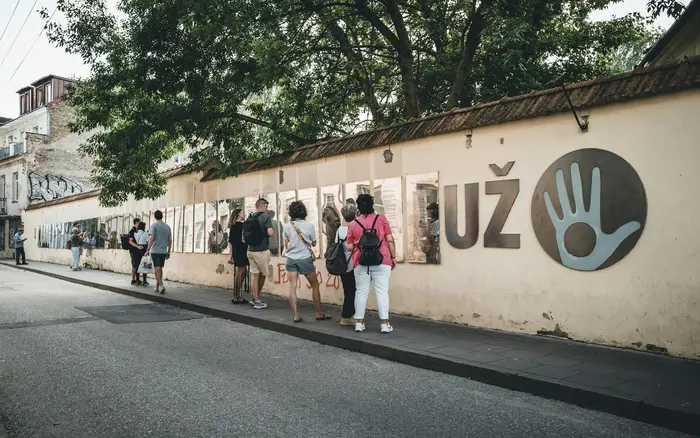
Užupis guide
Explore the self-declared republic: constitution, the Angel, river bridges, galleries, cafés and April 1 spirit.
Read guide
Vilnius Street Art & the Open Gallery
A walking guide to Vilnius street art — the Open Gallery courtyard in Naujamiestis, station-district murals, Užupis and Old Town pieces, photo stops and respectful routing.
Read guide