
Kernavė Day Trip from Vilnius
How to visit Kernavė from Vilnius: the UNESCO hillforts, the archaeology museum, summer festivals, car and bus logistics, and whether this 'Lithuanian Troy' is worth the trip.
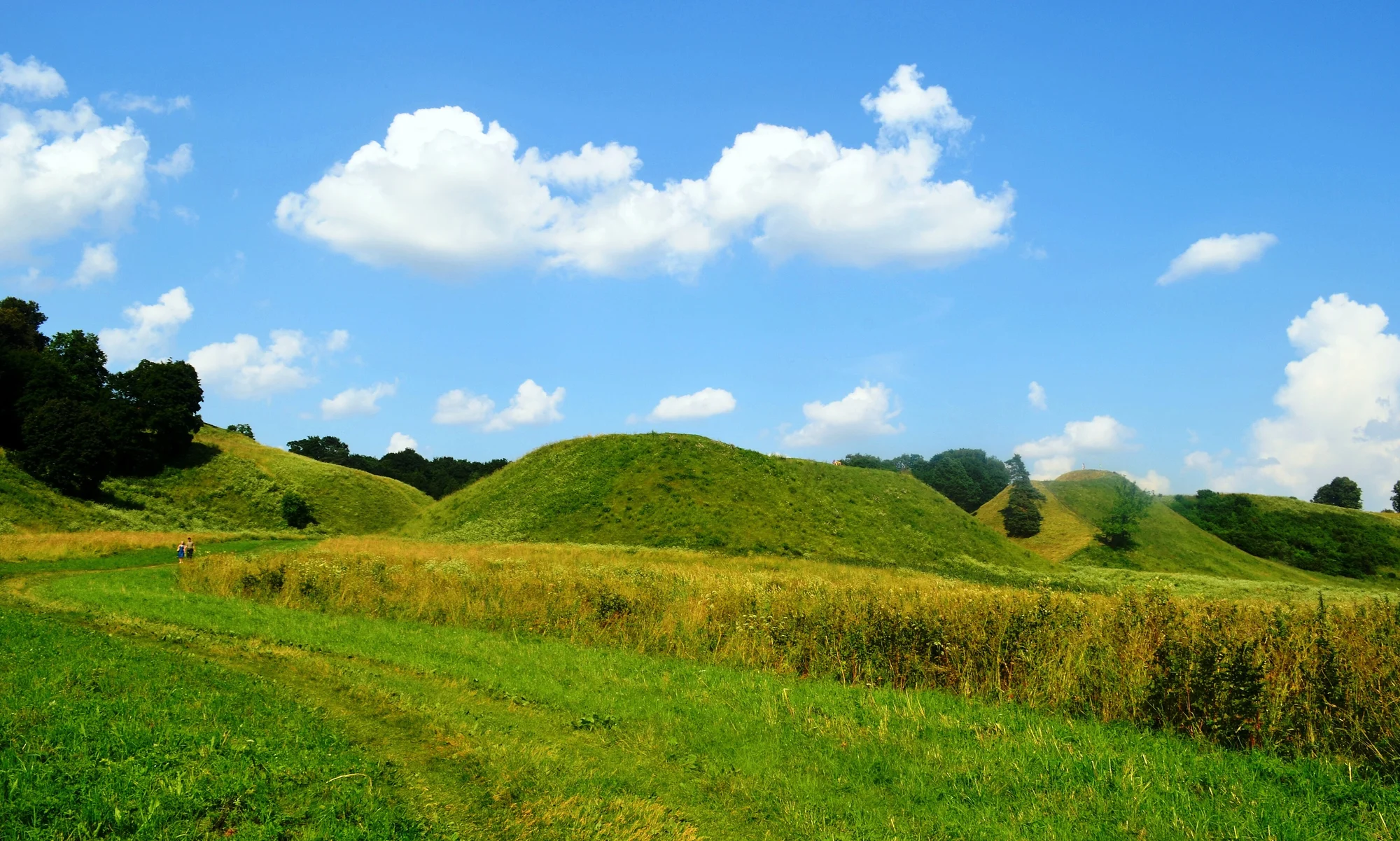
- ✓Kernavė is a UNESCO World Heritage archaeological site about 35 km northwest of Vilnius — five grassy hillforts overlooking the Neris valley.
- ✓It was an important medieval centre of early Lithuania, nicknamed 'Lithuania's Troy', inscribed on the World Heritage List in 2004.
- ✓The visit pairs a modern archaeology museum with a wide-open landscape of ancient mounds you can walk among and climb.
- ✓It's quieter and more contemplative than Trakai — best for history lovers, walkers, and anyone wanting space and views.
- ✓A car is easiest; buses run only a handful of times a day, so a hire car or organised tour makes the timing far simpler.
What Kernavė is, and why it's special
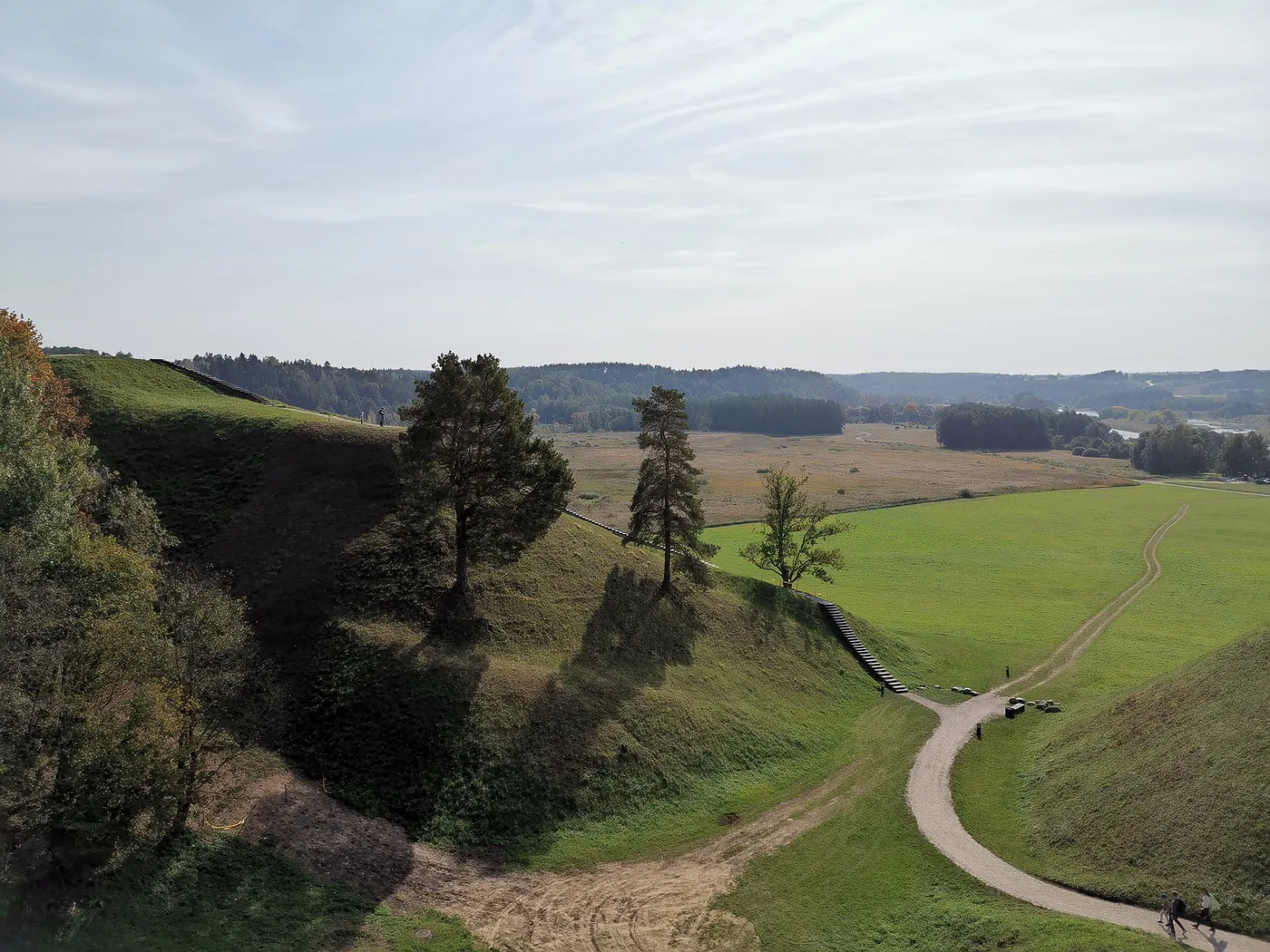
Kernavė is one of the most atmospheric places near Vilnius and one of the least crowded. From a distance it looks like a series of smooth green hills rising above a broad river valley; up close, those hills are man-made hillforts — the earthwork strongholds of an early Lithuanian settlement that flourished from the late prehistoric period into the Middle Ages. It is sometimes called 'Lithuania's Troy' because layers of settlement are stacked here across millennia, and because it was an important political and trade centre of the emerging Lithuanian state, mentioned in written sources in the 13th century.
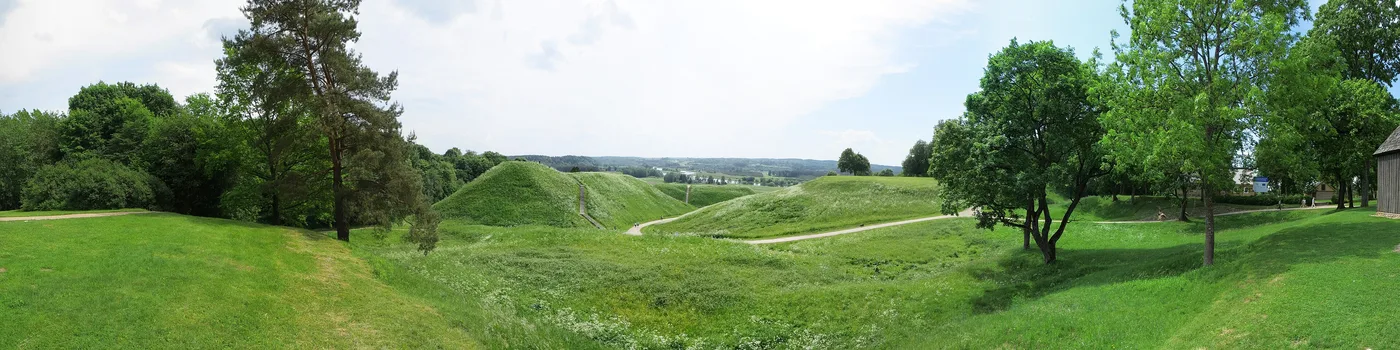
In 2004 the Kernavė Archaeological Site was inscribed on the UNESCO World Heritage List, recognising an exceptional record of human settlement spanning roughly ten thousand years — from late-Palaeolithic times through to the medieval town, preserved as hillforts, settlement sites, and burial grounds across a protected reserve in the Neris river valley. Unlike a restored castle, what survives here is largely landscape and archaeology rather than standing buildings, which is exactly its character: you come for the setting, the history beneath your feet, and the views, not for turrets.
That makes Kernavė a very different day out from Trakai. It's quieter, more reflective, and more rewarding the more you engage with the story. If you like walking, big skies, and imagining the deep past, you'll love it. If you need a headline monument to photograph, set expectations accordingly — the drama here is the green amphitheatre of mounds and the river bend below.
What gives Kernavė its grip is the sheer depth of time it represents. Archaeologists have traced continuous human presence in this valley back roughly ten thousand years, from late-Palaeolithic hunters through to the medieval town that was burned and abandoned in the late 14th century during the wars with the Teutonic Order. The hillforts you walk on were raised, used, and rebuilt across that span; the meadow below them was once a thriving settlement with craftsmen and traders. Standing on the highest mound, with the Neris curving past and nothing modern in view, you get an unusually direct sense of how old this landscape's human story really is — which is exactly why it earned its UNESCO standing.
The hillforts and the museum
The visit has two halves that complement each other. The Archaeological Site Museum of Kernavė is a modern, well-designed museum that frames everything you're about to see: finds from the excavations, reconstructions of how the medieval town looked, and the long timeline of settlement in the valley. Start here to understand what the hills actually were — without context they're handsome grassy mounds; with it, they're the remains of a fortified town and its strongholds.
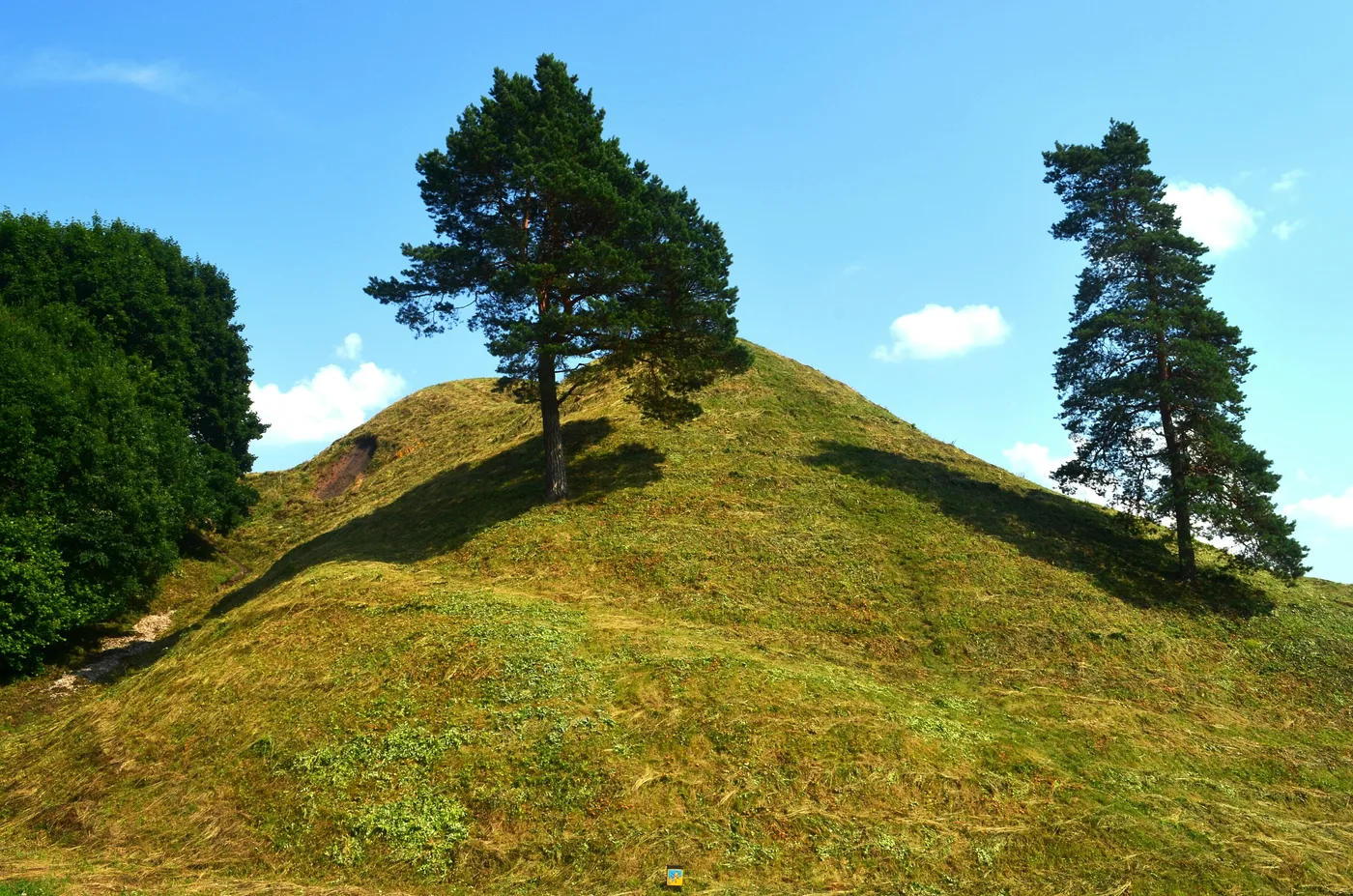
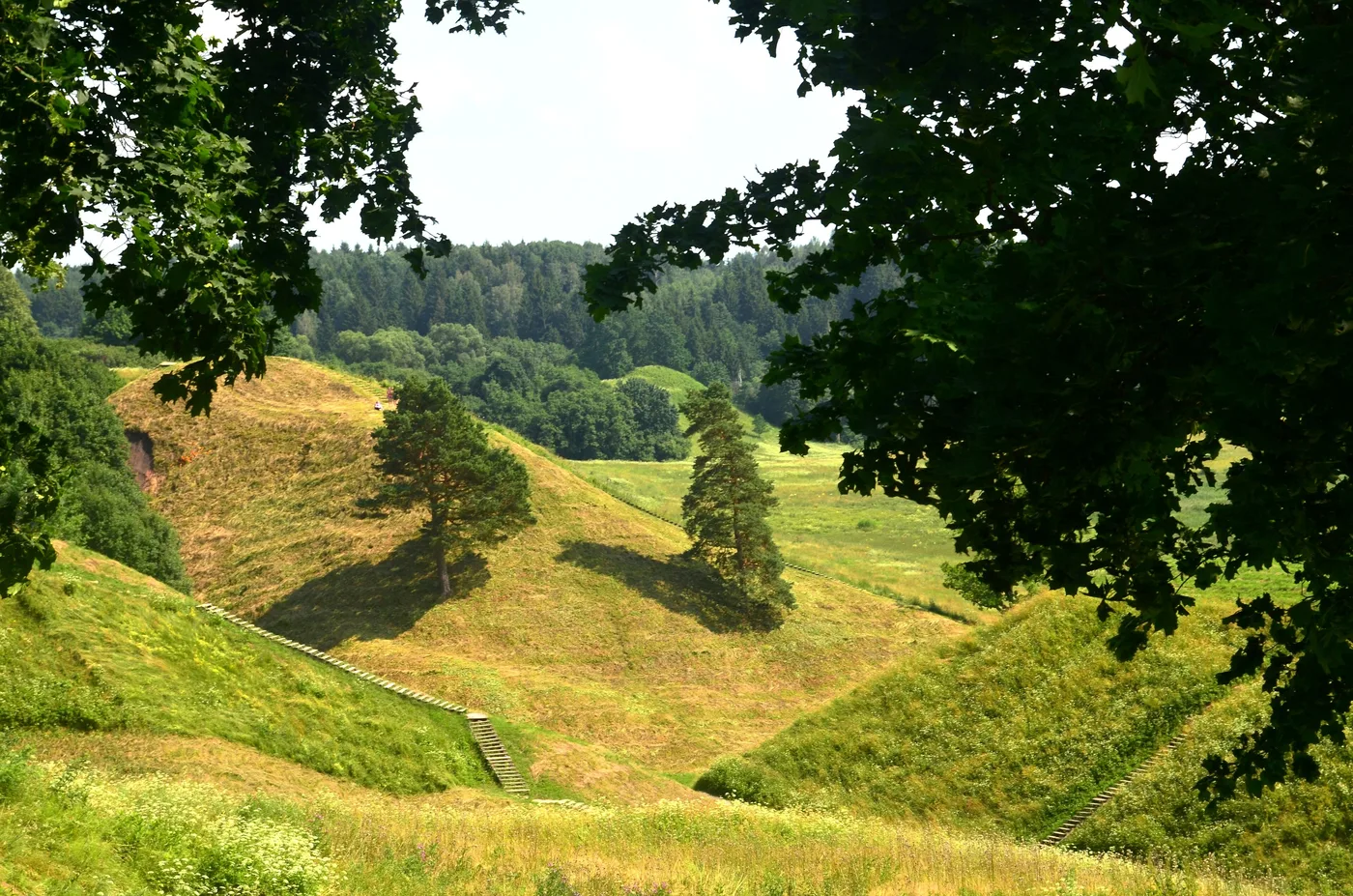
Then walk out into the reserve itself. A network of paths and wooden stairways links the five main hillforts, each with its own name and viewpoint, set above the wide meadow and the Neris below. Climbing them is part of the pleasure — the tops give sweeping views over the valley and across to the river — and information boards along the way explain what stood where. It's an easy-to-moderate walk on grass and steps; wear shoes you don't mind getting muddy after rain, and bring water and sun cover in summer, as the mounds are open and exposed.
Plan on roughly 2 to 3 hours on site to do both the museum and a proper loop of the hillforts at a relaxed pace. Opening hours for the museum are seasonal and the grounds are open countryside you can walk freely, so check the museum's current schedule before you go and aim to arrive with enough daylight to enjoy the walk.
- Start in the archaeology museum for context, then walk the hillforts — they make sense together.
- Five named mounds linked by paths and stairs, each with valley views.
- Budget 2–3 hours on site; the ground is grassy and exposed, so dress for the weather.
- Museum hours are seasonal — confirm before travelling; the grounds are open countryside.
Map pins
Map data © OpenStreetMap contributors · Tiles © OpenFreeMap
Getting there, festivals, and is it worth it?
The honest logistics: Kernavė is easiest with a car. The drive from Vilnius is about 35 km and roughly 40–50 minutes northwest, with free parking near the museum and hillforts. If you're hiring a car for part of your trip, this is a natural use of it, and a car also lets you combine Kernavė with other rural stops in one loop.
Without a car it's still doable but takes planning. Direct buses run from the Vilnius bus station only a handful of times a day, so you must build your visit around the outbound and return departures — check the timetable carefully and confirm the return before you commit. There is no rail line to Kernavė. Because of the thin bus schedule, many visitors without a car opt for an organised day tour, which removes the timing risk and often pairs Kernavė with Trakai or another site.
Timing tip: Kernavė is at its liveliest in summer. The site hosts living-history and archaeology festivals — most famously around midsummer (the Rasos / Joninės celebrations) and a 'Days of Live Archaeology' event — when craftspeople, reenactors, and music fill the meadow below the mounds. If your trip lines up with one of these, Kernavė jumps from a quiet history walk to a real event; check the museum's calendar. The rest of the year it's a peaceful, uncrowded outing.
So is it worth it? For history-minded travellers, walkers, and anyone who already plans to rent a car, yes — Kernavė is one of the most genuinely special places near Vilnius and far less touristed than Trakai. For a first-timer on a short trip with no car and no particular interest in archaeology, Trakai or Kaunas will probably deliver more for the effort. Match the trip to your interests and your transport, and Kernavė repays the visit handsomely.
- Car is easiest: ~35 km, 40–50 minutes, free parking on site; no train line exists.
- Buses from the Vilnius bus station run only a few times daily — plan around the return.
- No car? An organised tour removes the timing risk and often pairs Kernavė with Trakai.
- Summer festivals (midsummer Rasos, live-archaeology days) transform the visit — check the calendar.
- Best for history lovers and walkers; first-timers without a car may prefer Trakai or Kaunas.
Seasons, what to bring, and combining the day
Kernavė is at its best from late spring through early autumn, when the meadow is green, the paths are dry, and the views from the mounds are at their clearest. Summer adds the festivals and the warmest weather, but the site is exposed — there's little shade on the hillforts — so bring a hat, sun cream, and water on hot days. Spring and autumn are quieter and beautiful, with mist over the river valley in the early morning and golden grass later in the year. Winter is stark and atmospheric but the short daylight and muddy or icy slopes make the hillfort climbs harder; if you go off-season, time your visit for the middle of the day and wear proper footwear.
Because the appeal is mostly outdoors and on foot, dress for a country walk rather than a museum visit: sturdy shoes that can handle grass, steps, and mud, plus a layer for the wind that sweeps across the open mounds. There's a café and basic facilities by the museum, but it's wise to bring water and a snack, especially if you're building a longer loop on the trails or visiting around a festival when queues form.
If you have a car, Kernavė combines well with other rural stops to make a fuller day — the drive out passes through quiet countryside, and you can loop it with a riverside picnic or another nature halt on the way back. It also pairs thematically with Trakai for a 'medieval Lithuania' double-header if you're willing to make a long day of it with your own wheels. However you do it, treat Kernavė as a slow, contemplative outing rather than a quick photo stop: the more time you give it, the more the deep history of the place comes alive.
- Best late spring to early autumn; the hillforts are exposed, so pack sun cover and water in summer.
- Dress for a country walk — sturdy shoes for grass, steps, and mud, plus a windproof layer.
- A café sits by the museum, but bring water and a snack for the trails.
- With a car, loop Kernavė with rural stops or pair it with Trakai for a medieval double-header.
A sample day and final word
Putting it together, a relaxed Kernavė day by car might run like this: leave Vilnius mid-morning for the easy 40–50 minute drive northwest, arrive and start in the archaeological museum to get your bearings in the long story of the valley, then spend an hour or more walking out among the hillforts, climbing the mounds for the views over the Neris and reading the boards along the way. Pause for a coffee or a picnic, perhaps wander a short stretch of the wider trails, and you'll be back in the city by mid-afternoon with plenty of the day left. If you go by bus, the same shape works but is dictated by the timetable, so confirm your return before you settle into the meadow.
If your visit happens to fall on a festival day — the midsummer Rasos celebrations or a live-archaeology weekend — flip the plan to allow more time, as the meadow below the mounds fills with reenactors, craftspeople, music, and food stalls, and the place takes on a completely different, lively character. Those events are the single best time to come if you can align with them.
The final word on Kernavė: it's a destination for the curious and the unhurried. It doesn't shout, and it doesn't hand you a single iconic photo the way Trakai does. What it offers instead is rarer — a quiet, UNESCO-protected landscape where you can stand on a thousand-year-old stronghold above a river bend and feel the deep time of a country under your feet. Give it the slow attention it asks for, and it becomes one of the most memorable half-days you'll have anywhere near Vilnius.
- Sample by car: mid-morning drive out, museum first, then the hillforts, back by mid-afternoon.
- Time your visit for a midsummer or live-archaeology festival if you possibly can.
- Best for curious, unhurried travellers — quiet deep history over a single iconic photo.
- Confirm bus return times in advance if you're not driving.
Related guides
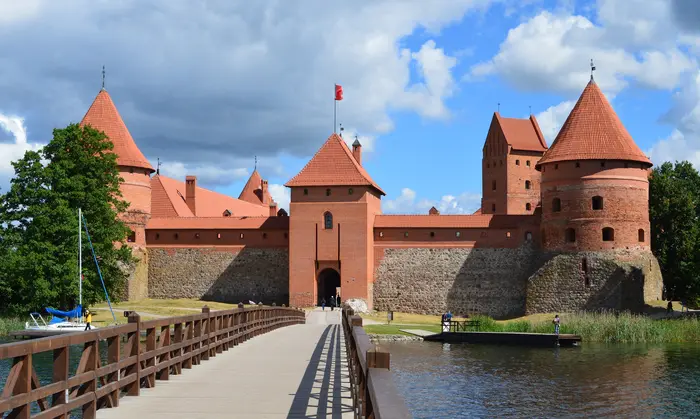
Day Trips from Vilnius
The best day trips from Vilnius compared: island-castle Trakai, ancient Kernavė, second-city Kaunas, the Paneriai memorial, Europos Parkas, the Green Lakes, Rumšiškės and the Hill of Crosses — with honest notes on transport, timing and what's worth a car or a tour.
Read guide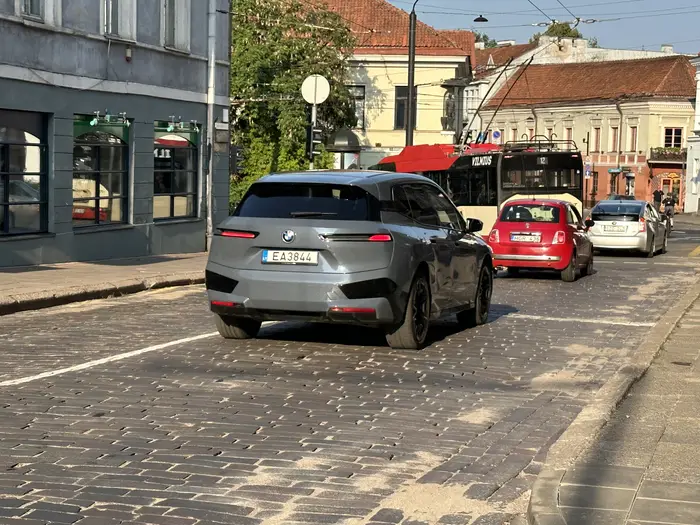
Driving & Parking in Vilnius
When a car actually helps in Vilnius and when it gets in the way: Old Town parking zones and prices, where to leave the car, day-trip driving, rental strategy and winter cautions.
Read guide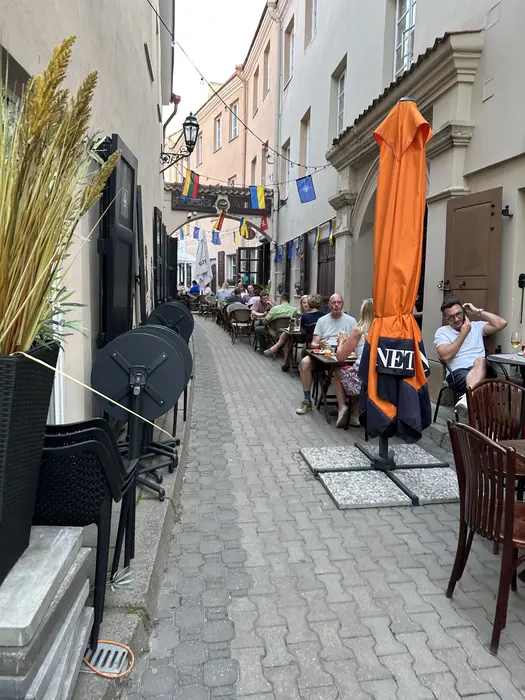
Four Days in Vilnius: A Slower, Deeper Itinerary
A four-day Vilnius itinerary that goes beyond the Old Town: the historic core and viewpoints, Užupis and the riverside, a day of neighbourhoods and Jewish heritage, and a full day trip to Trakai or Kaunas — for travellers who would rather know a city well.
Read guide