
Four Days in Vilnius: A Slower, Deeper Itinerary
A four-day Vilnius itinerary that goes beyond the Old Town: the historic core and viewpoints, Užupis and the riverside, a day of neighbourhoods and Jewish heritage, and a full day trip to Trakai or Kaunas — for travellers who would rather know a city well.
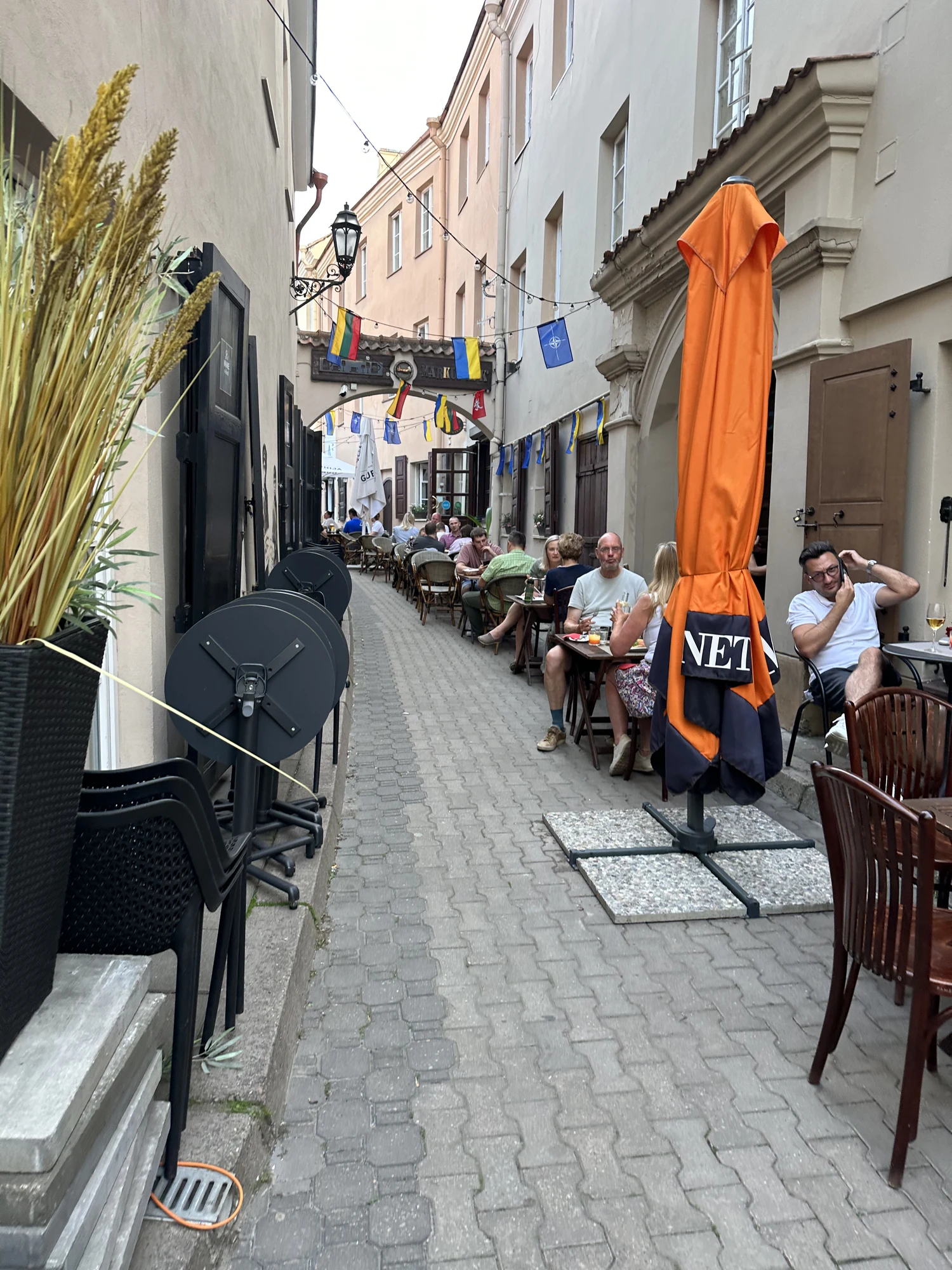
- ✓Four days lets Vilnius stop feeling like a city break and start feeling like a place you know.
- ✓Day one is the Old Town; day two adds Užupis, the MO Museum and Paupys; day three goes into the neighbourhoods and the city's Jewish heritage; day four is a full day trip.
- ✓With four days you can take a proper full day trip — Trakai unhurried, or Kaunas, the interwar capital, an hour away by train.
- ✓Day three slows right down: Antakalnis, the former ghetto streets, memorials and the quieter corners most weekend visitors miss.
- ✓The pace is deliberately gentle, with whole free afternoons — the kind of slack that turns a trip into a stay.
What four days buys you
Most people give Vilnius two or three days and leave happy. Four days is for travellers who would rather know one city well than rush three. It is the length at which Vilnius stops being a checklist and becomes a place you have a feel for — where you have a favourite café, a neighbourhood you wandered with no plan, and a day trip taken slowly rather than squeezed. Nothing in these four days is rushed, and at least one afternoon is left deliberately empty.
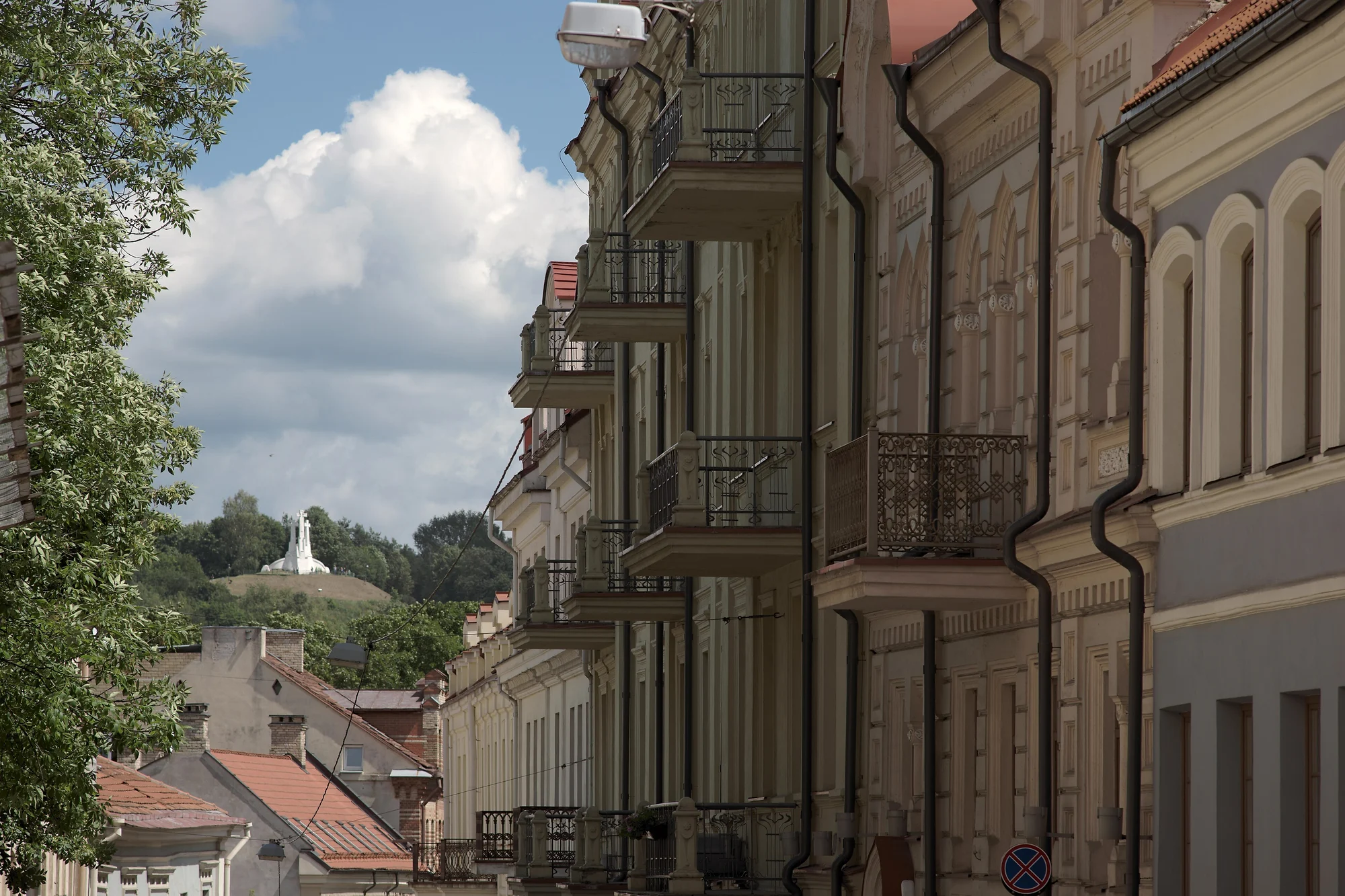
The plan keeps the proven first-trip structure for the opening days, then opens out. Day one is the Old Town and a sunset. Day two crosses the Vilnia for Užupis, the MO Museum and the Paupys riverside. Day three is the one most short visits skip: the residential neighbourhoods, the city's profound and painful Jewish heritage, and its quieter parks and corners. Day four is a full day trip — Trakai taken at leisure, or Kaunas, the interwar capital, an hour west by train.
If your first two days look familiar, that is on purpose — they mirror our two- and three-day plans, so you can read those for the blow-by-blow. This guide concentrates on days three and four, the depth that four days uniquely allows.
Days one and two: the city core (in brief)
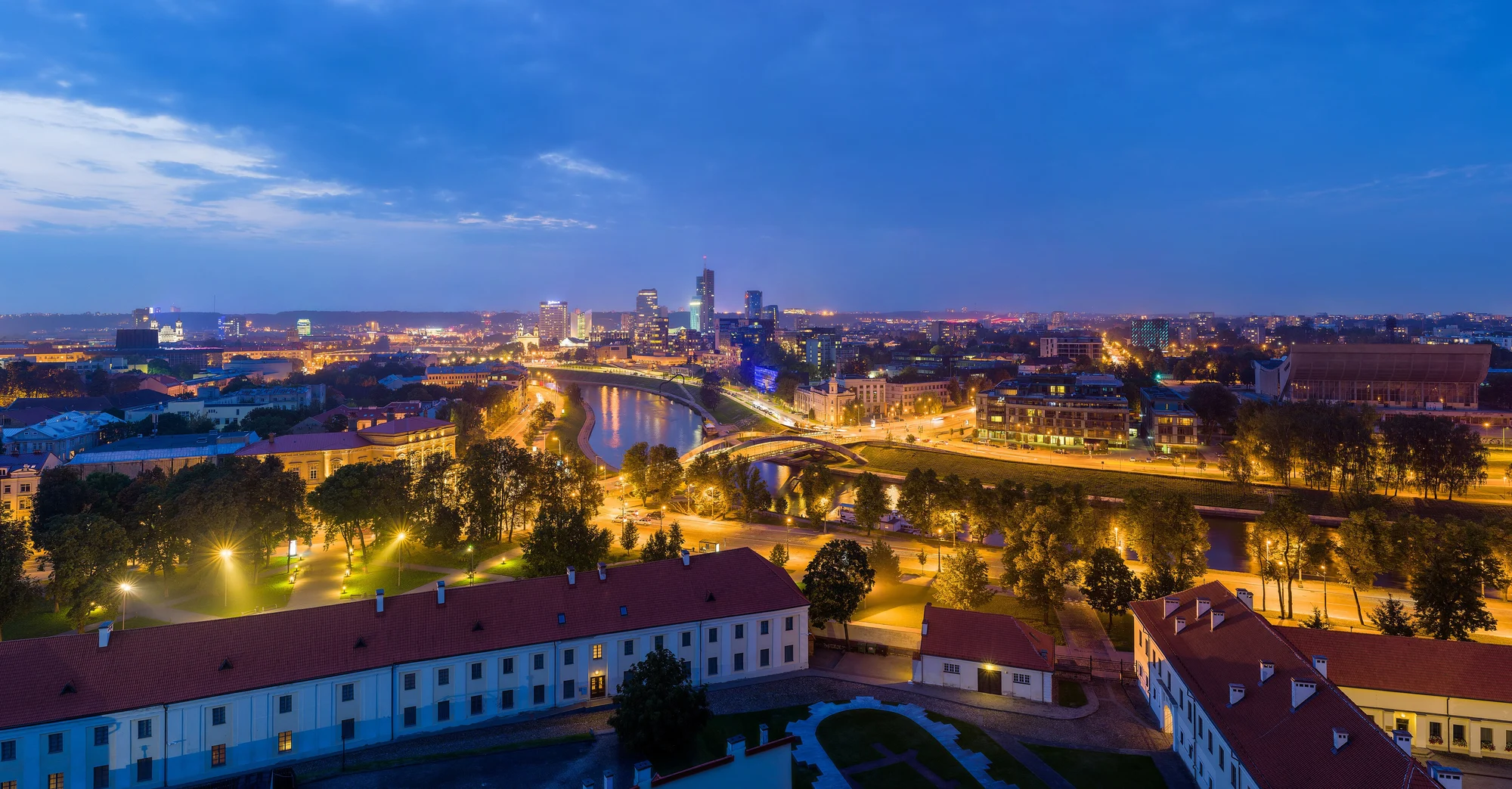
Spend day one in and above the Old Town: Cathedral Square and the Stebuklas tile, the cobbled Pilies–Didžioji walk to the Gate of Dawn, the University courtyards, the great free churches (Gothic St. Anne's, stucco-filled St. Peter and St. Paul), and a sunset from Gediminas' Tower or the free Three Crosses viewpoint. It is an easy, mostly-free day on foot, and the right introduction to the scale and beauty of the place.
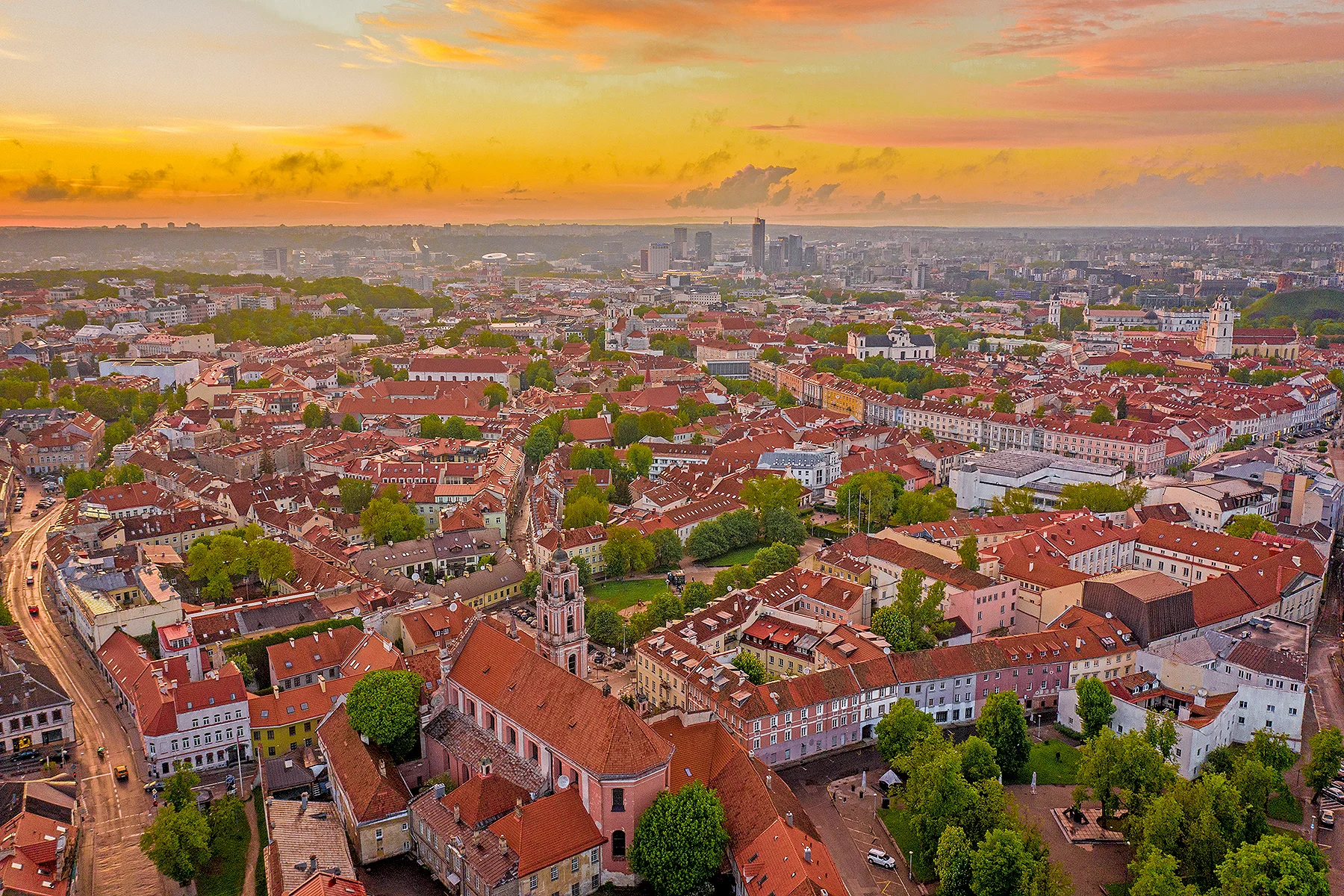
Day two changes register. Begin at the MO Museum, the Libeskind-designed home of modern Lithuanian art (around €11; closed Tuesdays), then cross the Vilnia into Užupis — the artists' "republic" with its playful constitution, angel and river swing — and drift downstream to the Paupys quarter, grazing through the Paupys Market food hall by the water. Keep the evening for dinner and a bar; Vilnius punches above its size for cocktails and craft beer.
The one advantage of four days over three on these opening days is that you can afford to slow them down further — a second viewpoint, a longer lunch, an extra church or the bell-tower climb — knowing you are not racing a clock toward a day trip. There is no need to choose between Gediminas' Tower and Three Crosses, or between MO and the riverside; over four days you can simply do both, at a walking pace, with coffee in between.
Both days are covered step by step in our two- and three-day itineraries, so we will not repeat them here. The point of four days is what comes next: the depth that only the extra time unlocks.
The full day-one core in depth.
Užupis guideThe republic across the river for day two.
MO MuseumThe contemporary art anchor of day two.
Map pins
Map data © OpenStreetMap contributors · Tiles © OpenFreeMap
Day three, part one: neighbourhoods beyond the Old Town
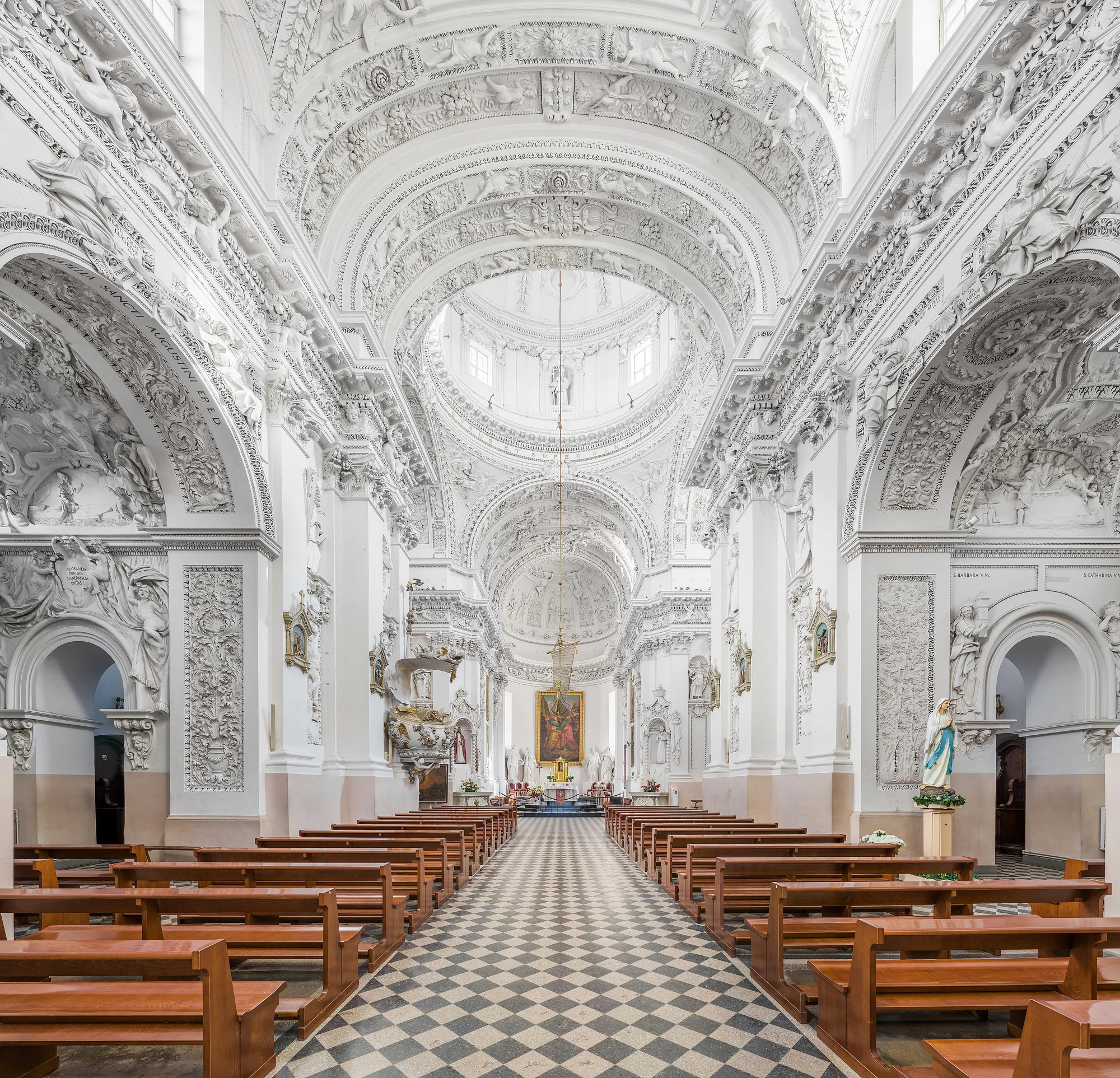
Day three is the reason to give Vilnius four days. Step out of the historic core and into the everyday city. Antakalnis, northeast along the Neris, is one of the oldest and leafiest residential districts — the over-the-top stucco interior of St. Peter and St. Paul, the sober and moving Antakalnis Cemetery, and quiet streets of wooden houses and grand villas. Naujamiestis, the New Town, shows the working city of Gediminas Avenue, Lukiškės Square and the former-prison-turned-culture-hub. These are not sights to tick off so much as places to walk and absorb.
Build the morning around a single neighbourhood walk rather than a list. Whichever you choose, the pleasure is in the texture: courtyards, corner bakeries, Soviet-era apartment blocks softened by birch trees, and the sense of how the city actually lives between its monuments. Our guide to local Vilnius beyond the Old Town maps the districts worth your time and how they connect.
If the weather is kind, weave in some green. Vingis Park, the city's largest, curls along the Neris and is a favourite local Sunday spot; Bernardine Garden and the Sapieginė woods on the city's edge give easy nature without leaving town. Paupys, if you skipped it on day two, rewards a slow riverside hour, and the bohemian galleries of Užupis are worth a second, deeper visit now that the crowds of a first walk are behind you. The point of this morning is texture over tick-list — the everyday city that two-day visitors never reach.
Pause for a long, local lunch wherever you end up — away from the Old Town, prices drop and the rooms fill with Vilnius rather than visitors. Antakalnis, Žvėrynas across the river with its wooden Art Nouveau villas, and the New Town's bistros all do this well, and a relaxed midday meal sets up the more reflective afternoon to come.
Day three, part two: Vilnius's Jewish heritage
Give the afternoon of day three to the city's Jewish heritage, told honestly. Before the Second World War, Vilnius — Vilna — was one of the great centres of Jewish life and learning in Europe, known as the "Jerusalem of the North" and home to the towering scholar the Vilna Gaon. The Holocaust destroyed that world; remembering it is part of understanding the city. This is a respectful afternoon, not a sightseeing sprint.
Walk the streets of the former ghetto in the Old Town — around Žydų, Stiklių and Mėsinių streets — where plaques and memorials mark what stood here, and where the Great Synagogue and its surrounding shulhoyf once formed the heart of Jewish Vilna. Visit the Vilna Gaon Museum of Jewish History to set it in context, and seek out the bronze monument to Dr. Tzemach Shabad, the beloved physician said to have inspired Doctor Dolittle. Those with a deeper interest, or a car or tour, can continue to the Paneriai memorial on the city's edge, where tens of thousands were murdered — a sobering but important place. Our dedicated Jewish heritage itinerary lays out a careful, full route through the ghetto streets, memorials and museums.
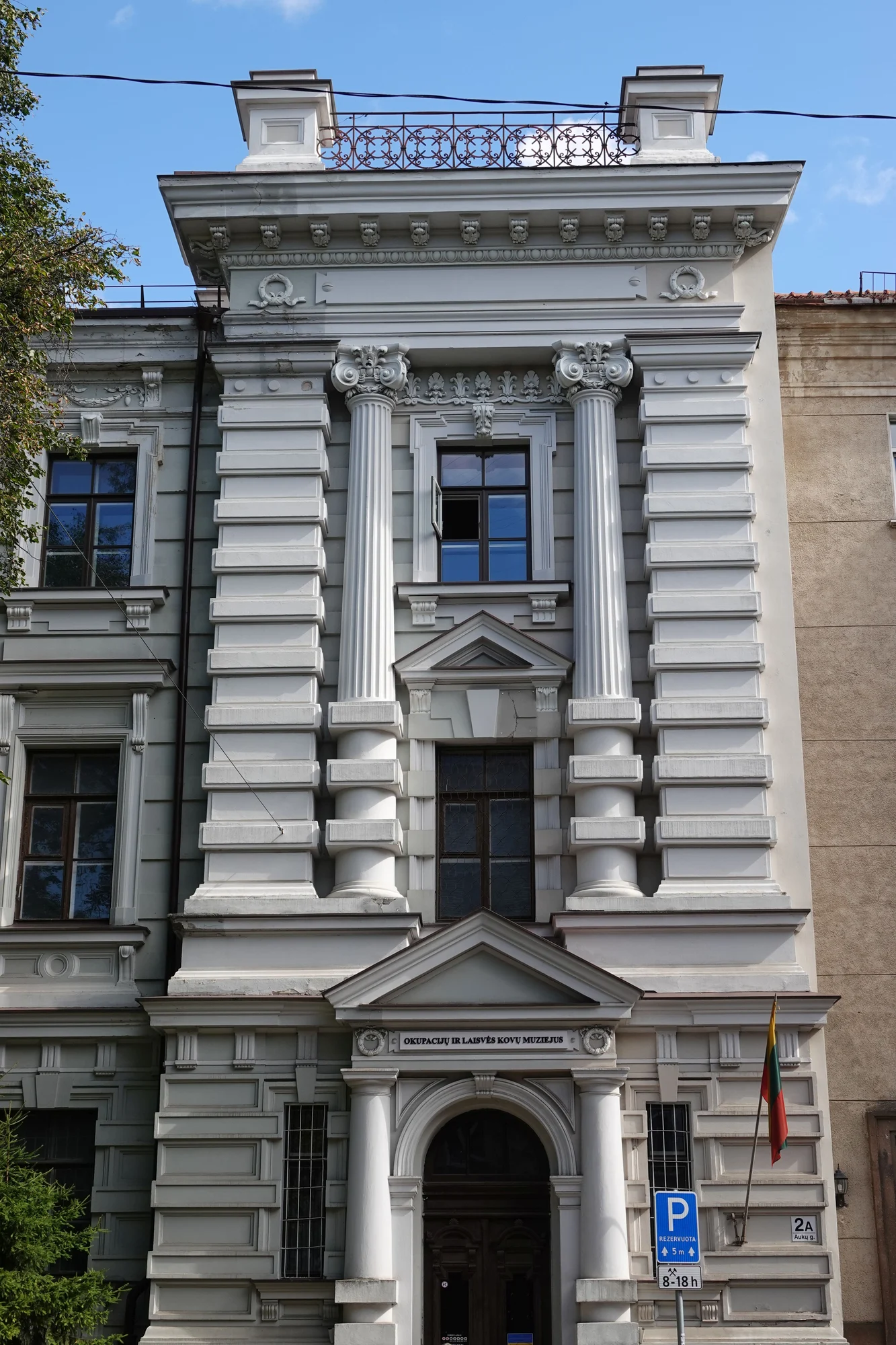
If history is the thread you want to pull, day three can lean further into it. The Museum of Occupations and Freedom Fights — the former KGB building, with its preserved cells in the basement — tells the 20th-century story of occupation and resistance, while the Palace of the Grand Dukes and the Gediminas Hill museum reach back to the medieval Grand Duchy that made Vilnius a great European capital. You cannot do all of it in one afternoon, and you should not try; pick the strand that speaks to you and give it room.
End the day quietly. After an afternoon like this, the right move is a slow dinner and an early night rather than a bar — and the city, having shown you its joy on days one and two, has now shown you its memory. It is this fuller, more honest portrait that four days uniquely allows, and the reason the extra day is worth taking.
Day four: a full day trip — Trakai or Kaunas
Day four is a whole day out of the city, taken at a pace two or three days would not allow. The classic choice is Trakai, the island castle on Lake Galvė — about 30 minutes by train (~€6 return) or bus (~€3.60 one way). With a full day rather than a half, you can do it properly: the castle and its museum, then a paddleboat on the lake, a wooded shore walk, and a kibinas pastry from the local Karaim community. Confirm castle hours and entry (roughly €10–12 adults, more in summer) before you set out.
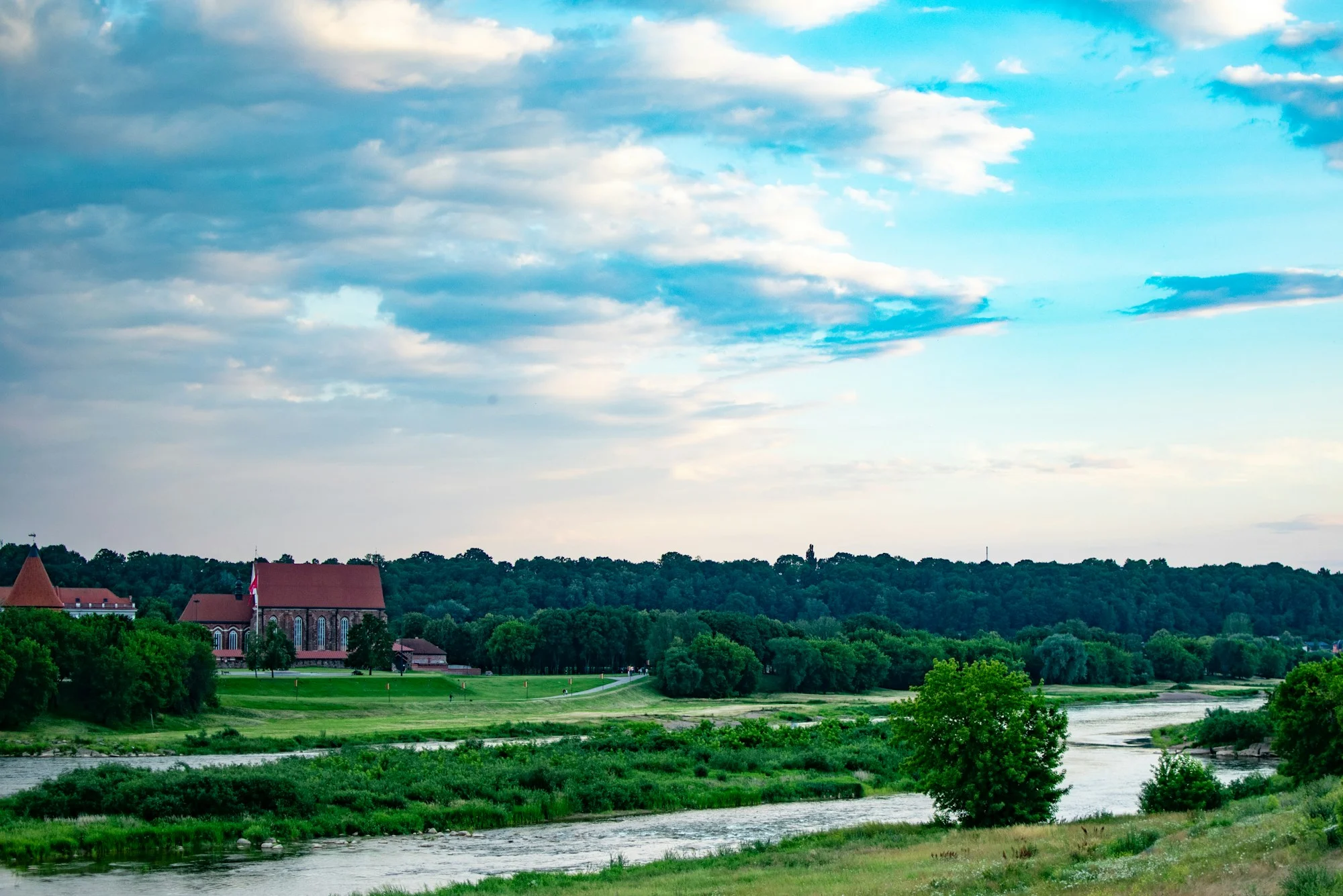
For something more substantial, take the train an hour west to Kaunas, Lithuania's second city and interwar capital. Its draw is a compact, walkable Old Town where the Nemunas and Neris rivers meet, an exceptional run of 1920s–30s modernist architecture (UNESCO-listed) that earned it a place on the world heritage list, strong museums including the Devil's Museum and the Čiurlionis art gallery, a long pedestrian boulevard lined with cafés, and a funicular or two of its own. A full day is right for Kaunas; it does not work as a half, and the fast trains run roughly hourly, so check the timetable and aim to leave Vilnius mid-morning. Our Kaunas day-trip guide covers timings, what to see and whether it merits an overnight.
Whichever you pick, return to Vilnius in the evening for a final dinner. Four days, paced this way, gives you the city's beauty, its bohemian edge, its neighbourhoods, its memory, and its lake-and-castle hinterland — the closest a short trip comes to actually knowing a place.
- Trakai (full day): castle museum, paddleboat on Lake Galvė, Karaim kibinas; ~30 min by train or bus.
- Kaunas (full day): interwar modernism, Old Town, museums; ~1 hour by train, not a half-day trip.
- Either way, book nothing you do not need to — both run on frequent public transport.
Eating, drinking and the slow hours
Four days is enough to eat your way properly around the city, and to do it beyond the Old Town's tourist core. Keep the classics — cepelinai, cold beetroot soup in summer, koldūnai, dark rye, smoked cheese, honey cake — but spread them across neighbourhoods: a tavern in the Old Town, a market plate at Paupys or Hales, a modern-Lithuanian bistro in the New Town, a long lunch in Antakalnis or Žvėrynas where prices drop and the rooms fill with locals. With four days you can afford to follow recommendations rather than convenience.

Give one evening to the city's drinks scene, which is genuinely strong: cocktail bars in Old Town cellars, a growing natural-wine culture, and a craft-beer movement that is among the most interesting in the region. Coffee, too, is taken seriously — the third-wave cafés are worth a slow morning, and a mid-afternoon coffee-and-cake is a very local way to pause between sights. A guided food tour, slotted into the first or second day, is the most efficient crash course in all of it.
Above all, four days buys slow hours, and they are the point. Build in a morning with nothing booked, a long riverside walk, a park afternoon, an unplanned café. The travellers who give Vilnius four days and remember it most fondly are not the ones who saw the most, but the ones who let the city set the pace — which, in a place this compact, romantic and unhurried, is the whole pleasure.
- Spread meals across neighbourhoods — Old Town tavern, Paupys/Hales markets, New Town bistros, Antakalnis lunches.
- One evening for the drinks scene: cellar cocktail bars, natural wine, craft beer.
- Protect the slow hours — an unbooked morning, a riverside walk, a park afternoon.
Where to stay over four days
Four days is long enough that where you stay shapes the trip more than on a flying weekend. The Old Town remains the easy default — everything within a stroll, the floodlit evening walks, the boutique and palace-style hotels — and for a first longer visit it is hard to beat. But four days also lets you consider basing on the river side around Paupys, which is calmer and more design-led, or in a residential pocket like Antakalnis or the Gediminas Avenue end of the New Town, where you live a little more like a local and pay a little less.
Couples and honeymooners are well served at the top end, where palace conversions and spa hotels make the stay part of the experience. Budget-minded travellers will find better value in the station district while staying walkable. Whatever the tier, book ahead for summer and festival weekends, and read our best-neighbourhoods and best-hotels guides for the trade-offs between the historic core, the river side and the quieter districts.
Because you have the time, you might even split your stay — two nights in the Old Town for the headline days, then two on the river or in a neighbourhood for the slower half. It is a small bit of extra packing for a noticeably richer sense of the city.
Practical notes for four days
Over four days you will use a little more transport than on a short trip, so it helps to know the basics. The euro is the currency and cards — including phone-contactless — work everywhere, on buses and trolleybuses included; a single ride costs well under a euro and a half tapped contactless. Vilnius is one of Europe's safest capitals, the centre is compact and walkable, English is widely spoken, and tap water is safe. The airport is about 6 km out, an easy bus, train or short taxi from the centre.
Plan around a few fixed points. The MO Museum is closed on Tuesdays; the Gediminas funicular and tower keep shorter winter hours; and your day-four destination has its own rhythm — frequent trains and buses to Trakai, hourly-ish fast trains to Kaunas — so check return times the night before, especially for the last comfortable evening services. In peak summer, pre-book Trakai castle tickets online to skip the queue.
On timing the trip: late spring to early autumn gives long, light evenings perfect for viewpoints, neighbourhood walks and lake time, while winter trades daylight for a beautiful Christmas market and snug interiors. Four days flexes well across seasons — there is always an indoor museum, a sauna, or a café to absorb a grey afternoon, and a free viewpoint to seize a clear one.
- Euro; cards and contactless accepted everywhere, including public transport.
- MO closed Tuesdays; funicular/tower keep shorter winter hours.
- Check Trakai/Kaunas return times the night before; pre-book Trakai tickets in summer.
- Very safe, walkable centre; airport ~6 km; tap water safe; English widely spoken.
Related guides
Vilnius Itineraries
Ready-made Vilnius routes for every kind of trip — one day, a weekend, two or three days, plus themed plans for food, history, families, romance and Christmas. Pick a plan and go.
Read guide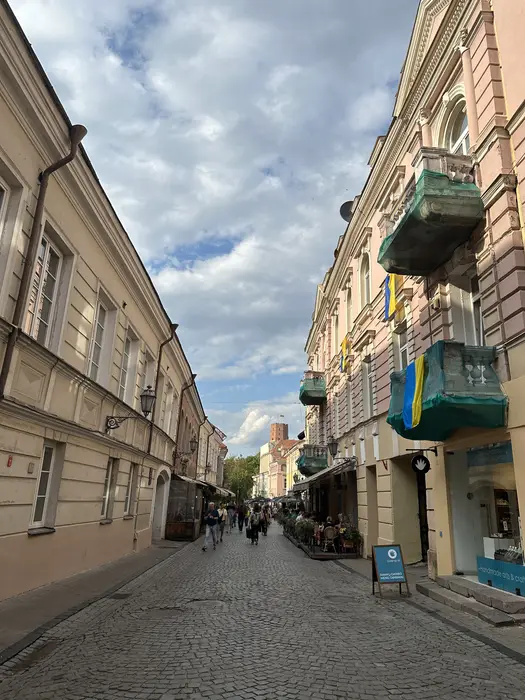
Three Days in Vilnius: The Ideal Itinerary
A three-day Vilnius itinerary that pairs the Old Town, viewpoints, Užupis and the MO Museum with proper food and one easy half-day trip to lakeside Trakai Castle — paced for couples who would rather know one city well.
Read guide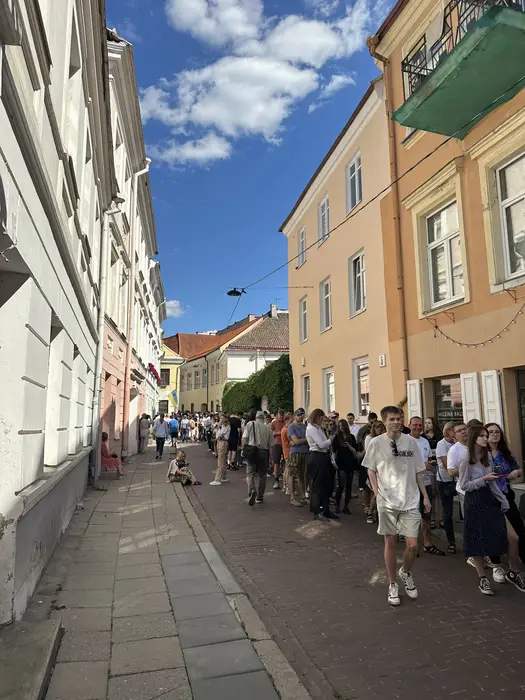
Vilnius Jewish Heritage Itinerary
A respectful route through Jewish Vilna — the 'Jerusalem of the North': the former ghetto streets, the Vilna Gaon legacy, surviving synagogues and memorials, the city's Jewish museums, and the Paneriai Memorial.
Read guide