
Open House Vilnius guide
A planning guide to Open House Vilnius, the free architecture weekend when buildings normally closed to the public open their doors: how it works, when it happens, how to handle the first-come queues, and how to route a self-guided day around the city's design.
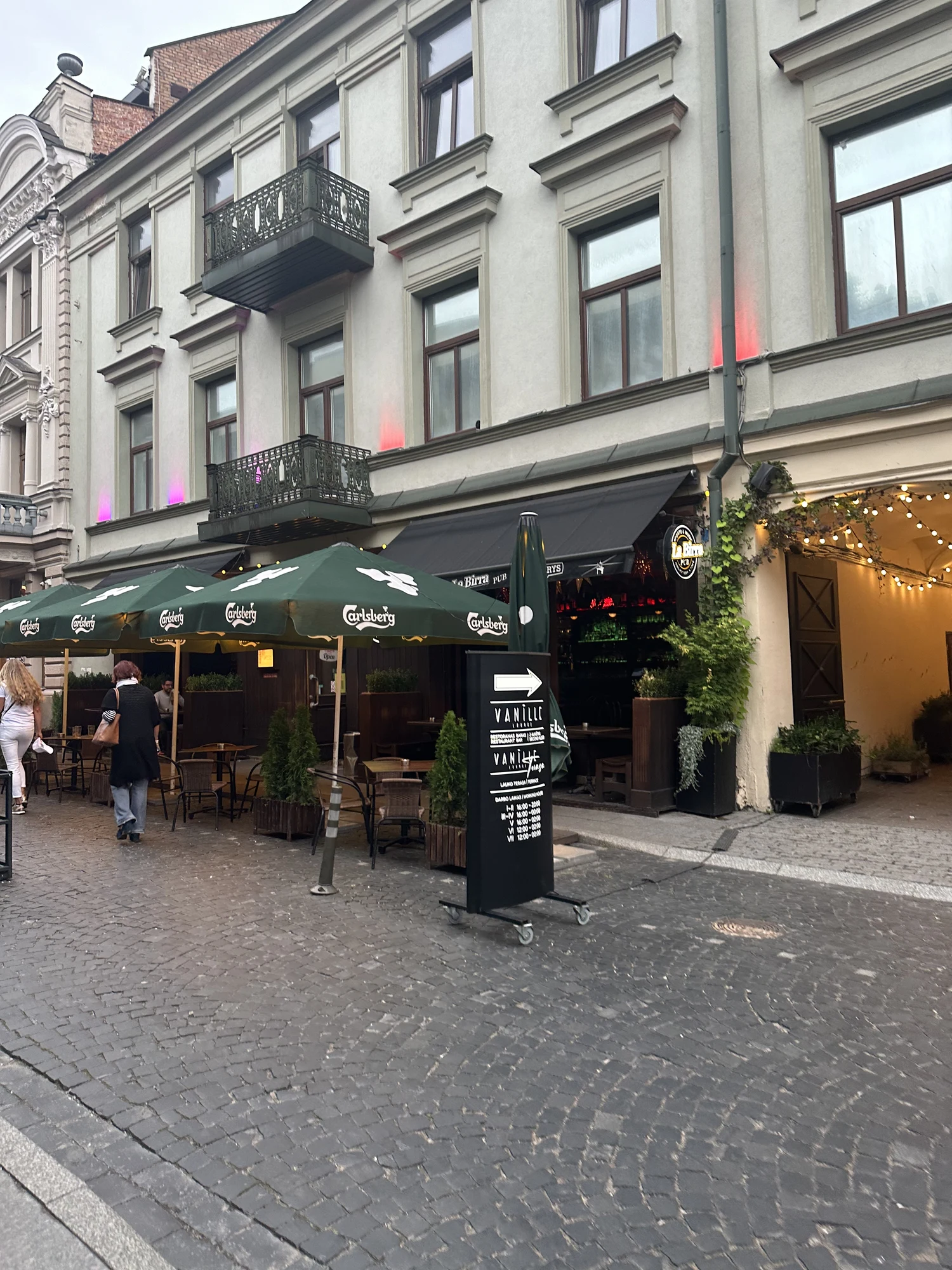
- ✓Open House Vilnius is a free weekend each year when buildings, interiors and spaces normally closed to the public open their doors, with volunteer guides telling the stories behind them.
- ✓It is run by the Architecture Foundation as part of the worldwide Open House movement, and the programme spans dozens of objects — apartments, offices, institutions, green spaces and hidden interiors.
- ✓Most visits are free and run on a first-come, first-served basis with no advance booking, though the most popular buildings draw queues and a few sites use timed sign-ups.
- ✓The weekend is a brilliant way to get behind the facades of the Old Town and the modern city and to explore neighborhoods you might otherwise skip.
- ✓Plan a loose route around two or three anchor buildings, arrive early at the headline sites, and let the rest of the day fill itself in.
What Open House Vilnius is
Open House Vilnius is the city's edition of the global Open House movement: one weekend a year when buildings that are usually private, restricted or simply unnoticed throw open their doors for free, and volunteer guides explain what makes each one matter. Organised by the Architecture Foundation, it has grown into a fixture of the cultural calendar, with a programme that runs to dozens of objects across the city — grand institutions and quiet apartments, working offices and disused interiors, courtyards, gardens and infrastructure you would never normally get inside.
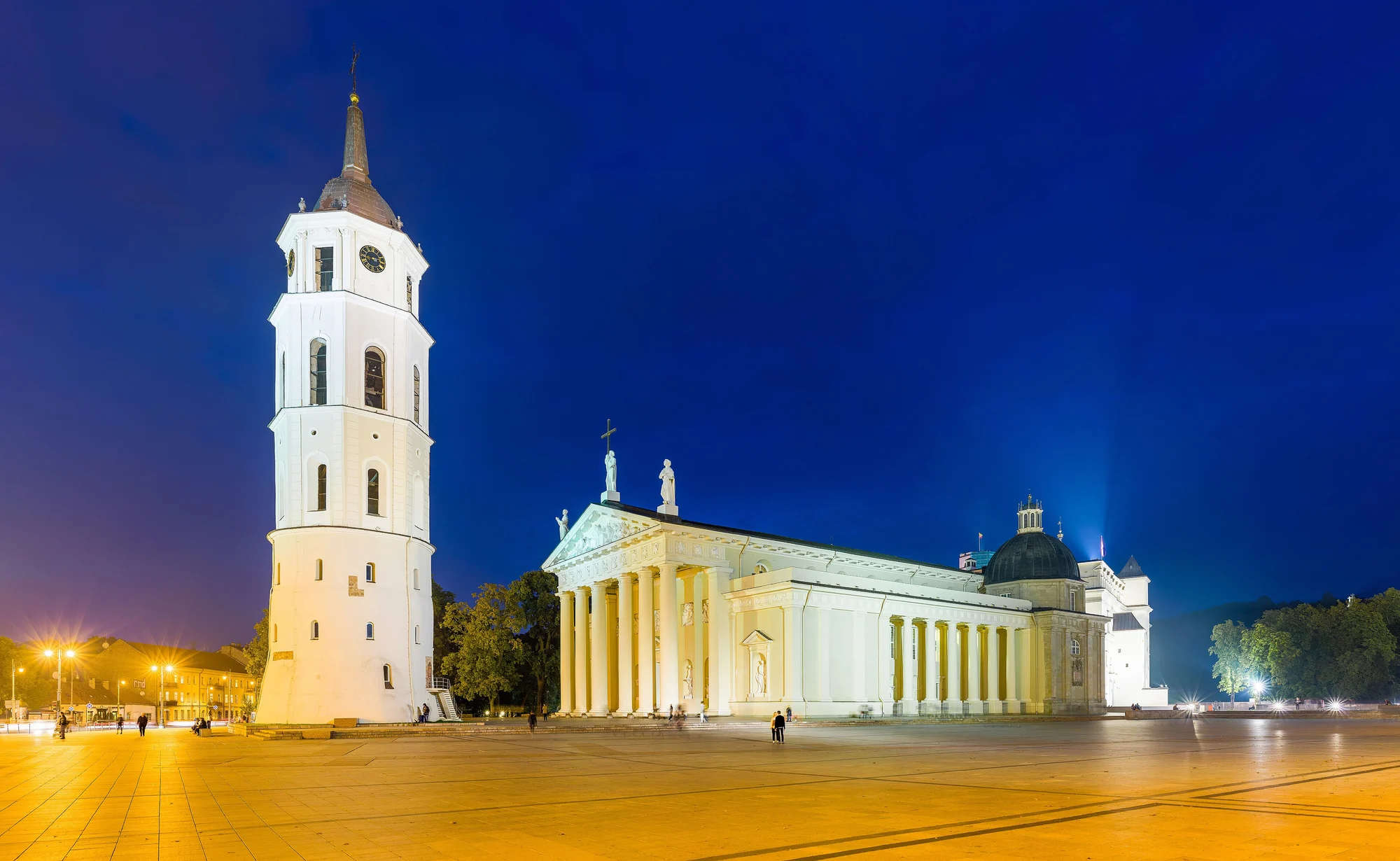
The appeal is the access. Vilnius is a city you mostly experience from the street, and Open House is the rare chance to step behind the facades — into a stairwell, a boardroom, a restored interior, a rooftop, a designer's studio. The guides are often the architects, owners or enthusiasts closest to each building, so the commentary is personal and specific rather than scripted, and you come away understanding not just how a place looks but how it was made and used.
It is also a deliberately democratic event. There is no single ticket, no headline venue and no fee to walk in; the city itself is the exhibition, and the programme is spread so that you assemble your own day from the published list. That format makes it as much about discovering neighborhoods as individual buildings, and it draws a curious, friendly crowd of locals and visitors moving between sites on foot, by bike and occasionally by water.
For a visitor, the timing and tone are part of the charm. The weekend usually lands in spring, when the city is greening up and easy to walk, and the mood is relaxed and inquisitive rather than touristy. You will find yourself in the company of people who genuinely care about how Vilnius is built — students, designers, residents proud of their own building — and the conversations in a queue can be as memorable as the interiors themselves. It is the kind of event that quietly reshapes how you see a city, so that the facades you walked past all trip suddenly have stories attached.
When it happens and how it works
Open House Vilnius runs over a single weekend in spring; the 2026 edition is scheduled for 16–17 May. The exact dates move year to year and the building list is announced only a few weeks ahead, so check the official Open House Vilnius site for the current weekend and programme before you plan around it. The full list of objects, opening times and any sign-up rules is published there.
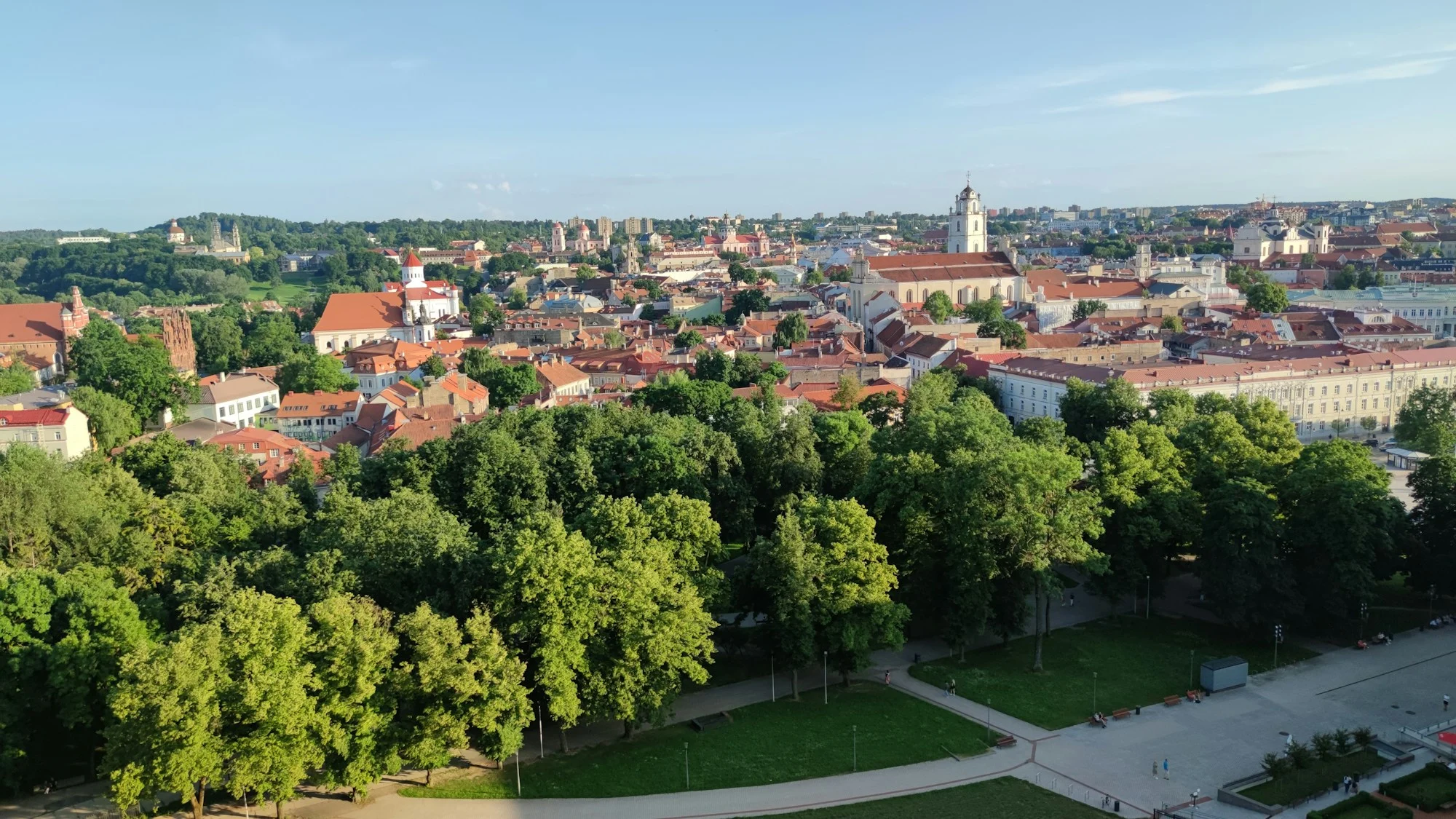
The default model is simple: most visits are free, open to everyone, and run on a first-come, first-served basis with no booking, led by volunteer guides on a rolling schedule. That makes the weekend wonderfully spontaneous — you can show up and walk in to many sites — but it also means the most sought-after buildings build queues, and a handful of sites with limited capacity may use timed slots or advance sign-ups that fill quickly. Read each object's listing before you go, because the rules differ from building to building.
Plan, then, for a mix. Treat a couple of headline buildings as fixed points worth arriving early for, and fill the gaps around them with whatever is open nearby and queue-free. Wear comfortable shoes, expect to be on your feet and outdoors between sites, and accept that you will not see everything — the programme is far larger than one weekend allows, which is part of why people come back.
- 2026 dates: 16–17 May (a single spring weekend; dates shift each year).
- Run by the Architecture Foundation as part of the global Open House network.
- Most visits are free, first-come and unbooked; popular sites queue and some use timed sign-ups.
- The object list and any sign-up rules are published on the official site a few weeks ahead.
- You cannot see everything — pick anchors and improvise around them.
Routing a day and where to base yourself
The smartest way to do Open House is to route geographically rather than chase a wish list across the city. Group the objects you want by neighborhood, pick a cluster, and walk it — you will lose far less time to transit and queues, and you will discover the streets between buildings as much as the buildings themselves. The Old Town, the New Town and the central districts usually offer dense, walkable clusters; outlying objects are worth a dedicated trip only if one is a must-see.
Build in slack. Queues at the popular sites are the main time sink, so for those, arrive at opening or near the end of the day when lines thin, and use the in-between hours for the smaller, quieter objects that you can walk straight into. Carry water and a snack, because you will be moving between sites for hours, and check each listing's exact opening window — not everything is open both days or all day.
As for a base, anywhere central works because the weekend is built around walking and the densest clusters sit in and around the historic core. Stay in or near the Old Town and you can step out into a full day of architecture on foot, drop back for a rest, and head out again. Pair the weekend with the wider city — a few guided tours, a neighborhood you have not seen, a long café break — and Open House becomes the spine of a genuinely original Vilnius trip.
One last piece of advice: keep the day playful rather than completist. The temptation is to treat the object list as a checklist and sprint through as many buildings as possible, but the visitors who enjoy Open House most are the ones who slow down — who linger in an interior they love, ask the volunteer guide a question, and let one building lead them down a street they would never otherwise have walked. You will see fewer objects that way and remember far more of them. Vilnius is a city that rewards looking closely, and Open House is the one weekend a year built entirely around doing exactly that.
- Route by neighborhood and walk each cluster rather than crossing the city repeatedly.
- Hit popular sites at opening or late; use mid-day for quieter, queue-free objects.
- Check each listing — not every object is open both days or all day.
- Base yourself centrally; the densest clusters are in and around the Old Town.
Related guides
Vilnius Hidden Gems Worth Seeking Out
The Vilnius hidden gems worth your time — quiet courtyards, lesser-known churches, art streets, atmospheric cemeteries, modernist corners and green spaces for slower, more local travellers.
Read guide
Vilnius Neighborhoods Guide
A guide to the neighborhoods of Vilnius — from the UNESCO Old Town and bohemian Užupis to the riverside New Town, Soviet-era microdistricts and leafy residential quarters — and how to pick the right base for your stay.
Read guide
Vilnius in April
Spring walks, Užupis Republic Day, Easter timing, parks, galleries, Trakai and weather-flexible planning for Vilnius in April.
Read guide