
Street Music Day guide
How to enjoy Street Music Day (Gatves muzikos diena) in Vilnius: when it happens, what the day is like, where to find the best music in the Old Town and beyond, how the crowds work, and where to take a cafe break between performers.
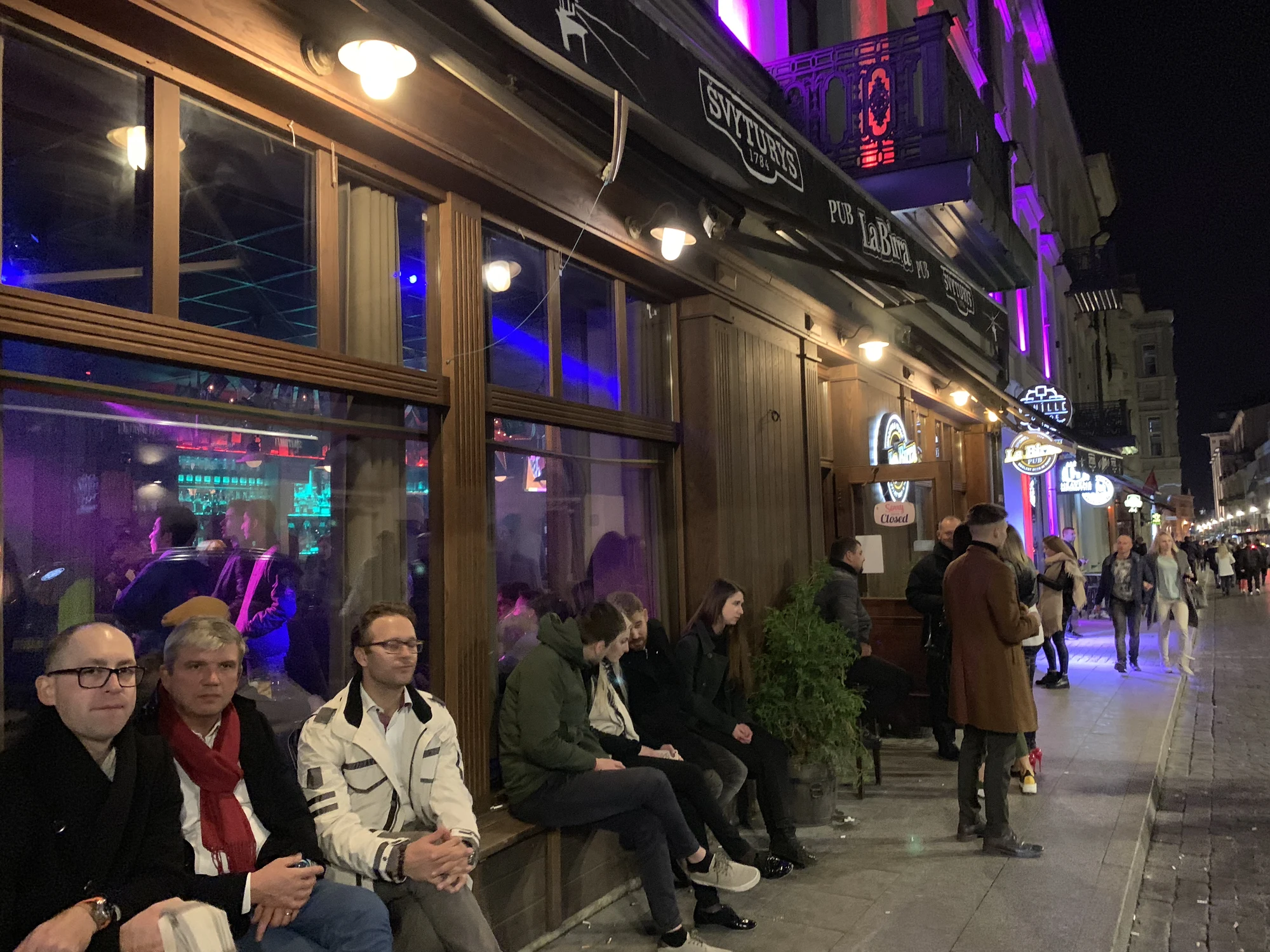
- ✓Street Music Day fills the streets, squares and courtyards of Vilnius with amateur and professional musicians for one joyful spring Saturday.
- ✓Anyone who wants to play simply turns up and plays — there is no stage, no ticket and no lineup, just music breaking out all over the city.
- ✓In 2026 it falls on Saturday 16 May, marking the event's 20th birthday, with performances running through the afternoon and into the evening.
- ✓The Old Town is the densest cluster, but the magic is in wandering: every corner brings a different sound, from folk to jazz to full bands.
- ✓It is free, family-friendly and gloriously informal — stroll, listen, drop coins in cases, and break for coffee when your feet tire.
What Street Music Day is
Once a year, on a Saturday in May, Vilnius hands its streets over to anyone with an instrument and the nerve to play in public. Street Music Day — Gatves muzikos diena — is exactly what it sounds like: a city-wide, open-to-all music event with no stages, no headliners and no admission, where musicians of every level simply find a spot on a pavement, a square, a courtyard or even a tram, and play. It began in Vilnius in the mid-2000s and has since spread to cities across Lithuania and beyond, but the capital remains its spiritual home and its biggest celebration.

The result is one of the most charming days in the city's calendar. Walk a single block of the Old Town and you might pass a teenager with a guitar, a string quartet, a folk ensemble in traditional dress, a jazz trio and a one-person band, all within a few minutes. The quality ranges from tentative beginners to genuinely excellent professionals who treat the day as a chance to busk for the joy of it, and the unpredictability is the whole point — you never know what is around the next corner.
What makes it special is the spirit rather than the spectacle. There is no commercial sheen and no main event to queue for; it is a grassroots, democratic celebration of making music in shared space, and the city responds with warmth. Crowds drift and gather, applaud, throw a few coins, and move on. For a visitor, it is a window into the friendly, unpretentious side of Vilnius — and an excuse to walk the city with a permanent soundtrack.
When it is and how the day works
Street Music Day is held on a Saturday in May each year. In 2026 it falls on Saturday 16 May and is a milestone edition — the event's 20th birthday — so expect an especially full and celebratory day. Performances typically build through the late morning, peak in the afternoon and carry on into the evening, with the heart of the day running roughly from midday to around 10pm. Because the date moves within May from year to year, confirm it on the official Gatves muzikos diena site before you plan a trip around it.
There is no fixed programme to follow, which is the joy and the catch of the day. Rather than a schedule, you get a city full of self-selected pitches; the organisers and the event's app or map can point you to registered locations, but the best approach is simply to wander and let your ears lead. The Old Town has the densest concentration of musicians — Pilies Street, the university courtyards, Town Hall Square and the lanes around them are reliably full of sound — but performers spread well beyond the historic core into the New Town and local neighbourhoods, so it rewards exploring further than you might expect.
Treat it as a slow, all-day stroll rather than a set of timed events. Start in the Old Town to soak up the density, then drift outward as the afternoon goes on, following whatever music pulls you. Bring some coins for the cases and hats, wear comfortable shoes, and build in plenty of cafe stops — the rhythm of the day is listen, walk, sit, repeat. It is one of the most relaxed and rewarding ways to spend a spring Saturday in the city.
- 2026 date: Saturday 16 May (the event's 20th edition).
- Hours: performances roughly midday into the evening, peaking mid-afternoon.
- No fixed lineup — wander and let your ears lead; the Old Town is densest.
- Free to enjoy; bring coins for the cases and comfortable shoes.
Where to find music away from the busiest central streets.
Events in VilniusOther seasonal events to combine with a spring visit.
Map pins
Map data © OpenStreetMap contributors · Tiles © OpenFreeMap
Making the most of it — routes, crowds and cafe breaks
Because there is no central event, the best strategy is a loose walking route rather than a fixed destination. A good loop starts at Cathedral Square, runs down Pilies and Didzioji toward Town Hall Square dipping into university courtyards and side lanes along the way, and then loops back — you will hit the highest density of performers without trying. From there, if you have the energy, cross into the New Town or wander toward Uzupis, where the quieter pitches often have the most characterful music and the smallest crowds.
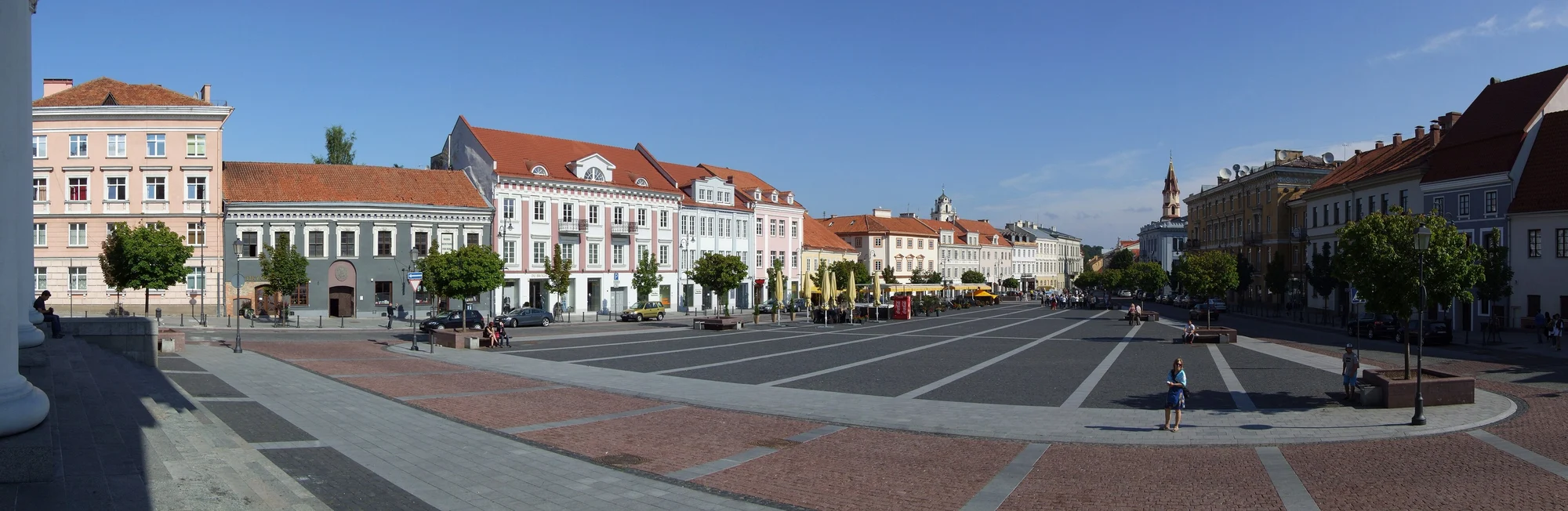
The Old Town gets busy, especially in the afternoon, so pace yourself and use the crowds as a signal: a gathering usually means something worth stopping for. If the central streets feel too packed, that is your cue to head outward, where you will often find an unexpectedly good band playing to a handful of people in a residential square. The contrast between the buzzing centre and the mellow fringes is part of what makes the day memorable.
Most importantly, build the day around breaks. This is a walk-and-listen event that can easily run six or eight hours, so plan to stop often — a coffee here, a long lunch there, a cold drink in the late afternoon. The Old Town and New Town are full of good cafes, and sitting outside one with a coffee while a band plays nearby is, frankly, the whole experience distilled. Let the music set the pace, rest when you need to, and you will come away having seen the warmest, most human face of Vilnius.
Bring small change and use it. The musicians play for the love of it rather than for money, but open instrument cases and hats are part of the ritual, and dropping a coin or two for a performance you enjoyed is both kind and part of the spirit of the day. Carry a handful of coins specifically for this; cards are no use to a busker on a street corner. It is a small thing that makes the day feel like a shared exchange rather than passive sightseeing.
If the weather cooperates, this is one of the best possible introductions to the city for a first-time visitor, because it shows you Vilnius doing what it does best: being relaxed, creative and friendly in its own public spaces. And if rain threatens, do not write the day off — musicians shelter in archways, courtyards, covered passages and even on public transport, so the music simply migrates indoors and the event carries on in a slightly more intimate form. Either way, keep your plans loose, follow your ears, and treat the whole city as the venue.
- Walk a loose loop: Cathedral Square — Pilies — Town Hall Square — and outward.
- Head beyond the centre for quieter pitches and characterful music.
- Build in frequent cafe breaks — it is an all-day walk-and-listen event.
- Use gathering crowds as a signal for the performances worth stopping for.
Related guides
Vilnius in May
Pink Soup Fest, Museum Night, Street Music Day, parks, balloon season and stronger day-trip weather in Vilnius in May.
Read guide
Events in Vilnius
Vilnius's festival calendar month by month: the Light Festival, Kaziukas craft fair, Book Fair, Pink Soup Fest, Culture Night, Museum Night, Capital Days, the Marathon and the Christmas season.
Read guide
Best Cafés in Vilnius
The best cafés in Vilnius — specialty-coffee roasters, classic all-day cafés, work-friendly spots, design-forward rooms, rainy-day breaks and café routes by neighbourhood.
Read guide