
Local Vilnius: Beyond the Old Town
Where to find the real, lived-in Vilnius after the classic Old Town sights: the New Town's reborn factories, leafy Žvėrynas, Antakalnis, Paupys, riverside paths, markets and street art — and how to spend a second day like a local.
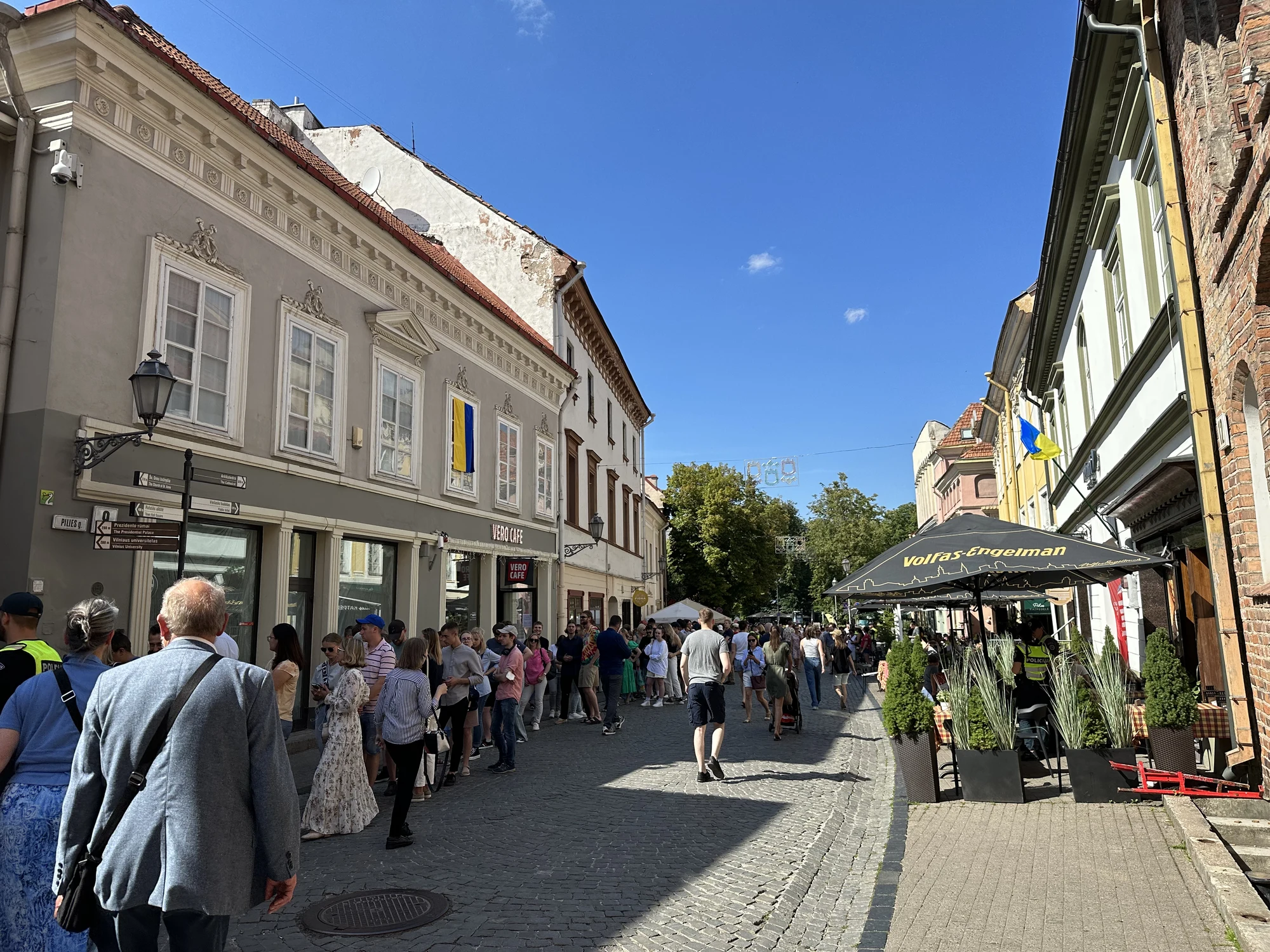
- ✓The Old Town is the headline; the everyday city lives in the districts around it — and they're where a second or third day in Vilnius gets interesting.
- ✓Naujamiestis (the New Town) is the creative engine: reborn factories, taprooms, street art and the city's grittier nightlife.
- ✓Žvėrynas is a leafy garden suburb of wooden villas across the river; Antakalnis climbs the hills toward parks and a famous cemetery.
- ✓Paupys and the riverbanks give you food halls, modern markets and easy walking paths just outside the medieval core.
- ✓Everything here is close — Vilnius is compact, so 'beyond the Old Town' is still a short walk, bus or bike ride away.
Why leave the Old Town at all
Vilnius's Old Town is one of the great pleasures of Central Europe, and on a short trip it can swallow all your time — which is exactly why it's worth deliberately stepping out of it. The districts that ring the medieval core are where the city actually lives and works: this is where you'll find the markets locals shop at, the bars they drink in, the parks they walk in on a Sunday, and the changing, creative side of Vilnius that the cobbled centre doesn't show. Trade the souvenir shops for a neighbourhood café and the headline churches for a riverside path, and you get a truer, more relaxed sense of the place.
There's a practical case for it too. The Old Town, for all its beauty, is the most visited and most expensive square kilometre of the city; step a few streets beyond it and prices drop, crowds thin, and the cafés and restaurants start serving locals rather than tour groups. You also start to understand the shape of Vilnius — how the river divides it, how the wooded hills frame it, how the gritty post-industrial west differs from the leafy residential north. A city only really makes sense once you've seen the ordinary parts that hold the famous core in place, and Vilnius rewards that curiosity more than most.
The good news is that none of this requires effort. Vilnius is a genuinely compact city — you can cross the centre in twenty minutes — so 'beyond the Old Town' rarely means more than a short walk over a bridge, a quick bus or trolleybus hop, or a pleasant bike ride along the river. Most of the districts below sit within a couple of kilometres of Cathedral Square. The ideal approach is to give the Old Town your first day, then spend a second or third day picking off the neighbourhoods that suit your mood — creative and edgy, leafy and quiet, or foodie and riverside. None of them is a major expedition; they're simply the next layer out, and most travellers who make the effort end up enjoying them more than another lap of the centre.
- The neighbourhoods around the centre show the everyday, lived-in city the Old Town hides.
- Markets, local bars, parks, riverside paths and street art are all just outside the core.
- Vilnius is compact: most districts are a short walk, bus or bike ride from Cathedral Square.
- Best as a second- or third-day plan once you've done the Old Town highlights.
Naujamiestis: the creative New Town
If you want to feel the contemporary pulse of Vilnius, head west of the Old Town into Naujamiestis — confusingly named the 'New Town', though it's a 19th- and 20th-century district rather than anything modern. This is the city's creative engine room: reborn Soviet-era factories and warehouses now house galleries, design studios, craft-beer taprooms, music venues and street-food yards, and the area carries Vilnius's edgier, more experimental nightlife. It's also the city's open-air gallery for murals and street art, with some of the best large-scale pieces in the country tucked down its side streets.
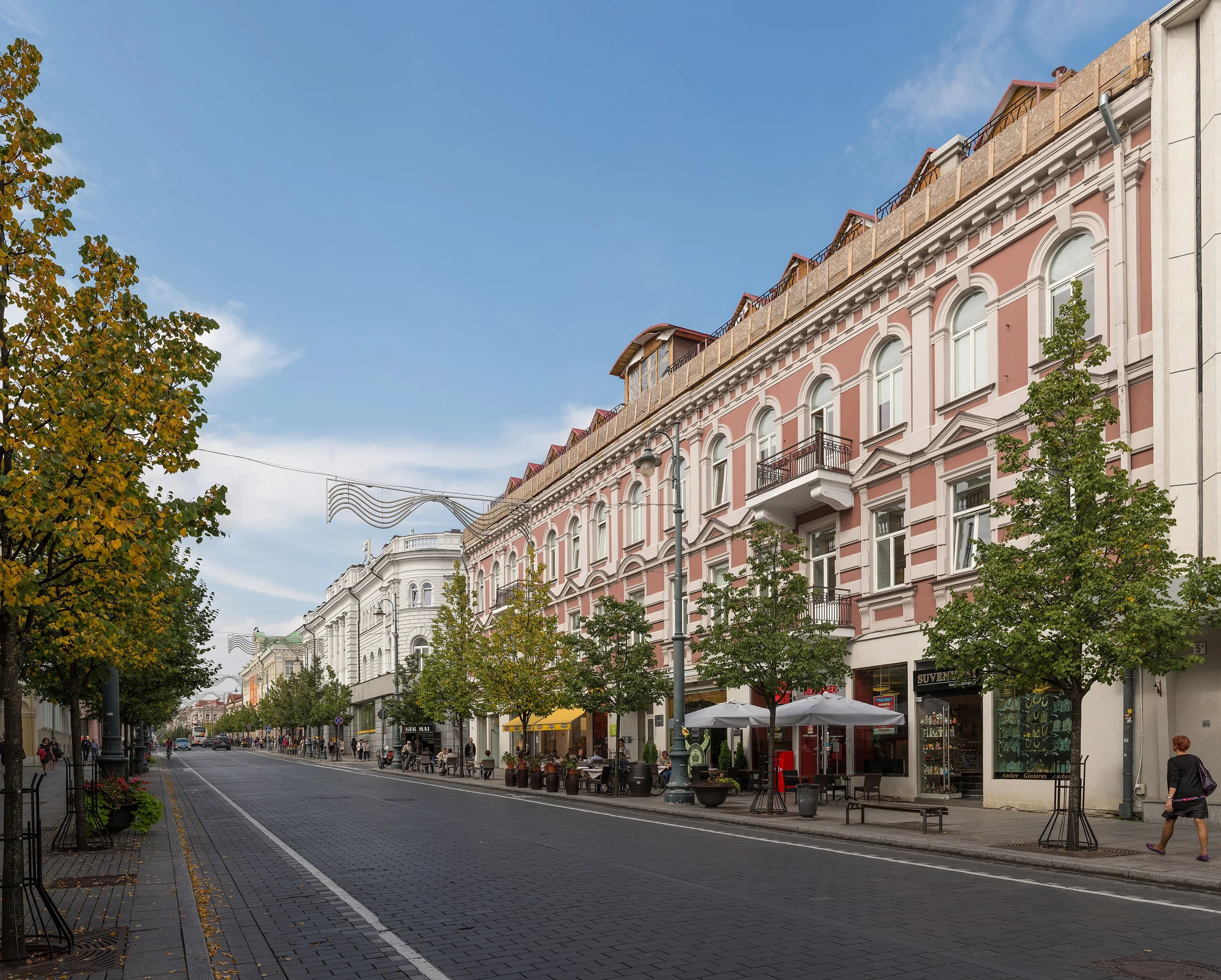
The transformation here is one of the most striking things about modern Vilnius. Buildings that spent decades as Soviet-era plants and depots have been hollowed out and refilled with the city's young, creative energy — a tannery becomes a culture complex, a factory floor becomes a brewery taproom, a depot becomes a club. The result is a district with a genuinely different texture from the rest of the city: raw brick and concrete, large-scale art on bare gable walls, and a programme of exhibitions, gigs and pop-ups that shifts constantly. It's scruffier and less photogenic than the Old Town, and that's precisely the appeal for travellers who find a perfectly preserved historic centre a little airless.
Naujamiestis is where the city looks forward rather than back, and it rewards wandering with a loose plan: a coffee in a converted factory, a hunt for murals, a beer in a taproom, and a meal in a food hall as the evening picks up. It blends into the Station District (Stoties rajonas) to the south, once gritty and now fast-transforming, which carries more of the same post-industrial, street-art-and-warehouse energy. Together they're the antidote to a Baroque-overload day — and, with the Old Town only a 10–15 minute walk away, an easy contrast to fold into any trip.
- The 'New Town' is actually the city's creative, post-industrial district west of the Old Town.
- Reborn factories now hold galleries, taprooms, music venues and street-food yards.
- One of the best areas in Vilnius for large-scale murals and street art.
- Blends into the transforming Station District for more warehouse-and-art energy.
The full guide to the creative district — factories, bars, art and nightlife.
Vilnius Street ArtThe murals and where to find them, concentrated in and around the New Town.
Map pins
Map data © OpenStreetMap contributors · Tiles © OpenFreeMap
Žvėrynas and Antakalnis: the leafy sides
For the gentler side of local Vilnius, cross the Neris to Žvėrynas. This is a leafy garden suburb of quiet streets, wooden villas and Art Nouveau houses on a loop of the river, a short walk or bike ride from the centre yet a world calmer. It's a residential, lived-in district with neighbourhood cafés and easy access to Vingis Park, the city's biggest green space, just across the water. There's little to 'see' in the monument sense; the pleasure is the architecture, the river and the unhurried local atmosphere.
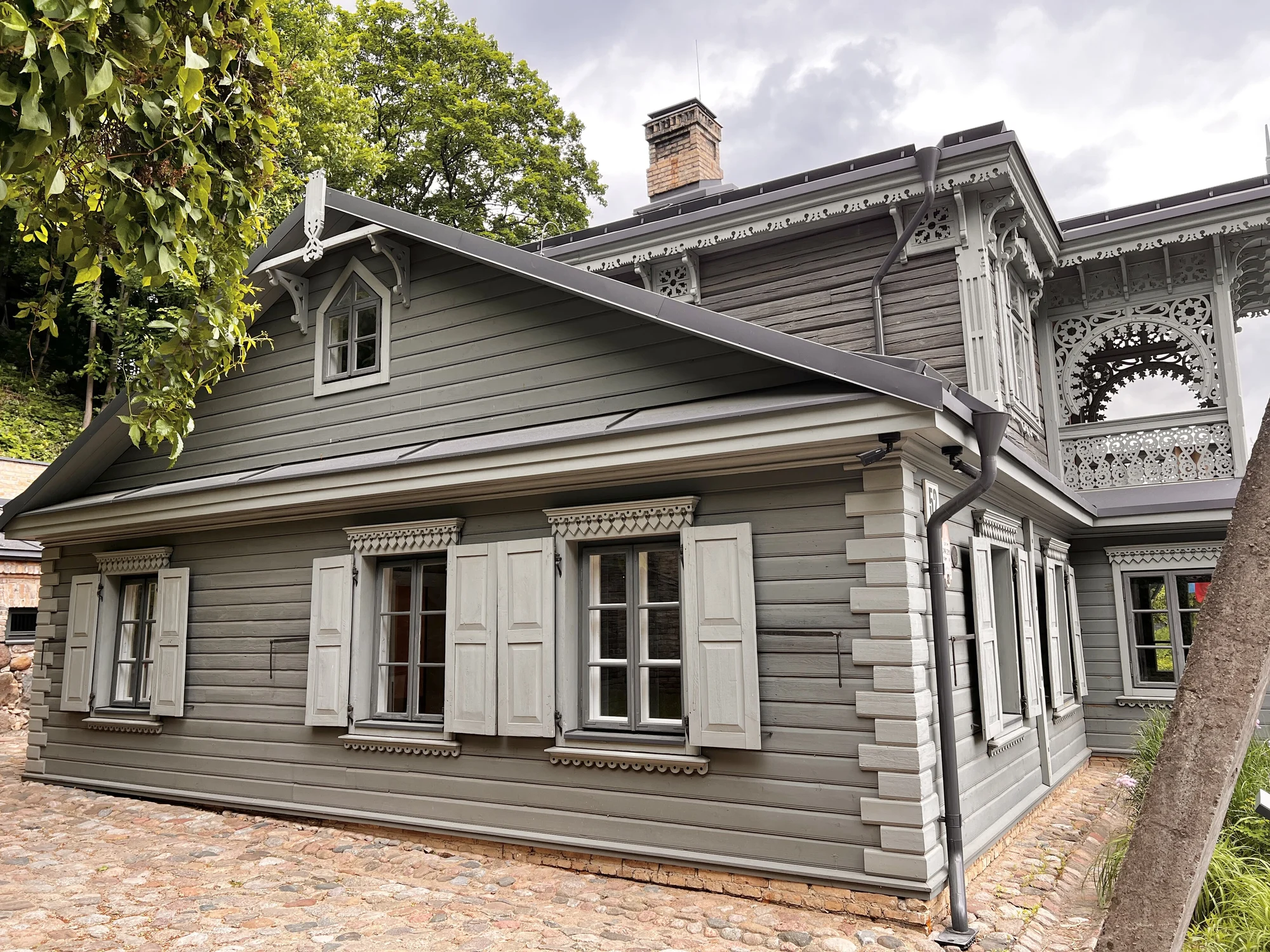
On the other side of the centre, northeast along the river, Antakalnis climbs into wooded hills. It's an older, prestigious residential district with grand churches, the Sapieha palace and park, and — at its edge — the moving Antakalnis Cemetery, resting place of notable Lithuanians and the defenders who died in January 1991. From here the city's green fringe takes over: parks, the Sapieginė forest trail and walks toward the regional parks beyond. Žvėrynas and Antakalnis are the districts to choose when you want trees, quiet and a slower pace rather than bars and murals.
Neither of these leafy districts is a 'sight' in the conventional sense, and that's the point. You don't come to tick something off; you come to walk quiet streets, look at the architecture, sit by the river or under the trees, and feel the residential rhythm of a city most visitors only experience as a historic centre. They reward an unhurried hour or two on foot or by bike — a loop of Žvėrynas's villa-lined streets, or a climb through Antakalnis to a church and a viewpoint — and they pair naturally with the parks they sit beside. For travellers staying longer, or returning, these are the corners that make Vilnius feel like somewhere you could actually live.
- Žvėrynas — a leafy riverside garden suburb of wooden villas, calm and walkable.
- It sits beside Vingis Park, the city's largest green space, just across the Neris.
- Antakalnis — older, hilly, residential, with grand churches and a notable cemetery.
- Both trade sights for trees, quiet and a genuinely local pace.
Paupys, the riverbanks and the markets
Tucked just southeast of the Old Town, between Užupis and the river, Paupys is one of the city's most talked-about modern quarters — a redeveloped riverside district whose centrepiece is a stylish food hall, a magnet for younger locals grazing their way through Lithuanian and international stalls. It's a glimpse of where contemporary Vilnius is heading, and an easy add-on to an Old Town or Užupis day. The riverbanks of both the Neris and the smaller Vilnia threading through the city give you flat, green walking and cycling paths that connect many of these districts without a single cobblestone.
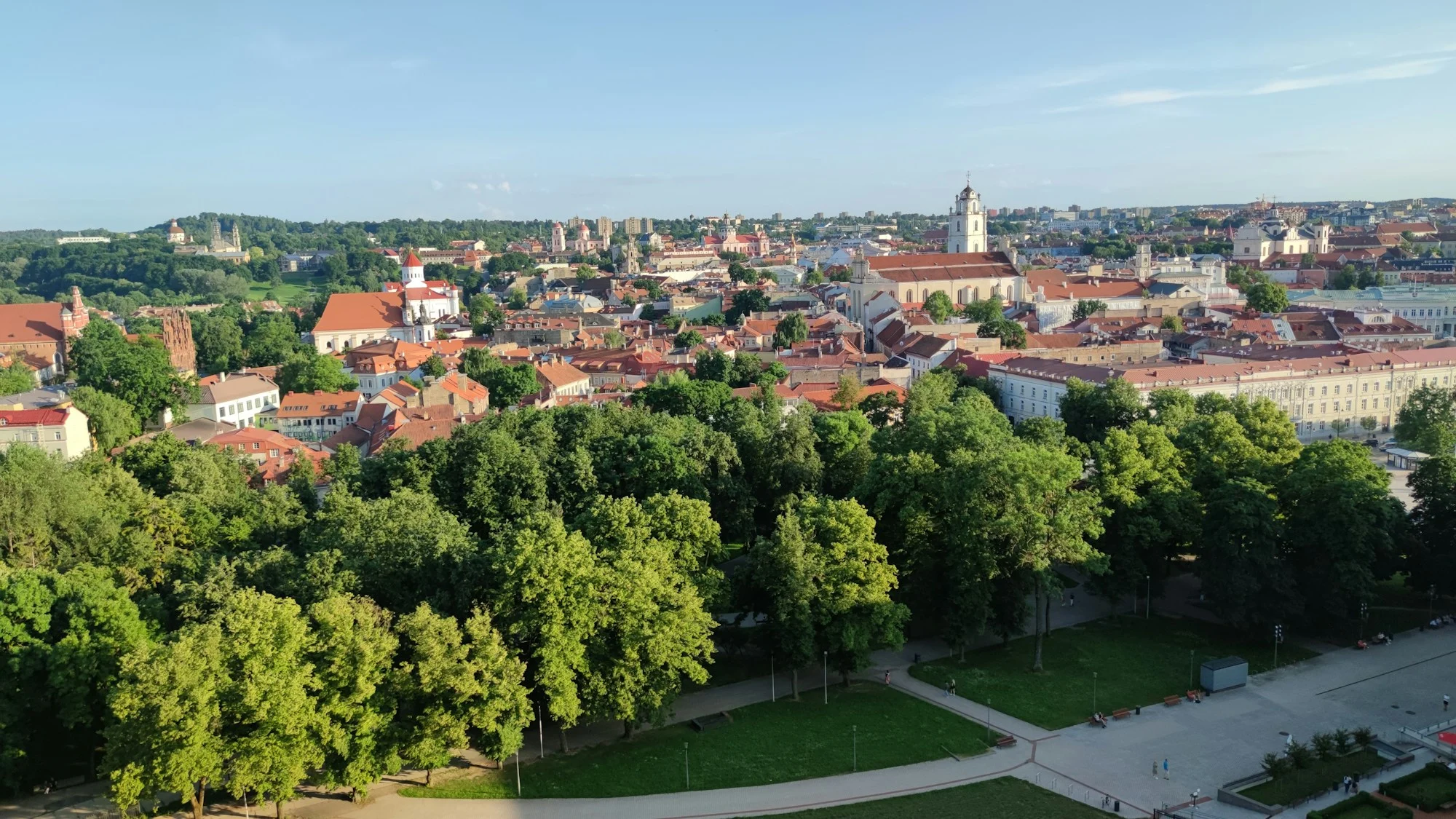
The rivers are quietly central to how the city beyond the Old Town fits together. Follow the Neris and you can walk or cycle from the centre out to Žvėrynas, Vingis Park and beyond on dedicated paths; trace the smaller Vilnia and you thread through Užupis, Paupys and on toward Markučiai and the wooded valleys of Pavilniai. Once you realise the riverbanks are continuous green corridors rather than barriers, the districts stop feeling like separate stops and become one connected, walkable map. A bike turns the whole thing into an effortless half-day loop.
Markets are the other great way to eat and shop like a local. The historic Hales Market (Halės turgus) near the Old Town edge is the classic — smoked fish, cheese, fruit wine and produce under a 1906 hall — while the modern food halls in Paupys and the New Town give you the contemporary version. Spend a morning grazing a market, then walk it off along the river, and you've had a thoroughly local day without ever queueing for a headline sight. Markučiai, the quiet wooden-house hill just beyond Paupys, makes a peaceful green extension if you want to keep going.
- Paupys — a redeveloped riverside quarter built around a popular modern food hall.
- Flat green river paths along the Neris and Vilnia link many districts car-free.
- Hales Market (1906) for the classic experience; Paupys and New Town for modern food halls.
- Pair a market morning with a riverside walk for a fully local day.
How to plan a local day, and getting around
The simplest way to use this guide is by mood. Want creative and lively? Spend a day in Naujamiestis and the Station District — street art, taprooms and a food hall. Want calm and green? Cross to Žvėrynas and Vingis Park, or climb into Antakalnis and the hills. Want foodie and easy? Combine Užupis, Paupys and Hales Market along the river. Each is a comfortable half-day, and you can chain two together because the distances are so short. Couples and slow travellers in particular tend to enjoy these districts more than a second lap of the Old Town.
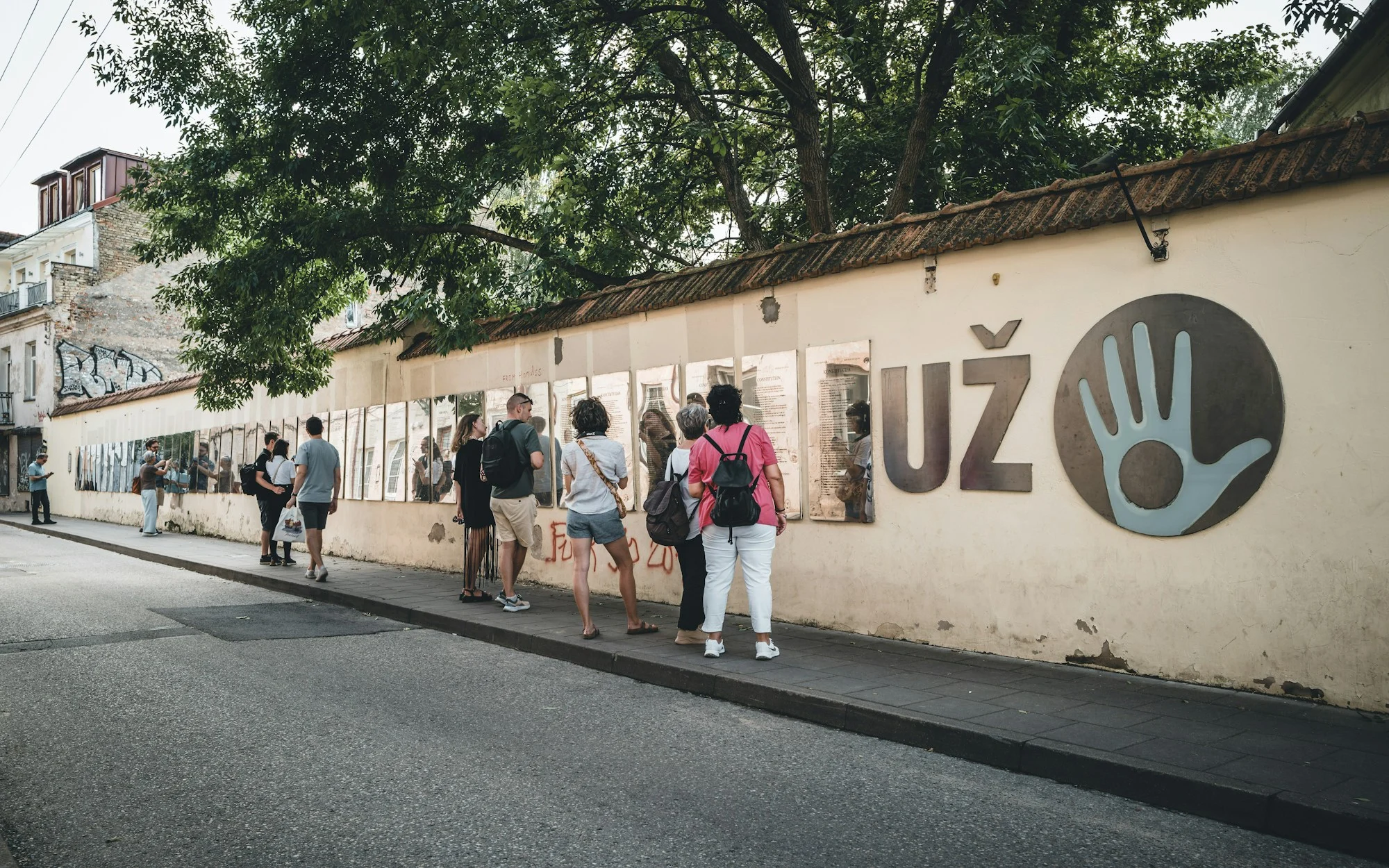
If you only have time to step out of the centre once, choose by what the Old Town left you wanting. Craving energy and something current after all that Baroque? Go west to the New Town. Worn out by crowds and cobbles? Go green, to Žvėrynas or a manor park. Hungry to eat where locals eat? Go to the markets and food halls. There's no wrong answer, and the beauty of Vilnius is that any of these is a short trip back to your hotel when you're done. A good two-or-three-day visit gives the Old Town its due and then spends the remaining time out here, where the city feels less like a museum and more like a place people live.
Getting around is painless. Walking and cycling are the nicest options — the riverside paths make for lovely, flat, traffic-free routes, and bike or e-scooter rental is widely available. For longer hops, the bus and trolleybus network is cheap and covers all these districts; pay with a contactless card or the city transport app. Taxis and the Bolt app are inexpensive for the few longer stretches, such as out to Antakalnis or up to Markučiai. The city is also notably safe to walk around, including after dark and for solo travellers, so exploring these districts in the evening is no cause for worry. As ever, treat any specific venue, food hall or market hours as 'check before you go', since the city's newer, fast-changing districts evolve quickly.
- Plan by mood: creative (New Town), green (Žvėrynas/Antakalnis) or foodie (Užupis/Paupys).
- Each district is a half-day; chain two together thanks to the short distances.
- Walk or cycle the river paths; buses and trolleybuses are cheap for longer hops.
- Bolt and taxis are inexpensive for the few longer trips out to the edges.
Related guides
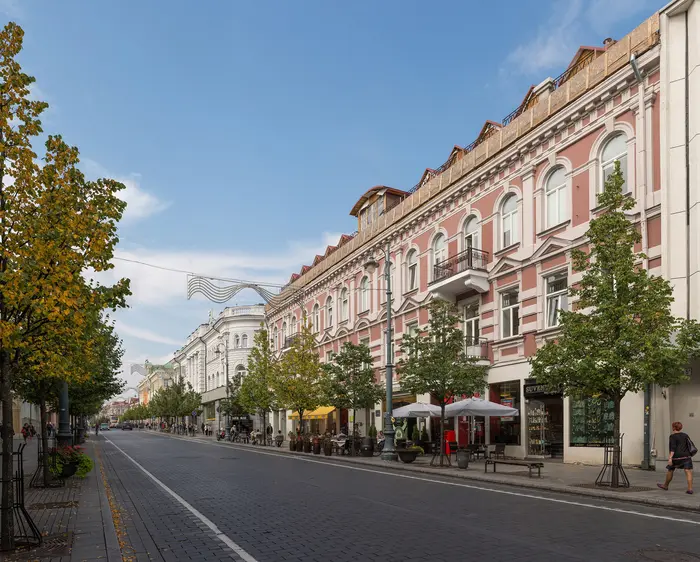
Naujamiestis (New Town) Neighborhood Guide
A guide to Naujamiestis, Vilnius's creative engine in transition: converted factories, third-wave cafés and wine bars, the MO Museum, indie venues and a base between the station and the Old Town that leans local, not touristy.
Read guide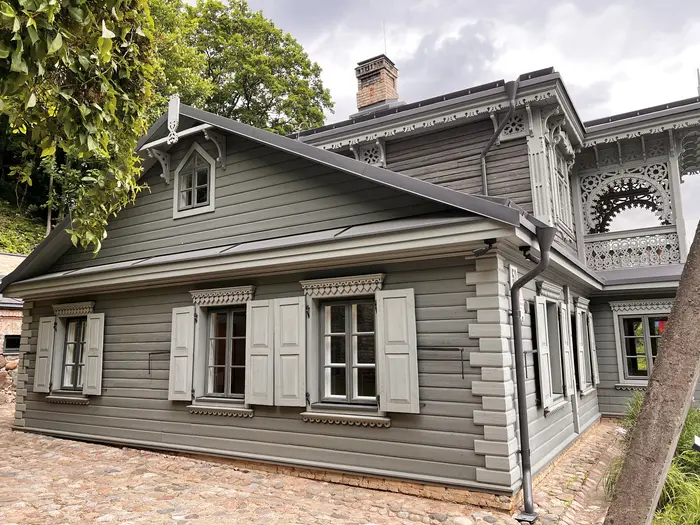
Žvėrynas: Vilnius's Green Wooden-Villa District
A guide to Žvėrynas, one of Vilnius's greenest and most prestigious districts: protected 19th-century wooden villas, embassies, the Neris riverbank, direct access to Vingis Park, and a calm residential pace minutes from the center.
Read guide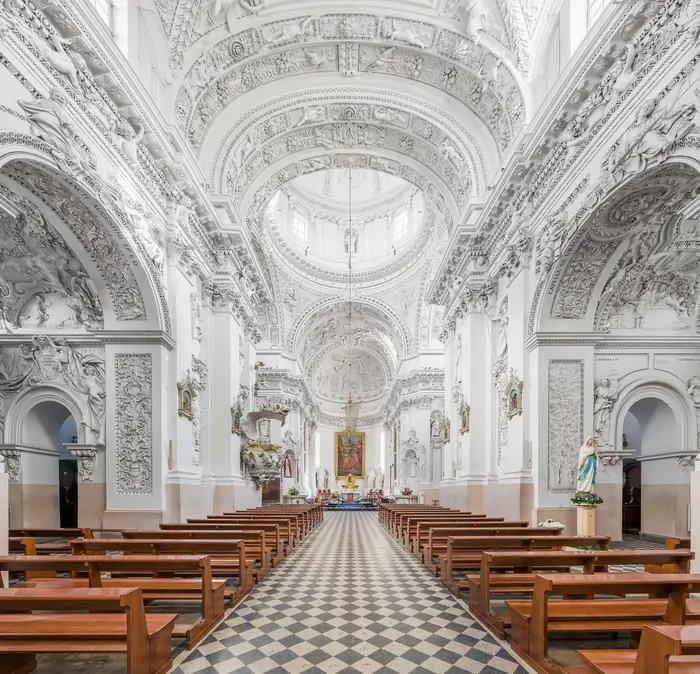
Antakalnis: Vilnius's Leafy Riverside District
A guide to Antakalnis, a vast, prestigious Vilnius district along the Neris: the Baroque masterpiece of St Peter and St Paul, the restored Sapieha Palace, Antakalnis Cemetery, university and clinic streets, parks and a tranquil residential pace.
Read guide