
Kino Pavasaris guide
A visitor's guide to Kino Pavasaris, the Vilnius International Film Festival: when it runs, which cinemas host it, how tickets and passes work, the neighbourhoods to base yourself in, and where to eat before or after a screening.

- ✓Kino Pavasaris is Lithuania's largest and most important film festival, filling Vilnius's cinemas for two weeks every spring.
- ✓The programme spans world-cinema premieres, competition films, documentaries and retrospectives, with most screenings subtitled in English alongside Lithuanian.
- ✓The 2026 edition — the festival's 31st — runs 9–22 March, with screenings concentrated at Forum Cinemas Vingis and the arthouse Pasaka, among others.
- ✓You can buy single tickets or an unlimited pass; popular premieres sell out, so book the films you care about as soon as the schedule drops.
- ✓It is a brilliant excuse for a city break: pair afternoon and evening screenings with the New Town's bars and restaurants for a film-and-food long weekend.
What Kino Pavasaris is
For two weeks each spring, Vilnius turns into a city of cinemagoers. Kino Pavasaris — literally 'Film Spring' — is the Vilnius International Film Festival, the biggest and most influential film event in Lithuania, and the moment when the country's audiences catch the year's most talked-about world cinema before it reaches general release. It has grown from a small showcase in the 1990s into a major regional festival that pulls in international guests, premieres and a devoted local audience that buys tickets in serious numbers.

The programme is broad and ambitious: competition strands for new directors, the best of the recent festival circuit, documentaries, restored classics and themed retrospectives, plus talks and Q&As with visiting filmmakers. Crucially for visitors, most films are screened in their original language with English and Lithuanian subtitles, so the festival is genuinely accessible if you do not speak Lithuanian — you can build an entire week of viewing without a language barrier.
What makes it special as a traveller's event is the atmosphere around the screenings. Audiences are knowledgeable and enthusiastic, sessions sell out, and the conversation spills into the bars and cafes afterwards. It is the kind of festival that rewards a little planning and a willingness to follow the crowd — turn up for a buzzy premiere and you will feel the city's cultural energy in a way the daytime sights rarely deliver.
It is worth knowing how the festival is structured, because it helps you choose what to book. Alongside the main competition for new directors and the showcase of recent festival-circuit highlights, there are documentary strands, restored classics and retrospectives, special focus programmes on a country or theme, and industry events that bring filmmakers to the city. For a casual visitor, the easiest entry points are the headline premieres and the audience-favourite titles; for a film buff, the competition and discovery sections are where the real finds hide. You do not need to understand the full architecture to enjoy it — but skimming the strands when the programme drops helps you build a smarter shortlist than just picking by title.
Dates, cinemas and tickets
The festival runs for roughly two weeks across March each year. In 2026 it is the 31st edition and takes place from 9 to 22 March. Because the exact fortnight shifts a little from year to year, check the official Kino Pavasaris site for the current dates and the full programme as soon as it is published — typically a few weeks before opening night.
Screenings are spread across several Vilnius venues. The festival hub is Forum Cinemas Vingis, the large multiplex beside Vingis Park, which hosts the headline premieres and the bulk of the schedule; the beloved arthouse Pasaka in the centre carries the more independent and cult side of the programme; and the festival also screens in Kaunas (Forum Cinemas and the historic Romuva) for those combining cities. Knowing which venue a film is in matters for planning your evenings, as Vingis sits a little out from the Old Town while Pasaka is an easy walk from it.
Tickets come as single seats or as an unlimited festival pass aimed at the marathon viewers who watch several films a day. Single tickets are reasonably priced; the pass pays off quickly if you intend to binge. Popular premieres and award-circuit titles sell out well ahead, so once the schedule is live, book the films you most want before browsing the rest. Prices and pass tiers vary by edition — confirm them on the official tickets page rather than assuming last year's figures.
- 2026 dates: 9–22 March (31st edition).
- Main venues: Forum Cinemas Vingis (hub) and Pasaka (arthouse); also Kaunas.
- Most films screen with English subtitles — accessible to non-Lithuanian speakers.
- Buy single tickets or an unlimited pass; book hot premieres as soon as the schedule opens.
The New Town district that sits between the centre and the festival's screens.
Events in VilniusOther spring and year-round events worth catching.
Map pins
Map data © OpenStreetMap contributors · Tiles © OpenFreeMap
Where to stay, and where to eat around a screening
For a film-festival trip, base yourself in or near the Old Town and Naujamiestis, the New Town immediately west of it. From there the central Pasaka cinema is walkable, the bars and restaurants you will want after a late screening are on your doorstep, and Forum Cinemas Vingis is a short bus or taxi ride away. Naujamiestis in particular has become the city's nightlife and dining engine, which makes it the natural neighbourhood for a festival weekend that runs into the evening.
Plan your eating around the screening times rather than the other way round. An early dinner before a 7pm film or a late drink afterwards both work beautifully in this part of town, and the festival's evening rhythm pairs perfectly with a date-night meal. Book a table for the nights you have a premiere lined up, since the popular places fill on festival evenings as the crowds pour out of the cinemas.
If you are making a long weekend of it, alternate screenings with the city's daytime pleasures — a museum, a walk along the river, a slow lunch — so you are not spending every waking hour in the dark. The beauty of a festival visit is that it gives your trip a spine: a couple of films a day, good meals between them, and the city humming with cinephile energy around you. It turns a standard city break into something with a pulse.
A few practical pointers smooth the experience. Build in travel time between the two main venues: a film at Pasaka in the centre and one at Forum Cinemas Vingis a few hours later means a short hop across town, so do not schedule them back to back. Arrive at the cinema a little early for popular sessions, since festival audiences turn up in force and good seats go quickly even with an allocated ticket. And keep an eye on the language details in the programme — almost everything carries English subtitles, but the occasional Lithuanian-only title or local-language Q&A does appear, so check before you commit if that matters to you.
March is a quietly good time to visit Vilnius for this kind of trip. The deep cold of winter is easing but the crowds of summer are still months away, hotel rates are gentle, and the city has the slightly hunkered-down, indoor-leaning mood that suits a festival of darkened cinemas and late dinners. Spend your days on the Old Town's churches and museums and your evenings at the festival, and you get a city break with rhythm and purpose rather than a checklist — which is exactly what Kino Pavasaris does best for a visitor who plans around it.
Related guides
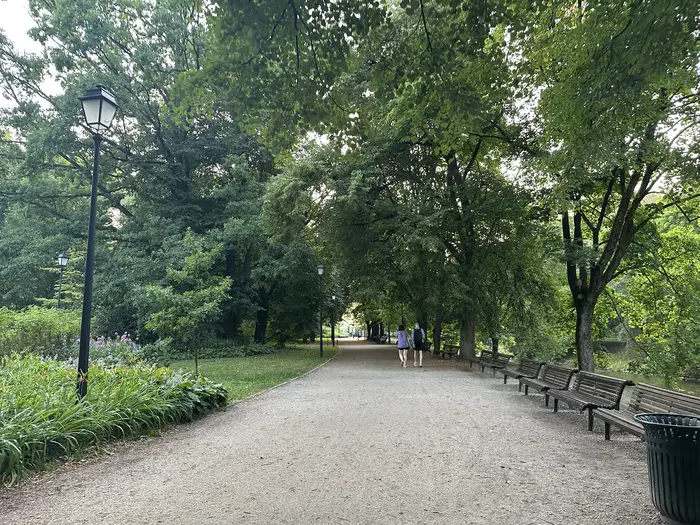
Vilnius in March
Visiting Vilnius in March: the changeable shoulder between winter and spring, the huge Kaziukas folk-craft fair, lengthening days, crafts and museums, and how to play the value-friendly low-season tactics.
Read guide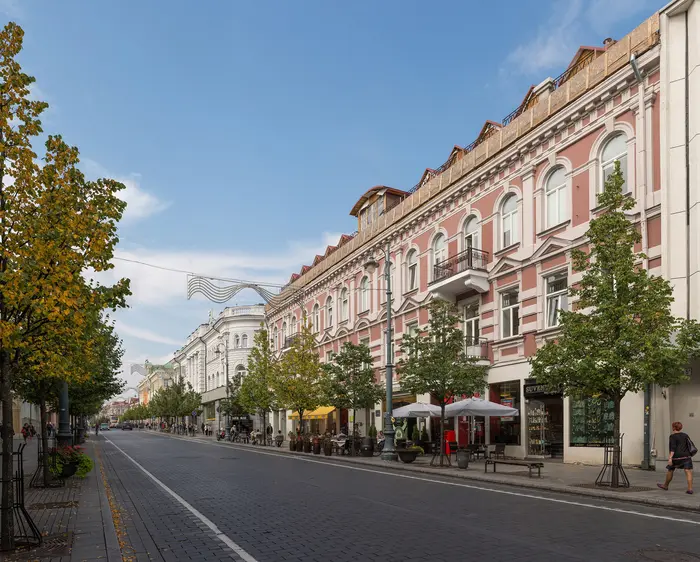
Naujamiestis (New Town) Neighborhood Guide
A guide to Naujamiestis, Vilnius's creative engine in transition: converted factories, third-wave cafés and wine bars, the MO Museum, indie venues and a base between the station and the Old Town that leans local, not touristy.
Read guide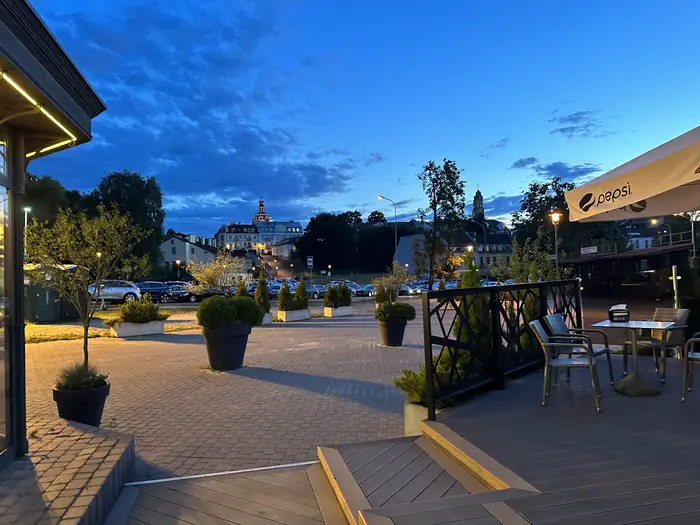
The Best Date-Night Restaurants in Vilnius
Where to take someone special in Vilnius — romantic Old Town dining rooms, candlelit cellars, tasting menus, wine bars and cosy corners — with tips on booking and setting up the perfect evening.
Read guide