
Vilnius Light Festival Guide
Vilnius's winter light festival: when it runs, how the evening route works, the best installations and photo spots, and how to plan a deep-winter trip around three nights of light.
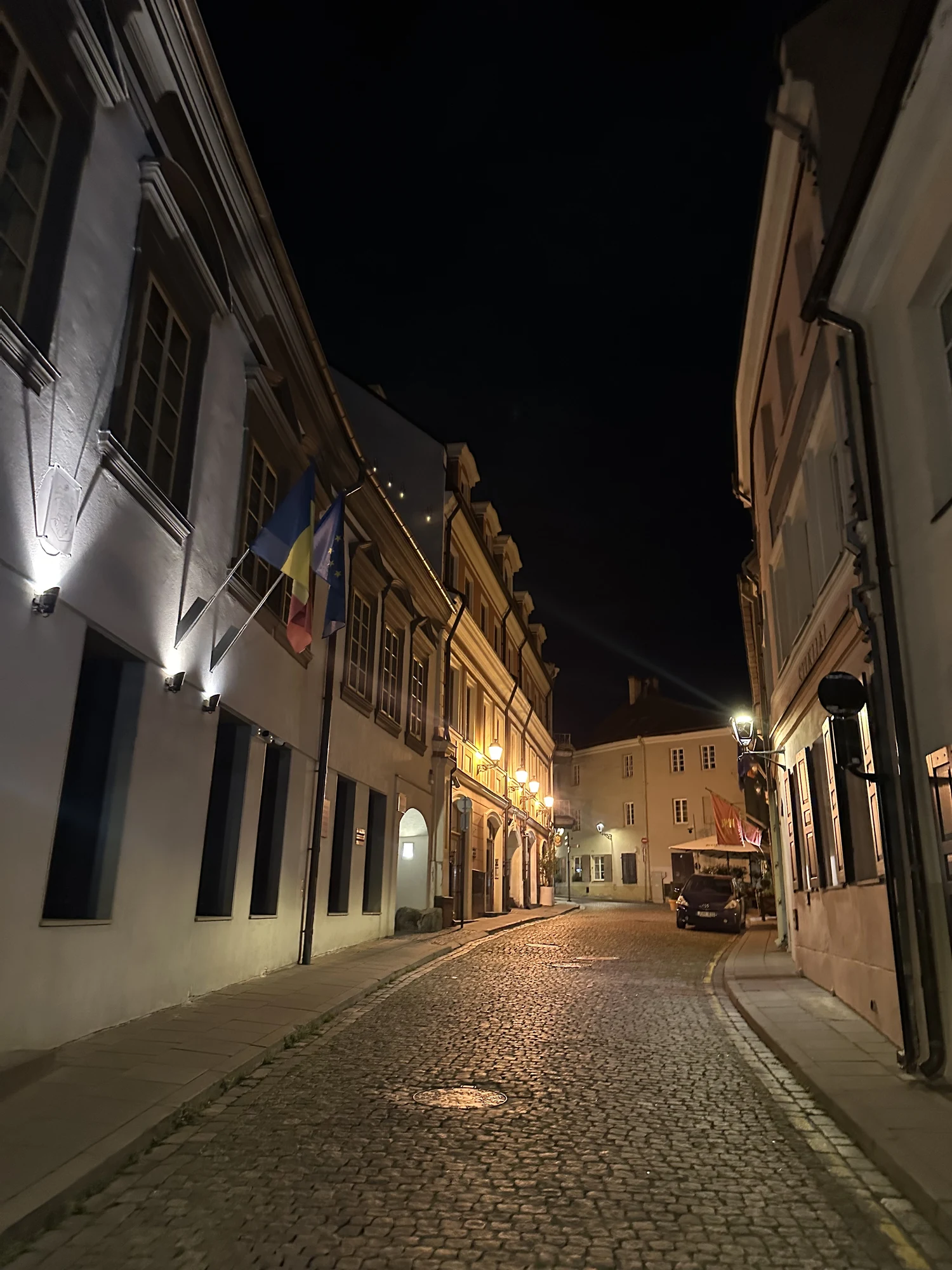
- ✓The Vilnius Light Festival runs over three evenings in late January — 23–25 January in 2026 — and is free to all.
- ✓The Old Town becomes an open-air gallery: dozens of light installations across squares, courtyards, churches and hidden corners.
- ✓It coincides with the city's birthday; 2026 marks the eighth edition and Vilnius's 703rd anniversary.
- ✓It's an evening event — installations are lit roughly from early evening until about 10pm — so plan the route after dark.
- ✓Late January is deep winter: dress very warmly, and book a central hotel early as the weekend draws big crowds.
What the Vilnius Light Festival is
The Vilnius Light Festival is the city's flagship winter event: for three evenings at the end of January, the whole Old Town is transformed into an open-air gallery of light. Artists from Lithuania and abroad install dozens of works — projections on Baroque facades, glowing sculptures in courtyards, immersive installations inside churches and underground spaces, luminous objects tucked into lanes you'd never otherwise find — and the public walks a route between them after dark. It began as a one-off to mark the city's birthday and has grown, edition by edition, into one of the most distinctive winter draws in the Baltics.
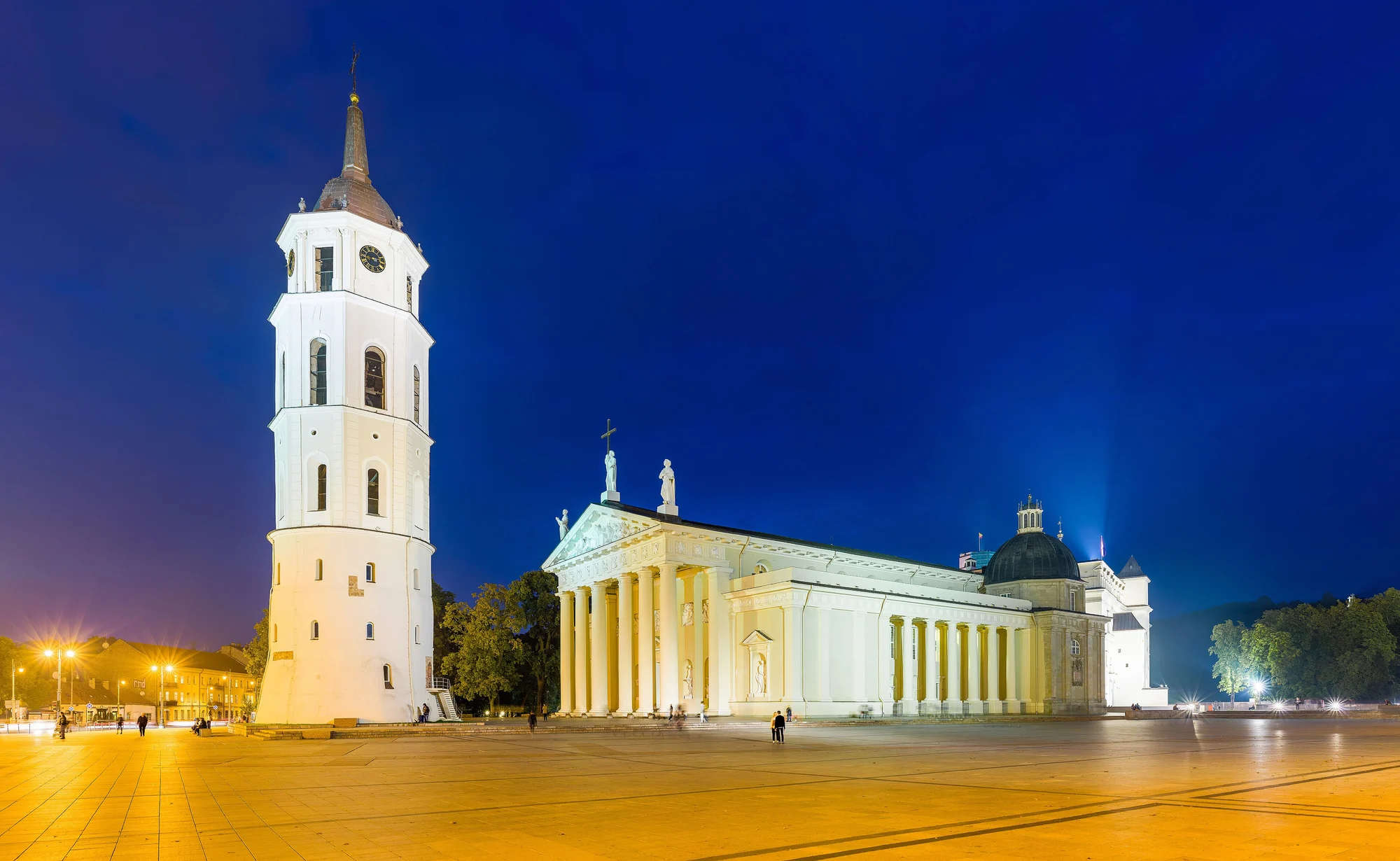
The timing is deliberate and clever. Late January is the coldest, darkest stretch of the Vilnius year, and the festival turns that long darkness into its canvas — the early, total night that makes winter feel bleak is exactly what makes the installations glow. It is also tied to the city's anniversary: the 2026 edition, the eighth, runs 23–25 January and marks Vilnius's 703rd birthday, with a programme of works by artists from several countries spread across the historic centre (govilnius.lt; lightfestival.lt).
Crucially, it is free and open. There are no tickets and no registration: the installations sit in public squares, courtyards and buildings, and you simply walk the route at your own pace. That accessibility is a big part of why it draws such crowds — tens of thousands of people move through the Old Town across the three nights — and why it has become a genuine reason to brave a deep-winter trip to Vilnius.
What sets the Vilnius festival apart from the many light events that have sprung up across Europe is its setting. The works aren't projected onto a generic festival site; they're woven into one of the continent's largest and best-preserved Baroque old towns, using the actual fabric of the city — church naves, university courtyards, medieval cellars, the facades of centuries-old buildings — as their stage. That marriage of contemporary light art and historic architecture gives the festival a depth and a sense of place that a purpose-built installation could never match, and it's why each edition feels less like a show you watch and more like a city you wander through transformed.
- Three evenings in late January; free entry, no tickets needed.
- Dozens of light installations across the UNESCO Old Town.
- Tied to the city's birthday — the 2026 edition is the eighth.
- An evening event: the route comes alive after dark.
Planning your evenings — the route, timing and photos
The festival is built as a walking route. Each year the organisers publish a marked trail and map linking the installations across the Old Town, and the experience is simply to follow it — on foot, at your own pace, stopping where the crowds and the works pull you. The installations are lit in the evening, roughly from early evening until around 10pm, so there's no point arriving in daylight; aim to start as darkness fully settles and give yourself a couple of unhurried hours to walk the loop. Because the works are scattered through courtyards, churches and side streets, half the pleasure is the discovery between the headline pieces.
Crowds are the main thing to plan around. The festival is hugely popular and the central squares get genuinely busy, especially on the Saturday evening and at the best-known installations. If you want a calmer experience and cleaner photos, walk the route on the first evening or start earlier rather than at peak; if you want maximum atmosphere, the busy peak is part of the fun. Either way, wear footwear with grip — the cobbles are icy in January — and keep a warm café or bar in mind as a mid-route thaw-out.
For photographers, this is one of the best nights of the year in Vilnius. The combination of illuminated installations, lit Baroque architecture and dark winter sky is made for it, and the festival pairs naturally with the city's standing photo spots — the Old Town squares, the viewpoints over the rooftops, the river. Bring a phone or camera that handles low light, expect to share the best angles with other people, and build a little patience into the plan.
- Follow the official route map; the loop takes a couple of unhurried hours.
- Installations light up in the evening until around 10pm — go after dark.
- Saturday and the famous pieces are busiest; the first evening is calmer.
- Wear grippy, warm footwear and plan a café stop to warm up mid-route.
Where to stay, eat and how to handle the cold
The Light Festival is one of the busiest weekends of the Vilnius winter, so accommodation is the thing to sort first. Hotels in and around the Old Town fill and prices rise as the dates approach — book as early as you can, and aim for a central base so the entire route is a short, warm walk from your room and you can duck back to thaw out whenever you need to. Staying central also means you can do the route across more than one evening without committing to a long cold walk each time.
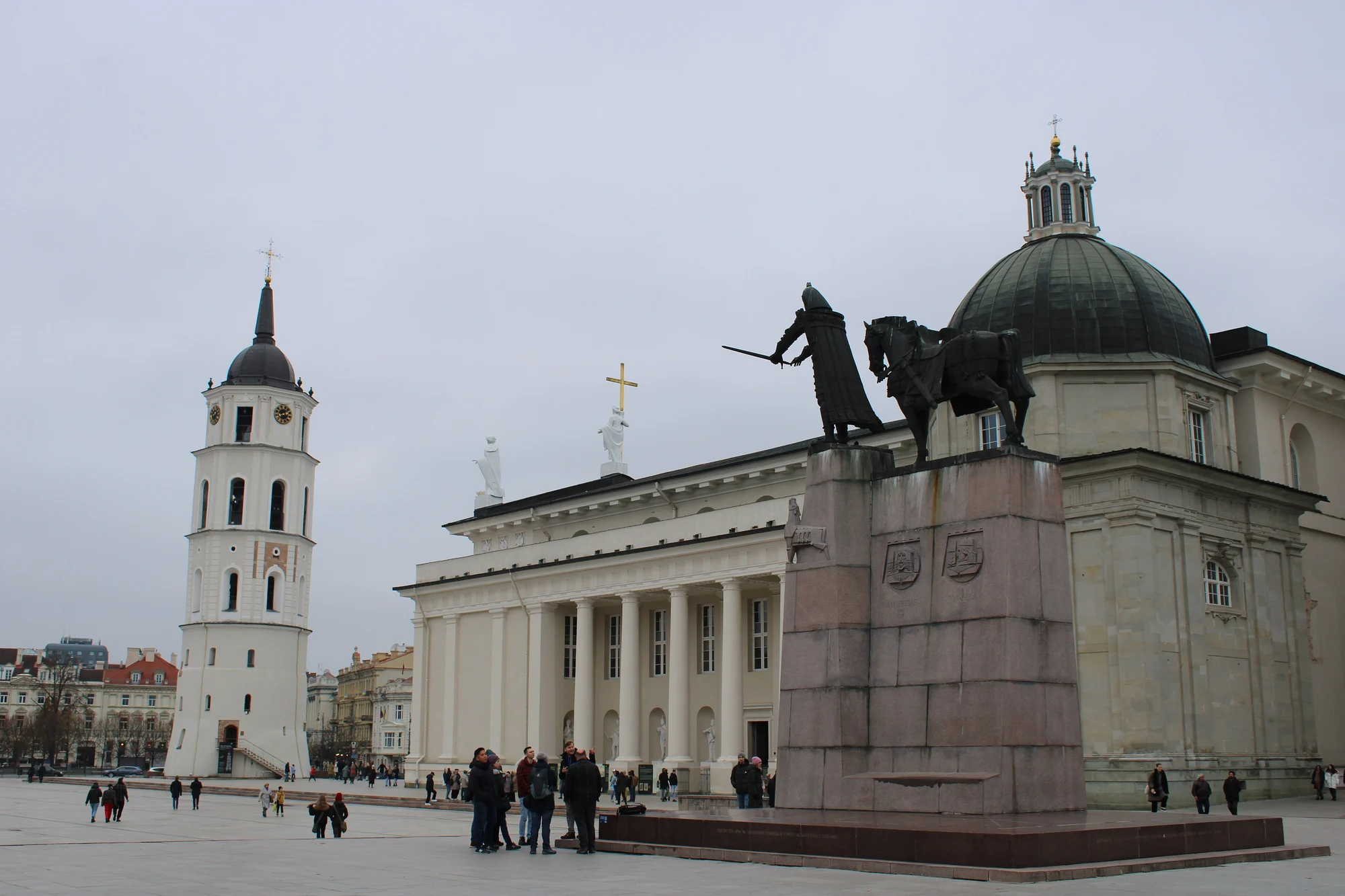
Around the route, the warm side of the city does the rest. The Old Town's taverns and restaurants are at their cosiest in deep winter — hearty Lithuanian comfort food, mulled drinks, low-lit rooms — and a hot dinner before or after the walk is part of the night out. Keep a café or bar in mind for a mid-route warm-up too; nobody walks the full loop in one cold stretch. Pair the festival with the winter itinerary and you can fill the daytime with museums, spas and food halls and save your energy for the lights after dark.
Finally, respect the January cold. This is the heart of a Baltic winter — sub-zero temperatures, ice underfoot and total darkness by late afternoon — so pack a properly warm coat, hat, gloves and waterproof, grippy boots. Treat the festival as an evening event wrapped in warmth: see the lights, then get inside. Plan it that way and a late-January Light Festival trip is one of the most memorable ways to experience Vilnius.
- Book a central hotel early — festival weekend demand is high.
- Cosy taverns and cafés are part of the night; plan a warm-up stop.
- Pair the festival with the winter itinerary for a full cold-weather trip.
- Dress for real winter: warm layers and grippy, waterproof boots.
Light Festival questions, answered
When is it? The festival runs over three evenings at the end of January, timed to the city's birthday — 23–25 January in 2026. The exact dates shift slightly year to year around that late-January window, so confirm them on the official site before you book, but a trip planned for the last full weekend of January is a safe bet most years.
Is it free, and do I need tickets? Yes, it's completely free, and no tickets or registration are required for the public installations. You simply walk the route at your own pace. A handful of special indoor or ticketed side-events can appear on the programme some years, but the core experience — the trail of light installations across the Old Town — is open to everyone at no cost.
What time should I go, and how long does it take? The installations come alive after dark and are typically lit until around 10pm, so aim to start once night has fully fallen — which, in late January, is from late afternoon onward. Walking the full route at an unhurried pace, stopping at the pieces that draw you, takes roughly a couple of hours. Going on the first evening or starting earlier means thinner crowds; the Saturday peak is busiest but most atmospheric.
Is it suitable for families and is it accessible? Broadly yes — it's a public, street-level event that families enjoy, though small children may tire in the cold and the crowds, so keep the route short for them. The trail runs over the Old Town's cobbles, which are uneven and icy in January, so wear grippy footwear and take care; check the official map each year for the most accessible sections if that's a concern.
- Dates: three evenings in late January (23–25 January in 2026) — confirm on the official site.
- Free, no tickets needed for the public installations.
- Go after dark; installations run until about 10pm and the loop takes a couple of hours.
- Family-friendly but cold and crowded — keep it short for young children, and watch for ice.
Related guides
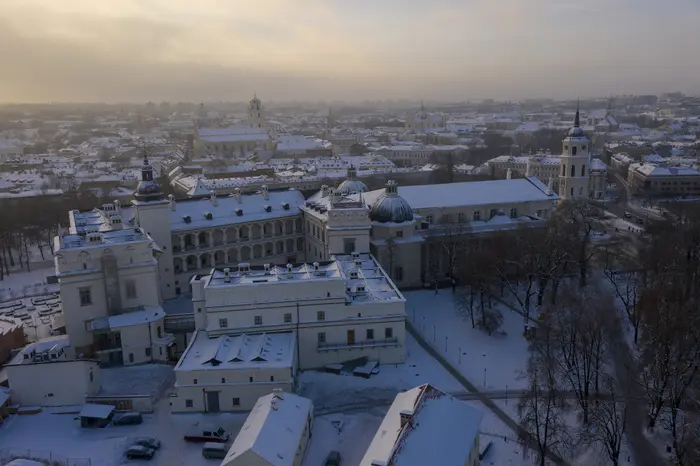
Vilnius in January
Visiting Vilnius in January: deep-winter weather and short daylight, the Vilnius Light Festival, low crowds and prices, warm cafés and museums, icy-walk cautions and how to plan a cold-weather trip.
Read guide
Winter Vilnius Itinerary
A cold-weather Vilnius itinerary — warm museums and cafés, the January Light Festival, a Baltic sauna and spa time, market-hall lunches, cosy cellar dinners and short, beautiful outdoor walks through the snow.
Read guide
Where to Stay in Vilnius
How to choose where to stay in Vilnius: an area-by-area guide for first-timers, couples, families, nightlife, rail travellers and budgets — from the Old Town and Užupis to the station district, plus what kind of place to book.
Read guide