
Winter Vilnius Itinerary
A cold-weather Vilnius itinerary — warm museums and cafés, the January Light Festival, a Baltic sauna and spa time, market-hall lunches, cosy cellar dinners and short, beautiful outdoor walks through the snow.
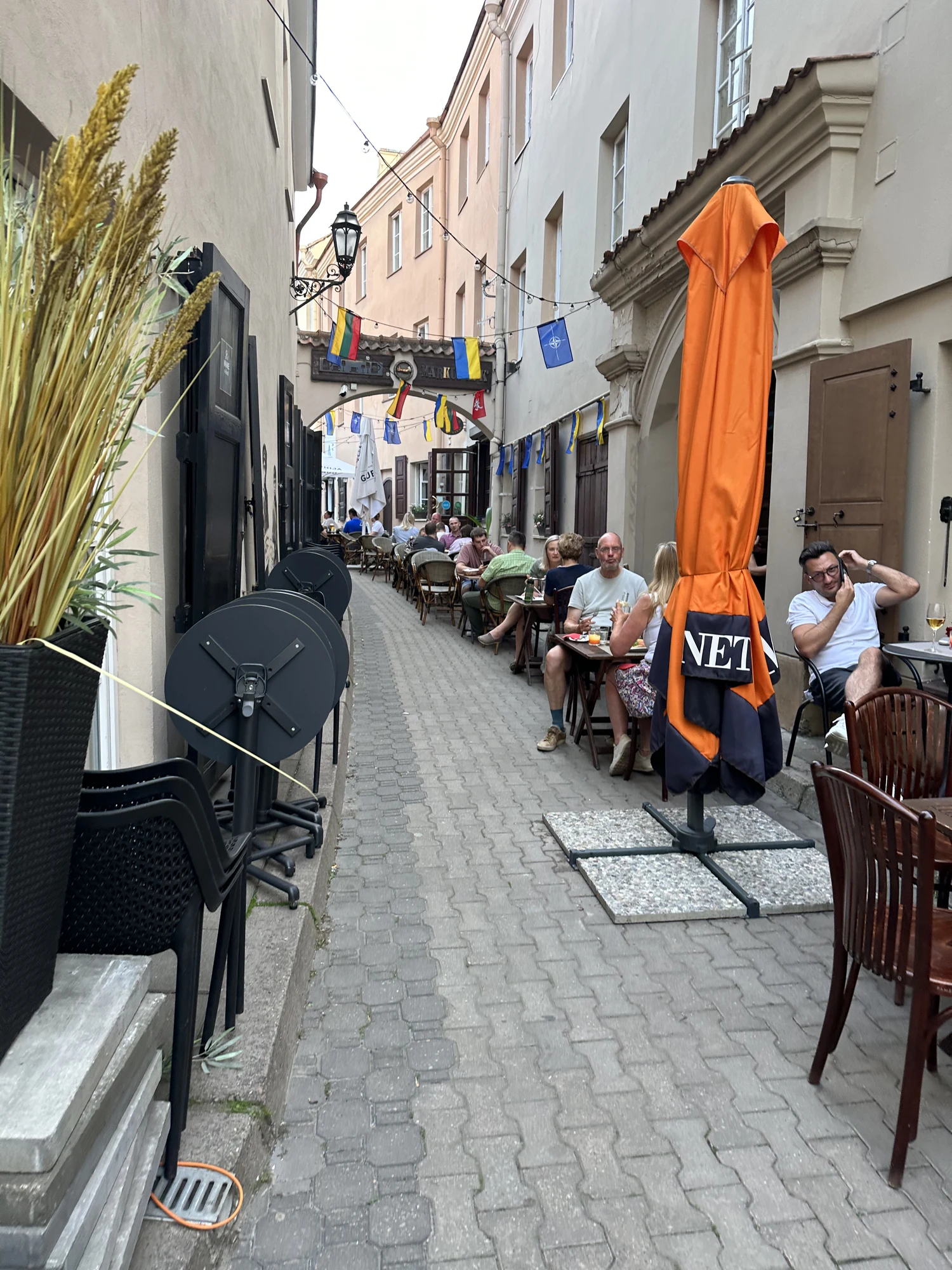
- ✓Winter Vilnius is cold and dark but genuinely magical — snow on red roofs, glowing cafés, and the city's indoor culture at its cosiest.
- ✓The plan is built for short days: indoor highlights, warming breaks and brief, beautiful outdoor walks rather than long cold treks.
- ✓Time a January trip for the Vilnius Light Festival, when projections and installations light up the Old Town's facades after dark.
- ✓A Baltic sauna or a spa hotel is the season's secret weapon — heat and cold plunges are the local way to beat the winter.
- ✓Winter is the city's best-value season: lower prices, thin crowds, and a wet or freezing day is never wasted thanks to the indoor culture.
Why winter Vilnius works
Winter is the season most travellers overlook in Vilnius, and they're missing something special. Yes, it's cold — temperatures often sit below freezing — and the days are short, with darkness falling by mid-afternoon. But the city is built for it. Centuries of long northern winters have given Vilnius a deep indoor culture: warm, lamplit cafés on every corner, a serious sauna tradition, cosy cellar restaurants, and a wealth of museums and churches to duck into. A wet or freezing day here is never a wasted one, because so much of the best of the city is indoors anyway.
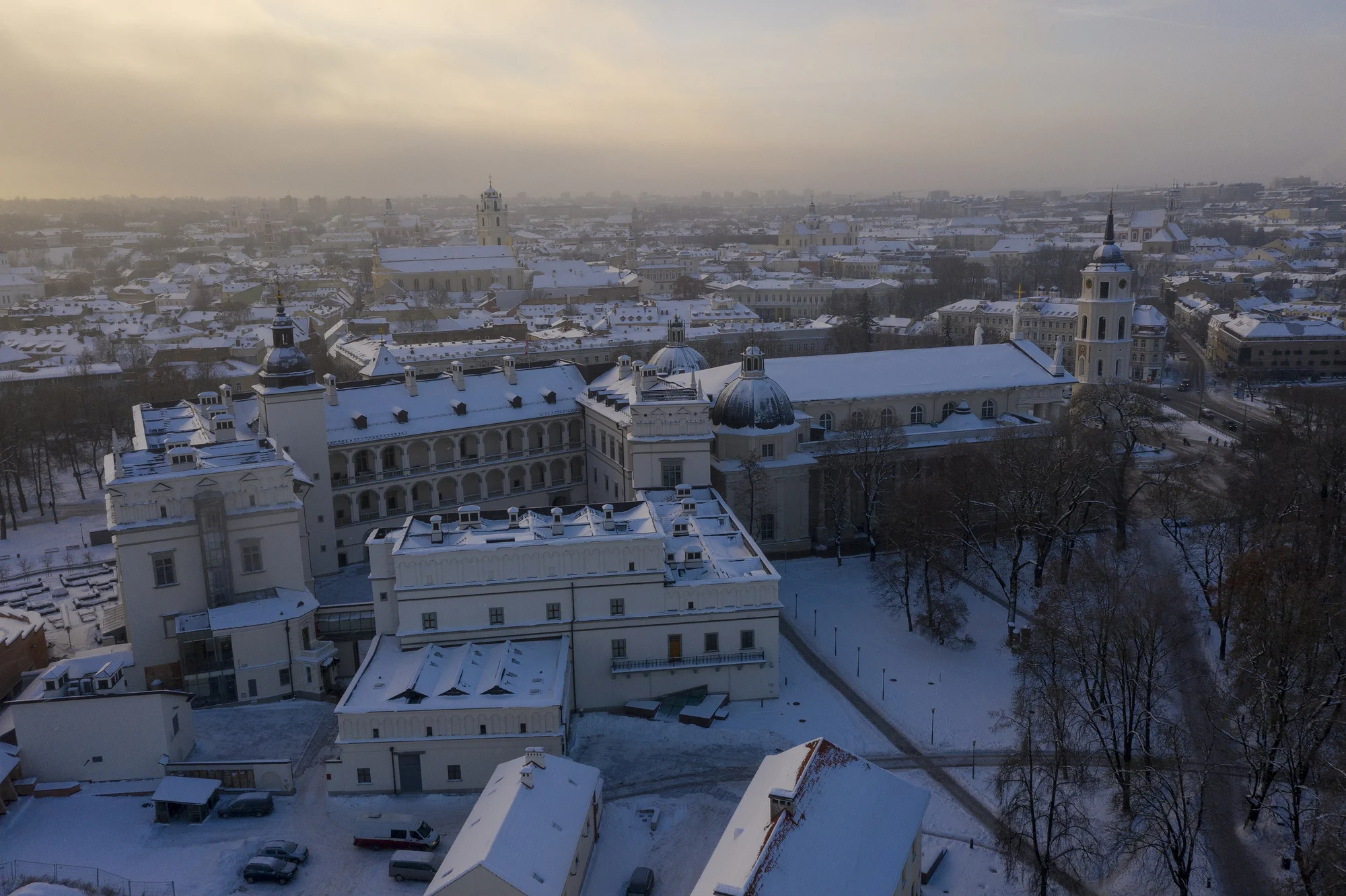
There are real advantages to coming now. It's the best-value season — hotel prices drop, the summer crowds vanish, and you'll have the great sights, the viewpoints and the cafés largely to yourself. The city looks beautiful under snow, with the red roofs and Baroque spires dusted white and the early dark making every lit window and candlelit interior glow. And there's a specific winter highlight to plan around: the Vilnius Light Festival in January, when light installations and projections transform the Old Town's facades after dark for a few magical evenings.
This itinerary is designed around the realities of a Baltic winter, not against them. Each day anchors on indoor highlights — a museum, a long café, a sauna — with short, deliberate outdoor walks timed for the best light, and plenty of warming breaks built in. The rhythm is slower and cosier than a summer trip, and that's the point: winter Vilnius rewards a relaxed, indulgent pace over a sightseeing sprint.
Pack properly and the cold becomes part of the charm rather than a problem: warm layers, a proper coat, waterproof boots with grip for icy cobbles, and a hat and gloves. And because winter hours are often reduced and the Light Festival dates change each year, confirm opening times, festival dates and any seasonal closures against official sources before you travel.
Day 1 — warm museums, a market lunch and the Old Town
Start gently — winter is no time for early alarms. Open the day with a long breakfast at a third-wave café (Vilnius's coffee scene is excellent and the warm interiors are half the appeal), then give the coldest part of the morning to a museum. The Palace of the Grand Dukes for the city's deep history, the MO Museum for modern art, or the National Museum near Castle Hill all make rich, warm refuges where you can happily lose a couple of hours. Pick one and take it slowly.
For lunch, head to a market hall — Halės Turgus by the Old Town is the classic — where you can warm up over a bowl of hearty soup and a dumpling while grazing the stalls of smoked fish, dark rye, cheese and cured meats. Market halls are perfect winter lunches: warm, lively, and full of the kind of comforting, filling food the season calls for. It's also a good chance to taste the traditional dishes that come into their own in the cold — cepelinai, game, warming broths.
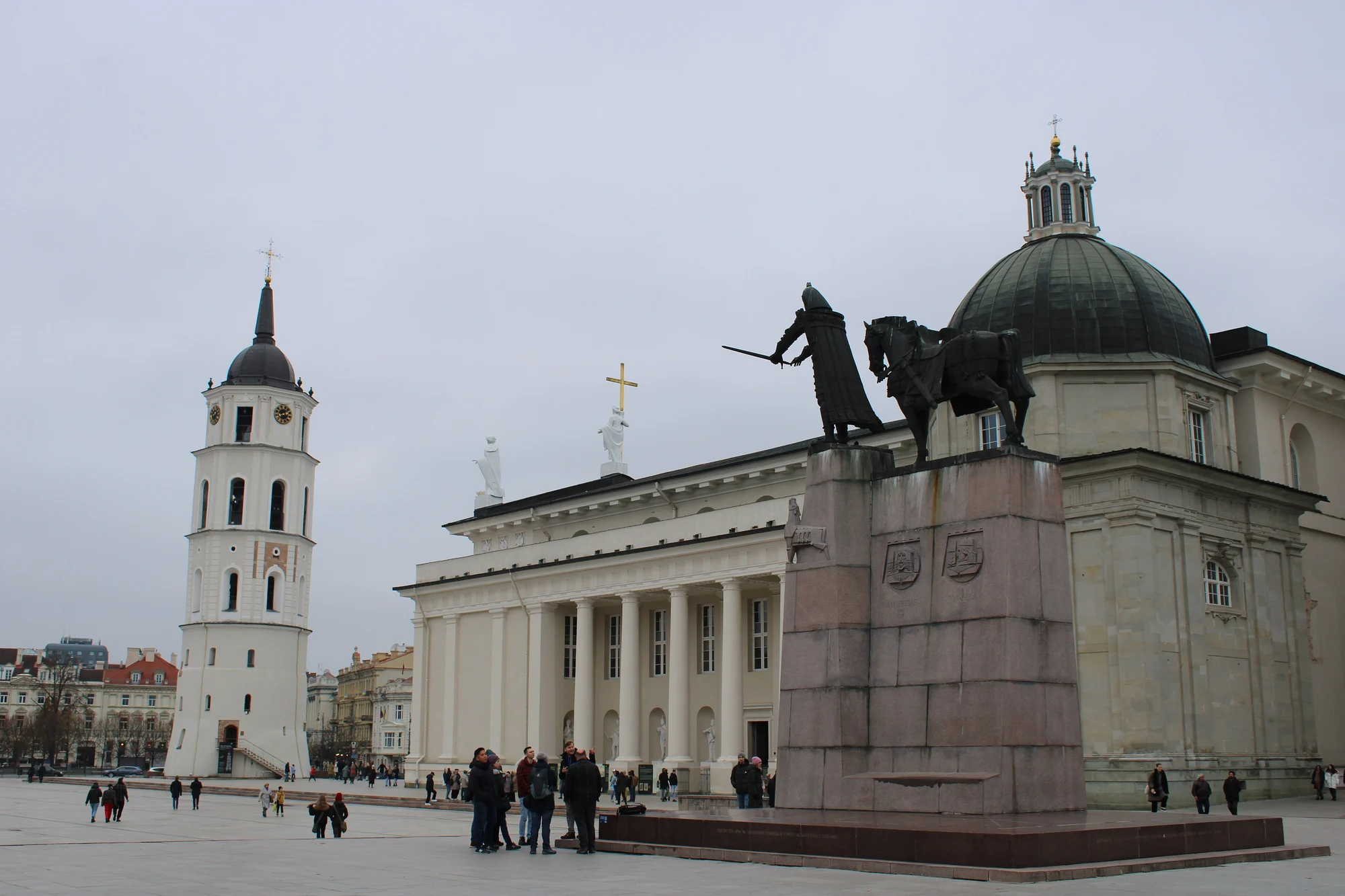
In the afternoon, do a short, deliberate Old Town walk timed for the best light. The historic core is compact, so you can see the headline sights — Cathedral Square, Pilies Street, the university courtyards, the great churches — on a brief loop, ducking into churches and shops to warm up as you go. Aim to be out as the early dusk comes in, when the lit streets and floodlit spires look their best, and keep your footing on the icy cobbles.
End the day warm. A cosy cellar restaurant, with hearty Lithuanian winter food and a glass of something warming, is exactly the right note — vaulted brick ceilings, candlelight and the cold shut firmly outside. Keep the evening unhurried; the pleasure of a winter trip is in slowing down, eating well and staying warm, not in cramming the day.
- A long café breakfast, then a warm museum for the coldest hours.
- A market-hall lunch — soup, dumplings and the stalls at Halės Turgus.
- A short Old Town walk timed for the early dusk and the lit streets.
- A cosy cellar dinner with hearty winter food to end the day warm.
Museums, cafés and warm indoor routes for cold and wet days.
Best Museums in VilniusWhich collections best fill a cold winter morning.
Best Cafés in VilniusThe warm, lamplit roasters that make a winter day.
Map pins
Map data © OpenStreetMap contributors · Tiles © OpenFreeMap
Day 2 — a Baltic sauna, the Light Festival and cosy evenings
Give day two over to the season's secret weapon: heat. The Baltic sauna tradition runs deep, and a proper session — high heat, a birch-branch whisk, a gasping cold plunge, repeat, stretched over a relaxed hour or two — is the local antidote to winter and one of the most memorable things you can do here. Book a slot at a city bathhouse or a spa, or, if your hotel has a sauna and pool, build a slow morning around it. After a cold day, the contrast of heat and cold leaves you glowing; it's restorative, social, and very Lithuanian.
Spend the afternoon on the warm, slow pleasures of the city: more café time, the design and bookshops, a final museum or church, and a wander through the Old Town's cosy corners. Winter afternoons are short, so don't over-plan — one or two gentle anchors and plenty of time to linger over coffee is the right shape. If the snow is falling, simply walking the lamplit lanes with a hot drink in hand is its own pleasure.
If you've timed your trip for late January, the evening highlight is the Vilnius Light Festival. For a few nights each year, the city becomes an open-air gallery of light: projections across the facades of churches and palaces, glowing installations in the squares and courtyards, and a self-guided trail through the illuminated Old Town. It's free, magical, and perfectly suited to the early dark — bundle up, follow the route, and let the city show off. Check this year's dates before you plan around it.
Round off the trip warm and well, leaning into winter's romance. A candlelit cellar dinner, a nightcap in a snug bar, and a last slow walk under the lit spires make a perfect close. If you've based yourself in a spa hotel, a final sauna and swim before bed is hard to beat. Winter Vilnius asks you to do less and enjoy it more — and a couple of days spent this way, warm and unhurried, is the best argument there is for visiting in the cold.
- A Baltic sauna or spa session — heat, cold plunge and the local winter ritual.
- A slow afternoon of cafés, shops and cosy Old Town corners.
- The Vilnius Light Festival (late January) — projections and installations after dark.
- A candlelit cellar dinner and, if you can, a final sauna before bed.
Day 3 and beyond — a winter day trip, more culture and slow rest
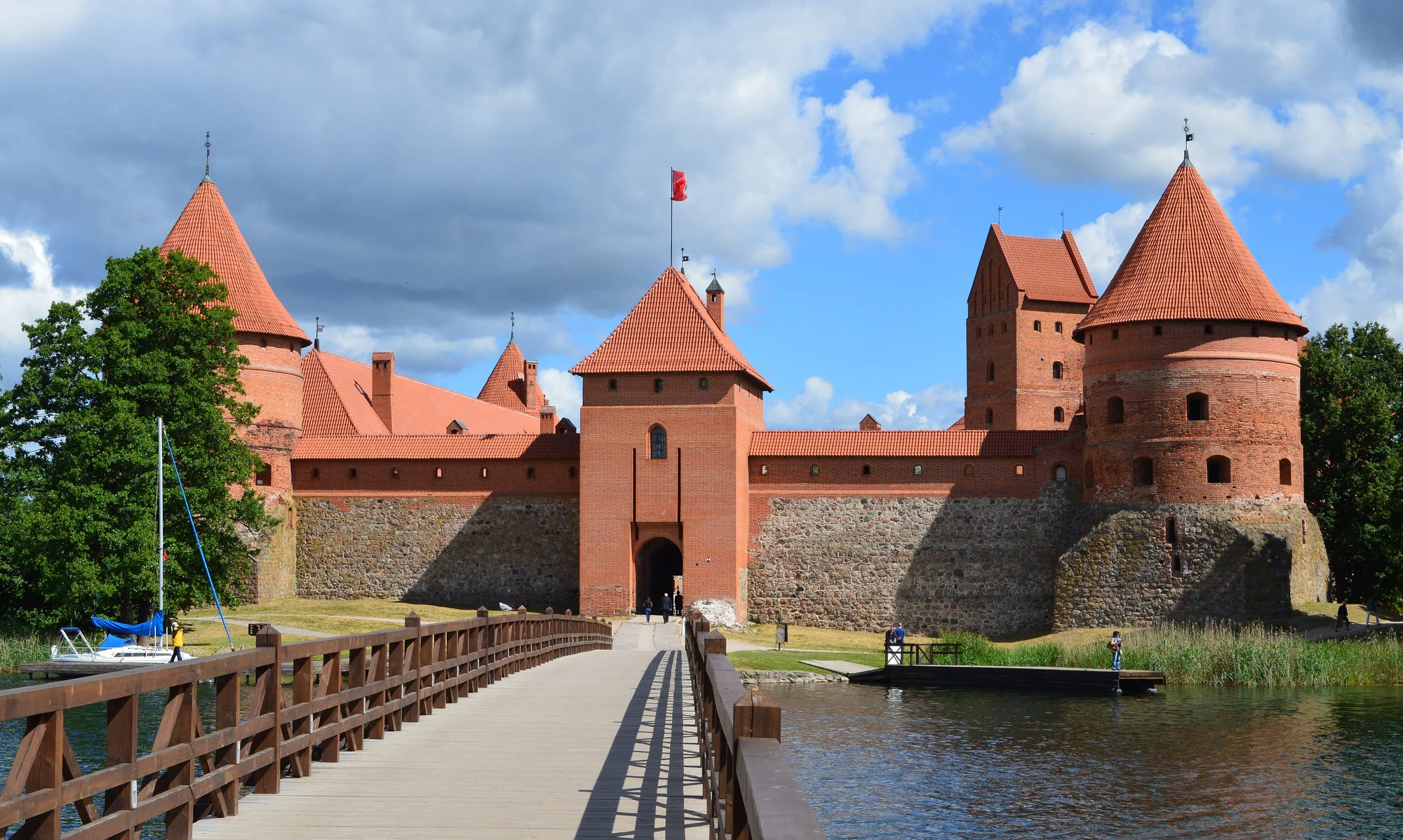
With a third day, winter Vilnius opens up further. A cold-weather day trip can be magical: Trakai's island castle looks extraordinary under snow, with the frozen or steaming lake around it and far fewer visitors than in summer — reachable by train or bus in about half an hour, with reduced castle hours to check first. Closer in, the Green Lakes and the city's forest edges turn quiet and beautiful in the snow for a bracing walk, and even a short outing to a viewpoint like Three Crosses Hill rewards you with the white-roofed Old Town spread below. Keep winter day trips short and well-timed, dress warmly, and have a café waiting at the other end.
Equally, a third day is a chance to go deeper into the indoor culture that makes winter here so forgiving. Vilnius has far more museums than a two-day trip can cover — the National Museum and the New Arsenal by Castle Hill, the Church Heritage Museum, the house-museums, the Money Museum — and the cold season is the perfect excuse to take them slowly. Pair one with a long café lunch and an afternoon of design shops and bookshops, and you have a contented, warm, low-effort day that asks nothing of the weather.
Winter is also the city's best season for pure rest, and a slow third day spent that way is no waste. A long sauna session, a spa afternoon, an unhurried café crawl, a leisurely cellar lunch — the season practically invites you to do less and savour it more. If you've based yourself in a spa hotel, lean into it; the contrast of heat and cold, a swim, and a steam before a candlelit dinner is the most restorative way to spend a cold day, and a real argument for visiting in winter rather than despite it.
However you extend the trip, the winter formula holds: short, deliberate time outdoors timed for the best light; generous warming breaks; and a base of cosy indoor culture and rest. Don't try to match a summer trip's pace — the cold and the short days reward a slower, more indulgent rhythm, and that's the whole appeal. Confirm winter opening hours, reduced day-trip schedules and the Light Festival dates against official sources before you plan around them, since the cold season runs on its own timetable.
- A winter day trip — Trakai under snow, the Green Lakes, or a short viewpoint walk.
- More indoor culture — the National Museum, house-museums and the Money Museum.
- A slow day of pure rest — sauna, spa, café crawl and a leisurely cellar lunch.
- Pace it slowly; verify reduced winter hours and the Light Festival dates first.
Why winter is the smart season — value, crowds and packing
Winter is the season the savvy visitor chooses, and the value is a big part of why. With the summer crowds gone, hotel prices drop — including at the historic five-star and spa hotels that are a stretch in peak season — flights are often cheaper, and the great sights, viewpoints and cafés are blissfully uncrowded. You'll have Castle Hill, the churches and the best coffee houses largely to yourself, and a spa weekend that would be a serious splurge elsewhere in Europe is comfortably attainable here. For a couples' break, a recharge, or a culture-and-comfort trip, the cold months offer the best value in the Vilnius calendar.
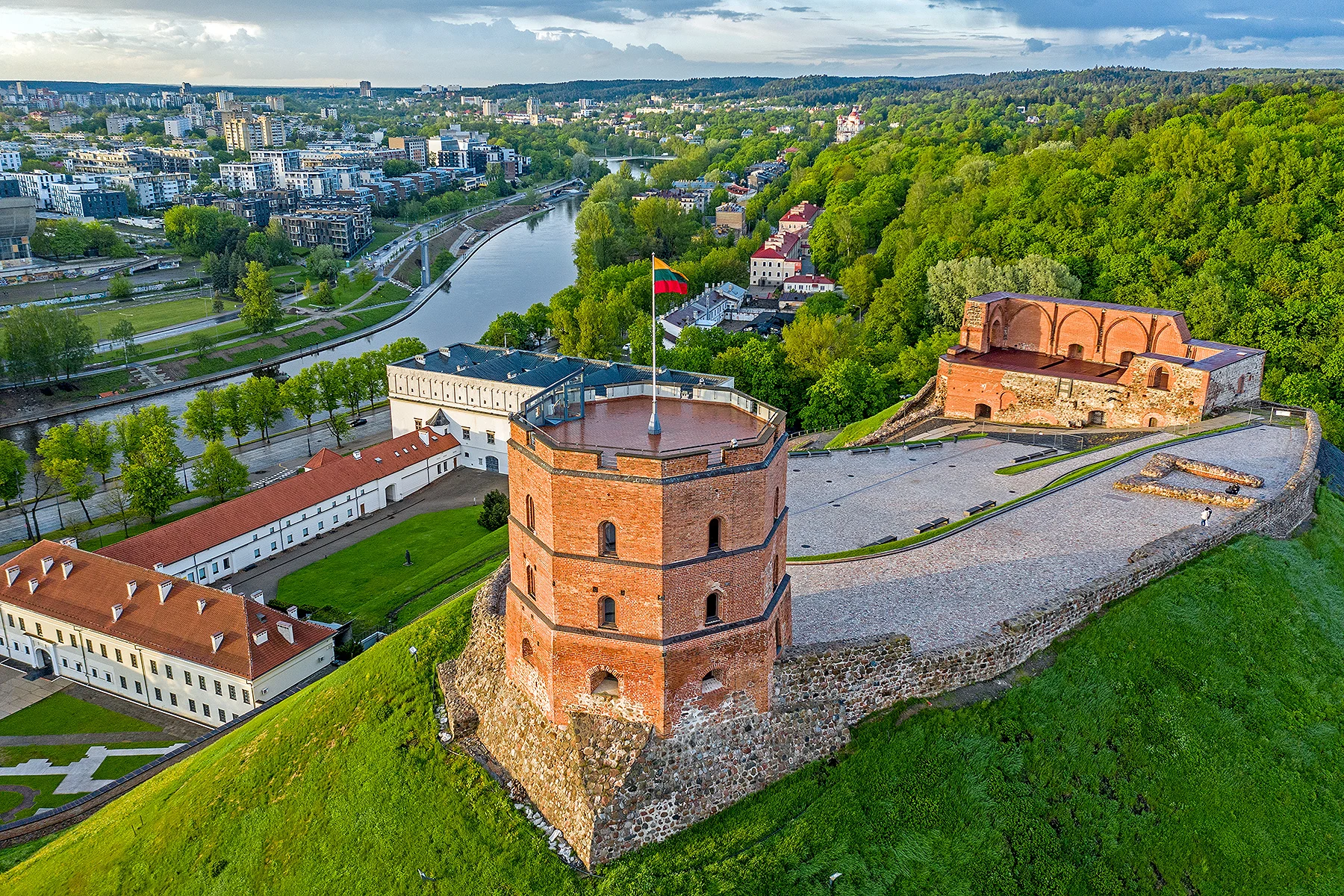
The trade-off is the weather, and the answer is simply to prepare for it rather than resist it. Temperatures often sit below freezing, snow and ice are common, and daylight is short — dark by mid-afternoon. The fix is good gear: warm thermal layers, a proper windproof and waterproof coat, a hat, gloves and a scarf, and above all sturdy boots with grippy soles for the icy cobbles. Dressed properly, you can enjoy the markets, the viewpoints and the snowy lanes for as long as you like; underdressed, the cold ends a day early. The right kit is the difference between magic and misery.
Lean into the indoor culture that makes the season work. Centuries of long northern winters have given Vilnius a deep cosy culture — warm, lamplit cafés on every corner, a serious sauna and spa scene, snug cellar restaurants, and a wealth of museums and churches. This is why a winter trip is so forgiving: a freezing or wet day is never wasted, because so much of the best of the city is warm and indoors anyway. Plan the days as warm anchors with short, deliberate outdoor bursts, and the cold becomes a feature rather than a problem.
Time your visit around the winter highlights if you can. The Christmas markets glow on Cathedral Square through December, and the Vilnius Light Festival lights up the Old Town for a few nights in late January — both are reasons to come in the cold rather than despite it. Outside those windows, February and early March are quiet, cheap and atmospheric. Whatever your dates, confirm winter opening hours (many sites reduce them), festival dates and any seasonal closures against official sources before you plan, since the cold season runs on a shorter, looser timetable than summer.
- Best value of the year: lower hotel and flight prices, and the sights nearly to yourself.
- Prepare for the cold — thermal layers, a windproof coat, and grippy waterproof boots.
- Lean on the deep cosy culture — cafés, saunas, cellars and museums — so no day is wasted.
- Time it for the December markets or the late-January Light Festival; verify winter hours.
Related guides
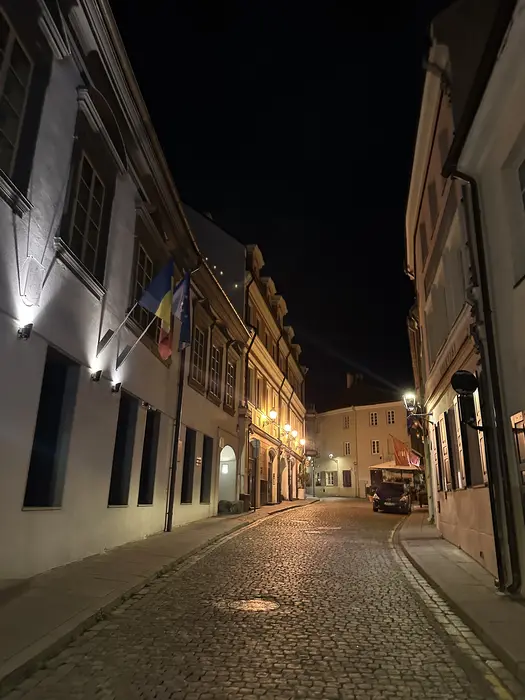
Vilnius Light Festival Guide
Vilnius's winter light festival: when it runs, how the evening route works, the best installations and photo spots, and how to plan a deep-winter trip around three nights of light.
Read guide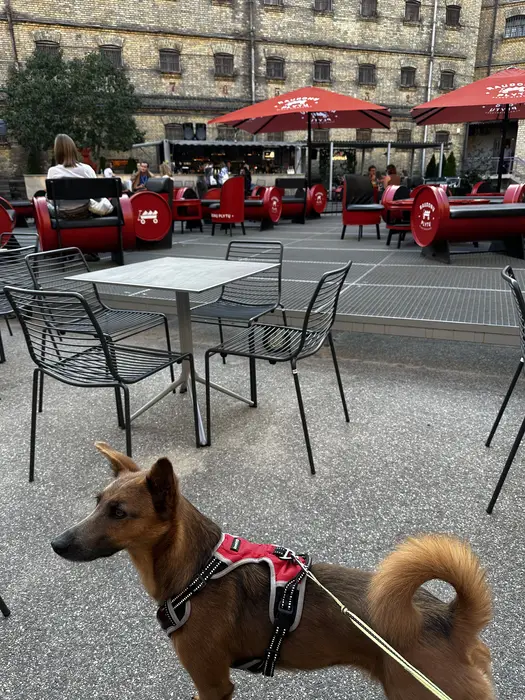
Rainy Day in Vilnius
What to do in Vilnius when it rains: museums, cafés, food halls, churches, galleries, spa hotels and cozy indoor routes for wet or cold days.
Read guide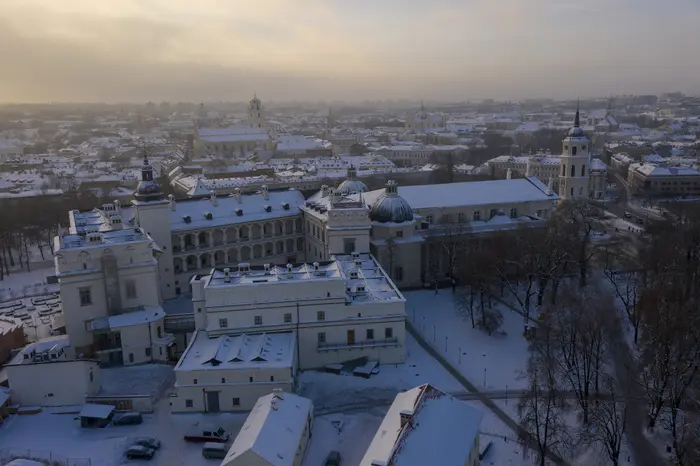
Vilnius in January
Visiting Vilnius in January: deep-winter weather and short daylight, the Vilnius Light Festival, low crowds and prices, warm cafés and museums, icy-walk cautions and how to plan a cold-weather trip.
Read guide