
Vilnius Weather & Packing
What the weather is really like in Vilnius season by season, and exactly what to pack — from winter ice and layers to warm long-daylight summers, rain gear, church-friendly clothes and day-trip kit.
- ✓Vilnius has a continental climate with four real seasons — pack for the one you're visiting, not a generic European city break.
- ✓Winters are cold and icy (often below freezing, snow likely); summers are warm with very long daylight.
- ✓Rain is possible in any month, so a compact waterproof and sturdy, flat shoes earn their place year-round.
- ✓Cobblestones are everywhere — comfortable, grippy footwear matters more here than fashion.
- ✓Layers are the answer in spring and autumn, when a single day can swing from chilly to mild.
The climate in a nutshell
Vilnius sits firmly in a humid continental climate, which means genuine, distinct seasons rather than the mild, samey weather of much of Western Europe. Winters are properly cold, summers are warm and green, and spring and autumn are changeable shoulder seasons that can hand you anything from crisp sunshine to cold rain in the same afternoon. The single most useful packing principle here is to dress for the actual season you're visiting and to build flexibility in with layers.
Daylight swings dramatically through the year, and it shapes the feel of a trip. Around midsummer the days stretch towards seventeen hours, with long luminous evenings perfect for late walks; in deep winter daylight shrinks to roughly seven hours, so sightseeing is concentrated into the middle of the day and the city leans into cosy, indoor warmth. Rain is spread across the year rather than confined to one wet season, so a packable waterproof is sensible whenever you come.
In rough numbers, expect average highs around the low-to-mid 20s Celsius at the height of summer, slipping to around freezing or just below in the depths of winter, with spring and autumn sitting in between and shifting fast. Those are averages, though — cold snaps and warm spells both happen, so treat the forecast for your specific dates as the final word and use the seasonal guidance below as a baseline. The golden rule is simple: get the footwear and the waterproof right, layer for the temperature, and the weather stops being something you have to think about.
- Continental climate: cold winters, warm summers, changeable spring and autumn.
- Daylight ranges from ~7 hours mid-winter to ~17 hours mid-summer.
- Rain is possible year-round — always pack something waterproof.
Winter (December–February): cold, dark and magical
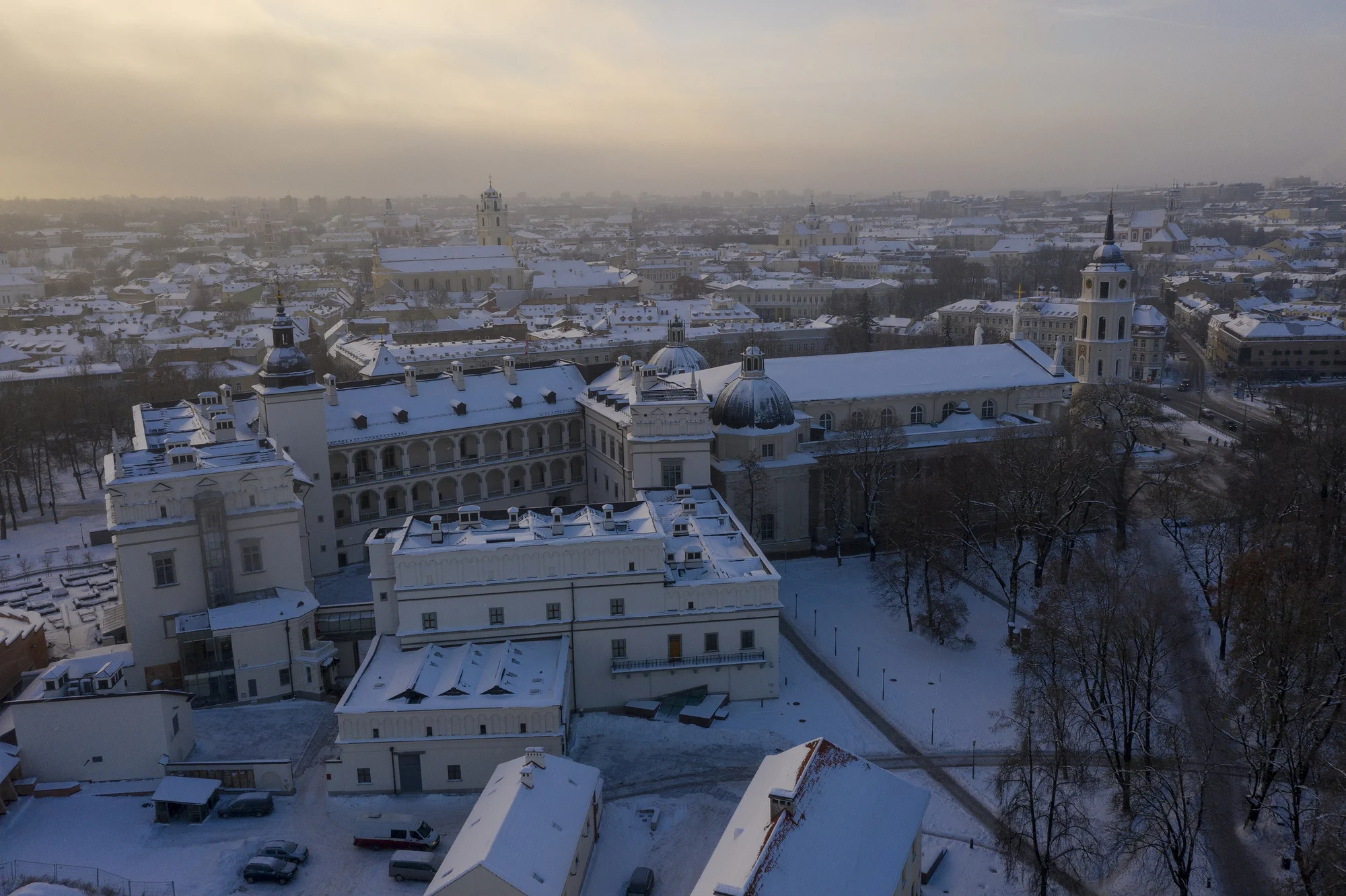
Vilnius winters are cold and often below freezing, with January and February the coldest months and snow cover common through the depths of the season. Daylight is short — around seven hours at midwinter — so plan sightseeing for the middle of the day and lean into the city's warm indoor pleasures: cafés, churches, museums, and the glow of the Christmas markets in December. Underfoot is the thing to take seriously, because pavements and the Old Town's cobblestones can be icy and slick.
Pack as if for a properly cold European winter. A warm, ideally waterproof coat is non-negotiable, layered over a thermal base and a mid-layer fleece or sweater. Add a hat, gloves and a scarf, and — most important of all — boots with good grip; smooth-soled shoes are a recipe for slips on iced cobbles. A small daypack lets you peel off layers when you duck into a warm café or museum. December visitors for the markets should add hand-warmers and thick socks for standing around outdoors in the evening chill.
Plan the rhythm of winter days around the light and the cold rather than fighting them. Aim outdoor sightseeing — the hills, the squares, a churchyard wander — for the bright middle hours, and bookend the day with indoor warmth: a long café breakfast, a museum in the early afternoon, and a candlelit dinner once it's dark. The short days are a feature, not a bug, if you embrace the cosiness; Vilnius does winter atmosphere beautifully, and the trick is dressing warmly enough that you're never rushing back indoors to thaw.
- Often below freezing; snow and ice likely. Daylight ~7 hours.
- Pack: warm waterproof coat, thermal base layer, fleece, hat, gloves, scarf.
- Crucial: grippy, insulated boots for icy cobblestones.
- For December markets: hand-warmers, thick socks and patience with the cold.
Christmas markets, the Cathedral Square tree, lights and festive packing.
Best Time to VisitWhether a winter trip is right for you, and how it compares.
Map pins
Map data © OpenStreetMap contributors · Tiles © OpenFreeMap
Spring and autumn: layers, layers, layers
The shoulder seasons — roughly March to May and September to November — are when Vilnius is at its most changeable, and where a layering strategy pays off most. Early spring can still be cold and grey as the city thaws, warming steadily through April and May until late spring feels properly mild and the parks turn green; daylight lengthens fast, climbing past fourteen hours by April. Autumn reverses the process, with crisp golden days giving way to cooler, wetter, darker weather as winter approaches.
Pack for variability rather than a single temperature. A light-to-mid-weight jacket — ideally water-resistant — over layers you can add or shed is the core of it: think long-sleeve tops, a sweater or fleece, and a packable waterproof shell for the inevitable shower. Bring a scarf for cool mornings and evenings, and comfortable closed shoes that handle both cobbles and damp pavements. These are arguably the best-value times to visit, with thinner crowds and lower prices, and the wardrobe is the easiest to get right as long as you commit to layers.
- March–May and September–November are changeable — temperatures can swing within a day.
- Pack: water-resistant jacket, layers (long sleeves, fleece/sweater), packable waterproof.
- Add a scarf for cool mornings/evenings and comfortable closed shoes.
- Spring daylight climbs past 14 hours by April; autumn shortens steadily.
Summer (June–August): warm, green and long-lit
Summer is the easy season to pack for. Days are warm — typically in the low twenties Celsius, occasionally hotter — and the daylight is extraordinary, stretching towards seventeen hours around midsummer, so evenings are long, soft and made for riverside walks and outdoor dinners. It's peak season and the busiest time, but the city's open-air cafés, parks and beaches by the lakes and rivers come into their own.
Light clothing is the order of the day: t-shirts, light trousers or shorts, a dress or two, and a light layer for cooler evenings, which can still turn fresh after a hot afternoon. Don't leave the waterproof at home — summer brings its share of showers and the odd thunderstorm. Add sunglasses, sunscreen and a refillable water bottle (tap water is safe), and swimwear if you fancy a dip at one of the city's lakeside spots or on a day trip. As ever, comfortable walking shoes beat anything else for the cobblestones.
One quirk of a high-summer trip worth planning for is the light itself. With the sun setting late and rising early, those long luminous evenings are the best time to be out — walking the riverside, lingering over an outdoor dinner, climbing a hill for a slow sunset — but the early starts can disrupt sleep if your room lacks good blackout curtains, so consider an eye mask. Make the most of the cool, golden ends of the day, and save midday for shade, museums or a café when the heat peaks.
- Warm (often low 20s°C) with very long daylight — up to ~17 hours.
- Pack: light clothing, a layer for evenings, sunglasses, sunscreen, water bottle.
- Keep a packable waterproof for summer showers and storms.
- Bring swimwear for lake and river spots; comfortable walking shoes throughout.
Year-round packing essentials
A few things earn a place in your bag whatever the month. Comfortable, sturdy, grippy footwear comes first — Vilnius is a walking city paved with cobbles, and the wrong shoes will define your trip in the worst way. A compact, packable waterproof is the second non-negotiable, since rain can arrive in any season. Beyond that, pack modest layers you can wear into churches (covered shoulders and knees are appreciated, and quiet voices expected), and a small daypack for shedding layers, carrying water and stashing a waterproof.
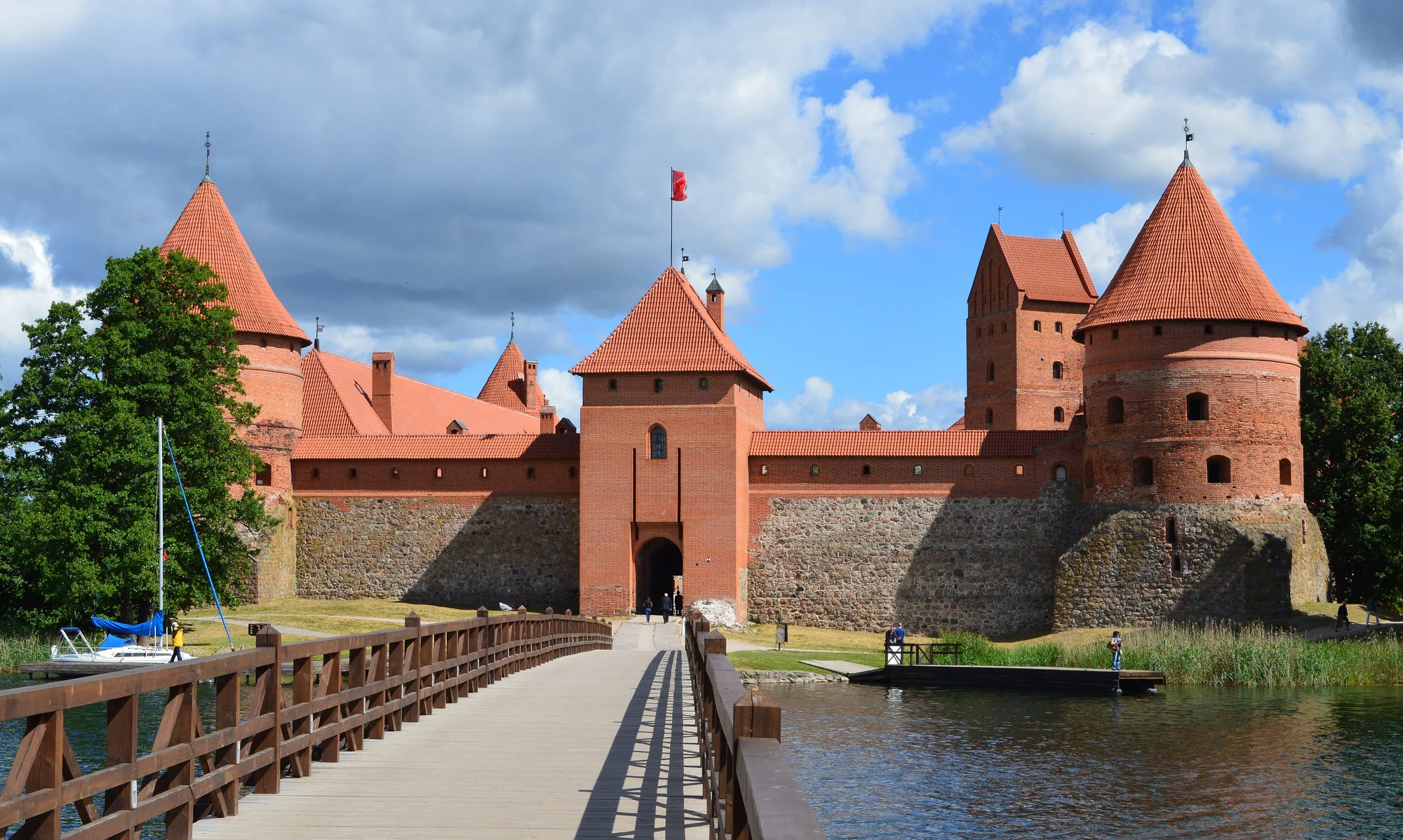
Round it out with a universal phone charger and power bank, any medication you need (pharmacies are good but stock varies), and a reusable water bottle for the safe tap water. If your trip includes a day trip to Trakai or further afield, factor in slightly warmer and more weatherproof clothing — open lakeside and countryside spots feel cooler and more exposed than the sheltered Old Town. Get the shoes and the waterproof right, layer for the season, and Vilnius's weather becomes a non-issue.
A final thought on the EU plug standard: Lithuania uses the Type C/F two-pin socket at 230V, so visitors from the UK, US and elsewhere should pack an adapter. It's a small thing, but a dead phone with no map and no way to call a ride is the one weather-proof problem worth pre-empting before you go.
- Always pack: grippy comfortable shoes and a packable waterproof.
- Modest layers for churches; a small daypack for shedding layers and water.
- Phone charger/power bank, any personal medication, a reusable water bottle.
- Add weatherproof layers for exposed day trips like Trakai.
Related guides
Best Time to Visit Vilnius
When to visit Vilnius, season by season: weather and daylight, festivals and Christmas markets, food, day trips, crowds and hotel value — so you can pick the trip that suits you.
Read guide
Vilnius by Month
A month-by-month guide to visiting Vilnius: weather and daylight, festivals and markets, crowds and hotel value, day-trip timing and what to book — so you can pick the right month for the trip you want.
Read guide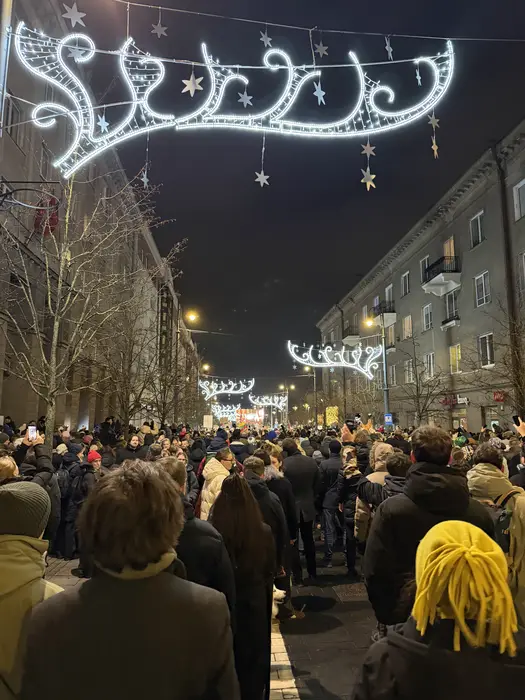
Vilnius in December
Christmas markets, the famous Cathedral Square tree, winter lights and deeply cosy cafés — December is Vilnius at its most magical and most romantic. Here's how to plan it.
Read guide