
Trakai Day Trip
A complete Trakai day trip from Vilnius: how to get there, the island castle, Karaim kibinai, lake boating and a relaxed plan that doesn't feel rushed.
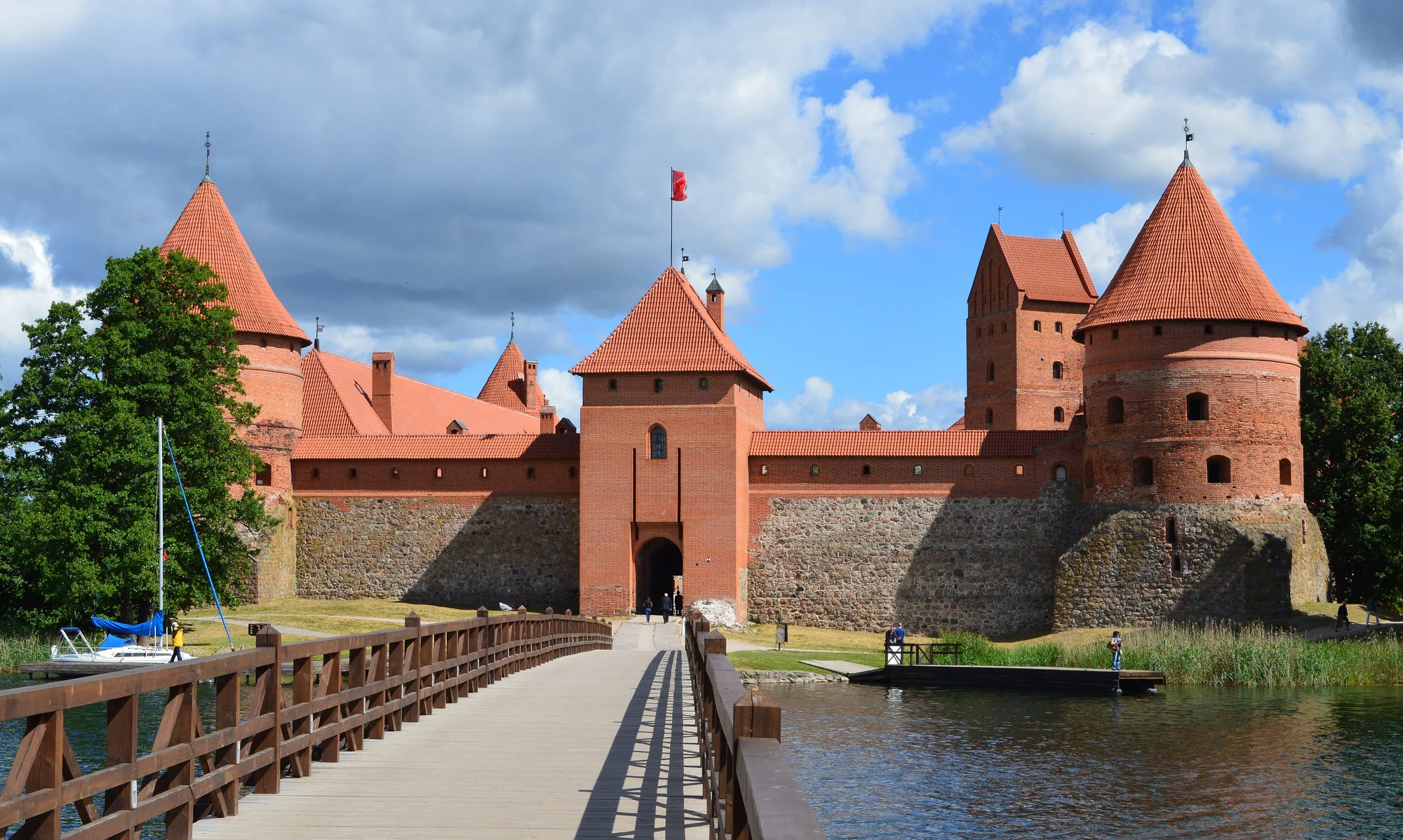
- ✓Trakai's red-brick island castle on Lake Galvė is the most photographed sight in Lithuania — and an easy half-day from Vilnius.
- ✓Reachable in roughly 30 minutes by train or about 35–40 minutes by car, so it works as a relaxed day trip year-round.
- ✓Eat kibinai, the Karaim baked pastries that are Trakai's signature dish, fresh from the oven.
- ✓In summer, rent a rowboat, pedalo or SUP on the lake for the classic view of the castle from the water.
- ✓Pair the castle with the wooden Karaim houses on Karaimų Street and, on warm days, Užutrakis Manor across the lake.
Why Trakai is worth the trip
Trakai serves up fairy-tale castle silhouettes, wooden Karaim houses and lakeside paths less than an hour from Vilnius — which is exactly why it's the city's most popular day trip. The headline sight is Trakai Island Castle, a restored 14th–15th-century Gothic fortress that sits on its own island in Lake Galvė, reached by a long wooden footbridge. It is, deservedly, the postcard image of Lithuania, and seeing it rise red-brick and turreted from the water is the kind of view that justifies the whole excursion before you've even crossed the bridge.
But Trakai is more than its castle. The town strings out along a narrow isthmus between lakes, lined with the brightly painted, three-windowed wooden houses of the Karaim — a small Turkic community brought here from Crimea by Grand Duke Vytautas the Great in the late 14th century to serve as his personal guard. Their culture, language and cuisine still shape the town today, and that distinct heritage is what sets Trakai apart from a generic castle visit. Add boats on the water, forest-edged shores, a second mainland castle in ruins, and an unhurried small-town pace, and you have a day that balances history, food and the outdoors without ever feeling like a slog.
Trakai's strategic setting is no accident. Surrounded by a chain of lakes — Galvė, Totoriškių, Akmena and others — the town was a naturally defensible seat of power for the medieval Grand Duchy of Lithuania, and for a time effectively its capital. Lake Galvė alone is dotted with around twenty small islands, and the whole area now forms the Trakai Historical National Park, the only historical national park in Lithuania, which protects both the heritage and the surrounding woods and water.
Because it's so close and so well connected, Trakai suits almost any traveller: families, couples after a romantic afternoon on the lake, history buffs, and anyone who wants a break from the Old Town's cobbles. It works in every season — green and busy in summer, golden in autumn, and starkly beautiful (and far quieter) under winter snow, when the frozen lake sometimes lets you walk out toward the island across the ice.
- Distance from Vilnius: about 28 km west.
- Time needed: half a day is enough for the castle and lunch; a full day if you add boating or Užutrakis.
- Open year-round, with the liveliest atmosphere from spring through early autumn.
Getting there from Vilnius
Trakai is one of the simplest day trips in the Baltics because public transport does almost all the work. The train is the easiest option: services run from Vilnius station to Trakai in roughly 30 minutes, with departures spread through the day, and fares are cheap. Trakai's station sits at the edge of town, so it's about a 20–25 minute walk (or a short local bus ride) onward to the castle along the lakeshore — a pleasant approach in itself, passing the Karaim houses on the way in. Buy a return ticket so you don't have to queue again for the trip home.
Buses leave from the same station complex in Vilnius and are a good backup when train times don't suit you; the journey is comparable in length and they sometimes drop you closer to the town centre. If you'd rather drive, it's about 35–40 minutes by car via the A16 — just be aware that the car parks near the castle fill up fast on sunny weekends and holidays, so arrive early or be ready to park further back and walk in. Driving makes most sense only if you plan to roam the wider national park, reach Užutrakis Manor easily, or continue elsewhere afterwards.
For exact, current timetables and fares, check Lithuanian Railways (LTG Link) for trains and the regional bus operators before you set out, as schedules shift seasonally. A guided coach tour from Vilnius is the most hands-off option if you'd rather not plan logistics at all.
- Train: ~30 minutes from Vilnius station; cheap and reliable, then a short walk or bus to the castle.
- Bus: departs the same station; a solid backup with similar journey times.
- Car: ~35–40 minutes; parking near the castle gets full on sunny weekends.
- Tip: buy a return train ticket and note the last departure back so you're not caught out in the evening.
Map pins
Map data © OpenStreetMap contributors · Tiles © OpenFreeMap
Trakai Island Castle
The walk out to the castle is part of the pleasure: you cross first onto the islet of Karvinė and then over a long wooden footbridge to the castle island itself, with the brick towers rising ahead and the lake stretching out on both sides. The fortress you see is a 20th-century reconstruction of the castle begun under Grand Duke Kęstutis and completed by his son Vytautas around 1409 — a rare example of a Gothic island castle in this part of Europe, and one that had fallen into romantic ruin for centuries before being painstakingly rebuilt, controversially at the time, in the Soviet era.
Inside, the Trakai History Museum fills the restored ducal palace and the central keep with exhibits on the Grand Duchy of Lithuania: applied art, coins, weaponry, furniture, hunting horns and pipes, and the castle's own dramatic story of construction, ruin and reconstruction. You pass through the defensive courtyard with its timber galleries, climb stairs and ladders between the towers, and look out from the keep across Lake Galvė and its scattered islands. There are usually seasonal events too — medieval festivals, craft fairs and concerts in the courtyard in summer.
Ticket queues are the main thing to manage. Lines peak in the middle of the day, roughly 11:00–13:00, when tour groups and day trippers converge — so aim to arrive earlier or visit in the later afternoon. Opening hours and admission vary by season (summer brings longer daily hours; winter shortens them and closes some days), and the published adult ticket has sat in the rough region of €8–€12 in recent years, with reduced rates for students and children and free or discounted days for some groups. Always confirm the current price and hours on the official museum site before you go rather than relying on a fixed figure.
Allow around 60–90 minutes inside if you want to read the exhibits and climb the towers, or less if you're mainly there for the architecture and the views. Even if you skip the interior, the approach across the bridges and the shoreline views of the castle are free and arguably the most memorable part — many visitors are happiest simply walking the lakeshore promenade and photographing the castle from every angle as the light changes.
- Plan around the 11:00–13:00 crowd peak — go early or late.
- Allow 60–90 minutes inside the History Museum if you want the full visit.
- Hours and prices change seasonally; check the official Trakai History Museum site for the day you're visiting.
Kibinai and lunch by the lake
No Trakai day trip is complete without kibinai — the half-moon baked pastries that are the signature dish of the local Karaim community, brought here with them from Crimea centuries ago. Traditionally filled with chopped lamb and onion (though chicken, beef, cheese, mushroom and even sweet fruit versions now appear too), they're crimped by hand, baked until golden, and served hot, often with a bowl of clear meat broth on the side. They are genuinely Trakai's thing — you'll smell the bakeries before you see them — and well worth building lunch around rather than treating as a snack.
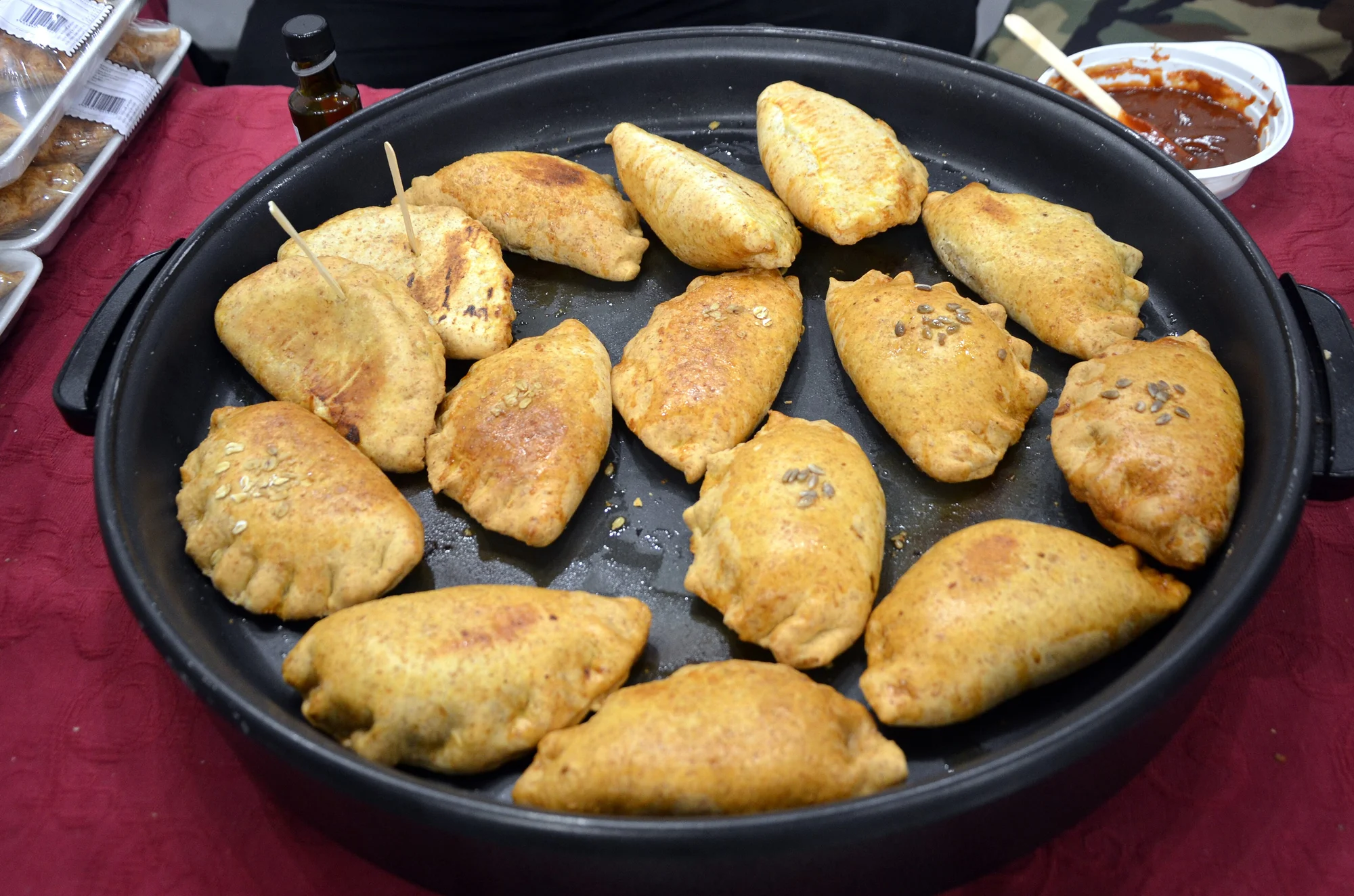
The classic move is to buy kibinai and broth at one of the long-running Karaim eateries along the main street — Senoji Kibininė is the best-known — then carry on toward the lake. On a warm day you can follow lunch with a rowboat, pedalo or stand-up paddleboard rented at the shore for the iconic view of the castle from the water, the single best photo you'll take all day.
If you have time and the weather's kind, extend the afternoon to Užutrakis Manor, a neoclassical estate with landscaped grounds on the far side of Lake Galvė, reachable on foot, by bike or by a short boat hop. It's the calm, green counterpoint to the busy castle bridge.
- Must-eat: kibinai, fresh from the oven, ideally with broth.
- Best-known spot: Senoji Kibininė on the main street.
- Summer add-on: rent a boat or SUP on Lake Galvė for the castle-from-the-water view.
- Warm-day extension: Užutrakis Manor and its lakeside park.
The Karaim town beyond the castle
It's easy to treat Trakai as castle-and-kibinai and head straight back, but the town itself is the other half of the story. Karaimų Street, the long main street leading toward the castle, is lined with the Karaim community's traditional wooden houses — painted in cheerful colours and built with a distinctive three windows facing the street (one, by tradition, for God, one for Grand Duke Vytautas, and one for the family). It's one of the most photogenic streets in Lithuania and a living reminder of a community that has called Trakai home for more than six centuries.
Look out for the Kenesa, the Karaim house of prayer — a rare surviving example of this Turkic-Jewish faith's architecture in Europe — and the small Karaim ethnographic exhibition that tells the community's story. The town also holds a peninsula castle, older and far more ruined than the famous island one, on the mainland between the lakes; it's free to wander among its earthworks and remaining walls and is usually blissfully empty.
The wider area is parkland and water. Trails and quiet roads run along the lakeshores, and on a fine day it's lovely simply to walk a circuit of Lake Galvė, picnic on the grass, or follow the path to Užutrakis Manor. This is the Trakai that rewards staying a little longer than the castle strictly requires.
- Walk Karaimų Street for the painted, three-windowed Karaim houses.
- Seek out the Kenesa prayer house and the Karaim ethnographic exhibition.
- Explore the free, ruined peninsula castle on the mainland.
- Picnic, stroll the lakeshore, or walk to Užutrakis Manor.
A relaxed plan and when to go
The best season runs roughly April to October, when the lake is open for boating, the Karaim houses look their brightest and the footbridge to the castle is at its most atmospheric. Summer weekends are the busiest and warmest, and that's when the town is liveliest with festivals and boats; late spring and early autumn give you the same scenery with thinner crowds and softer light, which many regulars consider the sweet spot. Winter strips the town back to snow, ice and silence — beautiful and almost empty, though boating stops, some hours shorten, and you'll want proper layers for the exposed lakeshore.
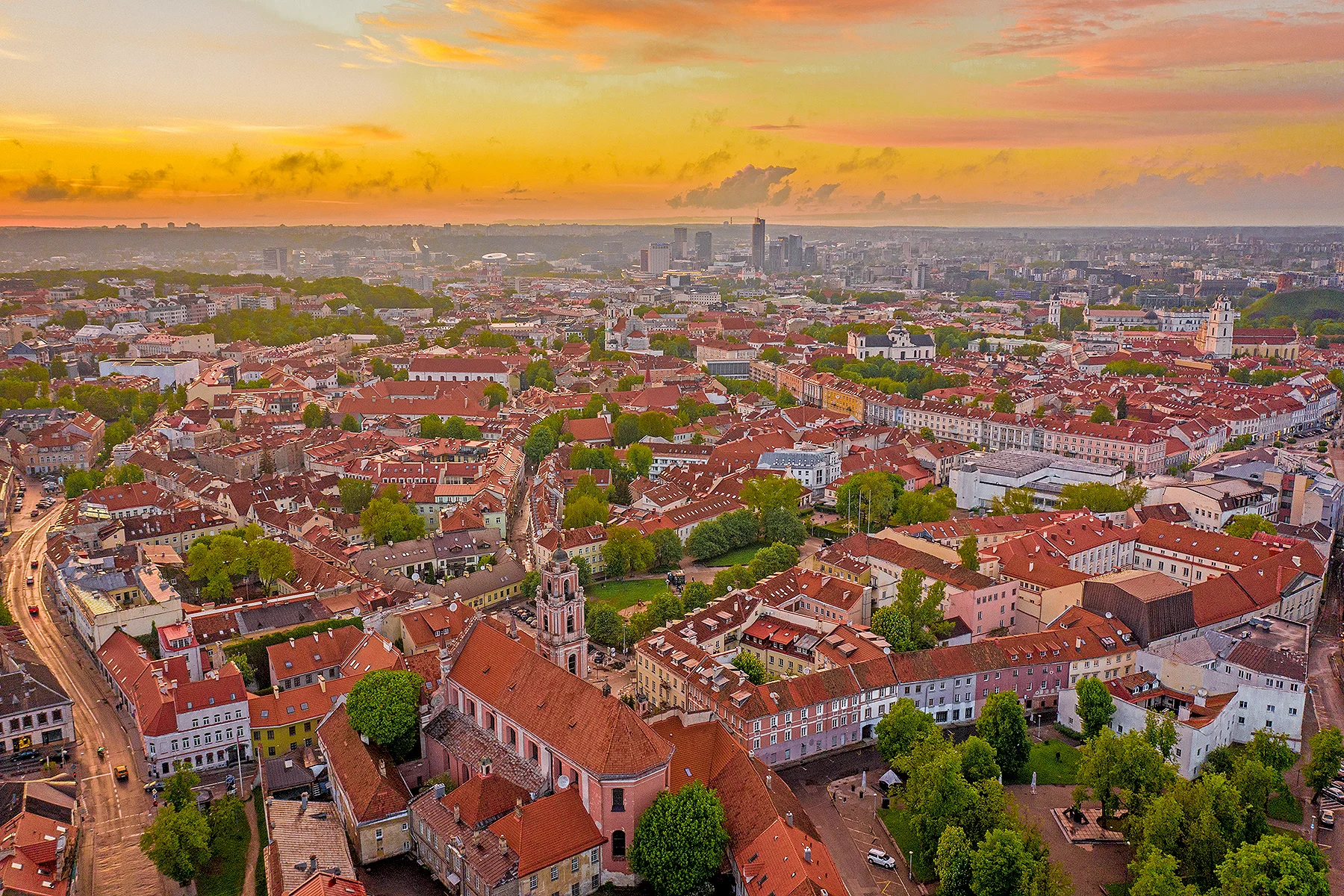
A sensible half-day rhythm: catch a mid-morning train, walk into town along the lake, beat the lunchtime crowds into the castle, then reward yourself with kibinai and an hour on the water before heading back. If you'd rather not rush, spread it over a longer afternoon and let Trakai set the pace — wander Karaimų Street, find a lakeside bench, and let the light go gold over the castle before the evening train. That slower version is the whole point of coming.
A few practical odds and ends. Bring cash for small kibinai stalls, boat rentals and the peninsula sights, though the main restaurants and the castle take cards. Wear shoes you can manage on cobbles, gravel paths and the castle's worn stone stairs. There are public toilets and cafés near the castle approach, but carry water on hot days as the lakeshore offers little shade. And note the last train and bus back to Vilnius before you settle in for the afternoon, so a long lunch doesn't strand you.
Trakai pairs naturally with the rest of a Vilnius trip: it's the obvious half-day escape between Old Town days, and it slots neatly into a two- or three-day plan. Combine it with the city's sights, or stretch it into a dedicated Vilnius-and-Trakai itinerary if castles and lakes are your thing. Come for the castle, stay for the lake, and leave with a stomach full of kibinai.
- Peak season: April–October; quietest and most magical extremes in deep winter.
- Half-day works; a full day if you add boating or Užutrakis Manor.
- Bring cash for small kibinai stalls and boat rentals, plus comfortable shoes for the cobbles and bridge.
Trakai day trip: common questions
A few of the questions that come up most often when planning a Trakai day trip from Vilnius. As always with hours, prices and timetables, confirm the current details on official sites close to your visit, since they change with the seasons.
The headline answers: yes, it's an easy independent day trip; the train is the simplest way; half a day is enough for the essentials; and the castle, the kibinai and a moment by the lake are the three things not to miss.
- How far is Trakai from Vilnius? About 28 km west — roughly 30 minutes by train or 35–40 minutes by car.
- What's the best way to get there? The train from Vilnius station; buses are a reliable backup, and a car is handy only if you'll explore the wider park.
- How long do I need? A half-day covers the castle and lunch; a full day lets you add boating, the Karaim town and Užutrakis Manor.
- What should I eat? Kibinai — the Karaim baked pastries — ideally with a bowl of broth.
- Can I go in winter? Yes, though boating stops and some hours shorten; the snowy castle is a quieter, atmospheric reward.
- Do I need to book the castle? Generally no, but expect midday queues; arriving early or late is the easiest fix.
- Is it worth a guided tour? A coach tour removes all logistics, but Trakai is straightforward to do yourself by train.
Related guides
Day Trips from Vilnius
The best day trips from Vilnius compared: island-castle Trakai, ancient Kernavė, second-city Kaunas, the Paneriai memorial, Europos Parkas, the Green Lakes, Rumšiškės and the Hill of Crosses — with honest notes on transport, timing and what's worth a car or a tour.
Read guideTrakai Island Castle: A Day Trip from Vilnius
How to visit Trakai Island Castle from Vilnius: tickets, opening hours, the bridge approach, the museum route, lake views, kibinai, and how to pace the whole island day.
Read guide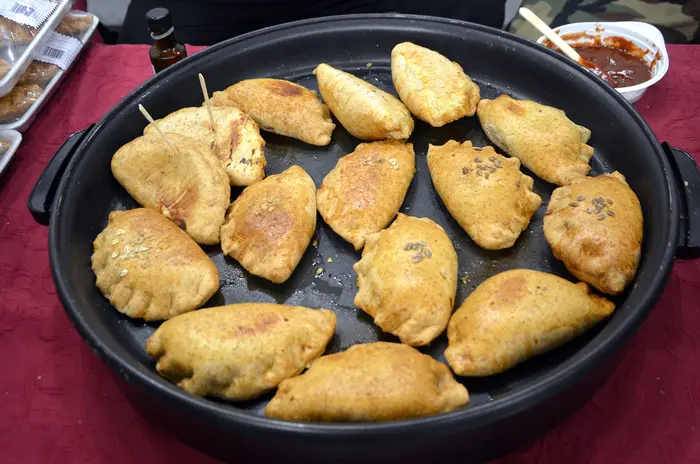
Kibinai in Vilnius & Trakai: The Karaim Pastries
What kibinai are, why Trakai matters, and where to eat the Karaim meat pastries — in Vilnius or as part of a Trakai castle-and-lakes day trip.
Read guide