
Best Day-Trip Tours from Vilnius
When to book a guided day-trip tour from Vilnius and when to go solo: Trakai, Kaunas, Kernavė, Paneriai, the Hill of Crosses and nature escapes, with the trade-offs that actually matter.
- ✓Tours earn their keep for sights that are awkward by public transport, for combining stops, and for on-site context.
- ✓Easy DIY trips like Trakai rarely need a tour — but multi-stop and far-flung days often do.
- ✓The Hill of Crosses near Šiauliai is the classic 'take a tour' day: too far and too fiddly to improvise.
- ✓Nature escapes — Kernavė, Europos Parkas, the regional parks — are far simpler with a guide and transport sorted.
- ✓Book reputable operators, check what's included (transport, tickets, guiding), and confirm pickup points before you pay.
Tour or go it alone? Start here
Vilnius is a city where you can do most day trips independently and cheaply — the train reaches Trakai, Kaunas and Paneriai, and the bus network covers more. So the honest first question isn't 'which tour?' but 'do I need a tour at all?' For the well-connected, easy destinations, the answer is often no: you'll save money and gain flexibility doing it yourself. A guided tour proves its worth in three specific situations, and recognising them is the key to spending wisely.
We say this as a guide that happily recommends tours where they earn it — not as a blanket position for or against them. Plenty of operators run excellent, well-priced day trips from Vilnius, and for the right destination they're genuinely the best way to go. The aim here is simply to help you spend on a tour where it adds real value and skip it where the train already does the job for a couple of euros. Get that distinction right and you'll see more of the region, more comfortably, for less.
First, when a destination is genuinely hard to reach by public transport — somewhere remote, or with poor connections — a tour bundles the logistics into one painless package. Second, when you want to combine several stops in a single day, a tour's transport stitches them together far more efficiently than piecing together buses and trains. Third, when context is the point — a memorial, an archaeological site, a layered piece of history — a knowledgeable guide transforms the visit. If your trip doesn't hit one of those, you can probably skip the tour.
It's worth being honest about what you're actually buying when you book a tour, because that clarifies whether it's worth it. You're paying for someone else to solve the hard parts of a day out: the driving, the timing, the navigation, the entrance logistics and, on the better tours, the storytelling. For a destination where those parts are easy — a frequent train and a five-minute walk — that's not much value. For one where they're genuinely difficult, it can be the difference between a relaxed, rewarding day and a stressful, half-wasted one. Keep that lens and you'll spend money only where it buys you something real.
- Skip the tour for easy, well-connected spots (e.g. Trakai by train).
- Take a tour when a place is hard to reach by public transport.
- Take a tour to combine several stops in one efficient day.
- Take a tour when expert context genuinely deepens the visit.
The Hill of Crosses: the classic tour day
If there's one day trip that genuinely calls for a tour, it's the Hill of Crosses near Šiauliai in the country's north. It's one of Lithuania's most extraordinary sights — a hillside blanketed with hundreds of thousands of crosses, a moving symbol of faith and resilience — but it sits a long way from Vilnius, and reaching it by public transport involves slow, awkward connections that can eat most of a day each way. This is precisely the case where a guided tour's door-to-door transport turns an impractical trek into a doable day.
Many Hill of Crosses tours combine the site with other stops to justify the long drive — often pairing it with Šiauliai, Kaunas, or a Latvian crossing such as the Rundāle Palace — which is exactly the multi-stop efficiency a tour does best. If you're determined to go independently, plan for an early start and an overnight, or treat it as part of a wider Baltic road trip. For most visitors, though, a tour is the sensible way to see it.
When weighing a Hill of Crosses tour, look closely at the total day length and what's included: these are long outings, often ten to twelve hours door to door, so a comfortable vehicle, a decent guide and a sensible pace matter more than usual. The site itself doesn't need hours — it's profoundly moving but compact — so a good tour balances the time there with the stops that make the long drive feel worthwhile. If you'd rather not commit a whole day to the road, our day-trips hub and the Hill of Crosses guide lay out the overnight and Baltic-road-trip alternatives that some travellers prefer.
- Far from Vilnius with slow public-transport connections.
- A tour's transport makes the long day genuinely practical.
- Tours often combine it with Šiauliai, Kaunas or a Latvian stop.
Why it's a long day, and the train, car, tour and overnight options.
Day Trips from VilniusHow the Hill of Crosses compares with closer escapes.
Map pins
Map data © OpenStreetMap contributors · Tiles © OpenFreeMap
Multi-stop and nature tours
The other sweet spot for tours is the nature-and-heritage escapes that are scattered, poorly served by rail, or best appreciated with someone explaining what you're looking at. Kernavė's UNESCO-listed hillforts — the cradle of the Lithuanian state — reward an archaeological-minded guide and are fiddly by bus. The Europos Parkas open-air sculpture park sits in forest outside the city with limited public transport. The regional parks and the Green Lakes are glorious but spread out, and a tour (or a hire car) saves a lot of timetable-juggling.
These are also the destinations where a guide's knowledge changes the visit most. A hillfort is just a grassy mound until someone explains the millennium of history beneath it; a sculpture park is more rewarding with context on the artists and the landscape design. If you're the kind of traveller who likes to understand what you're looking at rather than just photograph it, the nature-and-heritage tours repay their cost in a way the easy sightseeing trips rarely do — the guiding is the point, not just the transport.
Tours that bundle two or three of these into a themed day — say a nature-and-history loop, or a Trakai-plus-something combination — give you a fuller day than you could easily assemble alone, with the driving and timing handled. If you'd rather stay independent for these, a hire car is the flexible alternative; but for visitors without a car, a small-group tour is often the difference between seeing them and skipping them.
The economics tend to favour tours specifically for the scattered, transport-poor sights. Reaching Kernavė or Europos Parkas independently can mean infrequent buses, long waits and a lot of dead time, so even when a tour costs more on paper, it often saves the day's most valuable resource — time — and removes the risk of a missed connection stranding you. By contrast, for the well-connected stars, that maths flips and going solo wins. Matching the transport mode to the destination, rather than defaulting to one approach for the whole trip, is how experienced visitors get the most out of the region around Vilnius.
- Kernavė: UNESCO hillforts, best with a guide and sorted transport.
- Europos Parkas: forest sculpture park with thin public transport.
- Regional parks and Green Lakes: scattered — a tour or car saves the day.
- Combo tours pack two or three sights into one efficient outing.
What about Trakai, Kaunas and Paneriai?
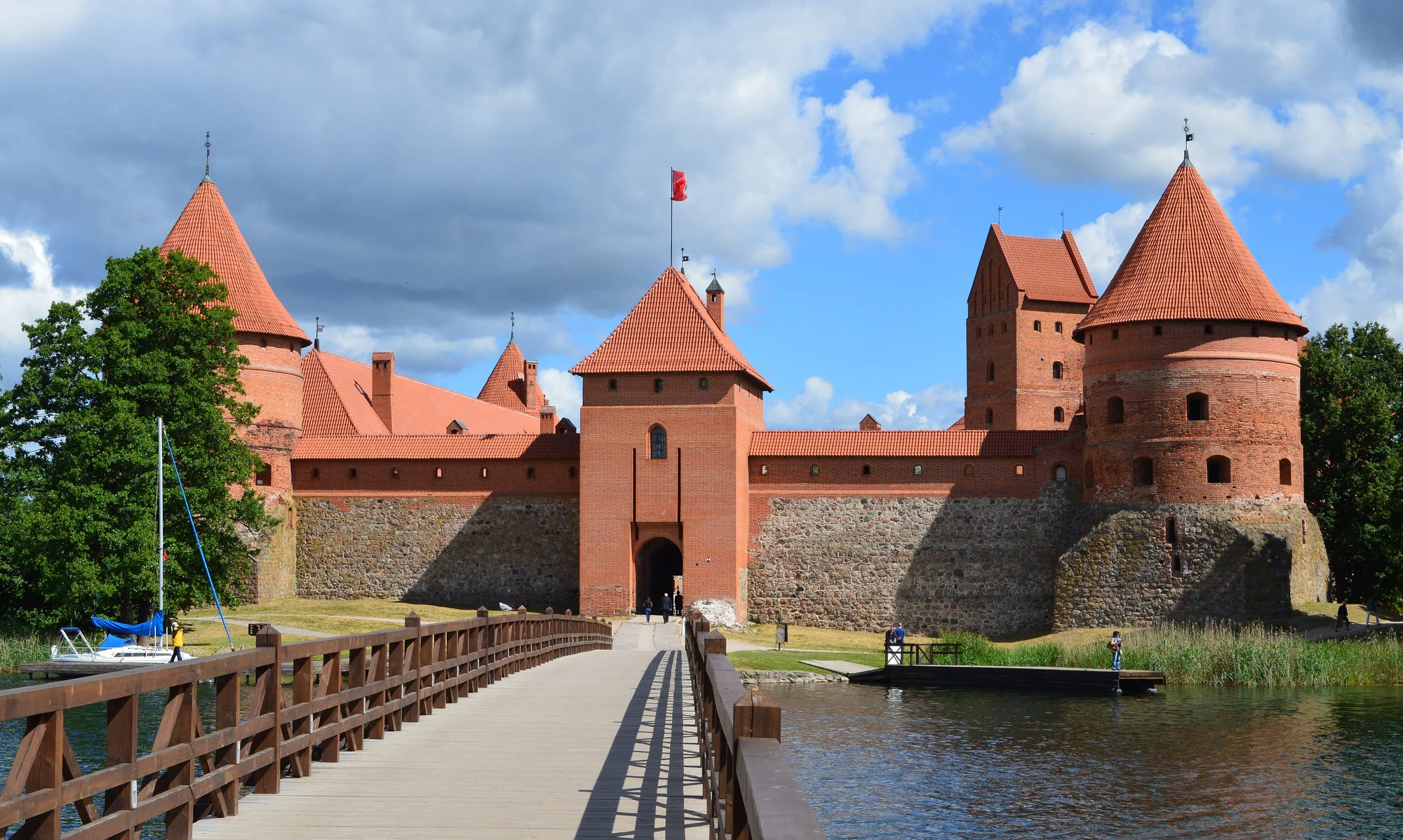
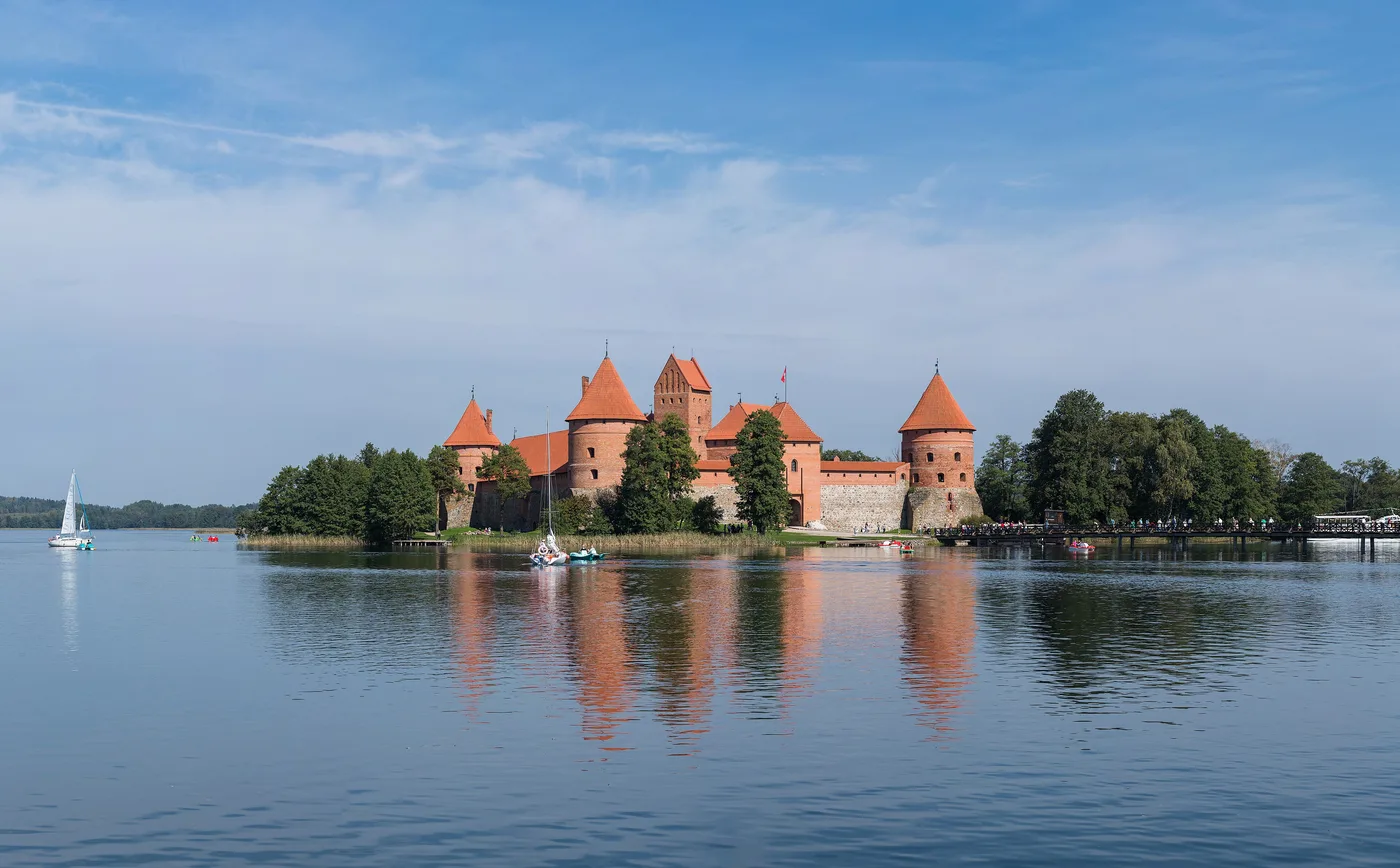
For the headline trips that the train already serves well, a tour is optional rather than essential. Trakai is so easy and pretty by train that most travellers are better off going independently and lingering at their own pace. Kaunas is a frequent, comfortable train ride and a city you'll want to explore freely rather than on a schedule. Paneriai is a short hop on the railway, and many visitors prefer the quiet, self-paced reflection of an independent visit there.
That said, a tour can still suit specific travellers even for these: if you'd value a guide's historical narration at Paneriai or in Kaunas's modernist quarter, if you want everything organised with zero planning, or if you want to combine, say, Trakai with another stop in one day, a guided option delivers that. It comes down to whether you're paying for convenience and context, or paying for something the train already gives you for a couple of euros.
- Trakai: usually better solo by train — go and linger at your pace.
- Kaunas: frequent trains; explore freely rather than on a tour clock.
- Paneriai: easy by rail; a guide adds context if you want it.
- Choose a tour here only for zero-planning convenience or combos.
Small-group, private or self-drive?
Once you've decided a destination is worth a tour, the next choice is the format, and it changes both the price and the experience. Small-group tours are the default: you share a minibus with a handful of other travellers, split the cost, and get a guide's narration along the way. They're sociable and good value, with the trade-off that you keep to the group's pace and stops. For most travellers heading to the Hill of Crosses or a nature combo, a well-reviewed small-group tour is the sweet spot of cost and convenience.
Private tours cost more but flex around you entirely — your departure time, your pace, your priorities, and the freedom to ask the guide to dwell longer at the stop that grips you and skip the one that doesn't. They make particular sense for families, couples wanting a relaxed day, small groups who can share the price, or anyone with specific interests (Jewish heritage, modernist architecture, photography) that a fixed itinerary wouldn't serve. The third option, a hire car or a car-with-driver, gives you the tour's logistical ease without the guiding, which suits confident, independent travellers who want to read up themselves and set their own rhythm.
There's no universally right answer — it depends on your budget, your group and how much you value flexibility versus the lower per-person cost of sharing. As a rule, share a small-group tour to keep costs down, go private when freedom or a special interest matters, and self-drive when you want maximum independence and don't need a guide's commentary.
- Small-group: best value, sociable, fixed pace — the default choice.
- Private: pricier but fully flexible; great for families, couples and niche interests.
- Hire car / car-with-driver: tour-like ease without the guiding, maximum freedom.
- Choose by budget, group size and how much flexibility you want.
How to book a tour well
When a tour is the right call, a little care at the booking stage saves disappointment. Choose a reputable operator with recent, credible reviews, and read exactly what's included before you pay: round-trip transport, entrance tickets, guiding, and any meals can vary a lot between similarly priced options. Confirm the pickup point and time, the group size (small-group tours are usually a better experience than coach loads), and the language of guiding. For far destinations like the Hill of Crosses, check the total day length so you know what you're committing to.
Booking ahead is wise in peak summer and around the December market weeks, when popular tours sell out; in the quieter shoulder and winter months you'll often have more flexibility. And remember the bigger picture: you don't have to choose tours for everything. The most efficient trips often mix a couple of self-guided rail days with one well-chosen tour for the awkward, far-flung or context-heavy destination — the best of both approaches.
A last practical note on cancellations and weather: read the cancellation policy before you book, especially for outdoor and nature tours where conditions matter, and prefer operators that offer free cancellation up to a day or two before. In deep winter, some long or rural tours run a reduced schedule or are weather-dependent, so confirm your date is operating rather than assuming. A quick message to the operator before paying clears up any doubt and is worth the two minutes.
- Check inclusions: transport, tickets, guiding, meals — they vary.
- Prefer small-group tours; confirm pickup, timing and language.
- Read the cancellation policy; favour free cancellation options.
- Book ahead in summer and the December market weeks.
- Mix DIY rail days with one well-chosen tour for the hard-to-reach sight.
Tour or DIY? A destination-by-destination steer
To pull it all together, here's how the region's main day trips break down once you weigh distance, connections and the value of a guide. Trakai, Kaunas and Paneriai are all well served by the railway and easy to do yourself; a tour is optional there, justified only by convenience, combos or a desire for narration. The Hill of Crosses sits at the opposite end — far, fiddly by public transport, and the clearest case for booking a tour (or planning an overnight). In between sit the scattered nature-and-heritage sights that tip toward a tour or a hire car simply because public transport is thin.
Use that as your starting filter, then layer your own preferences on top: how much you value flexibility, whether you'd learn more with a guide, and what your budget and group size allow. There's no single correct strategy, and the best trips usually blend approaches — a couple of independent rail days for the easy stars, plus one guided or self-driven day for the harder-to-reach gem you'd otherwise miss. Browse the individual day-trip guides to confirm the details for the destinations you're drawn to.
If you take one principle from this guide, let it be that the transport mode should serve the destination, not the other way around. Don't book a tour to Trakai out of habit when a €3 train does it better, and don't try to bus your way to the Hill of Crosses to save money when a tour saves you a wasted day. Match each trip to its best mode, keep your overall plan light, and the region around Vilnius opens up generously — castles on lakes, a modernist second city, moving memorials, sculpture in the forest — all from one compact, well-connected base.
Whichever way you go, build in a little slack. The most memorable day trips are the ones where you had time to sit by the lake, finish the extra room in the museum, or linger over a long lunch — not the ones where you sprinted to make a connection. Whether that slack comes from a tour's handled logistics or a self-paced rail day is up to you; the goal is the same relaxed, rewarding day out that makes Vilnius such a good place to base a trip.
- DIY-friendly: Trakai, Kaunas, Paneriai (tour optional).
- Tour strongly recommended: Hill of Crosses (or overnight).
- Tour or hire car: Kernavė, Europos Parkas, regional parks.
- Best overall plan: mix independent rail days with one guided/self-drive day.
Related guides
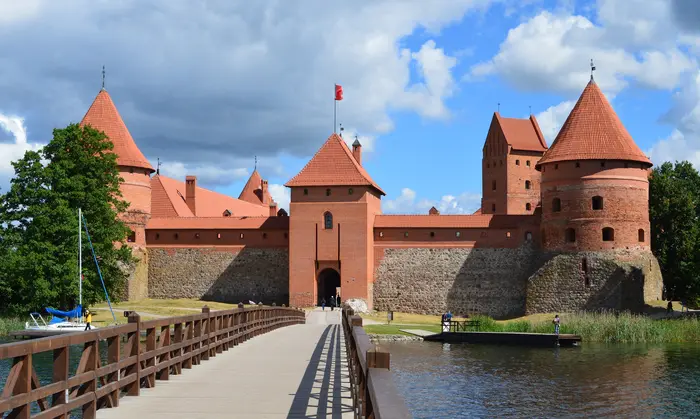
Trakai Day Trip
A complete Trakai day trip from Vilnius: how to get there, the island castle, Karaim kibinai, lake boating and a relaxed plan that doesn't feel rushed.
Read guide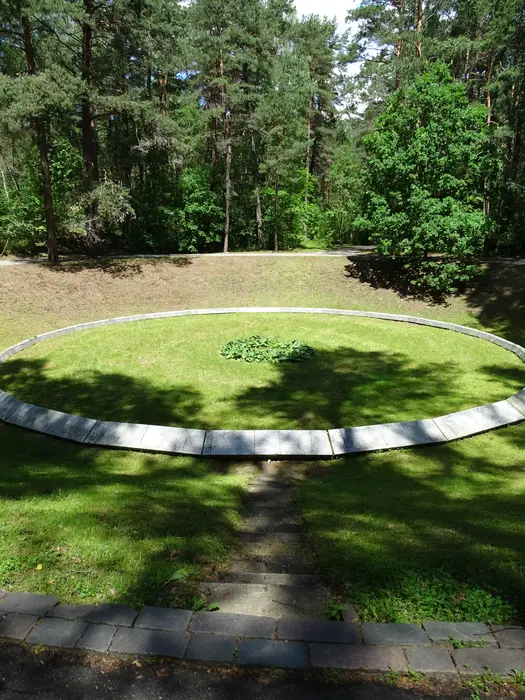
Paneriai Memorial: Visiting from Vilnius
A respectful guide to visiting the Paneriai (Ponary) Holocaust Memorial from Vilnius: how to get there by train, taxi, or tour, the history, time needed, and how to visit with care.
Read guide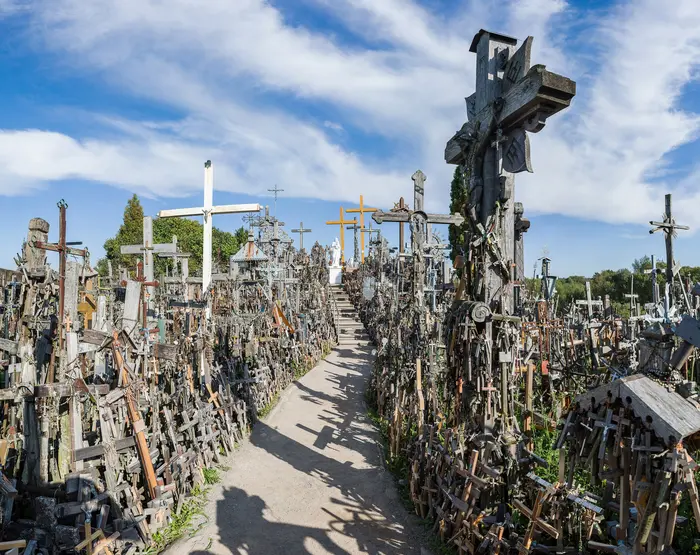
Hill of Crosses from Vilnius: How to Visit Kryžių Kalnas
How to visit the Hill of Crosses from Vilnius: why it is a long day, train, car and tour options via Šiauliai, what to expect at the site, and the overnight and Baltic-route alternatives.
Read guide