
Vegetarian & Vegan Vilnius: Where to Eat Plant-Based
A guide to eating vegetarian and vegan in Vilnius — dedicated plant-based restaurants, vegan Lithuanian classics, cafés, markets and food halls — with what to order and how to navigate menus.
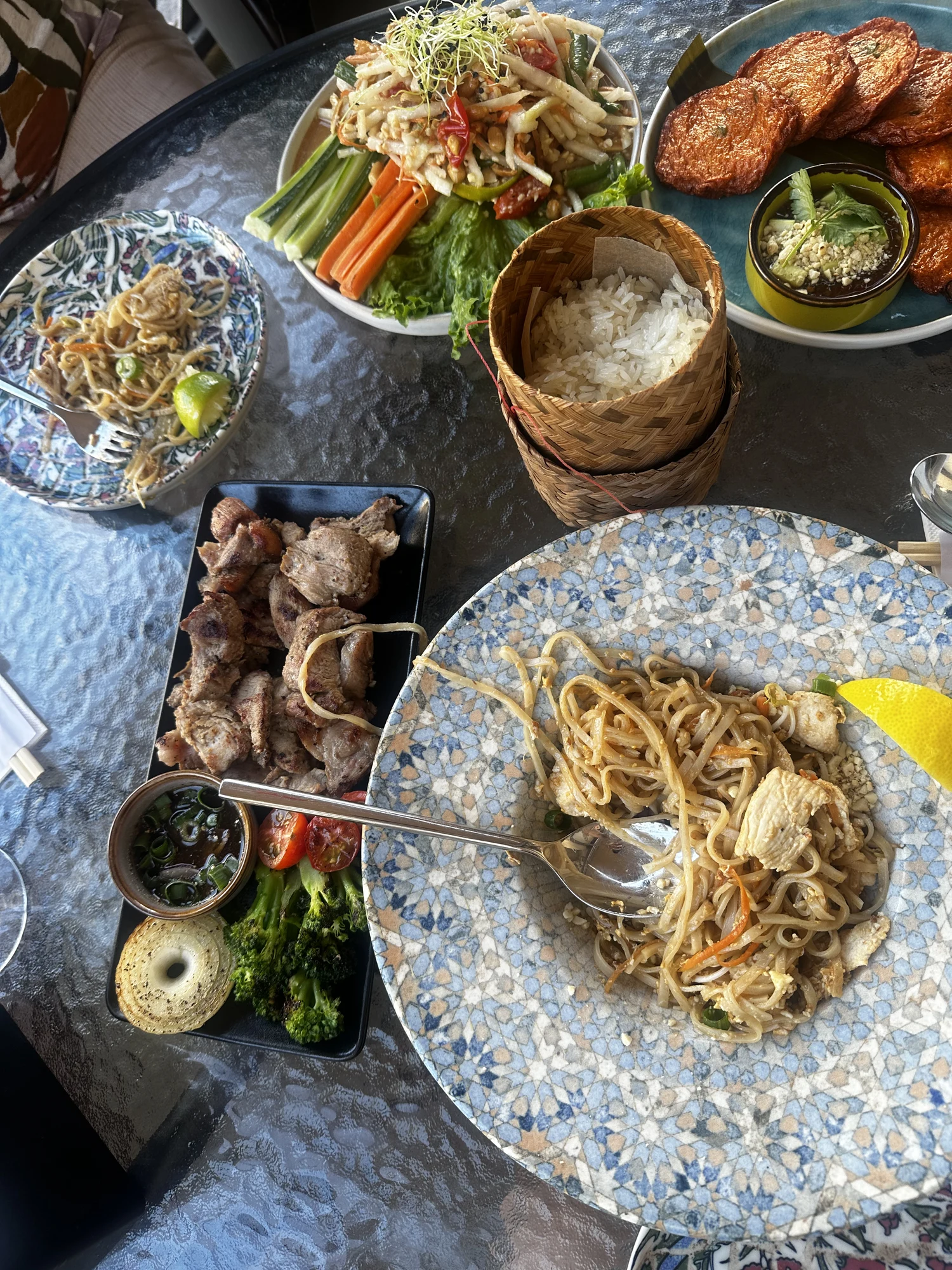
- ✓Vilnius is arguably the most vegan-friendly city in the Baltics, with a growing roster of dedicated plant-based spots.
- ✓Several Lithuanian classics — cold beetroot soup, mushroom dumplings, grybukai — are naturally meat-free or easily made so.
- ✓Dedicated restaurants like RoseHip Vegan Bistro and Vegafè anchor the scene, alongside vegetarian and Ayurvedic cafés.
- ✓Cafés, bakeries, food halls and markets all offer reliable plant-based options.
- ✓Look for plant-based versions of comfort-food classics — vegan cepelinai and burgers are increasingly common.
Vilnius is genuinely good for plant-based eating
Lithuania has a reputation as a meat-and-potatoes country, and there's truth in it — but Vilnius has quietly become one of the most vegan-friendly cities in the Baltics. Over the past decade a wave of dedicated plant-based restaurants, vegetarian cafés and veg-forward menus has taken root, and travellers regularly rate the capital as the easiest place in the region to eat well without meat. You'll find everything from vegan takes on hearty Lithuanian classics to plant-based pizza, sushi, burgers and Buddha bowls.
Just as helpfully, a lot of traditional Lithuanian food is already vegetarian or close to it. The summer staple cold beetroot soup (šaltibarščiai) is built on kefir and beetroot; mushroom-stuffed dumplings, grybukai (mushroom-shaped cookies), rye bread and curd-cheese dishes are everywhere. With a couple of substitutions, even classic comfort food opens up. This guide covers the dedicated spots, the veg-friendly classics, and the cafés, markets and food halls that make day-to-day eating easy.
A bit of context on why this matters. A decade or two ago, eating vegan in much of the Baltics meant subsisting on side dishes and salads. Vilnius has changed faster than almost anywhere in the region, driven by a young, internationally minded population and a wider European shift toward plant-based eating. Today the city has not just one token vegan restaurant but a genuine ecosystem — dedicated bistros, vegetarian cafés, plant-forward menus at mainstream restaurants, vegan options at the food halls, and well-stocked health-food shops. For a vegetarian or vegan traveller, that means Vilnius is a place to look forward to rather than to brace for, and this guide will help you make the most of it.
Dedicated vegan and vegetarian restaurants
The backbone of the scene is a cluster of dedicated plant-based restaurants. RoseHip Vegan Bistro, in the centre, is a stylish all-vegan spot known for plant-based versions of Lithuanian dishes alongside international comfort food like burgers and Buddha bowls — a great first stop to see how creative the cooking gets. With its pink neon and cool, design-led interior, it's also proof that vegan dining in Vilnius can be a night out rather than a worthy errand, and it's the spot most travellers rave about. Vegafè, a long-running vegetarian café with more than one city-centre location, follows Ayurvedic principles and turns out soups, salads, falafel, vegan dumplings and healthier desserts at gentle prices — a reliable, wholesome, everyday choice when you want something light and nourishing rather than indulgent.
Beyond those anchors, Vilnius has vegetarian and partly vegetarian kitchens worth seeking out — Mano Guru, a social-enterprise café with a strong vegetarian menu, and the Hare Krishna-run Radharanė, which serves inexpensive vegetarian Indian-influenced food, are long-standing local favourites. Because individual openings, locations and menus change, check current details before a special trip; but the breadth of dedicated options is what makes Vilnius stand out in the region.
What's striking about these places is their range. This isn't worthy, samey health food: RoseHip leans into indulgent, fun comfort cooking and stylish interiors; Vegafè is gentle, healthy and Ayurvedic; Radharanė is cheap, generous and devotional in spirit; Mano Guru carries a social mission alongside its menu. You could eat plant-based at a different kind of place every day for a week and never feel you were repeating yourself. That diversity is the real headline — Vilnius offers not just vegan food but a vegan scene, with personality and choice, which is rarer than it should be in a city of this size.
A practical tip for finding the current best: the scene moves quickly, with new openings and the occasional closure, so cross-check a recent local listing or a vegan-focused app before you set out, especially for dinner. Locations and opening hours are the things most likely to have shifted, so confirm them rather than relying on an old recommendation — including ours. The good news is that even if one spot has changed hands, there's almost always another nearby, which is exactly the point of a city with depth rather than a single flagship.
- RoseHip Vegan Bistro: stylish, fully vegan, with plant-based Lithuanian and international dishes.
- Vegafè: long-running vegetarian café, Ayurvedic-leaning, well-priced, central.
- Mano Guru and Radharanė: established vegetarian-friendly spots loved by locals.
Cafés across the city, many with strong vegan and vegetarian menus.
Budget Eats in VilniusWhere the cheapest plant-based meals overlap with the city's best value.
Map pins
Map data © OpenStreetMap contributors · Tiles © OpenFreeMap
Vegetarian-friendly Lithuanian classics
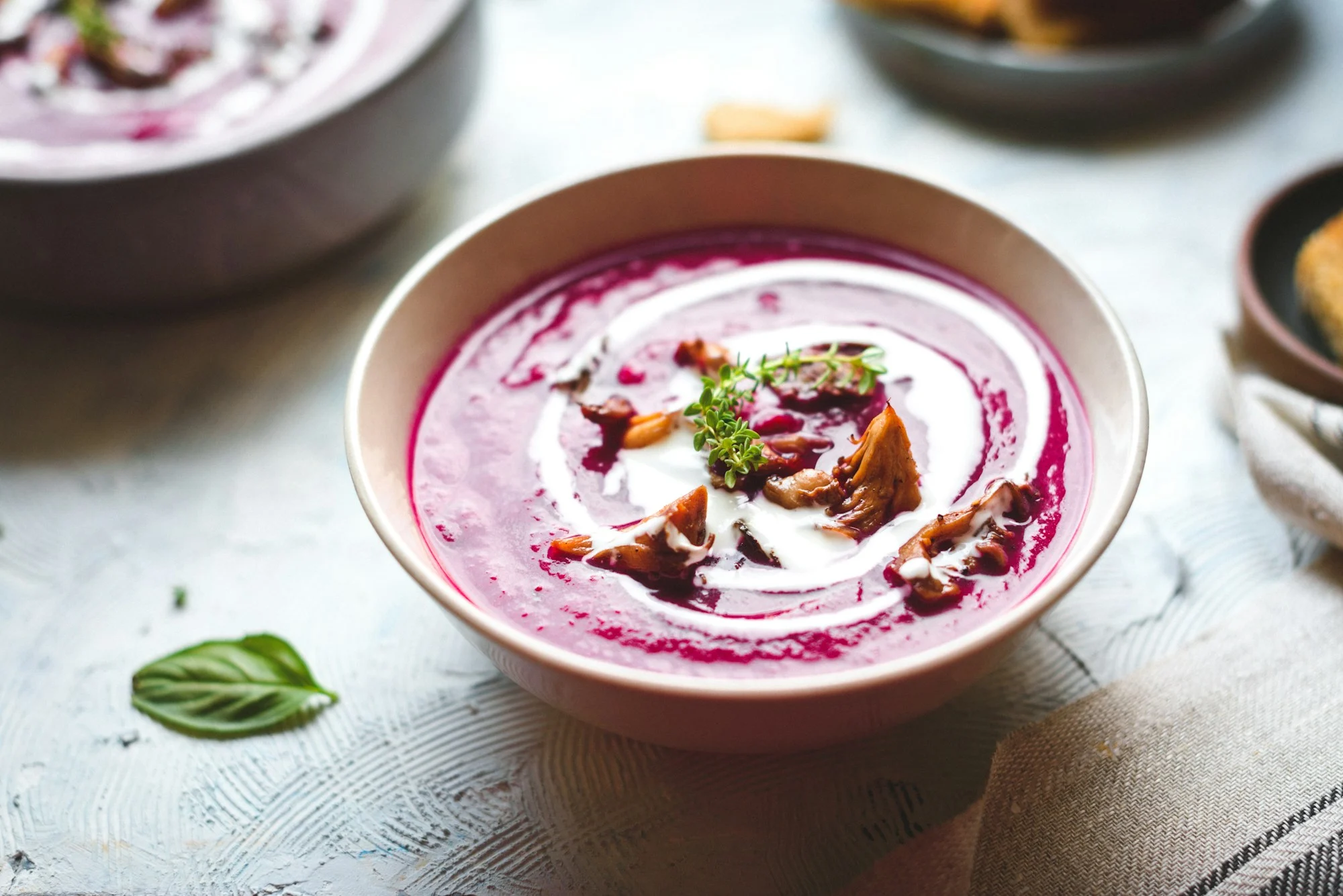
You don't have to skip Lithuanian food to eat plant-based — much of it is already vegetarian, and more is becoming vegan-adaptable. The headline dish is šaltibarščiai, the vivid pink cold beetroot soup that's a vegetarian staple every summer (it's traditionally made with kefir, so confirm if you need it fully vegan). Mushroom-filled dumplings and koldūnai, potato pancakes (bulviniai blynai), and grybukai cookies are all meat-free classics, and rye bread with various toppings is a constant.
Lithuania's food culture is, in fact, unexpectedly hospitable to plant-based eating once you look past the famous meat dishes, because so much of it grew out of a frugal, forest-and-garden peasant tradition. Mushrooms gathered from the woods, beetroot and potatoes from the field, sauerkraut and pickles from the cellar, berries and honey from the summer — these formed the backbone of the everyday diet long before meat was an everyday luxury. That heritage means a vegetarian can eat very traditionally indeed, and the modern vegan kitchens are simply taking the final step of swapping out the dairy and animal fats that crept in later. Approached this way, plant-based Lithuanian food feels less like a modern imposition and more like a return to roots.
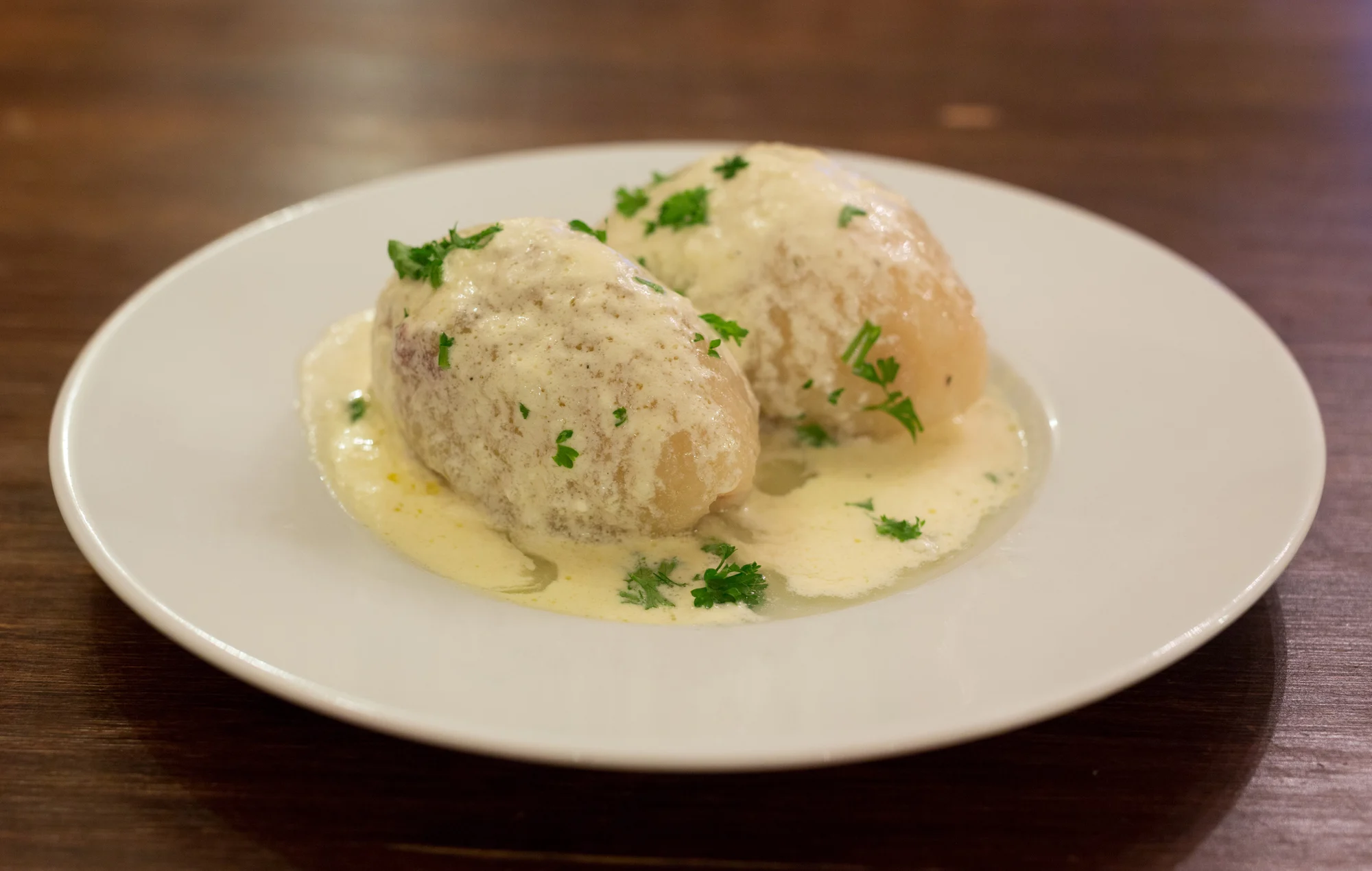
Cepelinai, the iconic potato dumplings, are usually filled with meat — but mushroom- or curd-cheese-filled versions are common, and a growing number of modern and plant-based kitchens make fully vegan ones. When ordering at a traditional tavern, it's worth asking which fillings are available; staff are used to the question. Pair any of these with a beetroot or mushroom soup and you've got a hearty, properly local plant-based meal.
A couple of things are worth knowing so you can navigate menus confidently. The biggest pitfall for strict vegans is dairy, which runs deep through Lithuanian cooking — sour cream (grietinė) garnishes many dishes, curd cheese (varškė) fills dumplings and pastries, and kefir is the base of that famous cold soup. The fix is simple: a polite 'be grietinės' (without sour cream) or asking whether a dish can be made without dairy goes a long way, and most kitchens will oblige. The other thing to watch is bacon or cracklings scattered over otherwise-vegetable dishes; again, just ask. Lithuanian staff are generally unfazed by these requests, which have become routine.
It's genuinely rewarding to seek out the plant-based versions of the classics rather than retreating to international food, because they connect you to the place. A bowl of šaltibarščiai on a hot day, a plate of mushroom dumplings, dark rye bread with a smear of something rich — these are the flavours of Lithuania, and eating them meat-free isn't a workaround so much as a slightly different doorway into the same culture. Several of the dedicated vegan restaurants build their menus precisely around reimagining these dishes, which is the best of both worlds: deeply local food, fully plant-based.
If you're at a traditional tavern with omnivorous friends and want to eat alongside them rather than peel off to a separate vegan spot, you'll rarely be stuck: there's almost always a vegetable or mushroom soup, a potato-based dish, a salad and bread to build a satisfying meal, and the kitchen can usually hold the sour cream and bacon. It won't be the most adventurous plate on the table, but it'll be hearty and properly Lithuanian — and it means dietary choices never have to dictate where the whole group eats.
- Šaltibarščiai: cold beetroot soup, a summer vegetarian staple (kefir-based — check for vegan).
- Mushroom or curd-cheese cepelinai and koldūnai are common meat-free alternatives.
- Potato pancakes, rye bread and grybukai cookies are reliably vegetarian.
Cafés, markets and food halls for everyday eating
Day to day, Vilnius makes plant-based eating easy. The city's strong café culture means flat whites with oat milk, vegan pastries and veg-forward brunch plates are widely available — most good cafés now flag vegan options clearly. Oat and other plant milks are standard at any decent coffee shop, often at no surcharge, and a growing number of bakeries turn out vegan cakes and pastries alongside the traditional ones. For a relaxed morning, the café scene alone makes the city comfortable for plant-based travellers. For variety, the food halls are ideal: at Paupys Market and the stalls inside Halės, the sheer number of independent vendors means there's almost always a falafel, a Buddha bowl, a vegan curry or a plant-based bao to be found, and you can mix and match. Food halls are also the easiest place to keep a mixed group happy — a vegan and a committed carnivore can sit at the same table, each ordering exactly what they want from different stalls, with no negotiation and no compromise.
Markets are the self-caterer's answer. Halės and Kalvarijų overflow with seasonal produce, mushrooms, berries, nuts, rye bread and pickles — everything you need to assemble a plant-based picnic for very little. As a rule, mainstream supermarkets and health-food shops also stock a decent range of plant milks and vegan products if you're staying somewhere with a kitchen. Between the dedicated restaurants, the veg-friendly classics, the cafés and the markets, you'll never struggle to eat plant-based in Vilnius.
The markets are also a delight in their own right for a plant-based eater, because so much of what's on the produce counters is naturally vegan and gloriously seasonal. Late summer and autumn bring forest mushrooms and berries by the basket; spring offers tender greens and rhubarb; year-round there's excellent rye bread, nuts, dried fruit, honey (for the non-strict), and jars of pickles and ferments. Assembling a picnic here costs almost nothing and gives you a real taste of the Lithuanian larder. Eat it in the Bernardine Gardens or by the river and you've had one of the loveliest, cheapest meals of your trip.
Put it all together and the verdict is clear: Vilnius is an easy, even enjoyable city to eat vegetarian or vegan in, and far more so than its meat-and-potatoes reputation suggests. Between the dedicated restaurants, the surprising number of veg-friendly classics, the plant-forward cafés, the food halls and the markets, you'll eat varied, satisfying and genuinely local food without effort. Come with an open mind and a few words of Lithuanian for asking about dairy, and the city will reward you.
A final practical note on staying flexible. Because the plant-based scene is young and energetic, it's worth keeping your plans loose: dedicated restaurants can be small and may take a day off mid-week, so have a backup in mind and don't pin a whole evening on a single unverified opening. Apps and recent local listings are your friend for checking what's open right now. But the underlying point holds in any season — the breadth of options means that even if your first choice is closed, a good plant-based meal is rarely more than a short walk away. Vilnius has reached the happy stage where eating vegetarian or vegan is simply eating, not a project, and that's the best thing this guide can tell you.
- Cafés widely offer plant milks, vegan pastries and veg-forward brunch.
- Food halls (Paupys, Halės) almost always have a vegan-friendly stall.
- Markets are perfect for a cheap plant-based picnic of produce, bread and pickles.
Related guides
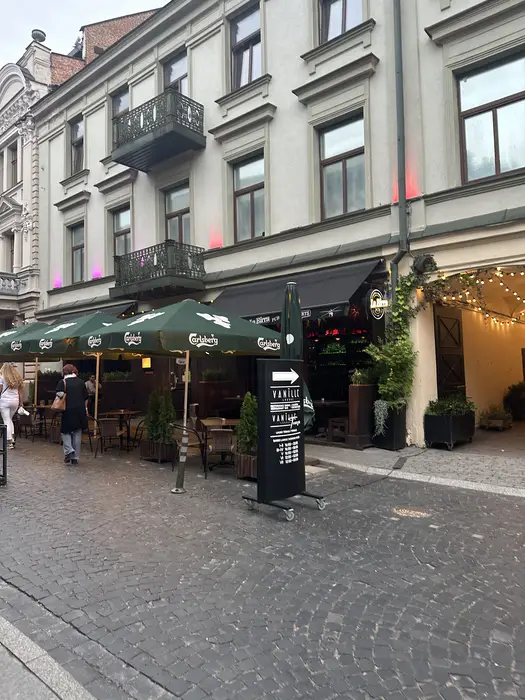
Best Restaurants in Vilnius
A practical shortlist of the best restaurants in Vilnius — by neighbourhood, by budget, and by occasion. Lithuanian classics, modern Baltic cooking, date-night rooms, tasting menus, and where to find genuine value.
Read guide
Best Cafés in Vilnius
The best cafés in Vilnius — specialty-coffee roasters, classic all-day cafés, work-friendly spots, design-forward rooms, rainy-day breaks and café routes by neighbourhood.
Read guide
Paupio Turgus (Paupys Market)
Paupys Market is Vilnius's most stylish modern food hall — a greenery-filled space in the Paupys district where independent vendors serve Georgian, Japanese, Italian and Middle Eastern dishes around a central bar.
Read guide