
Cepelinai in Vilnius: Lithuania's Potato Dumplings
Where to try Lithuania's national potato dumplings in Vilnius — what cepelinai are, portion sizes, vegetarian options, and where heavy comfort food fits into your day.
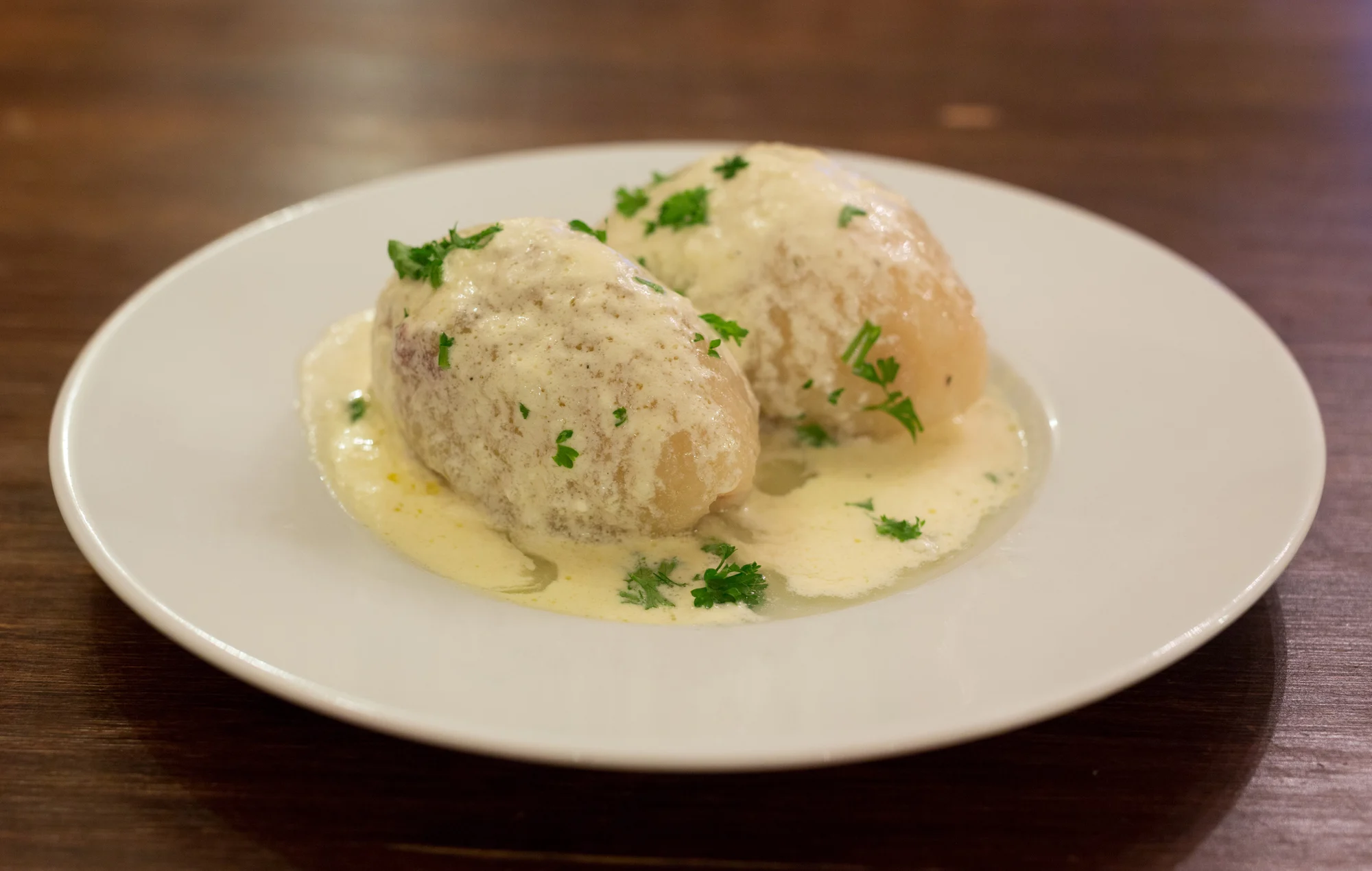
- ✓Cepelinai are large oval potato dumplings — named after Zeppelin airships — filled with minced pork, curd cheese or mushrooms.
- ✓They come smothered in sour cream, fried onion and crispy pork crackling (spirgučiai); a portion of two is a full meal.
- ✓Rich and heavy, they're best eaten at a leisurely lunch with a cold beer, not rushed before a long walk.
- ✓Vegetarian versions (curd cheese or mushroom) are widely available — this isn't a meat-only dish.
- ✓You'll find them at folk taverns, canteens and traditional restaurants across the Old Town; no special hunt required.
What cepelinai are
<!-- IMAGE SLOT: two large cepelinai potato dumplings on a plate topped with sour cream, fried onion and pork crackling, rustic Lithuanian tavern table -->
Cepelinai (singular: cepelinas) are Lithuania's national dish: big, oval, slightly translucent potato dumplings that get their name from the Zeppelin airships they resemble. The dough is made from a mix of grated raw and boiled potato, which gives the cooked dumpling its dense, sticky, almost glassy texture. Inside is a filling — most traditionally minced pork, but also curd cheese (varškė) or mushrooms — and the whole thing is boiled until it's heavy and glossy.
What turns them from plain dumplings into a feast is the topping: a sauce of sour cream and fried onion, scattered with spirgučiai, the crispy fried pork crackling that gives the dish its savoury crunch. The combination is pure comfort food — soft, rich, salty and deeply filling. It's the dish Lithuanians make for Sunday lunches and feed to homesick relatives, and it's the one plate that most defines the national table.
A standard portion is two dumplings, and that is genuinely a lot of food — most people find two more than enough, and ordering three is a rookie mistake. They're inexpensive, so the value is excellent; the challenge is simply finishing them.
The dish has real cultural weight, too. Cepelinai are what Lithuanians cook for Sunday family lunches, serve to visitors as a point of pride, and miss most when they live abroad. There's gentle debate about the 'right' way to make them — how much raw versus boiled potato, how generous the crackling, whether the sauce should be pure sour cream or a richer pork-fat gravy — and every family and tavern has its own version. Trying them in a couple of different places over a trip is a fun way to taste those variations, though one well-made portion is usually plenty to understand the appeal.
How (and when) to eat them
Cepelinai are heavy — there's no getting around it — so timing matters. The local wisdom is to eat them at lunch rather than dinner, ideally when you have a slow afternoon ahead and don't need to do anything energetic immediately after. Order them before a long Old Town walk and you'll regret it; order them as the centrepiece of a relaxed midday meal and they're perfect. A cold local beer is the classic accompaniment and genuinely helps, cutting through the richness of the potato and pork.
Vegetarians are well catered for: curd-cheese and mushroom fillings are common and just as traditional as the pork version, so cepelinai don't have to be a meat dish. If you're not sure you want a whole portion, see whether a tavern offers a single dumpling or a tasting plate, or split a portion between two people alongside a soup like šaltibarščiai — a cold-soup starter and a shared plate of cepelinai is a very satisfying, very Lithuanian lunch for a couple.
There's no need to seek out a specialist; cepelinai are a fixture at folk-themed taverns, traditional restaurants and weekday canteens throughout Vilnius. The taverns give you the atmospheric, candlelit version; the canteens give you the cheap, fast, local version. Both are worth doing at least once.
- Eat them at a leisurely lunch, not before a long walk.
- Pair with a cold local beer to balance the richness.
- Vegetarian (curd cheese or mushroom) fillings are widely available.
- A portion of two is filling — consider sharing, especially with a soup starter.
Where cepelinai fit your trip
Because they're so filling and so distinctly local, cepelinai are best treated as a deliberate experience rather than an everyday meal. Build one cepelinai lunch into your Vilnius itinerary — a single, proper sit-down at a tavern or canteen — and you'll have ticked off the national dish without weighing yourself down every day. Save the lighter classics, like cold soup, salads and kibinai, for the days you want to keep moving.
For couples, an atmospheric Old Town cellar tavern over a shared plate of cepelinai and a couple of beers is a genuinely fun, unpretentious evening. For families and budget travellers, a canteen delivers the same dish faster and cheaper, and kids tend to enjoy the novelty of an airship-shaped dumpling. Either way, cepelinai are the comfort-food heart of Lithuanian cooking, and no first visit to Vilnius is complete without them — once.
Related guides
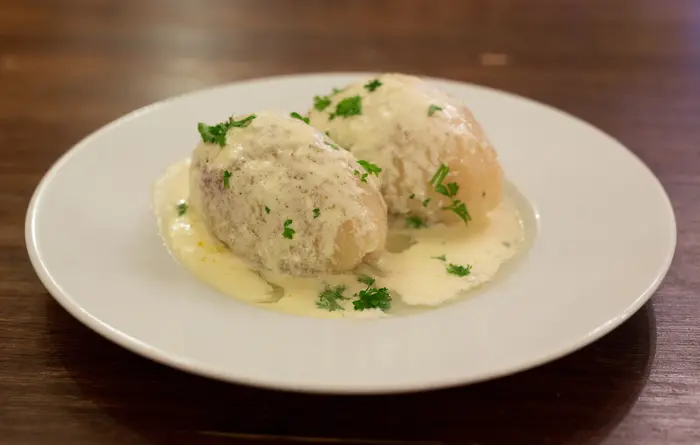
Traditional Lithuanian Food in Vilnius
What to eat in Vilnius, from cepelinai and šaltibarščiai to kibinai, dark rye bread, smoked fish, honey cake and beer snacks — and the best places to try each.
Read guide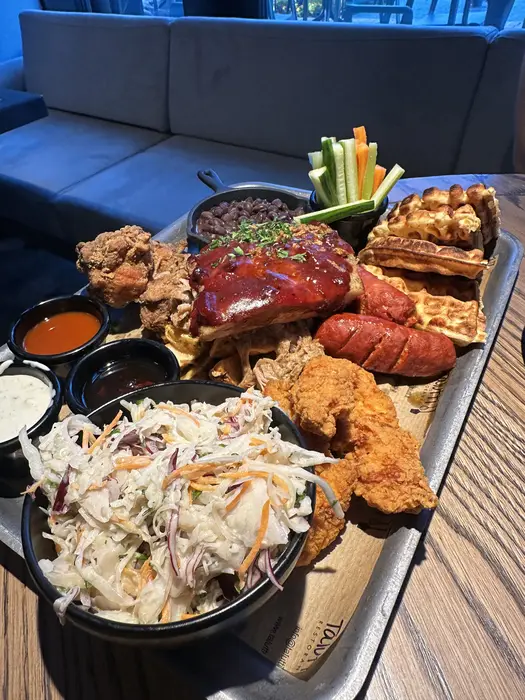
Budget Eats in Vilnius: Cheap, Filling & Local
How to eat well in Vilnius without spending much — markets, food halls, bakeries, cheap Lithuanian taverns, lunch deals and student-area food — with realistic prices and money-saving tips.
Read guide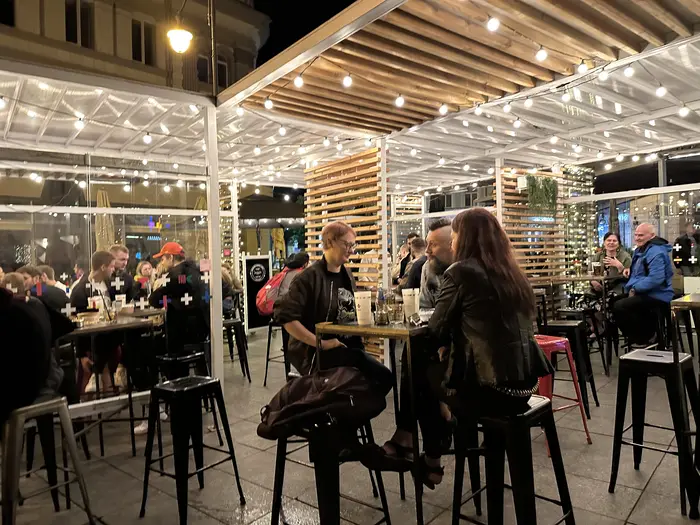
Best Craft Beer in Vilnius
Where to drink craft beer in Vilnius: the city's best taprooms and beer bars, a primer on Lithuania's farmhouse brewing tradition, what to order with it, and a relaxed evening route through the bars.
Read guide