
Vilnius Food & Craft Beer Itinerary
A food-led route through Vilnius — market halls and Lithuanian classics, third-wave coffee, Paupys, craft-beer taprooms and late cocktails — paced as a delicious two or three days for hungry travellers.
- ✓Vilnius eats and drinks far better than its size suggests — and far cheaper than Prague, Vienna or the Nordic capitals.
- ✓The plan threads market halls, Lithuanian classics, third-wave coffee and a genuinely good craft-beer scene into a walkable couple of days.
- ✓Start with the traditional dishes — cepelinai, šaltibarščiai, dark rye, smoked cheese — then graze the modern kitchens reworking them.
- ✓Paupys and its market hall is the food anchor across the river; the Old Town and Naujamiestis carry the cafés, bars and taprooms.
- ✓Lithuania has a deep, distinctive brewing tradition (farmhouse 'kaimiškas' ales), so craft beer here is more than an import — it's a homegrown scene.
How to eat and drink your way through Vilnius
Vilnius is a quietly brilliant food city, and an underrated drinking one. It eats unpretentiously: the classics are hearty and homely — cepelinai, the zeppelin-shaped potato dumplings; the startling beetroot-pink šaltibarščiai (cold soup) in summer; dark rye bread, smoked cheese, cured meats and tangy kvass — while a new generation of kitchens reworks those traditions with local produce and real ambition. Add a serious third-wave coffee scene, a clutch of buzzing market halls, and a craft-beer culture with genuine local roots, and you have the makings of a trip you could plan entirely around your stomach.
Two things make it especially rewarding. First, it is compact: the cafés, restaurants, halls and taprooms cluster in a few walkable districts — the Old Town, Naujamiestis (the new town) and Paupys across the river — so you can graze your way across the city on foot without ever needing to plan logistics. Second, it is affordable. Your money goes much further here on a good meal, a flat white or a flight of beers than it would in Western Europe, which means you can be generous with yourself — say yes to the tasting menu, the extra round, the second pastry.
This itinerary is built as a loose, greedy two or three days, anchored each day on a food district and a meal worth crossing town for, with coffee, snacks and drinks filling the gaps. Treat it as a menu rather than a schedule — swap in whatever's open and appeals, follow your appetite, and don't try to eat everything in one trip. We keep our food coverage curated rather than exhaustive on purpose: a shortlist of places and dishes worth your time, not a full directory.
A note on the practical layer: opening hours, tasting-menu availability and tap lists change constantly, and the best restaurants book up, so reserve dinners ahead and confirm details before you go. We phrase the evergreen stuff — what to eat, where the scene lives — and leave the volatile specifics for you to check close to your trip.
Day 1 — market halls, Lithuanian classics and coffee
Begin with breakfast at a third-wave café — Vilnius takes its coffee seriously, and the Old Town and new town are dotted with roasters and specialty bars pulling excellent espresso alongside good pastries. This is the ritual the day builds on: a slow flat white, a cinnamon bun or a slice of something, and a chance to read the city before the crowds.
Mid-morning, head to a market hall to graze. Halės Turgus, the historic covered market near the Old Town, is the classic: stalls of smoked fish, cured meats, dark bread, honey, cheese and pickles, plus kitchens cooking simple lunches. It is the city's larder and a great way to taste a dozen things at once. Buy a little of everything — smoked cheese, a slice of rye, some cured sausage — and assemble a grazing lunch, or pull up at a counter for a bowl of soup and a dumpling.
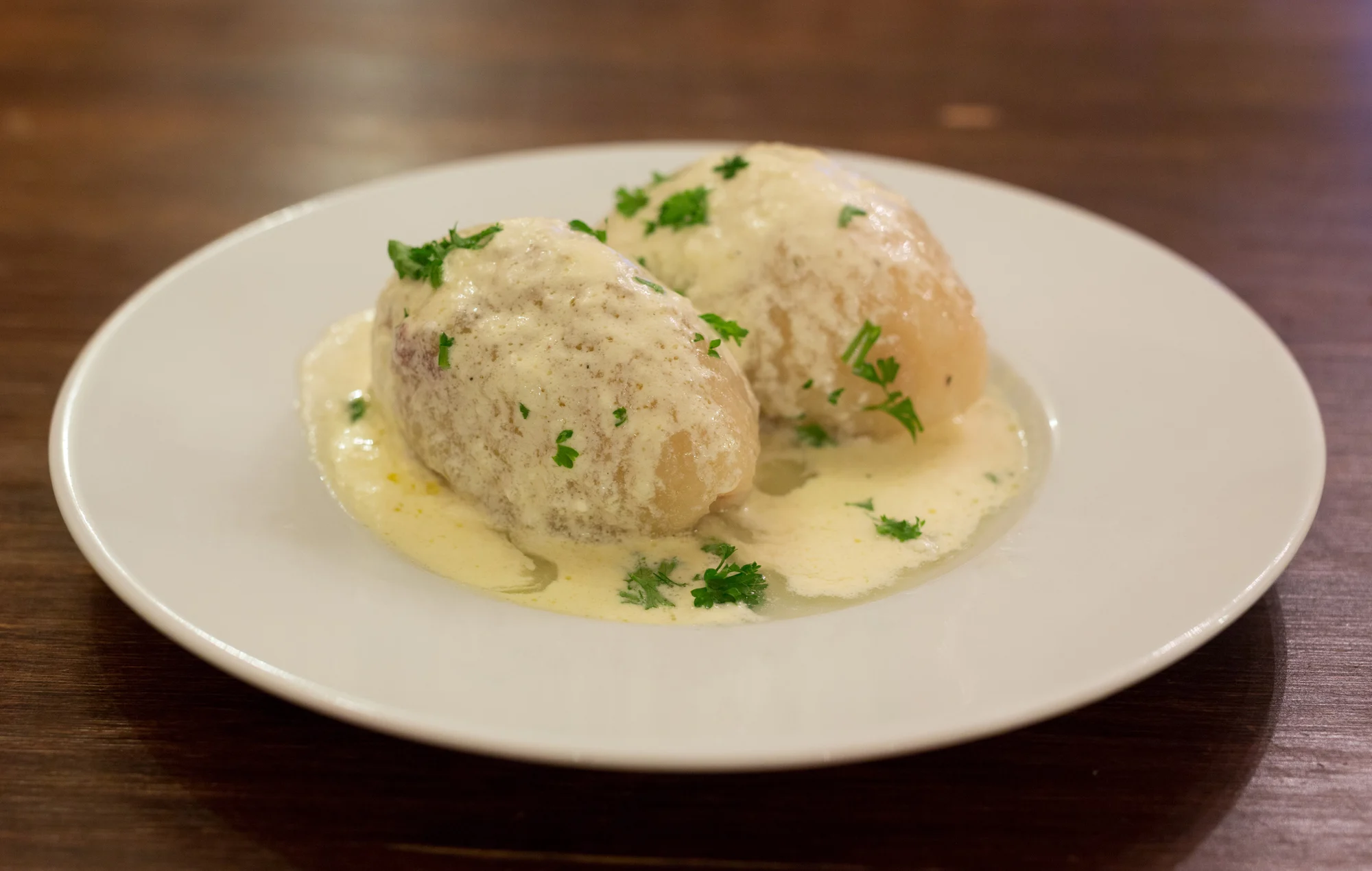
For the main event, give one meal over to the traditional dishes done properly. Order cepelinai at least once — dense potato dumplings stuffed with meat or curd, draped in sour cream and bacon — and, if it's summer, the luminous pink šaltibarščiai, a chilled beetroot-and-kefir soup served with a side of hot potatoes. Add dark rye bread, smoked pig's ears or fried bread sticks (kepta duona) as bar snacks, and a glass of gira (kvass) or local beer. These dishes are the foundation of Lithuanian cooking, and tasting them early frames everything the modern kitchens do later.
Spend the afternoon walking it off through the Old Town and pausing at another café or two — the city rewards a slow graze. In the evening, if you want to see how the tradition is being reinvented, book a table at one of the new-wave Lithuanian restaurants, where chefs work with foraged and local ingredients, fermentation and seasonal produce to reframe the classics. Reserve ahead; the best tables fill up.
- Breakfast at a third-wave café — Vilnius's coffee scene is genuinely good.
- Graze Halės Turgus market hall — smoked fish, rye, cheese, cured meats, soups.
- Eat the classics: cepelinai, šaltibarščiai (in summer), dark rye and kvass.
- Dinner at a modern Lithuanian kitchen reworking those traditions — book ahead.
The national dumpling and the other dishes to order, with context.
Best Cafés in VilniusThird-wave roasters, breakfast spots and laptop-friendly corners.
Fine Dining in VilniusThe chef-led kitchens reworking Lithuanian tradition.
Map pins
Map data © OpenStreetMap contributors · Tiles © OpenFreeMap
Day 2 — Paupys, craft beer and late drinks
Cross the Vilnia to Paupys, the regenerated riverside district that has become one of the city's best eating-and-drinking corners. Its modern market hall, Paupio Turgus, is the day's anchor: an airy hall of independent kitchens and counters where you can build a long, lazy lunch from whatever appeals — ramen, tacos, wood-fired pizza, Lithuanian small plates, natural wine — and sit at communal tables by the water. It is relaxed, contemporary and a complete change of register from the previous day's traditional halls, which is exactly the point.

Walk off lunch along the river and through Paupys and Užupis — both compact, walkable and full of small bars, wine spots and cafés worth a pause. Then turn the afternoon and evening over to the city's craft-beer scene, which is more interesting than most visitors expect. Lithuania has a deep brewing tradition of its own: rustic farmhouse ales known as kaimiškas, often unfiltered and made with local hops and even bread, brewed for centuries in the country's north. Modern Vilnius taprooms pour both these heritage styles and a full contemporary range of IPAs, sours and stouts.
Make a loose taproom crawl of it across Naujamiestis (the new town) and the Old Town fringe, where most of the craft bars cluster — order tasting flights to compare styles, ask the bartenders what's local and seasonal, and pair the beer with the city's excellent bar snacks: smoked cheese, fried rye-bread sticks with garlic, pickles and cured meats. Pace yourself; this is a graze, not a sprint, and the bars are close enough together to wander between on foot.
Finish late and well. Vilnius has a small but serious cocktail scene, with a handful of bars doing proper, considered drinks — a good place to end a food-and-drink day with something crafted rather than just another beer. Keep it walkable, keep it unhurried, and let the evening run as long as it wants; the city is safe and easy to navigate on foot after dark.
- Lunch at Paupio Turgus market hall — independent kitchens by the river.
- Learn the local angle: kaimiškas farmhouse ales, then the modern craft range.
- A loose taproom crawl through Naujamiestis with tasting flights and bar snacks.
- End at a proper cocktail bar for a considered nightcap.
Day 3 (optional) — wine bars, a tasting and one more market
With a third day, slow down and go deeper rather than wider. Start with another long café morning — by now you'll have a favourite roaster — and a leisurely breakfast, then use the day for the things a two-day blitz skips: a wine bar or two, a guided tasting, a cooking-focused experience, or simply a return to whichever market hall or restaurant you loved most.
Vilnius's natural-wine and wine-bar scene has grown quietly good, with small, low-key spots pouring interesting bottles by the glass alongside sharp little plates of cheese and charcuterie. An afternoon spent grazing across two or three of them, with a long walk in between, is one of the most pleasant ways to spend a day here. If you'd rather learn as you taste, look for a food tour, a beer tasting, or a workshop — the city runs hands-on experiences from cheese and chocolate to traditional baking.
Use day three, too, to fill any gaps in the classics. If you missed cepelinai, fix that; if you never tried the smoked eel or the curd-cheese pastries or the rye-flour kvass, now's the time. This is also the day to bring a few things home — dark rye bread, smoked cheese, honey, amber-coloured liqueurs or local beer make excellent edible souvenirs, and the market halls are the place to buy them.
However you shape it, the food-and-craft-beer trip rewards a relaxed hand. Don't over-schedule; leave room for the café you stumble into and the bartender's off-menu recommendation. And as ever, because tap lists, tasting-menu slots and opening hours all shift, reserve the dinners and confirm details close to your trip rather than relying on anything fixed.
- A long, lazy wine-bar afternoon — natural wine and small plates.
- Or a food tour, beer tasting or cooking workshop for hands-on depth.
- Backfill any classics you missed — smoked eel, curd pastries, more cepelinai.
- Buy edible souvenirs at the market halls: rye bread, smoked cheese, honey, beer.
What to eat and drink, and how to pace it
It helps to know the canon before you arrive, so you order with intent rather than pointing at the menu. The savoury bedrock of Lithuanian cooking is potato in every form: cepelinai (the meat- or curd-stuffed dumplings), bulviniai blynai (potato pancakes with sour cream), kugelis (a baked potato pudding) and žemaičių blynai (a half-moon stuffed pancake). Then the soups — the cold, pink, summer-only šaltibarščiai and its warm winter cousins — the dark sourdough rye that anchors every table, the smoked and curd cheeses, the cured and smoked meats and fish from the lakes, and the fried rye-bread sticks (kepta duona) that are the default beer snack. Finish with a šakotis, the spit-baked 'tree cake', or curd-cheese pastries, and a glass of gira (kvass) or a herbal balzamas.
On the drinks side, Lithuania's brewing heritage is the thing that surprises people most. The country's north has a centuries-old farmhouse tradition of kaimiškas — rustic, often unfiltered, sometimes raw (unboiled) ales made with local hops and farmhouse yeasts, a living style that predates and sits apart from the global craft movement. Modern Vilnius taprooms pour both these heritage beers and a full contemporary range, so a tasting flight here can run from a historic farmhouse ale to a hazy IPA in a single sitting. Ask the bartenders what's local, seasonal and unfiltered; the answers are part of the fun, and the staff are usually keen to talk you through it.
Pace the whole thing as a graze, not a feast. The classic mistake is to over-order at the first traditional restaurant and have no room for the next three days of discoveries. Eat in smaller hits across the day — a market-hall snack, a long coffee, a few small plates, a flight of beers, a proper dinner — and walk between them; the city is compact enough that you can stroll off one meal on the way to the next. Building in plenty of walking, and a sauna or a slow café morning to reset, is what lets a food-led trip run for two or three days without becoming a slog.
A few logistics smooth the trip. The best restaurants and tasting menus book up, especially at weekends, so reserve dinners ahead. Market halls and casual spots take card almost everywhere, though a little cash is handy at smaller stalls. Tipping is modest and appreciated rather than expected. And because menus are seasonal, tap lists rotate constantly and opening hours change, confirm specifics close to your trip rather than relying on anything fixed — we keep the descriptions here evergreen on purpose and leave the volatile details for you to check.
- Savoury canon: cepelinai, potato pancakes, kugelis, dark rye, smoked cheese and fish.
- Drink the local angle: kaimiškas farmhouse ales alongside the modern craft range.
- Graze in small hits across the day and walk between them — it's a marathon, not a feast.
- Book dinners ahead; card is accepted widely; confirm seasonal menus and tap lists.
Related guides
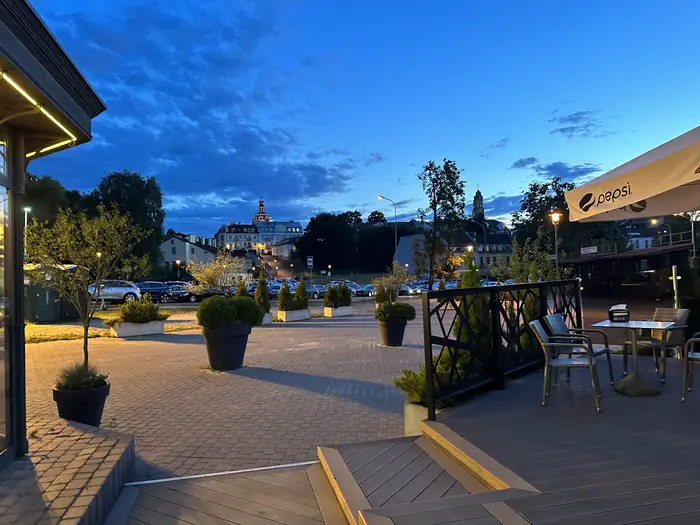
Food & Drink in Vilnius
Where and what to eat and drink in Vilnius: Lithuanian classics, modern Baltic cooking, food halls, cafés, craft beer, cocktail bars and wine — curated guides to the whole scene.
Read guide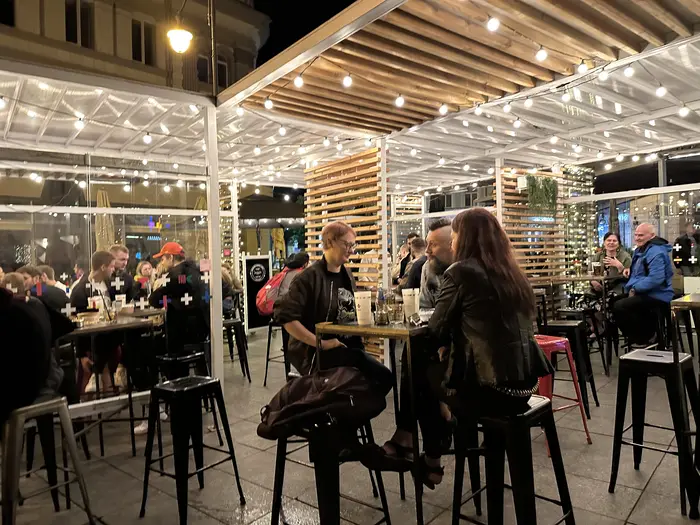
Best Craft Beer in Vilnius
Where to drink craft beer in Vilnius: the city's best taprooms and beer bars, a primer on Lithuania's farmhouse brewing tradition, what to order with it, and a relaxed evening route through the bars.
Read guide
Paupio Turgus (Paupys Market)
Paupys Market is Vilnius's most stylish modern food hall — a greenery-filled space in the Paupys district where independent vendors serve Georgian, Japanese, Italian and Middle Eastern dishes around a central bar.
Read guide