
Vilnius Cathedral Crypts
How to book and visit the Cathedral Crypts in Vilnius: the guided-tour-only rules, languages and times, how long to allow, and the layers of history — the Royal Mausoleum, ancient burials and one of Lithuania's earliest frescoes — waiting underground.
- ✓The crypts beneath Vilnius Cathedral can only be seen on a pre-booked guided tour — there's no walk-in access to the underground.
- ✓Tours run in several languages including English on set days; book ahead by phone or email through the Church Heritage Museum.
- ✓Underground you descend through the Royal Mausoleum, ancient burials and one of the earliest surviving frescoes in Lithuania.
- ✓Tickets and the tour start at the Cathedral Bell Tower office on Cathedral Square; allow about an hour.
- ✓It's an excellent rainy-day and history-lover's visit, and pairs naturally with the Bell Tower and the Palace of the Grand Dukes nearby.
What's down there
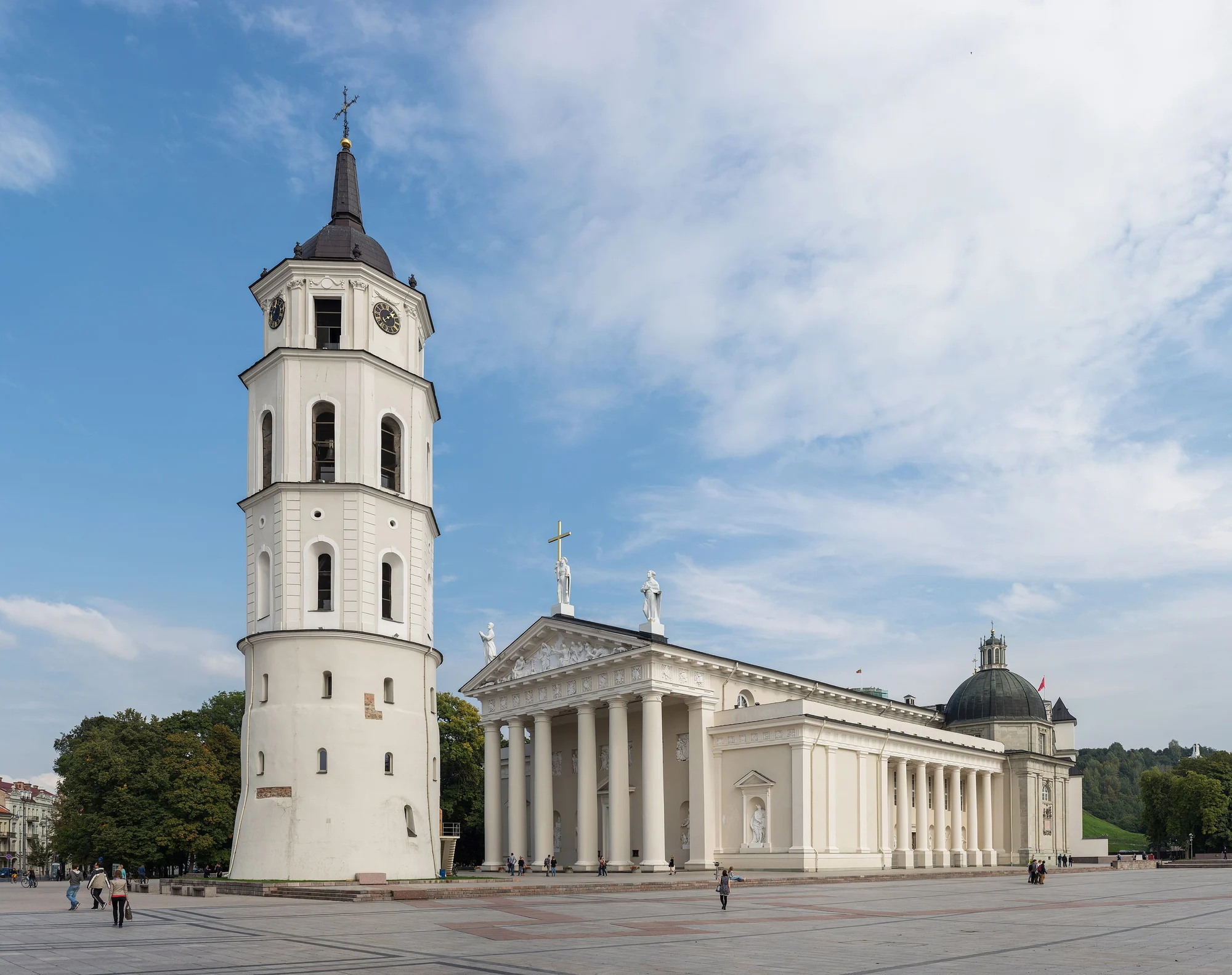
Beneath the white neoclassical shell of Vilnius Cathedral lies the oldest part of the whole site — a layered underground that predates the building above it. Cathedral Square sits on one of the earliest inhabited spots in Vilnius, and successive churches and a pagan temple stood here before the present cathedral, so the crypts are effectively an archaeological cross-section of the city's beginnings. As you descend, the guide walks you through the development of the building, the funerary traditions of the Grand Duchy, and the archaeological finds uncovered under the floor.
The headline sights are the Royal Mausoleum, where rulers and notable figures of the Lithuanian state and church are interred, the ancient burial chambers, and a fresco that is among the earliest surviving in Lithuania. It's atmospheric, low-lit and genuinely old in a way the bright cathedral above can't convey — for anyone interested in how Vilnius and the Grand Duchy actually began, this is the most evocative half-hour in the city.
How to book and visit
The crucial thing to know: the crypts are guided-tour-only and must be booked in advance. There is no turn-up-and-wander option — every visit goes down with a guide from the Church Heritage Museum, in a small group, and pre-registration is required. Tours run in Lithuanian and in English (and sometimes other languages) on set days of the week, with English typically offered on several afternoons; because the exact schedule and prices change with the season, confirm the current days, times and fees directly with the museum when you book.
Reservations are made by phone or email through the museum, and the ticket office and meeting point are in the Cathedral Bell Tower on Cathedral Square — not at the cathedral's main door. Plan for about an hour underground. Wear something warm even in summer (it's cool below ground), and arrive a few minutes early to collect tickets at the Bell Tower office. Because both attractions share that office, it's easy and efficient to combine the crypts tour with the Bell Tower climb in a single visit.
- Guided-tour-only — pre-booking is mandatory; no walk-in access.
- English tours on set days (often afternoons); confirm the current schedule when booking.
- Book by phone or email via the Church Heritage Museum (katedrospozemiai@bpmuziejus.lt).
- Tickets and meeting point are at the Cathedral Bell Tower office on Cathedral Square.
- Allow roughly one hour; the crypts are cool, so bring a layer.
The Bell Tower climb sold from the same office — easy to combine with the crypts.
Cathedral SquareWhere the ticket office and tour meeting point are located.
Map pins
Map data © OpenStreetMap contributors · Tiles © OpenFreeMap
Fitting the crypts into your day
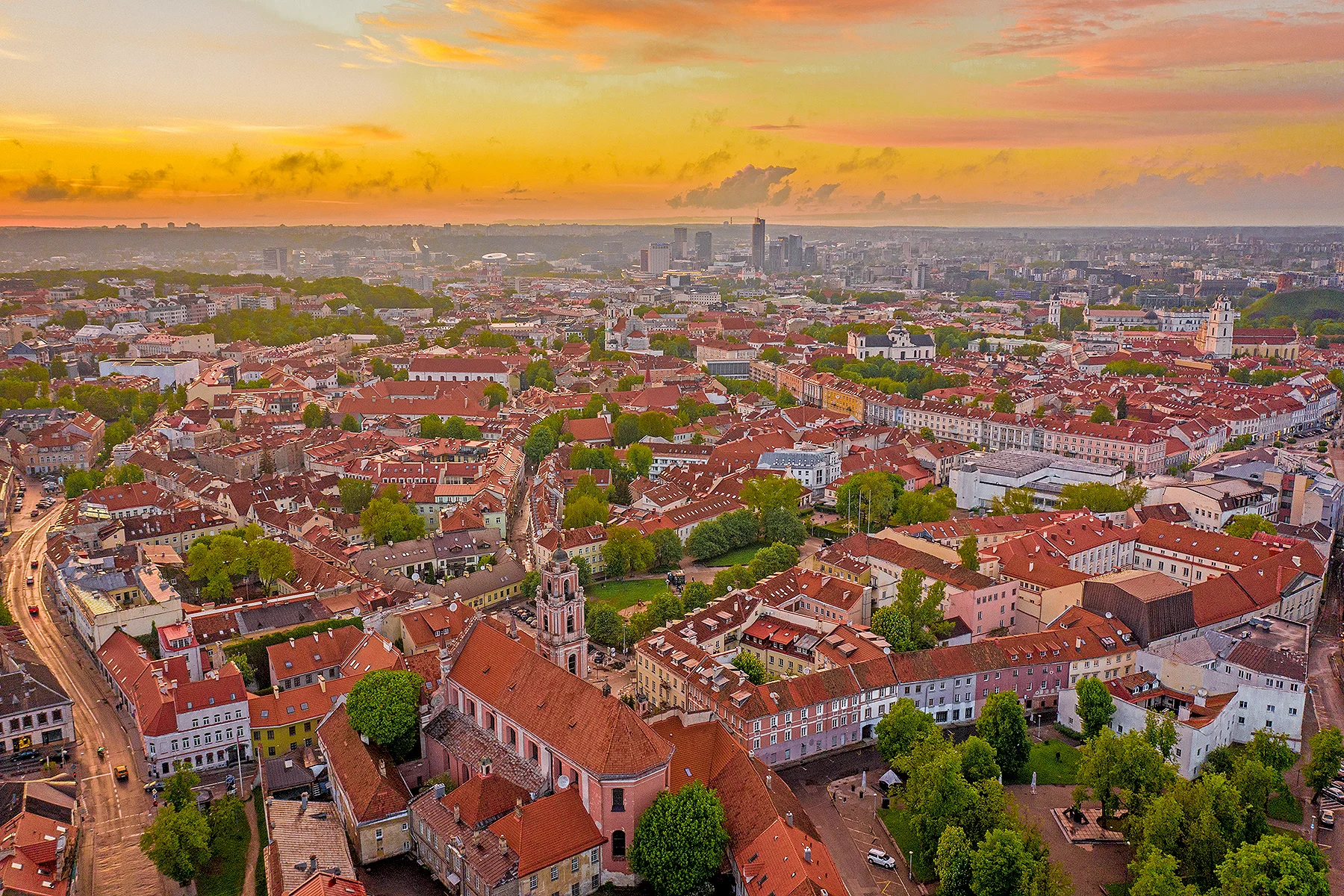
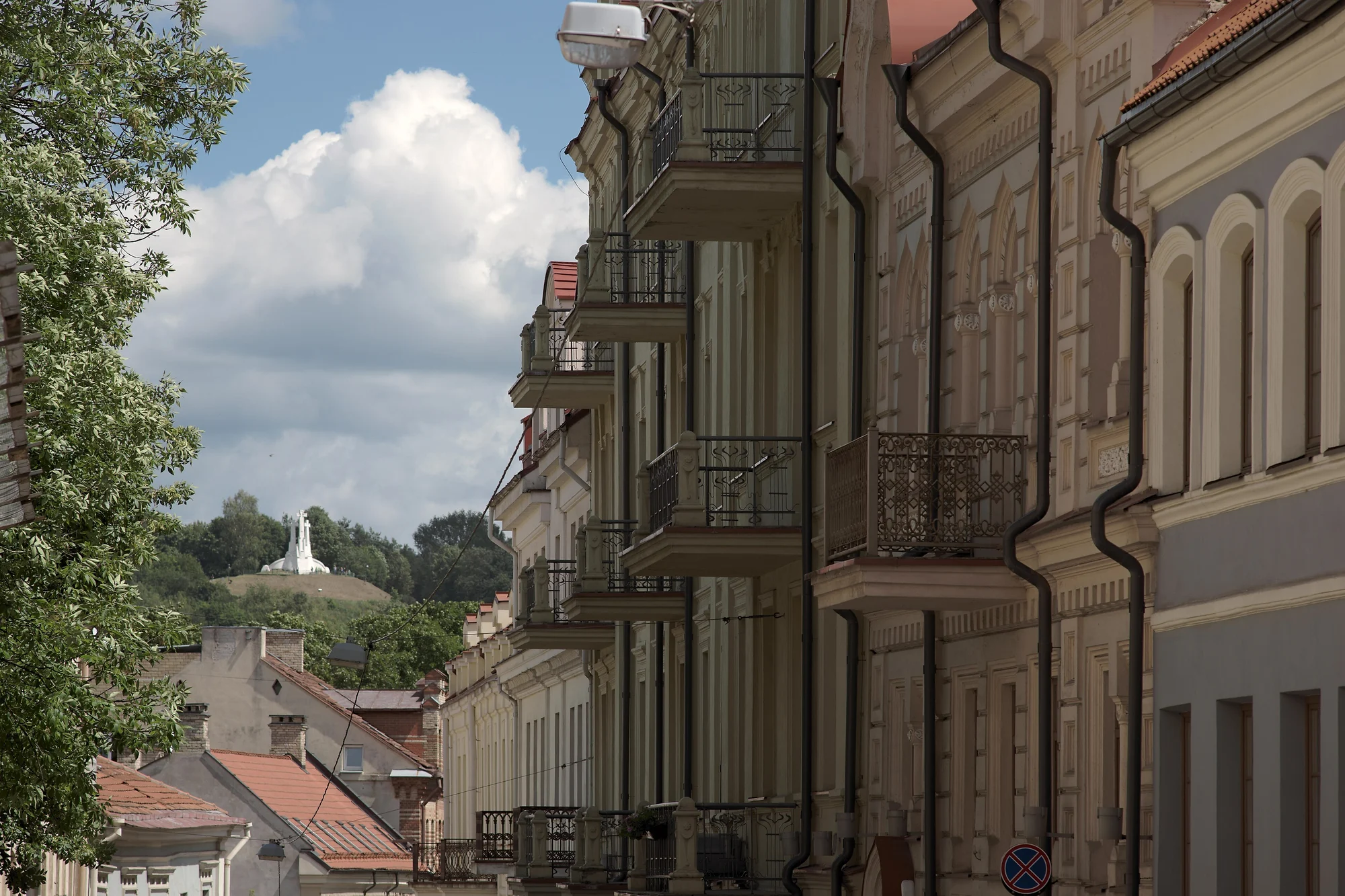
The crypts work best as a planned, booked anchor rather than a spontaneous drop-in, so it's worth slotting them into your itinerary in advance and building the surrounding hour or two around the booked slot. They sit at the centre of everything: the cathedral and its Bell Tower are on the same square, the Palace of the Grand Dukes is a two-minute walk, and Castle Hill rises directly behind — so a single morning or afternoon can cover the city's founding sites in one tight loop.
Because the visit is entirely indoors, it's also one of the best things to do in Vilnius when the weather turns. Pair it with the Bell Tower (also sheltered) and the Palace of the Grand Dukes for a full rainy-day history block, or fold it into a longer history-themed day through the Old Town. For a ready-made route that links these founding-era sites in order, follow our Vilnius history itinerary.
Why the crypts matter
It's easy to walk across Cathedral Square and see only the bright white cathedral and the open plaza. But the real depth of the place is literally beneath your feet. The square sits on one of the earliest settled sites in Vilnius, and beneath the present neoclassical cathedral lie the foundations of its predecessors — earlier churches, and before them a pagan sanctuary from the era when Lithuania was the last non-Christian state in Europe. Descending into the crypts is the only way to read those layers in person.
Among the burials is the Royal Mausoleum, the resting place of figures central to the story of the Grand Duchy of Lithuania, including members of its ruling houses. The guide places these tombs in context — who they were, why they were buried here, and how funerary customs evolved — so the visit doubles as a compact lesson in the country's medieval and early-modern history. The early fresco preserved underground, one of the oldest in Lithuania, is a rare survival that art historians prize.
For travellers who want substance rather than just photogenic squares, this is one of the most rewarding hours in Vilnius. It connects directly to the reconstructed Palace of the Grand Dukes next door, so the two together tell the founding story of the Lithuanian state in a single afternoon.
Practical questions answered
Can you just turn up? No — the crypts are visited only on a pre-booked guided tour, so a spontaneous descent isn't possible; reserve ahead. Is there an English tour? Yes, English tours run on set days, typically on certain afternoons, alongside Lithuanian-language tours; confirm the current week's schedule when you book, as it changes seasonally. How long does it take? Plan for about an hour underground.
Where do you meet, and how do you pay? Tickets and the meeting point are at the Cathedral Bell Tower office on Cathedral Square — not at the cathedral's main entrance — and you book in advance by phone or email through the Church Heritage Museum. Is it suitable for everyone? The route involves steps and uneven, low-lit passages, so it's not step-free, and it's cool below ground year-round, so bring a layer even in summer. Children who can manage the stairs and stay with the group are welcome.
Is it worth it on a tight schedule? If you only have a day, weigh it against the open-air sights; but if you have any interest in history, or if the weather is poor, the crypts are one of the best-value indoor experiences in the centre — and you can climb the Bell Tower on the same ticket office visit to make the trip efficient. Because tours fill up and run only at set times, the single most useful tip is to book your slot before you arrive in Vilnius, then build the rest of your Cathedral Square sightseeing around it rather than hoping for a space on the day.
- No walk-ins — guided tours only, booked in advance.
- English tours on set days (often afternoons); verify the current schedule when booking.
- Meet and pay at the Cathedral Bell Tower office, not the cathedral door.
- Steps and cool, low-lit passages — not step-free; bring a layer.
- Easily combined with the Bell Tower climb from the same office.
Related guides
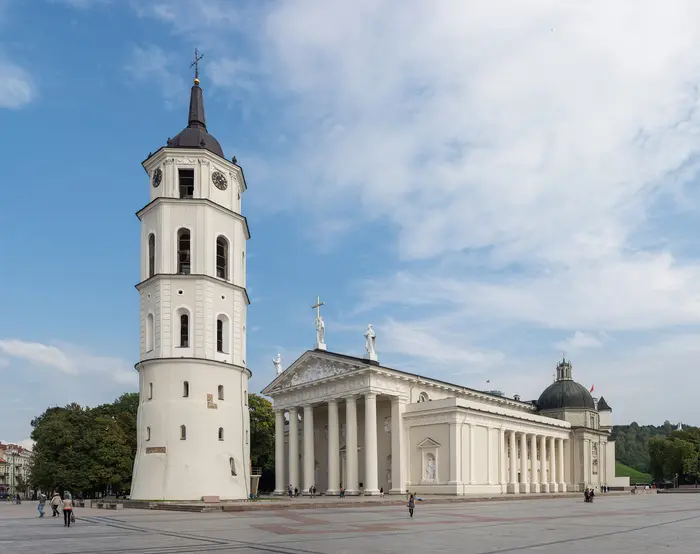
Vilnius Cathedral
Vilnius Cathedral is the white neoclassical heart of the Old Town, free to enter, home to the ornate baroque Chapel of St. Casimir, royal tombs and the 'Stebuklas' miracle tile on the square outside.
Read guide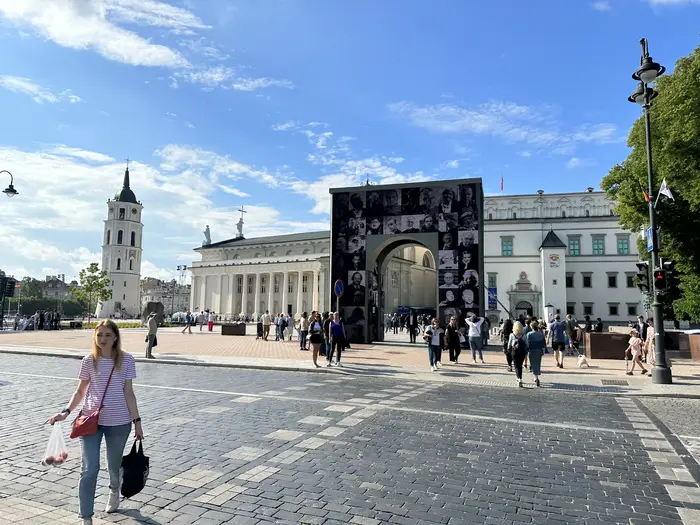
Palace of the Grand Dukes of Lithuania
A reconstructed royal residence beside Cathedral Square, now a national museum that walks you through Lithuanian history across four themed routes — archaeology, restored Gothic-to-Baroque halls, weaponry and major exhibitions.
Read guide
Vilnius History Itinerary
A history route through Vilnius — from Gediminas' castle and the Cathedral to the Palace of the Grand Dukes, the difficult 20th century at the former KGB headquarters, and the sites of hard-won independence.
Read guide