
Day Trips from Vilnius
Easy escapes beyond Vilnius — from Trakai and Kernavė to Kaunas and Europos Parkas — with transport notes, timing and how to choose the right full-day adventure.
- ✓Trakai Island Castle — the postcard lakeside fortress, reachable by train or bus
- ✓Kaunas, Kernavė, Paneriai, Europos Parkas and the Green Lakes within easy reach
- ✓Most classic trips run on public transport; a few reward a car or guided tour
- ✓How to match a day trip to your interests, season and energy
Why leave a city this good?
Vilnius rewards slow exploration, but Lithuania's small scale is one of its quiet pleasures — within an hour or so of the capital you can stand on a castle island, walk UNESCO hillforts, tour a second city's modernist core or swim in a forest lake. The country's flat, compact geography means most of the best day trips are genuinely day trips: out after breakfast, back for dinner, no overnight bag required. This page is the taxonomy of those escapes; our dedicated guides go deeper on each one.
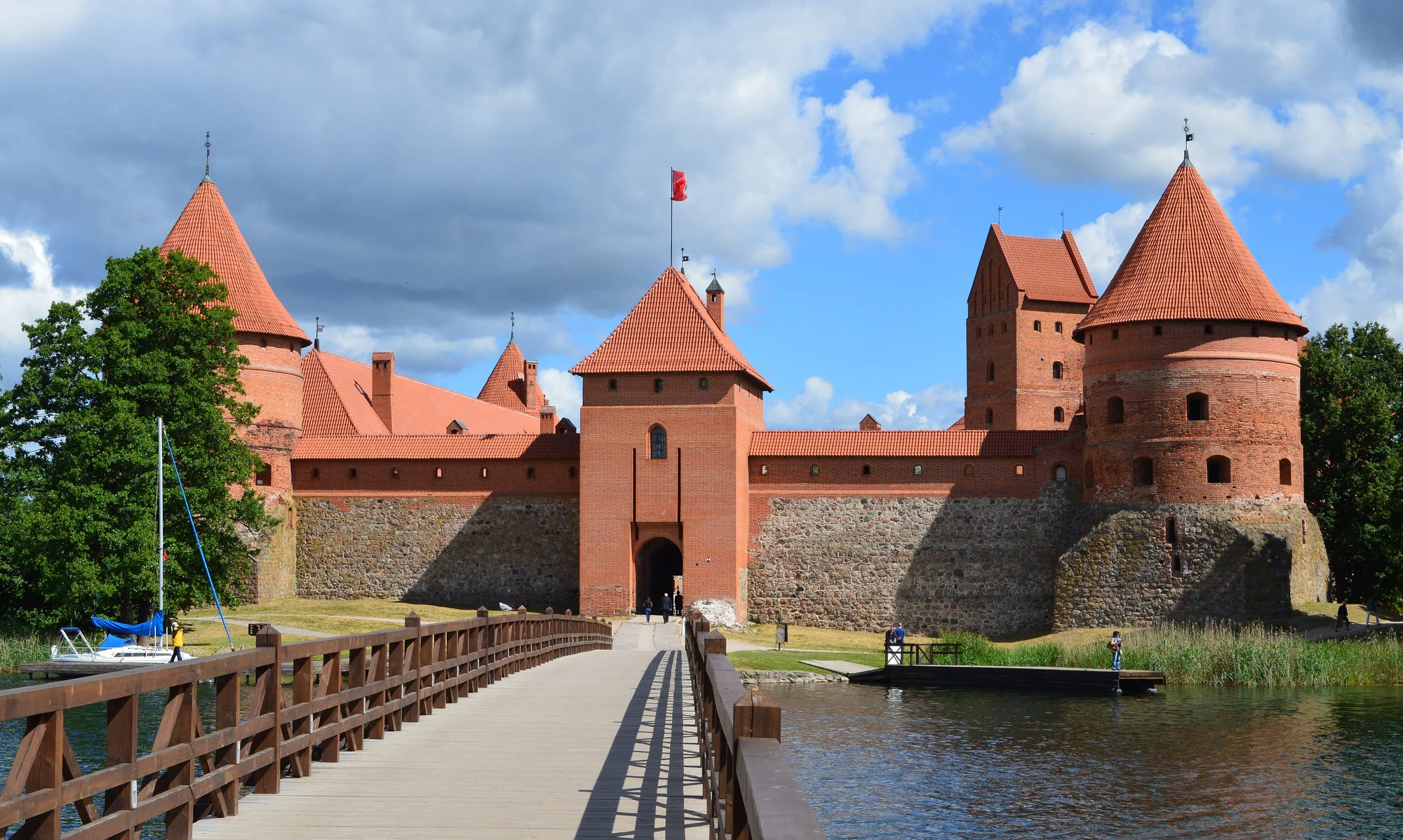
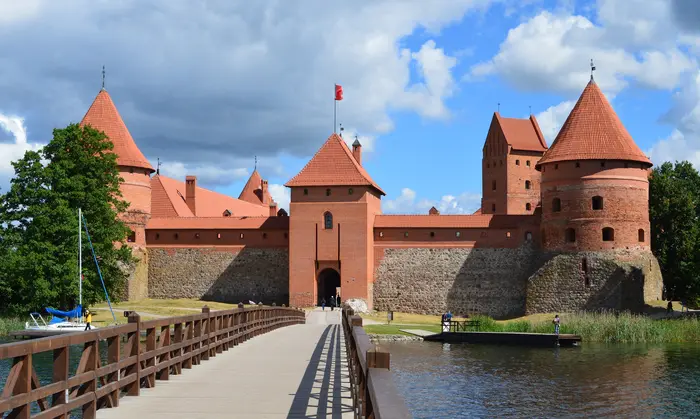
The single most popular outing is Trakai, where a 14th-century brick castle sits on its own island in Lake Galvė. It is close, photogenic and easy to reach, which is exactly why it tops almost every itinerary. Beyond Trakai, the choice opens up fast — history, nature, art and food each have a worthy half-day or full-day option.
Lithuania's road and rail network radiates from Vilnius, so the capital is the obvious base for exploring the wider country. Many travellers underestimate just how much sits within reach: a UNESCO castle, a UNESCO archaeological reserve, a second city of European-significant modernist architecture, a Holocaust memorial of deep importance, forests, lakes and a spa town are all day-trip distance. The hard part is not finding somewhere to go — it is choosing, and resisting the urge to cram two big outings into one tired day.
The classics: Trakai, Kaunas and Kernavė
Trakai is the easiest win. Trains and buses both run frequently from Vilnius and take roughly half an hour to forty minutes; from Trakai's station it is a pleasant walk or short ride along the lakeshore to the castle causeway. Aim to go early in summer to beat the crowds, and check the last return — the evening train back is notably earlier than the buses, so confirm both timetables before you set out (LTG Link for trains, the national bus portal for coaches).
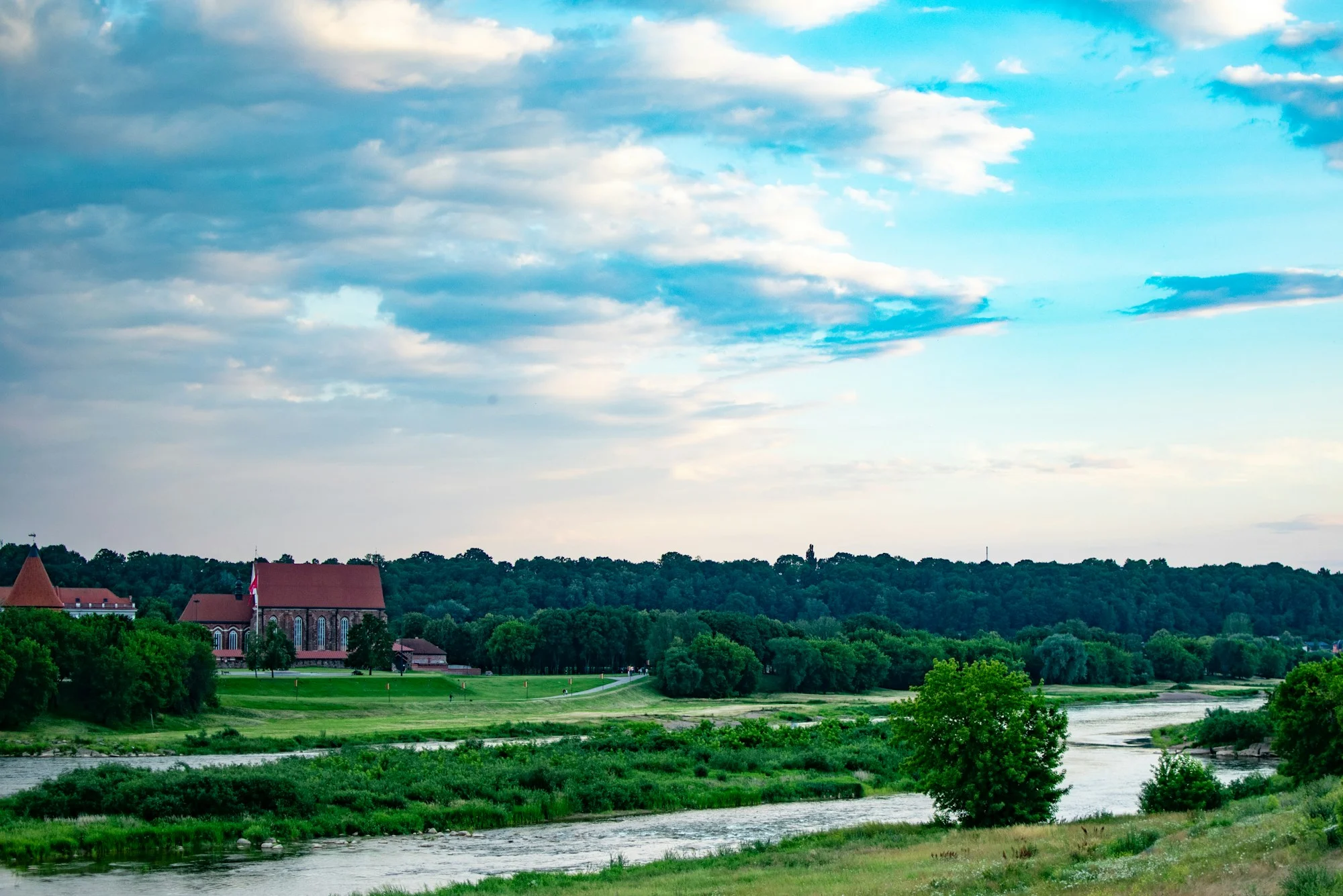
Kaunas, Lithuania's interwar capital, is the natural second trip: under an hour and a half by train, with a handsome Old Town, a celebrated modernist quarter and strong museums and cafés that justify a full day or even an overnight. Kernavė, a quieter pick, preserves a chain of medieval hillforts and an archaeology museum on the Neris valley — UNESCO-listed, atmospheric and best reached by car or organised tour given thinner public transport.
- Trakai — ~30–40 min by train or bus; the island castle and lake views
- Kaunas — ~1h15–1h30 by train; modernist architecture, Old Town and museums
- Kernavė — UNESCO hillforts; easiest by car or guided tour
Train timing, modernist Kaunas and whether it deserves an overnight.
Best things to do in VilniusHow day trips slot into a wider Vilnius plan.
Map pins
Map data © OpenStreetMap contributors · Tiles © OpenFreeMap
Nature, art and memory close to the city
For nature, the Green Lakes north of the city and the Verkiai and Pavilniai regional parks deliver forest trails, river bends and swimming spots that feel far from any capital yet are reachable by city bus or a short drive — ideal on a warm afternoon. Europos Parkas, an open-air sculpture park in the forest just outside Vilnius, pairs contemporary outdoor art with an easy woodland walk and is a favourite with families and design-minded travellers.
Some of the most important outings are about memory rather than scenery. The Paneriai Memorial, a short train ride from the centre, marks the site of mass killings during the Holocaust and is visited slowly and respectfully; it links naturally to the city's Jewish heritage. Further afield, Rumšiškės open-air ethnographic museum and the Hill of Crosses near Šiauliai are longer days that most travellers pair with Kaunas or treat as a dedicated outing.
Going further: the longer days
Some destinations are worth the extra travel. Druskininkai, the spa town to the south, pairs thermal waters, a year-round Snow Arena and pine forests with the eerie Soviet-statue collection of Grūtas Park nearby — a long day, or a relaxed overnight. The Hill of Crosses near Šiauliai, with its hundreds of thousands of crosses planted in defiant faith, is among Lithuania's most moving sights but sits a good two hours away, so most travellers fold it into a Kaunas day or a route toward Riga.
The Latvian capital itself is reachable by train or bus in around four hours, and while a day trip is technically possible, Riga rewards an overnight far more than a rushed turnaround — treat it as a two-city extension rather than a single day out. Rumšiškės, the vast open-air ethnographic museum of reconstructed Lithuanian farmsteads, is an easier full day and a particular winner with families and anyone curious about rural heritage.
These longer trips reshape an itinerary, so decide early whether you want one. A first visit of three or four days has room for one big outing — usually Trakai — without losing the city. Stay longer, or return, and the wider map of lakes, hillforts, spa towns and second cities opens up properly.
Planning the right day out
Match the trip to your time and interests. With a half-day, Trakai, the Green Lakes or Europos Parkas all work. With a full day, Kaunas, Kernavė or a slow Trakai-plus-lakes loop fill the hours comfortably. The longest options — Hill of Crosses, Riga, Druskininkai — are better as committed full days or overnights than squeezed into a packed schedule. Season matters too: lakes and sculpture parks shine in summer, while winter favours the indoor depth of Kaunas or a crisp, quiet castle visit.
Public transport covers most of these destinations cheaply and reliably, but a rental car or a guided tour buys you flexibility for the harder-to-reach sites and lets you combine two stops in a day. Trains in Lithuania are run by LTG Link and intercity coaches by a national network, both bookable online; fares are low by Western European standards, which keeps even a spontaneous outing affordable.
Whatever you choose, always re-check departure and return times on the official carriers before you commit — schedules thin out at midday and in the off-season, and the last train home is the detail most often missed. The Trakai train, in particular, runs only a handful of times a day with an early final departure, so a confident plan beats an improvised dash to the platform.
Related guides
Day Trips from Vilnius
The best day trips from Vilnius compared: island-castle Trakai, ancient Kernavė, second-city Kaunas, the Paneriai memorial, Europos Parkas, the Green Lakes, Rumšiškės and the Hill of Crosses — with honest notes on transport, timing and what's worth a car or a tour.
Read guideTrakai Day Trip
A complete Trakai day trip from Vilnius: how to get there, the island castle, Karaim kibinai, lake boating and a relaxed plan that doesn't feel rushed.
Read guide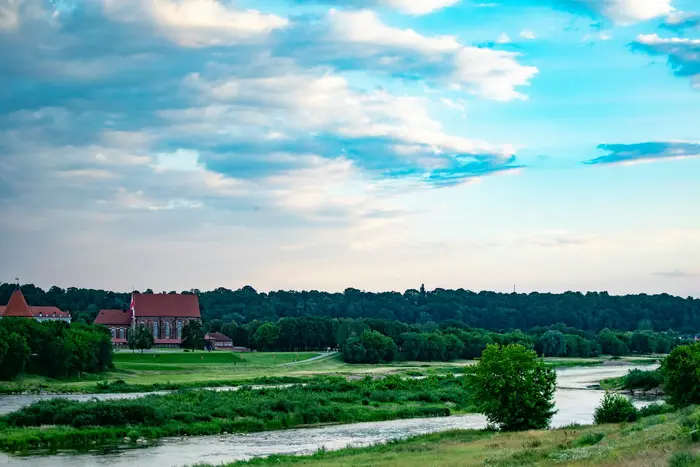
Kaunas Day Trip from Vilnius
A practical guide to a Kaunas day trip from Vilnius: train timing, the Old Town, UNESCO interwar modernism, museums, food, and whether Kaunas deserves an overnight.
Read guide