
Gediminas Castle Tower
The red-brick tower on Castle Hill is the symbol of Vilnius and the easiest panoramic view in the city — reached by a steep cobbled path or a one-minute funicular, with a small history museum at the top.
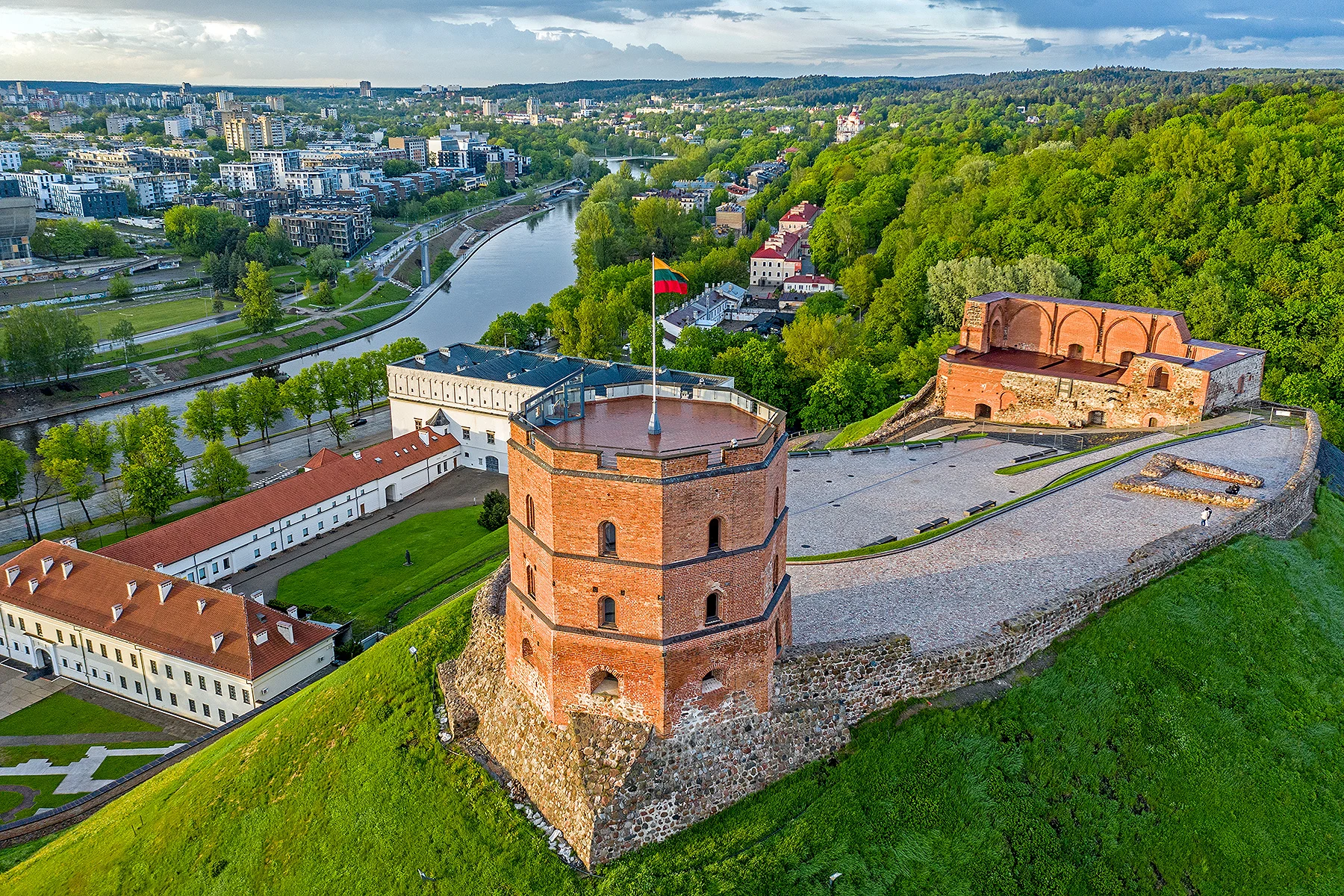
- ✓The last standing tower of the Upper Castle and the enduring symbol of Vilnius
- ✓360-degree panorama over the Old Town's red roofs, spires and the Neris river
- ✓Reach the top by a steep cobbled path or a one-minute funicular from behind the Palace of the Grand Dukes
- ✓A small museum inside, part of the National Museum of Lithuania, with a moving Baltic Way installation
- ✓The hilltop terrace is free; come at golden hour for the best light
What you're visiting
Gediminas Castle Tower is the last surviving piece of the Upper Castle that once crowned this hill above the meeting point of the Neris and Vilnia rivers. The three-storey octagonal brick tower you see today was largely rebuilt in the 20th century, but the hill itself is the founding site of Vilnius — tied to Grand Duke Gediminas' legendary dream of an iron wolf that, the tale goes, told him to build a city here.
It is a short visit, and that's the appeal: a quick climb or funicular ride for the single best orientation view in Vilnius. From the top you can read the whole Old Town at a glance — the Cathedral belfry below, the green dome of St. Casimir's, the white tower of St. Johns, and the bristle of Baroque spires that gives the city its skyline. Inside, a small museum run as part of the National Museum of Lithuania covers the city's fortifications and includes an installation on the 1989 Baltic Way.
- Address: Arsenalo g. 1, 01143 Vilnius (Castle Hill)
- Allow 45–60 minutes including the climb and the small museum
- The hilltop terrace is free to walk; the tower museum has a ticket
Getting up the hill, tickets and hours
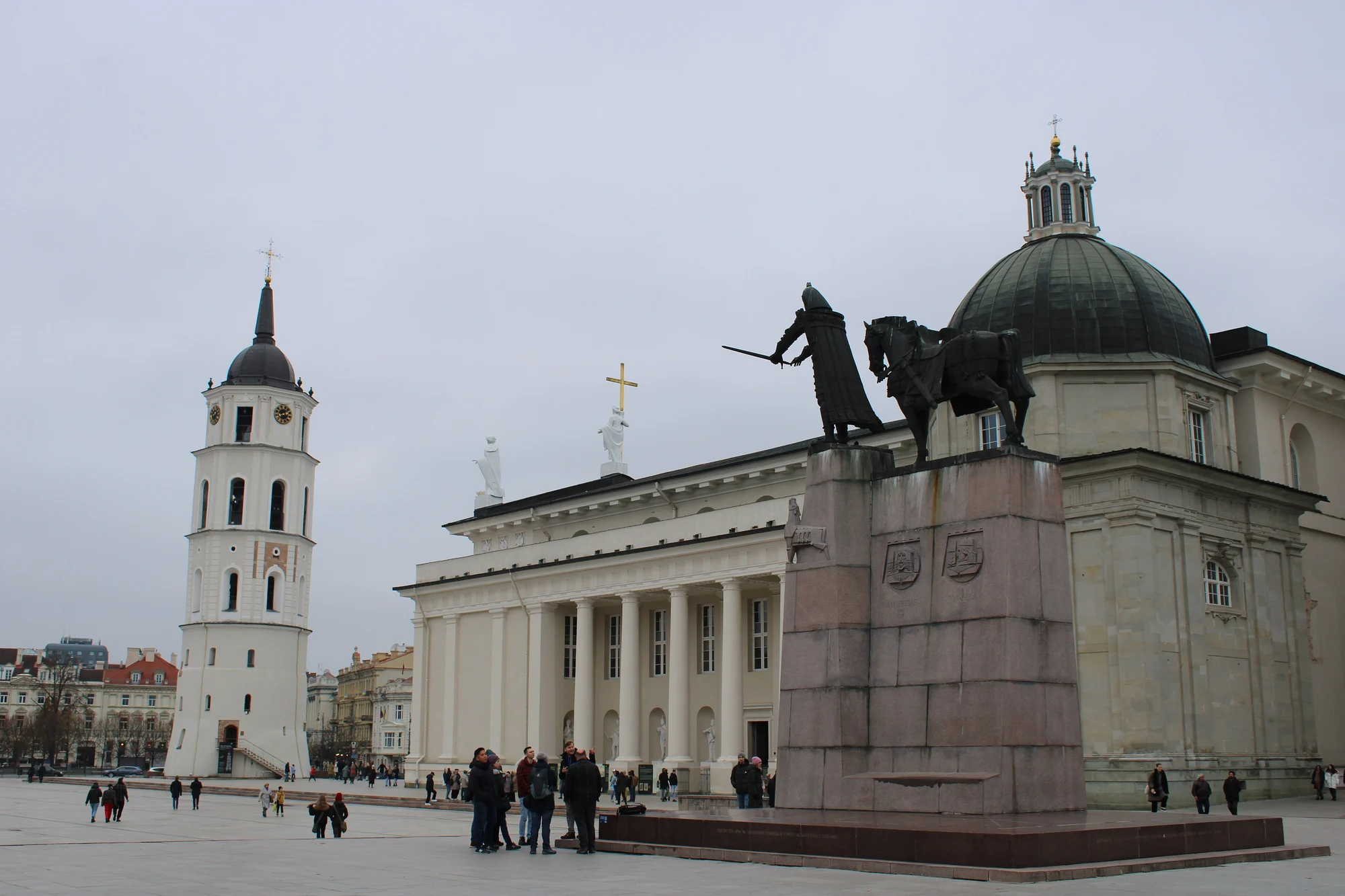
The hill is steep, and the historic path is uneven cobblestone that gets slippery after rain or snow. To save your legs, take the funicular: it runs from the courtyard behind the Palace of the Grand Dukes and lifts you to the top in under a minute. If you'd rather walk, start from Cathedral Square and follow the path that curls up the western side — a 10–15 minute climb at an easy pace.
The tower museum charges around €8 for adults, and the funicular is a small extra fee (roughly €2 one way at the time of writing); admission to the museum is free on the last Sunday of each month. Opening hours are seasonal — broadly until early evening in winter and later in summer — so check current times before you go, and arrive at least half an hour before closing as last tickets are sold early.
- Funicular: quickest, step-free to the summit; small fee, card accepted
- On foot: free but steep and slippery in wet or icy weather — wear grippy shoes
- Tower museum ~€8 adult; free admission on the last Sunday of the month
- Hours are seasonal (later in summer); check before relying on the funicular in winter
Map pins
Map data © OpenStreetMap contributors · Tiles © OpenFreeMap
The view, and when to come
Come for sunset if you can. Late-afternoon light turns the red roofs warm and throws the spires into relief, and the terrace faces the Old Town so you're not squinting into the sun. Early morning is the quiet alternative — you may have the terrace nearly to yourself. Midday in summer is the busy window, with tour groups cycling through; it's still worth it, just don't expect solitude.
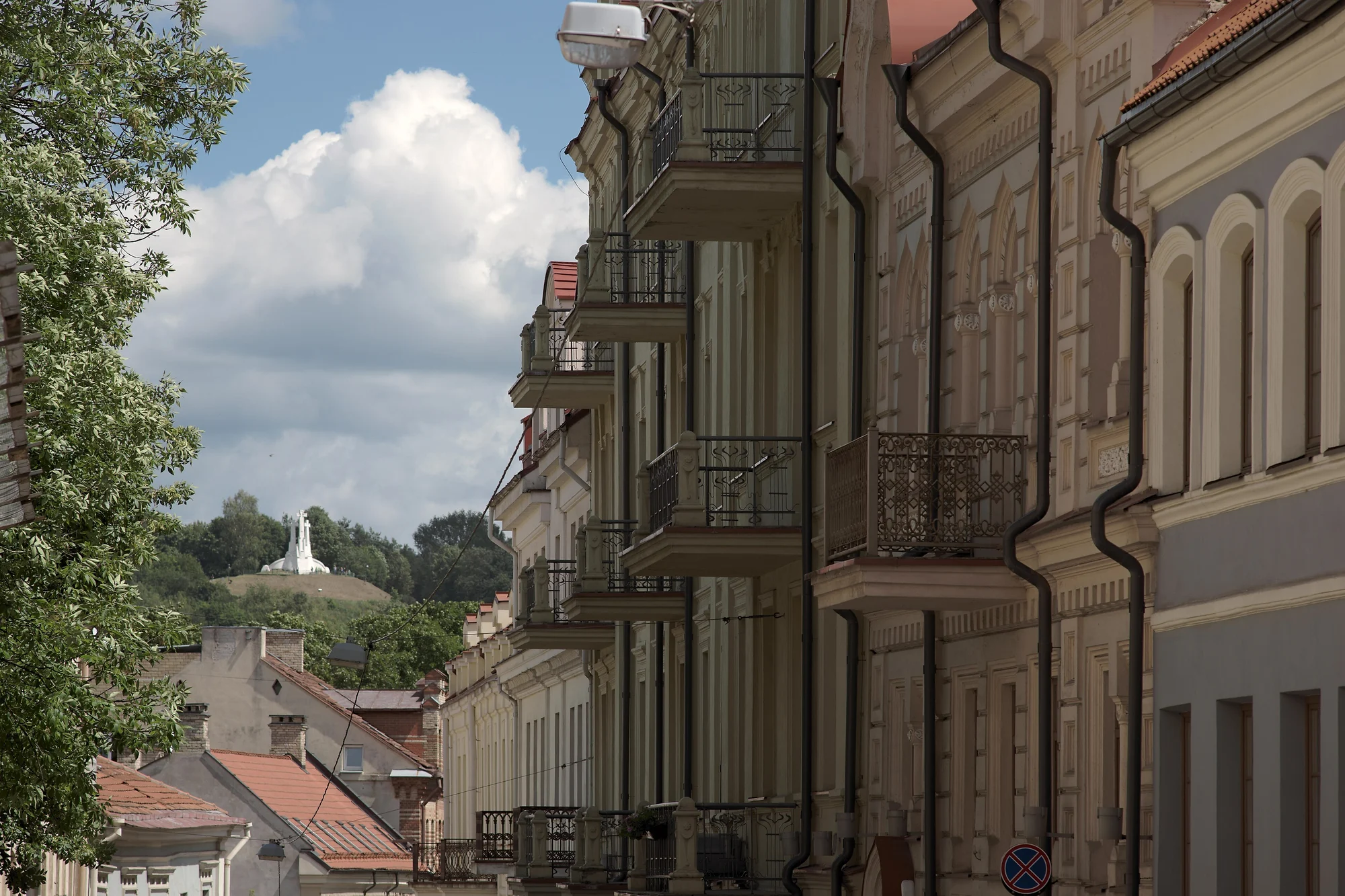
Pair the tower with Cathedral Square at the foot of the hill and the Palace of the Grand Dukes next door — together they make a single, natural stop. For another classic hilltop view across the valley, Three Crosses Hill faces back toward the castle.
Related guides
Things to Do in Vilnius
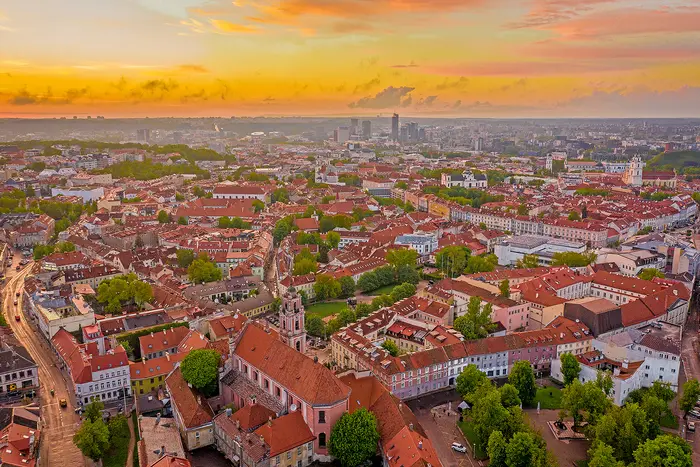
The complete guide to things to do in Vilnius — culture and creativity, nature and outdoors, saunas and markets, family days out, and easy escapes beyond the city. Adventures, rituals and slow moments to pencil in.
Read guide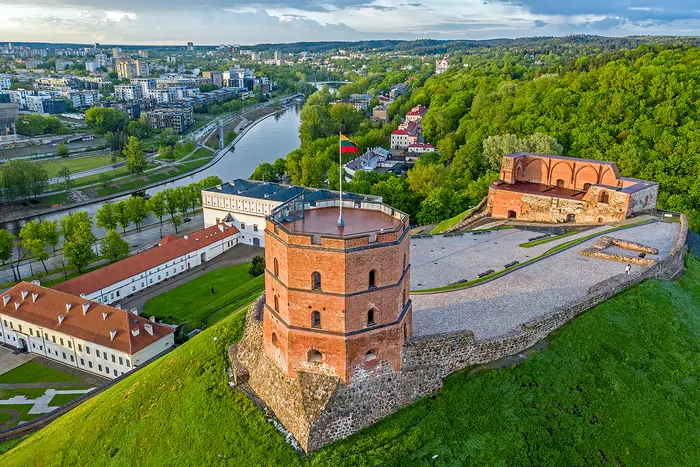
Best Things to Do in Vilnius
A first-trip shortlist of the best things to do in Vilnius — from Gediminas' Tower and the UNESCO Old Town to Užupis, the MO Museum, food halls and Trakai.
Read guide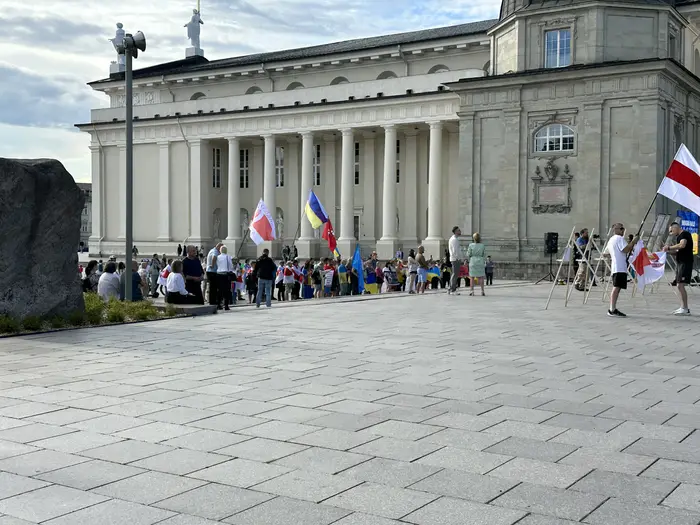
Cathedral Square (Katedros aikštė) — the heart of Vilnius
Cathedral Square is the historic heart of Vilnius — a vast plaza framed by the Cathedral and its free-standing Bell Tower, and the city's stage for festivals, parades and the Christmas market.
Read guide