
Gediminas Hill & the Funicular
How to reach the top of Gediminas Hill in Vilnius — by funicular, by the footpath, or via the Old Arsenal side — with accessibility, weather and ticket notes.
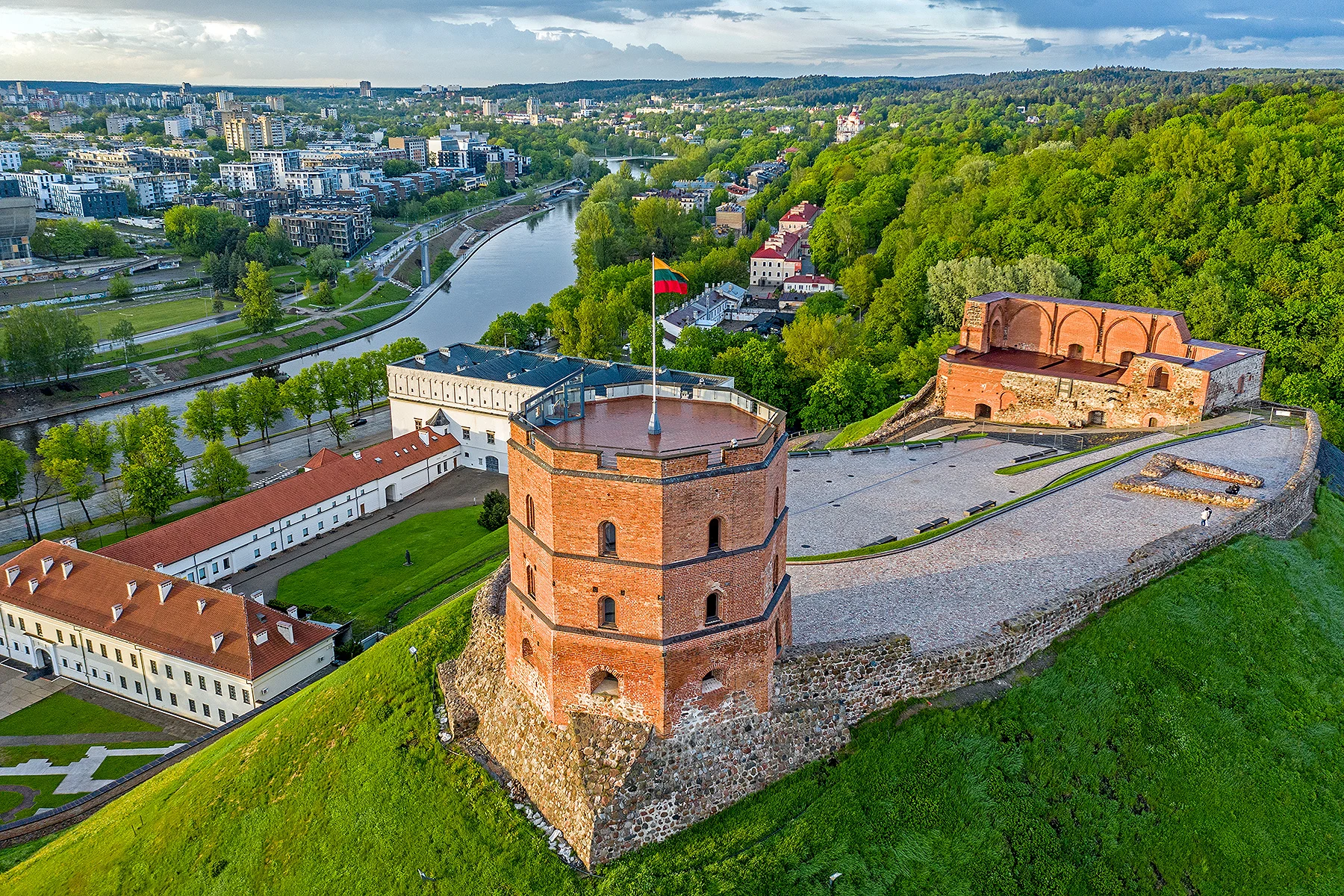
- ✓Three ways up Castle Hill: the funicular, the historic cobbled footpath, or the gentler Old Arsenal side.
- ✓The funicular runs from the inner courtyard of the Old Arsenal and reaches the top in under a minute.
- ✓The step-free funicular is the most accessible option — useful if cobbles, hills or wet weather are a concern.
- ✓Hilltop terrace is free; the small museum inside Gediminas' Tower charges admission.
- ✓Check whether the funicular is running before you rely on it, especially in winter.
Getting to the top of Gediminas Hill
Gediminas Hill rises above Cathedral Square, crowned by the red-brick tower that is the symbol of Vilnius and home to the city's best-known viewpoint. The terrace at the top is free to visit, and there are three ways to reach it: the funicular, the historic footpath, or the gentler approach from the Old Arsenal side. Which you choose comes down to how much you want to climb and how steady the surface needs to be underfoot.
The hill is genuinely steep, and the original path is uneven, centuries-old cobblestone that turns slippery in rain, snow or ice. For many visitors — and especially anyone with limited mobility, a buggy, or simply tired legs — the funicular is the obvious answer. This guide walks through each option and the practical questions people most often ask.
- Free hilltop terrace with the city's signature panorama.
- Three routes up: funicular, cobbled footpath, Old Arsenal side.
- The climb is short but steep and slippery when wet.
The funicular: the easy, step-free way
The funicular is the quickest and least strenuous way up. It departs from the inner courtyard of the Old Arsenal (Arsenalo g. 3), behind the Cathedral and the Palace of the Grand Dukes, and carries you to the hilltop terrace in under a minute. Because it's enclosed and step-free at both ends, it's the most accessible route — the practical choice if you'd rather not tackle the cobbles.
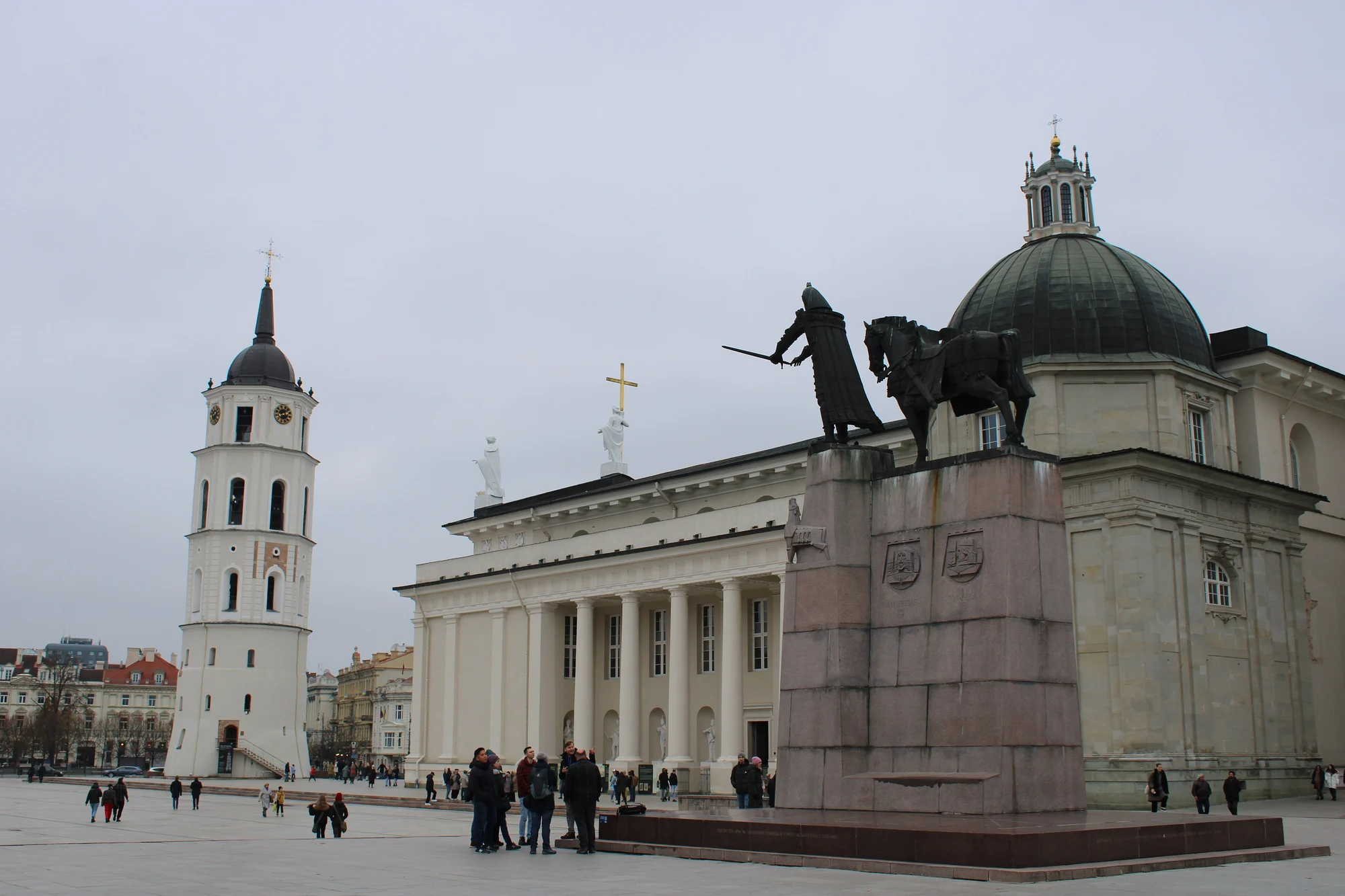
It's a small, inexpensive ride and an easy add-on to a hilltop visit; in recent years a one-way ticket has been a couple of euros with a modest return fare, and card payment is accepted, but confirm the current price on site. Operating hours broadly track the tower's, typically running from late morning into the evening and slightly longer in the summer months. The one caveat: the funicular can pause for maintenance or in poor winter conditions, so check it's running before you build your visit around it.
- Departs the Old Arsenal courtyard (Arsenalo g. 3), behind the Palace of the Grand Dukes.
- Under a minute to the top; step-free and the most accessible option.
- Small fee, card accepted — confirm the current price and hours on site.
- May pause for maintenance or bad winter weather — check before relying on it.
Map pins
Map data © OpenStreetMap contributors · Tiles © OpenFreeMap
On foot: the footpath and the Old Arsenal side
If you'd rather walk, there are two on-foot options. The classic route is the cobbled path that curls up the western side of the hill from near Cathedral Square — a 10–15 minute climb at an easy pace, with a couple of spots to stop and catch the view on the way. It's free and scenic, but it's the steepest and most slippery option, so wear shoes with grip and take care after rain or snow.
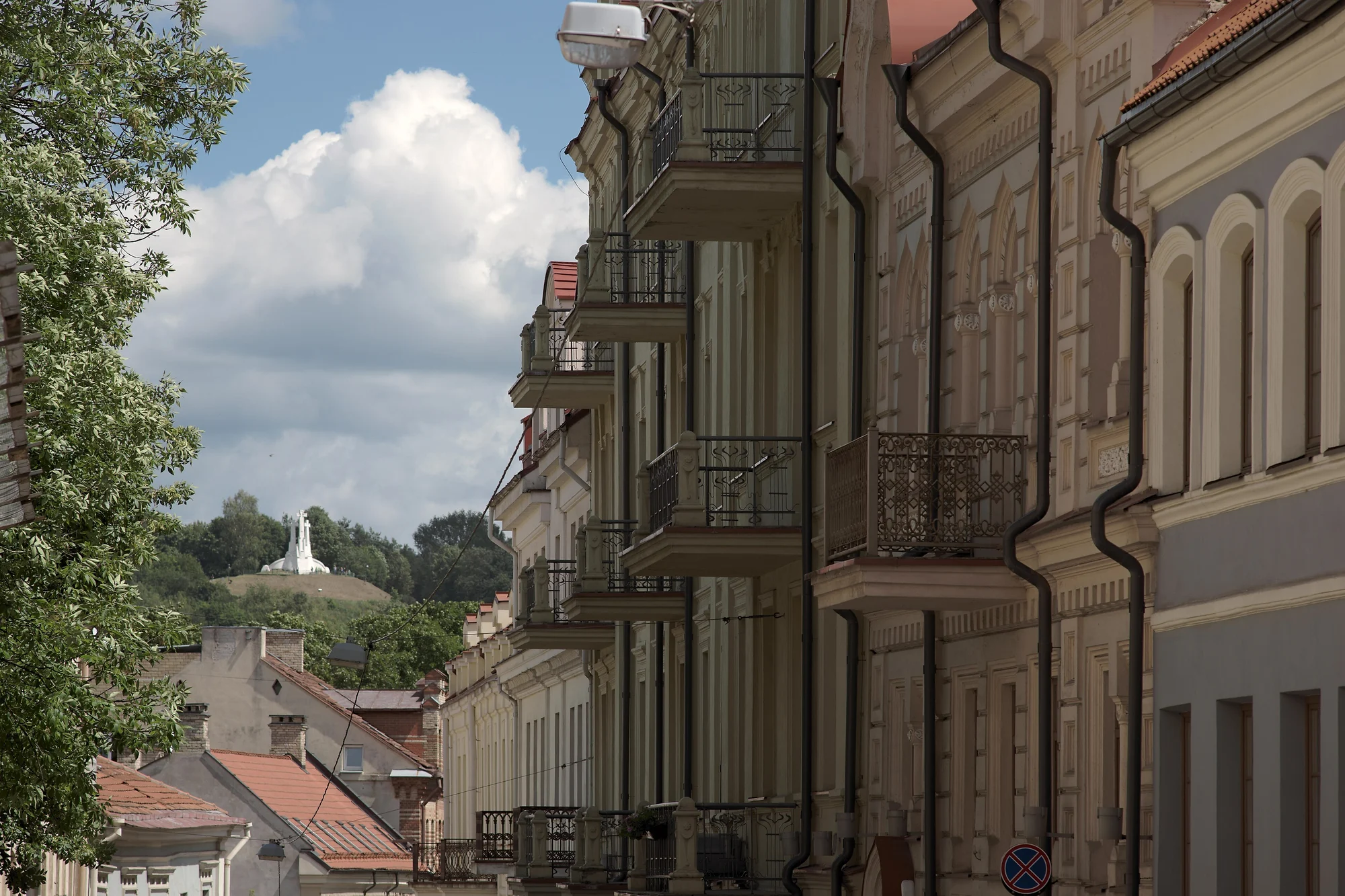
The gentler walking alternative goes up the eastern, Old Arsenal side of the hill on a less abrupt gradient. It's a little longer but easier underfoot than the front cobbled path, and it's the route to choose if you want to walk but the main path looks too steep. Whichever way you go up, you can always take the funicular down (or vice versa) to spare your knees on the descent.
- Front cobbled path: 10–15 minutes, scenic but steep and slippery when wet.
- Old Arsenal side: a gentler gradient, easier underfoot.
- Mix and match — walk up one way, ride the funicular the other.
Good to know before you go
A few practical notes. The hilltop terrace is free, so you can enjoy the panorama without buying anything; only the small museum inside Gediminas' Tower charges admission, and its hours and prices vary by season — check current details before you go rather than relying on a fixed figure. The view is best at golden hour, when the Old Town's roofs and spires glow and the terrace faces away from the glare.
For accessibility: the funicular makes the summit reachable without stairs or cobbles, which is a real advantage in a city where step-free routes can be hard to find. In winter, factor in ice on both the path and the approach, and double-check the funicular is operating. And pair the visit with Cathedral Square at the foot of the hill — the two are a single, natural stop, and the square is where most people start or finish the climb.
- Terrace is free; the tower museum charges and varies seasonally — confirm before visiting.
- Best light at golden hour.
- Most accessible route is the funicular; mind winter ice on all paths.
- Combine with Cathedral Square at the bottom of the hill.
Frequently asked questions
A quick round-up of the questions visitors ask most often about getting to the top of Gediminas Hill. Use these as a planning shortcut, and always confirm seasonal hours and prices on the official museum site, since they shift through the year.
If you remember only one thing, make it this: the terrace at the top is free, the funicular is the easy step-free option, and the cobbled front path is the steepest and most slippery way up. Everything else is detail.
- Is there a funicular up Gediminas Hill? Yes — it runs from the Old Arsenal courtyard behind the Palace of the Grand Dukes and reaches the top in under a minute.
- How much does the funicular cost? It's a small fee — a one-way ride has recently been around a couple of euros with a modest return fare, card accepted; confirm the current price on site.
- Is the climb hard? The footpath is short (10–15 minutes) but steep and uneven cobblestone that gets slippery when wet; the Old Arsenal side is gentler.
- Is it accessible / step-free? The funicular is the step-free option and the best choice for limited mobility, buggies or tired legs.
- Is the viewpoint free? Yes — the hilltop terrace is free; only the museum inside Gediminas' Tower charges admission.
- Does the funicular run in winter? Usually, but it can pause for maintenance or icy conditions — check before you rely on it.
- When's the best time to go up? Golden hour, when the Old Town's roofs and spires glow and the terrace faces away from the sun.
Related guides
Gediminas Castle Tower
The red-brick tower on Castle Hill is the symbol of Vilnius and the easiest panoramic view in the city — reached by a steep cobbled path or a one-minute funicular, with a small history museum at the top.
Read guide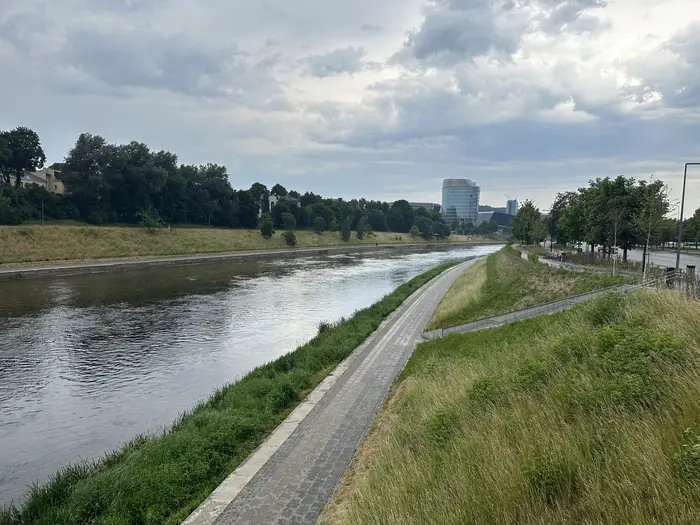
Accessible Vilnius Guide
A practical accessibility guide to Vilnius: cobblestones and hills, low-floor buses and trolleybuses, accessible taxis, museums, hotel questions to ask, winter surfaces and realistic step-free routing.
Read guide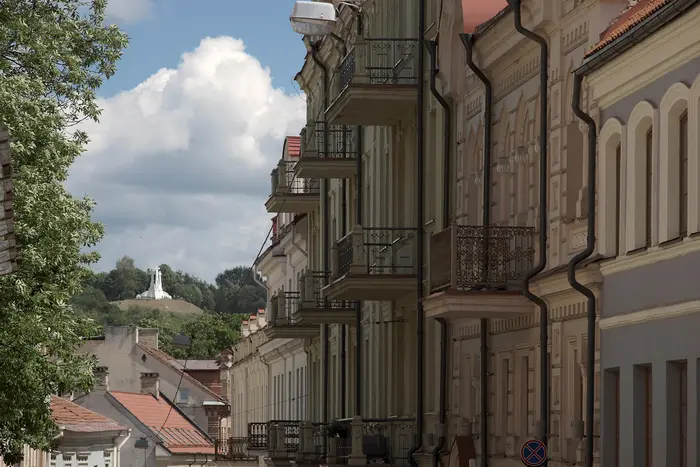
The Best Viewpoints in Vilnius
Compare the best viewpoints in Vilnius — Gediminas Tower, Three Crosses Hill, church bell towers, the TV Tower and rooftop bars — ranked by effort, payoff and the time of day to go.
Read guide