
Literatų Street guide
A compact guide to Vilnius's literary-art wall, photo details, the Old Town route and nearby cafés.
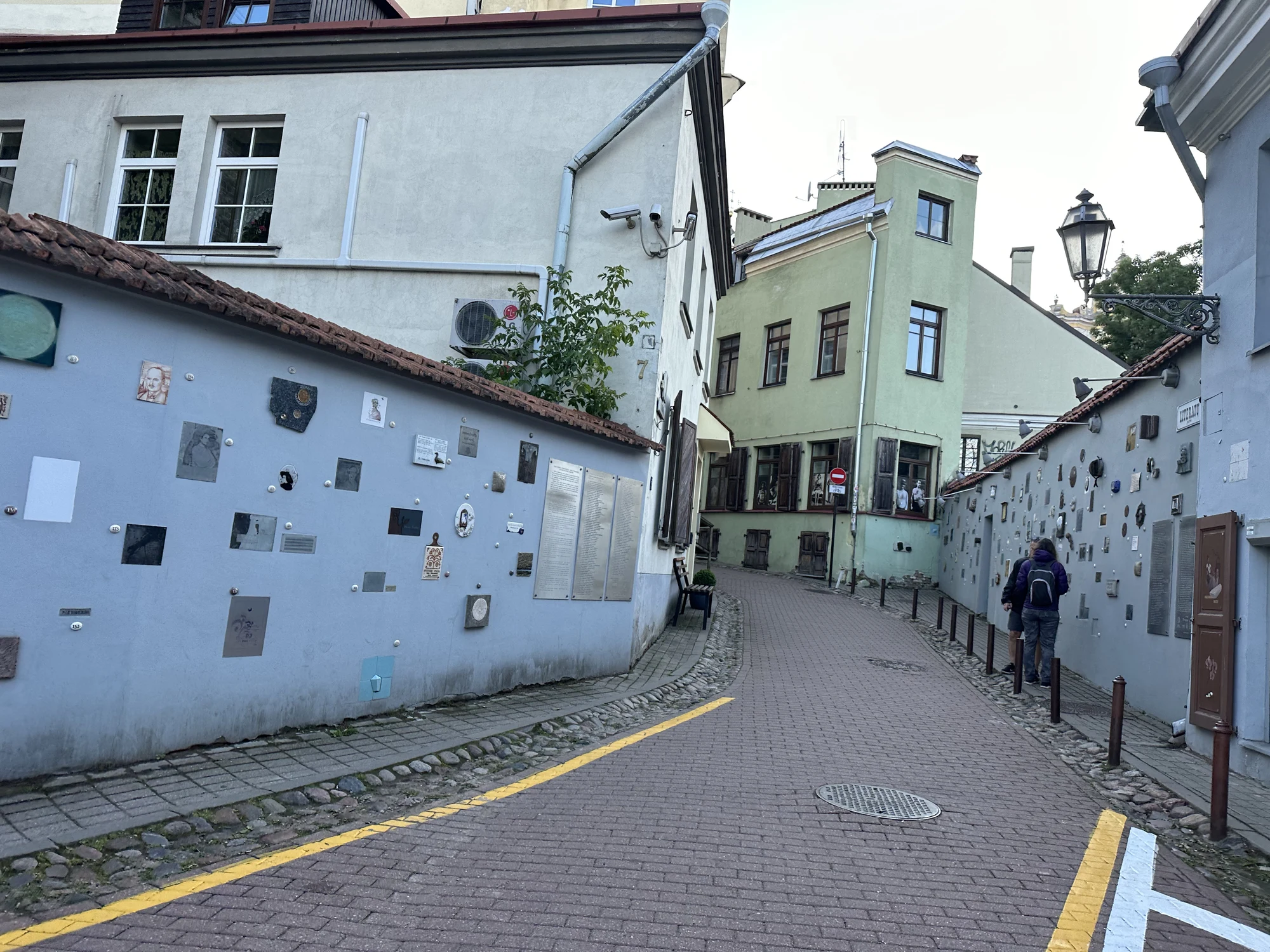
- ✓Literatų gatvė — Literature Street — is a short Old Town lane whose walls have become an open-air gallery of small artworks honouring writers connected to Vilnius.
- ✓More than 200 plaques in metal, glass, ceramic and wood line the street, each dedicated to an author and made by a different artist.
- ✓It's free, always open, and takes ten minutes to see — but rewards a slow, head-up wander.
- ✓Tucked between Pilies Street and the river, it slots easily into any Old Town walk, with cafés and the University courtyards a step away.
- ✓One of the most photogenic corners of the city, and a quiet one if you come early.
An open-air gallery for writers
Literatų gatvė — literally 'Writers' Street' or 'Literature Street' — earned its name long before it earned its art: it's thought to have been home to booksellers, printers and literary figures over the centuries, and Adam Mickiewicz, the great Romantic poet claimed by both Poland and Lithuania, lived nearby. In 2008 a group of artists decided the little lane should live up to that name, and launched the Literatų Street Project: a growing collection of small artworks fixed to the walls, each one a tribute to a writer with a connection to Vilnius or to Lithuanian letters.
What started modestly has snowballed. Today the walls carry more than 200 individual pieces — engraved metal profiles, fragments of poems set in glass, ceramic miniatures, carved wood, tiny portraits and abstract homages — contributed by hundreds of artists, with new works still being added. Because every plaque is made by a different hand, the effect is wonderfully uneven: no two are alike, and half the fun is the contrast between a sober bronze portrait and the quirky, almost folk-art piece beside it.
Most of the writers honoured are Lithuanian and may be unfamiliar to foreign visitors, but that hardly matters. The street works as a piece of collective art and a love letter to literature itself — a reminder that Vilnius has long been a city of words, in Lithuanian, Polish, Yiddish, Russian and beyond.
A few of the names will ring a bell. Adam Mickiewicz, the Romantic poet who studied at Vilnius University and set part of his work in the region, is honoured here, as are figures from the Yiddish and Polish literary traditions that flourished in the city. But the street is at its best when you stop trying to recognise names and simply enjoy the craft: a poem etched into glass that catches the light, a face hammered out of copper, a tiny ceramic scene, a line of verse you can't read but somehow feel. It is democratic art — no single masterpiece, just hundreds of small acts of homage that together make something greater than their parts.
Finding it and photographing it
Literatų Street is short and easy to find. It runs between Pilies Street — the Old Town's main pedestrian spine — and the area near Bernardinų Street, sloping gently down toward the Vilnia and Užupis. From Cathedral Square, walk a few minutes down Pilies and turn off; the lane is signposted and unmistakable once you see the art-covered walls. There's nothing to pay, no opening hours, and no gate: it's simply a public street, walkable at any hour.
For photographs, this is a detail-hunter's paradise rather than a single grand shot. Get close to individual plaques to capture their texture and craft, then pull back for the dense, mosaic-like sweep of the whole wall. Soft, overcast light is flattering and avoids harsh shadows in the lane; early morning gives you an empty street and the best chance of clean shots without other visitors in frame. Look up as well as ahead — pieces are mounted at different heights, and some of the best are easy to miss.
Allow ten to twenty minutes if you're moving briskly, longer if you start reading the names and spotting your favourites. It's an easy, low-effort highlight that adds real character to an Old Town stroll.
- Between Pilies Street and Bernardinų / the river, minutes from Cathedral Square.
- Free, open-air, no hours — visit any time, best early for empty walls.
- Shoot close-ups for craft, wide shots for the mosaic effect; soft light is kindest.
- Pieces sit at varied heights — look up as well as straight ahead.
More of the city's most photogenic corners.
Vilnius Old TownThe UNESCO quarter that surrounds the street.
Map pins
Map data © OpenStreetMap contributors · Tiles © OpenFreeMap
What's nearby — cafés and courtyards
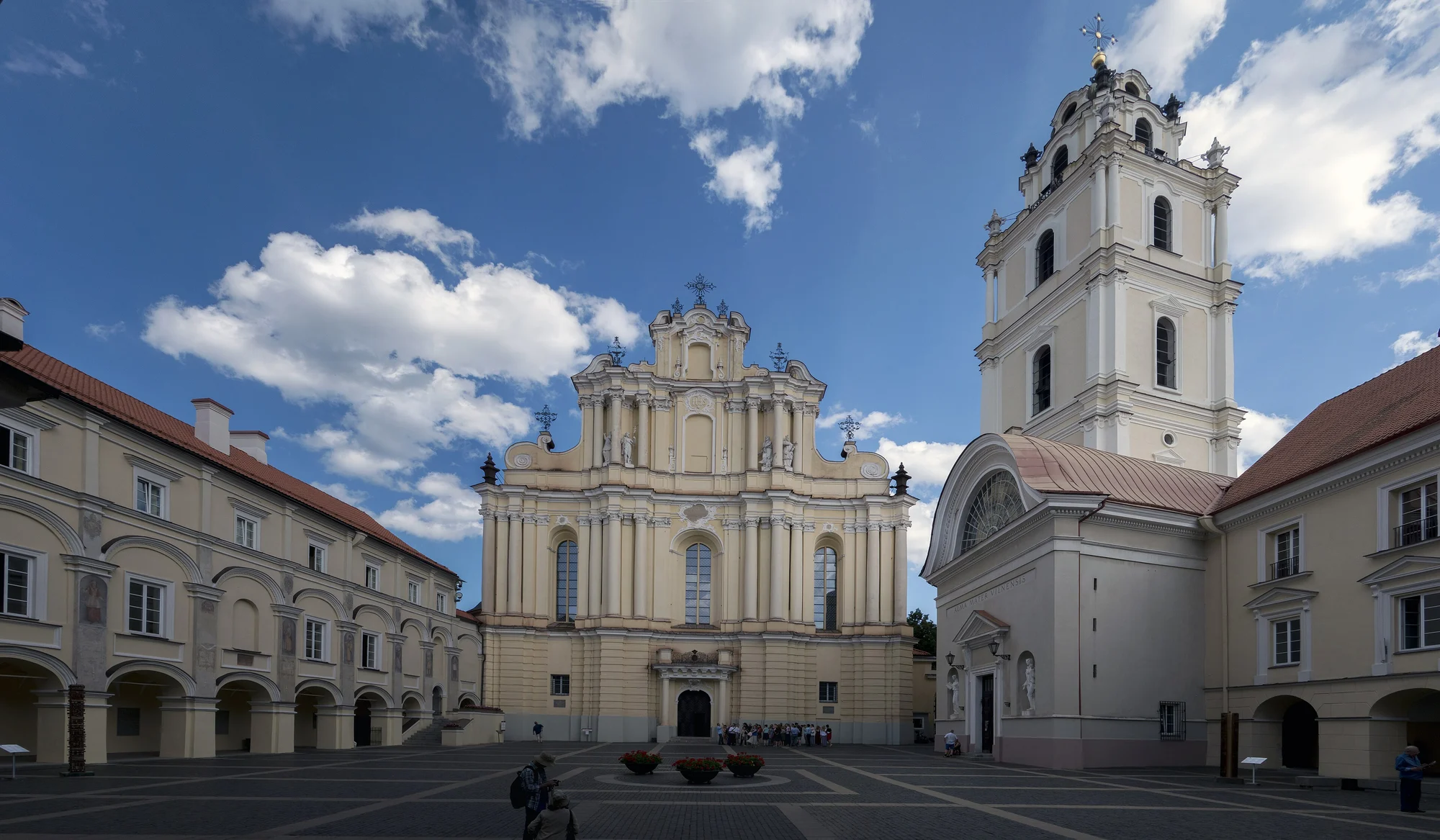
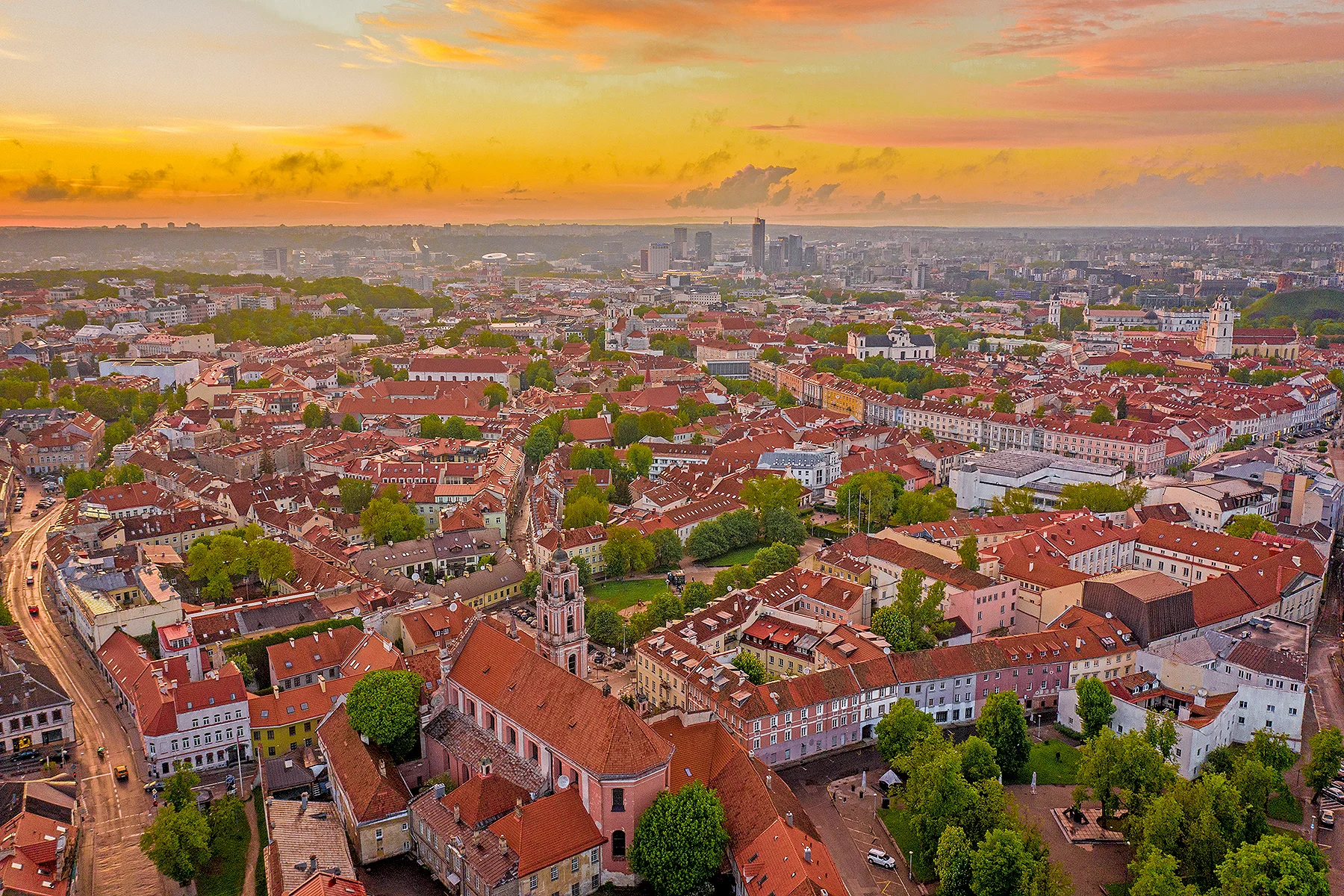
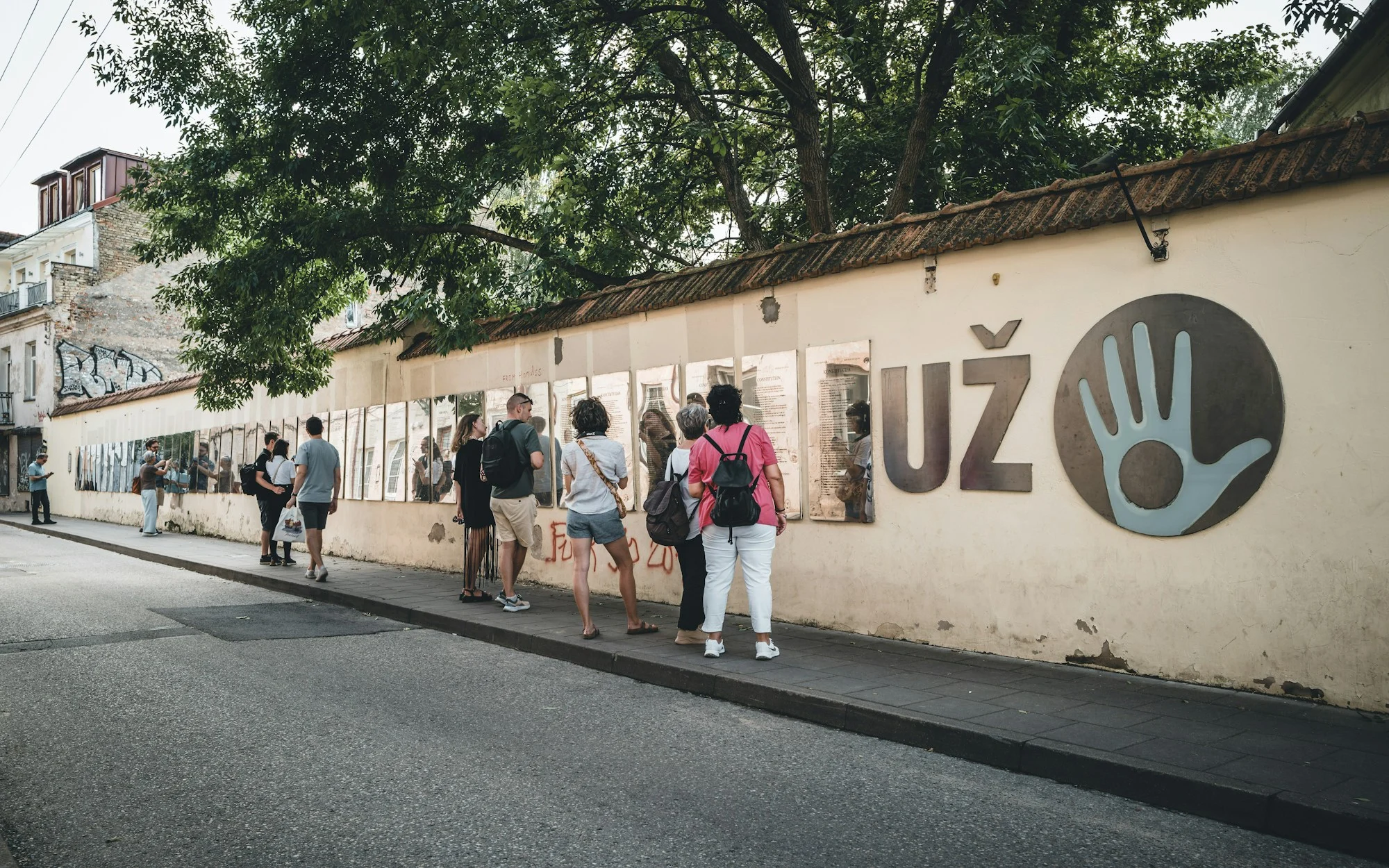
Half the appeal of Literatų Street is how perfectly it sits within a wider Old Town wander. Step back onto Pilies and you're among cafés, craft shops and the busiest stretch of the historic centre; in a few minutes you can reach the Vilnius University ensemble, with its chain of historic courtyards and the Baroque Church of St John, or drop down toward the bridges into Užupis, the artists' republic that picks up the literary-bohemian thread.
For a break, the surrounding lanes are thick with places to sit. This is prime café territory — specialty coffee, classic cake-and-coffee spots, and design-forward cafés are all within a short walk, making it easy to pair ten minutes of literary art with a leisurely flat white. We round up the best of them in our cafés guide.
It's worth noting how the street fits the city's wider literary geography. Vilnius was named a UNESCO City of Literature, and traces of that heritage are everywhere nearby: the university where Mickiewicz studied, the bookshops of Pilies Street, the old printing houses, and the bohemian writing life that still thrives across the river in Užupis. Literatų Street gathers all of that into a single, walkable gesture — which is why it has become one of the most-shared corners of the Old Town.
Treat Literatų Street, then, not as a destination in its own right but as one of the small, characterful beats that make a Vilnius Old Town walk memorable — a literary footnote between the University courtyards, the Pilies Street bustle and the river crossing into Užupis. Give it ten unhurried minutes and it will leave more of an impression than many bigger sights.
Related guides
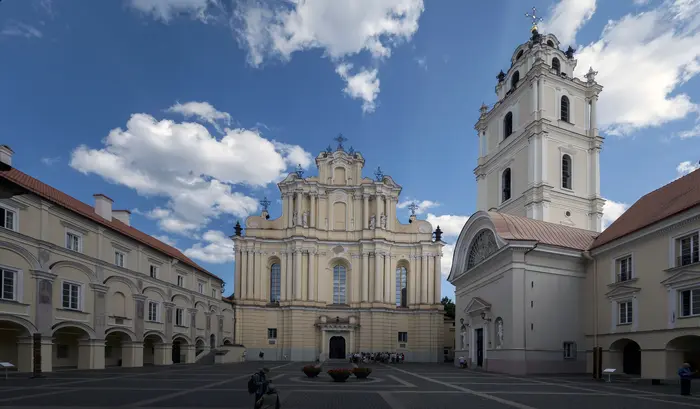
Vilnius University Courtyards
A guide to the Vilnius University ensemble: thirteen interlocking courtyards, St John's Church and its bell tower, Petras Repšys's frescoes and the ornate Littera bookshop — nearly 450 years of architecture in one walled block of the Old Town.
Read guide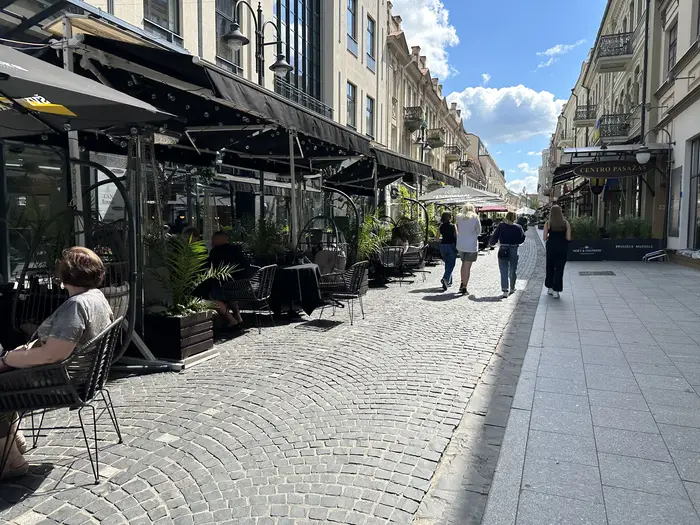
Best Cafés in Vilnius
The best cafés in Vilnius — specialty-coffee roasters, classic all-day cafés, work-friendly spots, design-forward rooms, rainy-day breaks and café routes by neighbourhood.
Read guide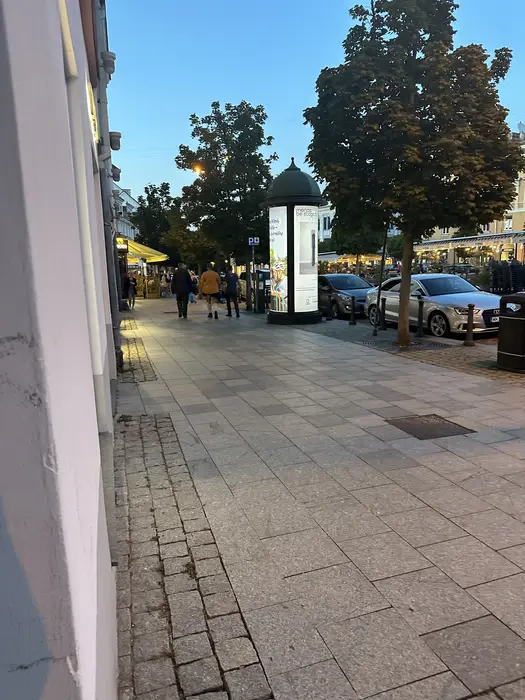
Self-Guided Vilnius Old Town Walk
A step-by-step self-guided walking route through Vilnius Old Town — from the Gates of Dawn through the Town Hall, Pilies Street, the university and Cathedral Square to Užupis.
Read guide