
Museum of Occupations and Freedom Fights (KGB Museum)
Set in the former KGB headquarters and prison, this sobering museum tells the story of Lithuania's 20th-century occupations and resistance — including the preserved cells in the basement.
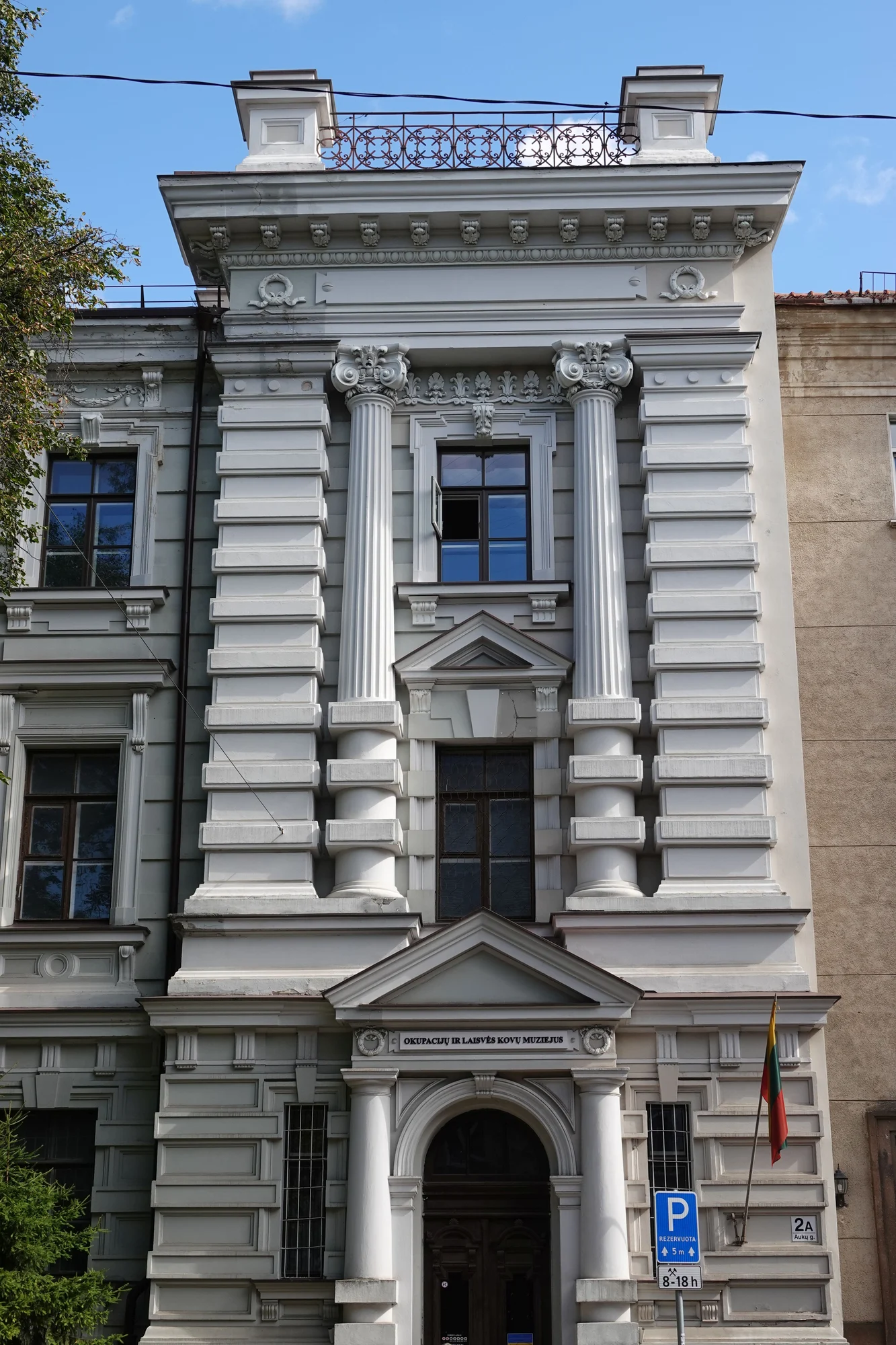
- ✓Housed in the former Gestapo and KGB headquarters on a central Vilnius boulevard
- ✓Walk through the authentic KGB prison in the basement — cells, interrogation and execution rooms
- ✓Exhibits on the Soviet and Nazi occupations and the Lithuanian partisan resistance
- ✓An emotionally heavy, text-rich visit — widely considered essential for Baltic history
- ✓Outside, the building's stone walls are carved with the names of victims
What you're visiting
The Museum of Occupations and Freedom Fights — still widely known as the KGB Museum — occupies the building that served as the headquarters of the Gestapo and then, for decades, the Soviet KGB. It is one of the most important historical sites in Vilnius, telling the story of Lithuania's Soviet and Nazi occupations, the mass deportations to the Gulag, and the armed partisan resistance that continued into the 1950s. The upper-floor exhibitions are detailed and document-heavy, so allow time to read.
The most powerful part is the basement: the preserved KGB prison, where you walk through cramped cells, padded and water-torture rooms, and an execution chamber left largely as it was. It is a chilling, unforgettable experience and not one for very young children. Please treat the whole building as the memorial it is — many people were imprisoned and killed here.
- Address: Aukų g. 2A, Vilnius (corner of Gedimino prospektas)
- Highlight: the authentic former KGB prison in the basement
- Tone: sombre and intense; not recommended for small children
- Allow: around 1.5–2 hours; the upper floors are text-heavy
- Run by the state Genocide and Resistance Research Centre of Lithuania
Good to know
Recent opening hours are Wednesday to Saturday 10:00–18:00 and Sunday 10:00–17:00, with the museum closed on Mondays and Tuesdays. Contrary to some older listings, regular admission is ticketed rather than free; entry is free on certain national days of remembrance (such as 13 January and 14 June) and for Vilnius Pass holders and other concession groups. Because hours, prices and free-entry days can change, check the official website before you visit.
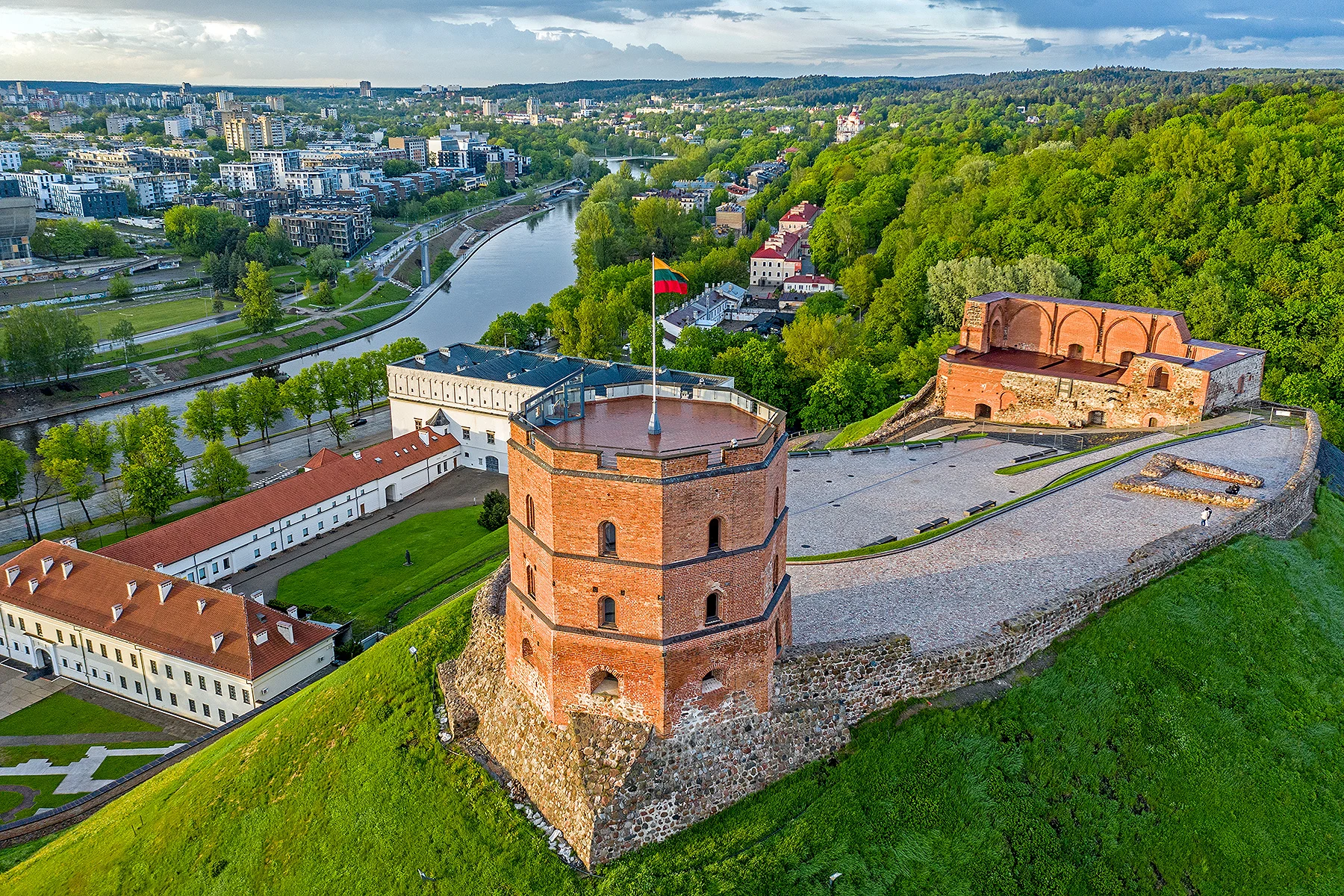
It is the anchor site for understanding Soviet-era Vilnius and pairs well with other independence and resistance landmarks across the city.
More of the city's museums.
Best things to do in VilniusWhere this stop fits among the highlights.
Senamiestis (Old Town)The central district it borders.
Map pins
Map data © OpenStreetMap contributors · Tiles © OpenFreeMap
Related guides
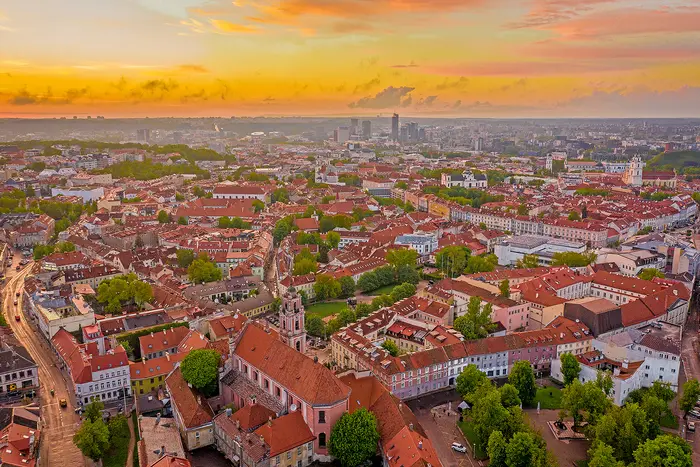
Things to Do in Vilnius
The complete guide to things to do in Vilnius — culture and creativity, nature and outdoors, saunas and markets, family days out, and easy escapes beyond the city. Adventures, rituals and slow moments to pencil in.
Read guide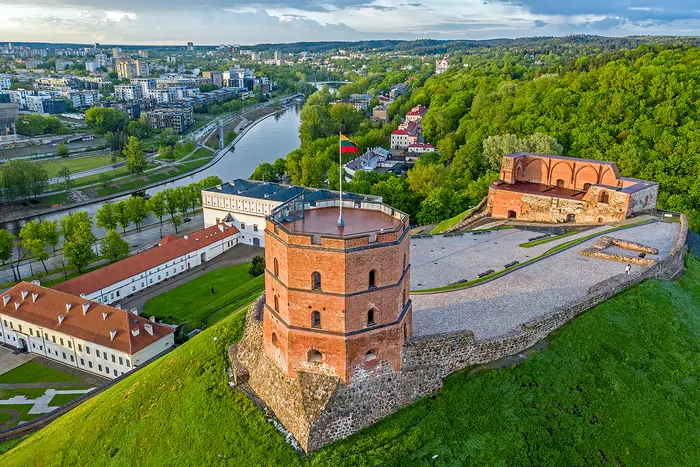
Best Things to Do in Vilnius
A first-trip shortlist of the best things to do in Vilnius — from Gediminas' Tower and the UNESCO Old Town to Užupis, the MO Museum, food halls and Trakai.
Read guide
Old Town (Senamiestis): Neighborhood & Where to Stay Guide
The complete guide to staying in Vilnius's Old Town: the UNESCO-listed historic core, what it's like to be based here, the trade-offs of cobbles and crowds, and how to choose your corner of Senamiestis.
Read guide