
Kibinai in Vilnius & Trakai: The Karaim Pastries
What kibinai are, why Trakai matters, and where to eat the Karaim meat pastries — in Vilnius or as part of a Trakai castle-and-lakes day trip.
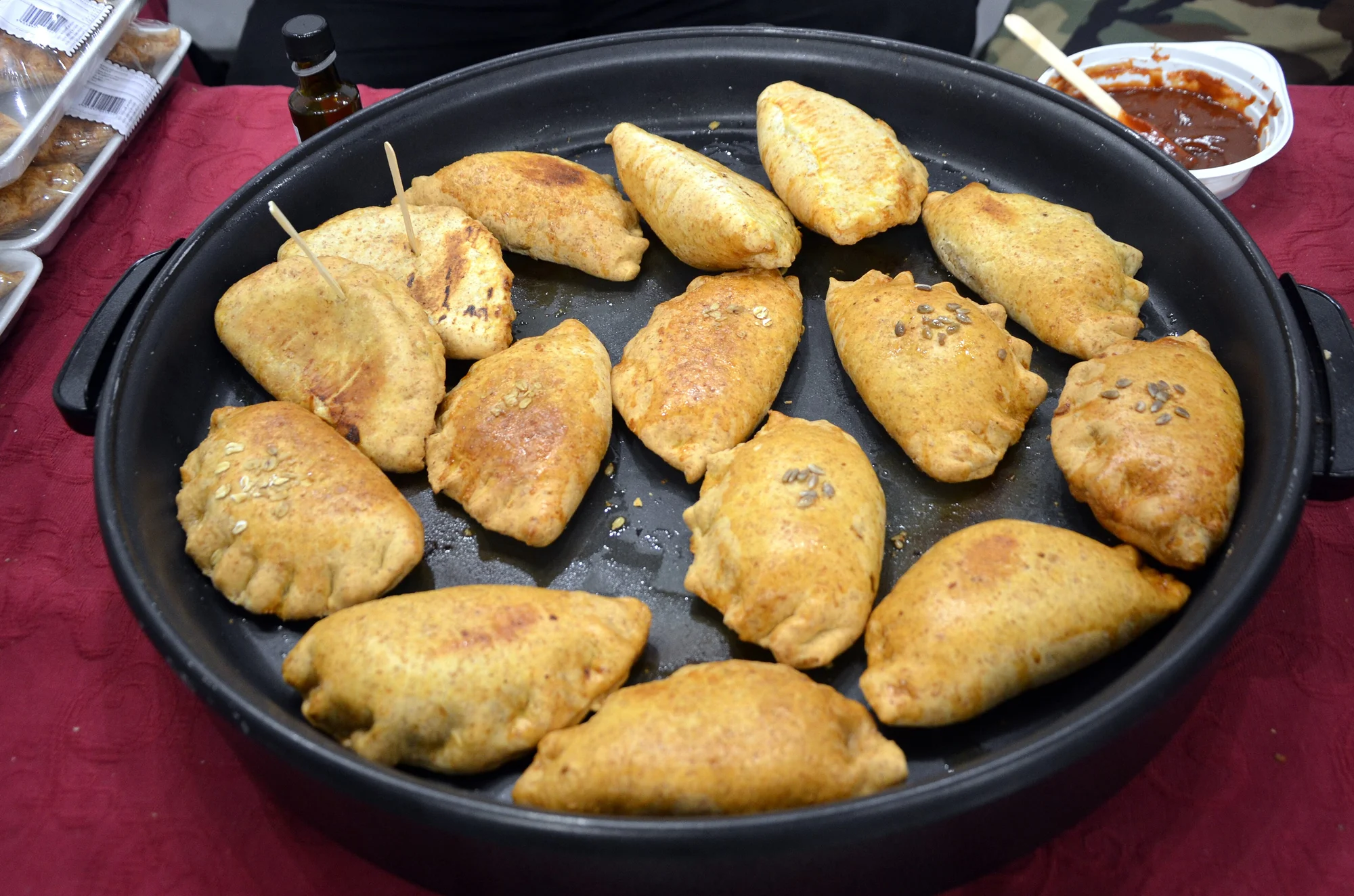
- ✓Kibinai (kybynlar in Karaim) are crescent-shaped baked pastries filled with seasoned chopped mutton, beef, chicken or vegetarian fillings.
- ✓They were brought to Lithuania by the Karaim, a small Turkic community whose cultural centre is lakeside Trakai.
- ✓Eating them hot in Trakai — paired with a clear broth — is the classic experience, and pairs perfectly with the castle.
- ✓You can also find kibinai in Vilnius bakeries and cafés if you're not making the day trip.
- ✓Trakai is an easy 30-minute train or ~45-minute bus ride from Vilnius, making the kibinai pilgrimage simple.
What kibinai are
<!-- IMAGE SLOT: freshly baked golden crescent-shaped kibinai pastries on a plate, served with a cup of clear broth, Trakai Karaim restaurant -->
Kibinai are baked pastries shaped like fat crescents or half-moons, with a crimped edge and a glossy, golden shell. Inside is a savoury filling — traditionally chopped (not minced) mutton seasoned with onion, though beef, chicken, and vegetarian fillings like curd cheese, mushroom or spinach are now common too. Eaten hot from the oven, they're juicy inside and flaky outside, and they're traditionally served with a small cup of clear meat broth to sip alongside.
The name in the Karaim language is kybynlar. They came to Lithuania with the Karaim, a small Turkic-speaking community whose ancestors settled here in the late 14th century, invited by Grand Duke Vytautas. The community has always been tiny — today only a couple of hundred Karaim remain in Lithuania, with their cultural heart in Trakai — but their signature pastry has become a beloved national snack, sold all over the country. It's the perfect hand-held food: filling, portable and satisfying.
Part of what makes kibinai special is how well they've travelled from a niche minority cuisine into the Lithuanian mainstream without losing their identity. They sit at an interesting culinary crossroads — Turkic in origin, baked in a Baltic country, related to the broader family of stuffed pastries you find from the Caucasus to Central Asia (think of them as cousins of the Tatar and Crimean variants). Eating one is a small, tasty history lesson in the multicultural make-up of the old Grand Duchy of Lithuania.
Fillings, sizes and how to eat them
The traditional kibinas is filled with chopped (not minced) mutton seasoned simply with onion — the slight chew of hand-chopped meat is part of the character, distinguishing it from a smooth meat-pie filling. That said, modern bakeries and restaurants now offer a wide range: beef, chicken, pork, and plenty of vegetarian options like curd cheese, spinach, mushroom or even sweet versions with apple or curd. There's no wrong choice, though purists will steer you toward the classic mutton at least once.
Sizes vary. The standard kibinas is a generous palm-sized crescent — one or two make a snack, three or four make a light meal. Some places also sell mini versions, ideal for tasting several fillings in one sitting. They're best eaten hot and fresh from the oven, when the pastry is flaky and the filling juicy; a kibinas that's been sitting under a heat lamp for hours is a sadder thing, so buy from somewhere with steady turnover. The traditional accompaniment is a small cup of clear meat broth, sipped alongside, which makes the snack feel like a proper little meal.
Because they're portable, cheap and filling, kibinai are perfect travel food. Pick some up to eat by the lake in Trakai, take a couple on the train back to Vilnius, or grab one as a between-sights snack in the city. They reheat reasonably well, but nothing beats the first bite of one straight from the oven.
- Classic filling: chopped (not minced) mutton with onion — try it at least once.
- Also common: beef, chicken, curd cheese, spinach, mushroom and sweet versions.
- Eat them hot and fresh; the traditional partner is a cup of clear broth.
- One or two make a snack; three or four make a light meal.
Curd-cheese and vegetable kibinai, and other meat-free Lithuanian options.
Budget Eats in VilniusCheap, filling snacks — kibinai very much included.
Map pins
Map data © OpenStreetMap contributors · Tiles © OpenFreeMap
Why Trakai matters
To eat kibinai at the source, go to Trakai — the lakeside town 28 km west of Vilnius where the Karaim community settled and where the pastries have been baked for generations. The wooden Karaim houses along the main street, many with their distinctive three windows facing the road, still include family-run restaurants whose kibinai recipes go back decades; one long-running Karaim restaurant in the town has been serving them since 1969. Eating a hot kibinas here, beside the island castle on the lake, is one of the most atmospheric food experiences in Lithuania.
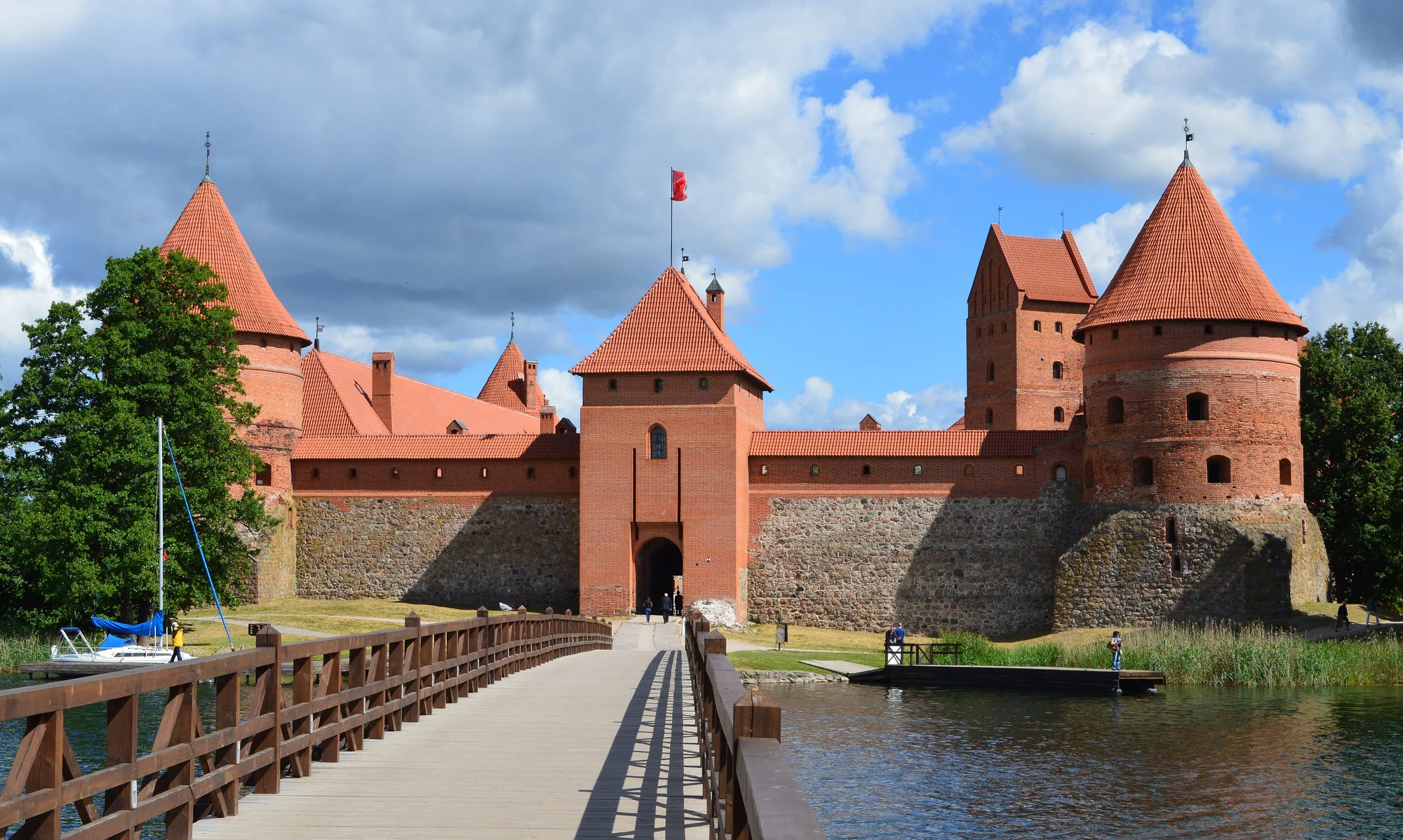
The practical case for doing kibinai in Trakai is strong because the town is such an easy and rewarding day trip. The headline sight is Trakai Island Castle, a storybook red-brick fortress on its own island in Lake Galvė, reached by a footbridge; around it are lakes for swimming and boating in summer and a string of Karaim restaurants for lunch. A castle visit and a kibinai lunch fit together perfectly, making Trakai the obvious half- or full-day escape from the city.
- Trakai's main street is lined with traditional Karaim wooden houses and restaurants.
- Pair kibinai with a visit to Trakai Island Castle on Lake Galvė.
- Eat them hot, fresh from the oven, with a cup of broth — that's the local way.
How to get to Trakai (and where to eat in Vilnius instead)
Getting to Trakai is straightforward. Trains from Vilnius take roughly 30 minutes and are cheap — fares start from under €2 — running several times a day, though there's a long midday gap to plan around; note that the train also stops at Senieji Trakai (Old Trakai) a few minutes before the main town. Buses run more frequently, roughly hourly, take about 45 minutes, and cost a couple of euros each way. Either way it's an inexpensive, low-hassle trip; check the current LTG Link (train) or Autobusų Stotis (bus) timetables before you go, as schedules change seasonally.
If you're not making the day trip, you can still eat kibinai in Vilnius. Several Karaim-style cafés, bakeries and traditional restaurants in the city bake them daily, and they turn up at markets and food halls too — a quick, cheap snack you can grab between sights. They won't have the lakeside-castle backdrop, but a fresh, hot kibinas in the Old Town is still a genuine taste of Karaim cooking. For the full experience, though, the short trip to Trakai is well worth it.
However you eat them, kibinai are best fresh and hot, so buy them from somewhere with steady turnover rather than a tray that's been sitting out. One or two make a snack; three or four make a light meal. Paired with the castle, they're one of the most memorable, distinctive things you can eat near Vilnius.
Related guides
Trakai Day Trip
A complete Trakai day trip from Vilnius: how to get there, the island castle, Karaim kibinai, lake boating and a relaxed plan that doesn't feel rushed.
Read guide
Traditional Lithuanian Food in Vilnius
What to eat in Vilnius, from cepelinai and šaltibarščiai to kibinai, dark rye bread, smoked fish, honey cake and beer snacks — and the best places to try each.
Read guideTrakai Island Castle: A Day Trip from Vilnius
How to visit Trakai Island Castle from Vilnius: tickets, opening hours, the bridge approach, the museum route, lake views, kibinai, and how to pace the whole island day.
Read guide