
Bike Rental & Cycling in Vilnius
How to rent a bike and where to ride in Vilnius: the city bike-share, rental shops, the riverside and park routes worth pedalling, where the bike lanes go, e-scooter cautions and when riding beats walking.
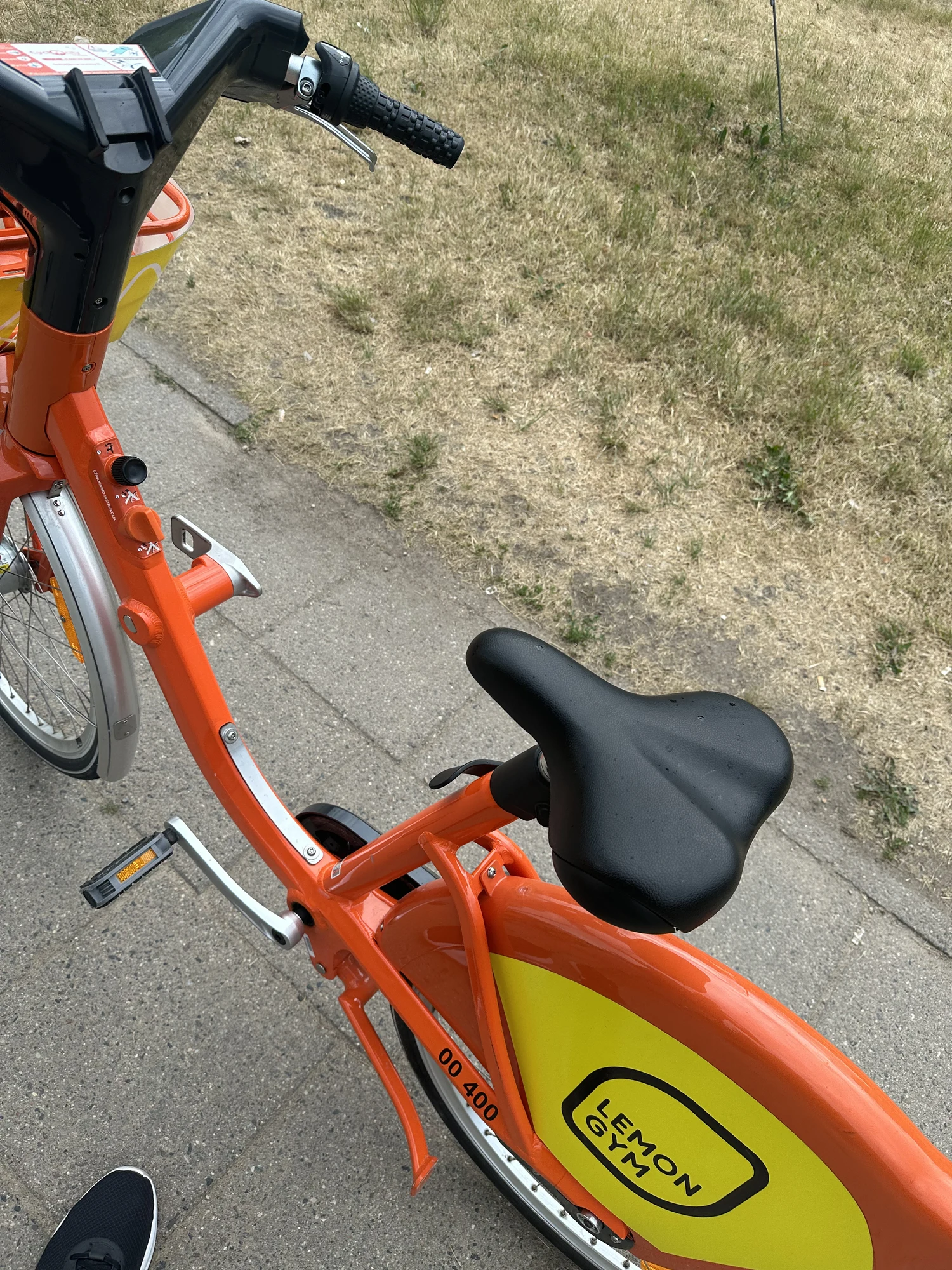
- ✓Vilnius is a genuinely bike-friendly capital, with a riverside path and leafy parks that are far more fun on two wheels than on foot.
- ✓A seasonal city bike-share covers the centre in the warmer months; rental shops add proper city, e-bike and touring options year-round.
- ✓Skip the cobbled, crowded Old Town for cycling — the real riding is along the Neris and out to Vingis Park and the green edges of the city.
- ✓Dedicated bike lanes link the centre to the parks, and shared bikes and e-scooters use the same network — ride predictably and watch pedestrians.
- ✓Cycling is the smart way to reach the spread-out riverside neighbourhoods and parks that are a slog to walk and over-served by buses.
Why cycle in Vilnius
Vilnius is one of those cities that quietly rewards anyone on two wheels. It's compact and green, threaded by the Neris river with a long, mostly flat path along its banks, and ringed by parks that are a pleasure to roll through. Where walking the centre is lovely, walking out to the riverside parks or the further neighbourhoods can be a slog — and that's exactly where a bike turns dead time into the best hour of your day. You cover ground a pedestrian can't, without the stop-start of waiting for a bus.
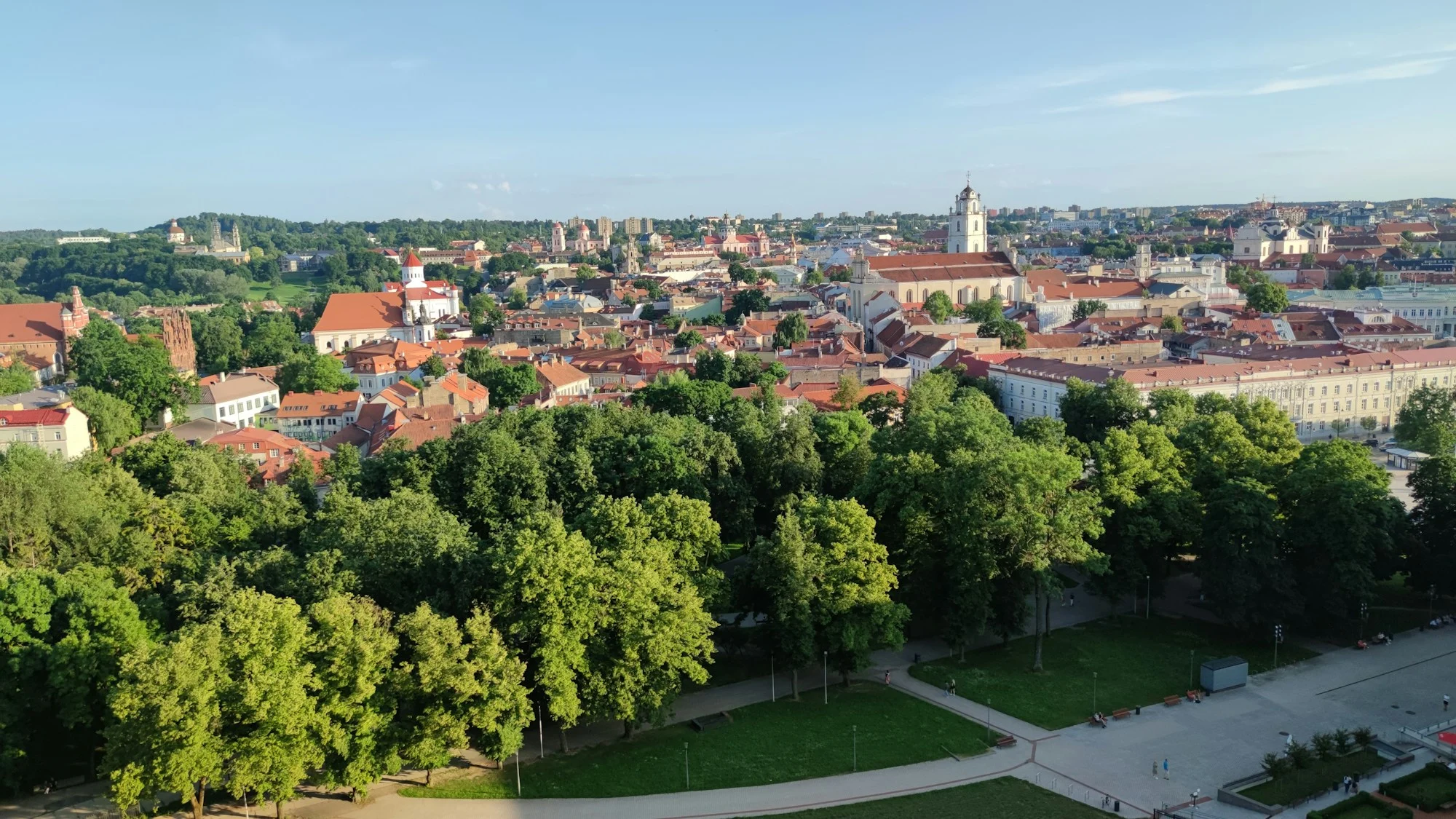
The city has invested steadily in cycling, so you'll find dedicated lanes and shared paths connecting the centre to the parks and river, rather than having to fight traffic. It's not Amsterdam — some links are better than others and the Old Town's cobbles and crowds make it a place to wheel slowly rather than cruise — but for leisure riding along the water and through the green spaces, Vilnius is genuinely good. On a warm day it's arguably the nicest way to see the softer, more local side of the city.
Cycling also pairs neatly with the way Vilnius spreads out. The leafy riverside districts and the parks that locals actually use sit a little beyond comfortable walking distance from the Old Town, and a bike stitches them together into one easy outing. If you want to see the city beyond the postcard core — the version residents enjoy on a Sunday — a couple of hours in the saddle is the most efficient and enjoyable way to do it.
- Flat riverside path and green parks make for easy, scenic leisure riding.
- Dedicated lanes and shared paths link the centre to the river and parks.
- Bikes cover the spread-out riverside districts that are tiring to walk.
- Old Town cobbles and crowds: ride slowly there, save the speed for the river.
Renting a bike: the options
You have two broad routes to a bike here. The first is the city's public bike-share, which places docking stations around the central districts and lets you grab a bike with an app and ride point to point. It's designed for short hops and runs seasonally — roughly from spring through autumn, when the weather suits riding — so it's perfect for a spontaneous loop by the river but not something to rely on in the depths of winter. Registration is straightforward through the operator's app, with a free or very cheap first slot and modest charges after that; check the current tariff in the app before you ride.

The second route is a traditional rental shop or tour operator, of which Vilnius has several. These rent by the hour, day or longer, and give you a wider choice — proper city bikes, e-bikes for less effort, touring and gravel bikes if you fancy heading further out, plus child seats and helmets. They're the better bet if you want a bike for a full day, are riding out of the centre, or are visiting outside the bike-share's season. Some also run guided rides, which are a relaxed way to learn the routes and history at once.
For a typical visitor, the choice is simple: use the bike-share for casual, short central rides in season, and a rental shop for a planned half- or full-day, an e-bike, or any out-of-season riding. Whatever you choose, confirm the deposit, what's included (lock, lights, helmet), and the return arrangements before you set off, and treat any price you've seen online as a guide — operators adjust their tariffs over time.
- City bike-share: app-based, dock-to-dock, short hops, runs spring–autumn.
- Rental shops: hourly to multi-day, city/e-bikes/touring, helmets and child seats.
- E-bikes flatten the longer riverside and park rides if you want less effort.
- Check deposit, included kit (lock, lights) and return terms before you ride.
Compare bikes with the rest of the transport options.
Green Vilnius & ParksWhere to point the bike once you've rented it.
Map pins
Map data © OpenStreetMap contributors · Tiles © OpenFreeMap
Where to ride: the best routes
The headline ride is the Neris riverside. A long, mostly flat path follows the water through the city and out to Vingis Park, the big green lung on the western side, and it's the single best stretch for leisure cycling — scenic, traffic-free for long sections, and easy in either direction. It connects naturally to the parks and the calmer riverside neighbourhoods, so you can spin out for an hour, picnic in the park and roll back without ever touching heavy traffic. On a sunny day it's full of locals doing exactly that.
Beyond the river, the city's parks and the leafy districts that border them make rewarding pedalling. The green, villa-lined area across the river from the centre is a quiet, pretty grid that's a joy to potter around, and the larger parks give you shaded paths and space to breathe. For the more adventurous, marked routes head out toward the regional parks and lakes on the city's edge — better on an e-bike or a touring bike from a rental shop than on a share bike, and a lovely way to reach nature without a car.
The one place to take it easy is the historic core. The Old Town's cobblestones rattle, the lanes are narrow and busy with pedestrians, and it's simply more pleasant explored on foot. Use a bike to get to the edge of the centre, lock up, and walk the cobbled streets — then get back on to reach the river and parks. Treat the bike as your tool for the spread-out, green parts of Vilnius and your feet for the dense, historic ones, and you'll get the best of both.
- Neris riverside path to Vingis Park: the standout leisure ride, mostly flat and car-free.
- Riverside districts and big parks: quiet, leafy and easy to loop around.
- Marked routes head out to the regional parks and lakes — better by e-bike or touring bike.
- Old Town: lock up and walk; cobbles and crowds make it poor cycling.
Lanes, e-scooters and riding safely
Vilnius has a growing network of bike lanes and shared cycle-and-pedestrian paths, especially along the river and between the centre and the parks. They're well used and generally well signed, but coverage isn't uniform — a lane can appear and disappear — so be ready to mix dedicated paths with quiet streets and the occasional shared stretch. Ride predictably, signal your turns, and on shared paths give pedestrians plenty of room and slow right down when it's busy.
You'll be sharing those lanes with e-scooters, which are everywhere in Vilnius and use the same cycle infrastructure. They're a fun, app-based way to cover short distances, but they speed up the mix on the paths, so keep a steady line and don't be surprised by a faster scooter coming past. If you ride an e-scooter yourself, stick to the cycle paths rather than the road or the pavement, park it considerately out of pedestrians' way, and watch your speed near crowds — the city has been tightening the rules around scooter use and parking.
A few habits make any ride safer here: use lights after dark (winter dusk comes early), lock the bike properly when you stop, and keep an eye out at junctions where drivers may not expect a cyclist. Helmets aren't always provided by share systems, so bring or request one if you want the protection. None of this is onerous — Vilnius is a relaxed, low-traffic city to cycle in — but a little predictability and courtesy keeps the shared paths working for everyone.
- Bike lanes and shared paths are growing but patchy — be ready to mix surfaces.
- You'll share the network with e-scooters: hold a steady line and expect faster passes.
- If you ride an e-scooter, stay on cycle paths, park considerately and watch your speed.
- Use lights after dark, lock up properly, and take care at junctions.
Related guides
Green Vilnius: Parks & Nature
Vilnius's parks, river paths, hill walks and nature escapes: Bernardine Garden, Vingis Park, the manor parks, the Sapieginė forest trail, and the Verkiai, Pavilniai and Green Lakes nature just outside the city.
Read guide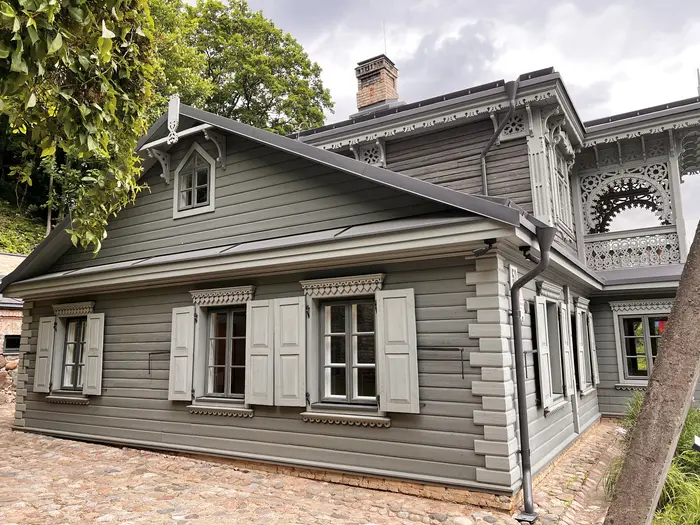
Žvėrynas: Vilnius's Green Wooden-Villa District
A guide to Žvėrynas, one of Vilnius's greenest and most prestigious districts: protected 19th-century wooden villas, embassies, the Neris riverbank, direct access to Vingis Park, and a calm residential pace minutes from the center.
Read guide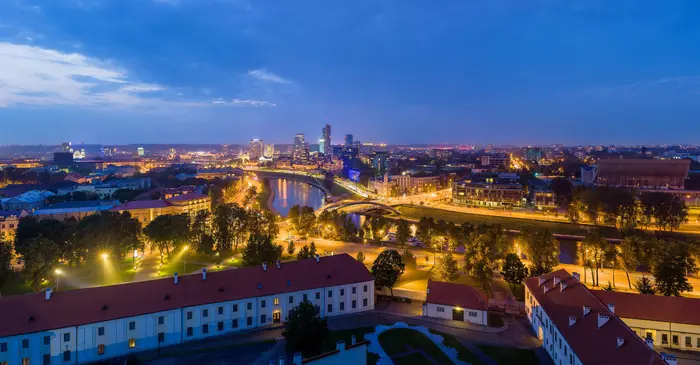
Getting Around Vilnius
How to get around Vilnius: walking the compact Old Town, JUDU buses and trolleybuses, taxis and Bolt, bikes and e-scooters, parking, and when not to bother renting a car.
Read guide