
Žvėrynas: Vilnius's Green Wooden-Villa District
A guide to Žvėrynas, one of Vilnius's greenest and most prestigious districts: protected 19th-century wooden villas, embassies, the Neris riverbank, direct access to Vingis Park, and a calm residential pace minutes from the center.
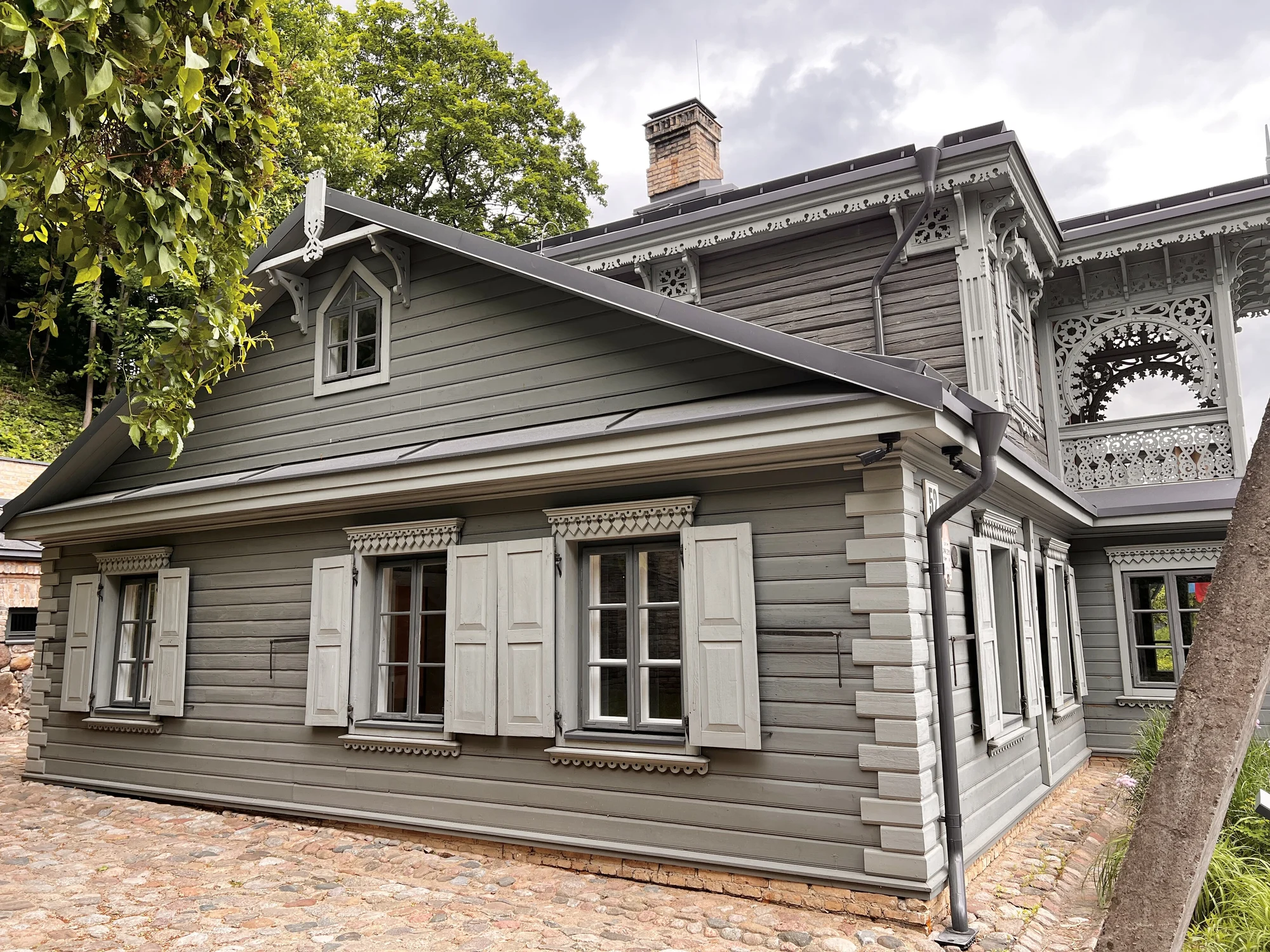
- ✓Žvėrynas is one of Vilnius's greenest and most prestigious districts, across the river from the center.
- ✓It's a protected heritage area of charming historic wooden villas set among modern apartments and embassies.
- ✓A pedestrian bridge gives direct access to Vingis Park, the city's largest park.
- ✓Quiet, leafy and family-friendly, with running and cycling paths along the Neris.
- ✓Still very close to the center, with several trolleybus lines connecting it in minutes.
Wooden villas, embassies and a suburban calm
Cross the bridge from the city center and you arrive in Žvėrynas, one of Vilnius's greenest and most prestigious districts. Set on a peninsula in a tight curve of the Neris, it has a tranquil, almost suburban feel that comes as a surprise so close to the Old Town. The streets are lined with trees, the pace is unhurried, and the housing mixes elegant old wooden villas with modern apartments and a notable concentration of embassies and diplomatic residences. The river loops around three sides of the district, giving it the slightly hidden, set-apart quality of a place you have to cross water to reach.
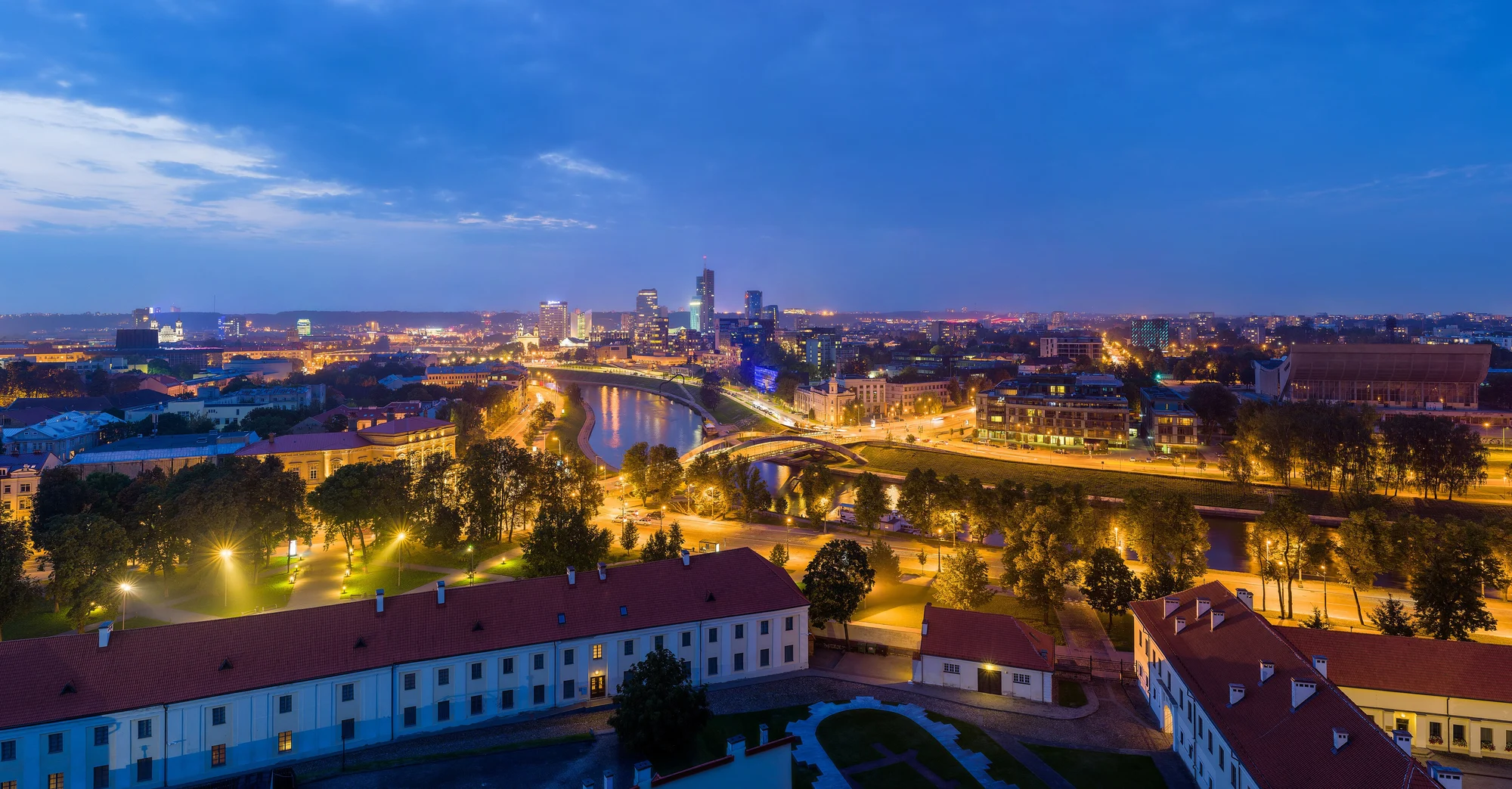
Those wooden houses are the district's signature. Žvėrynas is a protected heritage area preserving over a hundred unique wooden villas from the late 19th and early 20th centuries — ornate fretwork, carved porches, glassed-in verandas and individual, hand-built character unlike anything in the masonry Old Town. The neighborhood grew as a leafy garden suburb around the turn of the 20th century, and that origin still shows in its layout of generous plots and quiet, tree-shaded streets. Wandering the residential side streets to admire the villas is the main pleasure here; this is a neighborhood to stroll slowly and look closely rather than tick off headline sights.
The high concentration of embassies has long made Žvėrynas popular with diplomats and expats, which adds to its quiet, well-kept, slightly international character. The main thoroughfare, Kęstučio Street, carries shops, cafés and everyday services, while the side streets are purely residential — leafy, calm and very livable. There's a small but genuine local scene of neighborhood cafés and bakeries, the kind of places that serve residents rather than tourists, which is part of the appeal for travelers who want to feel the city's ordinary rhythm.
There's a quiet grandeur to the place that rewards a second look. The wooden villas aren't a uniform set piece — they range from modest single-storey cottages to substantial, decoratively carved houses with towers, verandas and ironwork, each one individual, the legacy of a time when this was where well-off Vilnius families built summer and family homes out among the trees. Newer apartment blocks and embassy buildings have slotted in among them over the decades, but the heritage protection has kept the older fabric largely intact, so the district still reads as a coherent, leafy garden suburb rather than a redeveloped one. That continuity — over a century of the same calm, green, residential character — is exactly why it has held its prestige.
- A protected heritage zone of 100+ historic wooden villas.
- Popular with diplomats and expats thanks to its many embassies.
- Kęstučio Street has shops and services; the side streets are residential.
- A coherent turn-of-the-century garden suburb, kept largely intact by heritage protection.
Vingis Park and the riverbank
Žvėrynas's greatest asset is its access to nature. A pedestrian bridge provides direct access to Vingis Park, the city's largest park and a hub for concerts, sports and relaxation — a vast loop of forest, lawns and paths wrapped in a bend of the Neris. For anyone who runs, cycles or just wants to walk under trees, this is one of the best green spaces in Vilnius, and Žvėrynas is the most convenient neighborhood from which to reach it. You can step from quiet residential streets straight into deep woodland in a matter of minutes.
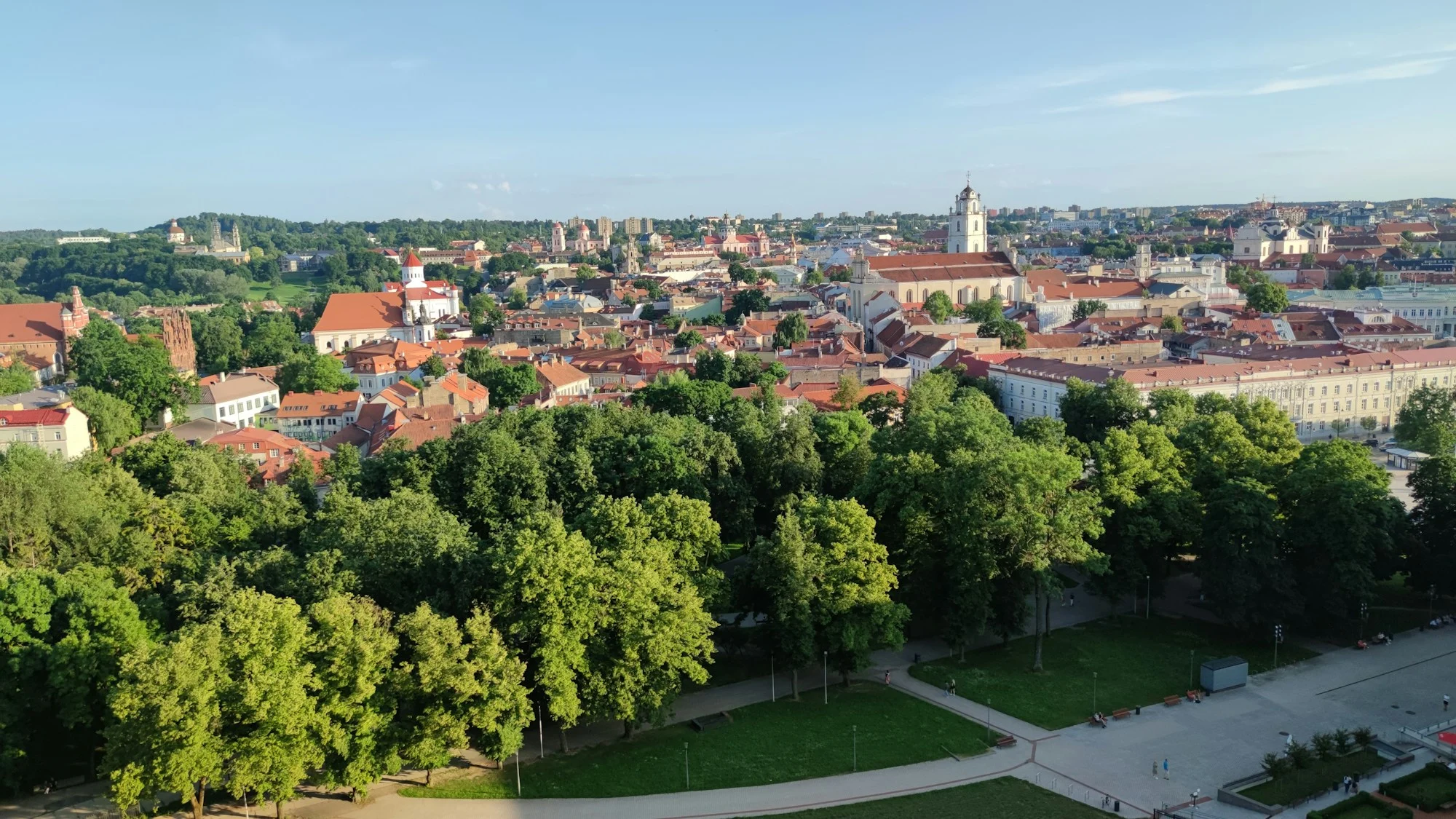
The district itself is very walkable and bike-friendly, with dedicated paths along the river. A natural day here combines the wooden-villa streets with a riverside walk or ride and a loop through Vingis, which makes Žvėrynas a strong choice for active travelers and families who want green space without leaving the city. The riverbank paths connect into Vilnius's wider cycling network, so it's also a good launch point for a longer ride along the Neris.
Because the park hosts open-air concerts, festivals and city events through the warmer months — it has long been one of Vilnius's main outdoor venues, with a large stage shell at its heart — it's worth checking what's on if you're nearby in summer. Even on an ordinary day, the forested paths, the observatory nearby and the riverside meadows make it a place to linger rather than pass through.
Vingis is big enough to absorb a whole afternoon and to feel different depending on which way you turn from the footbridge. Strike into the interior and you're quickly among tall pines on soft, shaded trails; keep to the river and you get open meadows, benches and long views along the water; head for the centre and you reach the grand open-air stage and the lawns that fill with people for the city's biggest outdoor concerts and the song festivals. It's a genuine forest in the middle of a capital, large enough that even on a busy summer day you can find a quiet corner — which is precisely what makes Žvėrynas's doorstep access to it so valuable.
The city's largest park — forest trails, the open-air stage and riverside meadows beside Žvėrynas.
Green Vilnius ParksVingis, riverside paths and the city's best green spaces for nature breaks.
Map pins
Map data © OpenStreetMap contributors · Tiles © OpenFreeMap
A slow half-day in Žvėrynas
Žvėrynas isn't a tick-list neighborhood, so the best way to experience it is to give it an unhurried half-day rather than a checklist. A natural route starts by crossing one of the bridges from the center — the district is ringed by them — and dropping straight onto the residential streets to hunt for the wooden villas. Don't aim for any particular address; the pleasure is in turning down quiet lanes and finding carved porches and faded paintwork between the newer houses, with the occasional embassy flag breaking the calm.
From there, work your way toward the river. The embankment paths are made for walking and cycling, and they lead naturally to the pedestrian bridge into Vingis Park, where you can extend the walk into the forest for as long as you like. Loop back through Kęstučio Street for a coffee or a bakery stop, and you've seen the essence of the district: green, quiet, residential and a little grand. It's the kind of route that feels restorative rather than busy — a deliberate change of gear from the Old Town.
For photographers, early morning and late afternoon light suits the wooden architecture and the river best. For families, the combination of safe residential streets and immediate park access is hard to beat, with plenty of room for children to run. And for couples, the calm of Žvėrynas after the bustle of the Old Town is exactly the contrast that makes it worth the short crossing.
If you'd like a slightly fuller loop, work the green link bridge into your route on purpose. Cross from the centre, wander the villa streets, then pick up the riverside path and follow it to the dedicated pedestrian-and-cycle bridge that drops you straight into Vingis — a satisfying way to string the district's two great pleasures, the wooden houses and the forest, into a single continuous walk without ever touching traffic. Reverse it on the way back, finishing with a coffee on Kęstučio Street, and you've had a half-day that feels far more like a countryside outing than a city one, all a few minutes from Cathedral Square.
- Cross a bridge, wander the villa streets, then follow the embankment to Vingis Park.
- Loop back via Kęstučio Street for a neighborhood coffee or bakery.
- Morning and golden-hour light suit the wooden houses and the river.
- Link the villa streets and the forest via the riverside path and the green pedestrian bridge.
Where to eat and drink in Žvėrynas
Žvėrynas is residential first and dining second, so set your expectations accordingly — and that's part of its charm. This isn't a restaurant district to plan an evening around; it's a neighbourhood of small, genuine local spots that serve the people who live here. The action, such as it is, gathers along Kęstučio Street and a few of the main routes, where you'll find neighbourhood cafés, bakeries and everyday eateries pitched at residents and embassy staff rather than tourists. A morning coffee and a fresh pastry after a loop of the villa streets is the quintessential Žvėrynas pleasure — calm, local, and a world away from the Old Town's terraces.
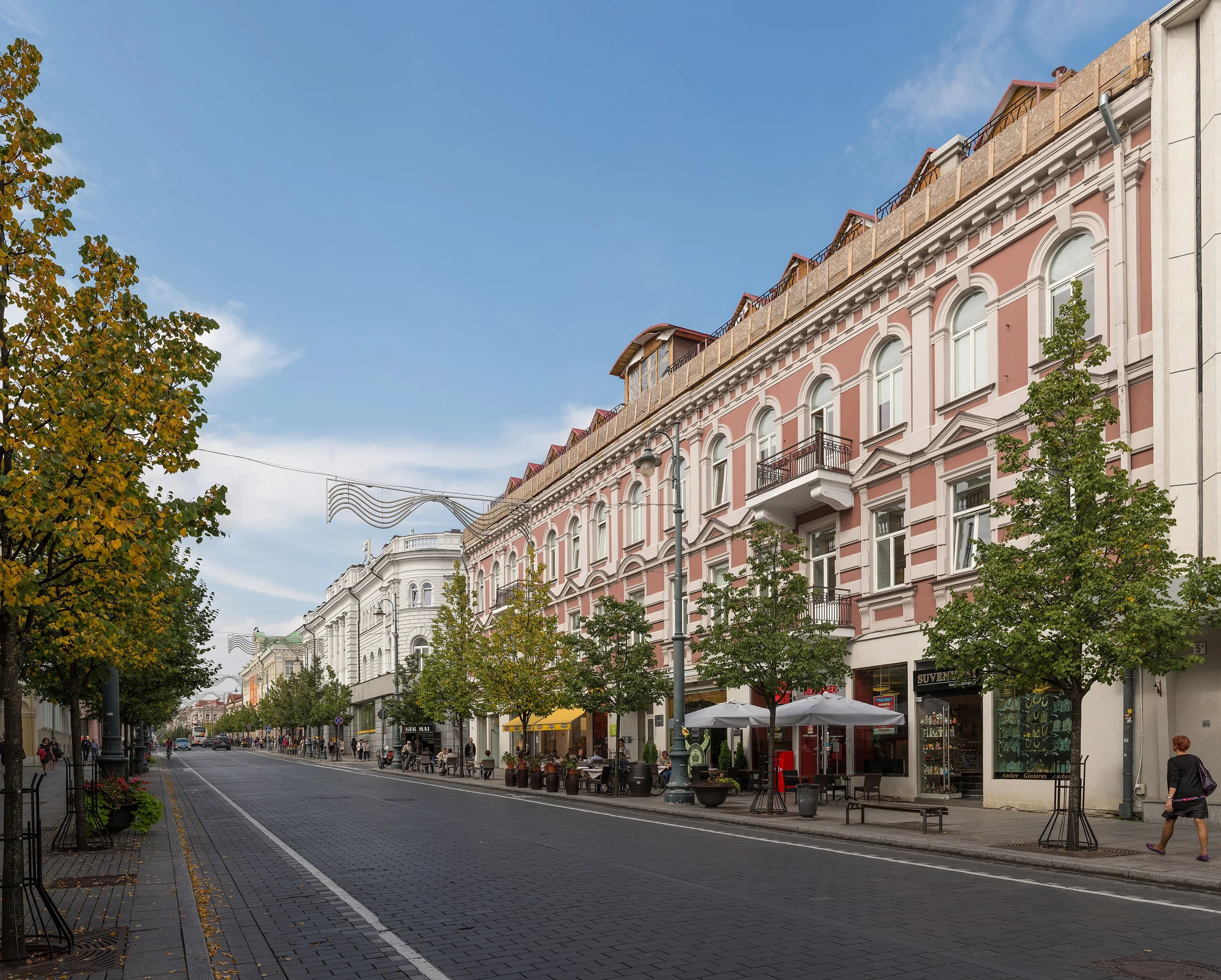
Because it's a leafy, family-friendly district with the park on the doorstep, it also lends itself to a picnic. Pick up supplies at a local bakery or one of the small shops, walk over to Vingis, and eat under the pines or beside the river — a free, easy, genuinely lovely lunch on a fine day. For self-caterers staying in the area, the everyday shops and services along Kęstučio Street cover the basics at local prices.
When you want a proper dinner with choice and atmosphere, you'll head back across the river: the city centre, the Old Town and the café-lined streets of nearby Naujamiestis are all only minutes away by foot, bike or trolleybus. That's the Žvėrynas bargain in a nutshell — wake up somewhere green and calm, eat breakfast like a local, and have the whole city's restaurant scene a short crossing away for the evening. The city's eating guides will point you to the best of it.
- Small neighbourhood cafés and bakeries along Kęstučio Street — local, not touristy.
- Perfect picnic territory: grab supplies and eat in Vingis Park or by the river.
- Everyday shops cover the basics for self-caterers staying in the area.
- For a full dinner out, the centre and Naujamiestis are minutes back across the river.
Where to pair a Žvėrynas wander with a coffee, in the area or just across the river.
Best Restaurants in VilniusWhere to head for dinner once you cross back from quiet, residential Žvėrynas.
Naujamiestis (New Town)The lively, café-lined creative district just across the river for a night out.
Getting there and who it suits
Žvėrynas is well-connected to the center by several trolleybus lines, and because it sits just across the river it's only minutes from the Old Town despite its peaceful, residential feel. That combination — green, quiet and very central — is its defining appeal, and it's why the district has held its prestige for over a century. You're never far from the city, but you always feel a step removed from it.
It suits travelers who want a calm, leafy base that's still close to everything: families who'll use the park's running and cycling paths, longer-stay visitors, remote workers, and anyone who prefers a residential neighborhood to a tourist one. It's also a pleasant area for apartment stays, with quiet nights and easy access to nature, and a sensible choice for return visitors who already know the Old Town and want a different texture of city this time.
For sightseeing you'll cross back to the center, but the trade-off is a restful retreat at the end of the day — and a district that shows a softer, more local side of Vilnius than the Old Town alone. Pair it with neighboring Vingis and the riverside, and Žvėrynas becomes the green half of a well-rounded Vilnius trip.
On getting around: the district is ringed by river crossings — road bridges and a dedicated pedestrian-and-cycle bridge into Vingis — so on foot or by bike it's genuinely just minutes from the centre, with the riverside paths offering an almost traffic-free route in. By public transport, several trolleybus lines run through and serve the district, putting Cathedral Square and the train station within easy reach without a car. There's no metro in Vilnius, so it's trolleybus, bus, bike, walking or a taxi/ride-hail — but in Žvėrynas, walking or cycling along the river is so pleasant that you may rarely bother with anything else.
- Several trolleybus lines connect Žvėrynas to the center in minutes.
- Best for families, active travelers, remote workers and longer or quieter stays.
- Calm residential nights with quick access to the river and Vingis Park.
- Ringed by bridges — walking or cycling along the river is often the nicest way in.
Good to know before you go
Žvėrynas rewards a relaxed, low-agenda visit. Because the appeal is atmosphere rather than ticketed sights, the best plan is simply to set aside a couple of unhurried hours, cross over from the centre, and let the wooden-villa streets and the river lead you. There's no entrance fee, no queue and no rush — which makes it a perfect counterpoint to a sightseeing-heavy day elsewhere in the city.
Getting there is easy on foot or by trolleybus; several lines serve the district and the river crossings put you minutes from the centre. Once inside, Žvėrynas is flat, leafy and very walkable, with the embankment paths ideal for both walking and cycling. If you've rented a bike, the riverside route through Žvėrynas and on to Vingis Park is one of the most pleasant easy rides in Vilnius.
Bear in mind it's primarily residential: shops and cafés cluster on Kęstučio Street and a few main routes, while the side streets are quiet and houses are private homes, so admire the architecture from the street rather than wandering into gardens. Visit for the calm, the wooden villas, the embassies' flags and the green — and treat the easy access to Vingis as the bonus that makes Žvėrynas one of the city's most livable corners.
A local's tip: go on a clear morning, bring a bike if you can, and make the river the spine of your visit. Cross over early when the light is low and gold on the wooden facades, take the embankment path rather than the streets, and ride or walk it all the way to the Vingis footbridge before the day warms up — you'll have the villas, the river and the forest paths almost to yourself, then loop back to Kęstučio Street just as the cafés are getting going. It's the single best way to understand why generations of Vilnius families and diplomats have chosen to live behind this curve of the Neris.
- No tickets or queues — a relaxed, low-agenda walking district.
- Reachable on foot or by trolleybus; flat and ideal for cycling along the river.
- Mostly residential — admire the villas from the street and keep it calm.
- Local tip: come early, take the riverside path, and ride to the Vingis footbridge before the day warms up.
Related guides
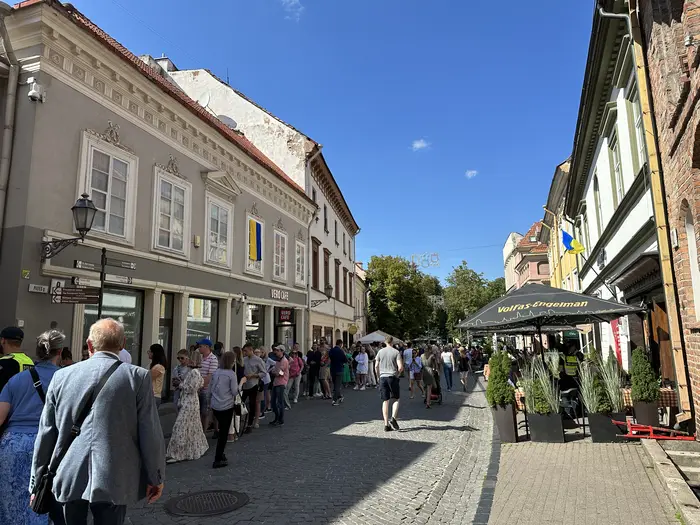
Local Vilnius: Beyond the Old Town
Where to find the real, lived-in Vilnius after the classic Old Town sights: the New Town's reborn factories, leafy Žvėrynas, Antakalnis, Paupys, riverside paths, markets and street art — and how to spend a second day like a local.
Read guide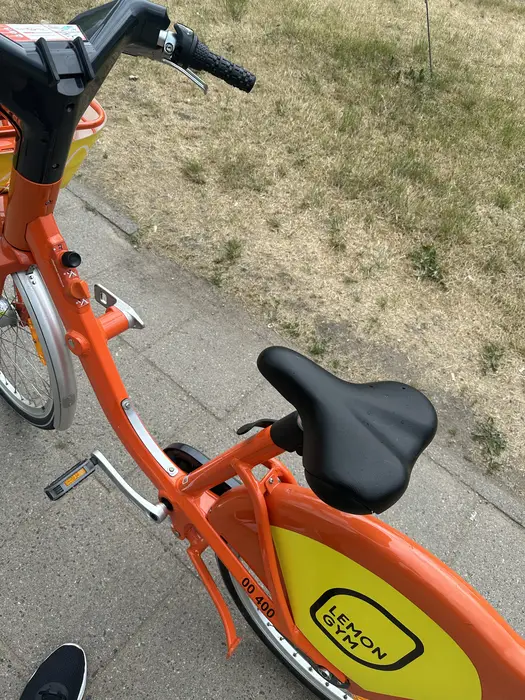
Bike Rental & Cycling in Vilnius
How to rent a bike and where to ride in Vilnius: the city bike-share, rental shops, the riverside and park routes worth pedalling, where the bike lanes go, e-scooter cautions and when riding beats walking.
Read guide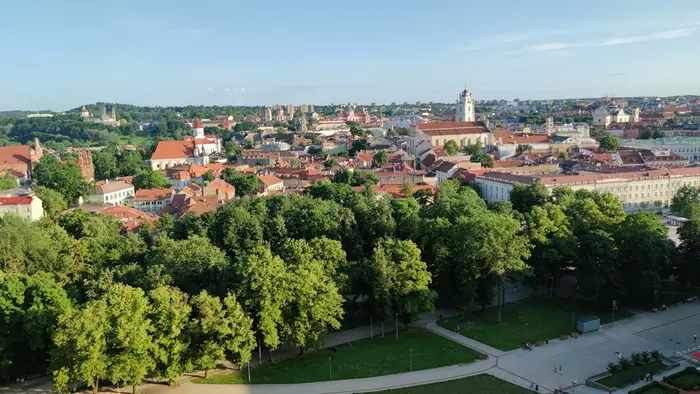
Vingis Park
Vilnius's largest park — a vast, forest-like green space in a bend of the Neris, with walking and cycling paths, open meadows and the iconic Song Festival stage.
Read guide