
Vilnius Bus Station Guide
Vilnius bus station basics: where it is, airport buses, departures to Trakai, Kaunas and Riga, ticketing, luggage, safety and the station-area food and walk into the Old Town.
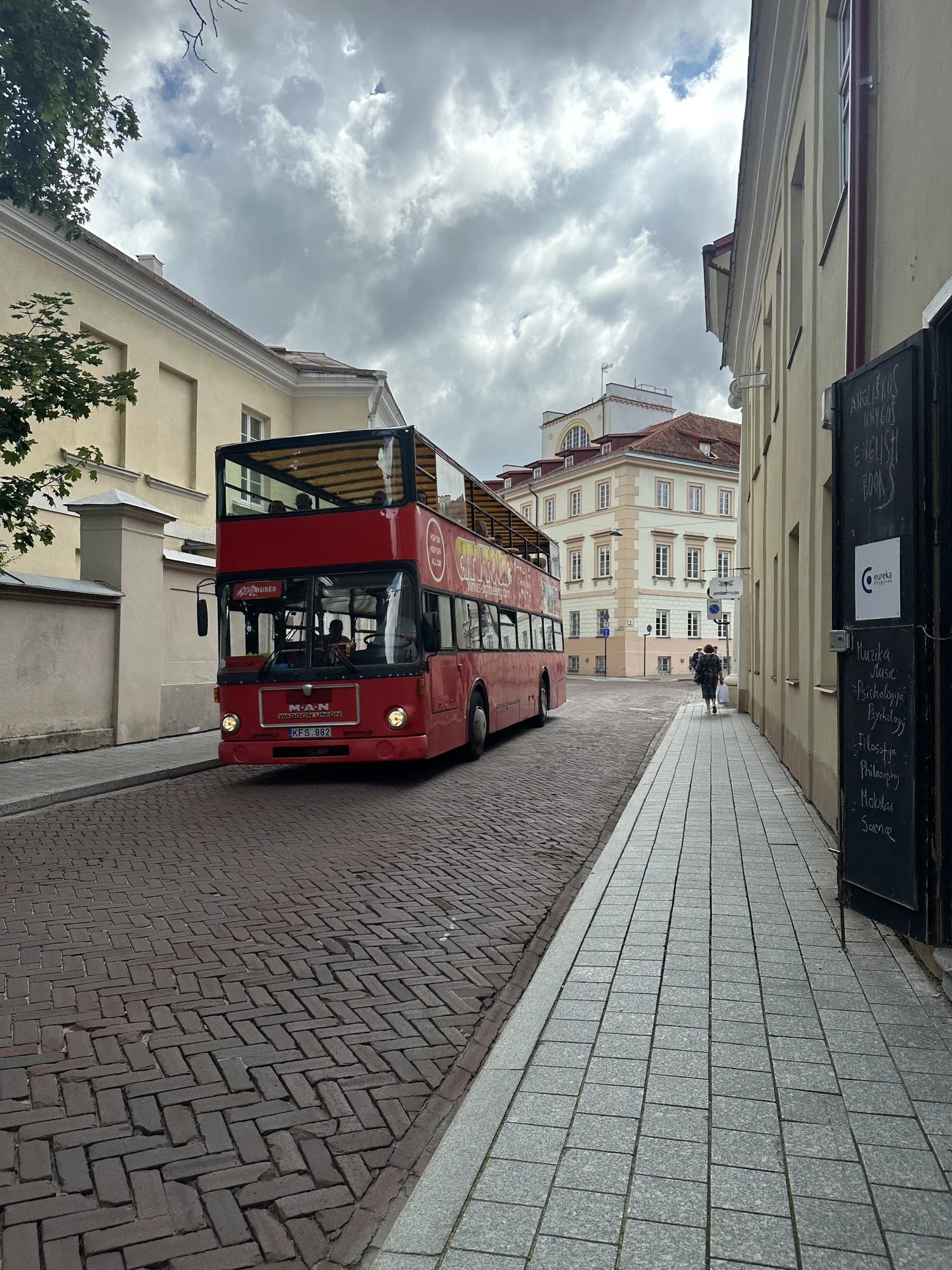
- ✓Vilnius's inter-city bus station (Autobusų stotis, Sodų g. 22) sits opposite the railway station, a short walk south of the Old Town.
- ✓It's the hub for long-distance coaches: Kautra runs frequent buses to Kaunas, while Lux Express, Ecolines and FlixBus head to Riga, Warsaw and beyond.
- ✓Buses are an easy, cheap way to reach Trakai and other regional towns, and they share the station square with the airport-bus stops.
- ✓Book online via operators or apps like Omio for international routes; for regional buses you can usually buy at the counter or on board.
- ✓As with any bus terminal it's busier and grittier than the Old Town — keep your bag close and stay aware after dark.
Where it is and how it works
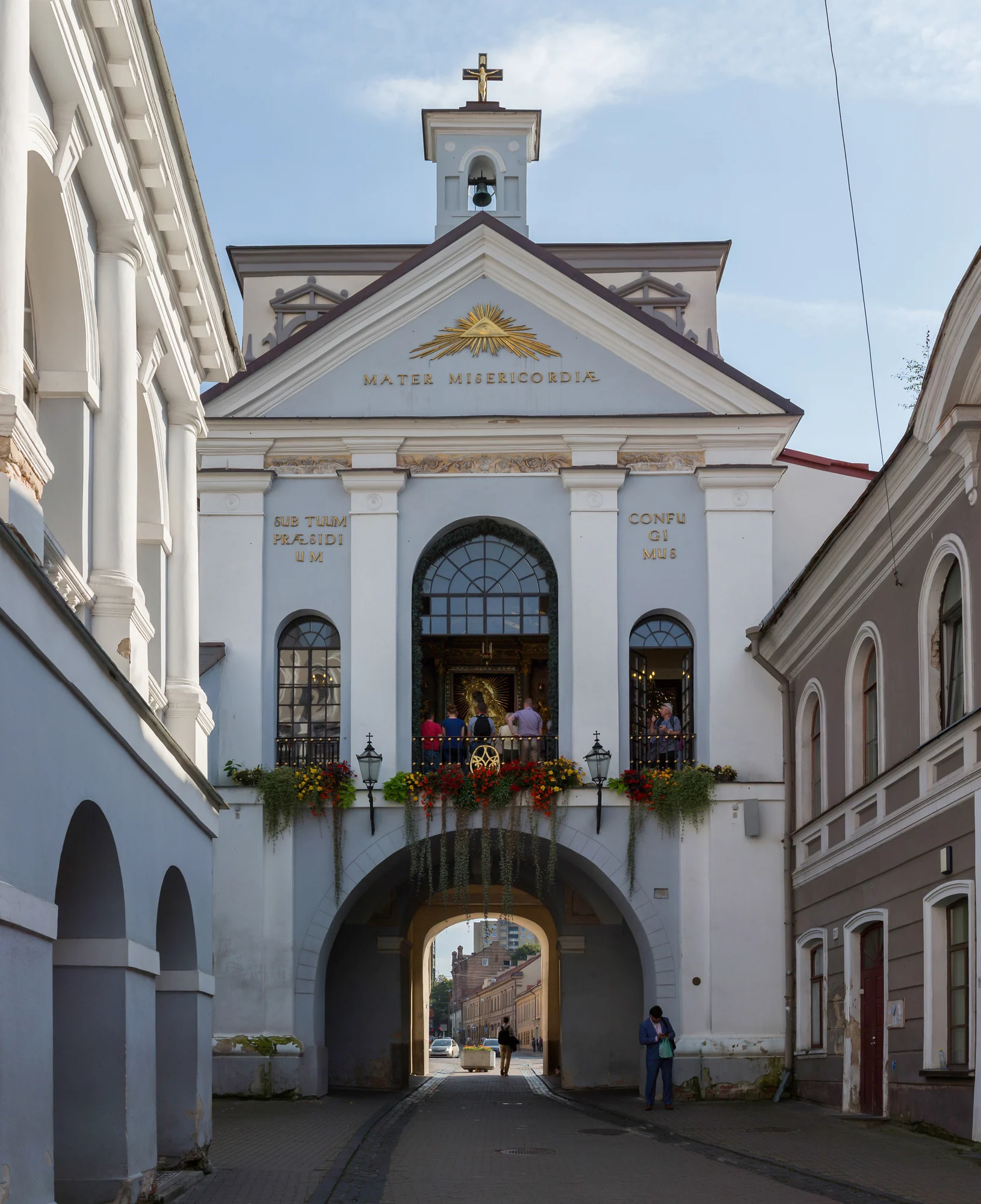
Vilnius's main inter-city bus station — Autobusų stotis, at Sodų gatvė 22 — sits directly opposite the central railway station on the southern edge of the centre. The two terminals share one transport square, so switching between a long-distance coach and a train (or the airport train) is a two-minute walk. From here it's roughly 10–15 minutes on foot up to the Gate of Dawn and into the Old Town, which means you can arrive by coach and walk straight to a central hotel without needing onward transport.
Inside, the station has ticket counters, self-service machines, departure boards, waiting areas, toilets, left-luggage facilities and a scatter of kiosks and cafés. Platforms are numbered, and departures for the busy routes are frequent, so it functions much like a small airport for buses: check your bay on the board, be there a few minutes early, and look for the operator's name and destination on the coach. It's a working hub rather than a sight — efficient, a little utilitarian, and perfectly easy to use even without Lithuanian.
Because the bus and railway stations share one square, arriving by coach feels much like arriving by train: walk a few minutes uphill and you're at the Gate of Dawn and into the Old Town, with no onward transport needed for a central hotel. If you're carrying heavy bags, a short Bolt or single JUDU bus bridges the gap to almost anywhere central in minutes, so even a tired late arrival is straightforward.
- Autobusų stotis, Sodų g. 22 — directly opposite the railway station.
- ~10–15 minutes' walk to the Gate of Dawn and Old Town.
- Ticket counters and machines, departure boards, toilets and left luggage on site.
- Numbered platforms; check the board for your bay and arrive a few minutes early.
Where the buses go: Trakai, Kaunas, Riga and the airport
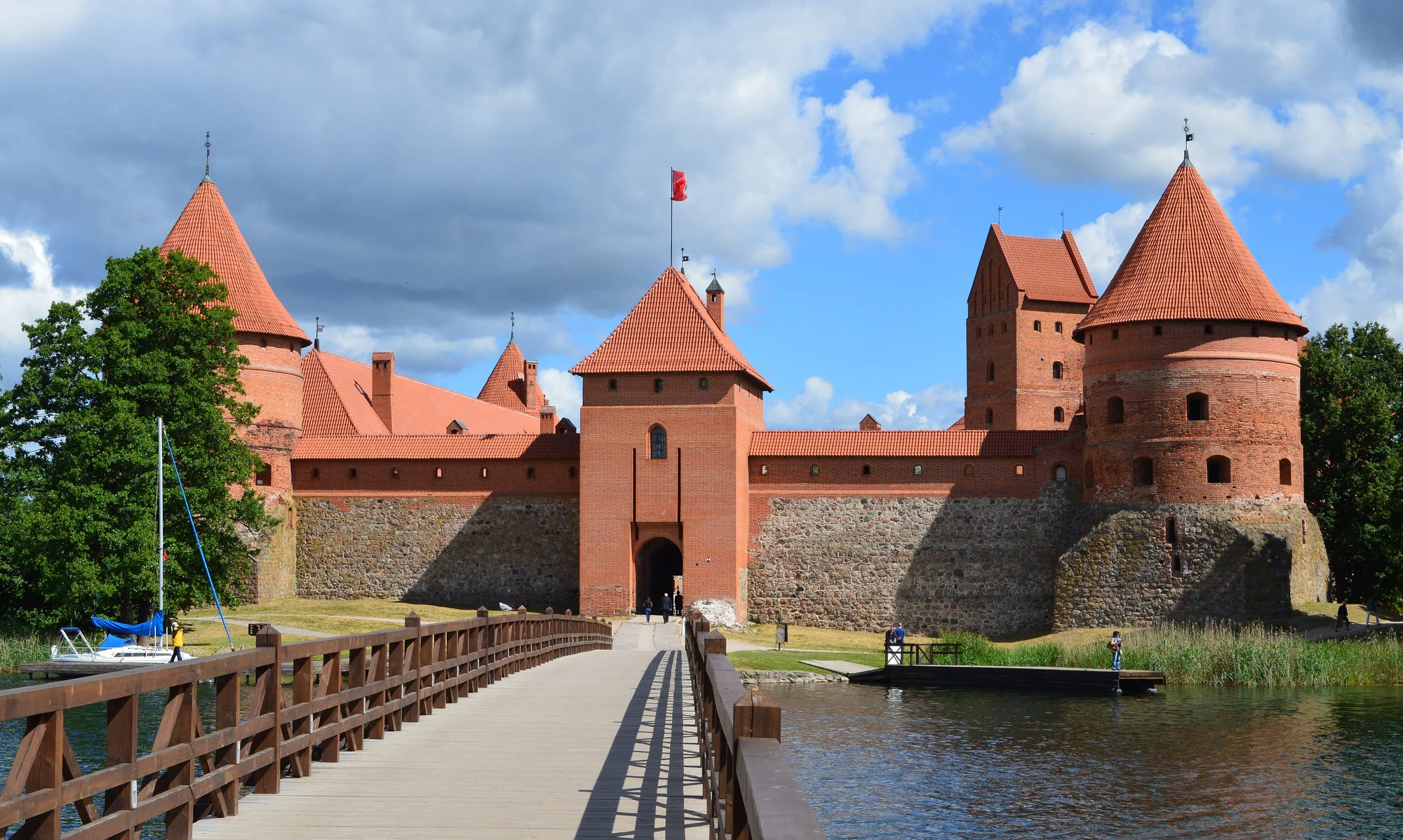
For day trips, the bus station is a strong alternative to the train. Frequent buses run to Trakai — handy if the train times don't suit — getting you to the lakeside castle town in around half an hour. Kaunas is served very frequently, with Kautra coaches departing roughly every half hour through the day, making Lithuania's second city an easy spontaneous outing. Both routes are inexpensive and need no advance booking; just turn up and buy.
For longer hauls, this is your international gateway by road. Lux Express, Ecolines, FlixBus and others run comfortable coaches north to Riga (and on to Tallinn), south toward Warsaw, and across the wider region, often with Wi-Fi and power sockets. The station square also handles airport-bus stops, so it ties into the VNO connection as well as the airport train across the road. For international and longer routes, book ahead online — via the operators directly or an aggregator like Omio — to lock in a seat and a better fare; regional buses you can generally pay for at the counter or to the driver.
- Trakai: frequent buses, ~30 minutes — a flexible alternative to the train.
- Kaunas: Kautra coaches roughly every 30 minutes through the day.
- Riga, Tallinn, Warsaw: Lux Express, Ecolines and FlixBus long-distance coaches.
- Airport-bus stops are on the same square; book international routes ahead online.
Airport buses, the train and Bolt compared.
Trakai Day TripThe island castle by bus or train from Vilnius.
Map pins
Map data © OpenStreetMap contributors · Tiles © OpenFreeMap
Tickets, luggage, food and safety
Buying is straightforward. For regional routes like Trakai and Kaunas you can purchase at the station counters, from machines, or directly from the driver; for international and popular long-distance coaches, book online through the operator's site or an app like Omio so you're guaranteed a seat. Keep your ticket (digital or paper) handy and note your platform number from the board. Large bags usually go in the hold underneath — some operators charge a small fee per item, so check when you book.
Practical bits: the station has left-luggage options for stashing bags between connections, plus kiosks and cafés for a coffee and a snack before departure, though you'll find far better food a short walk into the Old Town. On safety, treat it like any city bus terminal — it's busy, occasionally a little rough around the edges, and the wider station district draws some after-dark loitering, but serious trouble is rare in Vilnius. Keep your bag zipped and in sight, mind your pockets in the crowd around boarding, and you'll be fine. Arrive with a little time in hand rather than sprinting for a coach, check the board twice for your platform, and the whole process is calm and predictable — this is a well-run, easy terminal, not a place that demands stress.
- Regional tickets: buy at counters, machines or from the driver; book international routes online.
- Hold luggage may carry a small per-bag fee with some operators — check at booking.
- Left-luggage facilities, kiosks and cafés on site; better food uphill in the Old Town.
- Stay bag-aware in boarding crowds and after dark, as at any city bus station.
Bus or train? Choosing between the two stations
Because the bus and railway stations face each other across the same square, you often have a genuine choice between coach and train for the popular routes — and which wins depends on the trip. For Trakai, both work: the train drops you a walk or short ride from the castle, while buses can run more frequently and sometimes drop you closer to the lakeside, so check the timetables for whichever suits your hour. For Kaunas, the train is a comfortable, scenic ride of around an hour-plus, but Kautra's very frequent coaches (roughly every half hour) make the bus the more spontaneous option if you've just decided to go.
For international hops the bus often has the edge on price and directness — Lux Express, Ecolines and FlixBus run modern coaches to Riga, Tallinn and Warsaw, frequently with Wi-Fi and power, where rail connections can require changes. The general rule: for cheap, frequent regional day trips, take whichever of bus or train departs soonest; for longer international journeys, compare the coach against the train on time, price and comfort, and book the coach ahead online to secure a seat.
Having both terminals on one square is a real convenience — if you miss a train, a bus to the same destination may be leaving from across the road minutes later, and vice versa. It's worth a glance at both boards before you commit.
- Bus and train stations face each other — compare both boards before choosing.
- Trakai and Kaunas: take whichever departs soonest; buses are often more frequent.
- International routes (Riga, Tallinn, Warsaw): coaches are frequent, comfortable and often cheaper.
- Miss one mode and the other may be leaving from across the square minutes later.
Related guides
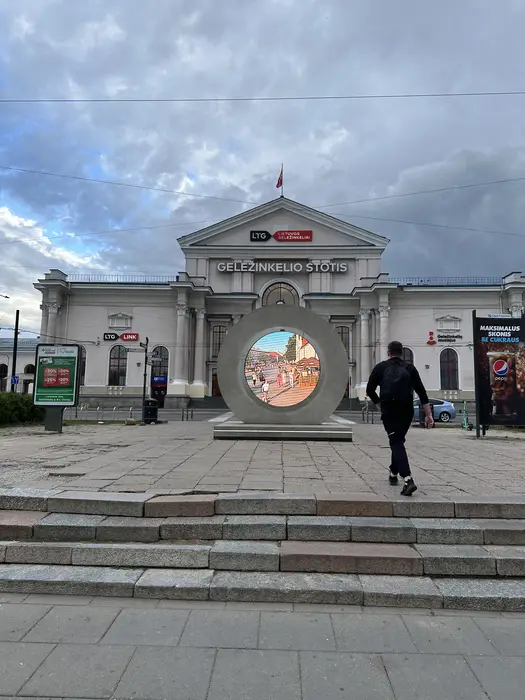
Stoties Rajonas: Vilnius Station District Guide
A guide to Stoties rajonas, Vilnius's edgy, fast-changing Station District: Hales Market, the train and bus stations, converted warehouses, street art, food halls and where it sits relative to the Old Town.
Read guide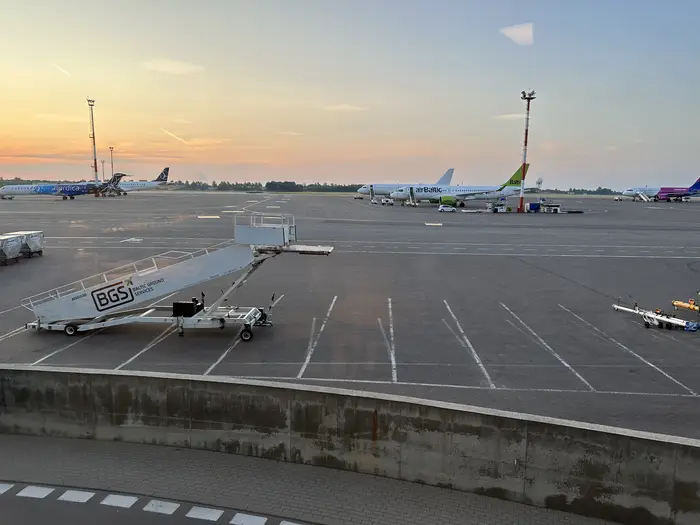
Vilnius Airport to City Center
How to get from Vilnius Airport (VNO) into the city and Old Town: the €0.70 airport train, airport buses, taxis and Bolt, with prices, times and which option suits you.
Read guide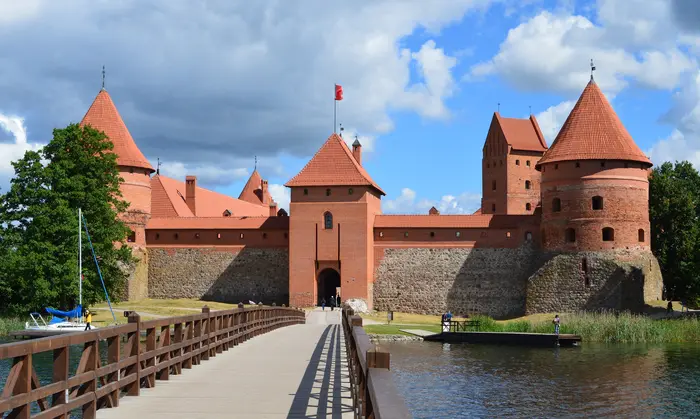
Day Trips from Vilnius
The best day trips from Vilnius compared: island-castle Trakai, ancient Kernavė, second-city Kaunas, the Paneriai memorial, Europos Parkas, the Green Lakes, Rumšiškės and the Hill of Crosses — with honest notes on transport, timing and what's worth a car or a tour.
Read guide