
Stoties Rajonas: Vilnius Station District Guide
A guide to Stoties rajonas, Vilnius's edgy, fast-changing Station District: Hales Market, the train and bus stations, converted warehouses, street art, food halls and where it sits relative to the Old Town.
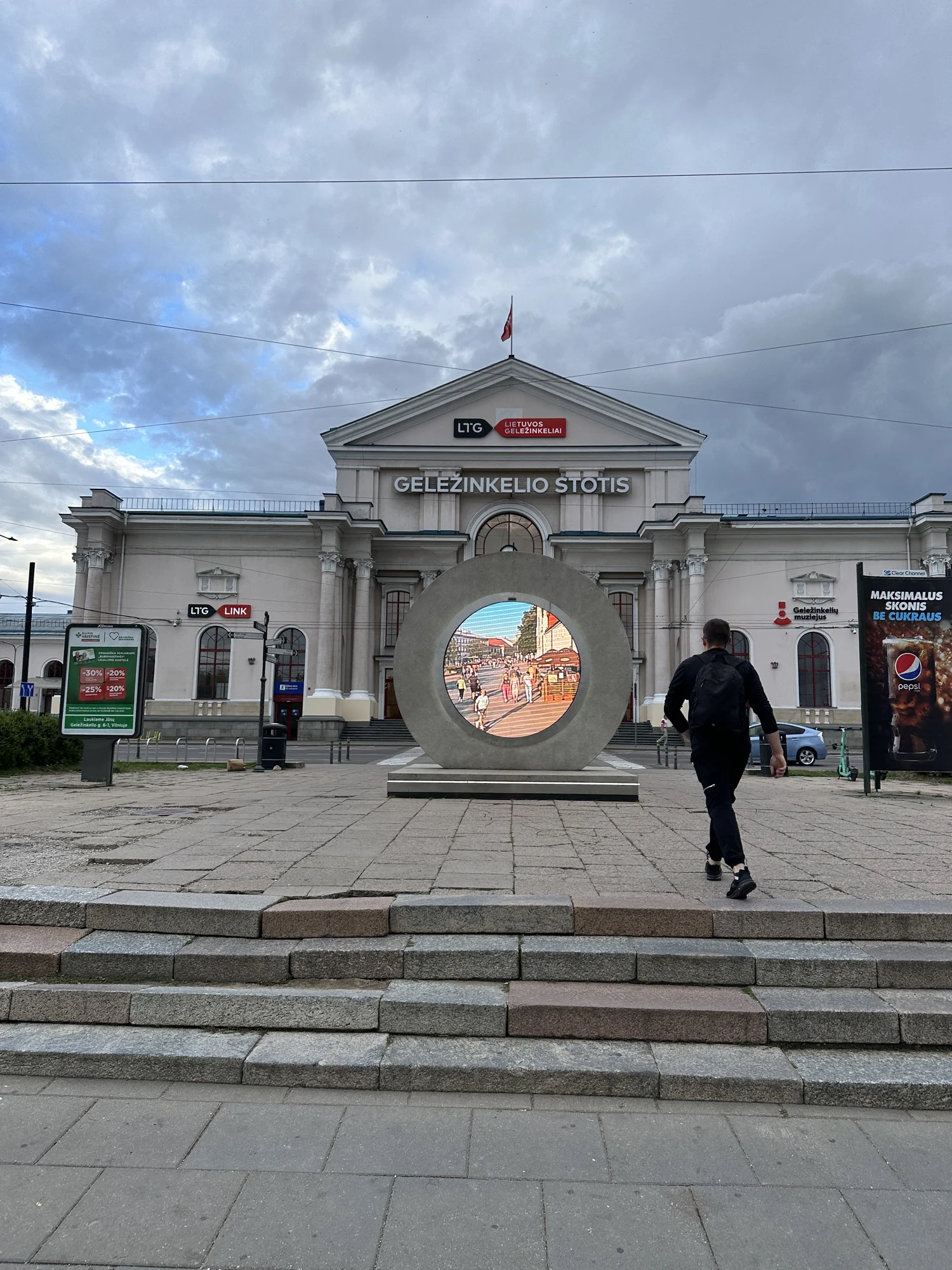
- ✓The Station District (Stoties rajonas) wraps the central train and bus stations just a 10-15 minute walk south of the Old Town's Gate of Dawn.
- ✓Once gritty and overlooked, it is now one of the city's most dynamic up-and-coming quarters, with converted factories turned into bars, art spaces and street-food markets.
- ✓Halės Turgus (Hales Market) is the anchor: the city's oldest market, fresh produce by day and a food-and-drink hall by night.
- ✓It is the best-connected base for day trips, with the train and bus terminals side by side for Trakai, Kaunas, Klaipėda and Riga.
- ✓Much safer than its old reputation, but it keeps an industrial edge — worth a little awareness around the stations late at night.
Where the Station District sits and why it's changing
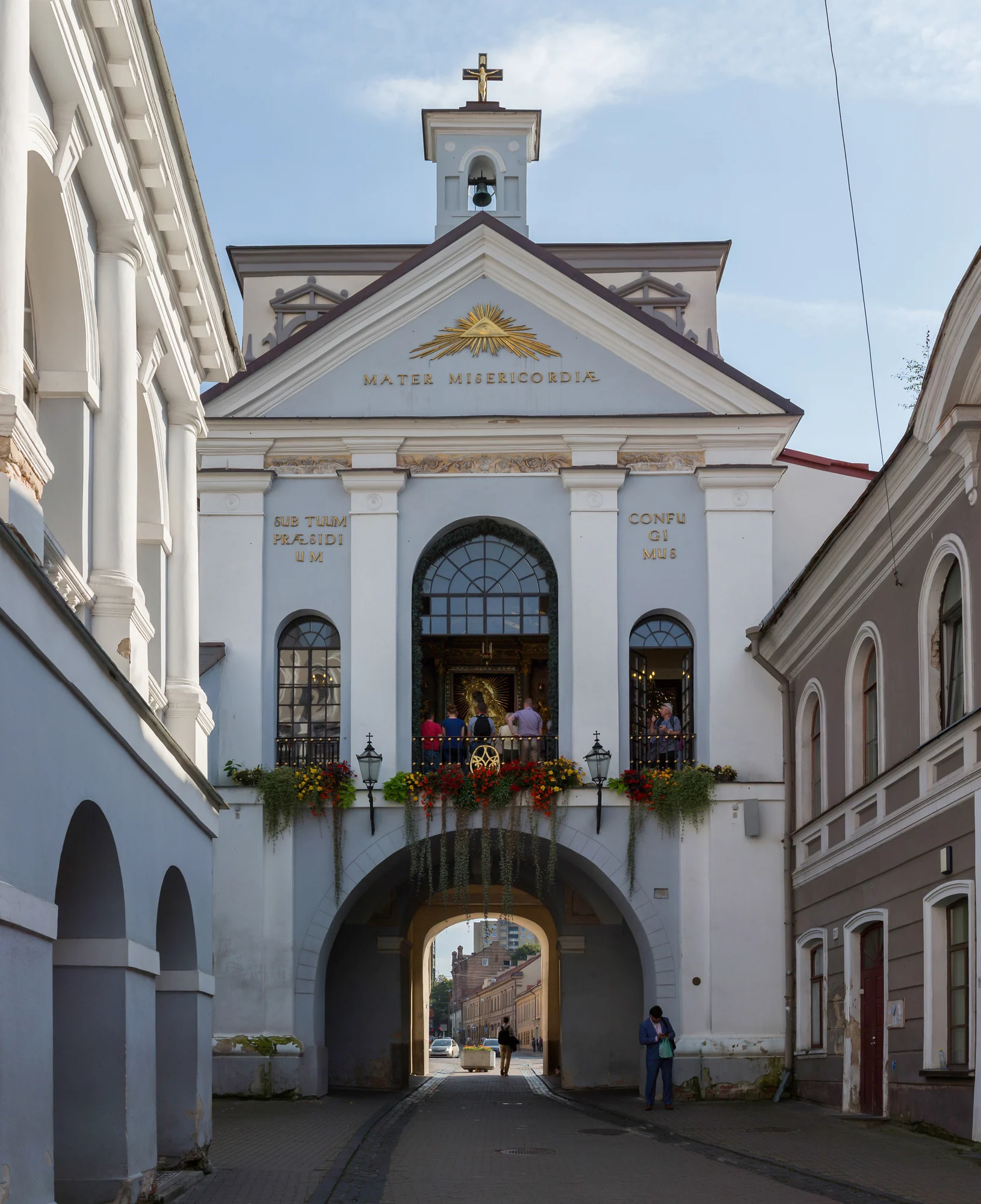
Stoties rajonas — literally 'the station district' — is the patch of Vilnius immediately around the central railway and coach stations, just south of the Old Town. For decades it was the part of the city people hurried through: a transient zone of platforms, kiosks and tired hotels best known as the place you arrived and left. Cross the small rise from the Gate of Dawn, though, and you land here in ten to fifteen minutes on foot, which makes it one of the most usefully located neighborhoods in the city.
What has changed is the mood. Old factories, depots and warehouses near the tracks have been reclaimed as bars, galleries, studios and street-food yards, and a young, alternative crowd has followed. The district still wears its industrial character openly — exposed brick, rail sidings, blunt mid-century blocks — but that grit is now the draw rather than the warning. It reads less like a no-go zone and more like a quarter mid-transformation, the kind of place where the next good bar opens in a former workshop and a derelict yard becomes a summer events space.
It helps to picture the district as a hinge. To the north is the historic core; to the south and west, residential Vilnius and the wider city. The stations sit in the middle, so almost everything here is shaped by movement — people passing through, goods coming in, and, increasingly, locals choosing to stop rather than transit. That in-between quality is exactly what gives the area its energy, and it's why it now appears on most 'real Vilnius' itineraries rather than being skipped on the way to the platform.
The transformation isn't accidental. As property and rents in the Old Town climbed, creatives, small operators and developers looked to the cheaper, well-connected blocks around the stations, and the city has actively encouraged the regeneration of the area as a gateway quarter. The result is a district visibly remaking itself in real time — fresh murals on old gables, a former industrial hall reopening as a venue, a once-grim underpass cleaned up — while plenty of the rough, working texture survives alongside it. Catching a neighbourhood mid-change is rare and genuinely interesting; in a few years some of what you see here will already have shifted again.
Halės Turgus: the market at the heart of it
If the district has a centre of gravity, it is Halės Turgus — Hales Market — the oldest market hall in Vilnius and the easiest reason to come. Housed in a handsome early-20th-century iron-and-glass hall, it works by day as a proper market: butchers, fishmongers, cheese, honey and amber stalls, bread, pickles, dried mushrooms and seasonal produce. It is where you go to taste the practical, everyday side of Lithuanian food rather than the restaurant version, and it's a fine place to assemble a picnic or simply watch the city shop.
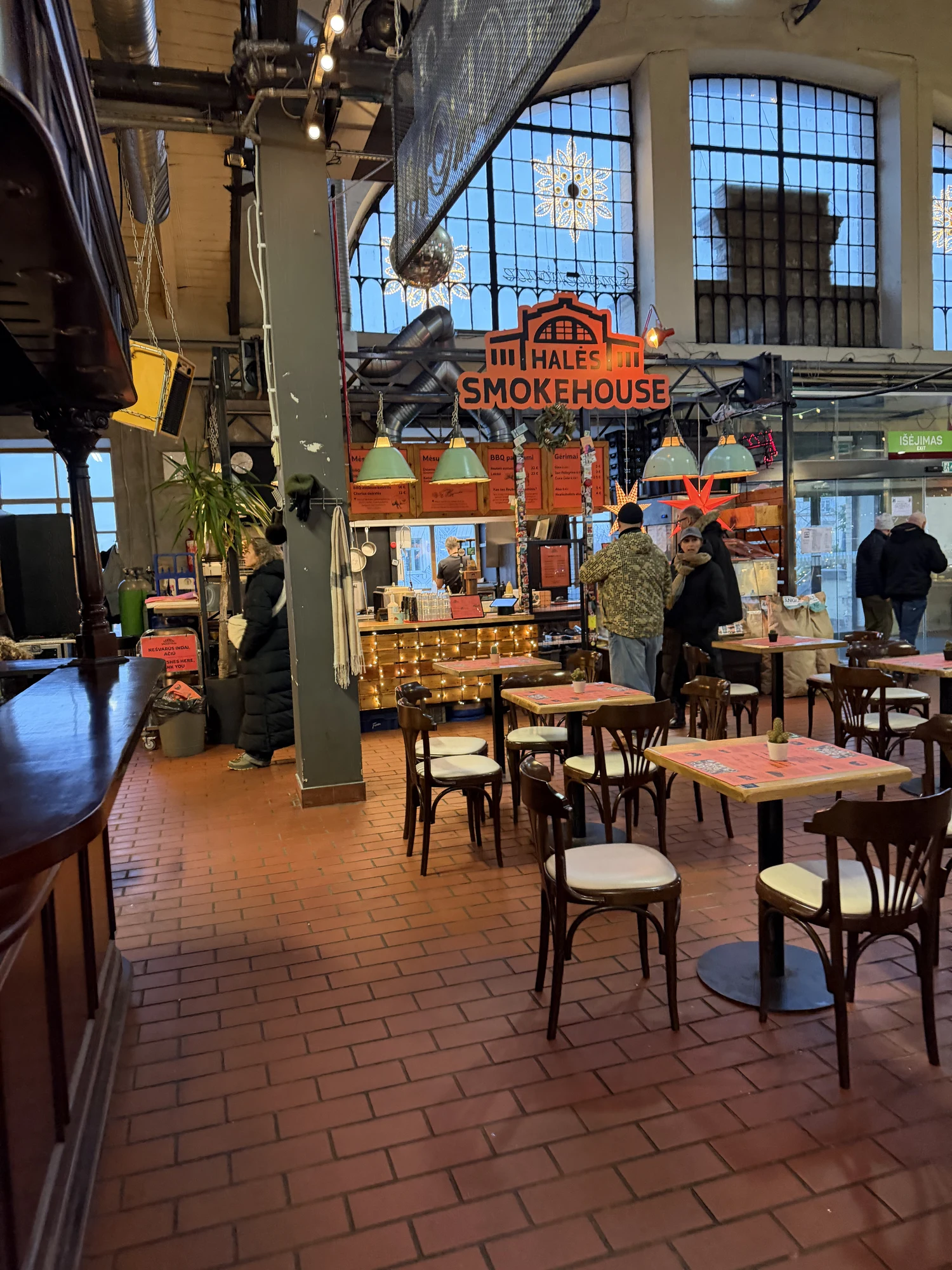
In the evenings the same building leans into its newer role as a food-and-drink hall, with kitchens and bars keeping the place busy after the produce stalls quiet down. It is an unpretentious, sociable spot — good for a cheap, varied meal, a coffee mid-wander, or a first drink before exploring the surrounding bars. Treat it as the anchor of a Station District afternoon: orientate yourself here, eat, and then let the streets around it pull you outward.
Because the market sits between the Old Town and the stations, it slots neatly into arrival and departure days. Drop your bags, eat well, and you are still minutes from a train — which is exactly the kind of small efficiency that makes this district so practical to know.
The market also changes with the seasons, which is half the fun of returning. Spring brings the first foraged greens, birch sap and rhubarb; high summer is berries, fresh cucumbers for cold beetroot soup and stone fruit; autumn is the great mushroom-and-honey season, with stalls heaped with chanterelles, ceps, cranberries and jars of dark forest honey; and winter narrows to root vegetables, smoked meats and fish, pickles and dark rye. Come hungry and curious, ask for a taste, and you'll eat better and cheaper than almost anywhere in the centre — and leave understanding how Lithuanians actually shop and cook through the year.
- Halės Turgus is the city's oldest market — produce by day, food-and-drink hall by night.
- Good for budget eating, a picnic shop and a genuine local feel, not a tourist set-piece.
- Walkable from both the Old Town and the train/bus stations.
- The stalls shift with the seasons — berries and greens in summer, mushrooms and honey in autumn.
How to visit Vilnius's historic market for produce, snacks, breakfast and station-area food.
Vilnius Food Halls & MarketsHales, Paupys and station-area food halls compared, with what to eat at each.
Map pins
Map data © OpenStreetMap contributors · Tiles © OpenFreeMap
Creative scene: bars, art and street art
The Station District's reinvention has been led by its creative tenants. Disused industrial buildings have become music venues, exhibition spaces and bars with a deliberately rough-edged aesthetic, and the area has become a reliable place to find Vilnius's alternative nightlife away from the polished Old Town. Expect craft beer, natural wine, DJ nights and pop-up kitchens rather than tourist-menu restaurants, and a crowd that skews younger and more local.
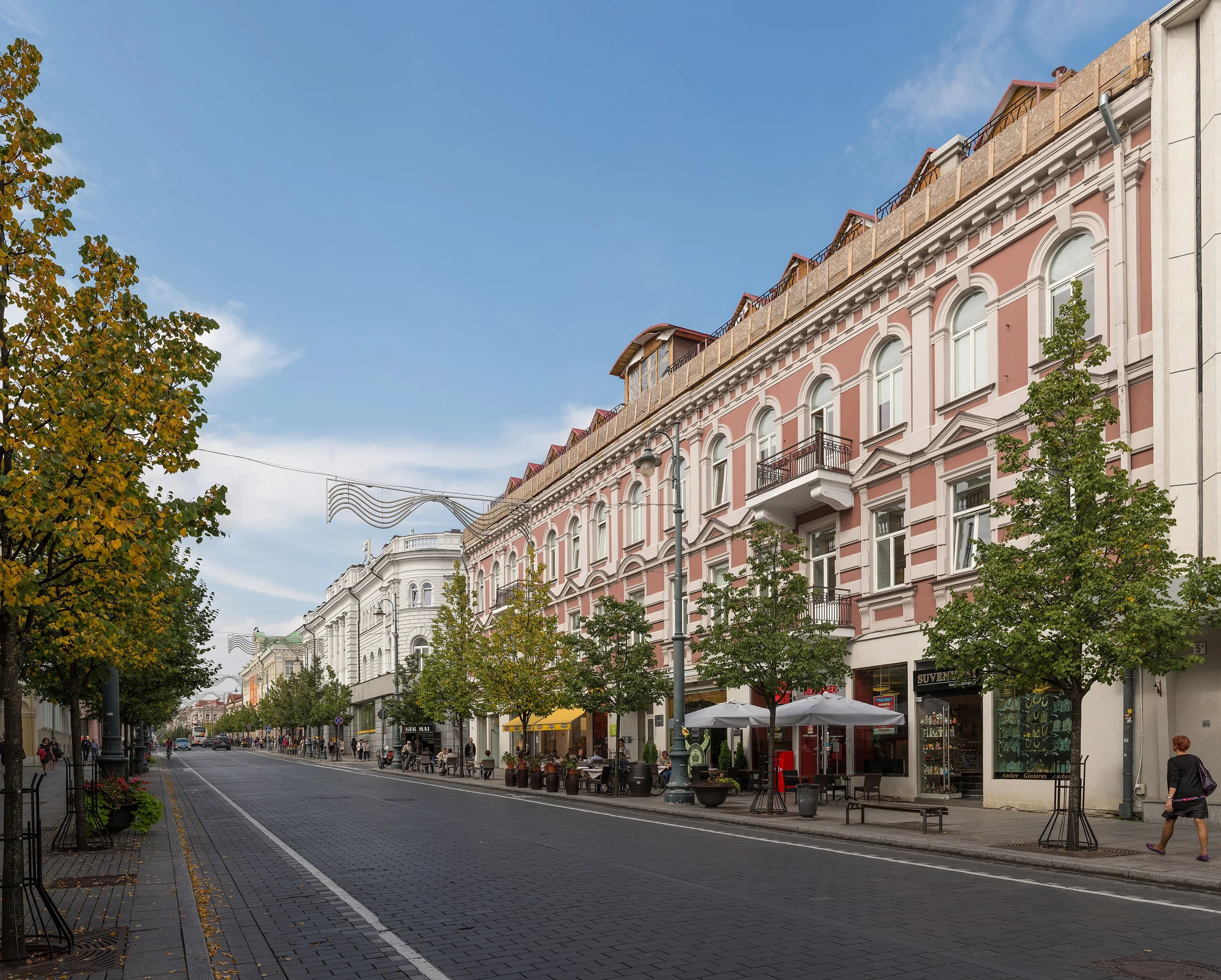
Street art is part of the texture too. The walls around the station and the nearby Naujamiestis edge carry some of the city's most ambitious murals — large-scale works on the blank gables of warehouses and apartment blocks — and the district features on most serious Vilnius street-art routes. Photographers do well here in the contrast between heavy industrial surfaces and bright, oversized painting; it rewards slow walking and looking up, since the best pieces are easy to miss at street level.
Because the scene is still forming, the specific venues shift from year to year — a workshop that's a bar this season may be a gallery the next, and summer brings temporary food yards and open-air programming that vanish in winter. The constant is the energy: this is where new Vilnius experiments, and where you're most likely to stumble onto something that isn't in any guidebook yet. Going with low expectations of polish and high curiosity is the right mindset.
The single most famous piece nearby is the celebrated mural of two elderly men in a tender, smoke-wreathed embrace — a wry, widely photographed work that has become an unofficial emblem of the district's creative streak and is an easy add to a walking loop. Around it, the area's calendar fills out in the warmer months with open-air gigs, flea-style markets, food-truck gatherings and festival pop-ups in the old yards, while the bars run their own programmes of DJ sets and small live shows year-round. Check listings for the week you're in town and you'll usually find something on; arrive with no plan at all and you'll still find a bar in a former workshop and a wall worth photographing.
Transport: the city's gateway for day trips
The single biggest practical reason to know this district is transport. The central railway station and the intercity coach station sit next to each other here, making Stoties rajonas the best-connected point in Vilnius for getting out of the city. Trains run from here to Trakai, Kaunas, Klaipėda and onward connections, the airport train links the terminal to the city centre in a few minutes, and the adjacent bus station covers destinations and frequencies the trains don't.
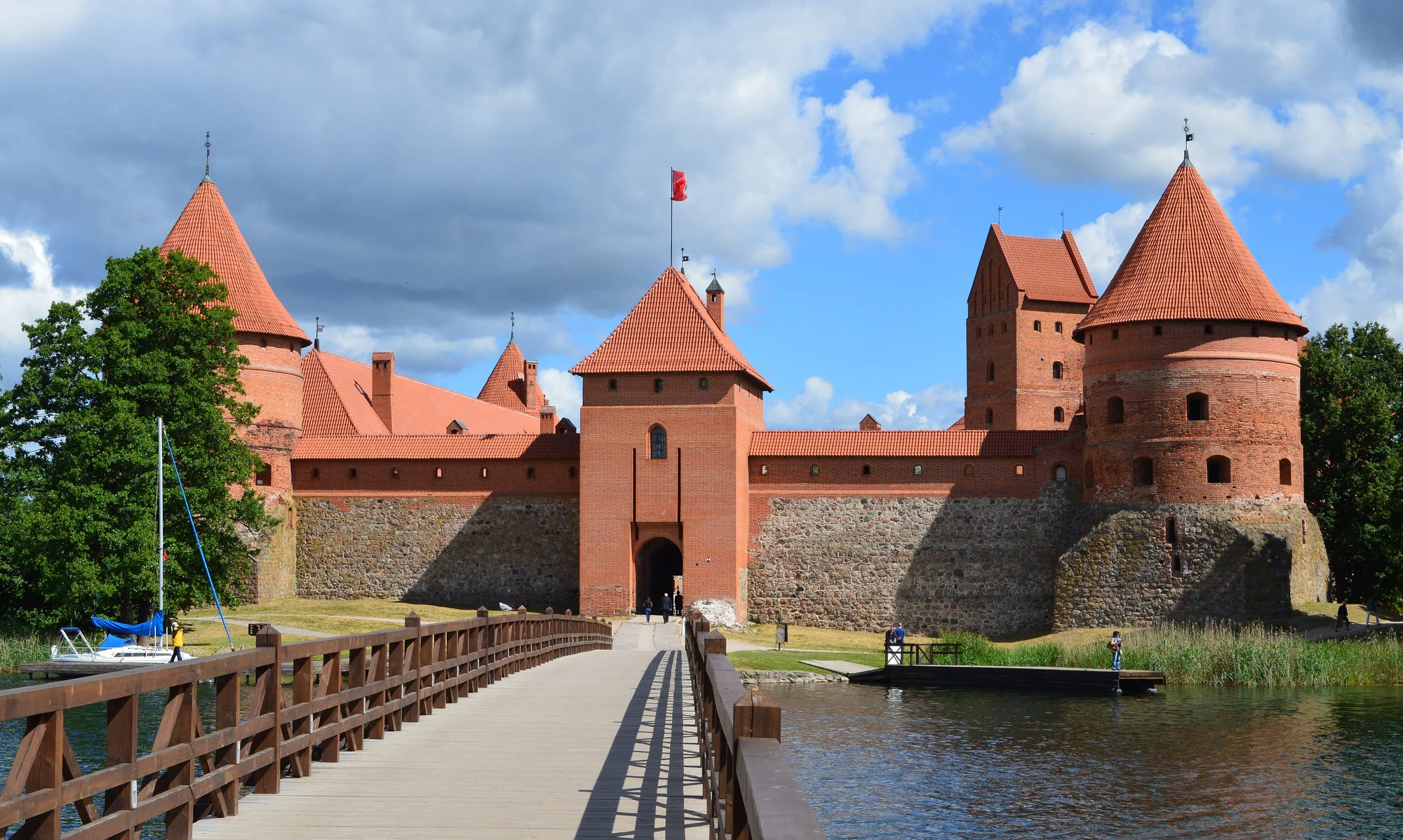
That concentration of links makes the district a logical launchpad for day trips: you can be on a train to Trakai's island castle, or a bus toward Kaunas, within minutes of a Station District breakfast. It is also a dense hub for city buses and trolleybuses, so reaching other neighborhoods is straightforward — useful whether you're staying nearby or just passing through between connections.
Schedules, platforms and fares change, so check live times on the day rather than relying on a printed plan, and buy tickets through the official operators. For station orientation — luggage storage, the airport train, ticketing and where to wait — use the dedicated station guide, which goes deeper into the practical detail than a neighborhood overview can.
Both terminals have had a serious upgrade in recent years, so the experience is far smoother than the area's old reputation suggests: cleaner concourses, clearer signage in Lithuanian and English, cafés and shops, and the renovated station forecourt linking the two. The airport train in particular is the quiet hero here — a quick, cheap, reliable run between Vilnius Airport and the central station that skips traffic entirely, making the Station District the most painless place in the city to arrive into or leave from with luggage. If you're chaining several day trips, basing yourself a few minutes' walk from these platforms genuinely saves time every single morning.
- Train and bus stations are adjacent — the simplest base for Trakai, Kaunas, Klaipėda and Riga.
- The airport train links the terminal to the central station in a few minutes.
- Dense city bus and trolleybus network for reaching the rest of Vilnius.
- Both terminals have been modernised — cleaner, clearer and easier with luggage than their old reputation.
Where to eat and drink in the Station District
Eating in Stoties rajonas is where the district's character comes through most clearly. The obvious starting point is Halės Turgus itself: produce stalls and cheap, satisfying market food by day, and a livelier food-and-drink hall in the evening, with kitchens and bars under one roof. It's the easiest, best-value meal in the area and a sociable place to begin a night out — graze a few counters, grab a drink, and decide where to go next.

Beyond the market, this is craft-beer-and-natural-wine territory rather than white-tablecloth dining. The converted workshops and yards around the tracks have filled with bars pouring local craft beer, low-intervention wines and inventive cocktails, often paired with a rotating pop-up kitchen rather than a fixed menu. It's the city's best concentration of alternative, low-key nightlife, and a refreshing change from the Old Town's tourist terraces — come for the room and the crowd as much as the drink. For a sit-down meal, the district leans budget and international: quick, honest places serving the young, local population at prices the centre can't match.
Because the scene shifts season to season, the smartest approach is to use the market as your anchor and then follow the noise and the lights to whatever's open nearby. For a fuller picture of the city's markets and food halls, and for budget eating across Vilnius, the dedicated guides will steer you — but in the Station District, the move is simple: eat at Halės, drink in a former factory, and stay curious about whatever's opened since.
- Halės Turgus is the anchor — cheap market food by day, a food-and-drink hall by night.
- Craft beer, natural wine and cocktails fill the converted workshops and yards near the tracks.
- Sit-down eating leans budget and international, at genuinely local prices.
- The scene shifts seasonally — use the market as your base and explore outward.
Staying here, safety and who it suits
The Station District suits travelers who want to be near the action of new Vilnius and value convenience for onward travel. If you are arriving late, leaving early, or planning several day trips, basing yourself near the stations saves real time. It also puts you within easy walking distance of both the Old Town and the bars and markets that give the area its character, so you get atmosphere and practicality in one location.
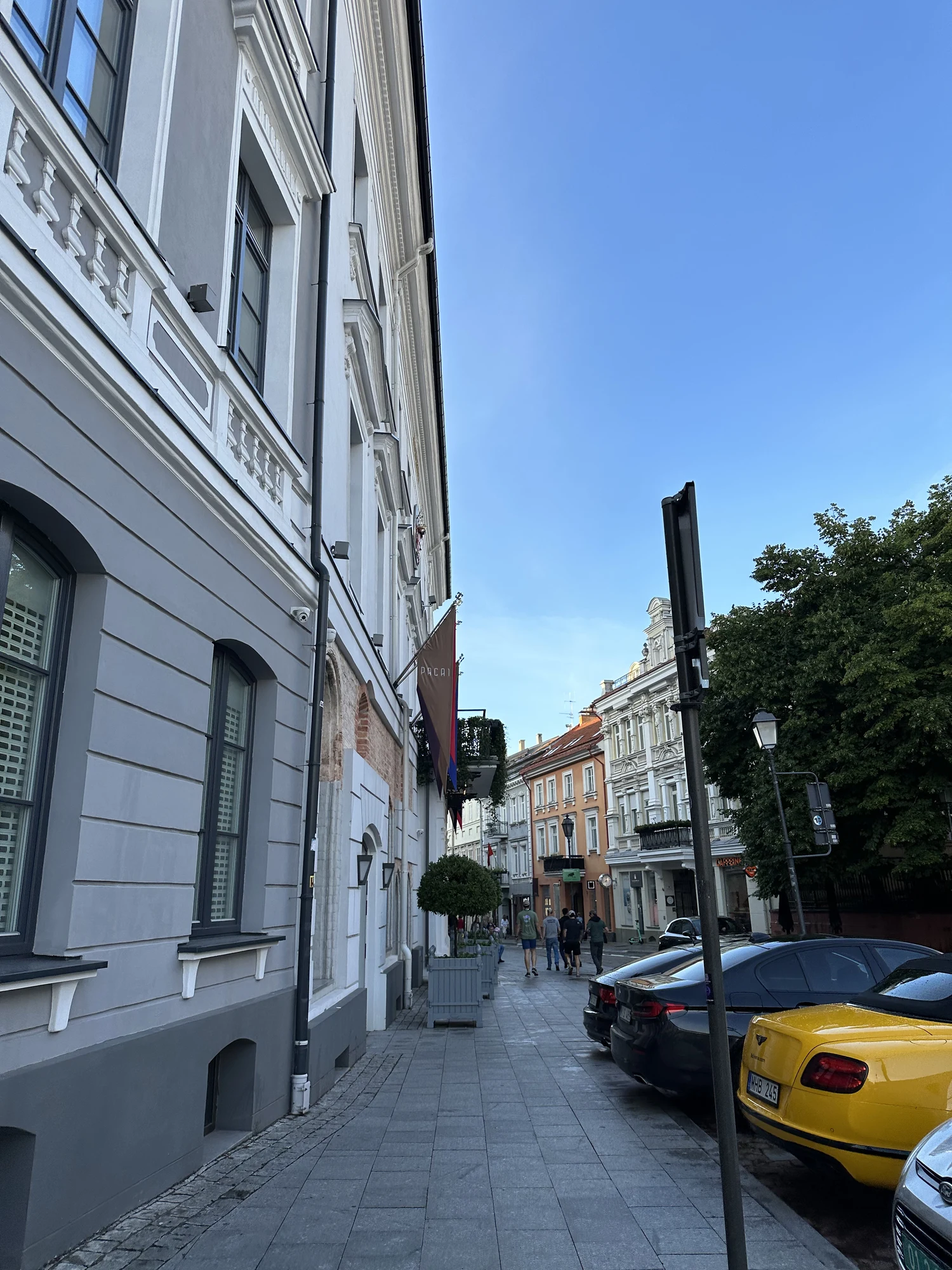
On safety: the district is far safer than its old reputation suggests, but it remains a transit zone, and it is sensible to stay aware of your surroundings around the stations late at night, as you would near any major terminal in any city. The blocks immediately around the platforms are quieter and emptier after dark than the Old Town; if that matters to you, choose a room a street or two back from the station forecourt, where the residential and creative parts of the district take over.
For travelers who prioritise atmosphere over history, this is one of Vilnius's most interesting places to stay right now — and for budget-minded visitors, the area's hotels and hostels often undercut the Old Town while keeping you walkable to it. It's a particularly good fit for younger travelers, return visitors who've already 'done' the Old Town, and anyone curious about where the city is heading rather than only where it's been.
Be honest about the trade-offs, though. This is not the district for travellers who want polished, quiet, postcard-pretty surroundings the moment they step out the door — the texture here is working railway, exposed brick and ongoing change, not Baroque calm. If that excites you, it's a brilliant, well-priced and superbly connected base; if you'd find it jarring, you'll be happier in the Old Town and can simply walk over to enjoy the market and the bars for an evening. Either way the district is genuinely walkable to the centre, so you lose very little by staying here and nothing by visiting.
Good to know before you go
A few practical notes make the Station District easier to enjoy. First, it's compact: the market, the stations and the main cluster of bars and art spaces are all within a short walk of each other, so you don't need transport to explore it once you arrive — it's a walking district. Second, it's a place of two rhythms: businesslike and busy by day around the stations and market, looser and more nocturnal in the evenings when the bars open. Plan your visit around which version you want to see.
If you're using the district as a day-trip launchpad, give yourself a buffer: stations are busy, signage is in Lithuanian as well as English, and platforms can change, so arrive with time to spare and confirm your departure on the live boards rather than an old timetable. Keep an eye on your belongings in crowded terminal areas, as you would anywhere, and you'll have no trouble.
Finally, treat the area's roughness as part of the experience rather than a problem to solve. The Station District is interesting precisely because it hasn't been smoothed over — exposed brick, working railways, murals on warehouse walls and bars in former workshops. Come with curiosity, a little common sense after dark, and an appetite for both market food and craft beer, and it's one of the most rewarding corners of contemporary Vilnius.
A local's tip: do the district as an evening rather than a daytime tick. Start at Halės Turgus around opening-of-the-bars hour, eat and have a first drink in the food hall, then walk a loose loop out to the nearest murals — including the famous embracing-men mural — and into one or two of the converted-warehouse bars, and finish by walking the ten or fifteen minutes back up to the Gate of Dawn and the Old Town as the spires light up. It's cheap, it's genuinely local, it shows you a side of Vilnius most visitors miss, and it ends you right back in the centre — the best possible argument for not skipping the station on your way to the platform.
- Compact and walkable — market, stations and bars are all close together.
- Busy and practical by day; looser and more nightlife-focused in the evenings.
- Confirm train and bus departures on live boards; allow buffer time at the stations.
- Local tip: do it as an evening — Halės for food, the murals and a warehouse bar, then walk back up to the Old Town.
Related guides
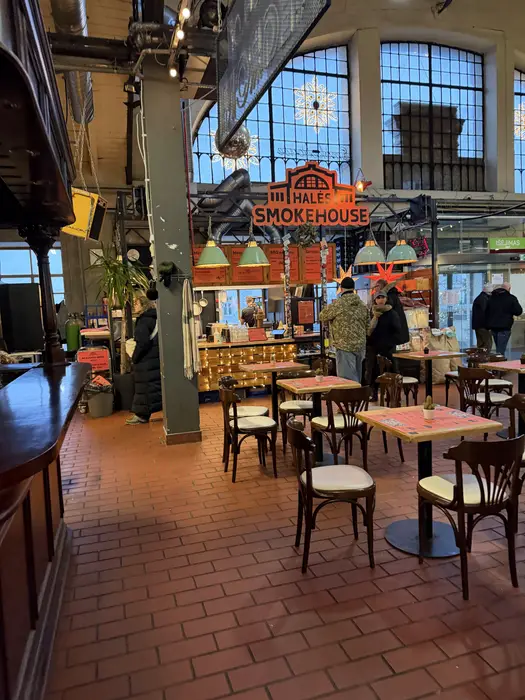
Halės Market: A Guide to Vilnius's Oldest Market Hall
How to visit Halės Market, the oldest covered market in Vilnius — produce, cheese and meat counters, street-food stalls, cafés and bars, plus when to go and what to eat near the station.
Read guide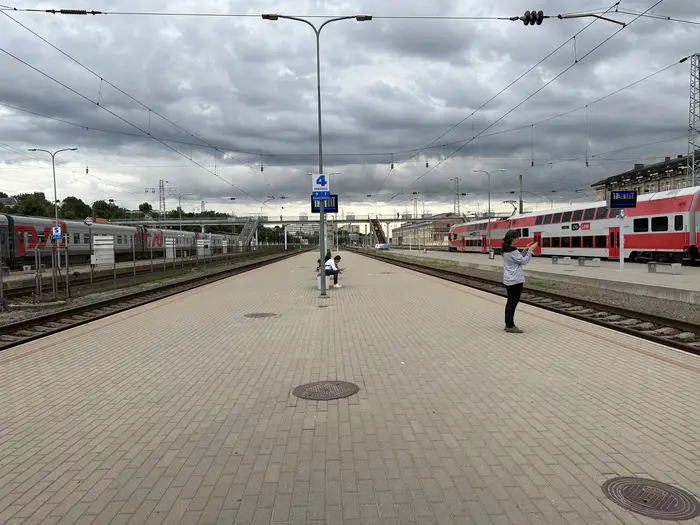
Vilnius Train Station Guide
Vilnius railway station explained: orientation, the airport train, Trakai/Kaunas/Riga departures, luggage storage, food, nearby hotels and how the station district feels.
Read guide
Vilnius Street Art & the Open Gallery
A walking guide to Vilnius street art — the Open Gallery courtyard in Naujamiestis, station-district murals, Užupis and Old Town pieces, photo stops and respectful routing.
Read guide