
Vilna Gaon Museum guide
How to use Vilnius's state Jewish-history museum — the Vilna Gaon Museum of Jewish History — and its branches, from the Tolerance Centre and the Holocaust exhibition to the Samuel Bak and Litvak museums and the Paneriai Memorial.
- ✓The state museum of Lithuanian Jewish history, named for the Vilna Gaon
- ✓Several branches across the city, each covering a different facet of the story
- ✓The Holocaust exhibition (the 'Green House') and the Paneriai Memorial
- ✓The newer Museum of Culture and Identity of Lithuanian Jews — the 'Litvak museum'
What the museum is
The Vilna Gaon Museum of Jewish History (Vilniaus Gaono žydų istorijos muziejus) is Lithuania's state museum dedicated to the history, culture and tragedy of the country's Jews. Named for the Vilna Gaon, the eighteenth-century scholar who made Vilnius a centre of Jewish learning, it is not one building but a family of branches scattered across the city and beyond, each handling a different part of the story. That structure is the key thing to understand before you visit: you choose the branch that fits what you want to learn, rather than going to a single address.
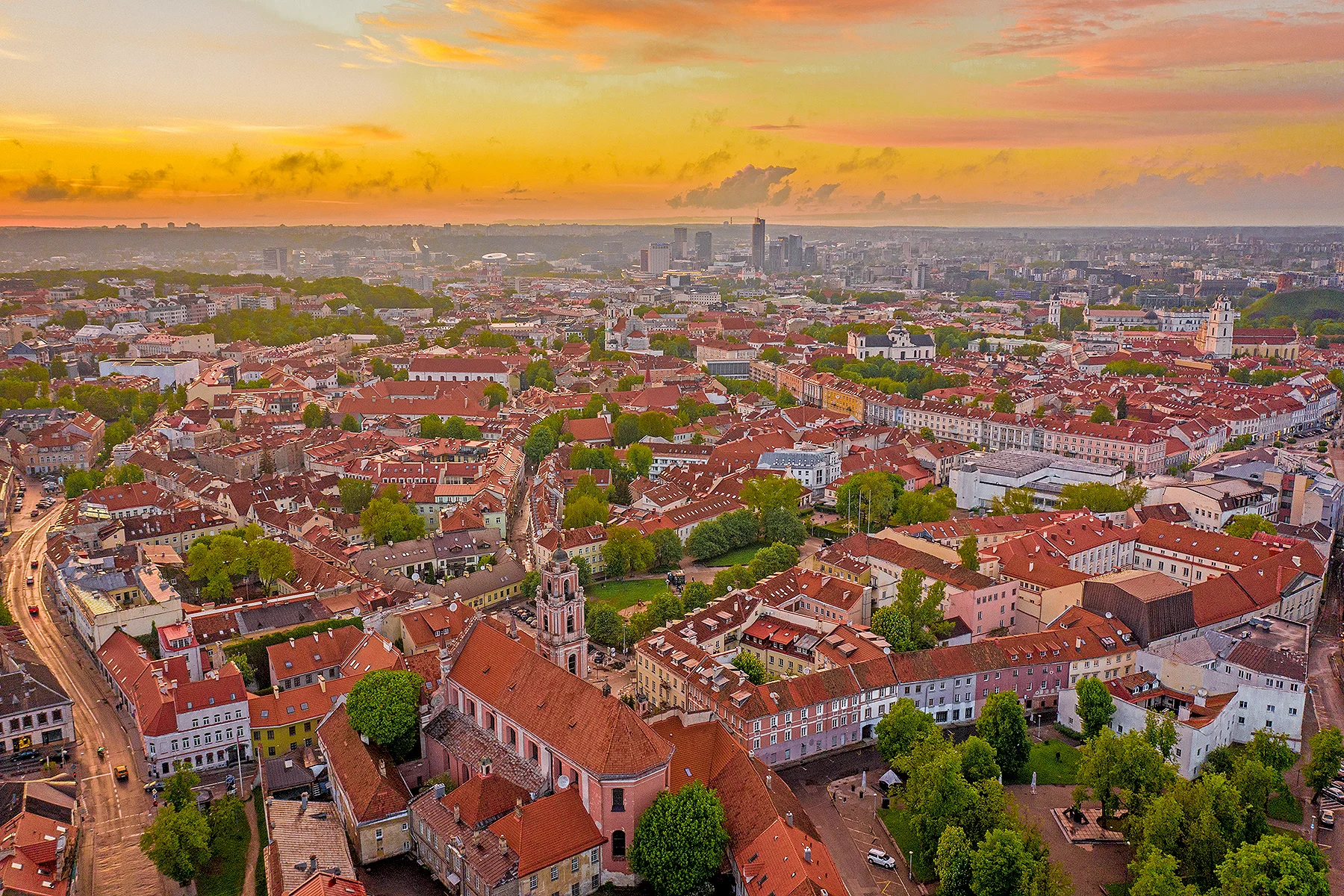
Treat the museum as the documentary backbone of any Jewish-Vilnius visit. The streets of the old quarter and the memorials tell you where things happened; the museum's branches tell you what, how and to whom, with artefacts, photographs, art and testimony. Used well, it turns a walk through the Old Town into something you genuinely understand.
The institution has been actively renewing and, in places, renaming its branches in recent years, so the exact line-up and opening arrangements can shift. Always check the museum's official site for the current branches, addresses, hours and tickets before you build a day around it.
The museum was re-established in 1989, as Lithuania moved toward independence, to recover and tell a history that the Soviet period had largely suppressed. Since then it has grown into the country's principal custodian of Jewish memory: collecting artefacts and documents, running the Holocaust and Litvak exhibitions, maintaining the Paneriai Memorial and supporting research and commemoration. Understanding that mission helps explain why it feels less like a single tourist attraction and more like a network of memory sites spread across the city.
Practically, this means you should plan around branches rather than a building. Decide what you most want to understand — Jewish religious and cultural life, the Holocaust, a particular artist, or the killing site at Paneriai — and choose the branch that matches. Trying to 'do the whole museum' in one go is neither feasible nor advisable; it is better to visit one or two branches well and pair them with a walk through the old quarter.
The branches and what each covers
The branches have included several distinct sites. The Tolerance Centre, in a former Jewish theatre on Naugarduko Street, gathers sacred and secular art, ritual objects and historical exhibitions, and is a good general introduction. The Holocaust Exhibition, long housed in the small wooden "Green House" on Pamėnkalnio Street, presents the destruction of Lithuanian Jewry through documents and testimony — modest in size, heavy in impact.
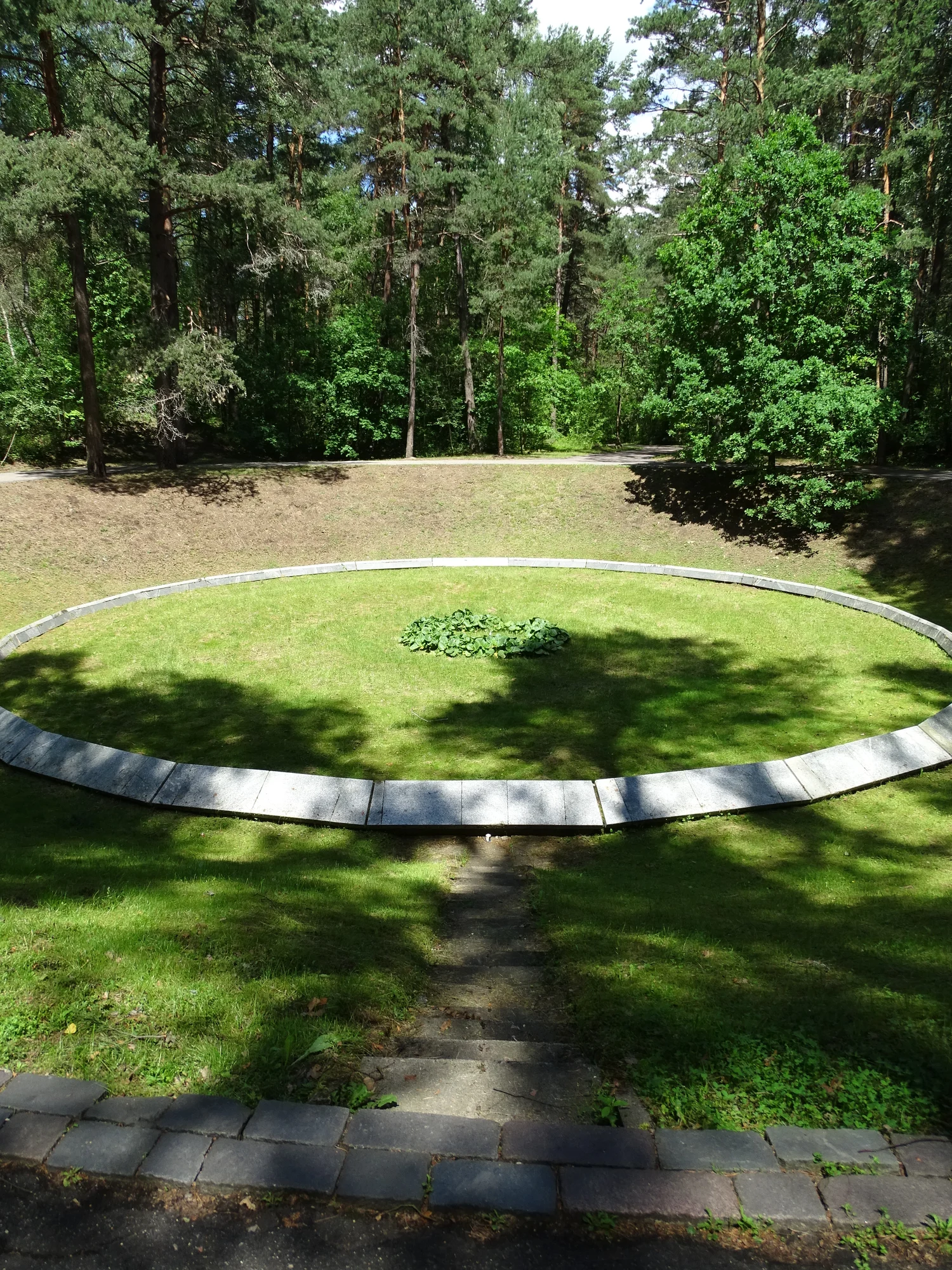
The Samuel Bak Museum shows the work of the Vilnius-born painter and Holocaust survivor whose surreal, allegorical canvases reckon with memory and loss. The newer Museum of Culture and Identity of Lithuanian Jews — widely called the Litvak museum — is the largest and most recently developed branch, dedicated to the breadth of Lithuanian Jewish life and culture rather than only its destruction. And the Paneriai Memorial, the killing site outside the city, is administered as part of the museum too.
Because the museum has been reorganising, some branches may be temporarily closed, relocated or rebranded at any given time, and a major Holocaust-and-ghetto exhibition has been in development. Confirm which sites are open when you visit, and don't assume a branch you read about elsewhere is currently accessible.
A little orientation on what each branch feels like. The Tolerance Centre is the most museum-like, with permanent and temporary exhibitions across several floors and a good general overview; budget an hour or more. The Holocaust Exhibition in the Green House is small, sober and concentrated — a short but intense visit. The Samuel Bak Museum is an art experience, rewarding if you respond to its painter's allegories of memory and loss. The Litvak museum, the newest and largest branch, is the place to grasp the breadth of Lithuanian Jewish culture rather than only its destruction, and is worth more time if you have it.
Names and arrangements here have genuinely been in flux, with the museum updating its branding and developing new displays, so treat any specific branch name or theme as provisional. The official website is the single reliable source for what is open, where it is and how much it costs on the day you plan to visit.
- Tolerance Centre (Naugarduko St): art, ritual objects and general history
- Holocaust Exhibition / 'Green House': the destruction of Lithuanian Jewry
- Samuel Bak Museum: the survivor-painter's allegorical work
- Museum of Culture and Identity of Lithuanian Jews (the 'Litvak museum'): the largest, newest branch
- Paneriai Memorial: the killing site, administered as a branch
The forest memorial branch outside the city, and how to reach it.
Best museums in VilniusHow the Jewish-history branches rank among the city's museums.
Map pins
Map data © OpenStreetMap contributors · Tiles © OpenFreeMap
How to use it on a visit
If you have time for one branch, choose by interest: the Tolerance Centre or the Litvak museum for the richness of Jewish Lithuanian life and culture, or the Holocaust Exhibition if you want to focus on the catastrophe before or after visiting the ghetto streets and Paneriai. If you have a full day for Jewish Vilnius, a strong sequence is a branch in the morning for context, the old quarter and ghetto memorials at midday, and Paneriai in the afternoon — though that is an emotionally heavy day, and splitting it across two is entirely reasonable.
Tickets are inexpensive by European standards and concessions are available; some branches are small and quick, others reward a slower visit. As a state museum it observes Lithuanian public holidays and remembrance days, on some of which admission may be free. Because hours differ between branches and change seasonally, check each site's current times rather than assuming a single schedule.
Whichever branch you pick, treat it as part of a larger act of remembrance rather than a standalone attraction. Combined with the quarter and Paneriai — and ideally a knowledgeable guide — the museum's collections give Jewish Vilnius the depth and dignity it deserves.
If you are travelling with older children or teenagers, the Tolerance Centre or the Litvak museum are the gentler introductions, with broader cultural material alongside the difficult history; the Holocaust exhibition and Paneriai are intense and best approached with preparation and conversation. Use your judgement about what is appropriate, and don't feel obliged to see everything — understanding, not completeness, is the goal.
Tickets, hours and visiting respectfully
Admission to the branches is modest — generally a few euros, with concessions for students, seniors and children, and free entry on certain Lithuanian remembrance days. Because the branches are separate sites, each keeps its own opening hours and closing days, and these change seasonally; do not assume a single schedule covers the whole museum. The official website lists current times, addresses and prices branch by branch, and is the only source worth trusting on the day.
Allow realistic time. The Tolerance Centre and the Litvak museum reward an hour or more each; the Holocaust exhibition is small but emotionally heavy; Paneriai needs a half-day once you factor in travel. Trying to combine several branches and Paneriai into a single day is possible but draining — for most visitors, one or two branches plus a quarter walk make a complete, dignified visit, with Paneriai saved for its own morning or afternoon.
Visit respectfully throughout. These are sites of memory: keep your voice low, follow photography rules (some exhibitions restrict it), and remember that the staff and the small living community are custodians of a painful history. Buying a ticket, taking the time and engaging seriously with the exhibitions is, in itself, a way of supporting the work of remembrance the museum exists to do.
- Tickets are inexpensive; free on some Lithuanian remembrance days
- Each branch keeps its own hours and closing days — check the official site
- Allow ~1 hour+ per main branch; Paneriai needs a half-day of its own
- Visit respectfully: low voices, photography limits, no spectacle
Related guides

Jewish Vilnius heritage guide
A careful, full guide to Jewish Vilnius — the 'Jerusalem of the North': the Vilna Gaon and the city's scholarship, the surviving synagogue, the ghetto streets and memorials, the Vilna Gaon Museum branches, Paneriai and how to plan a respectful visit.
Read guide
Jewish Quarter Vilnius guide
A respectful guide to Vilnius's former Jewish quarter and ghetto streets: the lanes of old Jewish Vilna, the site of the Great Synagogue, the Vilna Gaon's legacy, the ghetto memorials and where to find context before you walk.
Read guide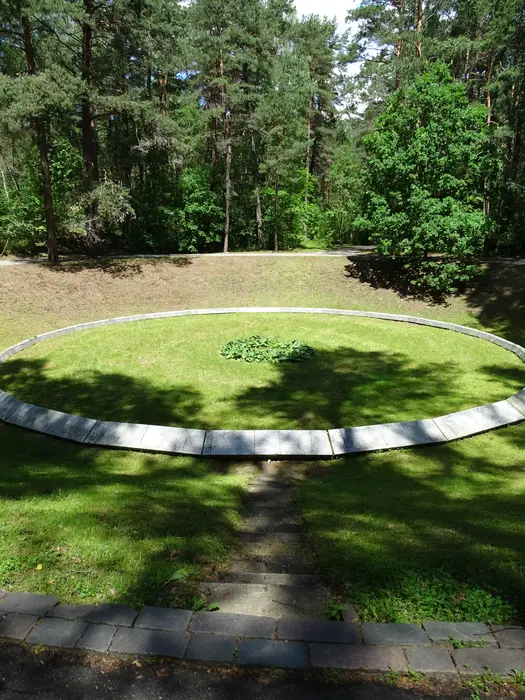
Paneriai Memorial: Visiting from Vilnius
A respectful guide to visiting the Paneriai (Ponary) Holocaust Memorial from Vilnius: how to get there by train, taxi, or tour, the history, time needed, and how to visit with care.
Read guide