
Best museums in Vilnius
Choose the right Vilnius museums for you — by history, art, Jewish heritage, rainy-day comfort, kids and value. A ranked, honest guide to MO Museum, the Palace of the Grand Dukes, the occupation museums, the National Museum and more.
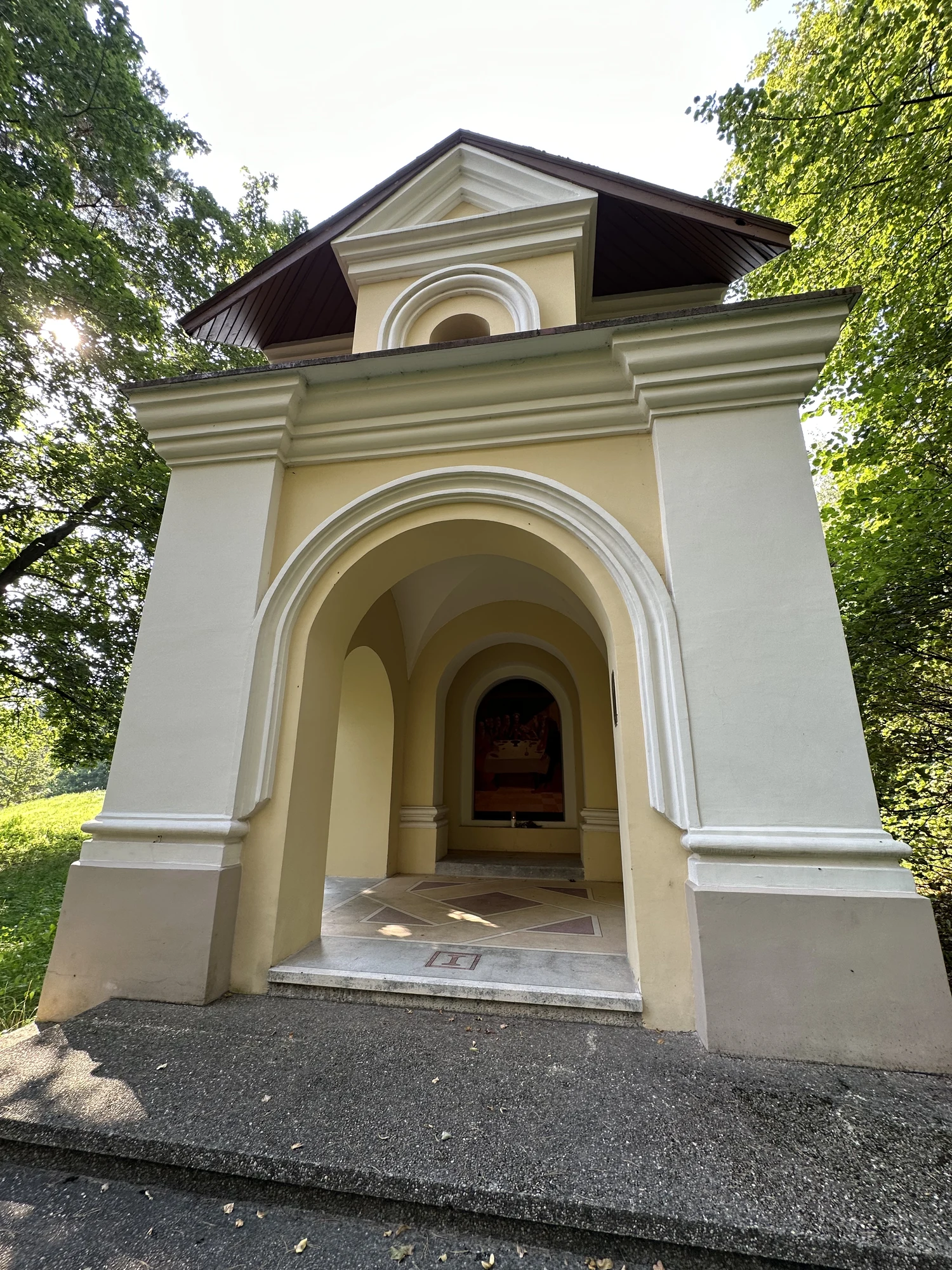
- ✓MO Museum — Lithuania's modern-art highlight in a Daniel Libeskind building
- ✓The Palace of the Grand Dukes — the rebuilt royal residence and the city's history
- ✓The Museum of Occupations and Freedom Fights — the former KGB headquarters
- ✓Strong picks for rainy days, families, art lovers and heritage travellers
How to choose a Vilnius museum
Vilnius punches above its weight for museums, but they are spread across very different registers — royal history, modern art, twentieth-century trauma, applied arts, science and Jewish heritage — and the worst way to use them is to try to see them all. This guide ranks and sorts the city's museums by what you actually want from a visit, so you can pick two or three that genuinely fit your day rather than ticking off a list.
A few practical notes up front. Most museums are concentrated in or near the Old Town, so you can chain a couple on foot. Many are excellent rainy-day options, which matters in a city with long grey winters. Prices are generally modest by Western European standards — often single-digit euros — and several close on Monday or Tuesday, so check days off before you plan. If you intend to visit several paid sights, look at whether a city pass works for your itinerary; our pass guide does the maths.
It is also worth knowing that prices, hours and even which exhibitions are on can change from season to season and year to year. The figures we give below were the most recently published at the time of writing and are meant as a guide to relative cost, not a guarantee; always confirm on each museum's own website before you set out, especially for the smaller house-museums and for anything you are travelling across town to see. Where a fact is likely to shift, we have kept the wording flexible on purpose — better a reliable impression than a precise number that has quietly gone out of date.
Below we go museum by museum, then finish with quick picks for art lovers, history buffs, families and rainy days. If you only do one thing, read the first two entries: MO Museum and the Palace of the Grand Dukes are the city's two strongest all-rounders.
One framing that helps: Vilnius's museums fall into a few natural families. There are the history-and-statehood museums clustered around the Cathedral and Gediminas Hill; the art-and-design museums led by MO; the memory museums that confront the twentieth century, from Soviet occupation to the Holocaust; and the specialist and hands-on museums — science, technology, railways, applied arts — scattered a little further out. Decide which family fits your day and you will not go far wrong.
We have tried to be honest rather than promotional. Some of these are world-class; others are charming but minor, and we say so. The goal is to help you spend your limited museum hours on the ones that will actually reward you, given who you are travelling with and what kind of day you want.
How many museums should you actually do? For a typical two- or three-day Vilnius trip, two or three well-chosen museums is plenty — enough to add real depth without turning the holiday into a forced march of galleries. The Old Town is small and walkable, and the best days mix one or two museums with churches, viewpoints, courtyards and long lunches. Treat the list below as a menu to choose from, not a checklist to complete. A single museum visited slowly, with time to absorb it and a coffee afterwards, beats three rushed ones every time.
MO Museum — modern art in a Libeskind building
MO Museum is the city's modern-art star: a private museum of Lithuanian art from the 1950s onward, housed since 2018 in a crisp white building by the renowned architect Daniel Libeskind on Pylimo Street, at the edge of the Old Town. The collection is engaging and well curated, the rotating exhibitions are ambitious, and the building itself — with its dramatic "urban gate" cut — is part of the experience. It is welcoming to non-specialists, has a good café and shop, and works brilliantly on a rainy afternoon.
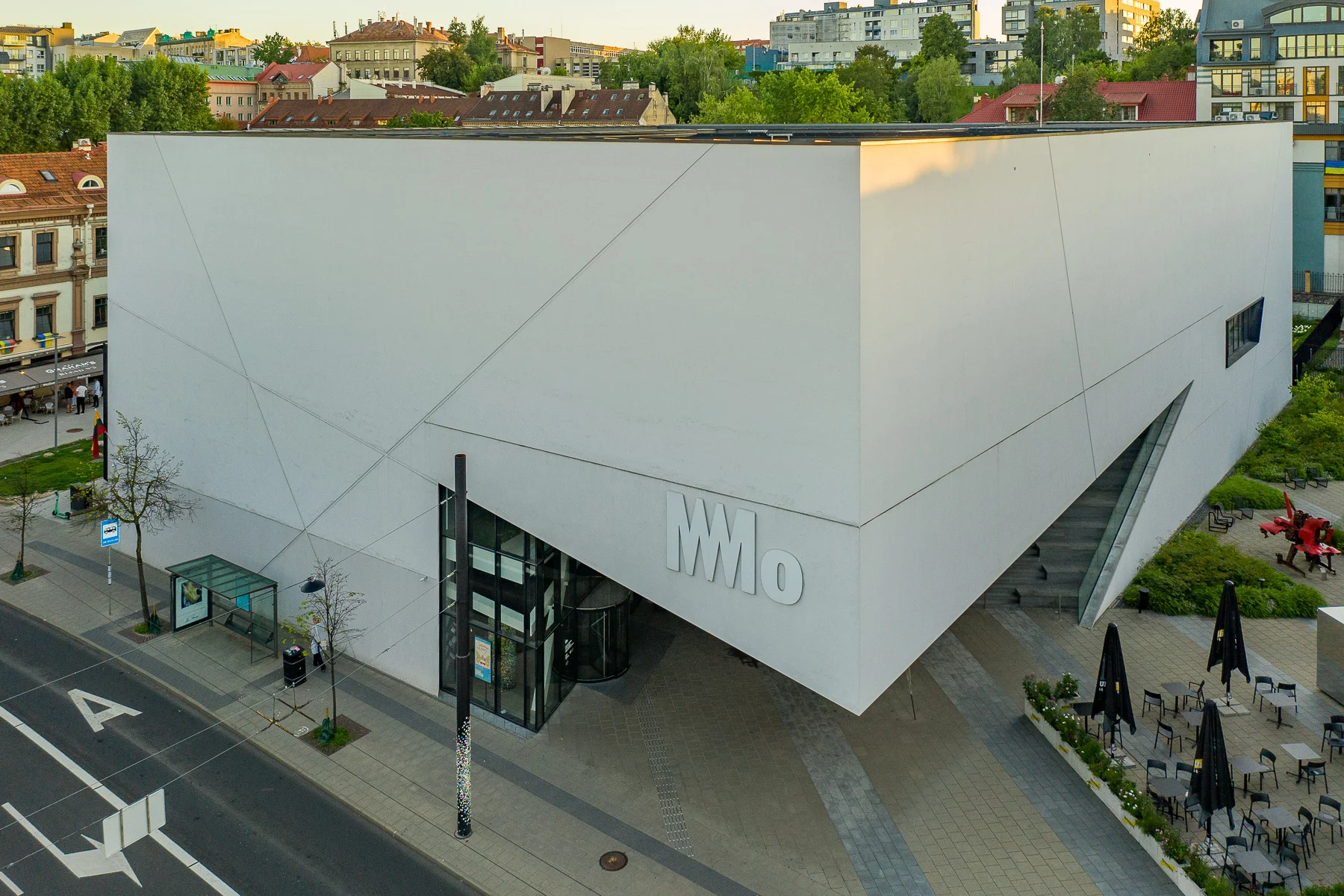
It is also one of the most family-friendly and design-conscious museums in town, making it a natural anchor for an art-and-design day or a wet-weather plan. Recently published tickets are around €11 for adults with concessions near €6 and a family ticket about €22; last entry is shortly before closing. Confirm current hours and the exhibition on before you go.
If MO leaves you wanting more contemporary work, pair it with the city's galleries and the applied-arts and design collections for a full art day.
What makes MO stand out is how approachable it is. The exhibitions are thematic and accessible rather than dauntingly art-historical, the wall texts are bilingual and clear, and the building flows so that you are never lost. Allow ninety minutes to two hours, more if there is a major temporary show on. The rooftop terrace and café are pleasant in good weather, and the shop is one of the better design-led museum shops in the Baltics. For travellers who 'don't usually do modern art', this is the one to try.
- Pylimo g. 17, Daniel Libeskind building, opened 2018
- Lithuanian modern art plus strong temporary exhibitions
- Indicative: ~€11 adult, ~€6 concession, ~€22 family (verify before you go)
Full details on tickets, exhibitions, architecture and family fit.
Museum of Applied Arts & DesignPair with MO for a full art-and-design day.
Map pins
Map data © OpenStreetMap contributors · Tiles © OpenFreeMap
The Palace of the Grand Dukes and the National Museum
For the deep history of Lithuania, two neighbours beside the Cathedral lead the field. The National Museum – Palace of the Grand Dukes of Lithuania is a full reconstruction of the royal residence of the Grand Dukes, raised on the excavated foundations of the original palace at the foot of Gediminas Hill. Inside, restored ceremonial halls, archaeology, tapestries and treasury rooms tell the story of the Grand Duchy at its height. It is grand, well-presented and the single best place to grasp Lithuania's medieval and Renaissance importance. Published adult tickets run roughly €10–12 depending on the route, with concessions and free days; opening hours are typically around 10:00–18:00. Check the official site for current routes and times.
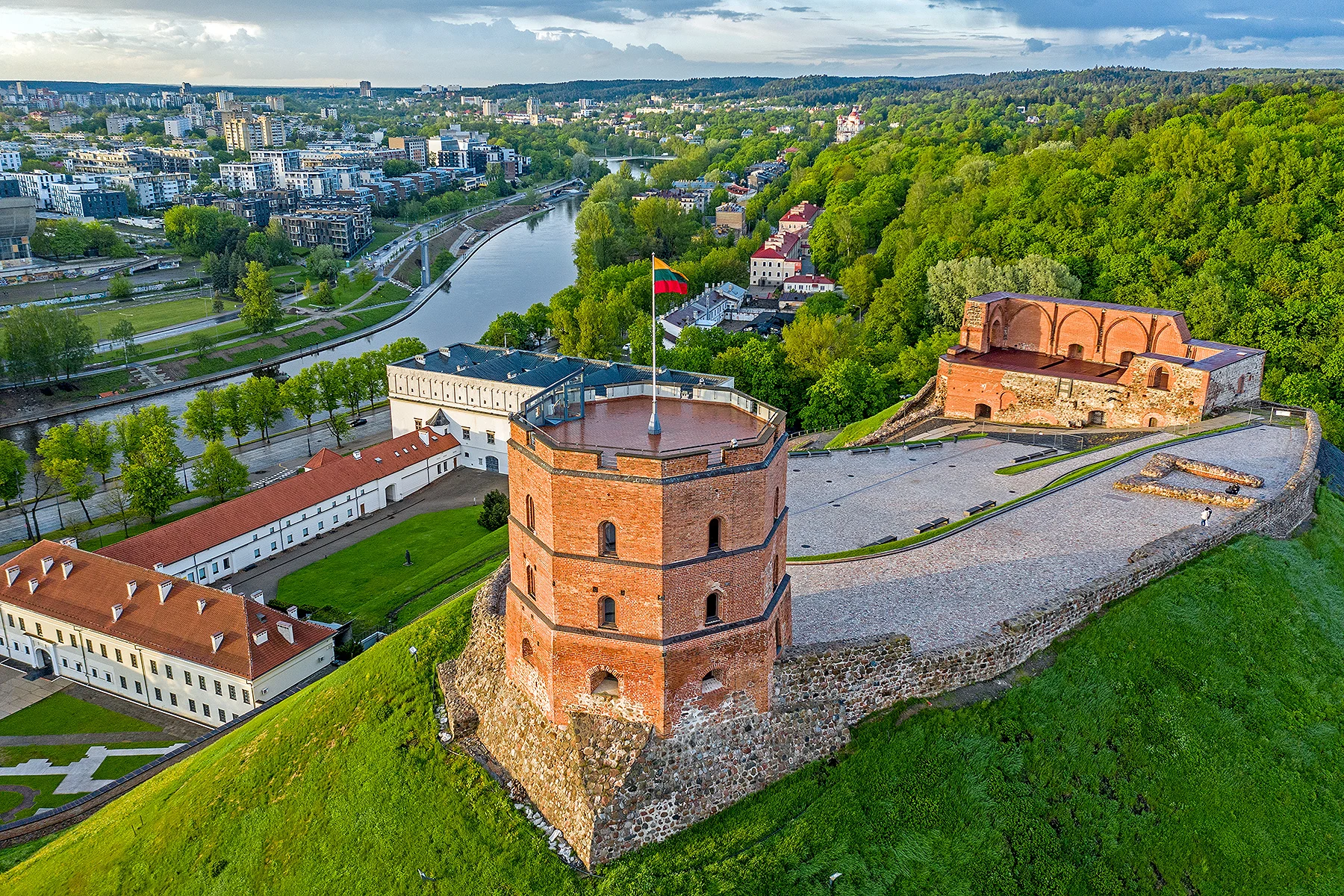
Just up the hill, the National Museum of Lithuania (New Arsenal) covers the broader sweep of the country's history and ethnography and is excellent value — adult tickets are typically only a few euros. Gediminas' Tower, reached by path or funicular, is part of the same national-museum complex and gives the classic Old Town panorama. Together these sites form the natural "history core" of a Vilnius visit.
Where the Palace tells the story of rulers and statehood, the National Museum tells the story of the people — how Lithuanians and the many communities of this land actually lived, with folk culture, costume, crafts and the texture of everyday centuries. Visiting both gives you the high and the everyday history side by side, and because they are neighbours you lose no time moving between them. For travellers who want to understand Lithuania rather than just photograph it, this pairing is the single most rewarding half-day of museum-going in the city.
If your interest runs to applied arts, the Museum of Applied Arts and Design and the Church Heritage Museum hold beautiful ecclesiastical and decorative collections, and the Signatories' House tells the story of modern independence.
A practical tip for the history core: these neighbours are right beside each other at the foot of Castle Hill, so you can chain the Palace of the Grand Dukes, the National Museum and Gediminas' Tower into a single, satisfying half-day without crossing town. Start with the Palace while you are fresh — it is the most content-rich — then take in the National Museum's broader story, and finish on the hill for the view. Buy tickets at each site or check whether a combined option suits your route. The Palace also runs free-admission days (typically the last Sunday of the month) which are worth knowing about if your dates line up.
- Palace of the Grand Dukes (Katedros a. 4): reconstructed royal residence, ~€10–12, ~10:00–18:00
- National Museum of Lithuania (New Arsenal): broad history, often only a few euros
- Gediminas' Tower: part of the same complex, classic Old Town view
History, memory and Jewish heritage
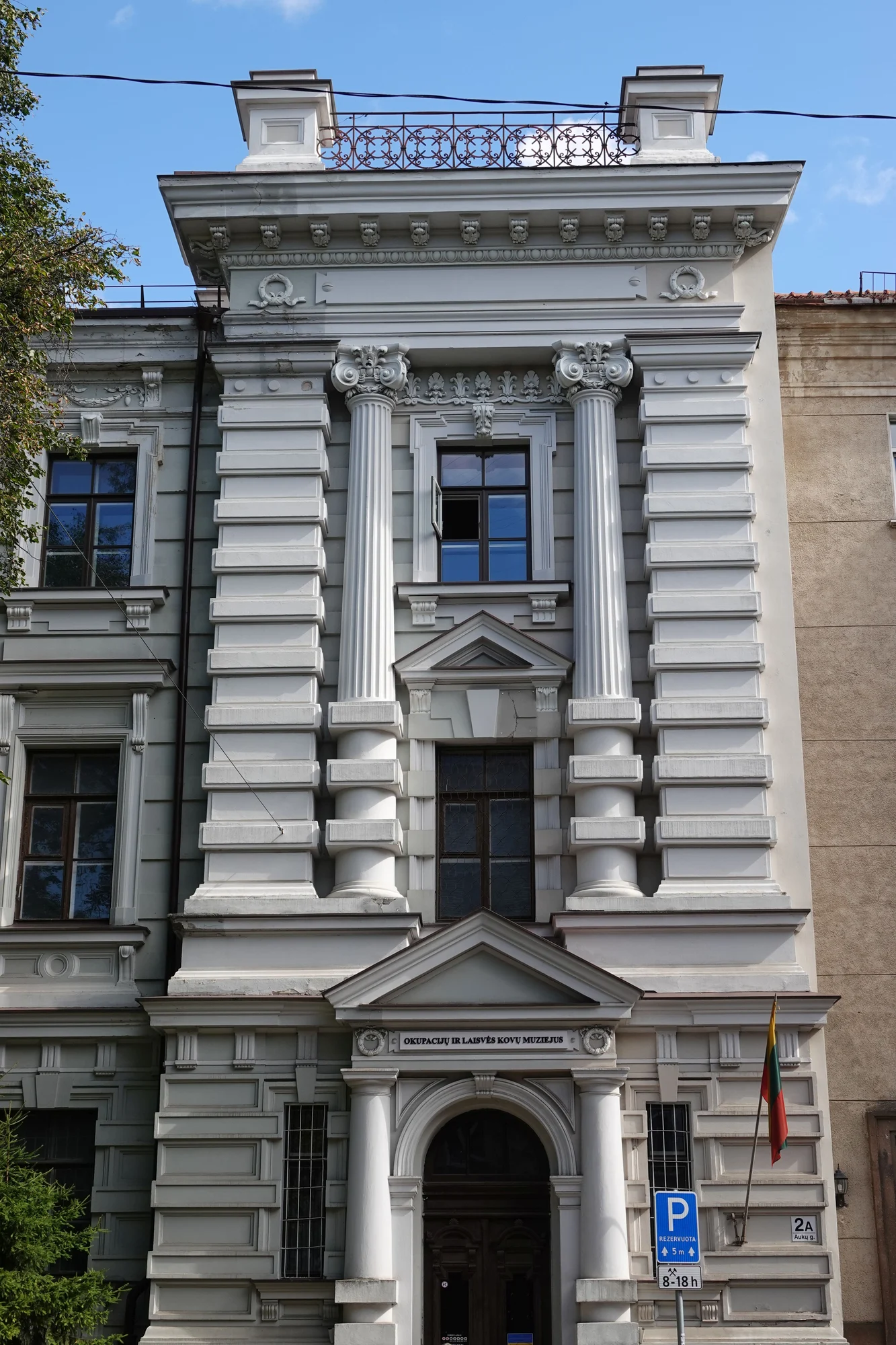
Vilnius's twentieth-century history is told most powerfully at the Museum of Occupations and Freedom Fights, set in the former Gestapo and KGB headquarters on Aukų Street. Its exhibitions on Soviet deportations and the partisan resistance, and its preserved KGB prison in the basement, make it the essential museum for understanding occupation, repression and the road to independence. It is sober rather than sensational, and deeply affecting; allow at least 90 minutes. Recently published adult tickets are around €6, with free admission on national remembrance days — verify before you go.
For Jewish history, the Vilna Gaon Museum of Jewish History spreads across several branches — the Tolerance Centre, the Holocaust exhibition, the Samuel Bak Museum, the newer Litvak museum and the Paneriai Memorial — each illuminating a different facet of the city once called the Jerusalem of the North. These are not light visits, but they are among the most important in the city. Our dedicated Jewish-Vilnius guides explain how to use them.
Smaller history-and-memory sites round things out: the Signatories' House, where independence was declared in 1918, and Lukiškės Prison 2.0, a former Soviet jail now open for tours and culture. Pair any of these with the occupation museum for a coherent history day.
A word on how to approach the memory museums. They are not light entertainment, and stringing several together in one day can be overwhelming. We would rather you visit one of them properly — sitting with the exhibits, reading the testimony — than treat occupation and genocide as boxes to tick. If you are travelling with children, weigh their ages carefully; the broader cultural and history museums are gentler introductions, and the basement of the occupation museum and the Paneriai site are intense by any standard. Used thoughtfully, though, these are the museums that will stay with you longest, and they are a large part of why Vilnius rewards a slow, serious visitor.
If your trip is built partly around this twentieth-century history, read our dedicated Soviet-history and Jewish-Vilnius guides alongside this page; they sequence the museums with the streets, memorials and day trips that complete the story, so the museums become chapters in a narrative rather than isolated stops.
- Museum of Occupations and Freedom Fights: former KGB HQ, ~€6, allow 90+ min
- Vilna Gaon Museum branches: the essential Jewish-history collections
- Signatories' House and Lukiškės Prison 2.0 for more recent history
Specialist and hands-on museums
Beyond the headliners, Vilnius rewards curiosity with a clutch of specialist museums that are often quieter and great value. The Energy and Technology Museum, set in a beautifully preserved former power station by the river, is the city's best hands-on science stop: turbines, interactive exhibits and the industrial architecture itself make it a hit with children and engineering-minded adults alike. A little further out, the Lithuanian Railway Museum gathers locomotives and rolling stock for train enthusiasts and families looking for something different from churches and palaces.
For decorative and applied arts, the Museum of Applied Arts and Design holds Lithuanian and European furniture, textiles, ceramics and treasures of sacred art, and frequently hosts strong temporary exhibitions; the Church Heritage Museum, in the former Church of St Michael, displays the Vilnius Cathedral treasury and ecclesiastical art in a serene setting. Both reward an unhurried visit and rarely feel crowded.
There are also intimate house-museums for those drawn to particular figures: the M. K. Čiurlionis house honours Lithuania's visionary painter-composer, the Kazys Varnelis house-museum pairs op-art with a remarkable private collection, and the Adam Mickiewicz museum recalls the great Romantic poet's Vilnius years. None of these will fill a whole day, but any one of them adds texture to a visit and gets you off the main tourist track.
- Energy & Technology Museum: hands-on science in a former power station
- Lithuanian Railway Museum: locomotives and rolling stock for train fans
- Applied Arts & Design and Church Heritage: decorative and sacred art
- House-museums: Čiurlionis, Kazys Varnelis, Adam Mickiewicz
Quick picks: art, families, rainy days and value
If you only have time for a couple of museums, sort by what you came for. For art and design, MO Museum is the obvious first choice, with the applied-arts and design collections close behind. For deep Lithuanian history, the Palace of the Grand Dukes leads, backed by the National Museum and Gediminas' Tower. For twentieth-century memory, the Museum of Occupations and Freedom Fights and the Jewish-heritage branches are unmatched, if heavy.
Travelling with children? MO is the most family-friendly of the big museums, the science-and-technology and railway museums on the city's edges are hands-on hits with kids, and Gediminas' Tower turns history into a short adventure with a view. For a rainy day, almost any of these works, and you can comfortably chain two Old Town museums and a café between downpours.
Some quick either-or calls to save you deliberating. Limited to one history museum and torn between the Palace of the Grand Dukes and the occupation museum? Choose the Palace for the sweep of Lithuanian statehood and grandeur, the occupation museum for the raw twentieth century — they answer very different questions. Choosing between MO and the applied-arts museum for an art fix? MO for modern and contemporary energy, applied arts for craftsmanship and decorative beauty. Deciding whether Gediminas' Tower is 'a museum'? It is more viewpoint than museum, but it is the easiest, cheapest way to add history and a panorama to any half-day.
And a reminder that not everything memorable in Vilnius is a paid museum. The carved facade of the occupation museum, the courtyards of the university, the churches with their treasuries, and the open-air memorials of the independence story are all, in their way, exhibitions you can read for free as you walk. Build your museum choices around those, and the city itself becomes the best collection of all.
On value: Vilnius museums are inexpensive, but if you plan to visit several paid sights in a day or two it is worth checking whether a city pass or combined ticket saves money — our pass guide runs the comparison so you don't have to. Whatever you choose, two well-chosen museums beat five rushed ones.
A note on timing and closing days, because it catches people out. Several museums close on Monday or Tuesday, and most stop selling tickets around half an hour before they shut; the smaller house-museums can keep shorter or more variable hours. If a specific museum is the centrepiece of your day, check its current schedule the night before. Many sites also run free-admission days tied to remembrance dates or the last Sunday of the month, and the city hosts an annual Museum Night when many museums open late for free — worth planning around if your trip coincides.
Finally, do not overlook the museums' cafés and shops as part of the experience. MO, the Palace of the Grand Dukes and the larger branches have genuinely pleasant cafés that make natural rest stops on a long sightseeing day, and the design-led shops are among the better places in the city to pick up a thoughtful souvenir. A well-paced museum day in Vilnius is as much about these pauses as about the galleries themselves.
- Art & design: MO Museum, Applied Arts & Design
- History: Palace of the Grand Dukes, National Museum, Gediminas' Tower
- Memory: Occupations Museum, Vilna Gaon Museum branches
- Families: MO, the science/technology and railway museums, Gediminas' Tower
- Value: check a city pass for multi-museum days
Related guides
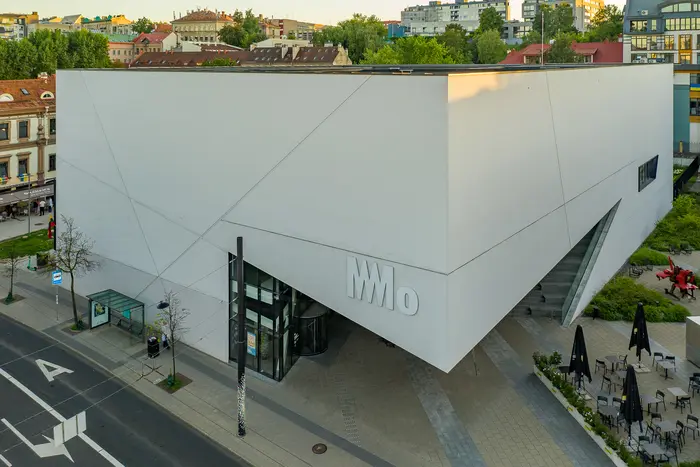
MO Museum guide
Tickets, exhibitions, architecture, family fit, bistro and how MO fits a modern-art and rainy-day Vilnius day.
Read guide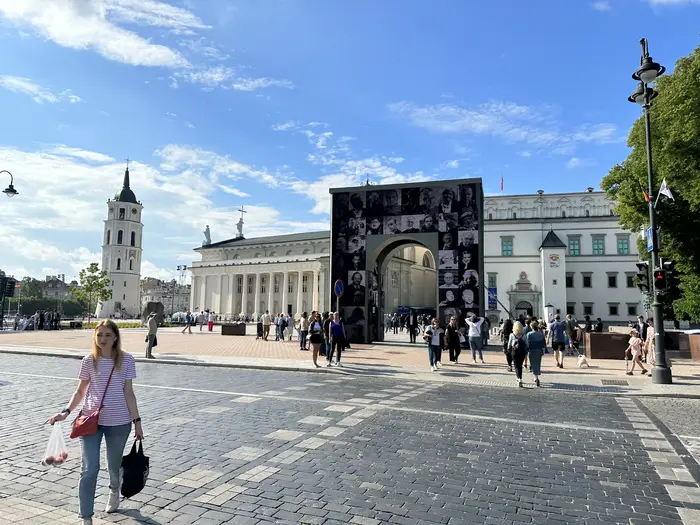
Palace of the Grand Dukes of Lithuania
A reconstructed royal residence beside Cathedral Square, now a national museum that walks you through Lithuanian history across four themed routes — archaeology, restored Gothic-to-Baroque halls, weaponry and major exhibitions.
Read guide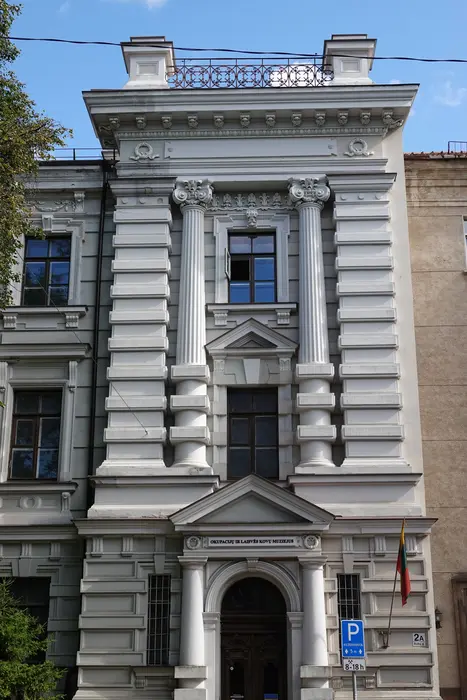
Museum of Occupations and Freedom Fights (KGB Museum)
Set in the former KGB headquarters and prison, this sobering museum tells the story of Lithuania's 20th-century occupations and resistance — including the preserved cells in the basement.
Read guide