
Vilnius Jewish Heritage Itinerary
A respectful route through Jewish Vilna — the 'Jerusalem of the North': the former ghetto streets, the Vilna Gaon legacy, surviving synagogues and memorials, the city's Jewish museums, and the Paneriai Memorial.
- ✓Before the Holocaust, Vilnius — 'Vilna' — was one of the world's great centres of Jewish learning and life, the 'Jerusalem of the North'.
- ✓This is a route to take slowly and respectfully: much of what it commemorates was destroyed, and the sites are places of memory as much as sightseeing.
- ✓Walk the two former ghetto areas in the Old Town, trace the Vilna Gaon's legacy, and visit the surviving Choral Synagogue and the city's Jewish museums.
- ✓The Vilna Gaon Museum of Jewish History tells the story across several branches, including the powerful Holocaust Exposition (the 'Green House').
- ✓Paneriai Memorial, in the forest outside the city, marks where most of Vilna's Jewish community was murdered; it is the route's solemn endpoint.
Visiting Jewish Vilna with care
For centuries, Vilnius was one of the most important centres of Jewish life and scholarship in the world — so much so that it was known as the 'Jerusalem of the North', or in Yiddish, the 'Jerusalem of Lithuania'. It was a city of yeshivas, printing houses, libraries, theatres and a vast network of synagogues and prayer houses, home to a Jewish community that by the early 20th century made up a large share of the city's population. The Vilna Gaon — Elijah ben Solomon Zalman, the 18th-century Talmudic genius — gave the city's scholarly tradition a name that still resonates across the Jewish world.
Almost all of that was destroyed. During the Nazi occupation in the Second World War, the community was forced into two ghettos and then, in stages, murdered — most of them in the forest at Paneriai just outside the city. By the war's end, the Jewish Vilna that had existed for five centuries was effectively gone. This itinerary is therefore not a conventional sightseeing route; it is a route of memory, and we ask you to walk it with the care and quiet the subject demands.
Practically, the route works as one full, unhurried day in the city followed by a half-day trip to Paneriai — though you can compress or extend it. Much of what you'll see is what survives and what commemorates: a handful of buildings, plaques marking where synagogues and institutions once stood, the museums that hold the story, and the memorials. Reading even a little about the history before you go, and considering a knowledgeable local guide, will make the day far richer and more respectful.
A note on logistics: the Jewish museum branches and memorials have their own opening hours, some are closed on certain days, and Paneriai is reached by train, taxi or tour rather than a casual walk. Confirm hours and transport against official sources before you set out, and dress and behave as you would at any place of remembrance.
Morning — the former ghetto and the heart of Jewish Vilna
Begin in the Old Town, in the warren of narrow streets that formed the historic heart of Jewish Vilna and later the two wartime ghettos. The area around Žydų (Jewish), Stiklių, Gaono and Mėsinių streets was once the dense core of Jewish life — synagogues, the famous Strashun Library, schools and shops packed into a few blocks. Today it is quiet and largely residential, but plaques and memorial markers mark where key institutions stood, including the site of the Great Synagogue of Vilna, a monumental complex destroyed in the war and later cleared, now the subject of ongoing archaeological work.
Trace the boundaries of the two ghettos established by the occupiers in 1941. Memorial plaques mark the former ghetto gates and the lines the community was confined behind; walking these streets with the history in mind is the most direct way to feel the scale of what was lost. A bust and memorial to Tzemach Shabad — the beloved Vilna doctor and community leader said to have inspired the children's character Doctor Dolittle — stands as a reminder of the ordinary, vital life these streets once held.
Seek out the Vilna Gaon's legacy. The Gaon lived and taught in this quarter, and although the original Great Synagogue and his kloyz (study house) are gone, memorials mark the area associated with him, and his name is honoured across the museums and the city. Reading about his role in shaping the city's intellectual life gives the morning its depth.
Take your time, and resist the urge to rush between markers. Much of the morning is about atmosphere and absence — reading the plaques, picturing the streets as they were, and letting the quiet do its work. A good guide or a well-researched self-guided route makes an enormous difference here, turning a row of unremarkable buildings into a legible map of a vanished world.
- The former Jewish quarter — Žydų, Stiklių, Gaono and Mėsinių streets.
- The site of the Great Synagogue of Vilna and ongoing archaeological work.
- The former ghetto boundaries and gate plaques from 1941.
- Memorials to the Vilna Gaon and to Tzemach Shabad.
The former ghetto streets, plaques and the Gaon legacy in detail.
Vilnius Old TownThe UNESCO core that holds the historic Jewish quarter.
Jewish Vilnius GuideBackground and context for the sites on this route.
Map pins
Map data © OpenStreetMap contributors · Tiles © OpenFreeMap
Afternoon — synagogue, museums and the Gaon's story
In the afternoon, visit the Choral Synagogue, the only one of the city's many synagogues to survive the war and the Soviet years still functioning. This Moorish-Romantic building, just south of the Old Town, remains an active place of worship for the small present-day community and offers a tangible link to the religious life that once filled the city. Visit respectfully, dress modestly, and check visiting times and any service schedules before you arrive.
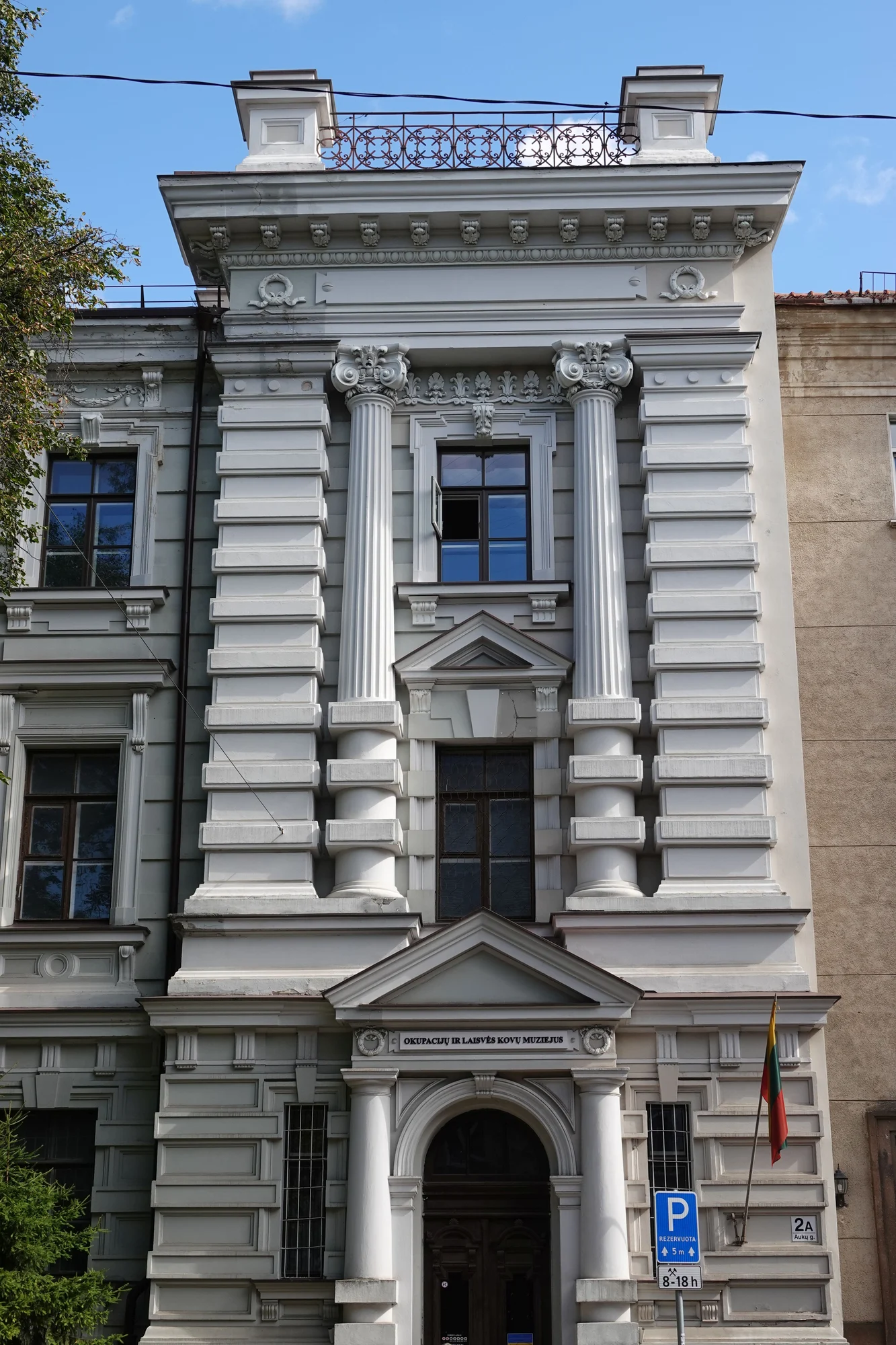
Give the core of the afternoon to the Vilna Gaon Museum of Jewish History, which tells the story across several branches around the city. The Tolerance Center, in a former Jewish theatre, displays Jewish art, religious objects and the cultural life of Lithuanian Jewry. The Holocaust Exposition, known as the 'Green House', is a small, unflinching museum that documents the destruction of the community — it is harrowing and essential, and worth steeling yourself for. Other branches, including the museum dedicated to the rescuers and the righteous, deepen the picture.
Between the branches, the museums also honour the city's intellectual giants and its resistance — the partisans who escaped the ghetto to fight in the forests, the diplomats and ordinary people who saved lives. It's worth remembering, too, the story of Chiune Sugihara, the Japanese consul in nearby Kaunas who issued thousands of life-saving transit visas; a small memorial park in Vilnius marks the connection. These threads of rescue and survival are an important counterweight to the day's grief.
By the end of the afternoon you'll have moved from the streets where the community lived, through the building where it still worships, to the museums that hold its memory. It is a lot to absorb in a day, so allow time afterwards to sit somewhere quiet, perhaps in a café or a park, and let it settle before the evening. Confirm all the branch opening hours in advance, as they vary and some branches close on particular days.
- The Choral Synagogue — the only surviving working synagogue in the city.
- The Vilna Gaon Museum branches — the Tolerance Center and the Holocaust 'Green House'.
- Stories of resistance and rescue — the forest partisans and the righteous.
- The Sugihara connection and the memorial honouring his life-saving visas.
Paneriai — the route's solemn endpoint
The route ends, as the history does, at Paneriai (Ponar), in the forest about ten kilometres southwest of the city. Between 1941 and 1944, tens of thousands of people — the great majority of them Jews from Vilna, along with Poles, Roma and others — were murdered here and buried in pits originally dug for Soviet fuel tanks. It is the single most important and most sorrowful site of the city's Jewish history, and the place where the community that this whole itinerary commemorates was, in the most literal sense, destroyed.
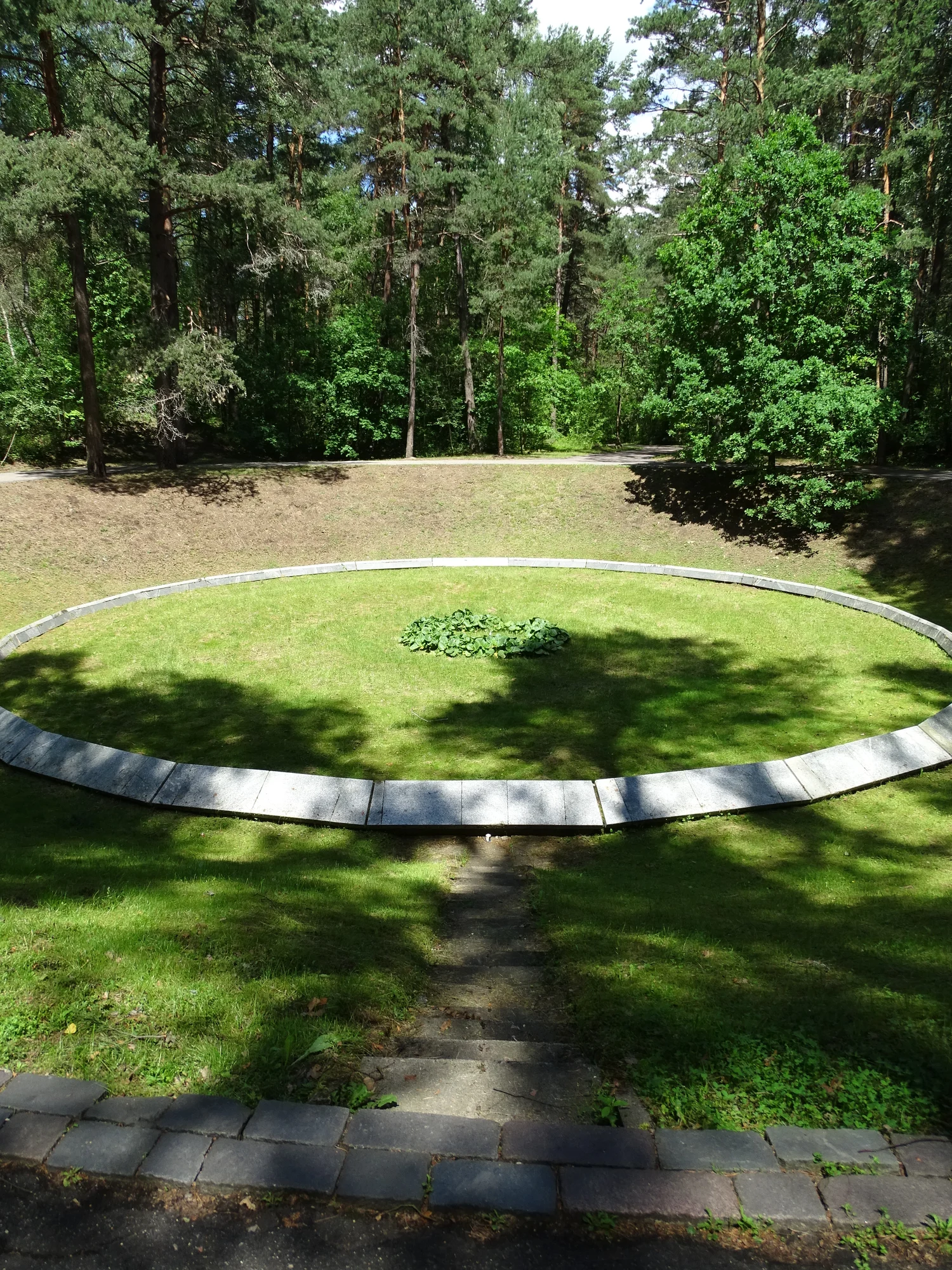
The Paneriai Memorial today is a quiet clearing in the pines, with monuments, the preserved pits and a small museum that documents what happened. It is reached by a short suburban train ride from Vilnius, by taxi, or as part of an organised tour; from the station it is a signposted walk to the memorial. Go in the right frame of mind, allow plenty of time, and treat it as the place of remembrance it is — quiet, unhurried and respectful.
Visiting Paneriai is difficult, and it is meant to be. It is not a comfortable end to a trip, but it is the necessary one if you want to understand what 'Jerusalem of the North' truly means — a centre of life and learning that was annihilated within a few years. Reading the names and the numbers, standing among the pits in the silence of the forest, is the most honest way to honour the people this route is about.
Whether you do the full route in a day and a half or spread it more slowly, approach the whole thing as an act of remembrance rather than tourism. Confirm Paneriai's opening hours and train times before you go, dress and behave appropriately, and consider, if you can, going with a guide who can tell the stories the stones can't. For a longer trip, the four-day Vilnius itinerary builds in time for exactly this kind of deeper, more reflective day.
- Paneriai Memorial — the forest site where most of Jewish Vilna was murdered.
- Reached by suburban train, taxi or organised tour; a signposted walk from the station.
- Allow plenty of time, go quietly, and treat it as a place of remembrance.
- Consider a knowledgeable guide; confirm hours and train times before you go.
Planning a respectful visit — context, guides and etiquette
Because this route is one of memory rather than spectacle, a little preparation makes it far more meaningful. Read something about Jewish Vilna before you go — the city's role as a centre of Torah scholarship and the Haskalah (Jewish Enlightenment), the Vilna Gaon's towering influence, the Yiddish cultural and literary world that flourished here, and the destruction of that world in the Holocaust. Knowing the names and the institutions turns a row of plaques and quiet streets into a legible map of a vanished civilisation, and lets you stand in these places with understanding rather than just looking.
A knowledgeable guide is worth serious consideration for this route in particular. So much of Jewish Vilna is absence — buildings gone, the community destroyed — that a guide who can repopulate the streets with their history, point out what stood where, and tell the stories of the people and the resistance makes an enormous difference. Specialist Jewish-heritage walking tours exist, and the museum branches and Paneriai can often be visited with guides too. If you'd rather go self-guided, the museums provide the essential context, so visit them early to frame the rest.
Approach the sites with the etiquette you'd bring to any place of remembrance. At the Choral Synagogue, dress modestly, check service times, and follow any guidance on photography and head-covering; it is an active place of worship for a small living community, not a museum. At Paneriai and the Holocaust exposition, keep your voice low, take care with photography, and give yourself time to absorb rather than rush. These are places where people grieve and remember; visiting them thoughtfully is part of honouring what they hold.
On the practical side, the museum branches and memorials keep their own hours and some close on particular days, so confirm opening times before you build the day around them. Paneriai is reached by suburban train, taxi or organised tour, with a signposted walk from the station — check train times and allow generous time. The full route compresses comfortably into a day and a half, but there's no need to rush it; if anything, spreading it slowly and reflectively, perhaps across a longer trip, suits the subject better.
- Read about Jewish Vilna first — the Gaon, the Yiddish world, the Haskalah and the Holocaust.
- Strongly consider a specialist guide; so much of the heritage is absence that needs telling.
- Bring the etiquette of a place of remembrance — modest dress, low voices, care with photos.
- Confirm branch hours and Paneriai train times; spreading the route slowly suits it.
Related guides
Jewish Quarter Vilnius guide
A respectful guide to Vilnius's former Jewish quarter and ghetto streets: the lanes of old Jewish Vilna, the site of the Great Synagogue, the Vilna Gaon's legacy, the ghetto memorials and where to find context before you walk.
Read guide
Vilna Gaon Museum guide
How to use Vilnius's state Jewish-history museum — the Vilna Gaon Museum of Jewish History — and its branches, from the Tolerance Centre and the Holocaust exhibition to the Samuel Bak and Litvak museums and the Paneriai Memorial.
Read guide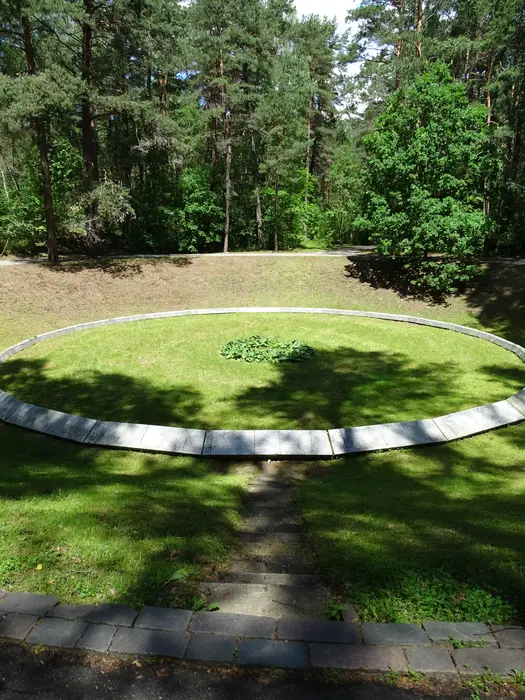
Paneriai Memorial: Visiting from Vilnius
A respectful guide to visiting the Paneriai (Ponary) Holocaust Memorial from Vilnius: how to get there by train, taxi, or tour, the history, time needed, and how to visit with care.
Read guide