
Solo Travel in Vilnius
How to enjoy Vilnius confidently on your own: where to stay, where to eat solo, walkable routes, joining tours, using public transport, and why this compact, safe capital suits independent travellers.
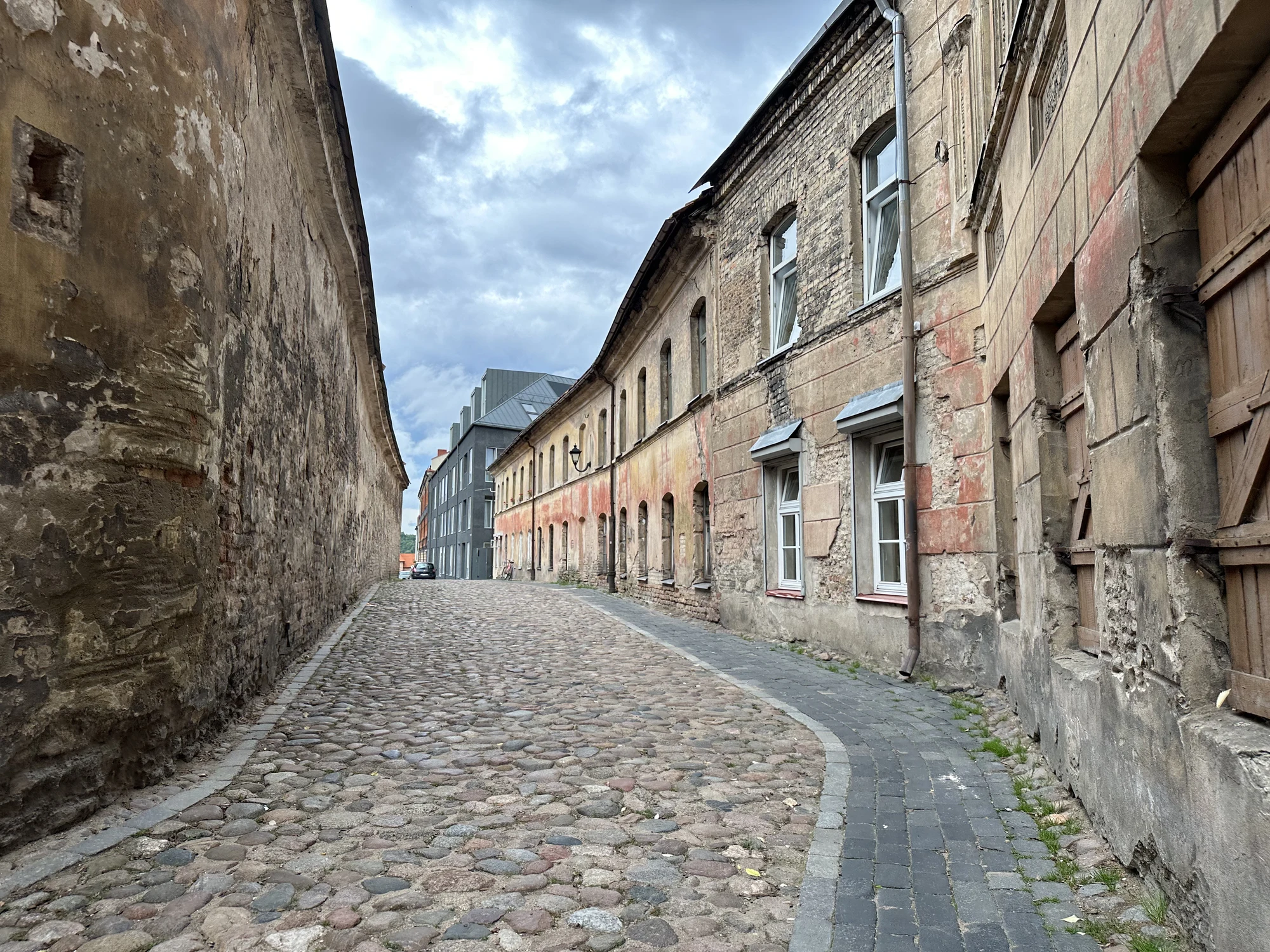
- ✓Vilnius is compact, calm and very walkable — one of Europe's easiest capitals to navigate alone.
- ✓It consistently ranks among the safer European cities, with petty pickpocketing the main thing to watch in crowds and at the stations.
- ✓Base yourself in or beside the Old Town so almost everything is a short, well-lit walk home.
- ✓Solo dining is easy here: market halls, café bars and counter seats make eating alone feel natural.
- ✓Walking tours, day trips and the bar-and-café scene are the simplest ways to meet people if you want company.
Why Vilnius works so well solo
Vilnius is one of the gentlest European capitals to take on alone. The historic core is small enough to cross on foot in twenty minutes, the street grid is forgiving, and you're rarely far from a café, a church door to duck into, or a bench with a view. After a day or two you stop checking the map; the city becomes legible in a way that bigger capitals never quite manage for a short trip.
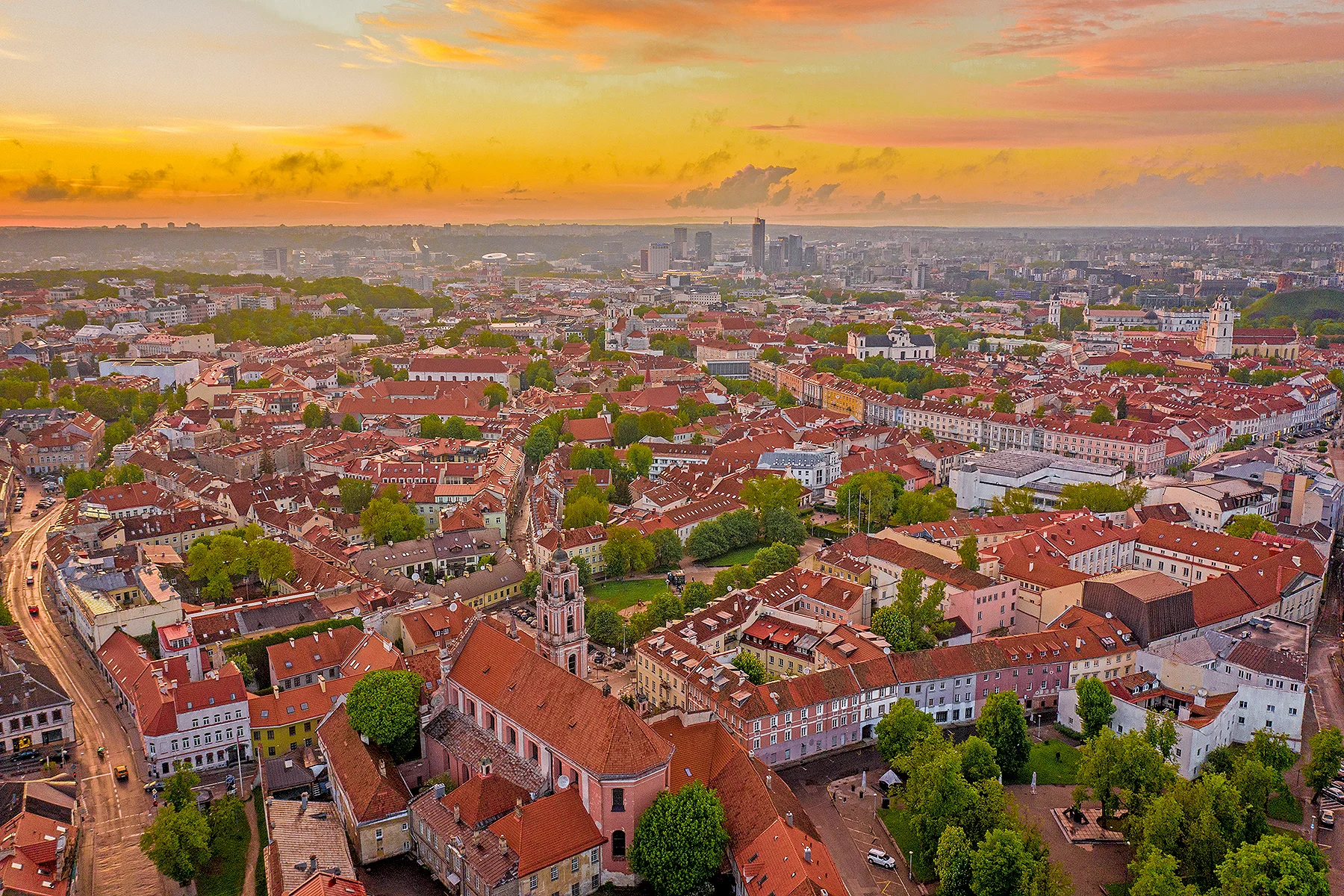
It's also reassuringly low-stress. Vilnius regularly scores well on safety, and solo travellers — including solo women — generally report feeling comfortable wandering the centre, eating out and using public transport on their own. Violent crime affecting visitors is uncommon; the realistic risk is opportunistic pickpocketing in busy spots and around the train and bus stations, which a little ordinary care handles. For a fuller breakdown of areas, scams and night-time streets, see our dedicated safety guide.
The flavour of the place suits independent travel, too. This is a city that rewards slow, aimless wandering rather than a packed checklist, which is exactly the kind of trip that feels good on your own. You can sit with a coffee for an hour, change plans on a whim, climb a hill at golden hour, and answer to nobody but yourself.
It helps that the practical fundamentals are easy. English is widely spoken across the tourism and hospitality scene and among younger locals, so you'll have no trouble asking directions, ordering food or sorting a problem on your own. The city is also good value, which takes the financial sting out of travelling without anyone to split a room or a taxi with — meals, coffee, transport and museums all cost less than in most of Western Europe. Add the compact size and the calm streets, and Vilnius removes most of the friction that can make solo travel feel like hard work elsewhere.
- Compact, walkable centre — most sights are within a 20-minute walk of each other.
- Consistently rated among Europe's safer capitals; pickpocketing is the main petty risk.
- Low-pressure, wander-friendly pace that plays to solo travel's strengths.
Where to stay on your own
For a solo trip, location beats square metres. Basing yourself in the Old Town (Senamiestis) or immediately around it means that whatever the evening turns into — a late dinner, a wine bar, a film, a long walk — home is a short, well-lit stroll away, and you never need to weigh up a night bus or a taxi just to get back. That convenience is worth paying a little more for when you're travelling without a companion to split logistics with.
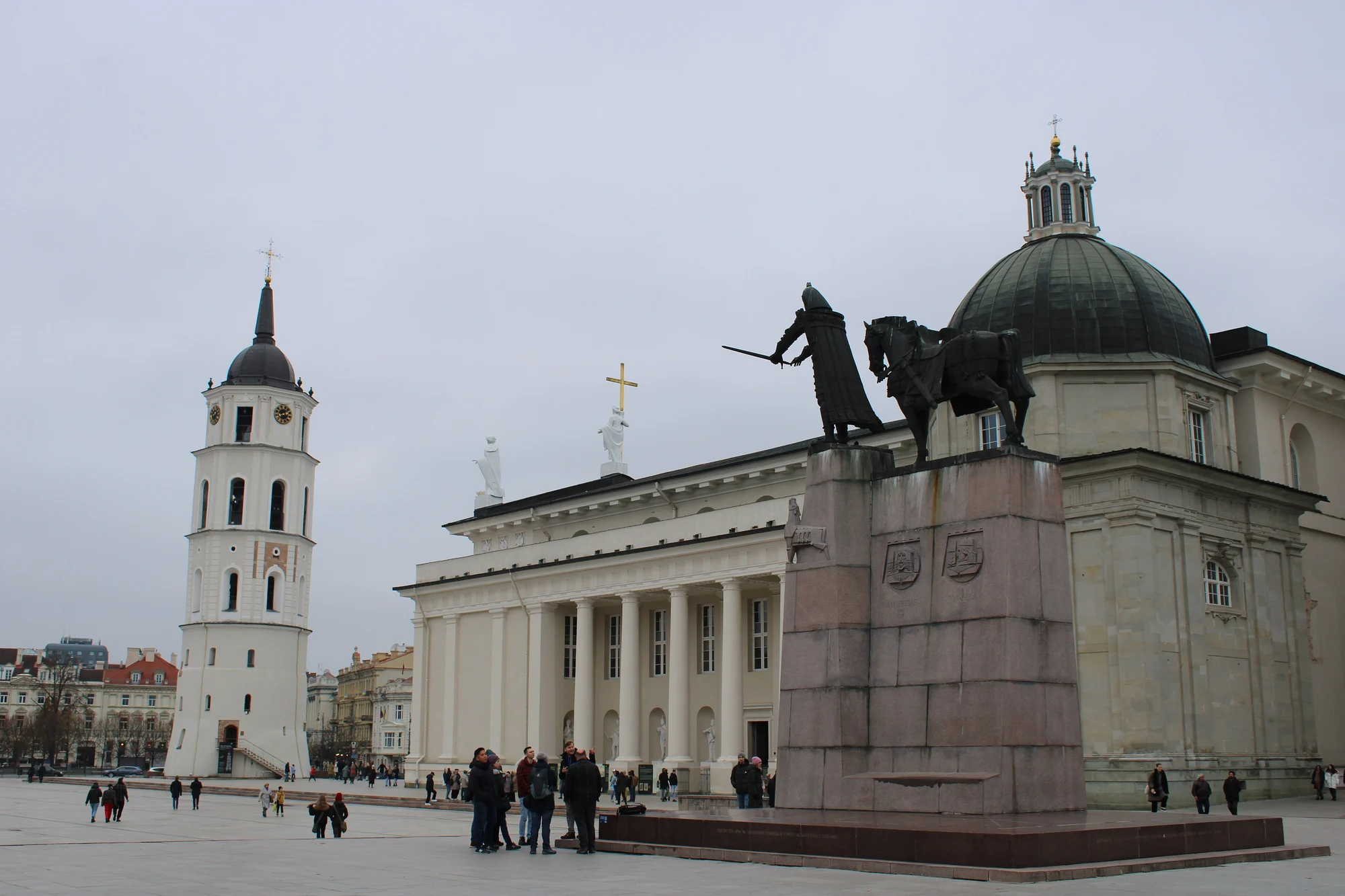
Solo travellers do well with smaller boutique hotels, guesthouses and aparthotels, where staff tend to remember you and the lobby or breakfast room makes a natural place to swap tips. If budget is the priority, Vilnius has a good hostel scene with sociable common areas — handy if part of the appeal of a solo trip is meeting other people. Wherever you land, aim to be inside or within a few minutes' walk of the Old Town's edges rather than out in a quiet residential district.
- Prioritise an Old Town or edge-of-Old-Town base so nights out end in a short walk.
- Boutique hotels, guesthouses and aparthotels suit solo stays; hostels are good for meeting people.
- A central base saves you the cost and hassle of late taxis when travelling alone.
Where to stay in the historic core, with everything on your doorstep.
Where to Stay in VilniusArea-by-area advice on choosing the right base for your trip.
Map pins
Map data © OpenStreetMap contributors · Tiles © OpenFreeMap
Eating and drinking alone
Eating solo in Vilnius is genuinely easy, and that matters — for a lot of people it's the part of travelling alone that feels most exposing. The city's market halls and food courts are the secret weapon: at Halės turgus or the Paupys market hall you order at a counter, grab a communal table, and nobody bats an eye at a party of one. They're relaxed, well-priced, and you can graze across several stalls.
Beyond the halls, café-bars and casual bistros are full of people reading, working or simply sitting with a coffee, so a table for one never feels out of place. Counter or bar seating at restaurants is the classic solo move if you'd rather not take a full table at dinner. Lithuanian comfort food — cepelinai, cold beetroot soup in summer, hearty dumplings — is made for solo grazing, and the speciality-coffee scene gives you an endless supply of good places to base yourself between sights.
If you fancy company for an evening, the compact bar scene in and around the Old Town and Užupis is friendly and easy to dip into alone, and craft-beer taprooms in particular tend to draw a chatty crowd. Breakfast and brunch are easy solo, too: the city's strong speciality-coffee culture means there's always a relaxed spot to ease into the day over a flat white and a pastry, no reservation or company required.
- Market halls (Halės turgus, Paupys) make solo dining effortless and cheap.
- Café-bars and counter seating are everywhere — a table for one is completely normal.
- Taprooms and Old Town/Užupis bars are sociable if you want to meet people over a drink.
Getting around and joining things
Most of a solo trip here happens on foot, which is the whole point — walking is how Vilnius reveals itself. For longer hops, the bus and trolleybus network is simple, cheap and easy to use alone: tap a contactless card or buy a ticket via the app, and you're covered. Ride-hailing through Bolt is cheap and removes any uncertainty about taxi fares, which is reassuring when you're handling everything yourself, especially late at night.
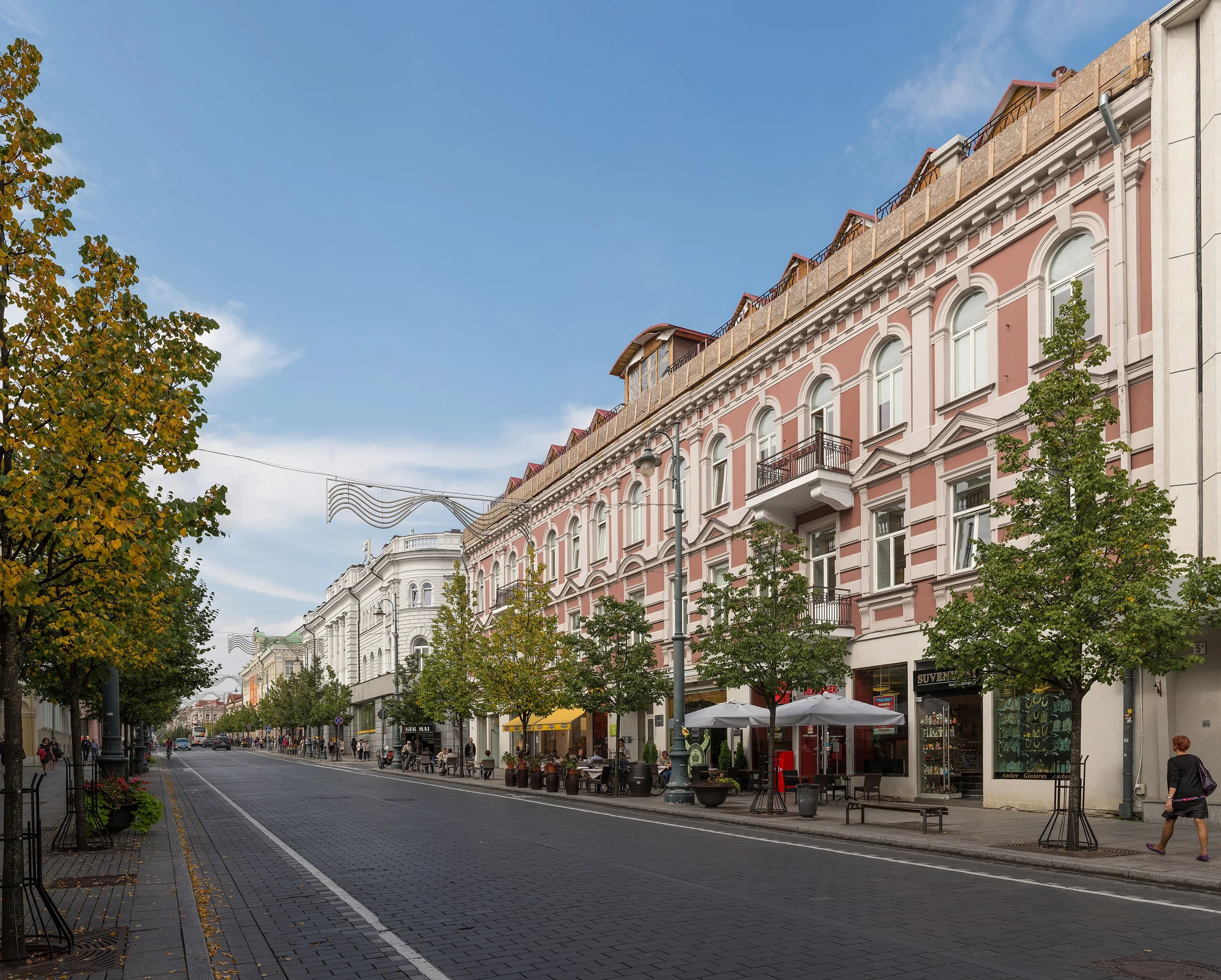
Joining a guided walk is the single best way to find your feet and, if you want it, some company. A morning Old Town walking tour orients you, hands you the city's stories, and often throws you together with other solo travellers; there are free tip-based walks as well as themed and food tours. Day trips work beautifully solo, too — Trakai's lakeside castle is an easy half-day by bus or train, and joining a small-group tour to further-flung spots takes the planning off your plate and puts you among other travellers for the day.
A few solo-specific habits make everything smoother: keep your phone charged and offline maps downloaded, screenshot your accommodation address and key bus stops, and tell someone back home your rough plan for day trips. None of it is onerous — Vilnius is forgiving — but the small routines let you relax into the trip.
- Walk by default; use buses/trolleybuses (contactless or app) for longer trips.
- Bolt is cheap and transparent — ideal for solo late-night rides.
- Walking tours and small-group day trips are the easiest ways to meet people.
- Download offline maps and keep your accommodation address handy.
Staying comfortable and confident
Vilnius asks very little extra of a solo traveller, but a handful of sensible habits keep the trip easy. In crowds, at markets and around the stations, keep your bag zipped and your phone in a front pocket — pickpocketing is the one petty risk worth guarding against. At night the central streets are well-lit and busy, and walking home is fine; if a stretch feels quiet or you're far out, a Bolt costs little and settles the question.
Have a plan for your phone before you arrive so you're never stranded without maps or a way to call a ride: visitors from the EU can usually roam on their home plan for free, while everyone else should sort an eSIM or a local SIM (our connectivity guide covers the options). Carry a little cash for markets and the odd small café even though cards work almost everywhere. It's also worth jotting down or screenshotting a couple of basics — your accommodation address, the nearest bus stop, and the EU-wide emergency number 112 — so a flat battery never leaves you stuck. And give yourself permission to do the thing solo travel is best at — change your mind, linger, climb the hill for sunset, and let the day unfold at your own pace.
- Guard your bag and phone in crowds and at the stations; otherwise relax.
- Central streets are well-lit at night — a Bolt covers anything that feels quiet.
- Sort connectivity in advance (free EU roaming, or an eSIM/local SIM) so you always have maps.
- Carry a little cash and let the trip move at your own pace.
Related guides
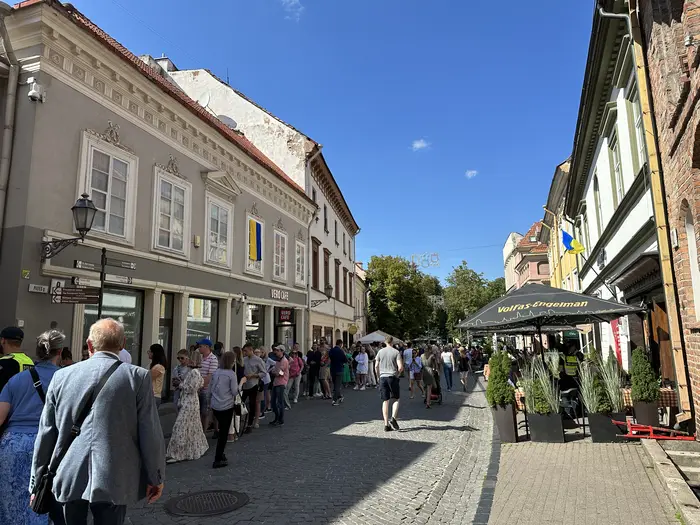
Is Vilnius Safe?
Honest, practical safety advice for Vilnius: the Old Town, the station area, nightlife, taxis, solo and female travel, winter pavements and the handful of scams to sidestep.
Read guide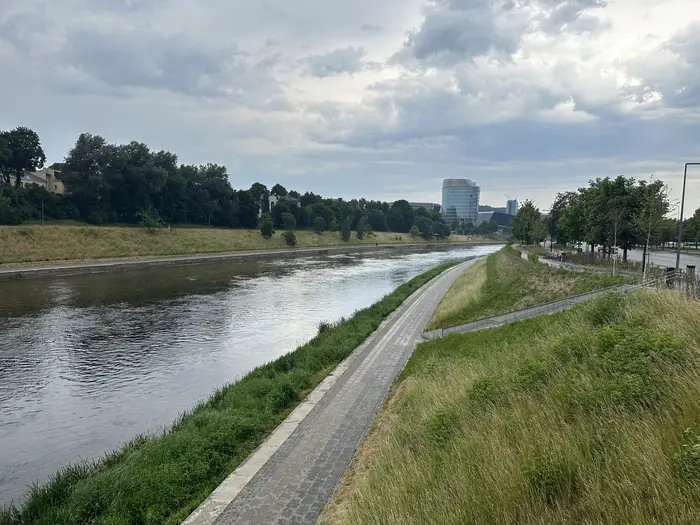
Best Vilnius Tours
The best tours in Vilnius: when to book walking, food, Jewish-heritage, Soviet-history, Trakai, hot-air-balloon and bike tours — and when to go it alone.
Read guide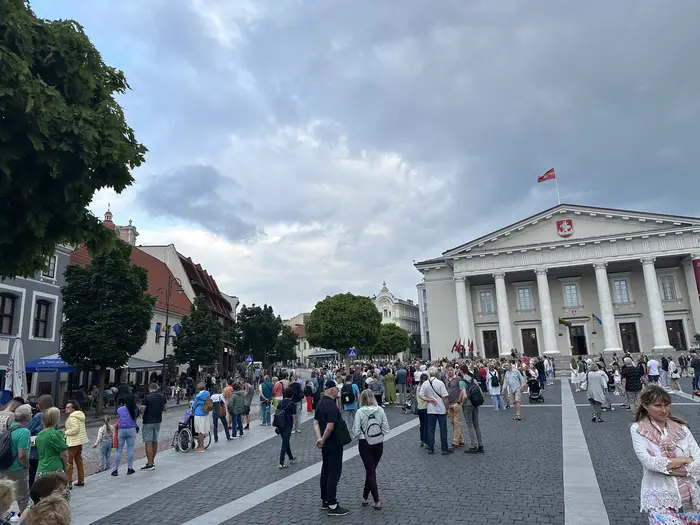
Best Old Town Hotels in Vilnius
Stay inside Vilnius Old Town with clear trade-offs on charm, noise, cobbles, taxis, restaurants and winter walking — and how to pick the right street.
Read guide