
Modern Baltic Cuisine in Vilnius
Season-driven Vilnius kitchens spotlighting foraged herbs, Baltic grains and fermented flavours — tasting menus, MICHELIN-recognised rooms and the new wave of modern Lithuanian cooking, with how to book and what to expect.
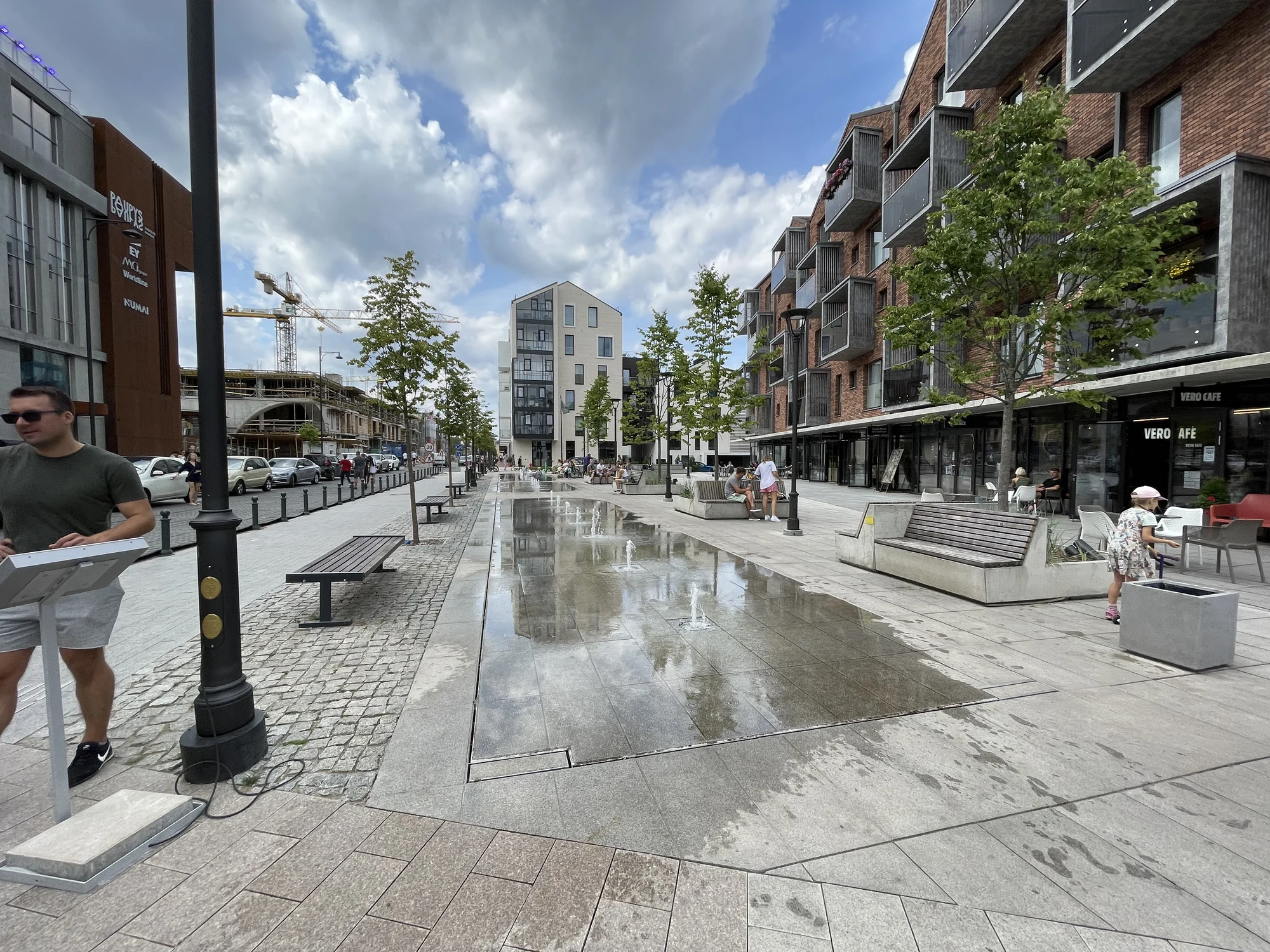
- ✓Modern Baltic is Vilnius at its most ambitious — seasonal plates built on foraging, fermentation and local grains, often as multi-course tasting menus.
- ✓The MICHELIN Guide arrived in Lithuania in 2024 and has put Vilnius firmly on the fine-dining map; several of the city's modern-Lithuanian rooms feature in it.
- ✓Expect tasting menus that tell a story — chefs like those at Ertlio Namas and Amandus narrate Lithuanian history and ingredients course by course.
- ✓Booking ahead is essential at the top tables, often days or weeks out, and most run set menus rather than à la carte.
- ✓This is special-occasion territory but excellent value by Western-European standards — a serious tasting menu here costs a fraction of one in Paris or Copenhagen.
The new wave of Lithuanian cooking
Modern Baltic is where Vilnius's culinary ambition lives. The category collects the season-driven kitchens spotlighting foraged herbs, Baltic grains and fermented flavours with thoughtful pairings — chefs reinventing Lithuanian tradition with the techniques and restraint of the wider New Nordic movement. Where Lithuanian Classics is about comfort and heritage, Modern Baltic is about reinterpretation: the same rye, beetroot, curd, game and forest ingredients, transformed into refined, contemplative plates.
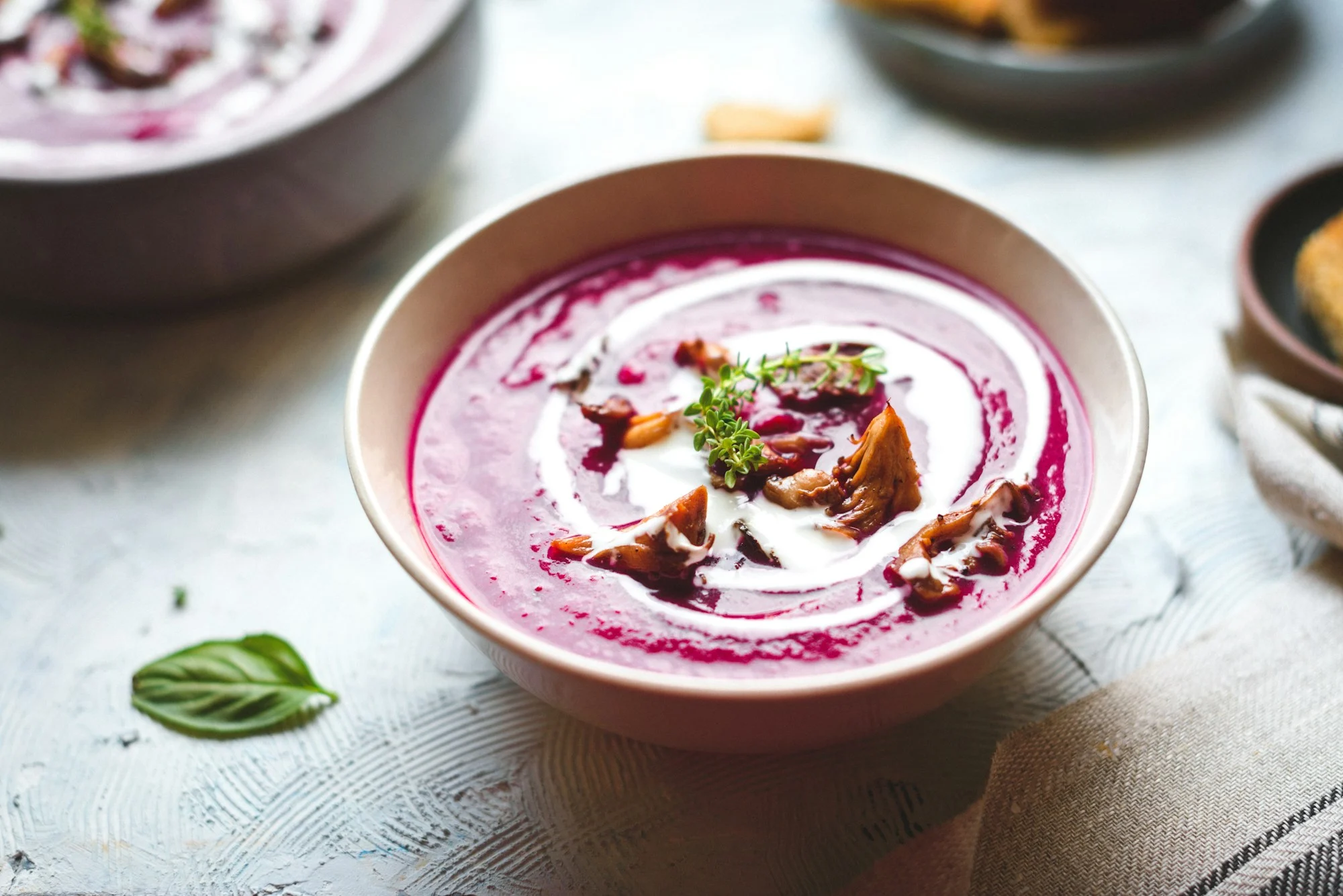
The scene has matured dramatically over the last decade, and 2024 marked a watershed when the MICHELIN Guide launched in Lithuania, recognising a clutch of Vilnius restaurants and awarding the country's first stars. That spotlight has accelerated an already confident movement of chefs cooking hyper-locally — sourcing from Lithuanian farms, foraging the surrounding forests, and fermenting and preserving to carry the short Baltic summer through the year.
Tasting menus and the storytelling kitchens
The signature format here is the multi-course tasting menu, frequently paired with wine or non-alcoholic flights. Several rooms turn dinner into a narrative: Ertlio Namas walks you through Lithuanian history dish by dish, drawing on old recipes and forgotten ingredients, while Amandus delivers a theatrical, story-driven menu from one of the country's best-known chefs. Nineteen18 — part of a courtyard culinary collective in the Old Town — and Džiaugsmas, set in a fine period house in the centre, are among the city's MICHELIN-starred names, cooking refined, farm-to-table and seasonal menus.

Others extend the modern-Baltic idea in their own directions: PACAI Restaurant & Bar brings elegance to the historic Hotel Pacai; Farmer and the Ocean blends hyper-seasonal Lithuanian farm produce with seafood; Bistro n.2 leans Scandinavian; and Fabrikėlis offers informal fine dining in a pine-forest setting just outside the city. Across all of them, the through-line is intent — careful sourcing, precise cooking, and a strong sense of place on the plate.
- Most top rooms serve set tasting menus only — check the format and length before booking.
- Wine and non-alcoholic pairings are usually optional add-ons worth taking for the full experience.
- Allow a long, unhurried evening — a full tasting menu can run several hours.
What to expect, and how to book
A modern-Baltic dinner is a planned event, not a walk-in. The best tables book out, so reserve ahead — often well in advance for weekends — and confirm whether the kitchen runs à la carte or set menus only (most of the top rooms are tasting-menu only). Dress is smart-casual rather than formal, and service is typically warm and unstuffy; this is fine dining without the starch. Tell the restaurant about dietary needs when you book, as set menus leave little room for last-minute swaps.
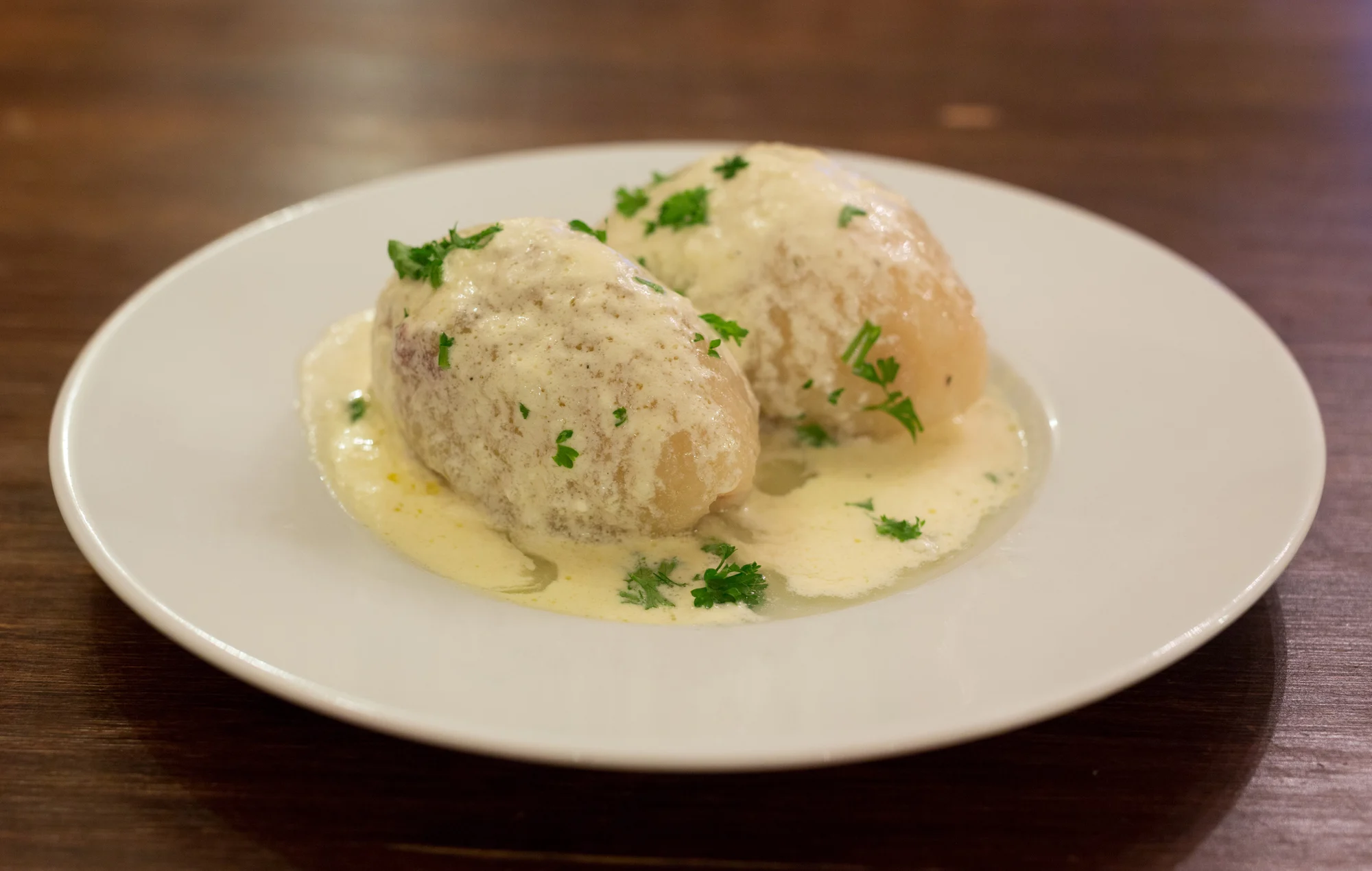
Value is a pleasant surprise. By the standards of London, Paris or Copenhagen, a serious tasting menu in Vilnius is remarkably affordable, which makes the city one of Europe's better-kept fine-dining secrets. Prices and menus change seasonally, so treat any figure you see as indicative and check the restaurant's current offering — the menu you eat in autumn, built around game and mushrooms, will look quite different from the bright, herb-forward one of late spring.
Pairing a modern-Baltic dinner with the rest of your trip
A tasting menu makes a natural centrepiece for a special night in Vilnius. Pair it with a pre-dinner cocktail in the Old Town or Naujamiestis, and book the restaurant as the anchor of a slower day rather than rushing in from sightseeing. Many of these rooms sit in or near the Old Town, so you can fold a leisurely dinner into an evening stroll past the floodlit churches and squares.
If you are building a food-focused itinerary, contrast a modern-Baltic dinner with a casual day of food halls, canteens and markets — the high and low of Vilnius eating are equally rewarding and tell the same story from different angles. Our best-restaurants and fine-dining guides help you slot the right room into the right evening, and the neighbourhood guides explain where to base yourself for easy access to the top tables.
The ingredients and ideas behind the plates
Understanding what modern-Baltic chefs are working with makes the meal richer. The Baltic larder is defined by its forests, rivers and short, intense growing season: foraged mushrooms, wild herbs, berries and birch; freshwater fish and Baltic seafood; rye, buckwheat and other hardy grains; curd and cultured dairy; and game such as venison and wild boar. Because the season is short, preservation is central — fermenting, pickling, smoking, curing and drying are not just techniques here but the cultural memory of how Lithuanians have always eaten through winter. On a modern plate, that translates into deep, sour, smoky and umami notes you won't find in lighter Mediterranean cooking.
What the best kitchens add is restraint and narrative. Rather than piling on luxury imports, they elevate humble, local ingredients — a beetroot, a slice of black bread, a foraged herb — through precise technique and a strong point of view. Several rooms lean explicitly historical, reviving noble-era or peasant recipes and recasting them for a tasting menu; others look outward to New Nordic and contemporary European ideas while keeping their feet firmly in Lithuanian soil. The MICHELIN Guide's arrival in 2024 validated this direction and brought international attention, but the movement was well underway before the inspectors showed up.
For the traveller, the takeaway is simple: a modern-Baltic meal is the single best way to understand Lithuanian food culture in one sitting, because it connects the rustic classics you'll eat elsewhere to a refined, forward-looking present. Bookend a trip with both — a canteen plate of cepelinai early on, a foraged tasting menu near the end — and you'll have tasted the full arc of the city's table.
Good to know
Quick answers before you book. Do I need a reservation? Yes — the top tables, and especially the MICHELIN-recognised rooms, book out well ahead, particularly for weekends. À la carte or set menu? Most of the leading kitchens run tasting menus only, so check the format when you reserve and flag any dietary needs early. How long does it take? A full tasting menu is a long, unhurried evening, often several hours. Is it expensive? It is special-occasion dining, but a serious tasting menu here costs far less than its equivalent in Paris, London or Copenhagen — excellent value for the quality.
- MICHELIN-starred names in Vilnius include Nineteen18 and Džiaugsmas (Lithuania's first stars arrived with the 2024 guide).
- Storytelling kitchens to know: Ertlio Namas (history course-by-course) and Amandus (theatrical tasting menu).
- Dress is smart-casual, not formal; service is warm and unstuffy.
- Menus change with the season — expect game and mushrooms in autumn, herbs and lighter plates in spring.
Related guides
Food & Drink in Vilnius
Where and what to eat and drink in Vilnius: Lithuanian classics, modern Baltic cooking, food halls, cafés, craft beer, cocktail bars and wine — curated guides to the whole scene.
Read guide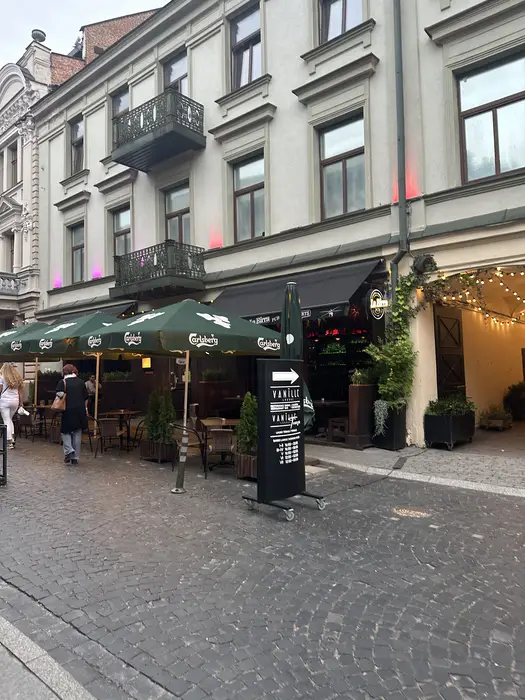
Best Restaurants in Vilnius
A practical shortlist of the best restaurants in Vilnius — by neighbourhood, by budget, and by occasion. Lithuanian classics, modern Baltic cooking, date-night rooms, tasting menus, and where to find genuine value.
Read guide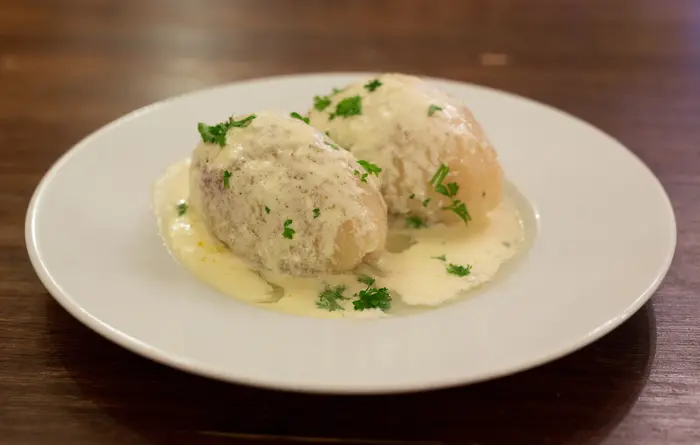
Traditional Lithuanian Food in Vilnius
What to eat in Vilnius, from cepelinai and šaltibarščiai to kibinai, dark rye bread, smoked fish, honey cake and beer snacks — and the best places to try each.
Read guide