
Best Vilnius Food Tours
How to choose a Vilnius food tour: compare market tastings, Lithuanian-classics walks, craft-beer crawls and Jewish-heritage food tours by neighborhood, budget and group size, and decide whether a tour is worth it at all.
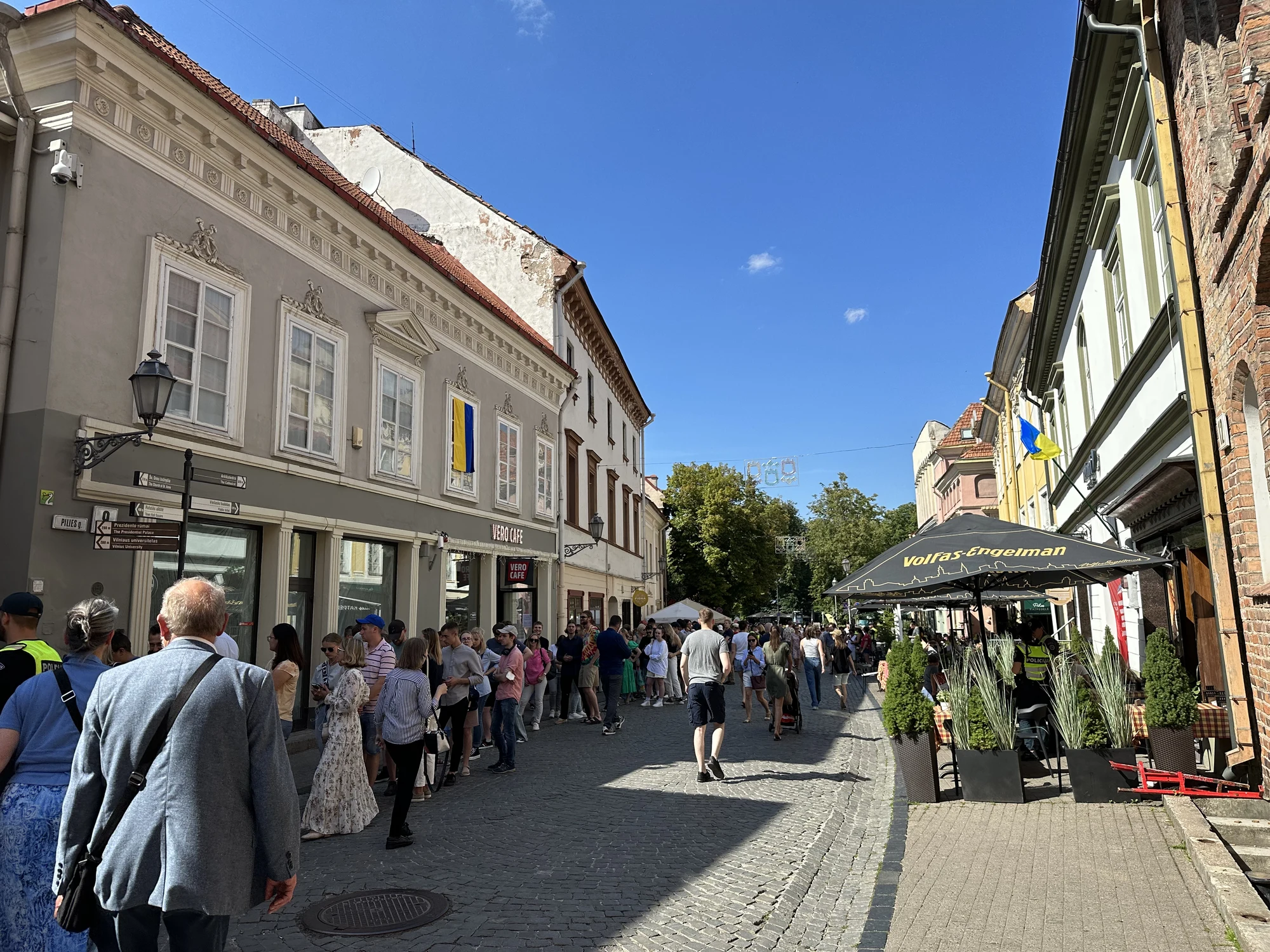
- ✓A good food tour front-loads your trip: you learn what cepelinai, kibinai and šaltibarščiai are on day one, then order with confidence all week.
- ✓Most tours run 2.5–3 hours and combine a walk through the Old Town or Hales Market with several tasting stops.
- ✓Local operators like Vilnius With Locals run Lithuanian-flavours walks, market tours and Jewish-heritage routes.
- ✓Hales Market (Halės turgus) anchors the best market-tasting tours — smoked fish, cheese, fruit wine and bakery snacks.
- ✓Tours are usually small-group; private and dietary-adapted options (vegetarian, kosher-style, gluten-free) are widely available.
Is a Vilnius food tour worth it?
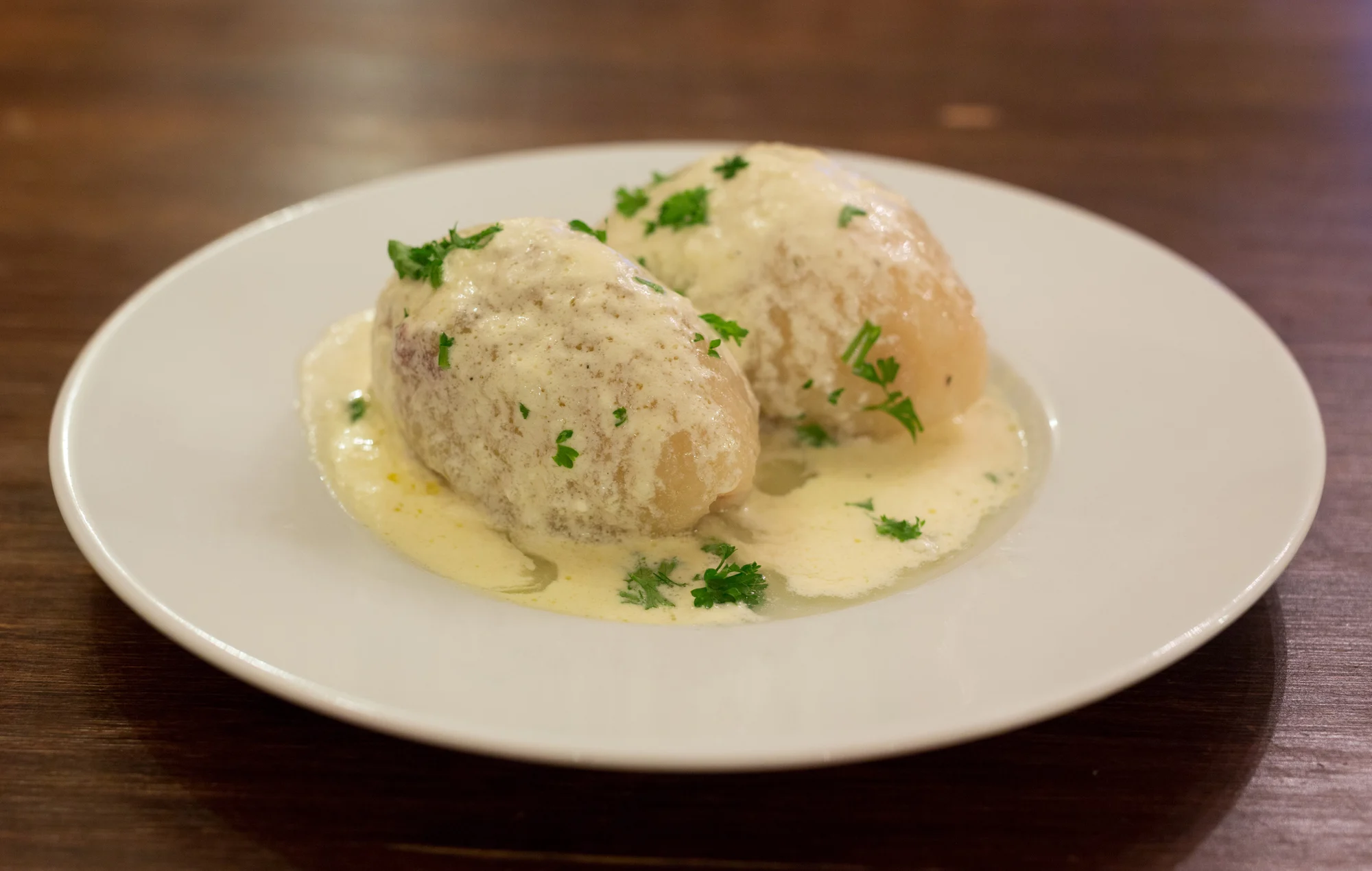
Lithuanian food is unfamiliar to most visitors, and that's exactly why a food tour earns its place. The cuisine rewards a little context: you'll eat better all week if someone has already walked you through cepelinai (the heavy potato dumplings), šaltibarščiai (the cold, shockingly pink beetroot soup), kibinai (Karaim meat pastries), kugelis (potato bake), smoked meats and the dark rye that underpins everything. A two-and-a-half to three-hour tasting tour on your first day does that work, hands you a vocabulary, and points you at the places worth returning to — and the ones to skip.
The other reason to book one is the stories. Vilnius food is bound up with the city's layers — Lithuanian, Polish, Jewish, Soviet — and a good guide turns a row of market stalls into a history lesson you can taste. The cold pink soup isn't just lunch; it's a national obsession with its own summer festival. The kibinai pastry carries the story of the Karaim community brought to Trakai in the 14th century. Smoked everything and a reverence for rye trace back to a northern climate and centuries of preserving food for long winters. A good guide threads all of that together between bites, which is hard to replicate from a guidebook.
If you're a confident independent eater on a tight budget you can absolutely DIY it using the rest of this site — Vilnius is small, friendly and very walkable, and self-guided market-and-classics eating is genuinely rewarding here. But for couples, first-timers and anyone short on time, a single well-chosen tour on day one is one of the highest-value things you can book in Vilnius: it pays for itself in better meals all week.
- Best booked early in your trip so the tastings teach you what to order for the rest of it.
- Typical length 2.5–3 hours; typical format a short walk plus 4–6 tasting stops.
- Great for couples, first-timers and the time-pressured; skippable for confident DIY budget travellers.
Types of food tour, and who each suits
Vilnius tours sort fairly neatly into a few kinds, and choosing well is mostly about matching the format to your appetite and interests. The Lithuanian-classics walking tour is the all-rounder: a guided loop through the Old Town with stops for the canonical dishes and usually a beer or two, ideal for a first visit. The market tour is the foodie's pick — typically centred on Hales Market, where you graze freshly farmed produce, gourmet cheese, smoked meats and Lithuanian fruit wine made from blackcurrant, apple or pear, and get a window into how locals actually shop and eat.
From there it specialises. Craft-beer and food crawls thread the city's farmhouse-ale bars together with snacks for drinkers. Jewish-heritage food tours trace the legacy of "the Jerusalem of the North" through dishes and the surviving fragments of the former Jewish quarter, and tend to be as much about history as eating. There are dessert- and bakery-focused walks for the sweet-toothed, and beyond the city, kibinai-and-Trakai day-trip tours combine the lakeside castle with the Karaim pastries that town is famous for. Decide whether you want breadth (classics walk), depth (market or Jewish-heritage) or a theme (beer, sweets), and the right tour falls out quickly.
- Lithuanian-classics walk — best all-rounder for a first visit.
- Market tour (usually Hales Market) — the foodie's choice; produce, cheese, smoked meats, fruit wine.
- Jewish-heritage food tour — history-led, traces "the Jerusalem of the North."
- Craft-beer crawl, dessert/bakery walk, and Trakai kibinai day trips for themed appetites.
The historic market most food tours are built around — how to visit on your own too.
Three Days in VilniusWhere a food tour fits in a classic three-day plan.
Map pins
Map data © OpenStreetMap contributors · Tiles © OpenFreeMap
Operators, booking and practicalities
The most established local name is Vilnius With Locals, which runs Old Town tasting walks, a Lithuanian-flavours experience, market tours and Jewish-heritage routes with guides who live in the city; the official Go Vilnius tourism site also lists a dedicated Hales Market food tour. Larger booking platforms carry a wide spread of small-group and private "flavours of Vilnius" walking tours on top of these. Because operators and exact schedules change season to season, treat the operator names here as a starting point and confirm what's running for your dates rather than relying on a fixed timetable.
A few practicalities make the difference. Most tastings come included in the ticket, so you rarely need cash on top — but check whether alcohol is included if that matters to you. Tours are usually capped small (often under a dozen people); private upgrades are easy to arrange and worth it for couples or families. Dietary needs are well catered for in Vilnius — vegetarian, gluten-free and kosher-style adaptations are common — but flag them when you book, not on the day. Come hungry, wear comfortable shoes for the cobbles, and prefer a late-morning or early-evening slot so the tastings double as a meal. Always confirm the current price, start point and duration with the operator before you book; these vary by tour and season.
- Vilnius With Locals and the official Go Vilnius market tour are reliable starting points.
- Tastings are usually included; confirm whether alcohol is part of the ticket.
- Small groups are the norm; private and family options are easy to arrange.
- Flag dietary needs when booking — vegetarian, gluten-free and kosher-style options are common.
- Verify current price, meeting point and duration directly with the operator for your dates.
What you'll actually taste
Whatever tour you pick, a recognisable core of Lithuanian dishes tends to show up, and it helps to know them before you go. The headline acts are cepelinai — large, heavy, zeppelin-shaped potato dumplings stuffed with minced meat (or curd, or mushrooms), dressed with sour cream and bacon — and šaltibarščiai, the cold beetroot-and-kefir soup of an almost neon pink, served chilled in summer with hot boiled potatoes on the side. Add kibinai, the half-moon Karaim pastries packed with meat or vegetables; kugelis, a dense baked potato pudding; and vėdarai, potato sausages, and you have the comfort-food backbone of the cuisine.
Around those mains come the supporting cast a good tour loves to show off: dark sourdough rye bread, the bedrock of every meal; smoked meats, fish and the prized smoked cheese; curd and dairy in many forms; honey, forest mushrooms and berries from a strong foraging culture; and, to finish, šakotis, the spiky golden "tree cake" baked on a rotating spit, often with a glass of gira (fermented bread kvass) or local fruit wine alongside. Many tastings also fold in a beer or two, since Lithuanian beer culture is inseparable from its food. By the end of a tour you'll have tried a dozen things you'd never have ordered cold from a menu — which is exactly the point.
- Cepelinai — meat-stuffed potato dumplings with sour cream and bacon.
- Šaltibarščiai — cold pink beetroot-and-kefir soup with hot potatoes.
- Kibinai, kugelis, vėdarai — Karaim pastries, potato pudding and potato sausage.
- Rye bread, smoked meats/fish/cheese, curd, honey, foraged berries and mushrooms.
- Šakotis tree cake, fruit wine, gira and local beer to finish.
Prefer to go it alone? A DIY food day
You don't strictly need a tour to eat well in Vilnius, and self-guiding is a pleasure in a city this compact. A satisfying do-it-yourself food day starts with breakfast or a mid-morning graze at Hales Market — smoked fish and cheese, fresh bread, a glass of fruit wine, and a coffee from one of the stalls — then moves into the Old Town for a proper sit-down plate of cepelinai or kibinai at a traditional restaurant. An afternoon coffee and cake stop, an early-evening beer with snacks at a farmhouse-ale bar, and a final dinner of modern Lithuanian cooking rounds it out beautifully.
Use the guides on this site as your script: the traditional-food guide for what to order, the market and food-hall guides for where to graze, and the craft-beer guide for the drinking. The only thing a DIY day can't give you is the running commentary and the insider stops a local guide brings — which is precisely the trade-off. Many visitors do both: a tour on day one to learn the ropes, then a self-guided eating day later in the trip to revisit favourites at their own pace.
- DIY arc: market graze → Old Town cepelinai/kibinai → coffee and cake → beer and snacks → modern dinner.
- Lean on this site's traditional-food, food-hall and craft-beer guides as your script.
- Best of both: a tour early to learn, a self-guided day later to revisit favourites.
Tours with kids, dietary needs & beyond the city
Food tours flex more than you might expect. For families, many operators will run a private tour at a gentler pace with kid-friendly stops — the dumplings, pastries and pancakes tend to be an easy sell to younger eaters, and a private guide can slow down or skip the heavier history. For dietary needs, Vilnius is well set up: vegetarian and vegan adaptations are straightforward (much of the traditional repertoire is potato- and dairy-based, and the city has a growing plant-based scene), gluten-free is manageable with notice, and guides can usually arrange kosher-style or halal-friendly options if you flag them at booking. The golden rule is to tell the operator before the day, not on it.
If you have more time, the food story extends past the city limits. The classic edible day trip is Trakai, the lakeside-castle town half an hour away that is the spiritual home of kibinai — the Karaim meat pastries — and several tours combine the castle, the lake and a kibinai lunch into one outing. Wine and farm experiences in the countryside, foraging walks in season, and beer trips toward the farmhouse-brewing heartland of Aukštaitija are all out there for the committed eater. For most visitors, though, one good in-city tasting tour plus a Trakai day trip covers the essentials beautifully — the first teaches you the food, the second gives you its most famous single bite in its proper setting.
- Families: ask for a private, gentler-paced tour with kid-friendly stops.
- Dietary needs (veg/vegan, gluten-free, kosher-style/halal-friendly) are widely accommodated — flag them at booking.
- Trakai day trips pair the lakeside castle with kibinai, the Karaim pastry it's famous for.
- Wine, farm, foraging and farmhouse-beer experiences exist for those with extra time.
When to book & how to choose well
Two quick decisions get you to the right tour. First, when in your trip: book a tasting tour for your first full day so the rest of the week's meals make sense, and slot any Trakai food day trip toward the middle or end when you're ready to leave the city. Tours run year-round, but the experience changes with the season — summer brings market abundance, terrace stops and the cold pink soup at its best, while winter leans into hearty indoor tastings and a cosier, candlelit mood. Popular small-group tours can sell out in peak summer and around big events, so reserve a few days ahead rather than on the day.
Second, how to choose between operators: read recent reviews for the things that actually matter — the guide's knowledge and warmth, how generous the tastings are, and whether the group stayed small. Favour operators who are clear up front about exactly what's included (how many stops, whether drinks are part of it, the total walking distance) and who confirm dietary adaptations in writing. A private tour costs more but buys flexibility and is often worth it for couples, families or anyone with specific needs. Whatever you book, treat the operator names and formats in this guide as a starting point and confirm the current price, meeting point, duration and inclusions directly with the operator for your dates — these are exactly the details that change.
- Book a city tasting tour for day one; save a Trakai food day trip for mid-to-late trip.
- Tours run all year; summer means markets and terraces, winter means hearty indoor tastings.
- Reserve a few days ahead in peak summer and around major events.
- Choose on guide quality, tasting generosity and small group size; favour clear, written inclusions.
- Always reconfirm price, meeting point, duration and what's included with the operator for your dates.
Related guides
Food & Drink in Vilnius
Where and what to eat and drink in Vilnius: Lithuanian classics, modern Baltic cooking, food halls, cafés, craft beer, cocktail bars and wine — curated guides to the whole scene.
Read guide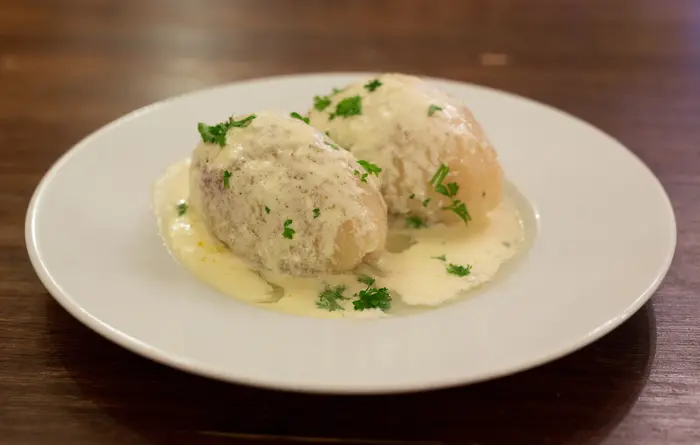
Traditional Lithuanian Food in Vilnius
What to eat in Vilnius, from cepelinai and šaltibarščiai to kibinai, dark rye bread, smoked fish, honey cake and beer snacks — and the best places to try each.
Read guide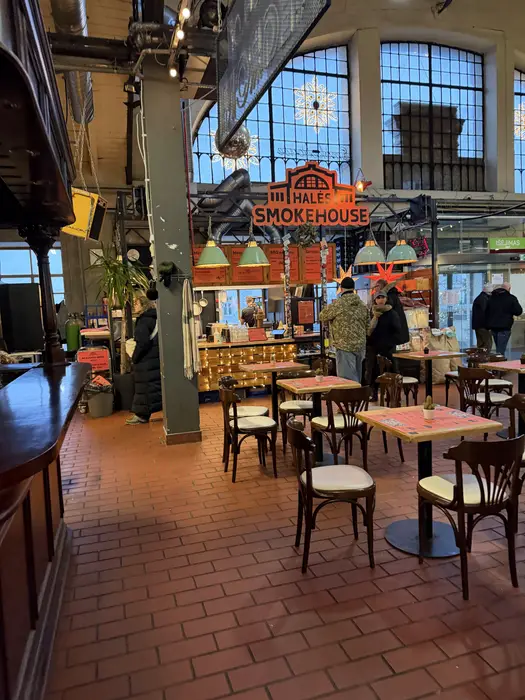
Halės Market: A Guide to Vilnius's Oldest Market Hall
How to visit Halės Market, the oldest covered market in Vilnius — produce, cheese and meat counters, street-food stalls, cafés and bars, plus when to go and what to eat near the station.
Read guide