
Markets & Food Halls in Vilnius
Multi-vendor markets, casual counters and food halls in Vilnius — from the modern Paupio turgus to the historic Halės turgus — mixing global bites with weekend energy. Where to graze, what to eat and when to go.
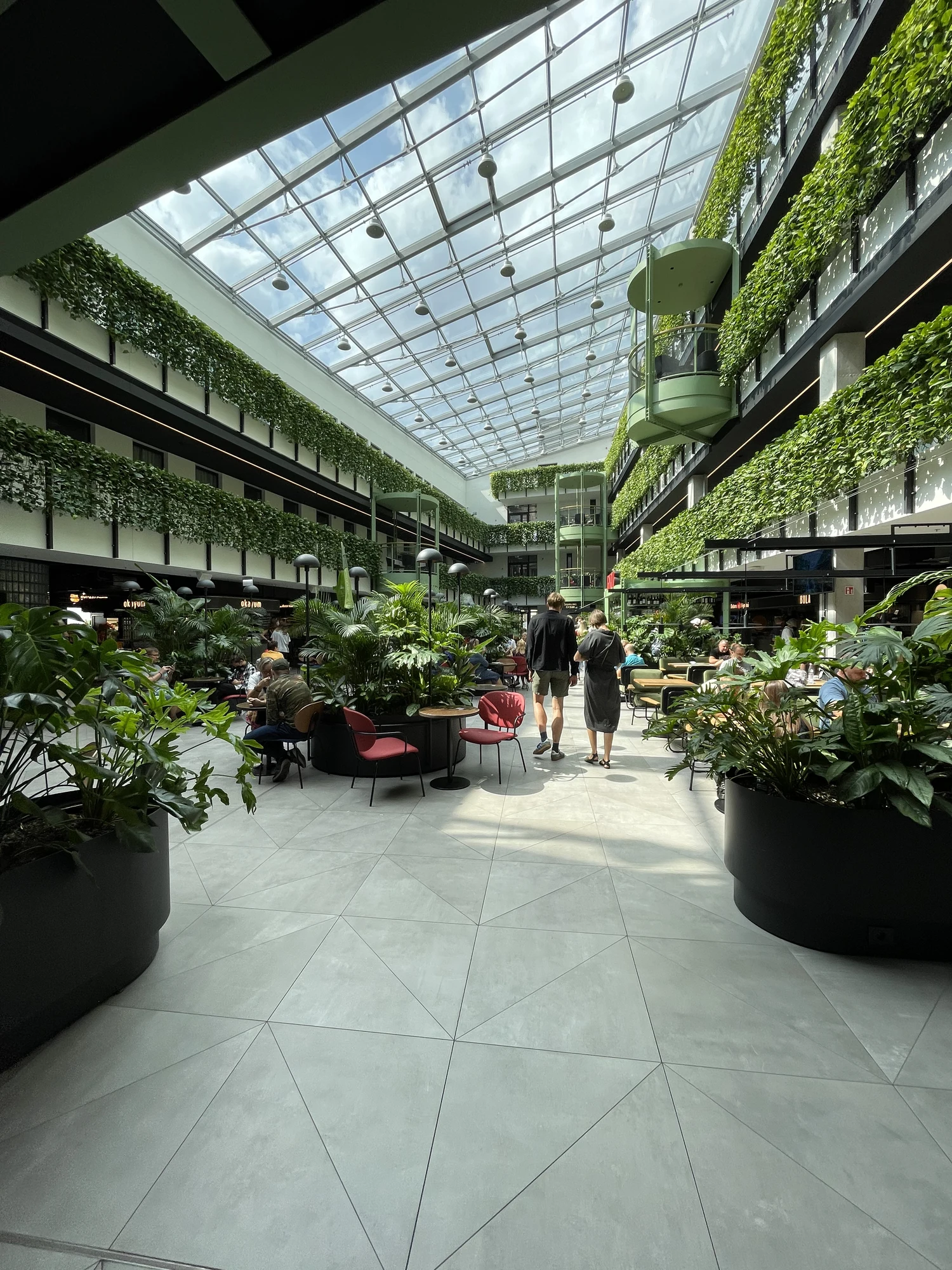
- ✓Vilnius's food halls let you graze across cuisines in one sitting — ideal for groups, families and anyone who can't decide.
- ✓Paupio turgus, opened in 2021 in the riverside Paupys district, is the modern flagship: a roughly 2,000 m² hall with around 20 vendors and a weekend farmers' market.
- ✓The historic Halės turgus, trading since 1906, is the city's oldest covered market and pairs fresh produce with street-food counters and cafés.
- ✓Food halls are a budget-friendly way to eat well: Georgian, Japanese, American BBQ, Argentinian and Lithuanian counters sit side by side.
- ✓Weekends bring the most energy and the most stalls; weekday lunchtimes are quieter and quicker if you just want to eat.
Why food halls are one of the best ways to eat in Vilnius
Food halls have transformed how Vilnius eats out. The Markets & Food Halls category gathers the multi-vendor markets, casual counters and food halls that mix global bites with weekend energy — places where a single table can hold Georgian khinkali, Japanese onigiri, American smokehouse brisket and Argentinian empanadas at once. For a traveller, that variety is gold: nobody in your group has to compromise, you can taste several cuisines for the price of one restaurant meal, and the atmosphere is lively and informal.
The format suits Vilnius particularly well. The city's best small kitchens are often single-counter operations run by passionate owners, and the food halls give them a home with shared seating, bars and a steady crowd. The result is some of the most reliably good casual eating in the city, concentrated in a handful of destinations you can walk between or reach by a short bus ride.
Paupio turgus: the modern flagship
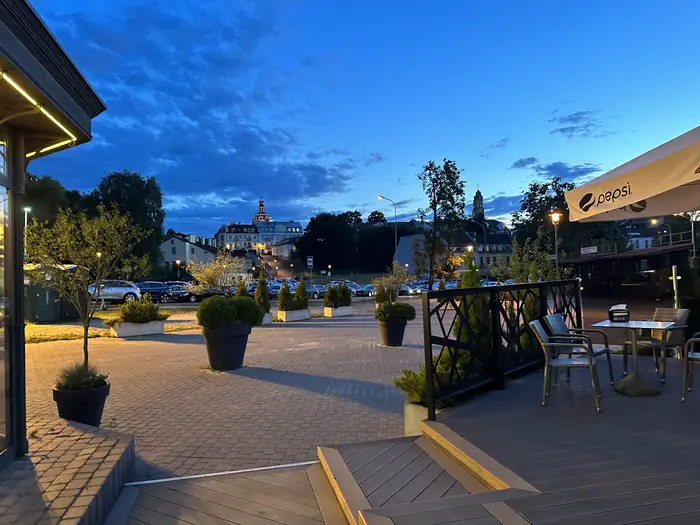
The headline food hall is Paupio turgus (Paupys Market), which opened in 2021 in the stylish Paupys district just across the Vilnelė river from the Old Town. Spread over roughly 2,000 square metres with several hundred seats indoors and a riverside terrace, it houses around twenty restaurants, bars and specialty food shops, plus a weekend farmers' market that brings producers in from around Lithuania. It quickly became one of the city's favourite meeting points — equal parts dining destination and social hub.
Inside you will find a genuine spread of cuisines: Georgian counters (the Chačapuri Bistro here is a standout), Japanese-inspired bowls, an American-style smokehouse, fresh onigiri, Latin American plates and more, with a champagne and wine bar for good measure. It is an easy first stop after a morning in the Old Town, and a particularly good shout for families and mixed groups who want everyone fed and happy without three separate reservations.
- Go on a weekend for the fullest line-up of vendors and the farmers' market.
- The riverside terrace is the prize in warm weather — arrive early to claim a table.
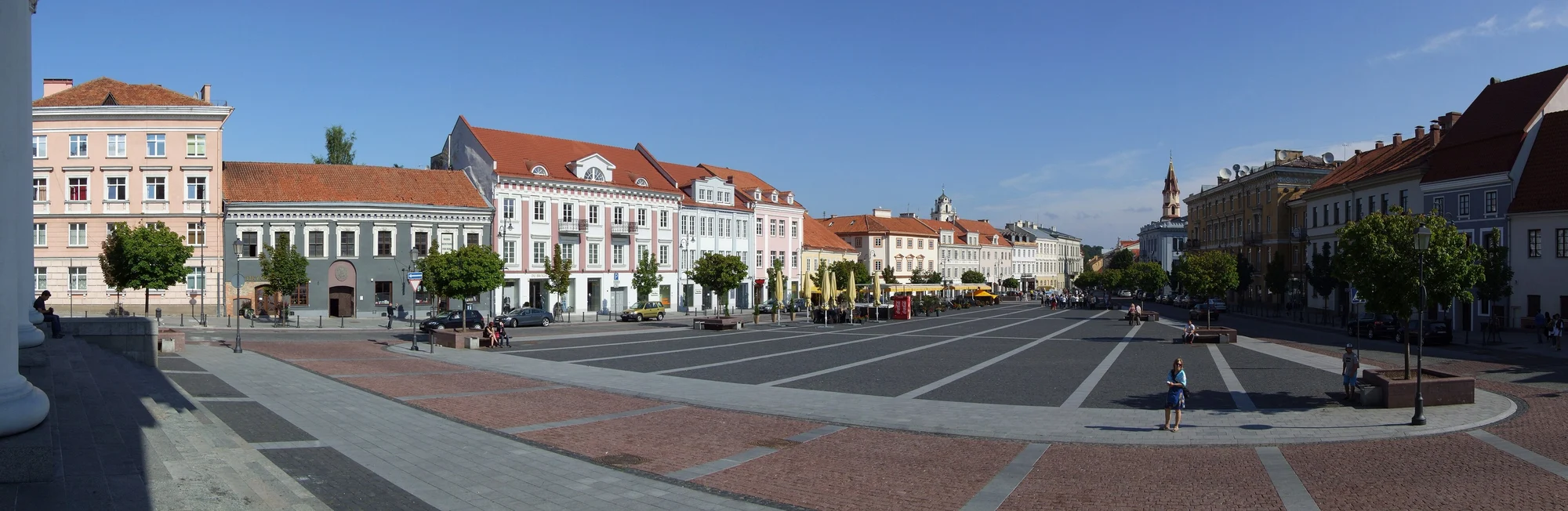
- It's a short, scenic walk from the Old Town across the Vilnelė into the Paupys district.
The riverside district the market anchors — what else to see nearby.
International EatsThe global cuisines you'll find on the food-hall counters.
Map pins
Map data © OpenStreetMap contributors · Tiles © OpenFreeMap
Halės turgus: the historic market
For the older, more atmospheric end of the spectrum, head to Halės turgus — Vilnius's oldest covered market, trading on the edge of the Old Town since 1906 in a handsome iron-and-glass hall whose roof structure was famously of its Eiffel-Tower era. This is a working market first and a food destination second: fishmongers, butchers, cheese and honey stalls and seasonal produce share the floor with a growing cluster of street-food counters, cafés and bars, including a well-regarded American-style smokehouse.
It is the place to buy picnic supplies, sample Lithuanian cheeses and smoked fish, and eat a cheap, excellent lunch among locals doing their weekly shop. The market generally trades morning to late afternoon and is closed on Mondays, with shorter Sunday hours — confirm current times before a special trip — so it is best visited earlier in the day when the stalls are fullest and the produce freshest.
How to make the most of a food-hall visit
A few simple tactics make food-hall eating better. Arrive a little before peak meal times to grab a table, then split up — send each person to a different counter and reconvene with a spread to share. Most halls operate counter service with shared seating, so you order and pay at each stall rather than getting a single bill; bring a card (widely accepted) but a little cash never hurts at the smaller market stalls. Vendors keep their own hours, so the hall may be lively even if a specific counter has closed for the day.
Beyond Paupys and Halės, the city has smaller multi-vendor courts and seasonal markets worth a look, and the broader Paupys and station districts have spun up bars and counters around the halls. For a curated route through the best of them — what to eat at each and how to string a day together — see our dedicated food-halls guide, and pair a market morning with one of the city's food tours for context.
What to eat, and how markets fit a Vilnius day
The pleasure of a Vilnius food hall is the spread, so order across counters rather than committing to one. A perfect market lunch might pair Georgian khachapuri or khinkali with a Japanese rice bowl, a few American smokehouse ribs and an Argentinian empanada, finished with a pastry or ice cream and a coffee or glass of wine from the bar. At the produce-led Halės turgus, build a picnic instead — Lithuanian cheeses, smoked fish, cured meats, rye bread, seasonal berries and honey — and eat it on a bench by the river or in a nearby park.
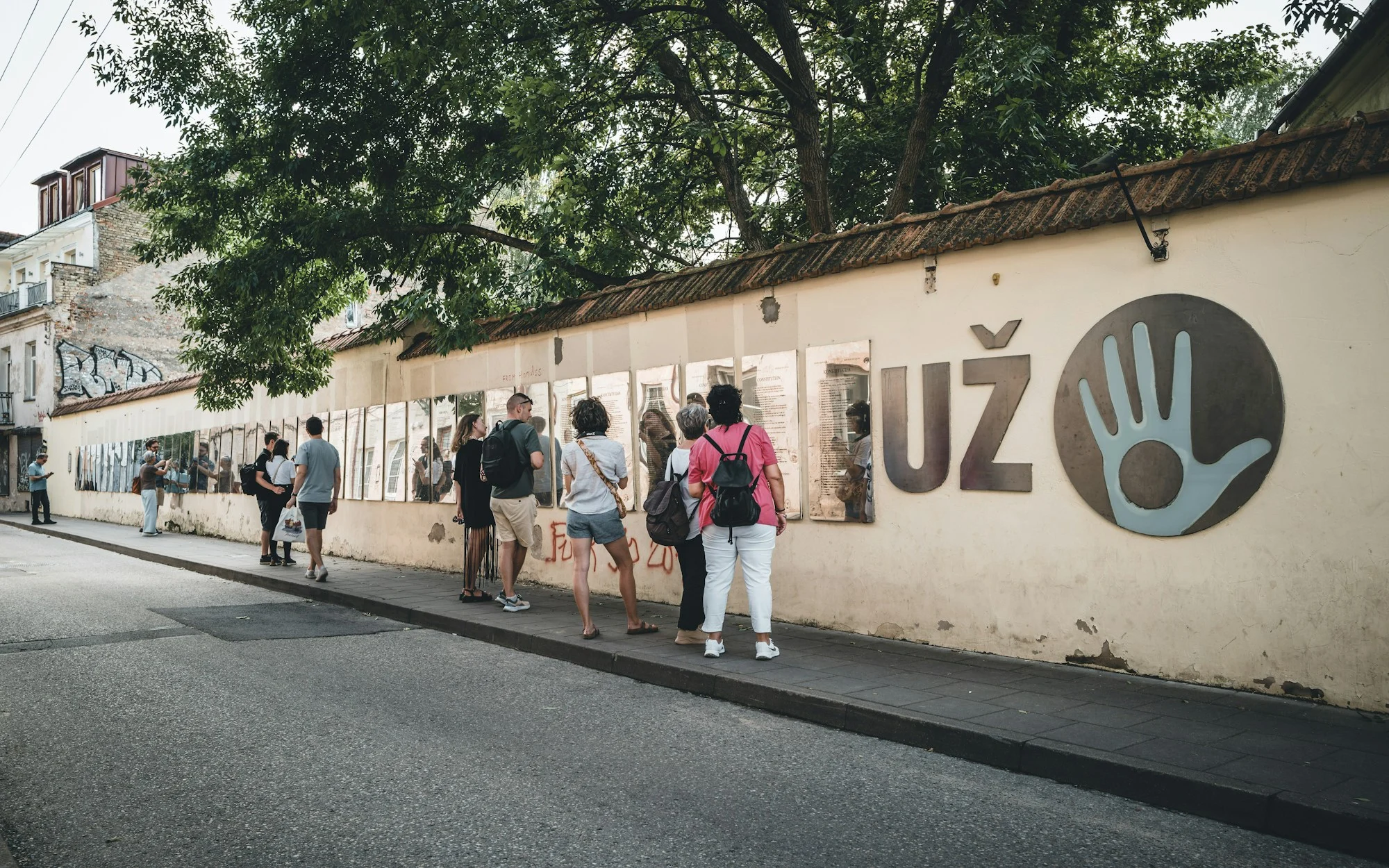
Markets also slot neatly into a sightseeing day. Paupio turgus is a natural lunch or early-dinner stop after exploring Užupis and the Paupys riverside, while Halės turgus sits at the edge of the Old Town near the station, making it an easy first or last stop. Both are family-friendly and forgiving of fussy eaters, which is exactly why they're such a good fallback for groups: everyone finds something, nobody waits long, and the bill stays modest.
A little planning sharpens the visit. Weekends bring the fullest line-up and the most atmosphere — and at Paupys, the farmers' market — but also the biggest crowds, so go early for a table. Weekday lunchtimes are calmer and quicker. Confirm current hours for the specific hall and any counter you've set your heart on, since vendors keep their own schedules, and bring a card with a little backup cash for the smaller market stalls. For a curated route through every hall and what to eat at each, our food-halls guide does the legwork.
Good to know
Quick answers for planning a market visit. When should I go? Weekends for the fullest line-up and atmosphere (and the Paupys farmers' market); weekday lunchtimes for a calmer, faster meal. Are they family-friendly? Very — shared seating, varied counters and informal vibes make food halls one of the easiest options for groups and kids. Is it cheap? Among the best value in the city, especially at the produce-led Halės turgus where a picnic costs little. How do I pay? Counter service at each stall, cards almost everywhere, with a little cash handy for small market vendors.
- Modern flagship: Paupio turgus (Paupys district, by the Vilnelė) — opened 2021, ~20 vendors.
- Historic market: Halės turgus (Old Town edge, near the station) — trading since 1906, closed Mondays.
- Best move: split up, hit several counters, and share a spread back at the table.
- Confirm current hours for the hall and any specific counter before a special trip.
Related guides
Food & Drink in Vilnius
Where and what to eat and drink in Vilnius: Lithuanian classics, modern Baltic cooking, food halls, cafés, craft beer, cocktail bars and wine — curated guides to the whole scene.
Read guide
Best Restaurants in Vilnius
A practical shortlist of the best restaurants in Vilnius — by neighbourhood, by budget, and by occasion. Lithuanian classics, modern Baltic cooking, date-night rooms, tasting menus, and where to find genuine value.
Read guide
Traditional Lithuanian Food in Vilnius
What to eat in Vilnius, from cepelinai and šaltibarščiai to kibinai, dark rye bread, smoked fish, honey cake and beer snacks — and the best places to try each.
Read guide