
Lithuanian Classics in Vilnius
Rustic dining rooms and homestyle canteens in Vilnius serving cepelinai, šaltibarščiai, kugelis, čeburekai and celebratory desserts — where to eat the traditional dishes and how to do it on any budget.

- ✓This is the city's home of comfort food: potato dumplings (cepelinai), cold pink beet soup (šaltibarščiai), kugelis and the canteen lunches locals grew up on.
- ✓Old-school canteens — valgyklos and smuklės — are the cheapest, most authentic way to eat traditional food, with self-service counters and rotating daily plates.
- ✓Cepelinai are heavy by design; share a portion or pace yourself, and they are best with a beer and sour cream rather than as a quick snack.
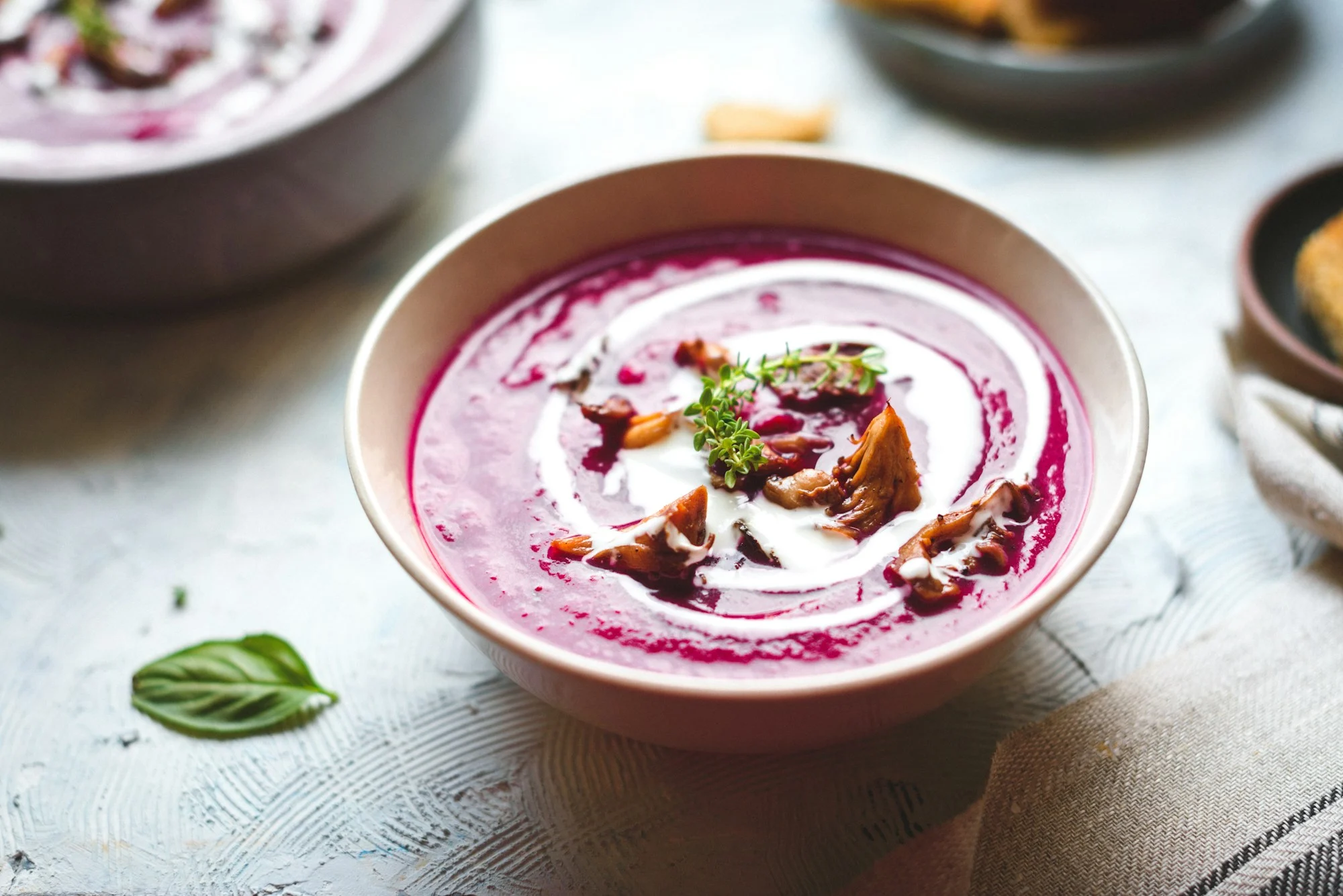
- ✓Cold beet soup (šaltibarščiai) is a summer ritual — bright pink, served chilled, and a must between roughly May and September.
- ✓Standout names span the spectrum: historic Lokys for noble game cuisine, beloved canteens like Gedimino smuklė, and Prusakovų Užkandinė for the city's most celebrated čeburekai.
What 'Lithuanian classics' actually means
Lithuanian home cooking is hearty, root-vegetable-driven and built for long winters — but it also has a bright summer side. The Lithuanian Classics category gathers the rustic dining rooms and homestyle canteens serving cepelinai, šaltibarščiai, kugelis and celebratory desserts: the dishes that define the local table. These are not fusion plates or tasting menus; they are the food families cook at home, served in generous portions at honest prices.
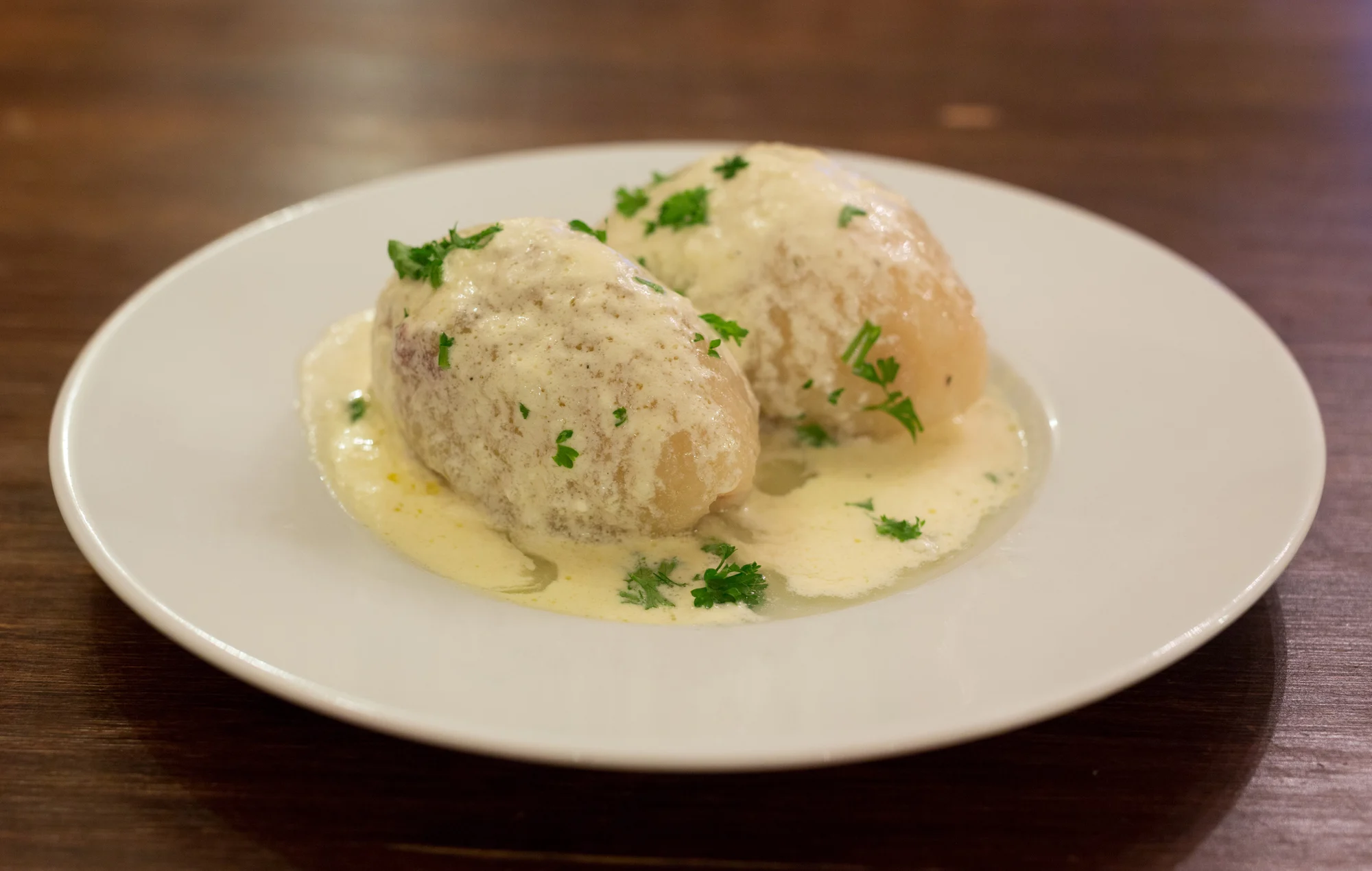
The headline dish is cepelinai — large potato-dough dumplings stuffed with minced meat (or curd, or mushrooms), named for their zeppelin shape and served under a blanket of sour cream and crispy pork. Alongside them you will find kugelis (a dense baked potato pudding), bulviniai blynai (potato pancakes), kotletai, smoked meats and rye bread. In summer, the unmistakable šaltibarščiai — cold soup of kefir and beetroot, electric pink and served with hot boiled potatoes on the side — takes over every menu in the city.
Canteens vs. dining rooms: two ways to eat traditional
There are two distinct experiences in this category, and it helps to know which you want. The first is the canteen — valgykla or buffet-style smuklė — where you slide a tray along a counter, point at whatever looks good, and pay by the plate. These places (Gedimino smuklė, Canteen Albina, Valgykla Montuotojas and similar) are fast, cheap and gloriously unpretentious; several lean into Soviet-era nostalgia, and they are where locals actually eat lunch. A full plate with soup rarely costs much.
The second is the sit-down traditional restaurant, with table service, a fuller menu and a cosier room — the kind of place for a leisurely dinner of cepelinai and beer, or a celebration. Historic Lokys is the most famous of these, serving old Lithuanian noble cuisine including game in a vaulted cellar; Žemaičių ąsotis and Žilvino Restoranas bring famously huge portions of regional Samogitian and homestyle cooking. Both formats deliver the same dishes — the canteen is about value and speed, the dining room about atmosphere and occasion.
- Canteens are usually best at lunchtime when turnover is high and food is freshest.
- Point-and-pay counters make ordering easy even with no Lithuanian — just gesture at the dish.
- For dinner with atmosphere, book a table at a sit-down room, especially on weekends.
The dishes to seek out (and how to order them)
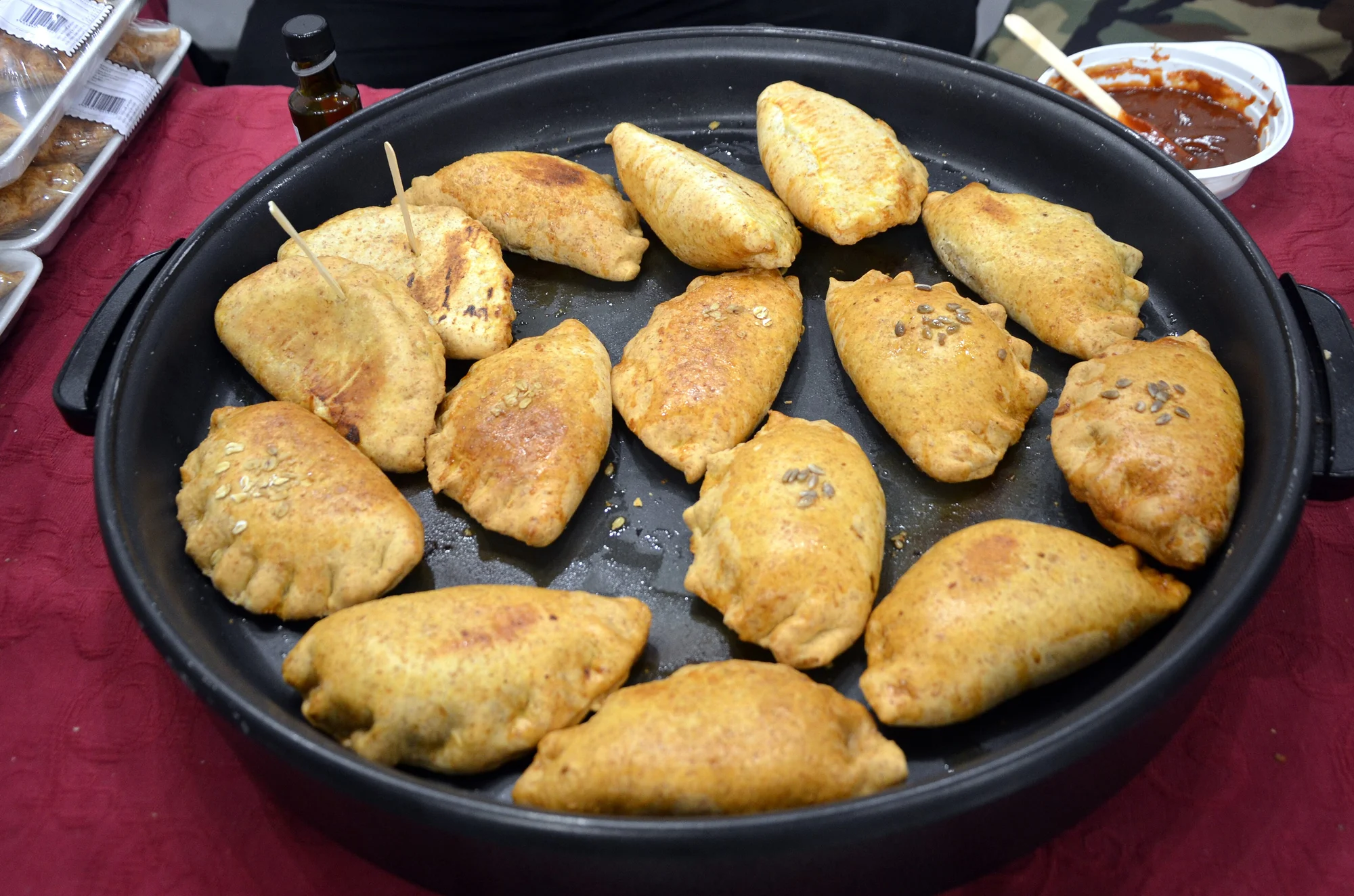
Beyond cepelinai and šaltibarščiai, build your Lithuanian classics tour around a few key plates. Čeburekai — deep-fried turnovers of thin dough and minced meat — are a street-food staple, and Prusakovų Užkandinė is widely regarded as the city's best. Kugelis is the comfort-food MVP: grated-potato pudding baked until set, served with sour cream and bacon bits. Don't skip the soups (mushroom, sorrel, or the famous cold beet), the smoked pork and the rye bread, often served fried with garlic as a beer snack (kepta duona).
For something sweet, look for šakotis, the spiky 'tree cake' baked on a rotating spit, and curd-based desserts. Vegetarians are better catered for than the heavy reputation suggests — many cepelinai come with curd or mushroom fillings, and several traditional kitchens now run vegan versions (RoseHip Vegan Bistro reimagines the classics entirely). Wash it all down with a local beer or gira, a fermented rye drink.
Where to find them, and practical notes
Traditional kitchens are spread across the city, but you will find a good concentration in and around the Old Town for sit-down rooms, and in the office and residential districts for canteens (many run a brisk weekday lunch trade). Several of the best-loved canteens are tucked into unglamorous spots — bus stations, business centres, side streets — which is part of their charm and a sign you are eating where locals do.
Portions run large, so order conservatively the first time and add more if needed. Prices and opening hours are best confirmed in each venue's entry, since canteens in particular keep their own short, lunch-focused schedules. If you want to taste several classics in one go without committing to a full plate of each, a market food hall or a guided food tour is the efficient route in.
When to eat what: seasons and celebrations
Lithuanian food follows the seasons closely, and timing your visit shapes what's best on the table. The cold beet soup šaltibarščiai is fundamentally a warm-weather dish — its chilled, refreshing tang makes most sense from late spring through summer, roughly May to September, and the city even celebrates it with a dedicated Pink Soup festival. In the colder months the menu swings the other way, towards heavy, warming plates: cepelinai, kugelis, roasted meats, mushroom soups and game in the more historic dining rooms. Eat seasonally and the food simply tastes better.
Festive periods bring their own traditions. Christmas centres on Kūčios, the meat-free Christmas Eve supper of twelve symbolic dishes including herring, beetroot, poppy-seed milk and kūčiukai biscuits; many restaurants run special Kūčios menus in December. Easter brings decorated eggs and lamb-shaped butter and cakes, and šakotis — the spiky 'tree cake' — appears at weddings and big celebrations year-round. If you're in town for one of these, ask whether a traditional kitchen is doing a holiday menu; it's a memorable way to eat into the culture.
Drinks belong to the tradition too. Lithuanian beer culture runs deep, and a glass of local lager or a farmhouse-style ale is the classic partner to cepelinai and fried rye bread. Gira, a lightly fermented rye drink, is the non-alcoholic staple, and midus (mead) and herbal bitters like the famous Stakliškės appear on more traditional drink lists. Round a hearty meal off with a curd dessert or a slice of šakotis and a strong coffee, and you've eaten a properly Lithuanian day.
Good to know
A few quick answers for first-timers. Is Lithuanian food vegetarian-friendly? More than its meaty reputation suggests — cepelinai and dumplings come with curd or mushroom fillings, the cold beet soup is naturally meat-light, and several kitchens now run full vegan menus, so plant-based eaters are well covered. Is it expensive? No: canteens are among the cheapest sit-down meals in the city, and even traditional restaurants are gentle on the wallet by Western-European standards. How big are the portions? Large by design, especially cepelinai and Samogitian plates, so order conservatively and share.
- Best value: self-service canteens (valgyklos) at weekday lunchtime.
- Best for atmosphere: historic sit-down rooms like Lokys, ideally booked for dinner.
- Don't miss: cepelinai, šaltibarščiai (in summer), kugelis, čeburekai and fried garlic rye bread.
- Pair with: a local beer, gira, or a curd dessert and šakotis to finish.
Related guides
Food & Drink in Vilnius
Where and what to eat and drink in Vilnius: Lithuanian classics, modern Baltic cooking, food halls, cafés, craft beer, cocktail bars and wine — curated guides to the whole scene.
Read guide
Best Restaurants in Vilnius
A practical shortlist of the best restaurants in Vilnius — by neighbourhood, by budget, and by occasion. Lithuanian classics, modern Baltic cooking, date-night rooms, tasting menus, and where to find genuine value.
Read guide
Traditional Lithuanian Food in Vilnius
What to eat in Vilnius, from cepelinai and šaltibarščiai to kibinai, dark rye bread, smoked fish, honey cake and beer snacks — and the best places to try each.
Read guide