
Baltic Capitals Itinerary from Vilnius
How Vilnius fits a Baltic capitals route with Kaunas, Riga and Tallinn — realistic train, bus and flight timing, how long to spend in each, and why this trio of cities makes one of Europe's best-value rail-and-bus trips.
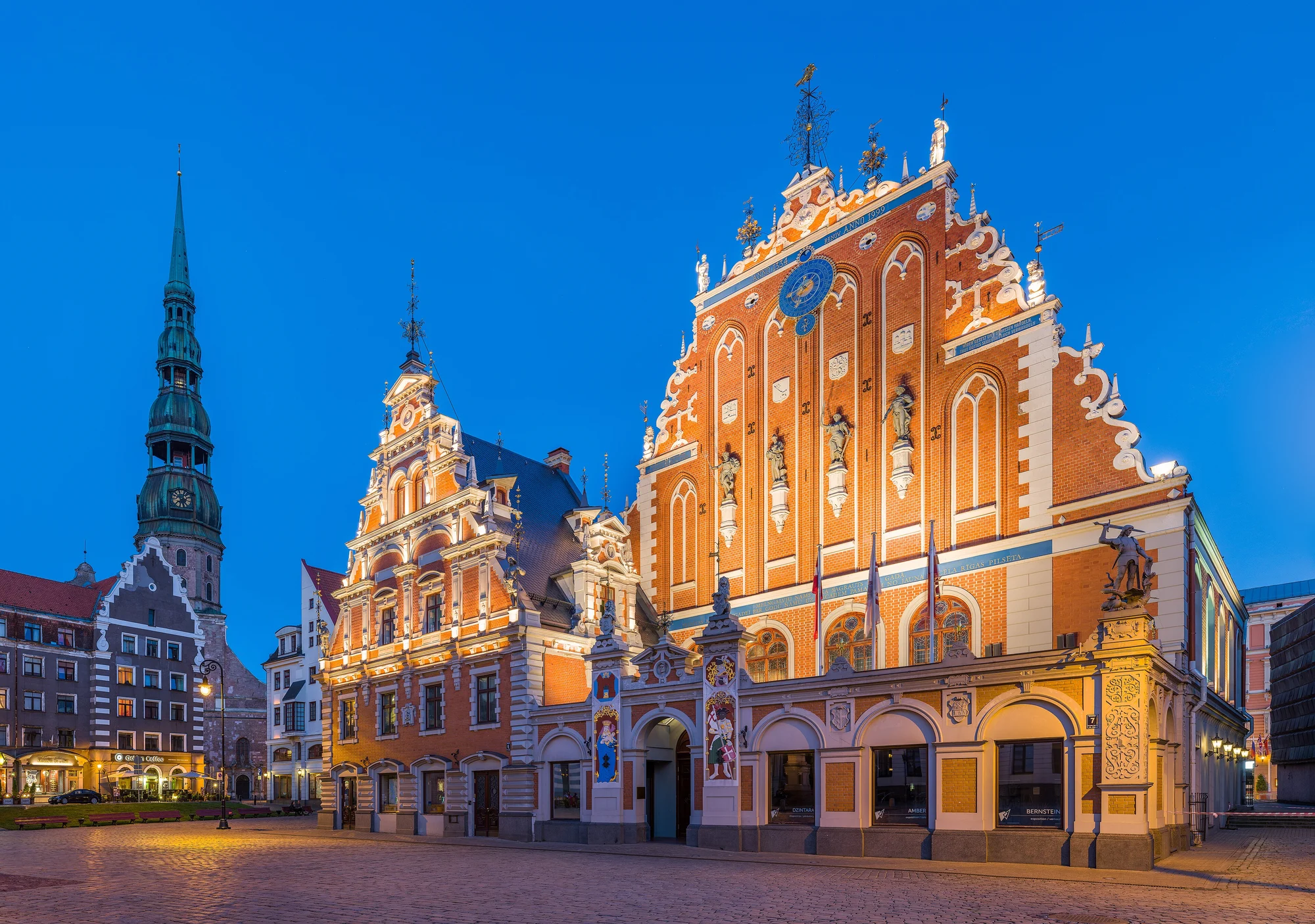
- ✓Vilnius, Riga and Tallinn — the three Baltic capitals — string together into one of Europe's most rewarding and affordable multi-city trips.
- ✓Comfortable intercity buses are the backbone of Baltic travel; an overnight ferry links Tallinn to Helsinki to extend the route.
- ✓A classic week runs Vilnius → Riga → Tallinn, two to three nights each, with Kaunas as an easy add-on from Vilnius.
- ✓Distances are manageable — roughly four hours Vilnius–Riga and four to five hours Riga–Tallinn by bus — so travel days are half-days, not write-offs.
- ✓Each capital has its own character: Vilnius's Baroque sprawl, Riga's Art Nouveau grandeur, Tallinn's fairy-tale medieval core.
Why do the Baltics as a trio
The three Baltic capitals — Vilnius, Riga and Tallinn — are made to be travelled together. They sit in a near-straight line up the eastern shore of the Baltic Sea, each a few hours from the next, and each is a compact, walkable, UNESCO-grade old town you can see properly in a couple of days. Do all three and you get three distinct flavours of the region in one trip, at a fraction of the cost of a comparable Western European city-hop. For many visitors, Vilnius is the natural starting point — the southernmost capital, well connected by air, and the gateway to the whole route.
The cities reward the comparison because they're genuinely different despite their shared history. Vilnius is the most southern and sprawling, with the biggest Baroque old town in the region and a green, hilly, slightly bohemian character. Riga, the largest Baltic city, is grander and more cosmopolitan, famous for the densest concentration of Art Nouveau architecture in Europe and a buzzy, big-city energy. Tallinn has the most perfectly preserved medieval core — turrets, walls and cobbled lanes that feel genuinely fairy-tale. Seeing them back to back makes each one's character sharper.
This itinerary explains how Vilnius fits a Baltic route and how to plan the hops realistically. The headline is that it's easy: the cities are close enough that travel days are half-days rather than write-offs, the transport is cheap and comfortable, and you don't need a car. The main decisions are how long to spend in each (two to three nights is the sweet spot) and whether to bolt on Kaunas from Vilnius and Helsinki from Tallinn.
A practical caveat: timetables, operators and prices change, and booking ahead saves money on the popular intercity routes. Treat the durations and connections below as a planning guide, and confirm current schedules and fares with the operators before you lock anything in.
How to get between the capitals
Buses are the backbone of Baltic travel. Comfortable intercity coaches — with Wi-Fi, power sockets and reserved seats — run frequently between Vilnius, Riga and Tallinn, and they're cheap, especially booked ahead. As a rough guide, Vilnius to Riga takes around four hours, and Riga to Tallinn around four to five; both are easy half-day journeys that leave plenty of afternoon at the other end. Major operators run the routes several times a day, so you're not tied to a single departure.
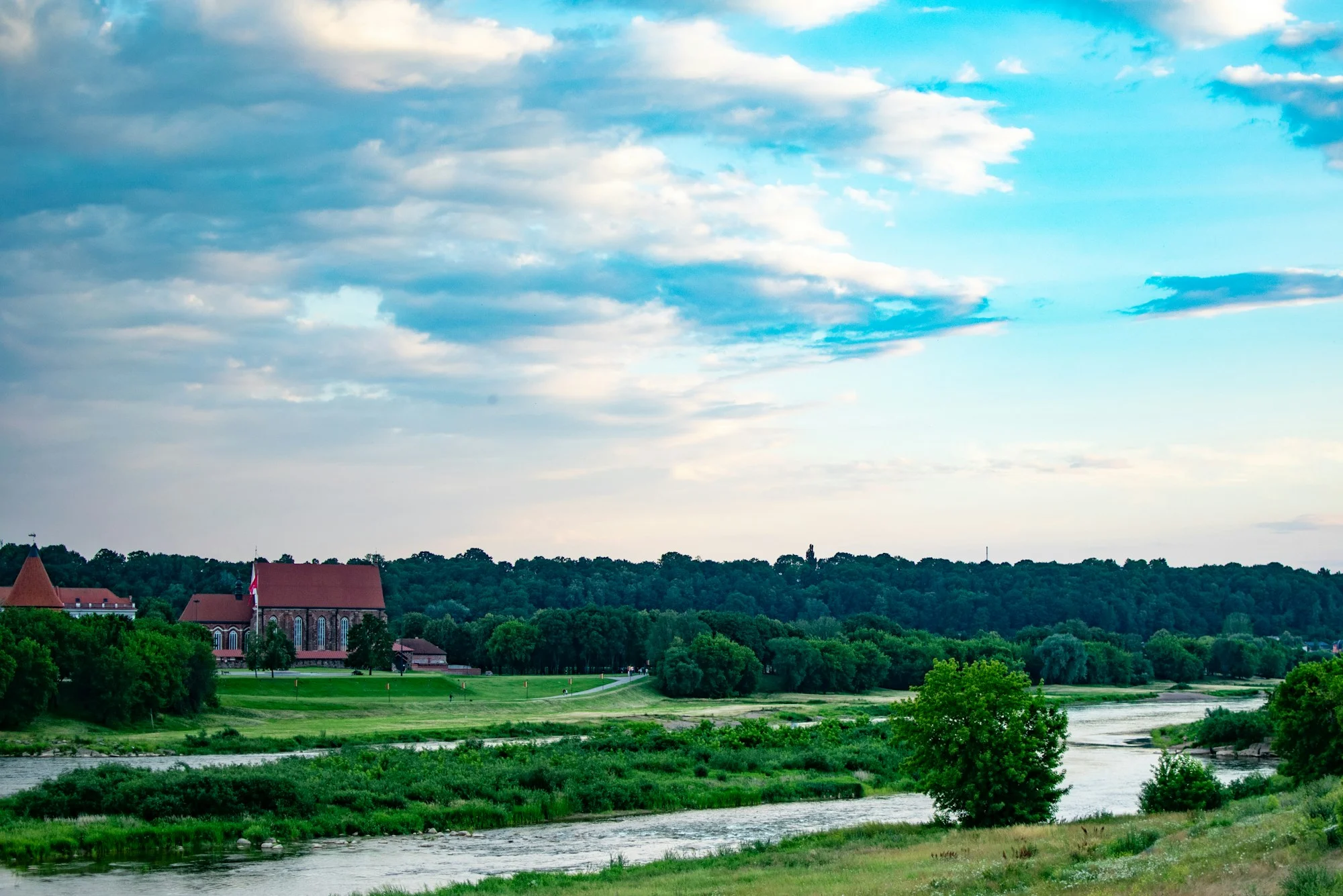
Trains play a smaller but growing role. A cross-border rail link now connects Vilnius and Riga (with a change), and the longer-term Rail Baltica project aims to join the capitals with fast trains in the coming years — but for now, the bus is usually the simpler, more frequent option for the international hops. Within Lithuania, trains are excellent for the Vilnius–Kaunas leg, taking roughly an hour and a quarter and running regularly.
Flying rarely makes sense between the capitals themselves — the cities are too close, and the airport faff outweighs the short flight time — but the region is well connected by air to the rest of Europe, so you can easily fly into Vilnius and out of Tallinn (an 'open-jaw' booking) to avoid backtracking. That's the smart way to structure a one-way Baltic route.
To extend the trip north, take the ferry. Tallinn and Helsinki are linked by frequent, fast ferries across the Gulf of Finland in around two hours, making Finland an easy add-on at the top of the route. Some travellers do the whole thing as Vilnius up to Tallinn and then across to Helsinki, flying home from there. However you build it, confirm current bus, train and ferry schedules and book the popular legs ahead, as fares rise closer to departure.
- Buses are the backbone — Vilnius–Riga ~4h, Riga–Tallinn ~4–5h, frequent and cheap.
- Trains: great for Vilnius–Kaunas (~1h15); a Vilnius–Riga rail link exists with a change.
- Fly open-jaw into Vilnius and out of Tallinn to avoid backtracking.
- Ferry Tallinn–Helsinki (~2h) to extend the route into Finland.
The central station — where the trains and many coaches depart.
Kaunas from VilniusThe easy rail add-on to a Baltic route, an hour-plus from Vilnius.
Vilnius Day Trips by TrainHow Lithuania's rail network connects Vilnius to the wider region.
Map pins
Map data © OpenStreetMap contributors · Tiles © OpenFreeMap
A classic one-week Baltic route
The most popular structure is a week running south to north: Vilnius, then Riga, then Tallinn, two to three nights in each. Start in Vilnius with two or three days for the Old Town, Castle Hill, Užupis and a day trip to Trakai — enough to feel the city before you move on. If you have the time, add a day for Kaunas, Lithuania's second city and interwar capital, an easy train ride away. This front half of the trip is where Lithuania gets its due.
Then take the bus north to Riga for two or three nights. Latvia's capital is the biggest of the three cities, with a compact medieval old town, the spectacular Art Nouveau district along Alberta and Elizabetes streets, the bustling Central Market in former Zeppelin hangars, and a livelier big-city buzz. Two days covers the highlights comfortably; three lets you slow down or take a side trip to the seaside resort of Jūrmala. Riga is the natural midpoint of the route and a city that surprises people with its grandeur.
Finish in Tallinn, another bus ride north. Estonia's capital has the best-preserved medieval old town in the region — a walled, turreted, cobbled core that feels lifted from a storybook — alongside a sharp, modern, digital-savvy side in districts like Telliskivi and Kalamaja. Two or three nights lets you wander the old town, climb to the Toompea viewpoints, and explore the creative quarters. From Tallinn, fly home, or take the ferry across to Helsinki to round the trip off in Finland.
The beauty of this route is its flexibility and value. You can compress it to a fast week or stretch it to ten days or a fortnight with side trips; you can run it in either direction; and the whole thing costs far less than an equivalent trip through Western Europe. Two to three nights per city is the sweet spot — long enough to see each properly, short enough to keep moving — and the half-day bus hops mean you never lose a full day to travel.
- Vilnius (2–3 nights) — Old Town, Castle Hill, Užupis, Trakai; add Kaunas if you can.
- Riga (2–3 nights) — medieval core, Art Nouveau, Central Market, big-city buzz.
- Tallinn (2–3 nights) — the fairy-tale medieval old town and modern creative quarters.
- Finish with a flight home or the ferry across to Helsinki.
Planning notes and variations
If you're short on time, you don't have to do all three capitals. Vilnius and Riga make a satisfying long weekend or five-day trip on their own, linked by a single four-hour bus; adding Tallinn turns it into a proper week-plus. Equally, you can break the long Vilnius–Riga leg with a stop at the Hill of Crosses near Šiauliai — a hillside covered in hundreds of thousands of crosses, one of the region's most striking sights — which sits roughly on the route north.
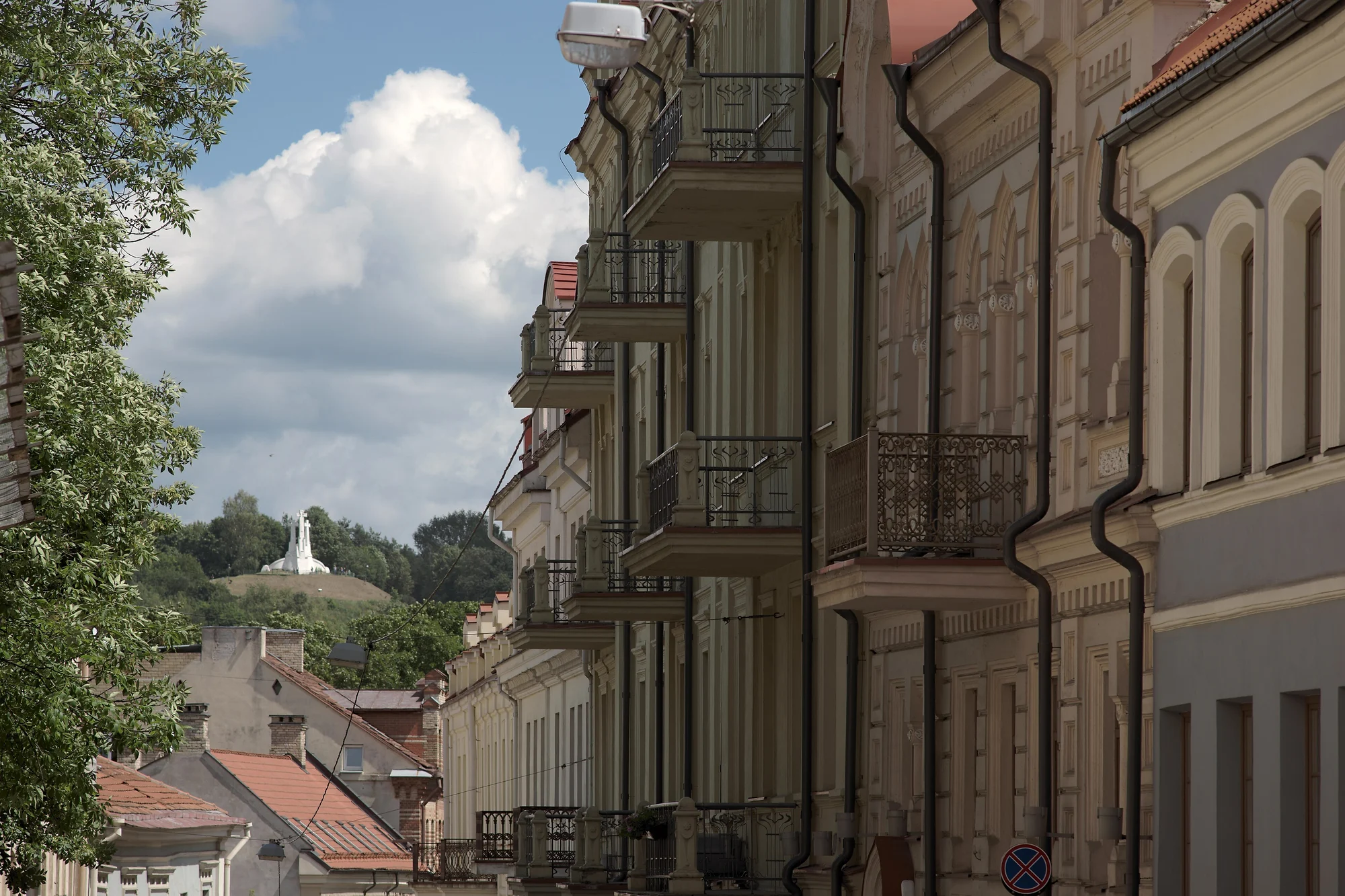
Think about the direction and the seasons. South-to-north (Vilnius first) is the classic flow and works well with open-jaw flights, but the route runs equally well in reverse if your flights are cheaper that way. Summer is the warmest and busiest season, with long days ideal for the old towns and the coast; the Christmas markets make December magical across all three capitals; and the shoulder seasons offer thinner crowds and better value. Whatever the season, the cities are walkable and the indoor culture means weather is rarely a deal-breaker.
Budget-wise, the Baltics remain one of Europe's best-value regions: comfortable buses for the price of a city lunch, affordable and characterful hotels, and excellent, cheap food and drink throughout. Booking the popular intercity bus legs and your accommodation a little ahead, especially in peak summer and around Christmas, keeps both prices and stress down. A rail-and-bus Baltic trip is one of those rare itineraries that's both easy and genuinely affordable.
Finally, give each city the time it deserves rather than racing the clock. The temptation on a multi-city trip is to over-pack the route, but two to three unhurried nights per capital beats a frantic dash through all three. Use Vilnius as your base to start, build out from there, and confirm all transport schedules and book the key legs before you travel — the route is easy, but a little planning makes it seamless.
- Short on time? Vilnius + Riga alone make a strong five-day trip.
- Break the Vilnius–Riga leg at the Hill of Crosses near Šiauliai.
- Run it either direction; open-jaw flights avoid backtracking.
- Book the popular bus legs and hotels ahead, especially in summer and December.
Where to stay, what to budget and a few regional tips
On a multi-city Baltic trip, base yourself in each old town and you'll barely need transport once you've arrived. All three capitals — Vilnius, Riga and Tallinn — have compact, walkable historic cores where the sights, restaurants and most of the good hotels cluster, and where the bus and train stations are within easy reach. Staying central means you can drop your bags, explore on foot, and simply walk to the station for the next hop. Book accommodation a little ahead on the popular summer weekends and around Christmas, when the best central rooms fill first, but otherwise the Baltics offer characterful, affordable stays across the board.
Budget is one of the region's great pleasures. The Baltics remain among Europe's best-value destinations: comfortable intercity buses cost little more than a city lunch, hotels and apartments are affordable and often characterful, and eating and drinking well is cheap by Western European standards throughout. A rail-and-bus trip through all three capitals can be done on a modest budget without feeling like you're economising — which is part of why the route is so popular with travellers who want a lot of city and culture for their money.
A few regional tips smooth the journey. The three countries use the euro, so there's no currency-changing between them. English is widely spoken in the capitals, especially by younger people and in tourism, though a few words of the local language are always appreciated (and the three languages are quite distinct — Lithuanian and Latvian are Baltic languages, Estonian is Finno-Ugric and closer to Finnish). Distances within each country are short, the cities are safe and easy to navigate, and the whole region is well set up for independent travel.
Plan the connections but keep the days loose. Book the popular intercity bus legs ahead to lock in the best fares and times, decide your nights-per-city in advance (two to three is the sweet spot), and structure an open-jaw flight to avoid backtracking — but leave room within each city to wander and discover. The route is genuinely easy; the main risk is over-packing it. Give each capital the time it deserves, confirm all schedules before you travel, and a Baltic capitals trip becomes one of the most rewarding and relaxed multi-city journeys in Europe.
- Stay central in each old town — sights, hotels and stations all within easy walking.
- Budget is a strength: cheap buses, affordable characterful hotels, great-value food.
- All three use the euro; English is widely spoken; the cities are safe and walkable.
- Book the popular bus legs ahead, fly open-jaw, and don't over-pack the route.
Related guides
Riga from Vilnius: Day Trip or Overnight?
A guide to visiting Riga from Vilnius: bus and train timing across the 4-hour journey, whether Riga works as a day trip, and why most travelers should make it an overnight or a Baltic-route stop.
Read guide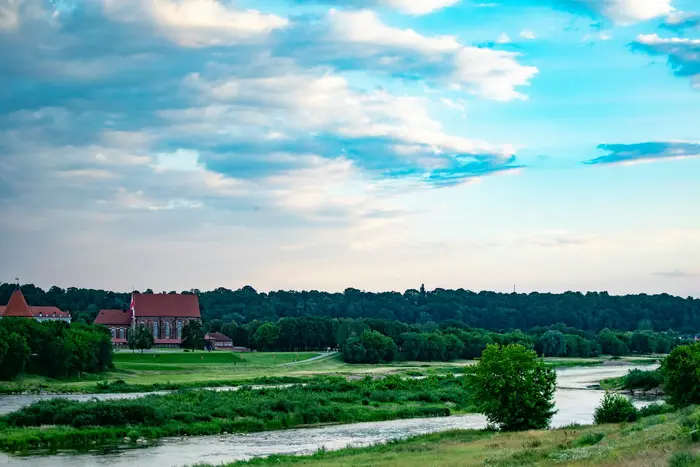
Kaunas Day Trip from Vilnius
A practical guide to a Kaunas day trip from Vilnius: train timing, the Old Town, UNESCO interwar modernism, museums, food, and whether Kaunas deserves an overnight.
Read guide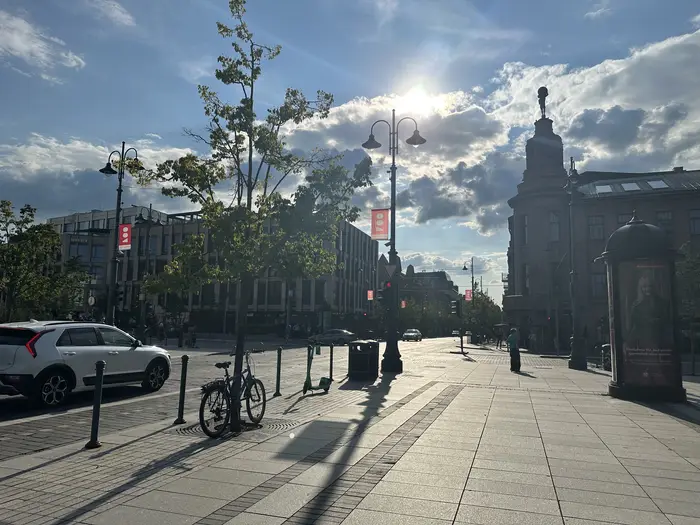
Vilnius Practical Travel Tips
Everything practical for a smooth Vilnius trip: getting in from the airport, buses and trolleybuses, money and tipping, safety, weather, the best time to visit, and day-trip logistics.
Read guide