
Churches & Sacred Sites in Vilnius
Baroque churches, Orthodox iconostasis, monasteries and sacred sites that anchor the spiritual heritage of Vilnius — what to see, how they connect and how to visit respectfully.
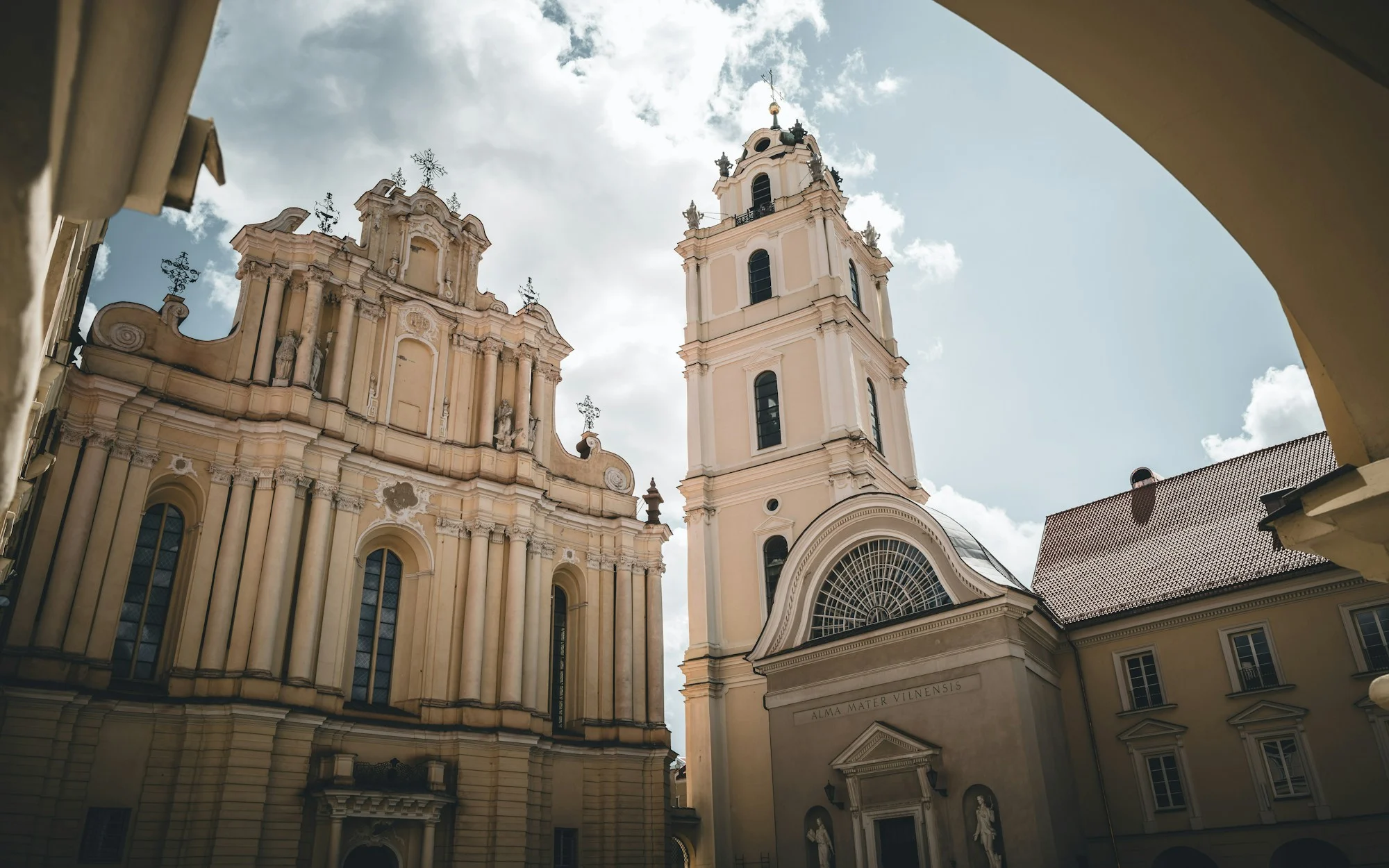
- ✓Vilnius Cathedral and the Gates of Dawn — the city's two devotional anchors
- ✓A roll-call of Baroque, Gothic and Orthodox interiors within a short Old Town walk
- ✓Working monasteries, pilgrimage chapels and the Church Heritage Museum's treasury
- ✓Quiet-visit etiquette so you can see the art without disturbing worship
A skyline built from spires
Few cities wear their faith as openly as Vilnius. From almost any rooftop the Old Town reads as a forest of towers — Baroque domes, Gothic gables and the onion cupolas of Orthodox churches all crowded into a UNESCO-listed core barely a kilometre across. For centuries this was a meeting point of Roman Catholic, Eastern Orthodox, Uniate, Lutheran and Jewish communities, and the churches that survive are the most legible record of that layered history. You do not need to be religious to be moved by them; this is, above all, an open-air museum of architecture, music and devotion.
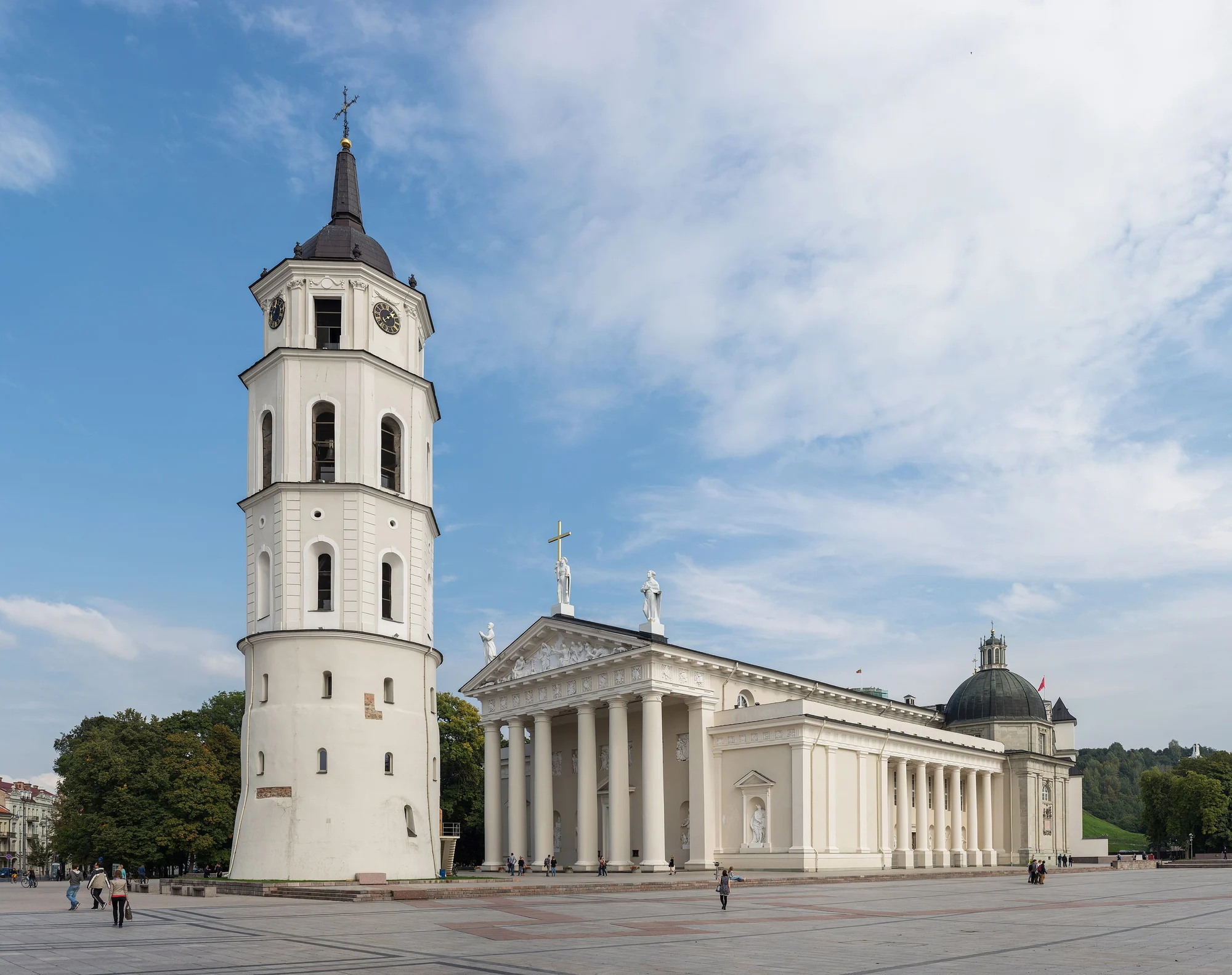
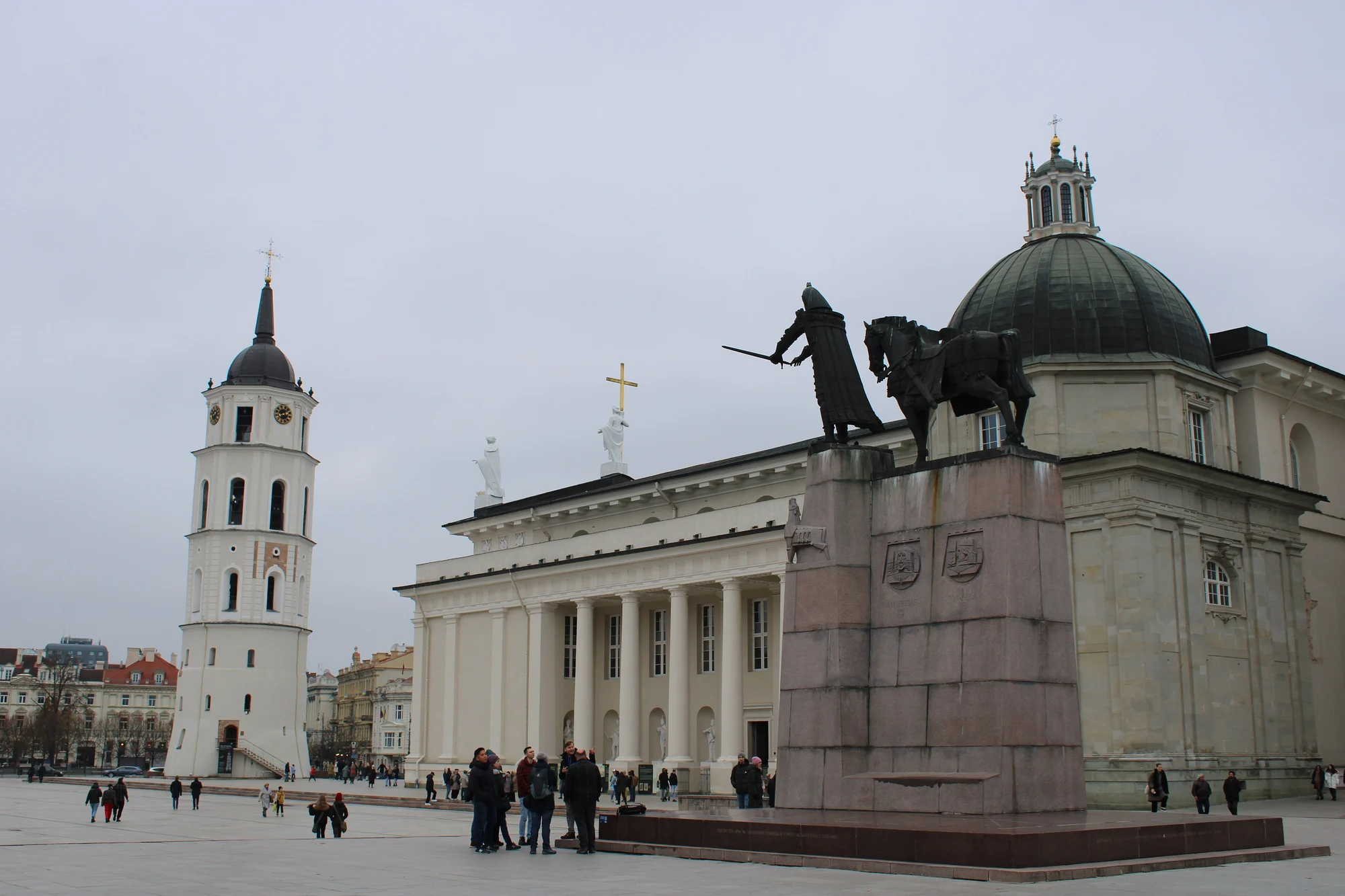
Most of the headline sacred sites sit within the medieval grid, so a single afternoon on foot links a dozen of them without ever needing transport. Start at Cathedral Square, where Vilnius Cathedral and its free-standing Bell Tower frame the ceremonial heart of the country, then thread south through Pilies and Aušros Vartų streets toward the Gates of Dawn. Along the way the styles shift century by century, from austere brick Gothic to the swirling stucco of Lithuanian Baroque.
The Catholic Baroque core
Vilnius is often called a capital of the Baroque, and the city's Catholic churches are where that reputation was earned. The Church of Sts Peter and Paul in Antakalnis is the showpiece — a plain exterior hiding an interior of more than two thousand white stucco figures, the work of Italian masters over decades. In the Old Town itself, the Church of St Theresa, the Dominican Church of the Holy Spirit and the Church of St Casimir each repay a slow look upward, while the Church of St Francis of Assisi anchors the Bernardine ensemble beside the red-brick Gothic landmark of St Anne's.
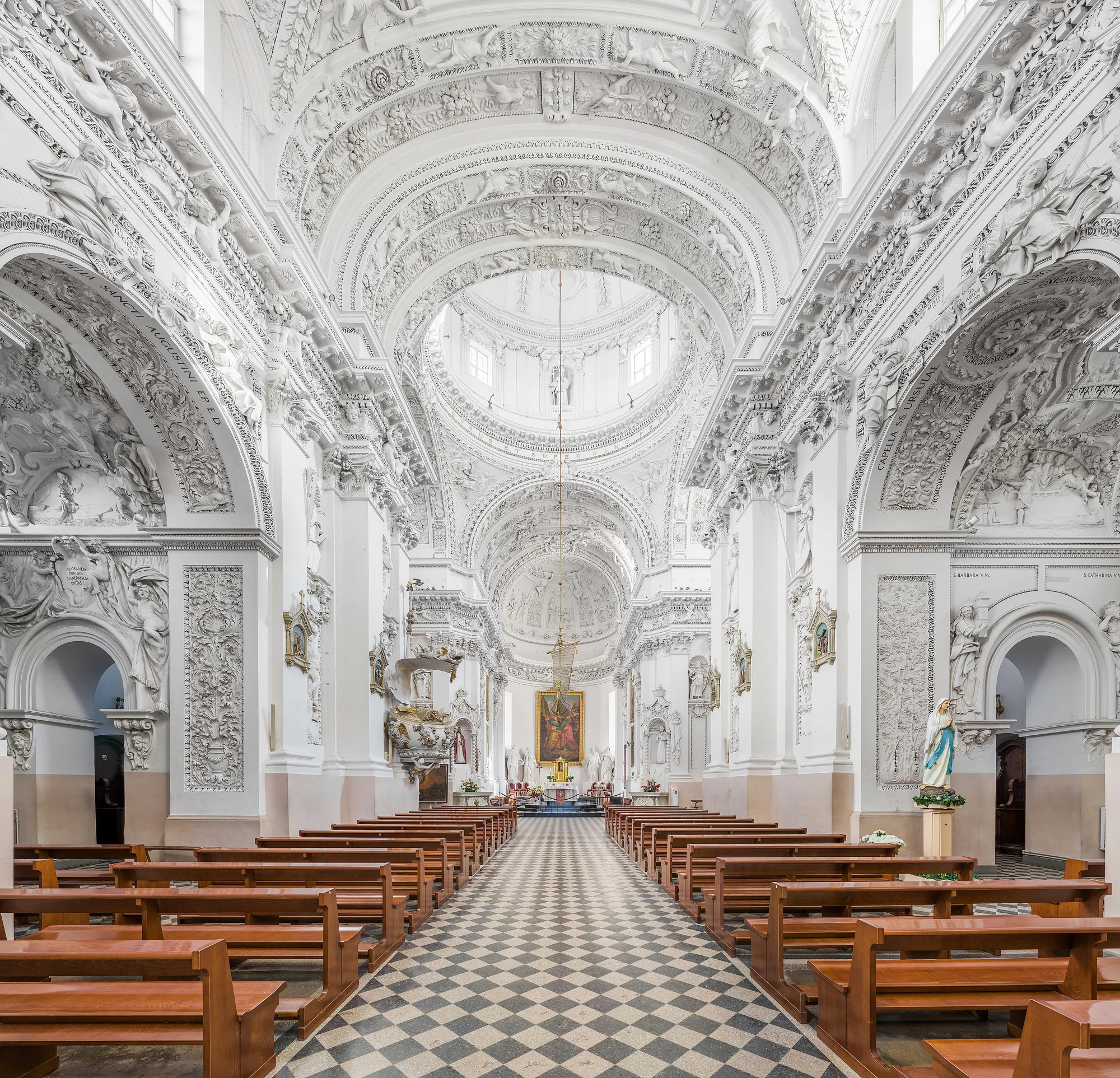
Several of these churches double as concert venues, with organ recitals and choral evenings that are often free or donation-based. The Church Heritage Museum, housed in the former Church of St Michael, gathers liturgical gold, vestments and reliquaries into a single treasury and is the easiest way to understand how these buildings functioned beyond their architecture.
- Church of Sts Peter and Paul — Baroque stucco at its most exuberant, in Antakalnis
- Church of St Theresa & the Gates of Dawn chapel — the city's busiest devotional axis
- Dominican Church of the Holy Spirit — frescoed nave and a famous network of crypts
- Church Heritage Museum — the sacred-art treasury, ideal on a rainy afternoon
The Baroque masterpiece in Antakalnis.
Church Heritage MuseumLiturgical treasures gathered into a single museum.
Map pins
Map data © OpenStreetMap contributors · Tiles © OpenFreeMap
Orthodox, Uniate and the eastern tradition
Vilnius sits on an old fault line of Christianity, and its Eastern churches are as essential as the Catholic ones. The Orthodox Cathedral of the Theotokos and the Orthodox Church of the Holy Spirit carry richly gilded iconostases and a very different atmosphere — candlelight, incense and chanted liturgy rather than organ and stucco. The Holy Trinity Uniate Church and the small, jewel-like Saint Parasceve Orthodox Church add further texture to the eastern side of the city's faith map.
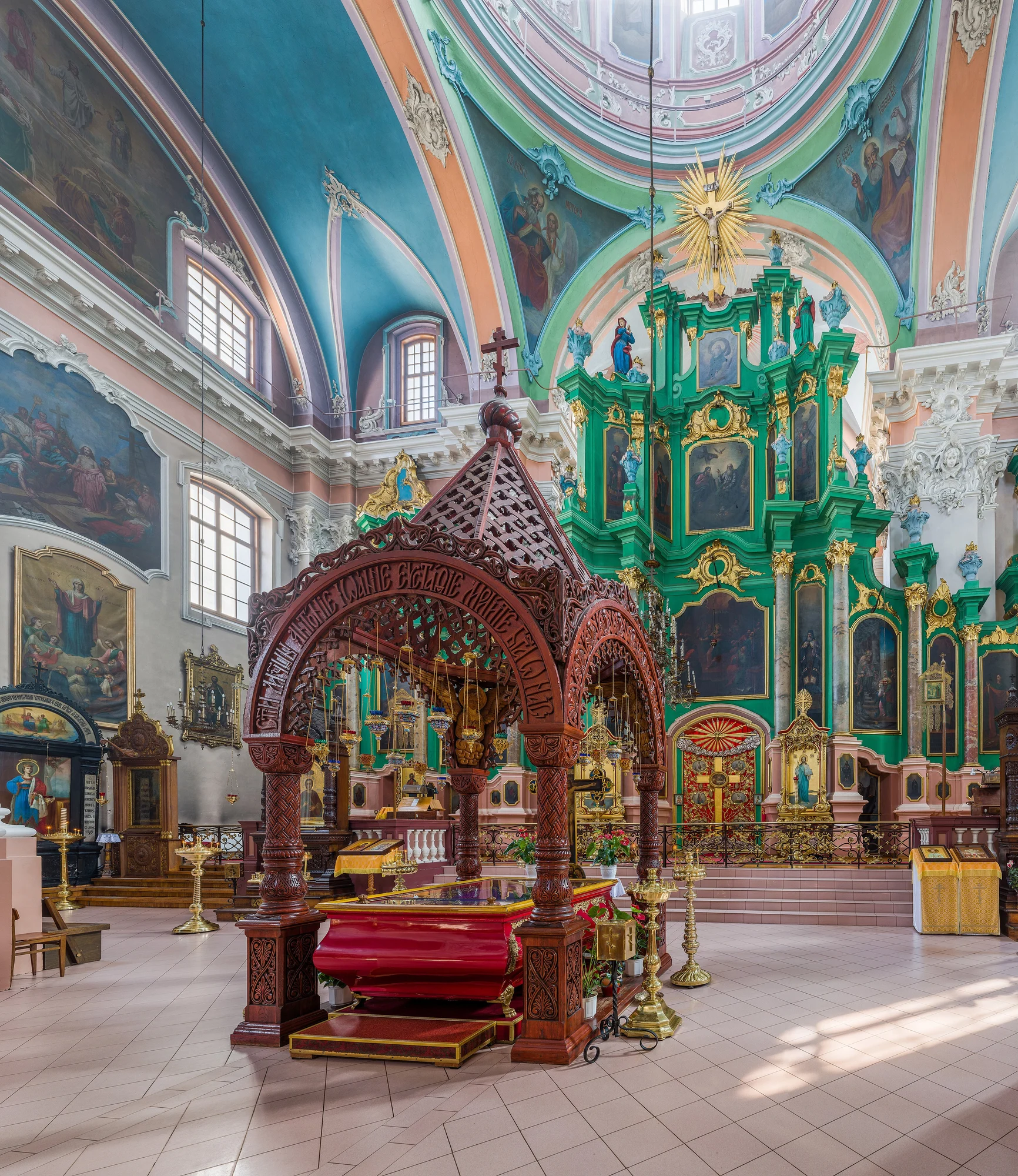
These interiors reward quiet, unhurried visits. Photography is sometimes restricted and services run throughout the week, so step in gently, keep your voice low and check whether a liturgy is underway before you wander. The differences between the traditions — in iconography, layout and music — are part of what makes a church crawl in Vilnius so rewarding.
Monasteries, pilgrimage and living faith
Sacred Vilnius is not only churches. The Franciscan Monastery and the cloisters attached to the Bernardine and Dominican complexes preserve the quieter, working side of religious life, and several are slowly being restored and reopened to visitors. Pilgrimage threads through the city too: the Gates of Dawn chapel, with its gold-clad icon of the Madonna, draws a steady stream of the devout, while on the city's northern edge the Vilnius Calvary Way of the Cross lays out a wooded route of chapels that has been walked for more than three centuries.
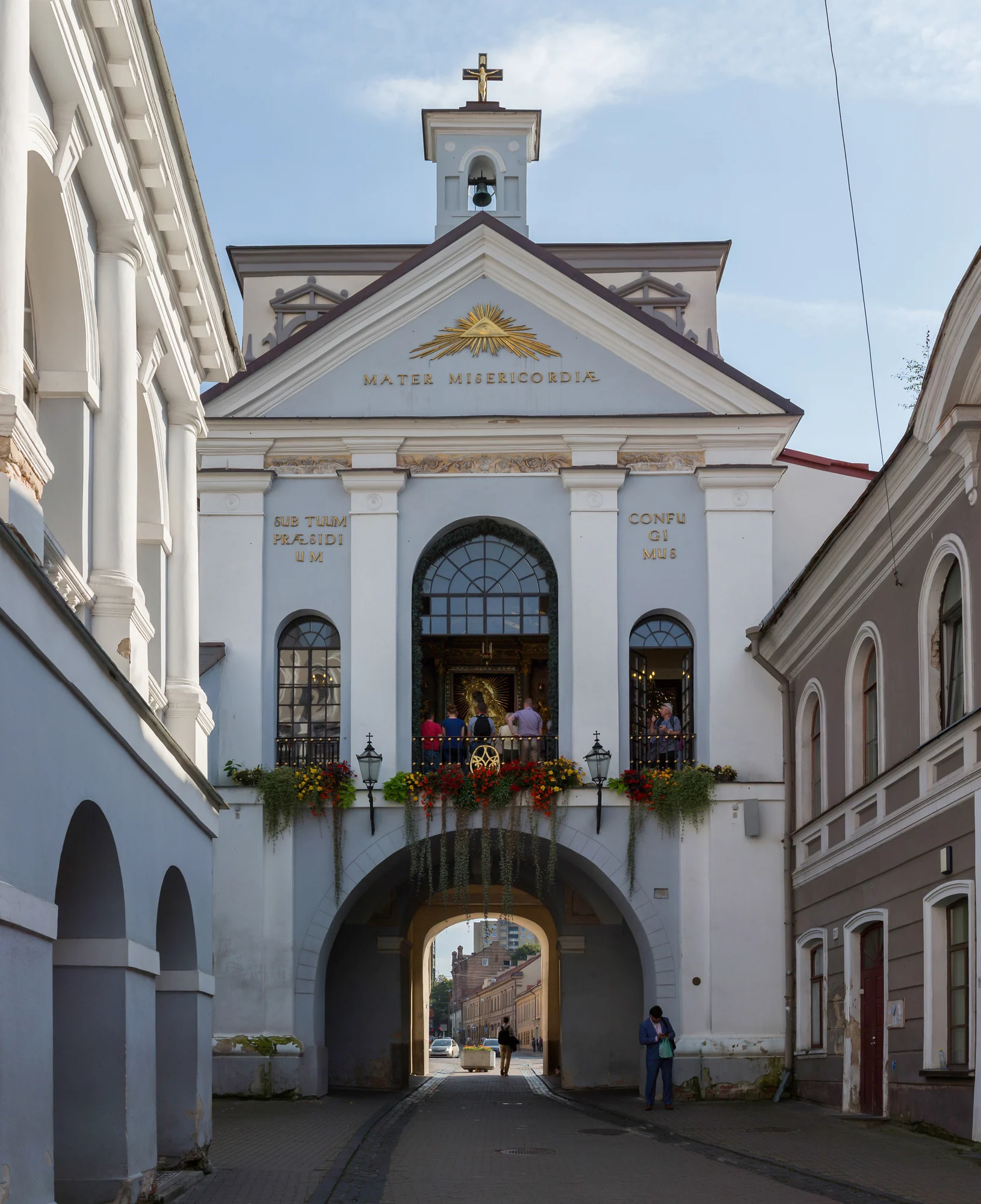
The Shrine of Divine Mercy, near the Gates of Dawn, holds the original image of the Divine Mercy painted to the vision of Saint Faustina — a site of genuine international pilgrimage that remains an active place of prayer rather than a museum. Even the smallest neighbourhood churches, like the Church of St Bartholomew or the Church of St Michael the Archangel, keep their congregations, so what you are seeing is a faith still in use, not a preserved relic.
This living quality is the city's real distinction. Lithuania was the last country in Europe to be Christianised, and its sacred sites carry both the exuberance of late, ardent Catholicism and the deep Orthodox presence of its eastern borderland — a combination you can feel as you move between a stucco-laden Baroque nave and a candlelit, incense-heavy Orthodox interior within the same short walk.
- Franciscan, Bernardine and Dominican monasteries — the contemplative side of the city
- The Shrine of Divine Mercy — the original Divine Mercy image and active pilgrimage
- Vilnius Calvary Way of the Cross — a wooded chapel route on the northern edge
How to visit, and how to pace it
Almost every church in the Old Town is free to enter, though some museum-grade sites — the Cathedral crypts, certain bell towers, the Church Heritage Museum — charge a modest admission and may require a guided slot. Hours shift with the liturgical calendar and the seasons, so treat any times you read as a starting point and confirm on the day. Dress is relaxed by southern-European standards, but covered shoulders and a respectful manner are appreciated, especially during Mass.
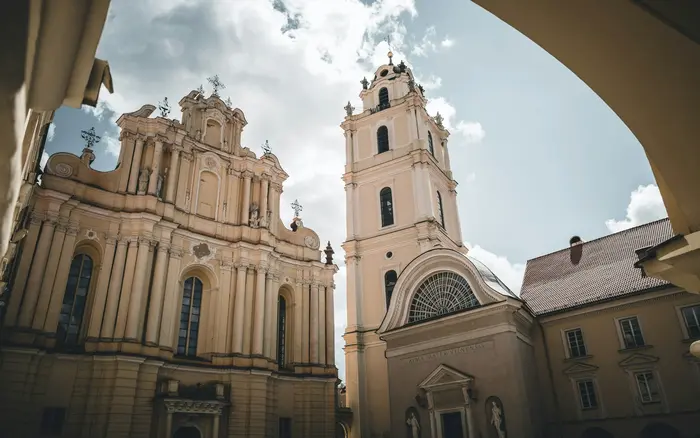
If you have only an hour, link Vilnius Cathedral, the university's St John's Church and the Gates of Dawn for a tight, high-impact loop. With half a day, fold in the Bernardine ensemble, St Anne's and a contrasting Orthodox interior. With a full day you can add the Antakalnis Baroque of Sts Peter and Paul and a slower look at the Church Heritage Museum's treasury. Whatever you choose, leave time simply to sit — these interiors reveal themselves to people who pause rather than march.
The churches also pair naturally with the city's broader heritage. Many of the same streets carry the landmarks and architecture that define Vilnius, so a sacred-sites walk slides easily into a wider Old Town day, and the indoor museums among them make excellent rainy-day pivots when the Baltic weather turns.
Related guides
Best churches in Vilnius
Compare Vilnius's most beautiful churches by architecture, access, route fit, photos and quiet visiting etiquette.
Read guide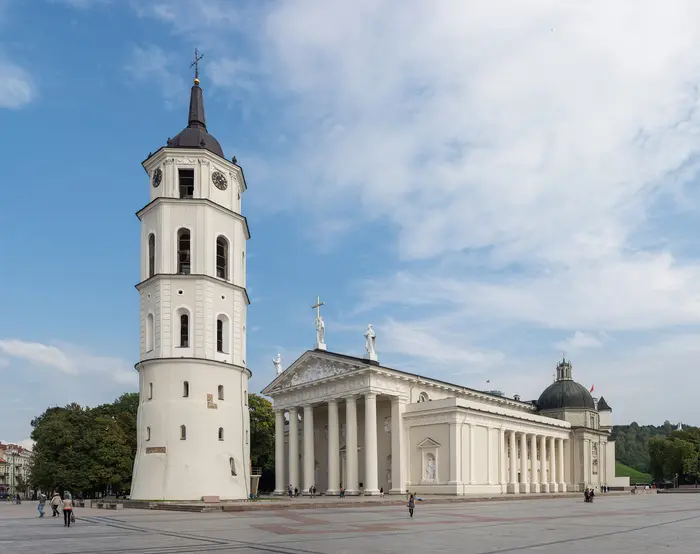
Vilnius Cathedral
Vilnius Cathedral is the white neoclassical heart of the Old Town, free to enter, home to the ornate baroque Chapel of St. Casimir, royal tombs and the 'Stebuklas' miracle tile on the square outside.
Read guide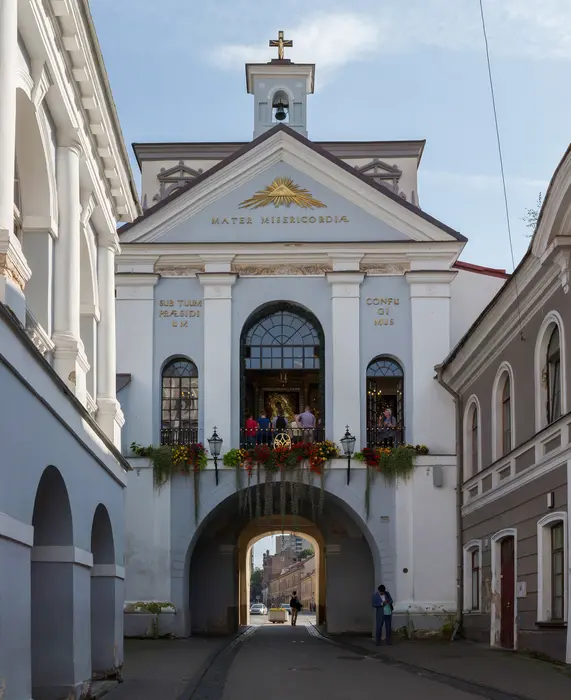
Gates of Dawn
The Gates of Dawn (Aušros Vartai) is the last surviving city gate of Vilnius and one of Eastern Europe's most revered Catholic pilgrimage sites, home to the miraculous icon of Our Lady of Mercy.
Read guide