
Galleries & Contemporary Art in Vilnius
Artist-run spaces, residencies and contemporary galleries in Vilnius showing rotating installations, openings and pop-up shows — the city's living, experimental art scene.
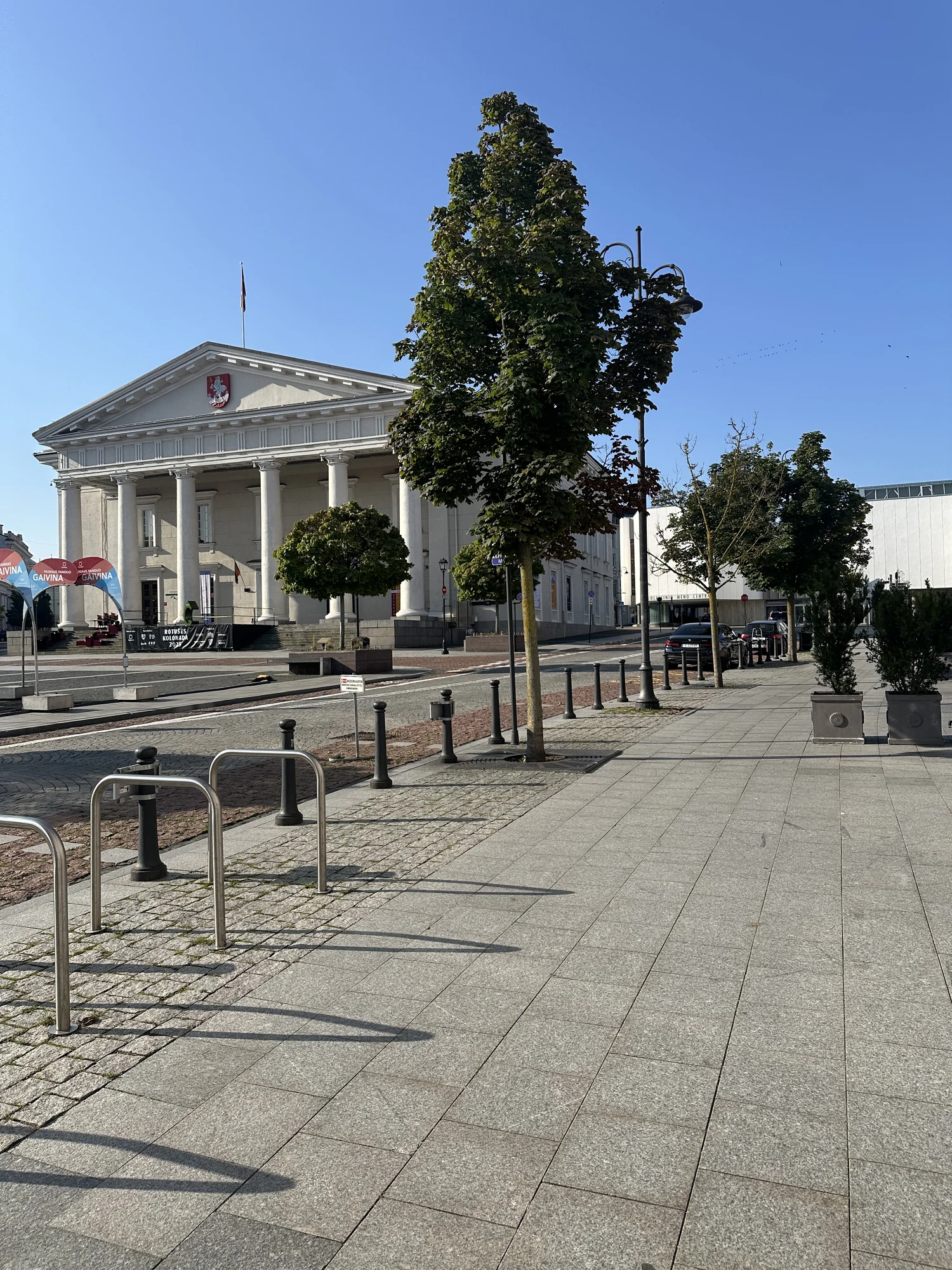
- ✓MO Museum — Lithuania's flagship modern and contemporary collection
- ✓Užupis galleries and artist-run spaces in the bohemian republic across the river
- ✓Rotating shows, residencies and gallery-night openings worth timing a visit around
- ✓How the contemporary scene links to the city's wider art and design trail
An art city that keeps reinventing itself
Vilnius has a long visual-art pedigree, but its contemporary scene is younger, scrappier and genuinely exciting. Alongside the headline institutions sit artist-run project spaces, residencies and pop-up galleries that turn over fast — the kind of places where you might catch an opening, a performance or a one-week installation that won't be there next month. The city's compact size means you can sample several in an afternoon, and the openings double as some of Vilnius's best free social events.
The contemporary art map clusters in a few zones: the central Old Town and Naujamiestis for the bigger spaces, and Užupis — the self-declared artists' republic across the Vilnelė river — for the independent, experimental end. Treat this page as the entry point; if you want a ranked, route-based walk, our dedicated art and design itinerary stitches the best stops together.
What makes Vilnius rewarding for art-minded travellers is the lack of friction. There are no vast queues, no overwhelming mega-museums to budget a whole day for, and prices are modest — you can dip into a flagship, an artist-run space and a design studio in a single relaxed afternoon. The scene is also unusually open: curators, gallerists and artists tend to be approachable, and a curious visitor who asks a question at an opening is more likely to end up in a conversation than brushed off.
The flagship institutions
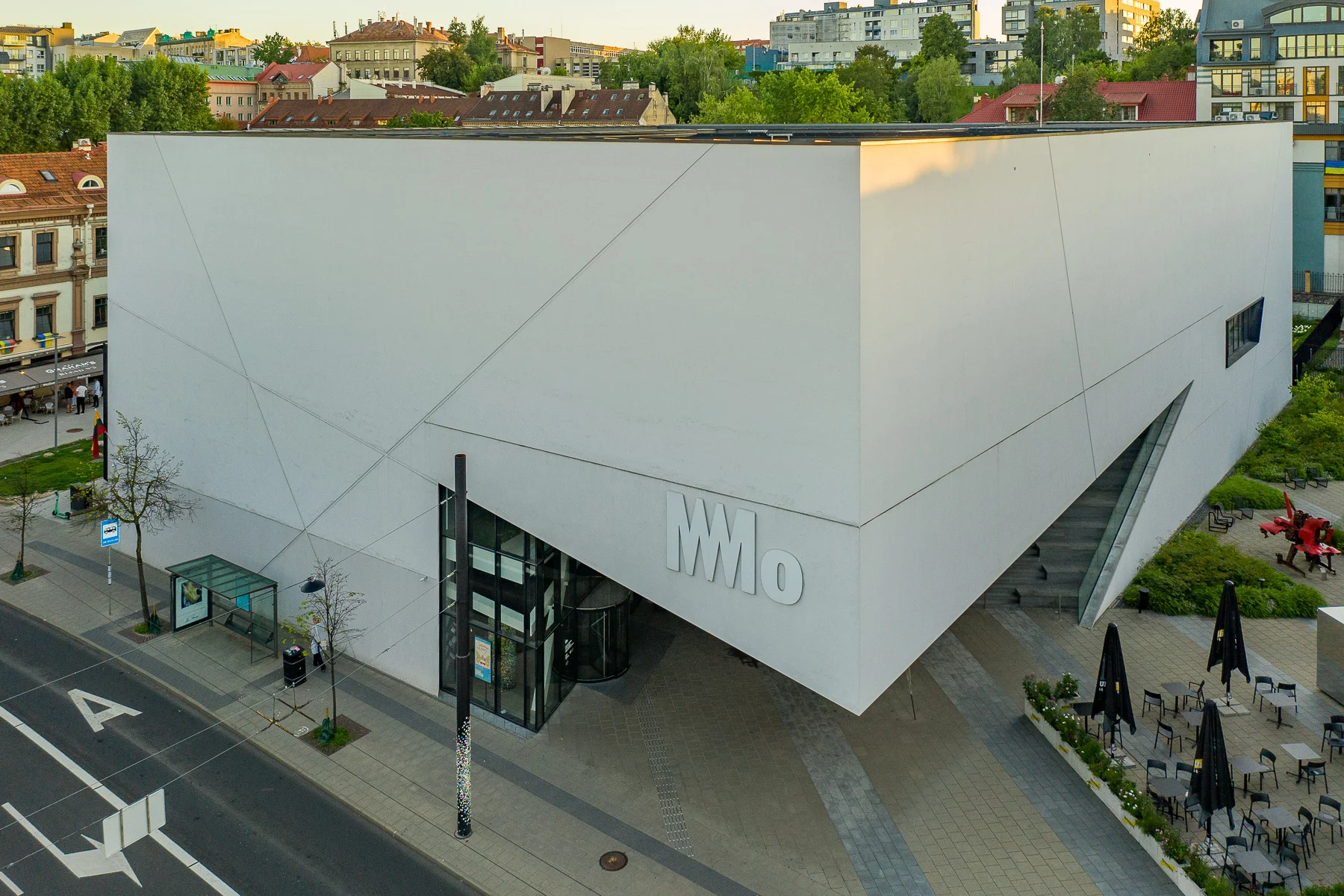
The MO Museum is the obvious starting point — a privately founded museum in a striking Daniel Libeskind-designed building, holding one of the most important collections of modern and contemporary Lithuanian art and running an ambitious programme of temporary shows. It is accessible, well-curated and a genuinely good introduction to the country's recent art history. Nearby, the National Gallery of Art and the Vilnius Picture Gallery bridge the historic and the modern, giving context to what the independent scene is reacting against.
For design-minded visitors, the Museum of Applied Arts & Design and the Radvila Palace add craft, applied art and rotating exhibitions to the mix. Together these institutions give the contemporary scene its backbone — see one or two for grounding, then head out to the smaller spaces for the cutting edge.
It is worth understanding the recent history that shapes what you see. For most of the twentieth century Lithuanian artists worked under Soviet constraints, and the explosion of independent, experimental and conceptual work since 1991 is in part a reaction to those decades. That gives a lot of contemporary Lithuanian art a distinctive seriousness and political edge — questions of memory, identity, freedom and the body recur — alongside plenty of playfulness. Knowing that backdrop makes even a single MO Museum visit far richer.
- MO Museum — modern and contemporary Lithuanian art in a landmark building
- National Gallery of Art — the historic-to-contemporary throughline
- Museum of Applied Arts & Design — craft, design and applied-art shows
- Vilnius Picture Gallery — older masters that frame the modern story
Craft and design exhibitions in a central Old Town palace.
Best museums in VilniusThe wider museum landscape, including the art institutions.
Map pins
Map data © OpenStreetMap contributors · Tiles © OpenFreeMap
Užupis and the independent scene
Cross the little bridges into Užupis and the art turns informal. This self-governing artists' quarter — with its tongue-in-cheek constitution, the Angel of Užupis and a riverbank dotted with studios — is the natural home of the city's experimental galleries and artist-run spaces. Shows here can be uneven and ephemeral, which is the point: you go to discover, not to tick off masterpieces. Opening nights spill onto the streets and are among the friendliest ways to meet the local creative community.
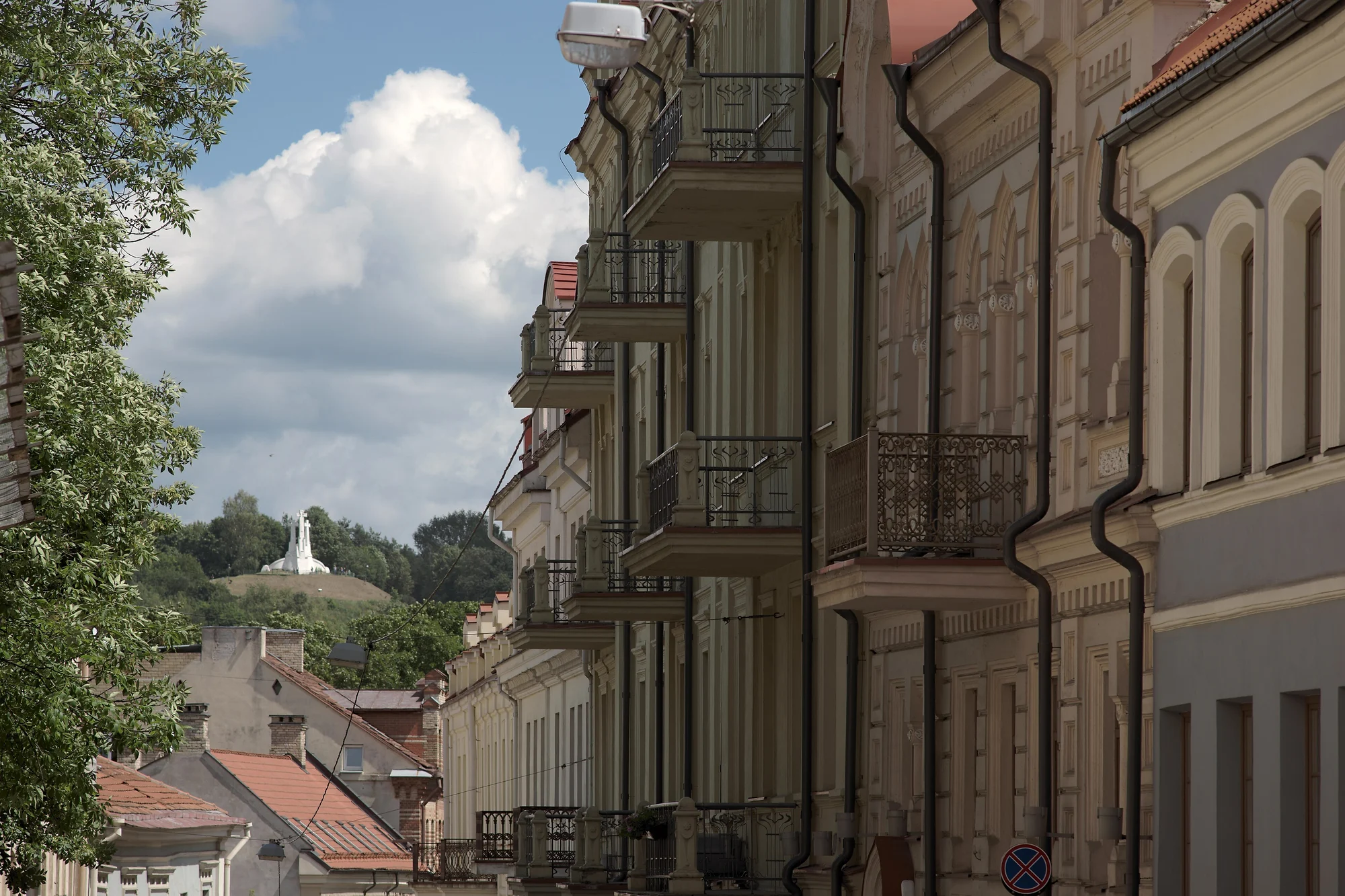
Because these independent spaces keep irregular hours and rotate constantly, it pays to check current listings and gallery-night dates before you go. The reward is seeing Vilnius's art as a living conversation rather than a finished collection — raw, occasionally rough and far more memorable for it.
Design, applied art and the creative quarters
Contemporary Vilnius blurs the line between fine art and design, and some of the most interesting spaces sit at that edge. The Glass Quarter (Stiklių kvartalas area and the regenerated industrial pockets around it) and a handful of former-factory complexes have become clusters of studios, design shops and project spaces where ceramicists, glassmakers, illustrators and furniture-makers work and sell. These are working creative neighbourhoods rather than polished galleries, which is exactly why they feel alive.
The Vilnius Picture Gallery and the Museum of Applied Arts & Design ground this design culture in history — from old-master canvases to centuries of Lithuanian craft — and frequently host temporary exhibitions that connect heritage techniques to contemporary practice. Public art adds another layer: the city's monuments, memorial walls and the playful interventions of Užupis mean that contemporary art in Vilnius is as much an outdoor experience as an indoor one.
If you are building an art-led trip, weave these design stops between the flagship museums and the independent galleries. The pleasure of Vilnius's scene is its scale — small enough to see properly in a day or two, varied enough that fine art, applied craft, public works and street art all sit within the same easy walk.
- Glass Quarter & factory complexes — studios, design shops and project spaces
- Vilnius Picture Gallery — historic art that frames the contemporary
- Public art — monuments, memorial walls and Užupis interventions
How to see it well
Plan around the rhythm of the scene. The big institutions keep regular museum hours and are easy to drop into any day, but the independent galleries cluster their energy around openings and weekends. If you can, line your visit up with a gallery night or a festival window, when dozens of spaces open at once and the whole city feels like a studio. Always verify current exhibition dates and opening times on each venue's own channels — small spaces change schedules often and some open only by appointment.
A good half-day combines one flagship — usually MO Museum — with a wander through Užupis and a couple of smaller spaces, finishing in a café where the same crowd tends to gather. Many galleries are free or charge only a few euros, and the big museums offer combined or discounted tickets worth asking about, so an art day in Vilnius is rarely expensive.
The contemporary scene also overlaps with the city's street art and design culture, so an art day in Vilnius rarely stays inside gallery walls for long — follow it outdoors into the murals, the courtyards and the public works, and the whole city starts to read as a gallery.
Related guides
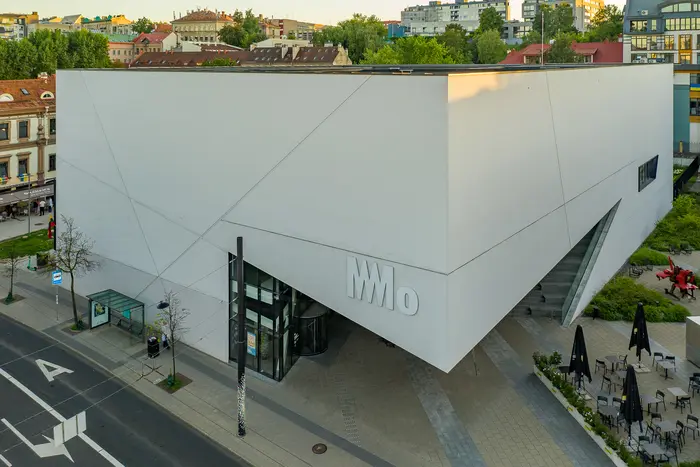
MO Museum guide
Tickets, exhibitions, architecture, family fit, bistro and how MO fits a modern-art and rainy-day Vilnius day.
Read guide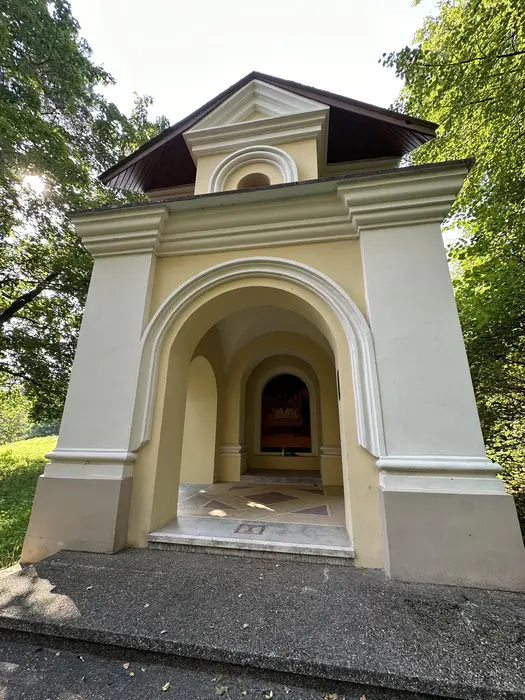
Best museums in Vilnius
Choose the right Vilnius museums for you — by history, art, Jewish heritage, rainy-day comfort, kids and value. A ranked, honest guide to MO Museum, the Palace of the Grand Dukes, the occupation museums, the National Museum and more.
Read guide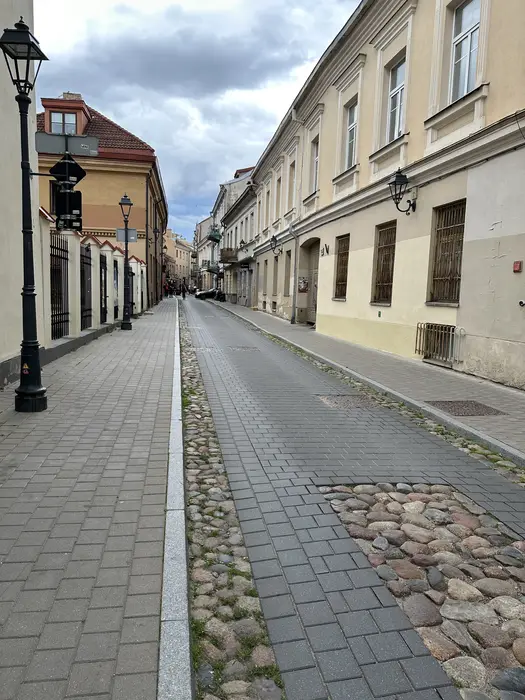
Vilnius Street Art & the Open Gallery
A walking guide to Vilnius street art — the Open Gallery courtyard in Naujamiestis, station-district murals, Užupis and Old Town pieces, photo stops and respectful routing.
Read guide