
Halės Market: A Guide to Vilnius's Oldest Market Hall
How to visit Halės Market, the oldest covered market in Vilnius — produce, cheese and meat counters, street-food stalls, cafés and bars, plus when to go and what to eat near the station.
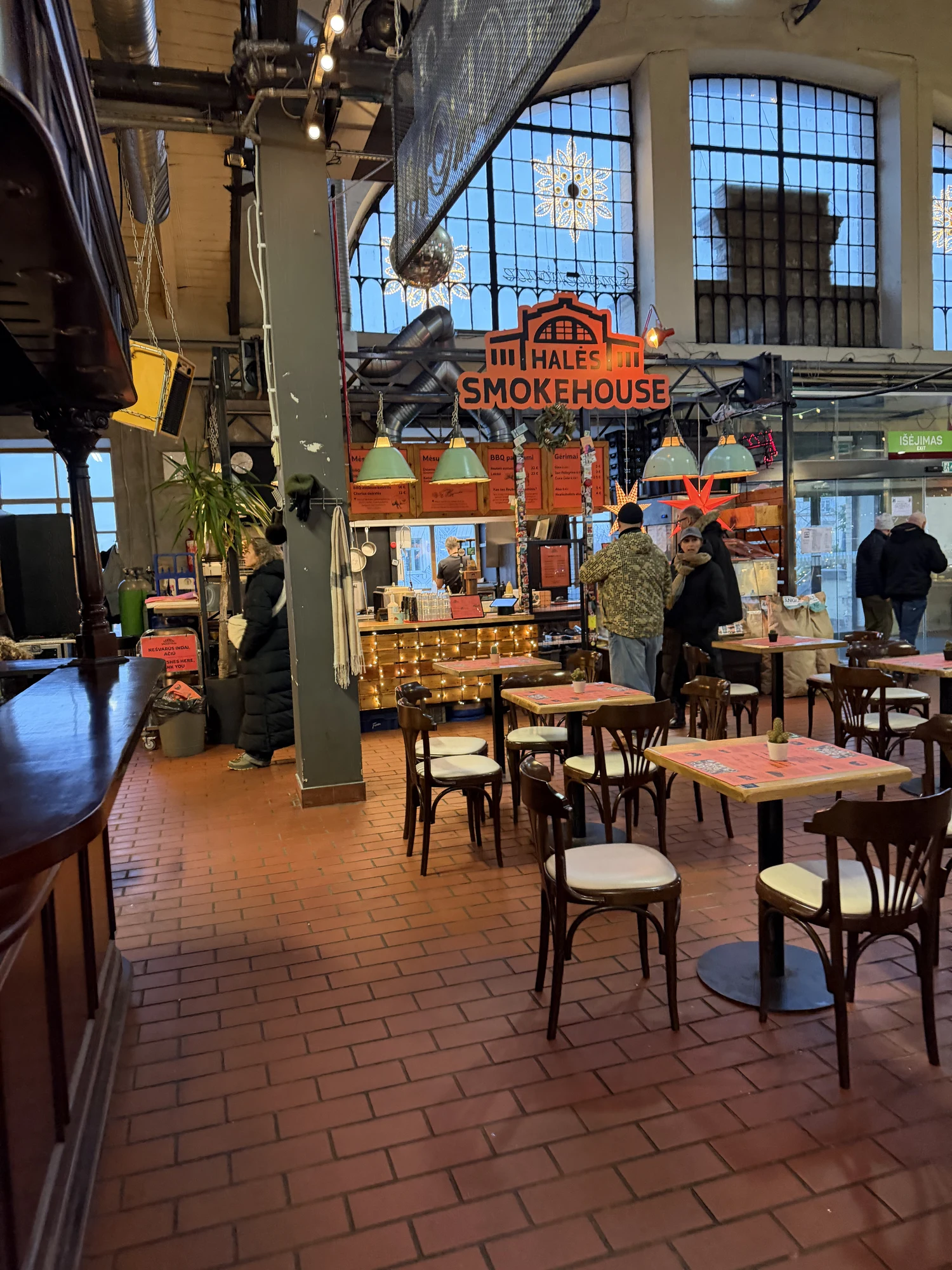
- ✓Halės Turgus has traded since 1906, making it the oldest covered market in Vilnius — a working hall, not a museum.
- ✓It sits between the Gates of Dawn and the train station, an easy ten-minute walk from the Old Town's southern edge.
- ✓Mornings are for produce, cheese, smoked meats and honey; midday onward the food stalls, smokehouse and bars take over.
- ✓It's one of the best-value places to eat in the city centre — fresh, local and unpretentious.
- ✓Closed Mondays; come Tuesday to Saturday for the fullest mix of vendors.
A working market that's been here since 1906
Halės Turgus — Halės Market — is the oldest covered market in Vilnius, opened in June 1906 in a handsome brick-and-iron hall designed by architect Vaclav Michnevičius. More than a century later it is still doing exactly what it was built to do: feeding the city. This is not a tourist attraction dressed up as a market; it is where locals come for the week's vegetables, a wedge of farmhouse cheese, a string of smoked sausages and a quick, cheap lunch. That everyday authenticity is precisely what makes it worth your time.
The hall sits just outside the Old Town, at Pylimo gatvė 58, on the cusp between the historic centre and the Station District (Stoties rajonas). From the Gates of Dawn it is a downhill stroll of about ten minutes; from the train and bus stations it is even closer. That position — half old city, half railway-side neighbourhood — gives Halės its particular character: part heritage produce hall, part scrappy, fast-changing food court.
Over the past decade the market has quietly modernised. The traditional counters of meat, fish, dairy and vegetables remain at its heart, but around and among them a new generation of stalls has moved in: an on-site smokehouse, bakeries, a few small bars, coffee roasters and street-food vendors slinging everything from dumplings to ramen. The result is a market you can both shop in and graze through, which is exactly how to use it.
It helps to understand the building itself. The original 1906 hall, with its high iron roof and brick walls, was a statement of civic ambition — a covered, hygienic, year-round market to replace the open-air trading that had spilled across the area for centuries. It survived two World Wars, the Soviet decades and the disruptions of independence, and it has been sensitively restored rather than gutted. Standing under that roof, surrounded by counters that have changed hands across generations of the same families, you get a tangible sense of continuity that newer food halls, for all their polish, simply can't manufacture.
What to buy: the produce and provisions counters
Come in the morning and the market is at its most traditional. The central rows are given over to fresh produce — seasonal berries and mushrooms in late summer and autumn, root vegetables and pickles through the cold months, the first sorrel and rhubarb in spring. Vendors are used to locals buying by the kilo, but they'll happily sell you a handful of cherries or a single cucumber to eat on the spot.
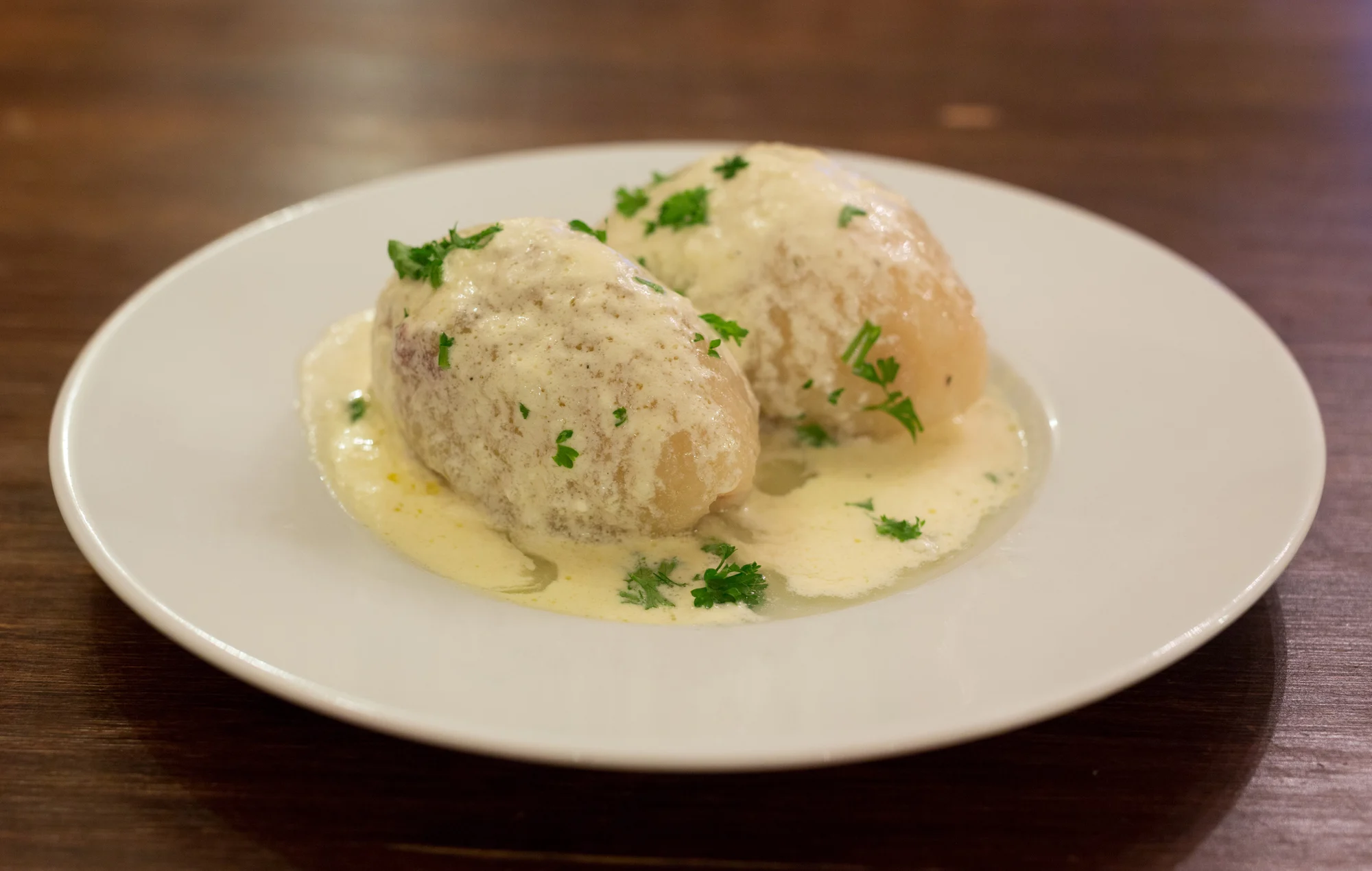
The dairy and meat counters are the real draw for anyone curious about Lithuanian food. Look for varškė (fresh curd cheese), smoked farmhouse cheeses, cold-smoked and air-dried sausages, and tubs of local honey and forest preserves. Several counters sell rye bread and kvass, the dark fermented bread drink that is a Baltic staple. Prices here are low by Western European standards and the quality is high — this is farm-to-counter food with very few middlemen.
Seasonality shapes everything on these counters, which is part of what makes repeat visits rewarding. Late summer and early autumn are the market's glory months: wild chanterelles and porcini, baskets of forest berries, apples and plums, and jars of just-made preserves appear in abundance. Winter shifts the emphasis to root vegetables, sauerkraut and pickles, smoked and cured meats, and the dark breads that anchor the Lithuanian table through the cold. Spring brings the first sorrel, rhubarb and tender greens. Whatever the month, asking a vendor what's best right now is the surest way to eat the season — and they're usually delighted to be asked.
- Best buys: farmhouse cheese, smoked sausage, forest honey, seasonal berries and mushrooms.
- Bring some cash — many produce vendors prefer it, though more stalls now take cards.
- Pick up rye bread, varškė and cold cuts for an easy picnic in nearby Bastion Hill or the Old Town.
The dishes and ingredients the market's counters are built around.
Budget Eats in VilniusMore cheap, satisfying meals across the city.
Map pins
Map data © OpenStreetMap contributors · Tiles © OpenFreeMap
What to eat: the smokehouse, stalls and bars
From late morning the market shifts gear and the food stalls come alive. The standout is the on-site smokehouse, where meat is slow-smoked over oak for hours and served in generous, filling portions — Texas-leaning barbecue is the headline, but it's the kind of place where you can also buy vacuum-packed smoked meats and house sauces to take home. Around it you'll find bakeries, a handful of international stalls, and small bars pouring local craft beer and natural wine.
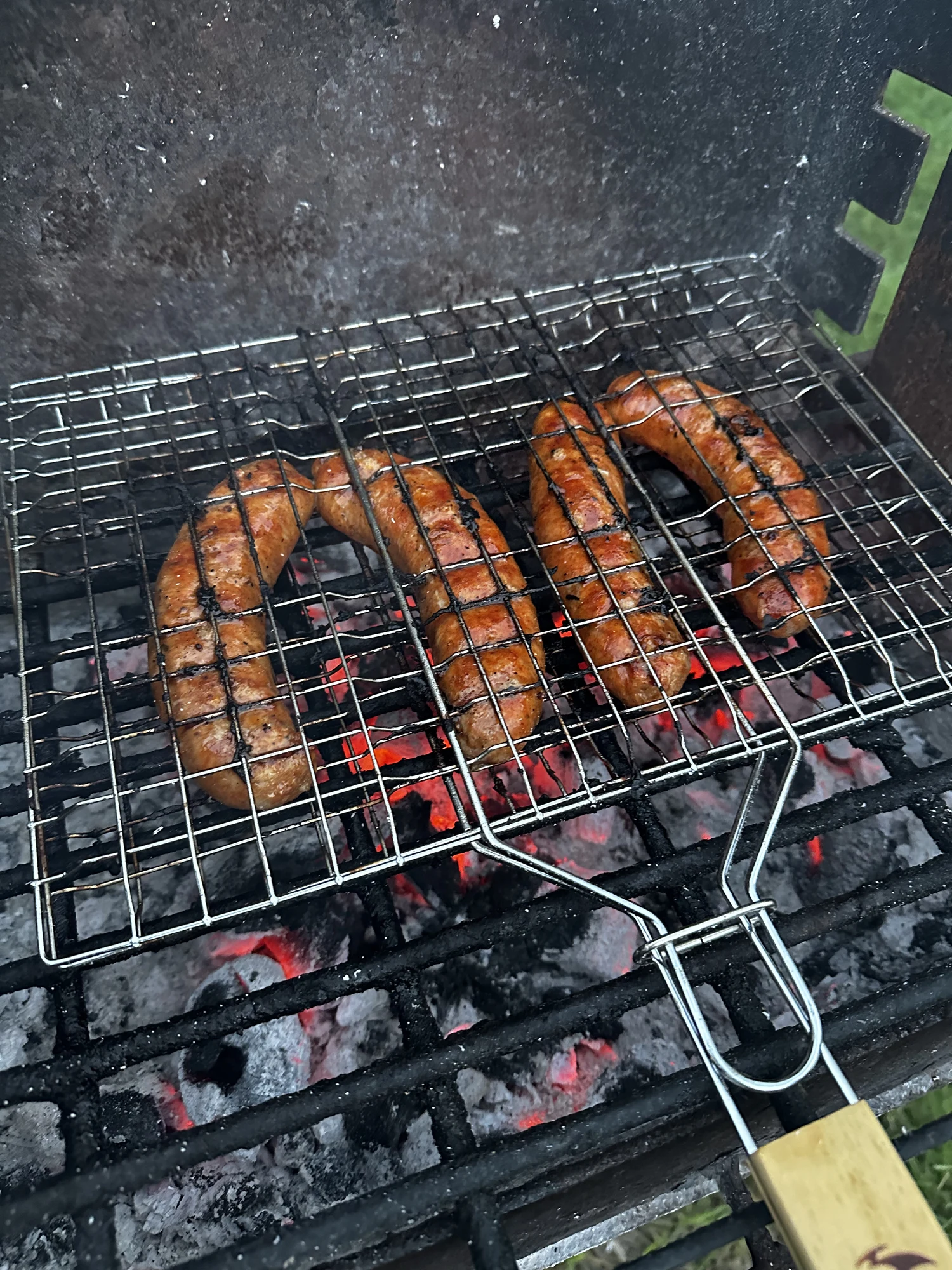
This is graze-and-share territory rather than a sit-down restaurant. Order a smoked-meat plate or a sandwich from one counter, dumplings or a bowl of soup from another, a pastry to finish, and a beer from the bar — then find a perch at the communal tables. It rarely adds up to much money, and the variety beats almost any single restaurant in the area. Weekends bring the biggest crowds and the fullest line-up of vendors; weekday lunchtimes are busy with locals but a little calmer.
The smokehouse deserves a closer look, because it's the part of the market that has built a following beyond the neighbourhood. Meat is slow-smoked over oak for hours, the way good barbecue demands, and the staff are genuinely passionate about the craft — ask and they'll happily explain what's on that day. Beyond the plates served to eat in, you can buy vacuum-packed smoked meats, house-made sauces and specialty sausages to take home or back to your apartment, which makes it a clever stop if you're self-catering. Portions are generous to the point of being shareable, so it's easy for two people to split a plate and still leave room to try something from a neighbouring stall.
- Watch the smokehouse work and order whatever has just come off the fire.
- Mix and match across stalls — that's the point of a market lunch.
- Bars here are a low-key spot for a craft beer or a glass of natural wine.
When to go, and how to make a morning of it
The market is generally open Tuesday to Sunday and closed on Mondays, with the produce counters busiest early and the food stalls liveliest from late morning into the afternoon. Published hours run roughly from 7am, with the hall closing in the early evening on weekdays and earlier on Sundays — but, as with any working market, individual vendors keep their own times and the smokehouse and bars tend to stay open later than the produce counters. Check the latest hours before a special trip.
The smart way to visit is to come hungry mid-morning, do a slow lap to see what's on offer, buy a few provisions for later, then settle in for a market lunch. Pair it with the Station District on one side — increasingly full of independent cafés and bars — or the Old Town and Gates of Dawn on the other. It is one of the most rewarding, least touristy hours you can spend in central Vilnius.
A word on etiquette and practicalities. This is a real market, so the rhythms are a market's: vendors restock early, the best produce goes first, and the mood is brisk rather than ceremonious. A few words of Lithuanian — labas (hello), ačiū (thank you) — go a long way, though most younger stallholders speak some English. Bags are useful if you're buying provisions, the toilets are modest, and seating fills up at peak lunchtime, so claim a spot before you go off to order. None of this is complicated; it's simply the difference between drifting through and using the market like a local.
Is it worth visiting if you're not buying groceries? Absolutely — even with no shopping list, Halės is one of the most atmospheric, affordable and genuinely local places to eat lunch in the centre, and it costs nothing to walk through and soak up. Is it touristy? Far less than almost anything else in this part of the city; the crowd is overwhelmingly local. And how long should you give it? An hour is plenty for a lap and a meal, but it slots so neatly between the Old Town and the Station District that most people happily linger longer.
- Closed Mondays; Tuesday–Saturday gives the fullest mix of vendors.
- Mornings for shopping, late morning to afternoon for eating.
- Combine with the Gates of Dawn, Bastion Hill or a Station District café crawl.
Related guides
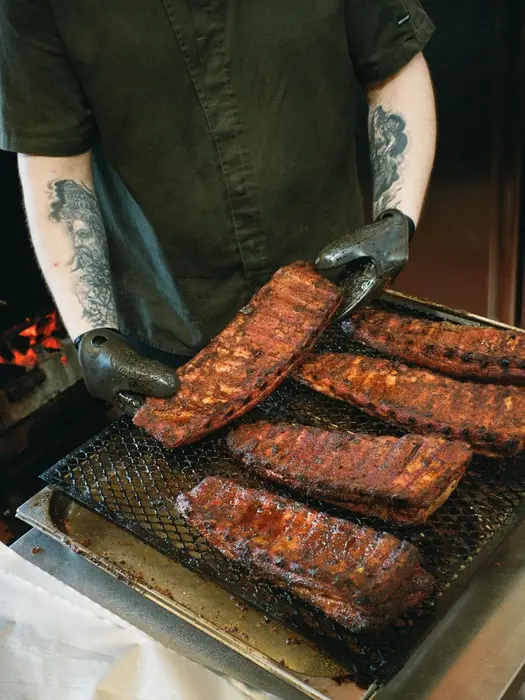
Halės Smokehouse
A Texas-style barbecue stall inside Vilnius's historic Halės Market, slow-smoking brisket, ribs and pastrami over oak for hours on end.
Read guide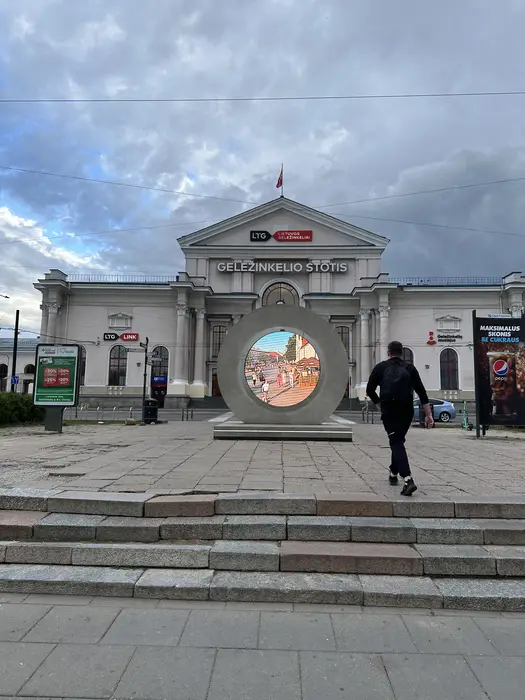
Stoties Rajonas: Vilnius Station District Guide
A guide to Stoties rajonas, Vilnius's edgy, fast-changing Station District: Hales Market, the train and bus stations, converted warehouses, street art, food halls and where it sits relative to the Old Town.
Read guide
Budget Eats in Vilnius: Cheap, Filling & Local
How to eat well in Vilnius without spending much — markets, food halls, bakeries, cheap Lithuanian taverns, lunch deals and student-area food — with realistic prices and money-saving tips.
Read guide