
Vilnius on a Budget: A Low-Cost Itinerary
A lower-cost Vilnius itinerary built on free sights, cheap public transport, market and bakery meals and one or two well-chosen tickets — proof that one of Europe's prettiest capitals is also one of its best value.
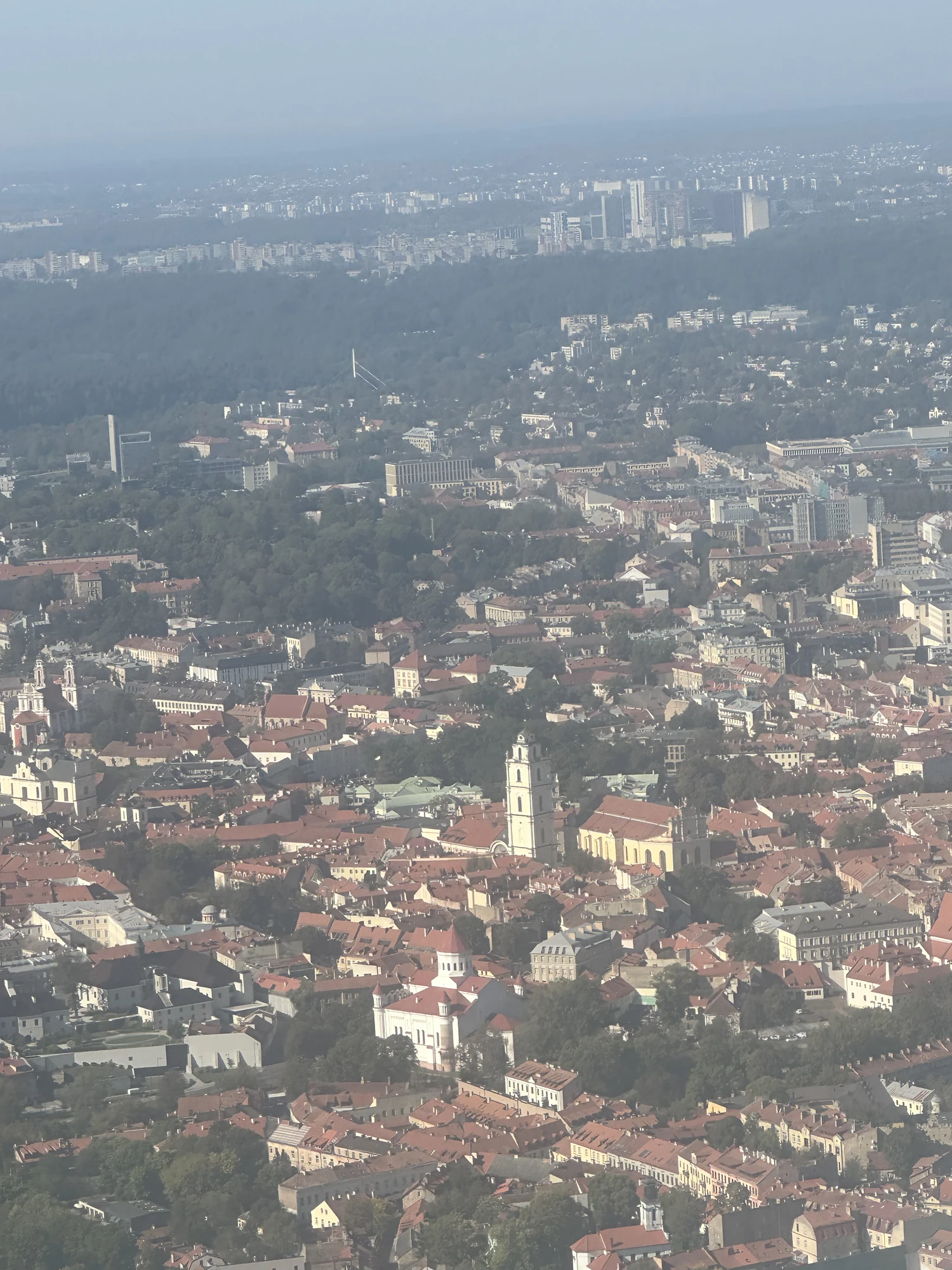
- ✓Vilnius is genuinely cheap for a European capital, and most of its best sights — churches, courtyards, viewpoints and Užupis — are free.
- ✓A single public-transport ride costs under a euro paid by contactless, and the airport bus is the same cheap fare.
- ✓Eat where locals do: markets, bakeries, food halls and lunch-deal bistros keep food costs low without skimping on Lithuanian classics.
- ✓Spend your limited ticket budget on one or two standouts — a viewpoint or the MO Museum — and skip the rest guilt-free.
- ✓A frugal Vilnius trip does not feel frugal: the beauty, the walks and the river cost nothing.
Why Vilnius is a budget traveller's city
Few European capitals give you this much for so little. Vilnius packs one of the continent's largest Baroque old towns, a castle hill, an artists' quarter and two rivers into a compact, walkable centre — and an enormous share of it is free to enjoy. Churches, university courtyards, hilltop viewpoints, riverside paths and the whole of Užupis cost nothing; the city's beauty is not behind a ticket barrier. Add food, drink and transport prices that sit well below Western European levels, and Vilnius becomes one of the best-value city breaks on the map.
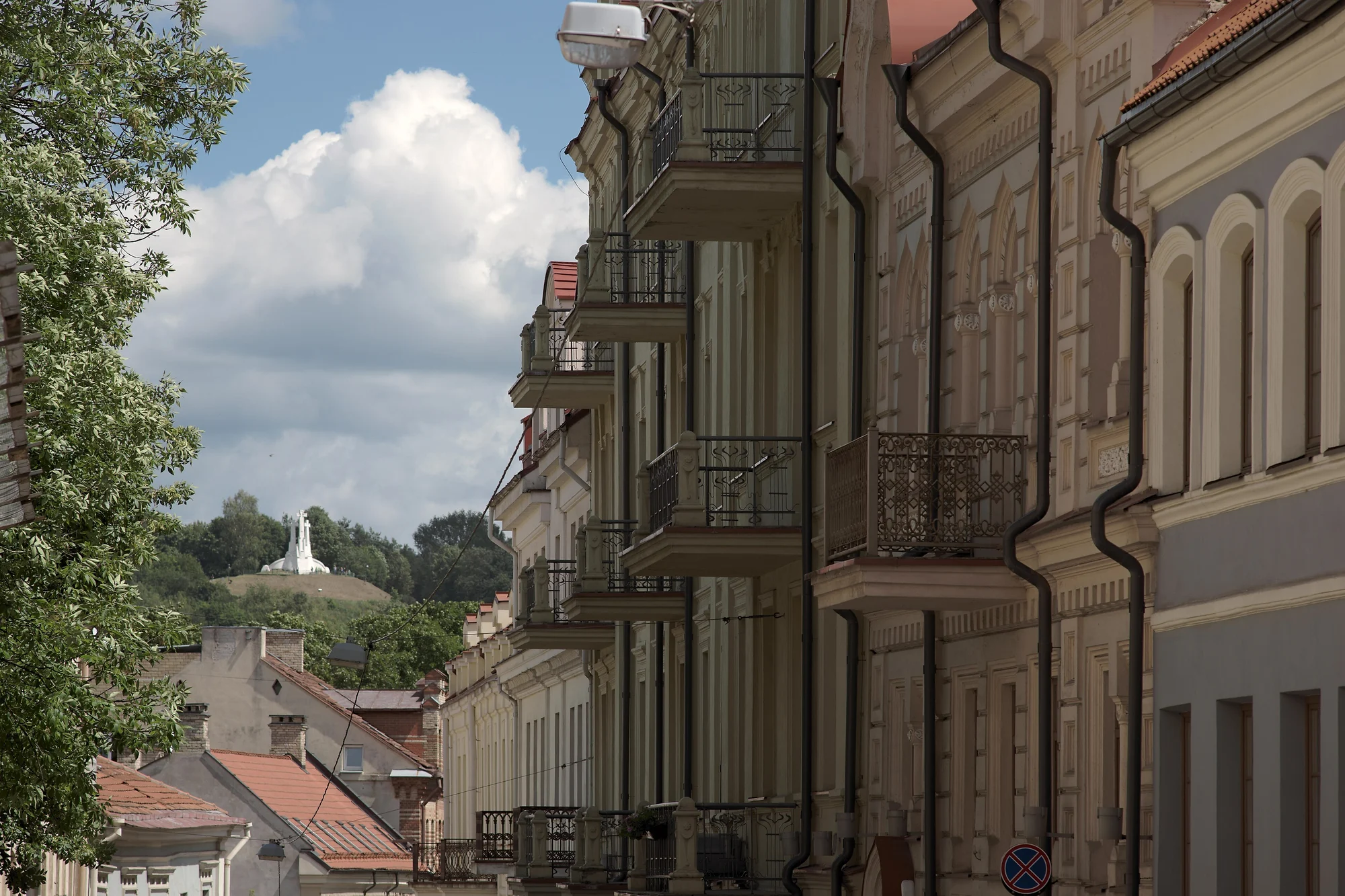
This itinerary shows how to do a rewarding two-to-three-day trip while keeping a firm hand on the budget. The principle is simple: build your days around the free sights, eat where locals eat, use cheap public transport instead of taxis, and spend your limited ticket money on one or two things you genuinely want rather than a scattergun of paid attractions. You will not feel like you are missing out — the best of Vilnius is free anyway.
None of the prices below are luxuries you have to forgo. They are choices: a couple of euros saved here funds a long market lunch or a craft beer there. Done well, a budget Vilnius trip feels generous, not pinched.
Getting around cheaply (and from the airport)
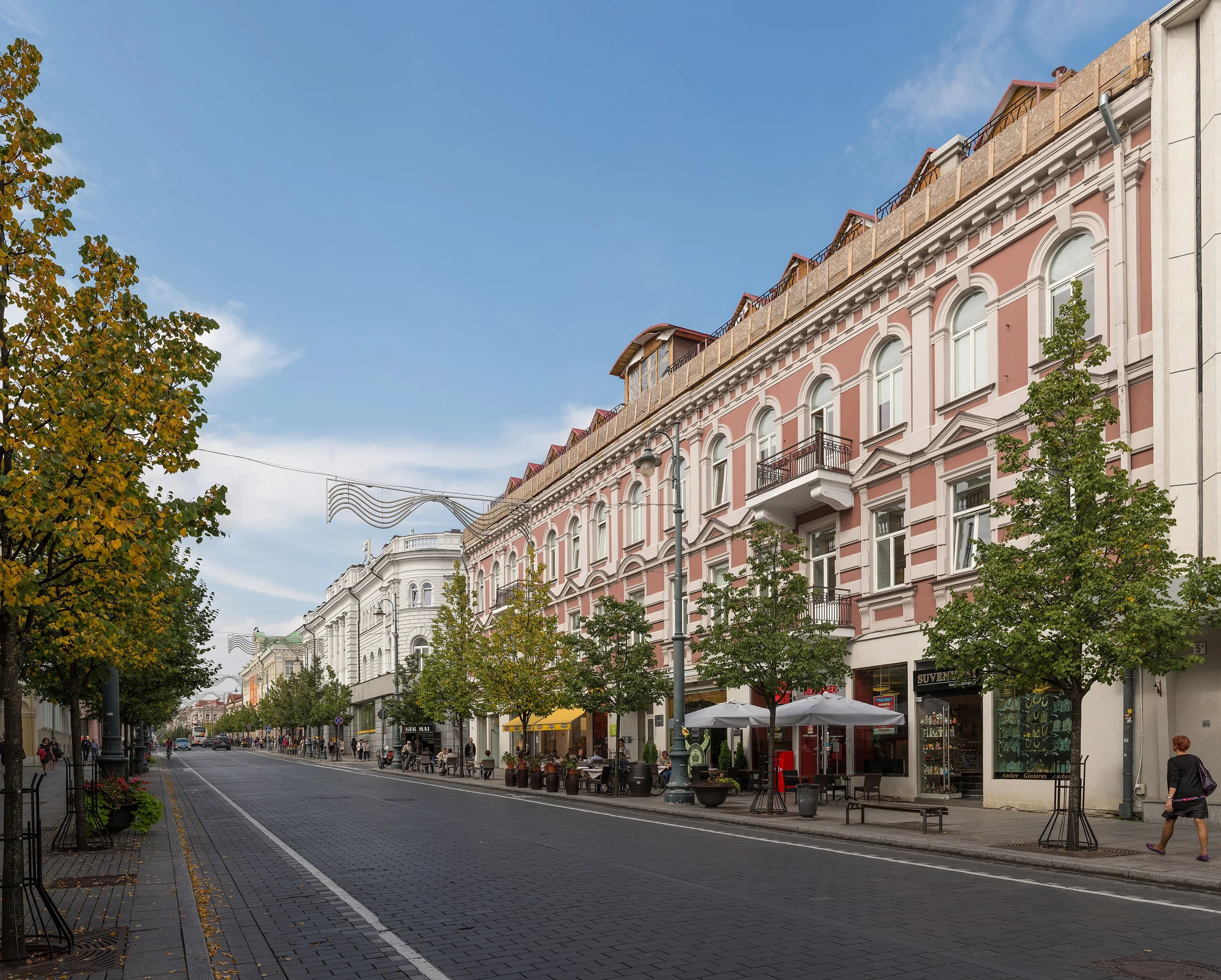
Walking is the headline transport tip: the Old Town, Užupis and the riverside are all within strolling distance, so most days need no transport at all. When you do want a ride, Vilnius's buses and trolleybuses are cheap and easy. The simplest method is to tap a contactless bank card on the validator as you board, which buys a time-limited single ticket for well under a euro and a half; check the current fare on the JUDU operator site, as it is periodically updated. There is also a JUDU mobile ticket app if you prefer.
From the airport, skip the taxi rank. Vilnius Airport is only about 6 km from the centre, and a public bus or the cheap airport route gets you in for the standard low transport fare; there is also an inexpensive train link to the central station. A taxi or Bolt is not expensive either, but the bus is a fraction of the price and barely slower. The same goes in reverse for your departure.
For day trips, public transport is again your friend: the train or bus to Trakai costs only a few euros each way. There is no need to book tours or private transfers to reach the headline castle. Our public-transport guide has the ticketing detail.
- Tap a contactless card on the bus/trolleybus validator for a cheap single ride; confirm the current fare on JUDU.
- Airport: take the public bus or train into the centre rather than a taxi — same low fare, ~6 km.
- Day trips: the Trakai train or bus is only a few euros; no tour needed.
Tickets, contactless fares, apps and airport routes.
Airport to city centreThe cheapest ways in from the airport.
Money and tippingCards, cash and realistic costs in Vilnius.
Map pins
Map data © OpenStreetMap contributors · Tiles © OpenFreeMap
A free-first sightseeing day
Structure your main day around the free sights, and you will barely open your wallet. Start at Cathedral Square and the Stebuklas tile, walk the cobbled Pilies–Didžioji spine to the Gate of Dawn, and step into the churches along the way — almost all are free, and they are the city's finest art. The Vilnius University courtyards charge a small fee, but you can admire much of the ensemble from the open lanes for nothing.
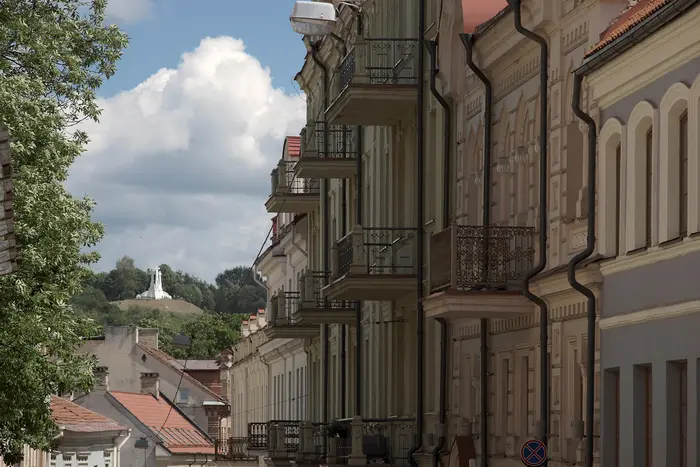
For the city's best views, choose the free option: the Three Crosses monument is a ten-minute woodland walk uphill from the free Bernardine Garden, and the panorama over the Old Town beats the paid tower. Subačiaus observation deck and the Bastion area give more free vantage points. Cross into Užupis — entirely free to wander, constitution wall, angel, river swing and all — and follow the riverside path through Paupys, which costs nothing but a coffee if you want one.
If you spend on one ticket, make it count. A sunset from Gediminas' Tower (funicular roughly €2 each way) or a couple of hours in the MO Museum (around €11; closed Tuesdays) are the two paid experiences most worth the money. Pick one, not both, and you have a full, satisfying day for the price of a single attraction.
- Free: Cathedral Square, the Pilies walk, churches, Three Crosses, Bernardine Garden, Užupis, the riverside.
- Cheap paid options: Gediminas funicular (~€2 each way), MO Museum (~€11) — pick one.
- Skip if budgeting hard: paid bell-tower climbs and multiple museum tickets — the free views rival them.
Free pleasures: parks, walks and the river
Beyond the headline sights, Vilnius hands you a whole layer of free experiences that cost only your time. The green spaces are a gift: the Bernardine Garden along the Vilnia, Vingis Park curling beside the Neris, Kalnai (Hill) Park beneath the Three Crosses, and the wooded slopes around the Subačiaus deck all give you proper nature in the middle of a capital, for nothing. Pack a picnic from a bakery and a market and you have an afternoon sorted at zero cost.
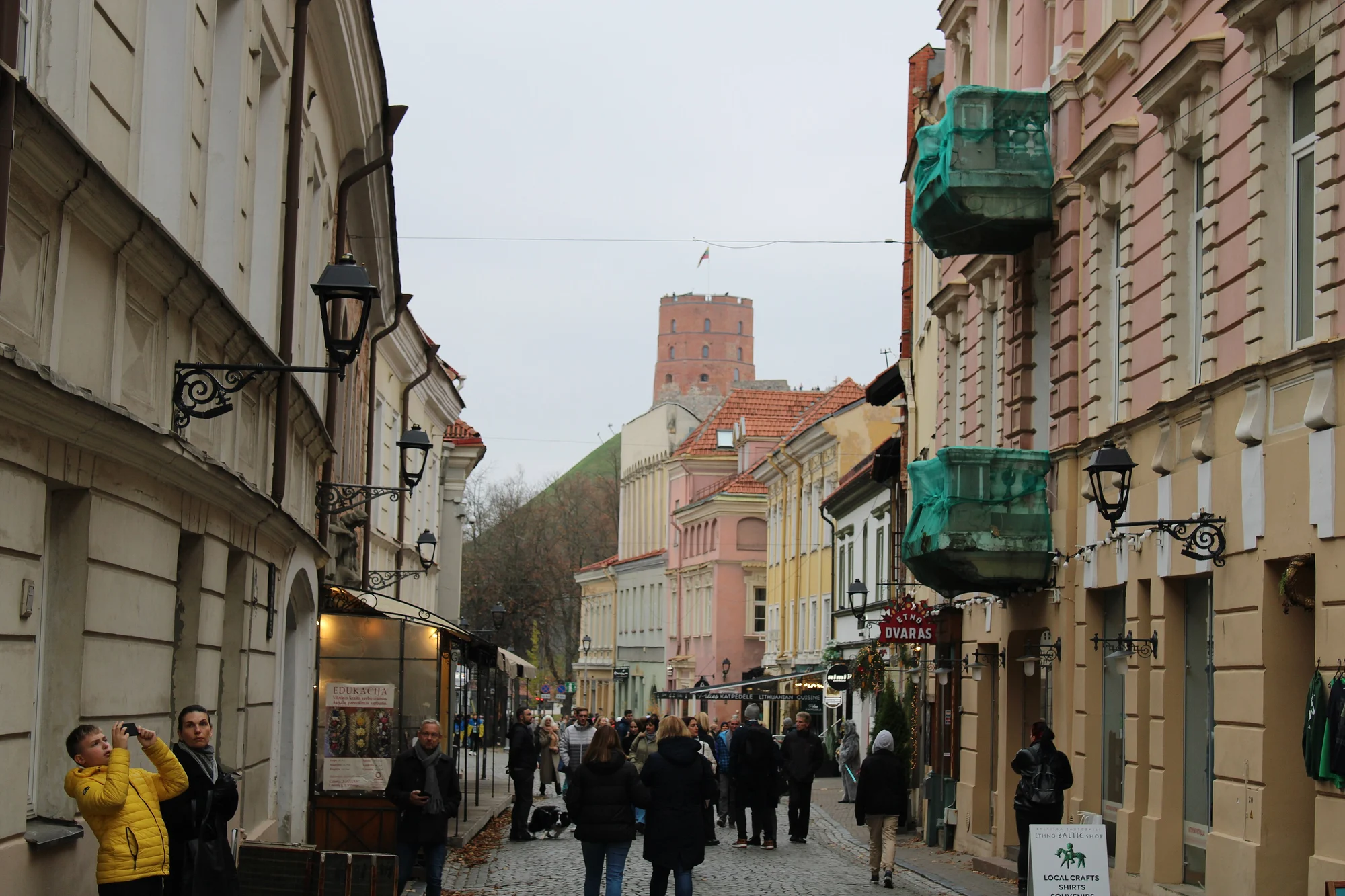
The river and the city's own texture are the other free riches. Walk the embankments of the Neris, follow the Vilnia through Užupis and Paupys, hunt down the street art that brightens the New Town and Užupis walls, and simply wander the Old Town's courtyards and lanes, which reveal more the slower you go. Many churches host free organ recitals or concerts, the university's courtyards are free to glimpse from the open passages, and the city's calendar is thick with free festivals and markets, especially in summer.
Time your visit to a free event and the city throws in a celebration for nothing: the Kaziukas craft fair in early March, Street Music Day in May, midsummer Joninės, the Capital Days street festival, and the Christmas-market lights from late November all run in public space. Check what is on while you are in town — a free festival can be the highlight of a budget trip, and it is the kind of thing no admission ticket can buy.
- Free green time: Bernardine Garden, Vingis Park, Kalnai Park, the river embankments.
- Free texture: street art, courtyards, organ recitals, the Old Town lanes themselves.
- Free events: Kaziukas (March), Street Music Day (May), Joninės, Capital Days, Christmas lights.
Eating and drinking well for less
Food is where a budget can quietly leak, so eat the way locals do. Markets and food halls are your best friends: graze through Paupys Market or Hales Market for cheap, varied plates, or assemble a riverside picnic from a bakery and a market stall. Lithuanian bakeries turn out excellent, filling pastries and rye bread for small change, and a coffee here costs a fraction of Western European prices.
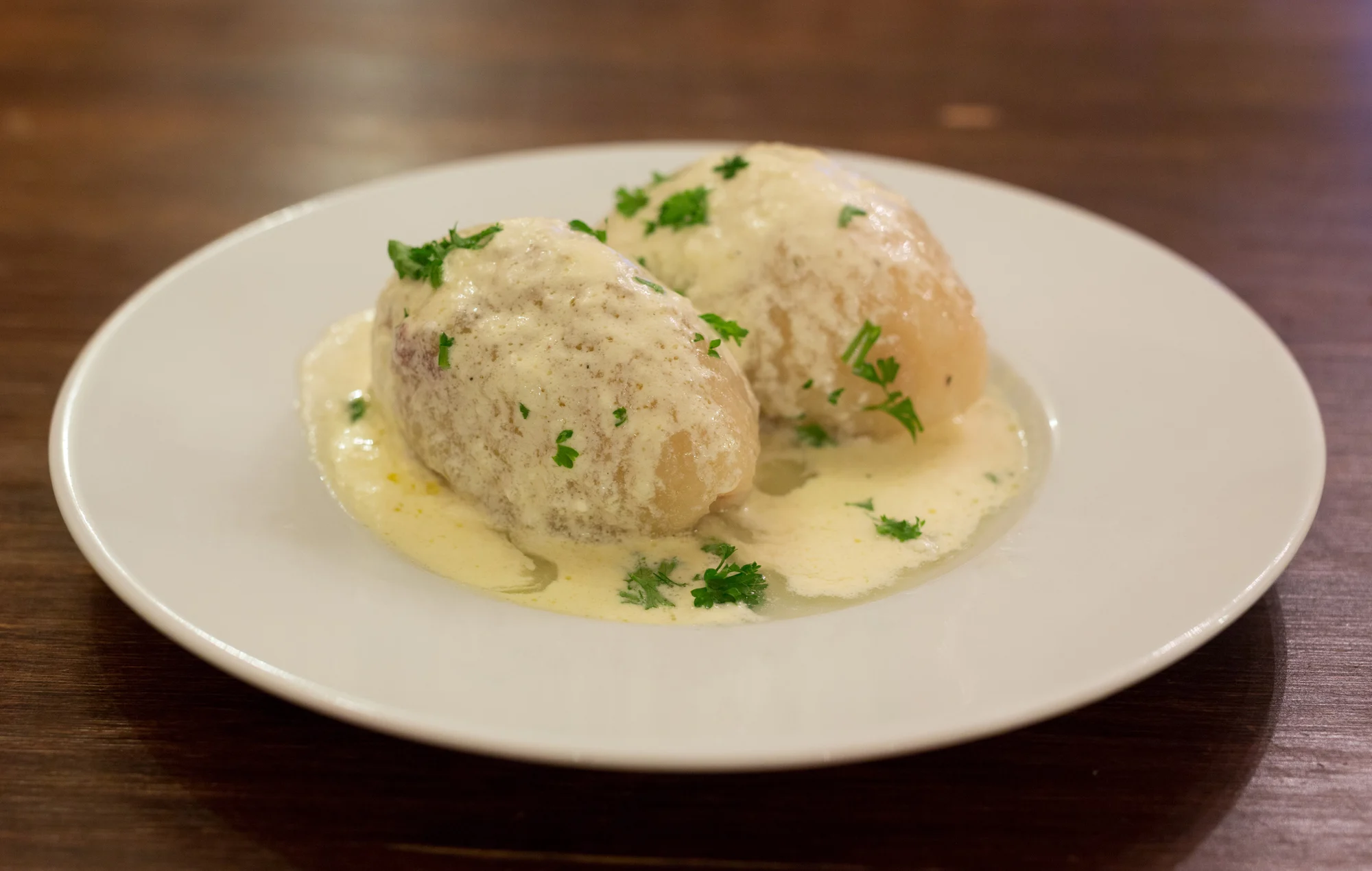
At lunch, look for the dienos pietūs — the weekday set lunch deal that bistros and canteen-style spots offer, often a generous two courses for a single-digit sum. It is the cheapest way to eat a proper Lithuanian meal: cepelinai, cold beetroot soup, koldūnai dumplings. Old-school cafeteria chains and student-area eateries are reliably cheap and genuinely good. Our budget-eats guide names the spots worth seeking out.
For drinks, Vilnius's craft-beer scene is both excellent and affordable, and a glass of local beer costs far less than in Western capitals. Tap water is safe to drink, so refill a bottle rather than buying. Tipping is modest here — rounding up or roughly 10% for good service — so it will not blow the budget either.
- Eat at markets and food halls (Paupys, Hales) and from bakeries for the lowest food costs.
- Hunt the dienos pietūs weekday lunch deal — two courses for single digits.
- Local craft beer is cheap and good; tap water is safe; tips are modest.
Sleeping cheaply, and the bottom line
Beds are where you will save the most. Vilnius has a strong run of hostels and good-value hotels, many a short walk or cheap bus ride from the Old Town. The station district (Stoties rajonas) in particular offers better rates while staying walkable, and the edges of the New Town are cheaper than the historic core without being far from it. Book ahead for summer and festival weekends, when even budget rooms tighten up. Our budget-hotels guide rounds up the best-value stays.
Put it together and a careful traveller can see the best of Vilnius for very little: free sights most of the day, sub-euro bus rides when needed, market and lunch-deal meals, cheap local beer, and one or two paid highlights chosen on purpose. The expensive version of this city and the frugal version see almost exactly the same things — because the things that make Vilnius special are free.
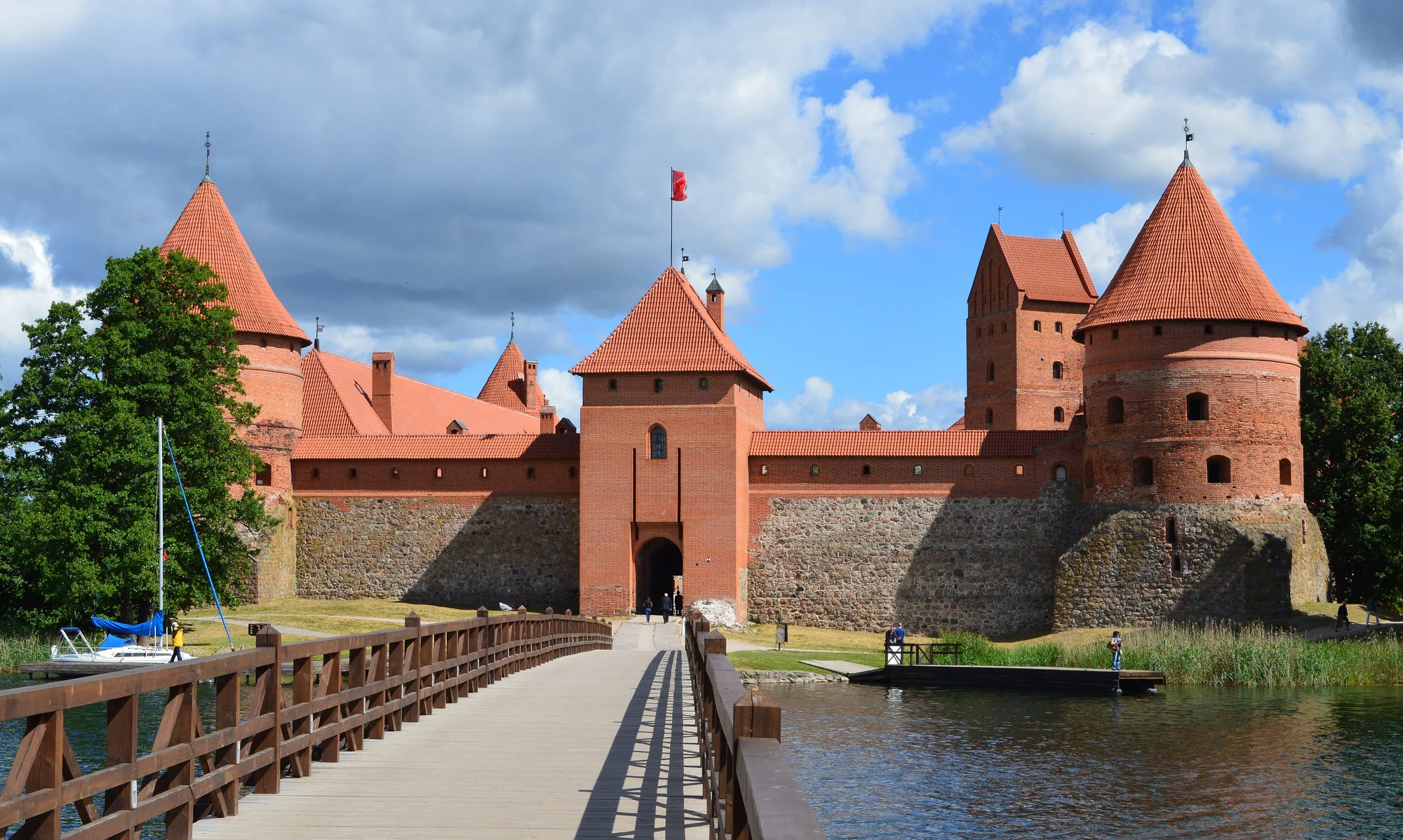
If your budget stretches to a single splurge, make it a meal or a day trip rather than a string of museum tickets. The castle at Trakai for a few euros of train fare, or one memorable dinner, will stay with you longer than any admission stub.
A sample low-cost day, and a few money tips
Here is how a frugal day actually looks. Breakfast is a pastry and coffee from a bakery for a couple of euros. The morning is free: Cathedral Square, the Pilies walk, church interiors, the climb to Three Crosses for the best view in town. Lunch is the weekday dienos pietūs set deal, two courses for single digits, or a market plate at Paupys. The afternoon is Užupis and the riverside — free — with a cheap local beer as the only spend. Dinner is cepelinai at an unpretentious tavern. The single optional ticket, if you want one, is the MO Museum or the Gediminas funicular. A full, lovely day for the price of a single mid-range restaurant meal back home.
A handful of habits keep costs down without thinking about it. Carry a refillable water bottle — the tap water is excellent. Walk first, ride second; the centre rarely needs transport. Buy nothing at the airport that you can buy in town for a fraction of the price. Shop for snacks and picnic bits at a supermarket like Maxima or Iki rather than a tourist kiosk. And use the free things deliberately — the city has so many that paying for sights becomes a choice, not a default.
Two more savers. First, consider whether a Vilnius city pass pays off for you: it bundles transport and museum entries, and is worth the maths only if you plan to visit several paid attractions, which a budget trip usually does not — so for most frugal travellers, paying per sight is cheaper. Second, time your trip to the shoulder seasons (spring and autumn) for the lowest hotel rates and thinnest crowds, with the city looking its best either side of summer.
- Free morning + set-lunch deal + Užupis afternoon + tavern dinner = a full day for very little.
- Refill tap water, walk first, skip airport prices, shop at Maxima/Iki for picnics.
- A city pass only pays off with several paid sights — usually not on a budget trip.
- Shoulder-season (spring/autumn) brings the cheapest rooms and fewest crowds.
Related guides
Vilnius Itineraries
Ready-made Vilnius routes for every kind of trip — one day, a weekend, two or three days, plus themed plans for food, history, families, romance and Christmas. Pick a plan and go.
Read guide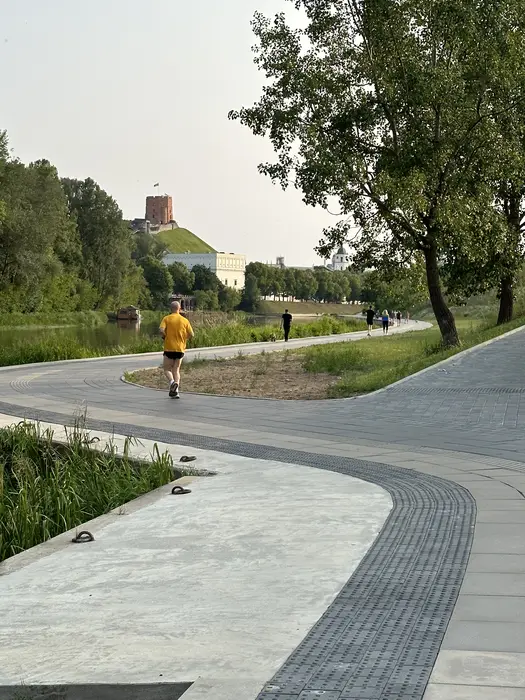
Two Days in Vilnius: The Perfect 48-Hour Itinerary
A balanced two-day Vilnius itinerary: the Baroque Old Town and Gediminas Hill on day one, the MO Museum, bohemian Užupis and the Paupys riverside on day two, paced for couples with time for slow coffee and a sunset.
Read guide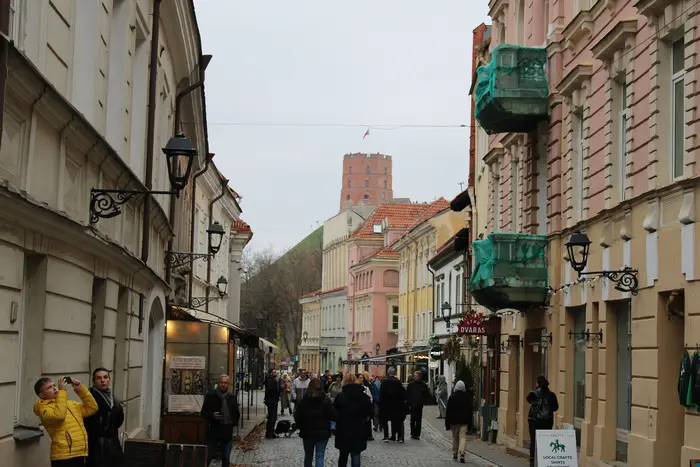
Free Things to Do in Vilnius
The best free things to do in Vilnius — free walks and viewpoints, churches, parks and courtyards, Užupis, street art and markets, plus tips to keep a Vilnius trip affordable.
Read guide