
Markets & Fairs in Vilnius
Weekly farmers' stalls, flea finds and design pop-ups buzzing with local makers and seasonal goods — where to shop the markets and fairs of Vilnius and when they happen.
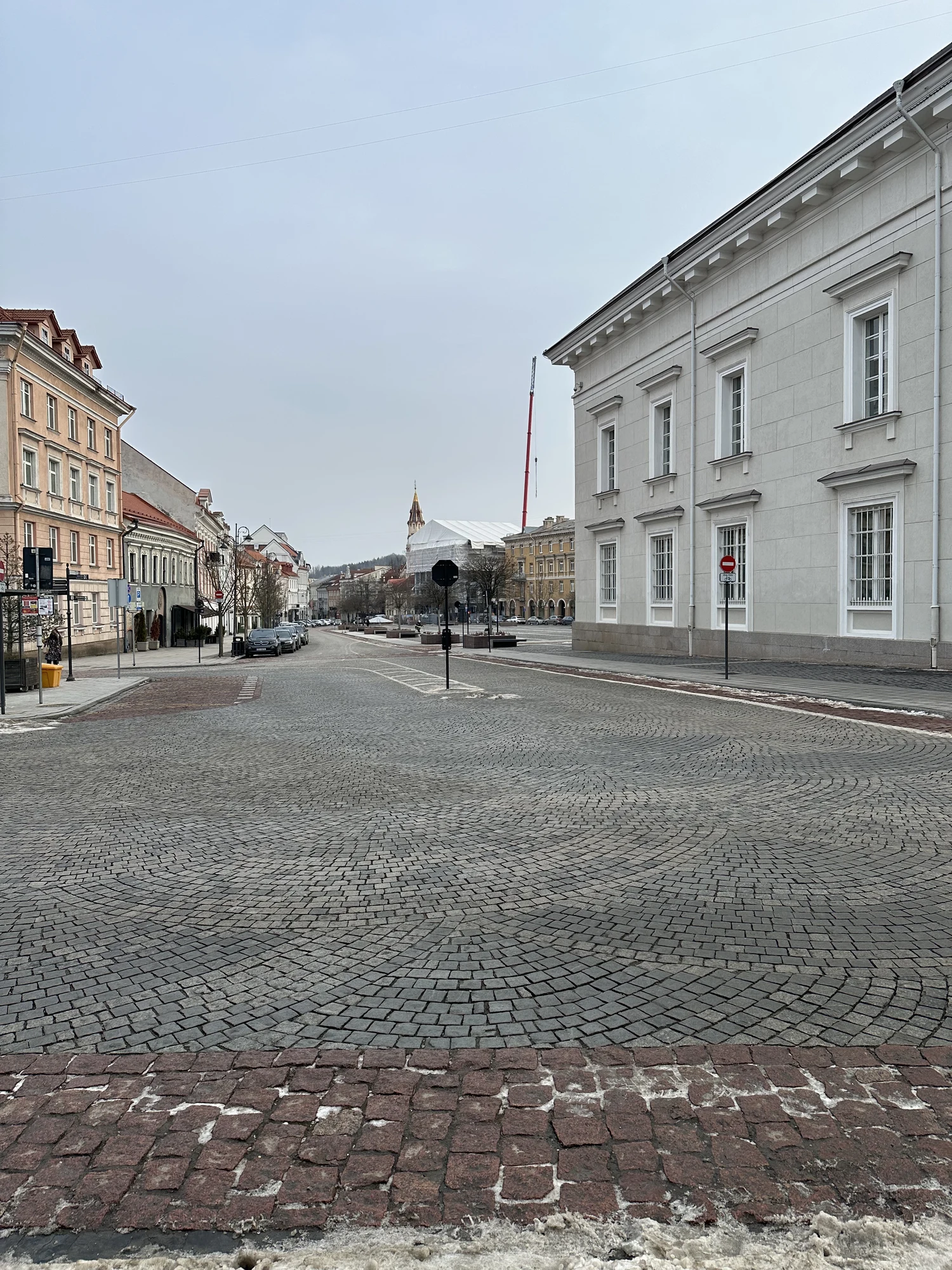
- ✓Halės Market — the historic covered market on the edge of the Old Town
- ✓Tymo and farmers' markets for produce, cheese, honey and rye bread
- ✓Kaziukas Fair in March — the Baltics' biggest craft festival
- ✓Flea finds, design pop-ups and seasonal Christmas markets
Where Vilnius actually shops
Markets are where you meet a city off-duty, and Vilnius keeps a lively rotation of them — historic covered halls, weekly farmers' stalls, flea tables, design pop-ups and the great seasonal fairs that take over whole streets. They are the best place to taste real Lithuanian food (dark rye, smoked cheese, forest honey, cold-smoked fish) and to pick up handmade linen, amber, ceramics and woodwork direct from the makers. This page is the taxonomy of the city's market culture; for sit-down food halls and eating, cross over to the Eat & Drink side.
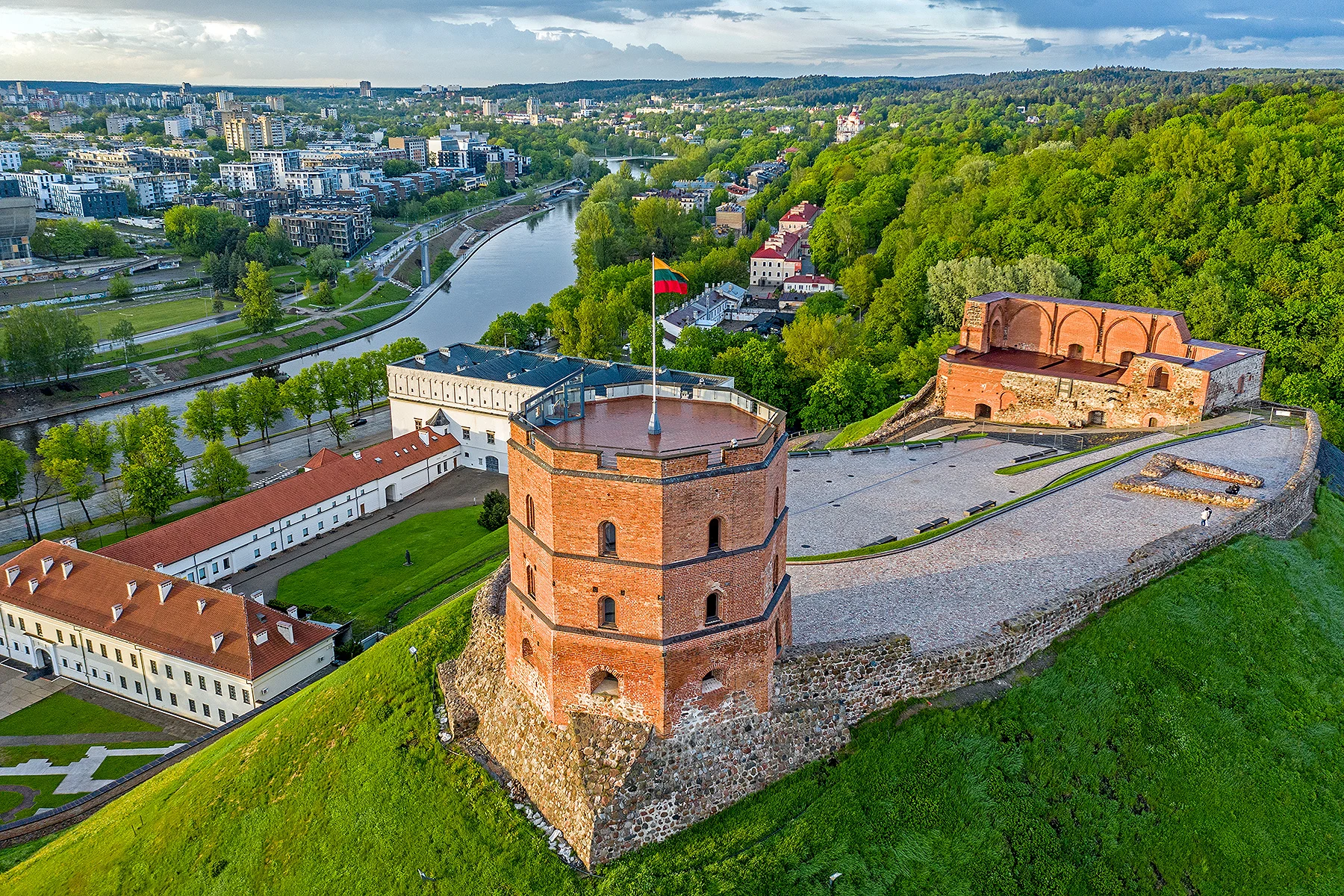
The scene runs on a rhythm worth knowing: a permanent covered market open most days, weekly produce and organic markets on fixed weekdays, and the headline fairs tied to the calendar. Hit the right day and a market becomes the highlight of your trip; turn up on the wrong one and you may find shutters down, so it pays to check ahead.
Markets also tell you something about Lithuania that the monuments don't. This is a country with deep rural roots and a strong tradition of foraging, preserving and home production — the jars of pickles, the buckets of wild mushrooms in autumn, the smoked fish and the dark sourdough rye are everyday food, not tourist theatre. Spend an hour at a stall and you get a feel for the seasons, the regional specialities and the easy, unhurried way Lithuanians shop for the things they actually eat.
The everyday markets
Halės Market (Halės turgus) is the anchor — the city's oldest and largest indoor market, housed in a handsome early-twentieth-century hall a short walk from the Gates of Dawn. Under one roof you'll find butchers, fishmongers, bakers, cheese and honey sellers, pickles and produce, plus a growing fringe of street-food counters that make it a fine lunch stop. It runs most days of the week, but is at its busiest and best in the mornings.
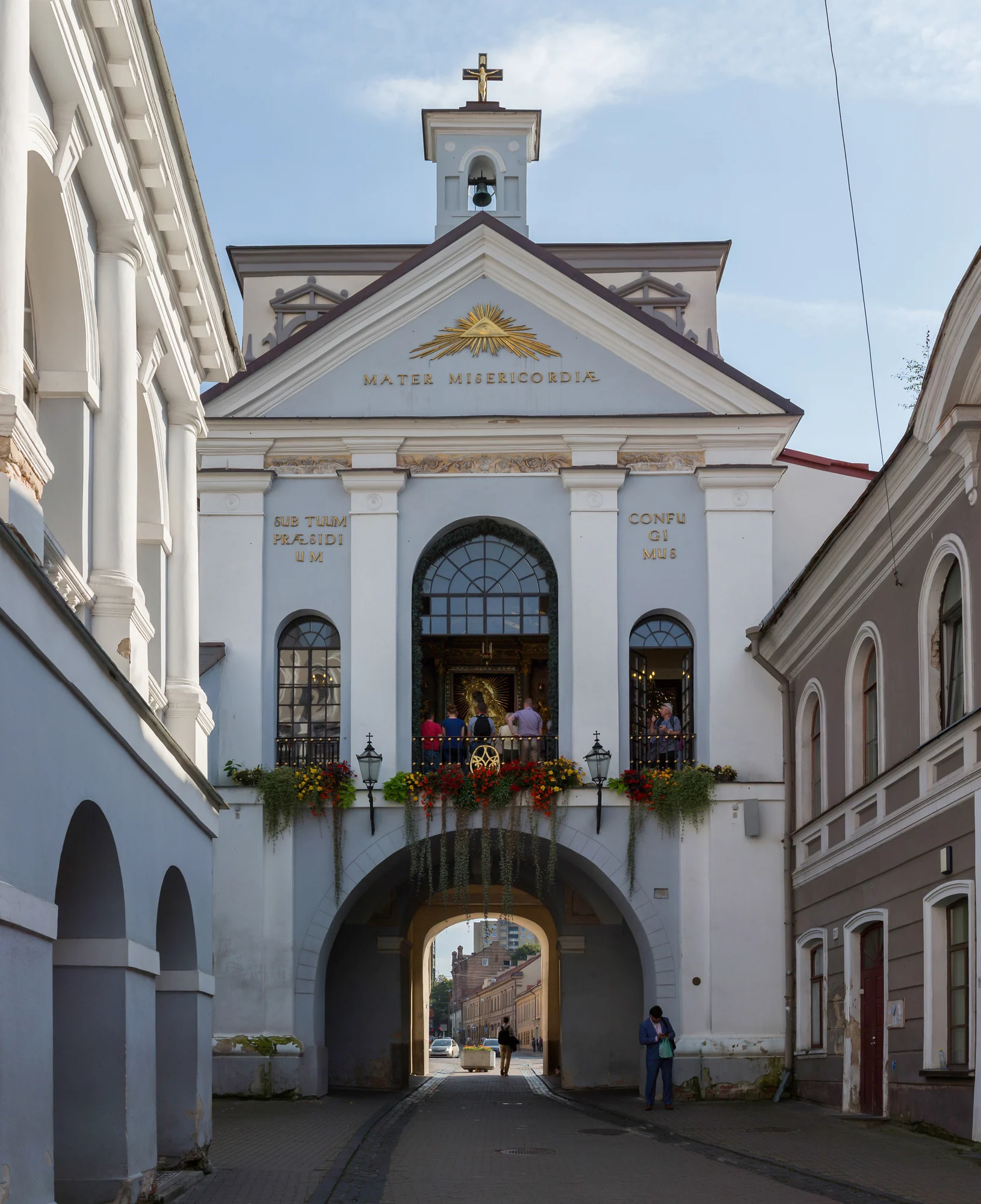
For produce direct from growers, the Tymo Market in Užupis is the city's pioneering organic and farmers' market, traditionally trading on its set market day and at its liveliest in the warm season. Neighbourhood and seasonal farmers' markets pop up across the city through spring, summer and autumn — perfect for assembling a picnic of rye bread, curd cheese and berries to carry into one of the nearby parks.
- Halės Market — historic covered hall; meat, fish, cheese, produce and street food
- Tymo Market (Užupis) — the city's original organic/farmers' market, seasonal
- Neighbourhood farmers' markets — seasonal produce, honey and rye bread
Green spaces for a market-picnic afternoon.
Family & KidsMarkets make an easy, snack-friendly family stop.
Map pins
Map data © OpenStreetMap contributors · Tiles © OpenFreeMap
The great fairs and seasonal markets
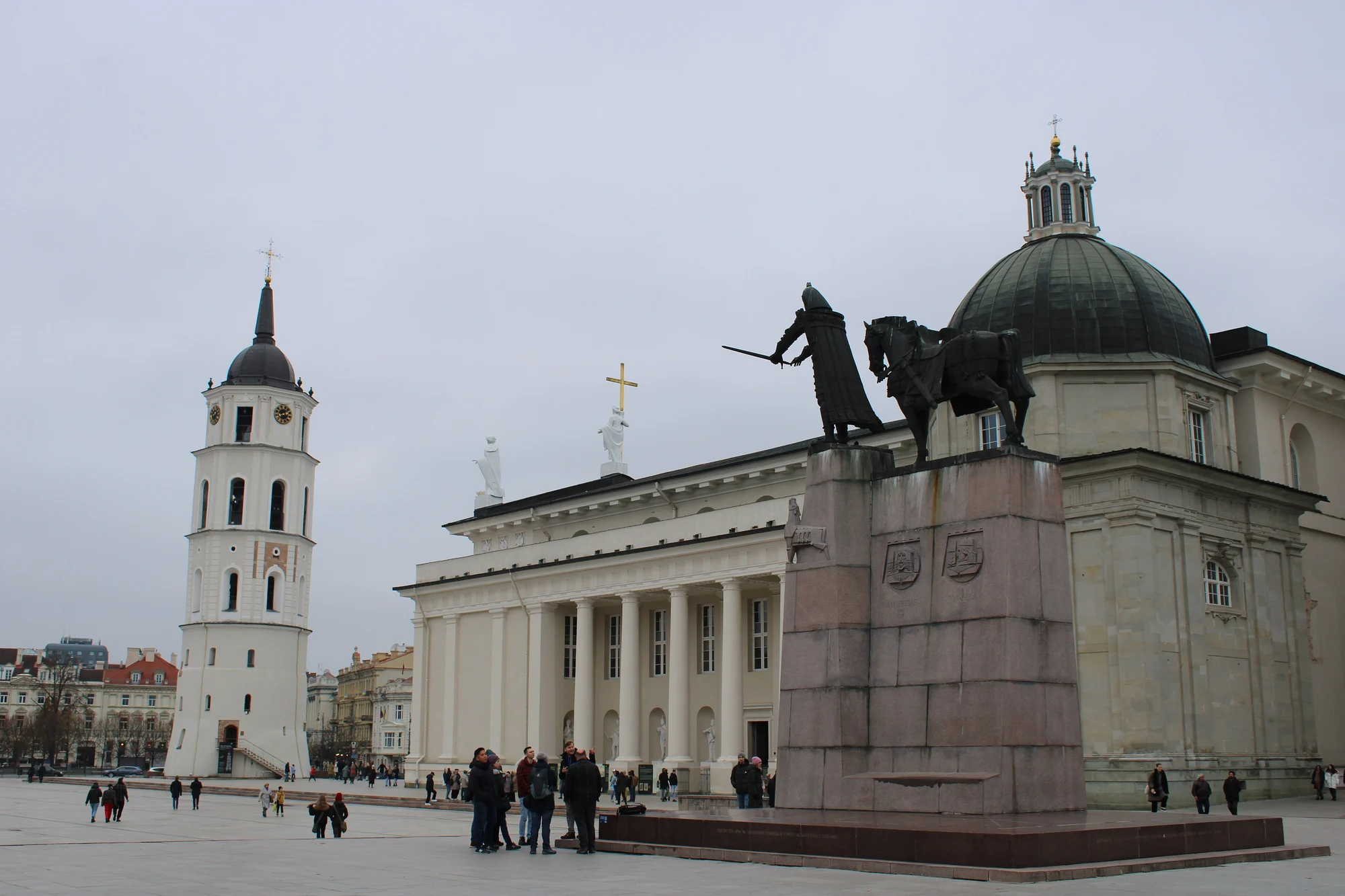
The crown of the calendar is the Kaziukas Fair (Kaziuko mugė), held each March around St Casimir's day. One of Europe's oldest and the Baltics' largest craft fair, it floods Gediminas Avenue, the streets around Cathedral Square and the university quarter with hundreds of stalls of woodwork, ironwork, linen, amber, ceramics and the famous heart-shaped gingerbread and dried-flower verbos. It draws crowds from across the region; if your trip falls in early March, build your days around it (the 2026 edition runs 6–8 March, per the official Vilnius events listing — confirm exact dates and hours before travelling).
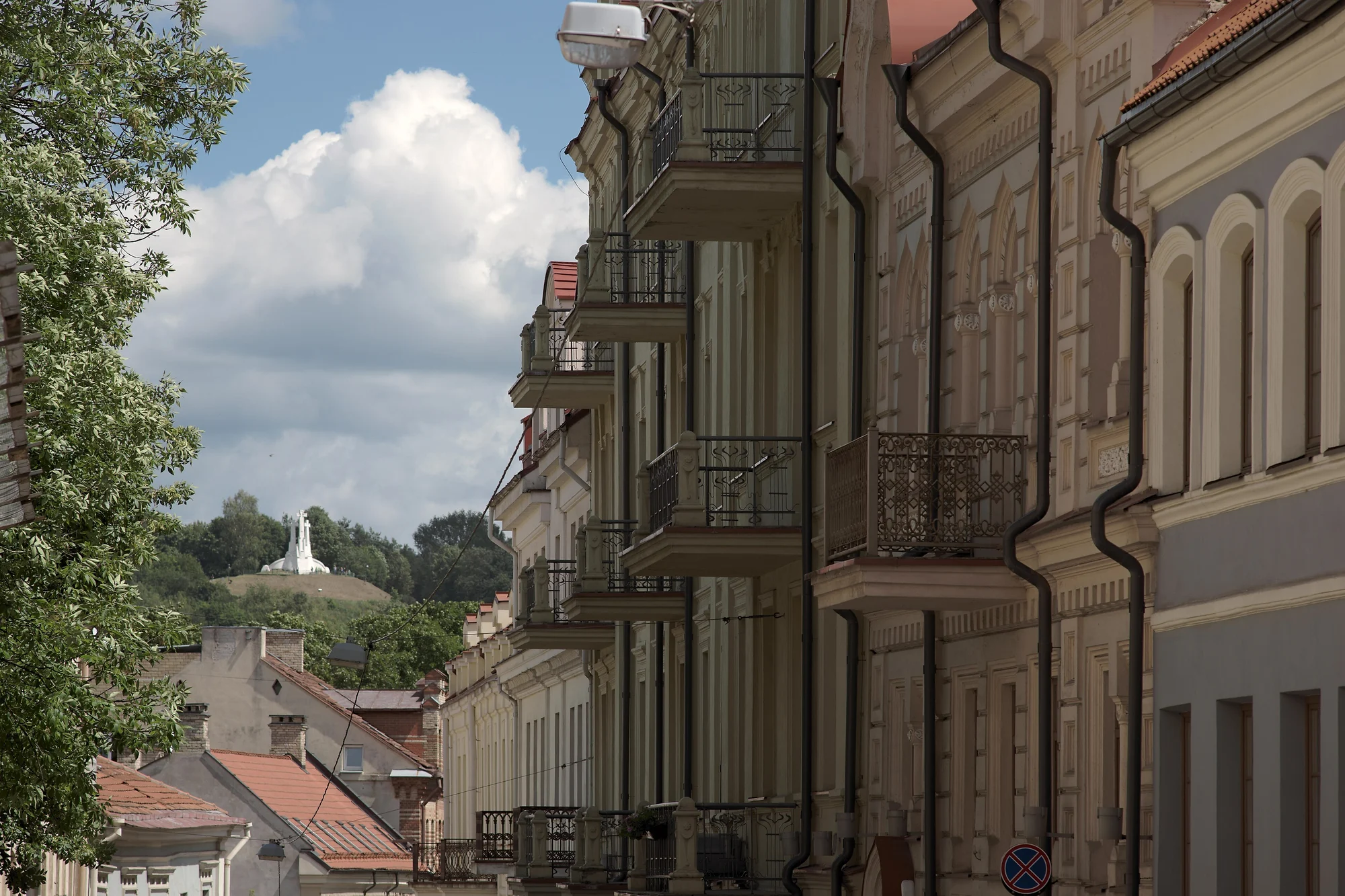
In December the focus shifts to the Christmas markets, with the showpiece tree and wooden chalets on Cathedral Square joined by smaller markets across the centre selling mulled wine, gingerbread and gifts. Between the big fairs, look out for design and maker pop-ups, vinyl and flea markets and one-off seasonal events — the city's independent creative scene throws these together year-round, often in courtyards and converted industrial spaces.
Flea finds, design pop-ups and what to bring home
Beyond food, Vilnius has a quietly excellent scene for browsers and collectors. Flea and vintage markets surface on weekends and in the warmer months, spreading tables of Soviet-era ephemera, old cameras, vinyl, glassware and bric-a-brac that double as a crash course in twentieth-century Lithuanian life. The city's design-conscious makers run regular pop-ups — independent fashion, ceramics, prints and homeware — often inside converted industrial spaces and creative quarters where the line between market and gallery happily blurs.
For souvenirs with real provenance, the craft fairs are unbeatable. Baltic amber, handwoven linen, black ceramics, carved wood and the verbos dried-flower bouquets you'll see everywhere at Kaziukas are all made regionally and sold direct. Edible gifts travel well too: dark rye bread, šakotis (the spit-baked tree cake), forest honey, herbal teas and good Lithuanian chocolate all make better keepsakes than anything mass-produced, and the markets are where to find them at honest prices.
Because so many of these pop-ups are one-off or seasonal, the best way to catch them is to follow the city's creative scene and the events calendar rather than rely on a fixed address. A little serendipity is part of the fun — some of the most memorable market finds in Vilnius come from stalls that were only there for a weekend.
- Flea & vintage markets — Soviet-era ephemera, vinyl, cameras and glassware
- Design pop-ups — independent fashion, ceramics and homeware in creative spaces
- Take home: amber, linen, black ceramics, honey, rye bread and šakotis
How to shop the markets
Go in the morning for the fullest stalls and the freshest produce, and carry cash — many sellers, especially at the farmers' and flea markets, prefer it, though the bigger halls increasingly take cards. A reusable bag, a little patience and a willingness to point and smile go a long way; English is widely understood, but the warmest exchanges happen over a tasted sample of cheese or honey. Prices at craft fairs are generally fixed, while flea tables leave a little room for friendly haggling.
Above all, treat market days and fair dates as the variable they are. Weekly markets keep set days, the covered hall keeps regular hours, and the big fairs are pinned to the calendar — but all of these can shift year to year, so verify current schedules on official city and venue channels before you plan a day around them. Done right, a Vilnius market is the most enjoyable, lowest-cost way to taste the city and meet the people who make it.
Related guides
Markets & Food Halls in Vilnius
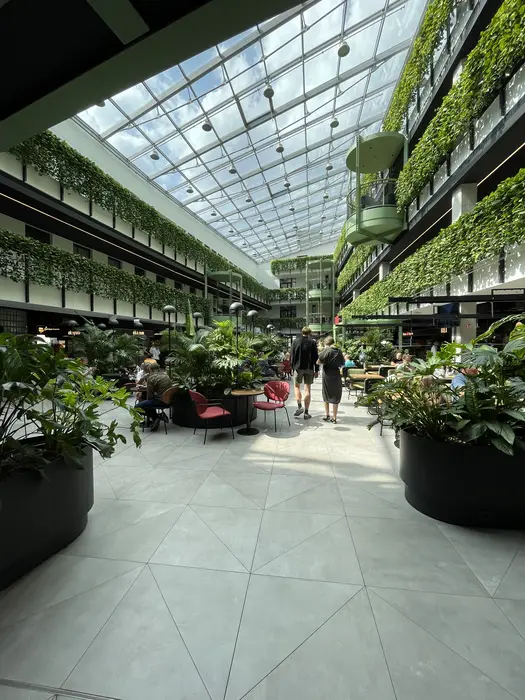
Multi-vendor markets, casual counters and food halls in Vilnius — from the modern Paupio turgus to the historic Halės turgus — mixing global bites with weekend energy. Where to graze, what to eat and when to go.
Read guide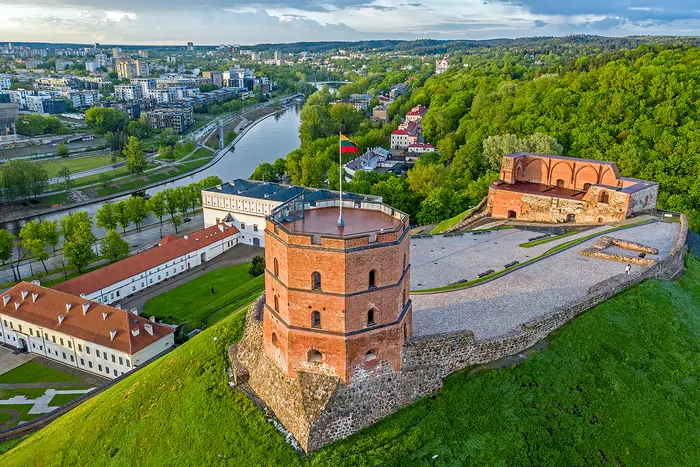
Best Things to Do in Vilnius
A first-trip shortlist of the best things to do in Vilnius — from Gediminas' Tower and the UNESCO Old Town to Užupis, the MO Museum, food halls and Trakai.
Read guide
Galleries & Contemporary Art in Vilnius
Artist-run spaces, residencies and contemporary galleries in Vilnius showing rotating installations, openings and pop-up shows — the city's living, experimental art scene.
Read guide