
International Eats in Vilnius
Global kitchens in Vilnius: Georgian khachapuri, Japanese ramen and sushi, Middle Eastern kebabs, Spanish and Italian rooms, Ukrainian comfort food and Latin plates — where to find each and what to order.

- ✓Vilnius punches far above its size for world food — Georgian, Japanese, Middle Eastern, Spanish, Italian, Ukrainian and Latin American kitchens all have a real foothold in the city.
- ✓Georgian cuisine is the runaway favourite: khinkali dumplings and cheese-filled khachapuri turn up everywhere from food halls to sit-down rooms.
- ✓Ukrainian and Caucasian food has grown markedly since 2022, with homestyle dining rooms serving borscht, varenyky and charcoal-grilled shashlik.
- ✓Japanese is the city's fastest-rising Asian category — proper ramen, conveyor-belt sushi and hand-formed onigiri now have dedicated specialists.
- ✓Most international spots sit outside the Old Town in Naujamiestis, Žirmūnai and the food halls, so a short walk or bus ride usually rewards you with better value.
A small capital with a surprisingly global table
For a city of roughly 600,000 people, Vilnius eats remarkably wide. The International Eats category collects the kitchens that bring the wider world to the Lithuanian capital — from Asian tastings to Mediterranean feasts and Latin comfort food — and it is one of the deepest categories in the city's dining scene, with well over a hundred listed venues spanning a dozen cuisines. If you have had your fill of cepelinai and cold beet soup, this is where to look next.
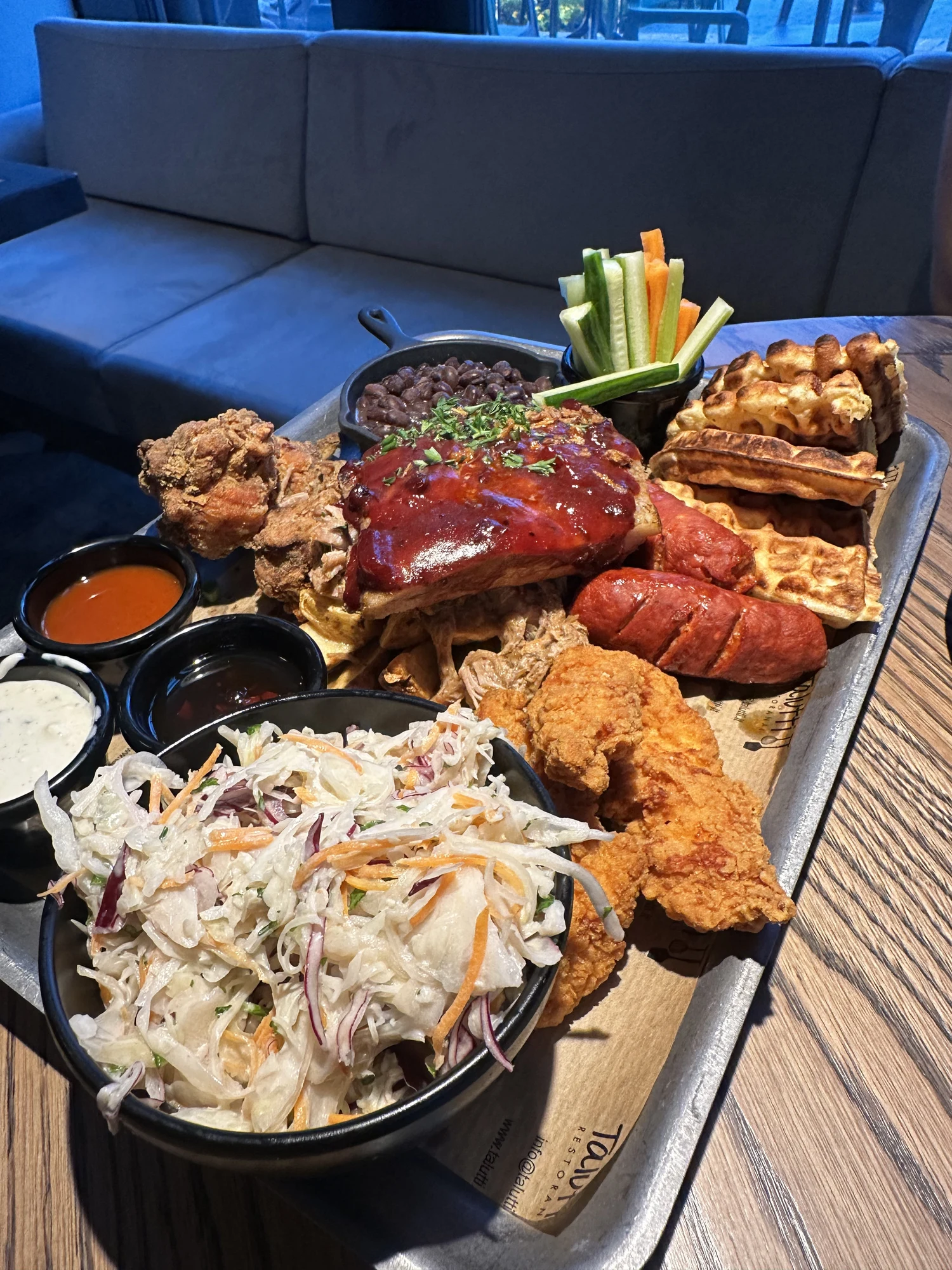
What makes Vilnius interesting is that the international scene is not a single tourist strip but a patchwork spread across neighbourhoods. The Old Town has the polished, central rooms; Naujamiestis and the station district hold the trend-led places; and residential Žirmūnai and the food halls hide the family-run gems where you eat best for the least. Treat this page as a map of cuisines rather than a ranking, then dive into the venue entries for the specifics.
Georgian & Caucasian: the city's favourite import
If one foreign cuisine has truly taken root in Vilnius, it is Georgian. Cheese-laden khachapuri, soup dumplings called khinkali and walnut-rich stews appear on menus across town, and the city has several dedicated Georgian rooms — among them the Chačapuri Bistro counters (including the popular one inside Paupio turgus food hall and a branch at PC Panorama) and the well-loved Mimino. Caucasian grill houses extend the theme with charcoal-cooked shashlik and adjika-spiced meats.
These places tend to be generous, affordable and warmly run — the kind of meal where the table fills with shared plates and nobody leaves hungry. They are a reliable choice for groups and for a relaxed dinner that does not need a reservation weeks ahead. Pair a khachapuri with a Georgian wine and you have an easy, satisfying evening.
- Order the adjaruli khachapuri (boat-shaped, with a runny egg) if it is your first time.
- Khinkali are eaten by hand — hold the topknot, bite, sip the broth, then eat the rest.
- Food-hall Georgian counters are the cheapest way in; sit-down rooms are better for a full spread.
Asia, the Middle East and the Mediterranean
Vilnius's Asian scene has matured fast. Japanese is the standout, with dedicated ramen specialists, a conveyor-belt sushi room and hand-formed onigiri stalls now joining the older pan-Asian places — Sakai Ramen, Nagomi, Tachi Machi, Žapony and Eerie Onigiri all have devoted followings. Indian, Nepali and Pakistani kitchens such as Mažoji Himalaja and Dhaba & Delights cover the curry-and-tandoor end, while Thai and Vietnamese spots round things out.
Middle Eastern food is everywhere in the casual, fast-casual register: falafel, shawarma and charcoal kebabs from Jordanian, Turkish and Levantine cooks, with Petra Bakery & Falafel and a cluster of well-rated kebab houses leading the way. For the Mediterranean, Spanish rooms like LA PEPA and Italian-leaning trattorias bring tapas, paella and slow Sunday lunches — and there is even a Belgian-French mussels-and-frites option for something different.
Because so many of these are owner-run, quality is high and prices are gentle, but opening hours can be idiosyncratic. Check current times before a special trip and keep a backup in mind, especially on Sundays and Mondays.
Latin America, Ukraine and the comfort-food corner
Beyond the big cuisines, Vilnius has a charming long tail of homestyle international cooking. Argentinian empanadas (La Empanada), Peruvian-Nikkei plates and other Latin kitchens add brightness to the city's tables, while Ukrainian dining rooms such as Smachna Hatyna serve borscht, varenyky and the kind of slow-cooked dishes that taste like someone's grandmother is in the kitchen. American-style diners and a much-loved fish-and-chips spot (Paikis) fill out the comfort-food end.
These smaller places are where Vilnius's international scene feels most personal — single-room operations, hand-written specials, and owners who remember your order. They reward the curious traveller willing to venture a few stops from the centre, and they are usually kind to the wallet.
How to use this category & where to find the places
International venues cluster in three areas. The Old Town holds the central, more polished rooms; Naujamiestis (New Town) and the railway-station district concentrate the trend-led and value-driven spots; and the modern food halls — Paupio turgus chief among them — let you graze across several cuisines in one sitting, which is ideal for indecisive groups. Residential Žirmūnai, just north of the centre, hides several of the best family-run kitchens.
Use the venue entries below for current details — most international spots take walk-ins, but the smaller owner-run rooms can be tiny, so a quick call ahead for dinner is wise. For a structured tasting of the city's food (local and global), a guided food tour is a good shortcut, and our neighbourhood guides explain which districts to base yourself in for the best eating.
Ordering, etiquette and getting the best from a global meal
Eating international in Vilnius is low-stress, but a few habits help. Many of the best world-food spots are tiny, owner-run rooms where the menu is short and changes with what's good — trust the chef's recommendation, and don't be surprised if the 'menu' is a handful of specials read out at the table. Portions are usually generous in the Caucasian, Middle Eastern and Ukrainian kitchens, so order conservatively for your first visit and share. English is widely spoken in the centre, less so at the smaller residential places, but pointing and goodwill carry you a long way.
Tipping is appreciated but not obligatory — rounding up or leaving around ten percent for good table service is normal, and counter or takeaway spots don't expect it. Cards are accepted almost everywhere, though a little cash smooths things at market stalls and the smallest kitchens. Vegetarians and vegans are increasingly well served across the international scene: Middle Eastern falafel and mezze, Indian and Nepali dishes, and many Asian options are naturally plant-friendly, and dedicated plant-based rooms are growing fast.
Finally, plan around the rhythm of the city. Lunch is the easiest time to eat well and cheaply, dinner the busiest, and Sunday and Monday the days when smaller places are most likely to close. If a specific spot is on your wish list, check its current hours before crossing town, and keep a nearby alternative in your back pocket — half the joy of Vilnius's global table is stumbling onto somewhere you weren't planning to go.
Related guides
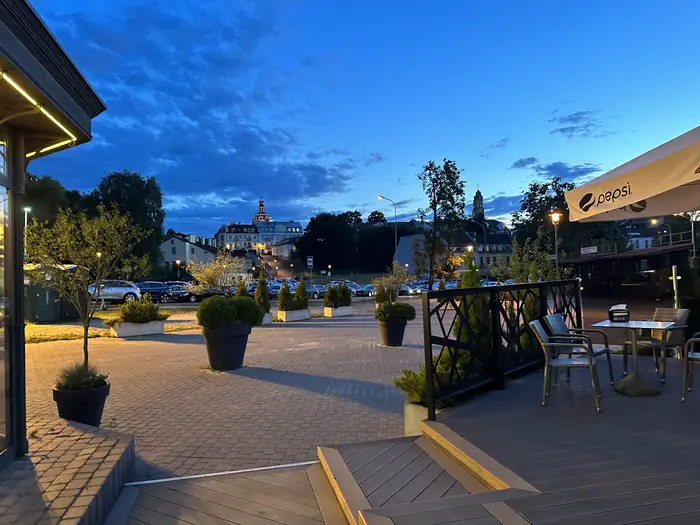
Food & Drink in Vilnius
Where and what to eat and drink in Vilnius: Lithuanian classics, modern Baltic cooking, food halls, cafés, craft beer, cocktail bars and wine — curated guides to the whole scene.
Read guide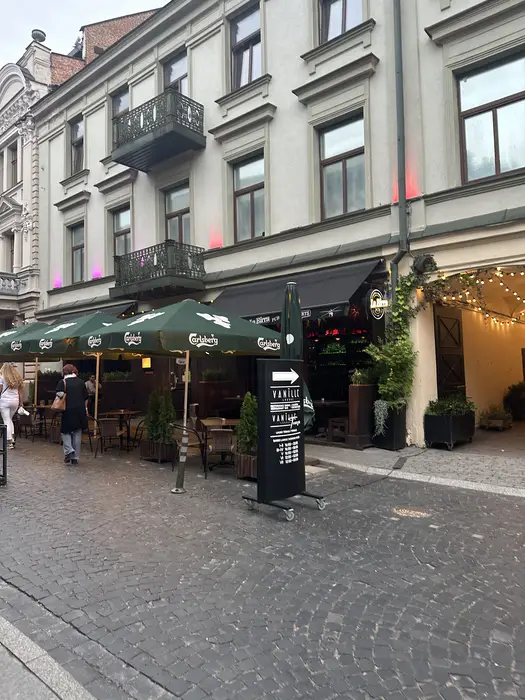
Best Restaurants in Vilnius
A practical shortlist of the best restaurants in Vilnius — by neighbourhood, by budget, and by occasion. Lithuanian classics, modern Baltic cooking, date-night rooms, tasting menus, and where to find genuine value.
Read guide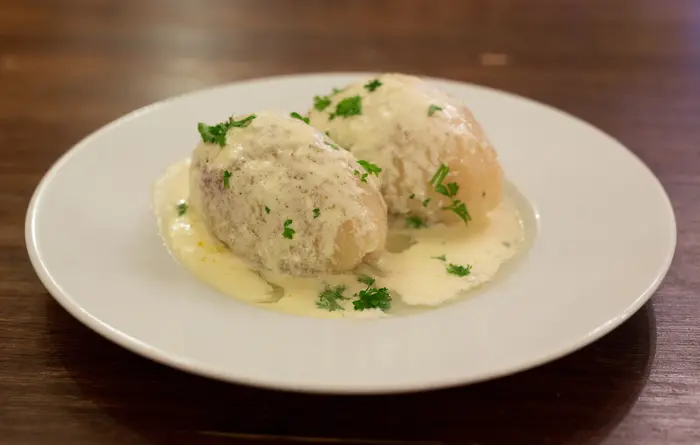
Traditional Lithuanian Food in Vilnius
What to eat in Vilnius, from cepelinai and šaltibarščiai to kibinai, dark rye bread, smoked fish, honey cake and beer snacks — and the best places to try each.
Read guide